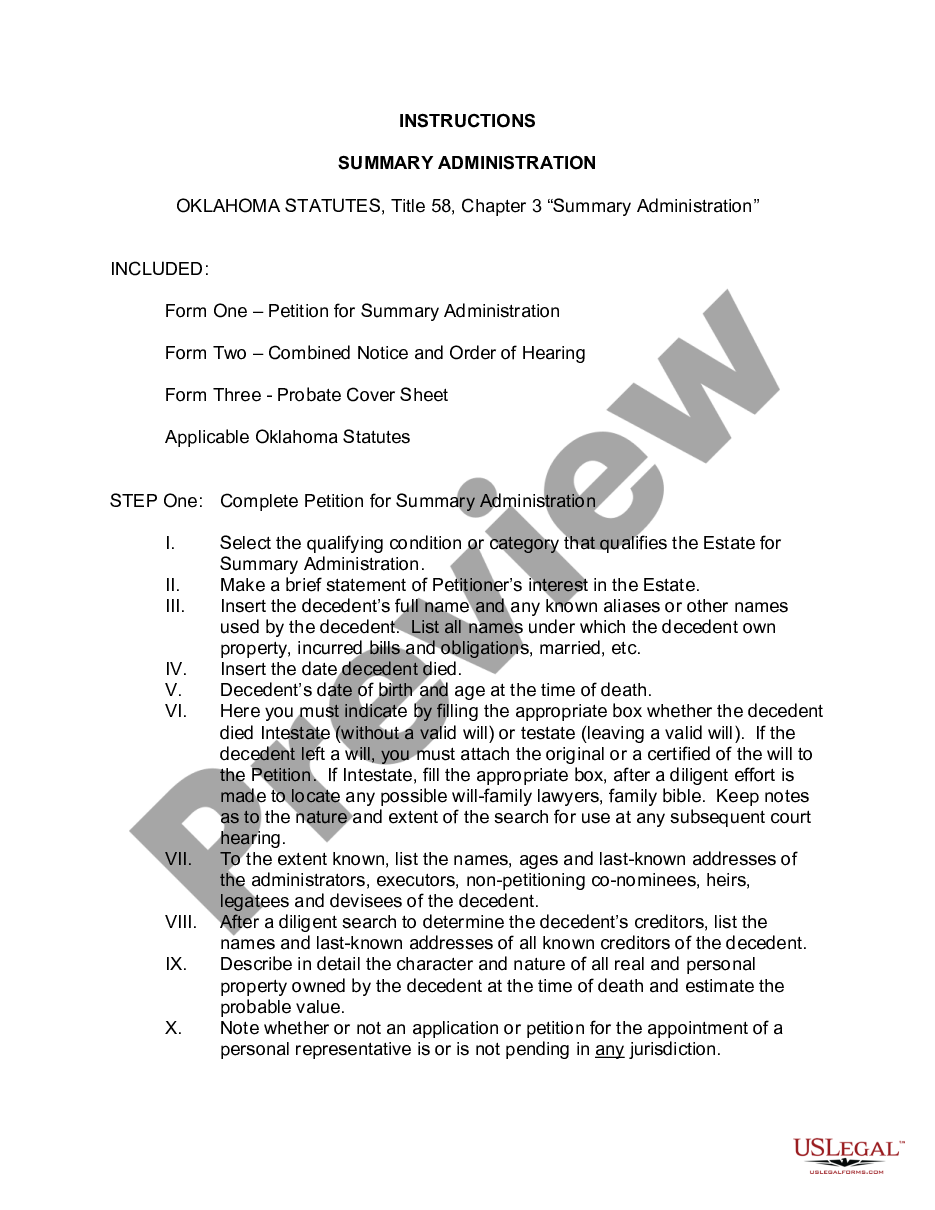
Joint Motion for Judgment of Dismissal With Prejudice
Understanding this form
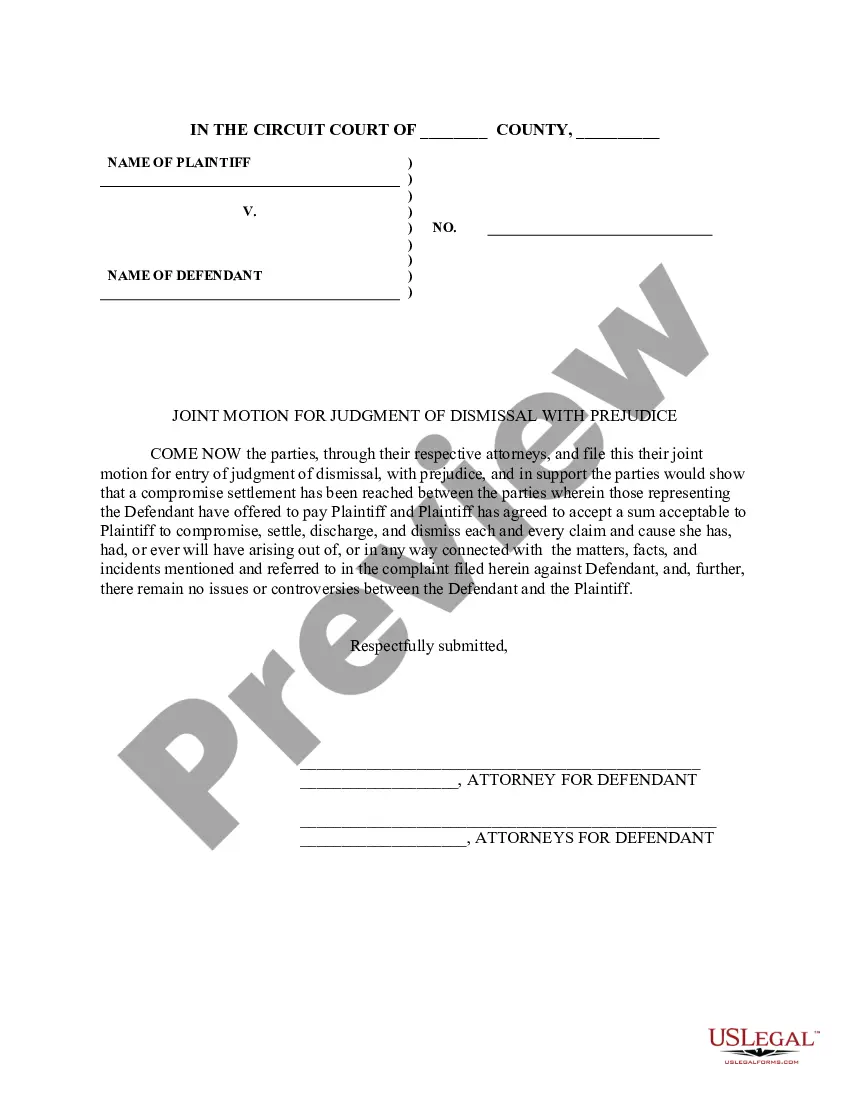
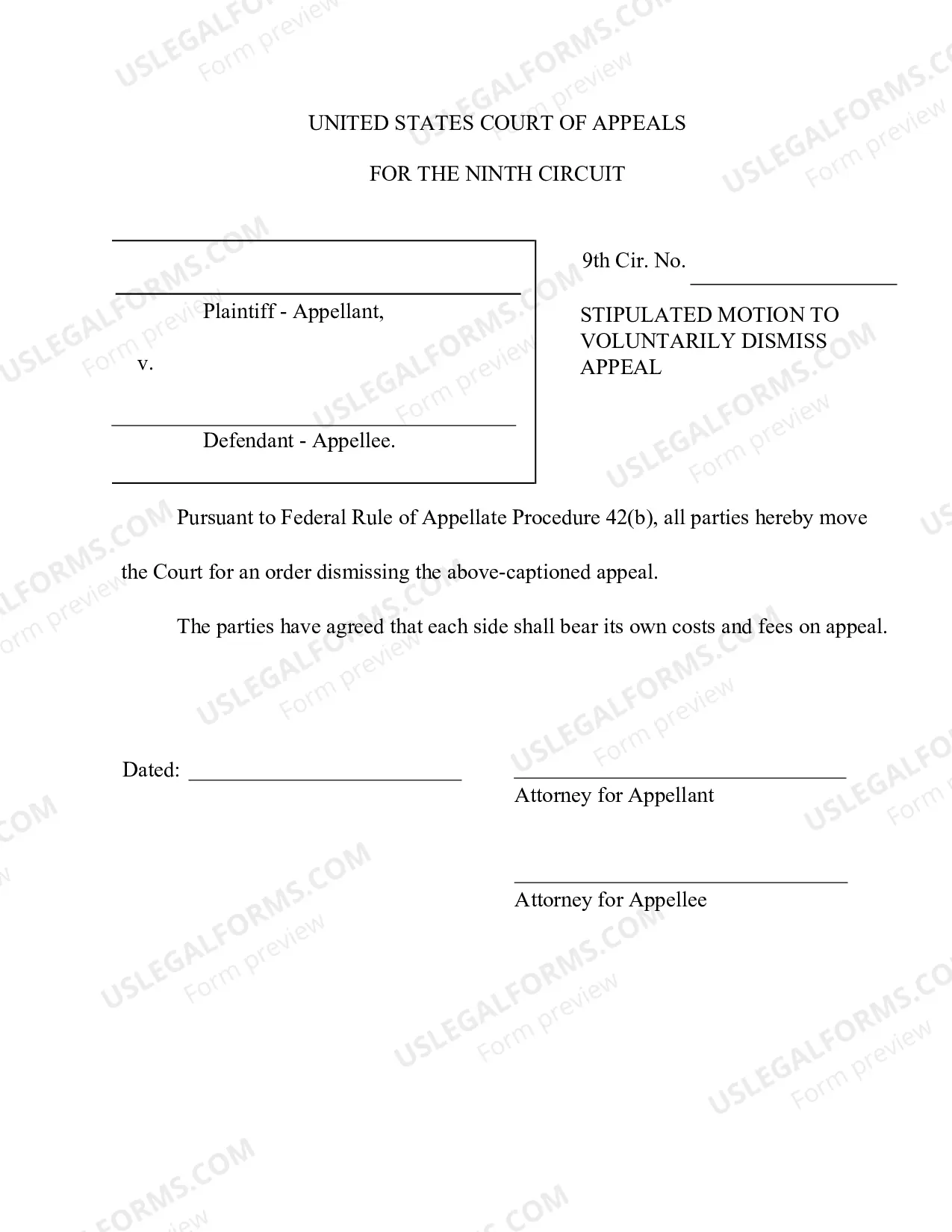
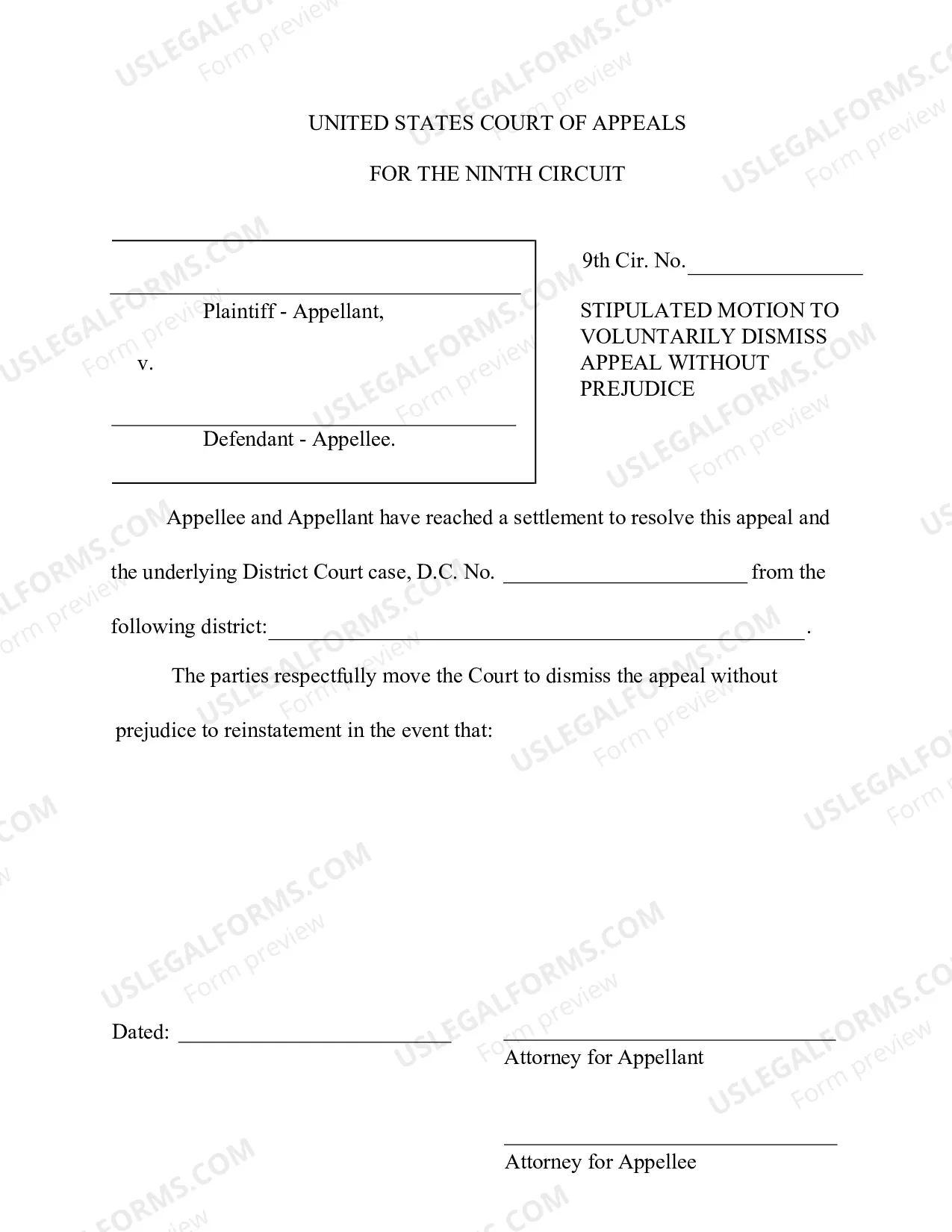
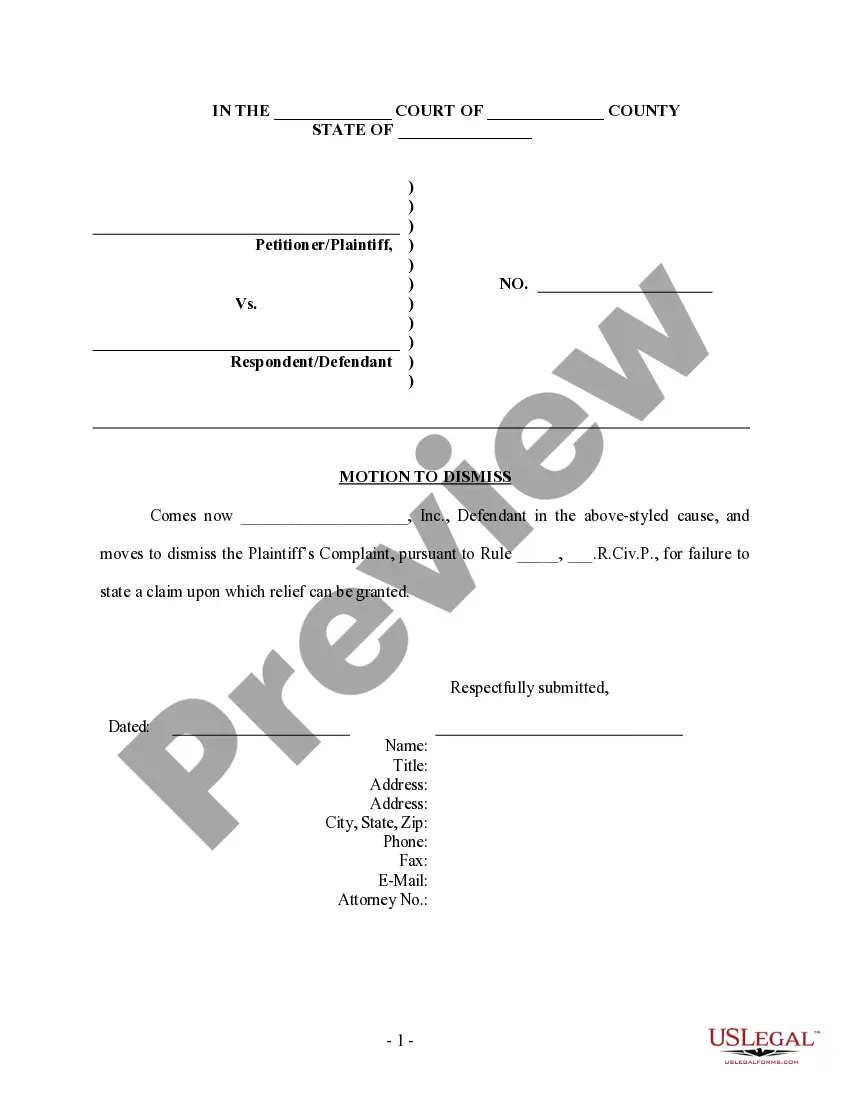
The Joint Motion for Judgment of Dismissal With Prejudice is a legal document used to formally request the dismissal of a case with a final resolution, barring the plaintiffs from bringing the same claims in the future. This form is typically filed when both parties have reached a settlement, ensuring that all claims related to the case are resolved. Unlike other motions, this specific form includes a stipulation that claims cannot be refiled, which provides both parties with certainty and closure.
What’s included in this form
- Name and contact information of the plaintiff and defendant.
- Details of the claims being dismissed.
- Statements indicating that a settlement has been reached.
- Signatures of attorneys representing each party.
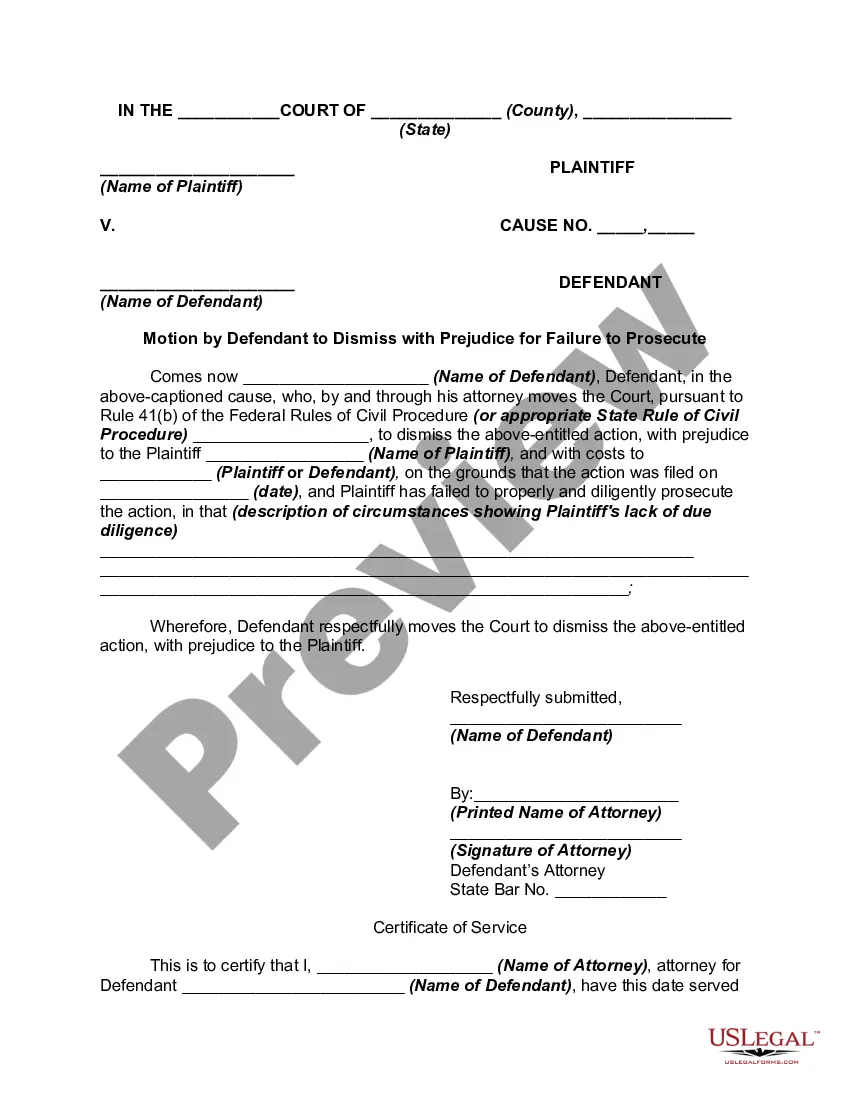
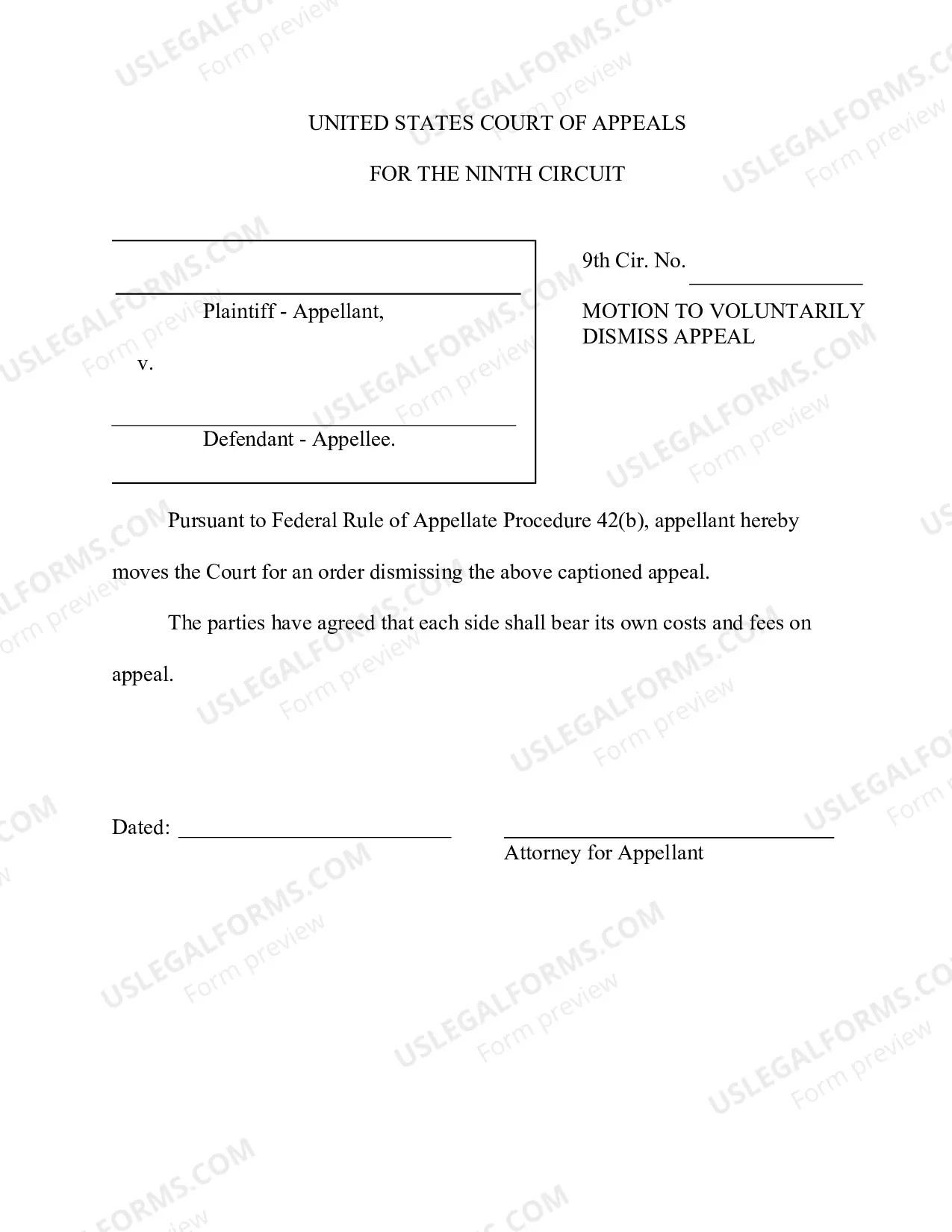
When this form is needed
This form is used when both parties in a legal dispute have agreed to settle their issues outside of court. It is appropriate for cases where the plaintiff wishes to withdraw their claims against the defendant following a settlement agreement. Using this form ensures that the case is officially closed and that the plaintiff cannot reopen the same claims in the future.
Who this form is for
This form is intended for:
- Plaintiffs who have reached a settlement with the defendant.
- Defendants who wish to finalize a dismissal of claims against them.
- Attorneys representing either party in a civil lawsuit.
Steps to complete this form
- Identify the parties involved by entering their names and roles (Plaintiff and Defendant).
- Provide a brief description of the claims being dismissed.
- Include the terms of the settlement reached between the parties.
- Ensure that both parties' attorneys sign the document, confirming their agreement.
- File the completed form with the court to ensure it is properly recorded.
Is notarization required?
This form does not typically require notarization unless specified by local law. Always check your jurisdiction's requirements to ensure compliance.
Get your form ready online
Our built-in tools help you complete, sign, share, and store your documents in one place.
Make edits, fill in missing information, and update formatting in US Legal Forms—just like you would in MS Word.
Download a copy, print it, send it by email, or mail it via USPS—whatever works best for your next step.
Sign and collect signatures with our SignNow integration. Send to multiple recipients, set reminders, and more. Go Premium to unlock E-Sign.
If this form requires notarization, complete it online through a secure video call—no need to meet a notary in person or wait for an appointment.
We protect your documents and personal data by following strict security and privacy standards.

Make edits, fill in missing information, and update formatting in US Legal Forms—just like you would in MS Word.

Download a copy, print it, send it by email, or mail it via USPS—whatever works best for your next step.

Sign and collect signatures with our SignNow integration. Send to multiple recipients, set reminders, and more. Go Premium to unlock E-Sign.

If this form requires notarization, complete it online through a secure video call—no need to meet a notary in person or wait for an appointment.

We protect your documents and personal data by following strict security and privacy standards.
Typical mistakes to avoid
- Failing to include all necessary signatures from both parties' attorneys.
- Not providing a complete description of the claims being dismissed.
- Omitting the specific terms of the settlement agreement.
Benefits of using this form online
- Easy access to a downloadable template drafted by licensed attorneys.
- Time-saving as you can fill it out at your convenience and file it quickly.
- Editable format allows customization to fit specific case details.
Legal use & context
- This form is legally binding once signed and submitted to the court.
- Once filed, it effectively prevents any future claims related to the same issues from being brought up by the plaintiff.
- It is important to ensure that the settlement terms are clear and agreed upon by both parties to avoid future disputes.
Main things to remember
- The Joint Motion for Judgment of Dismissal With Prejudice resolves disputes permanently.
- It facilitates a settlement between parties without further litigation.
- Complete the form accurately to avoid common errors and ensure legal compliance.
Looking for another form?

Form popularity
FAQ
The courts in California may dismiss a case either with or without prejudice. Cases dismissed with prejudice cannot be reopened.
In the formal legal world, a court case that is dismissed with prejudice means that it is dismissed permanently. A case dismissed with prejudice is over and done with, once and for all, and can't be brought back to court. A case dismissed without prejudice means the opposite.
Dismissal with prejudice is a final judgment and the case becomes res judicata on the claims that were or could have been brought in it; dismissal without prejudice is not.
When a case is dismissed without prejudice, it leaves the plaintiff free to bring another suit based on the same grounds, for example if the defendant doesn't follow through on the terms of a settlement. See: dismiss, dismissal with prejudice.
Dismissal with Prejudice A dismissal with prejudice is a judgment rendered in a lawsuit on its merits that prevents the plaintiff from bringing the same lawsuit against the same defendant in the future. It is a harsh remedy that has the effect of canceling the action so that it can never again be commenced.
When a lawsuit is dismissed with prejudice, the court is saying that it has made a final determination on the merits of the case, and that the plaintiff is therefore forbidden from filing another lawsuit based on the same grounds. See also: dismiss, dismissal without prejudice. courts.
When a lawsuit is dismissed with prejudice, the court is saying that it has made a final determination on the merits of the case, and that the plaintiff is therefore forbidden from filing another lawsuit based on the same grounds. See also: dismiss, dismissal without prejudice.
When a lawsuit is dismissed with prejudice, the court is saying that it has made a final determination on the merits of the case, and that the plaintiff is therefore forbidden from filing another lawsuit based on the same grounds.