Form of Mortgage Deed of Trust and Variations
About this form
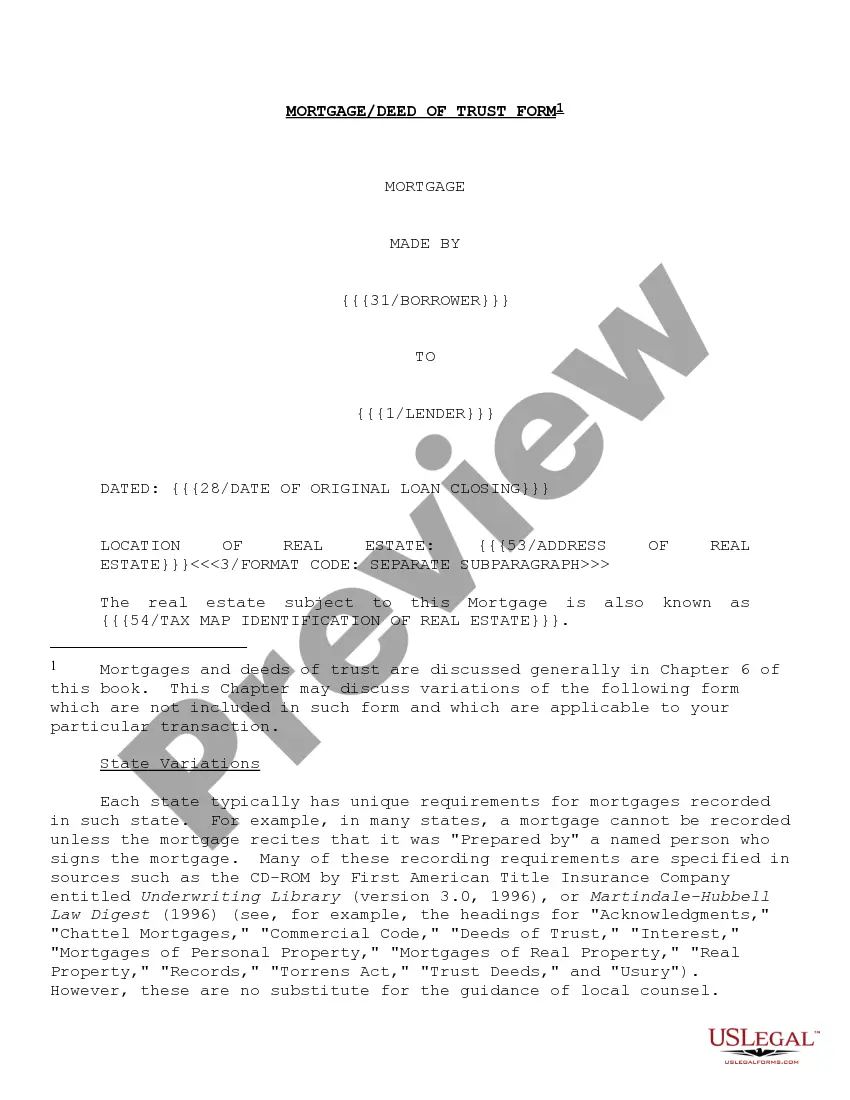
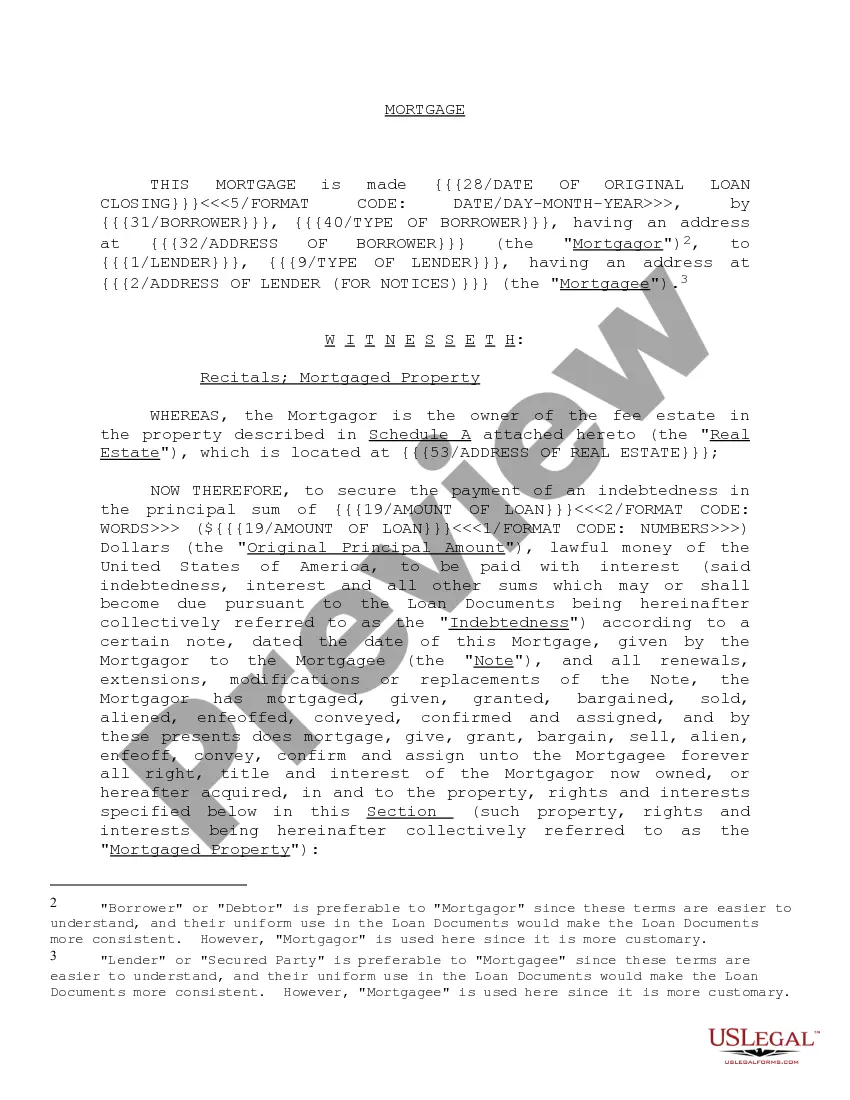
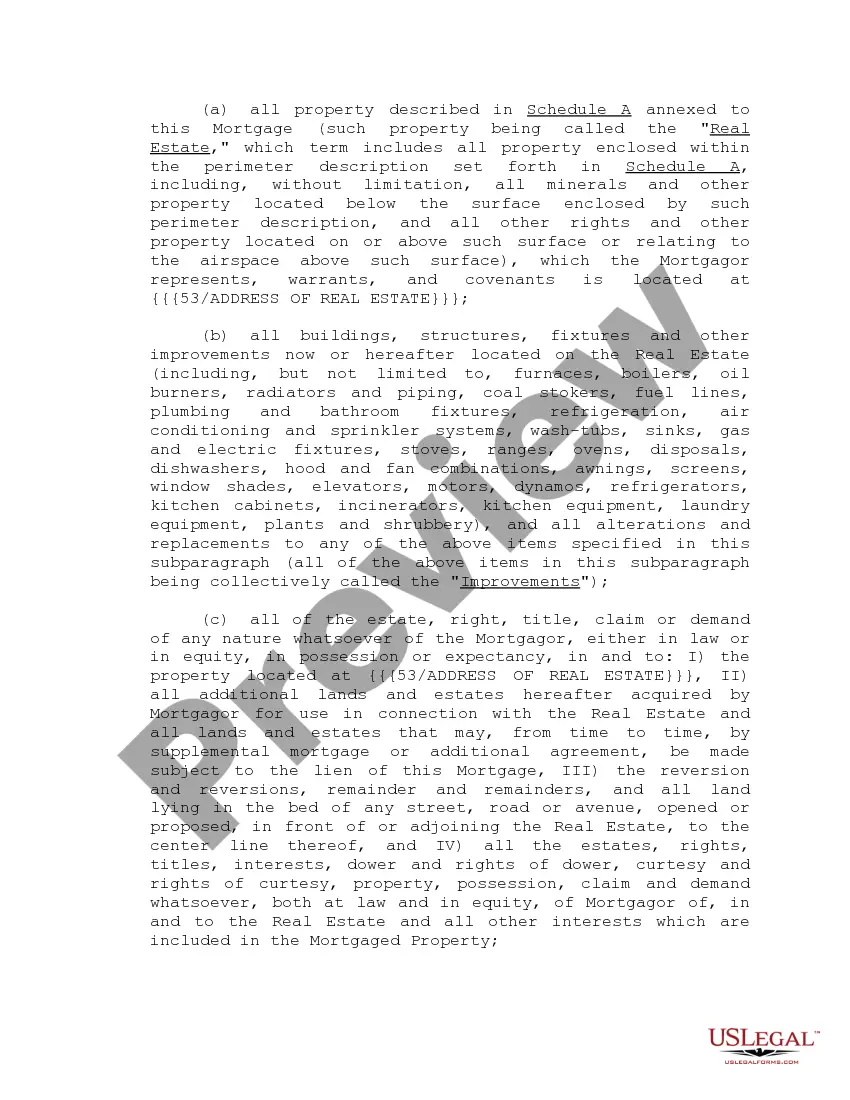
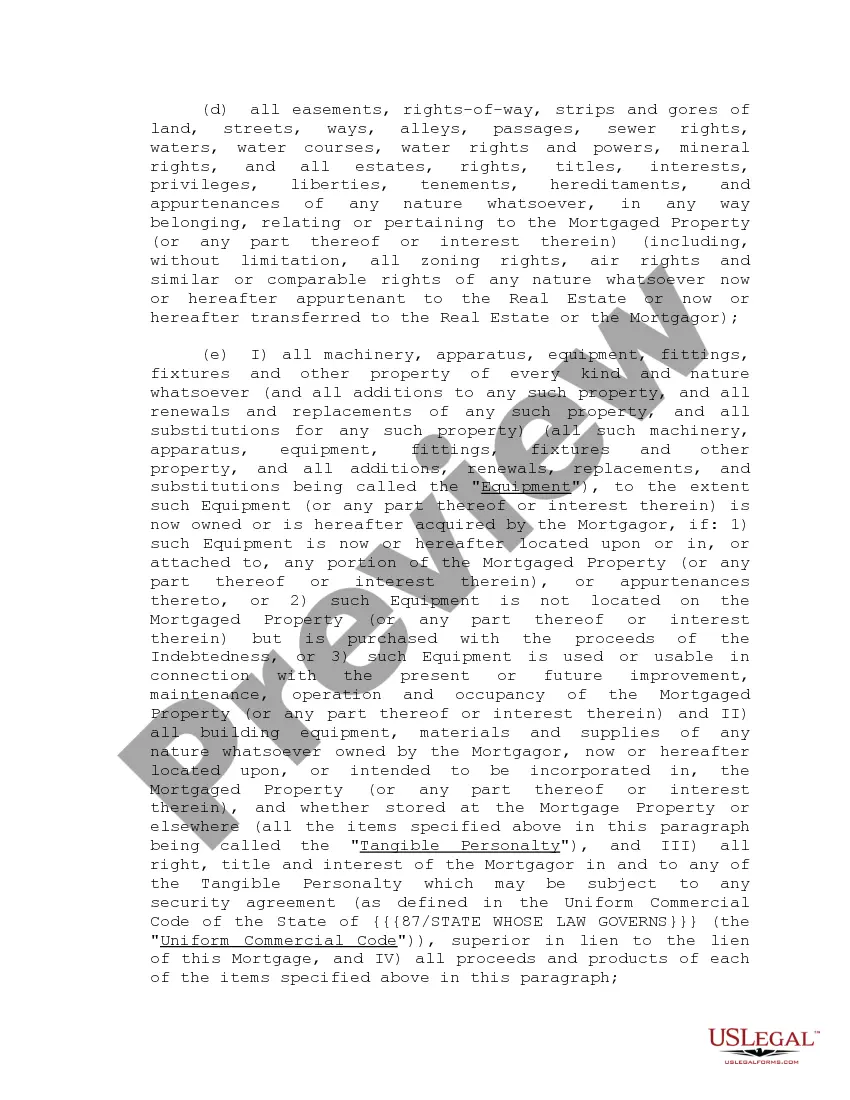
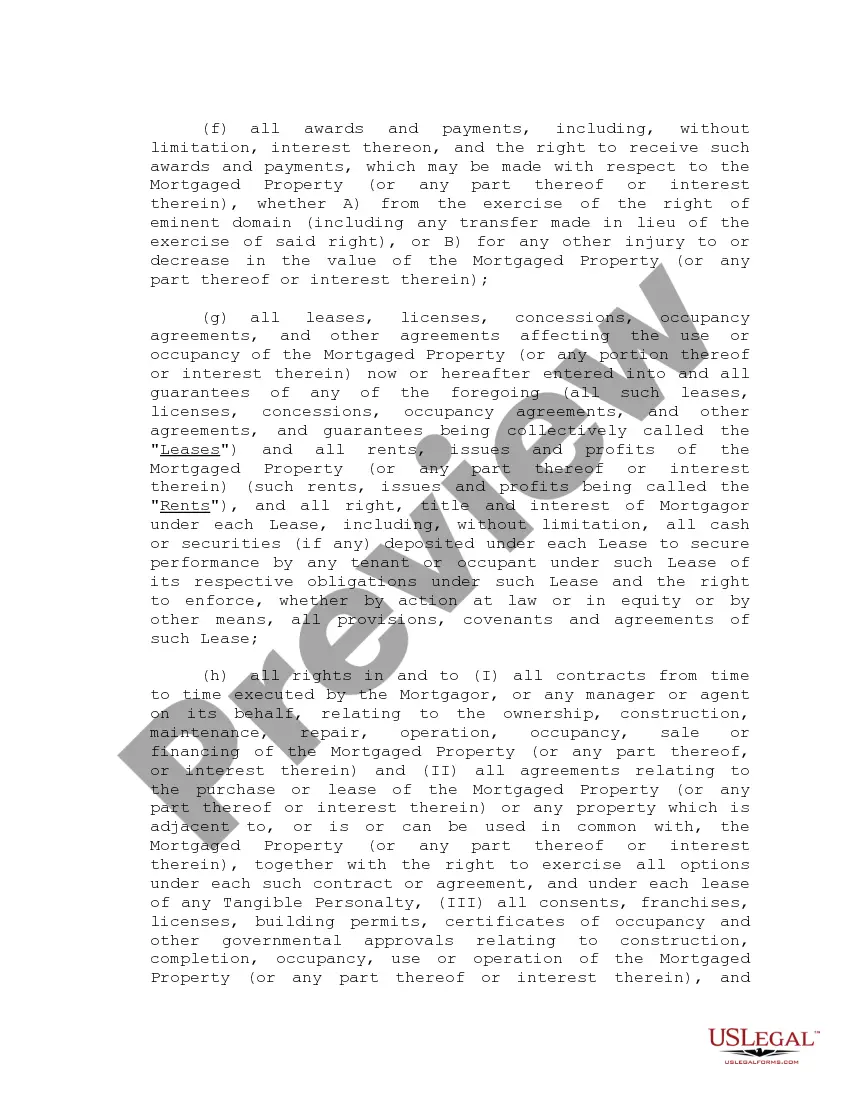
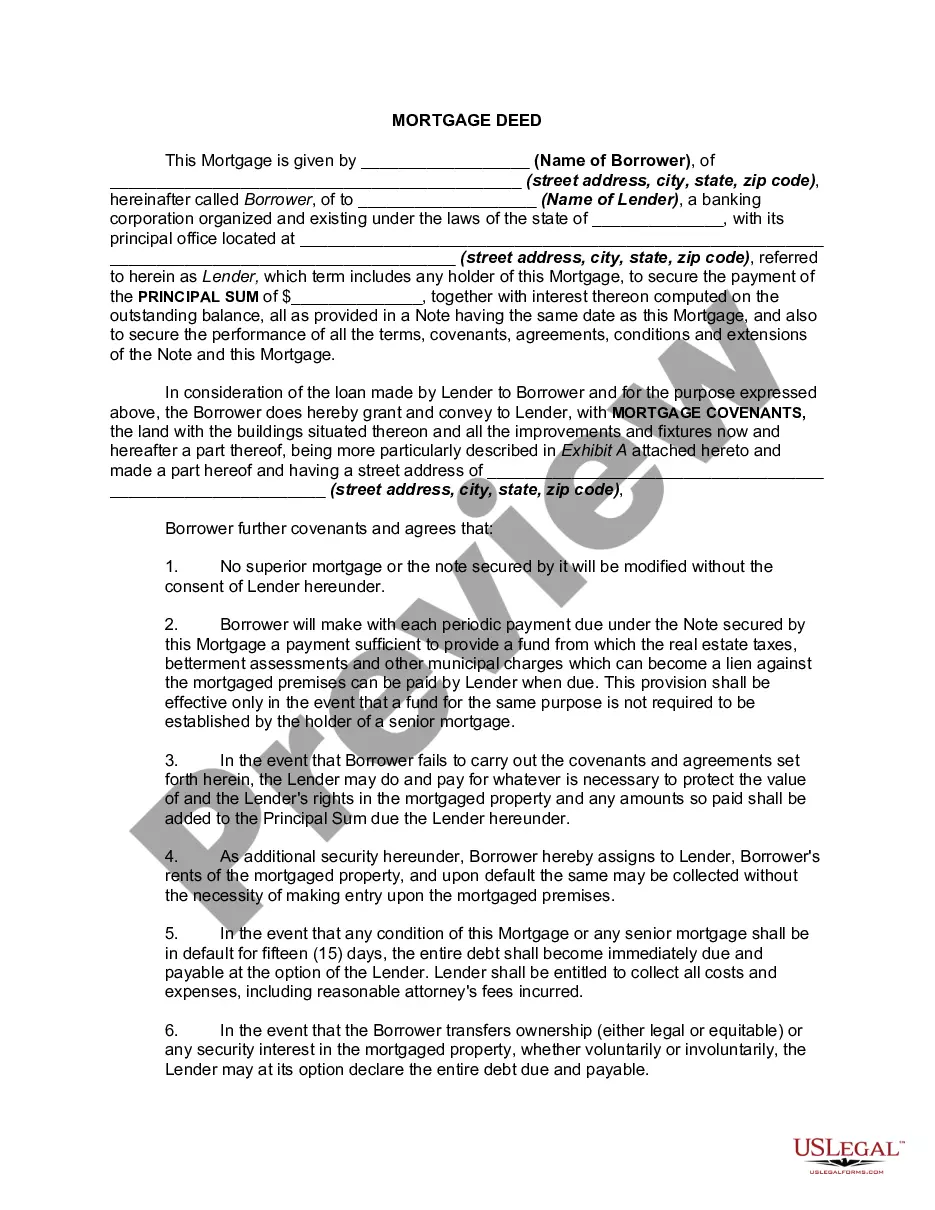
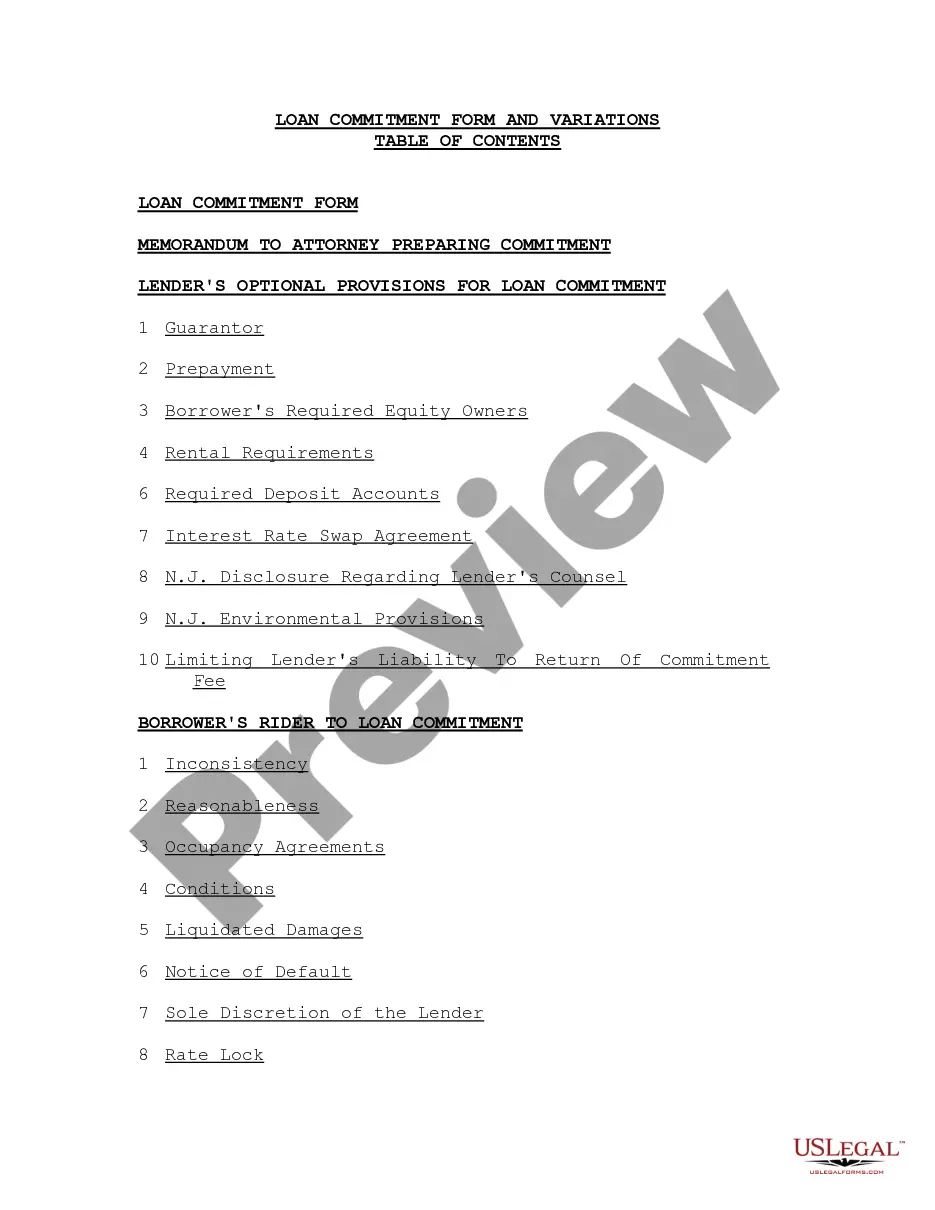
The "Form of Mortgage Deed of Trust and Variations" is a legal document used in the process of securing a loan with real estate. This form outlines the agreement between the borrower (mortgagor) and the lender (mortgagee), detailing the conditions under which the lender can claim ownership of the property if the borrower fails to fulfill the loan obligations. Unlike standard mortgages, this form includes various provisions that allow for different situations, including construction mortgages and leasehold mortgages, providing a wider range of options for borrowers and lenders alike.
Key components of this form
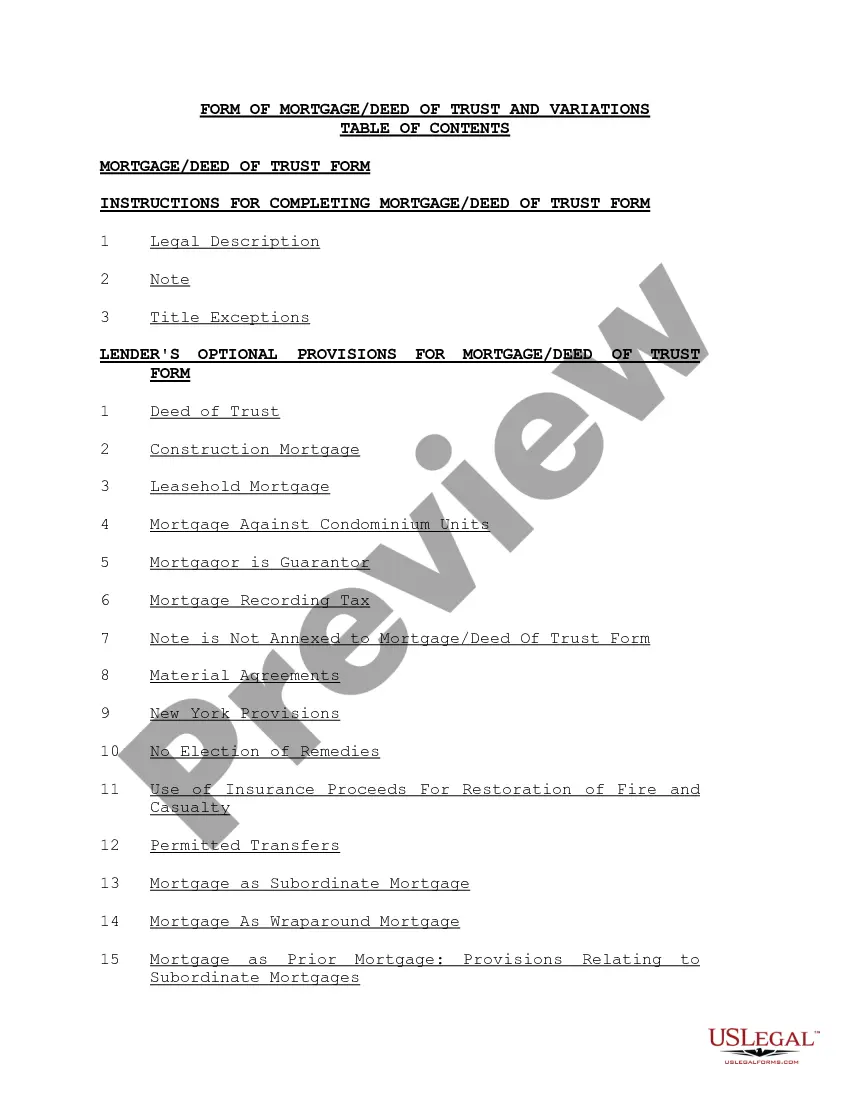
- Legal description of the property being mortgaged.
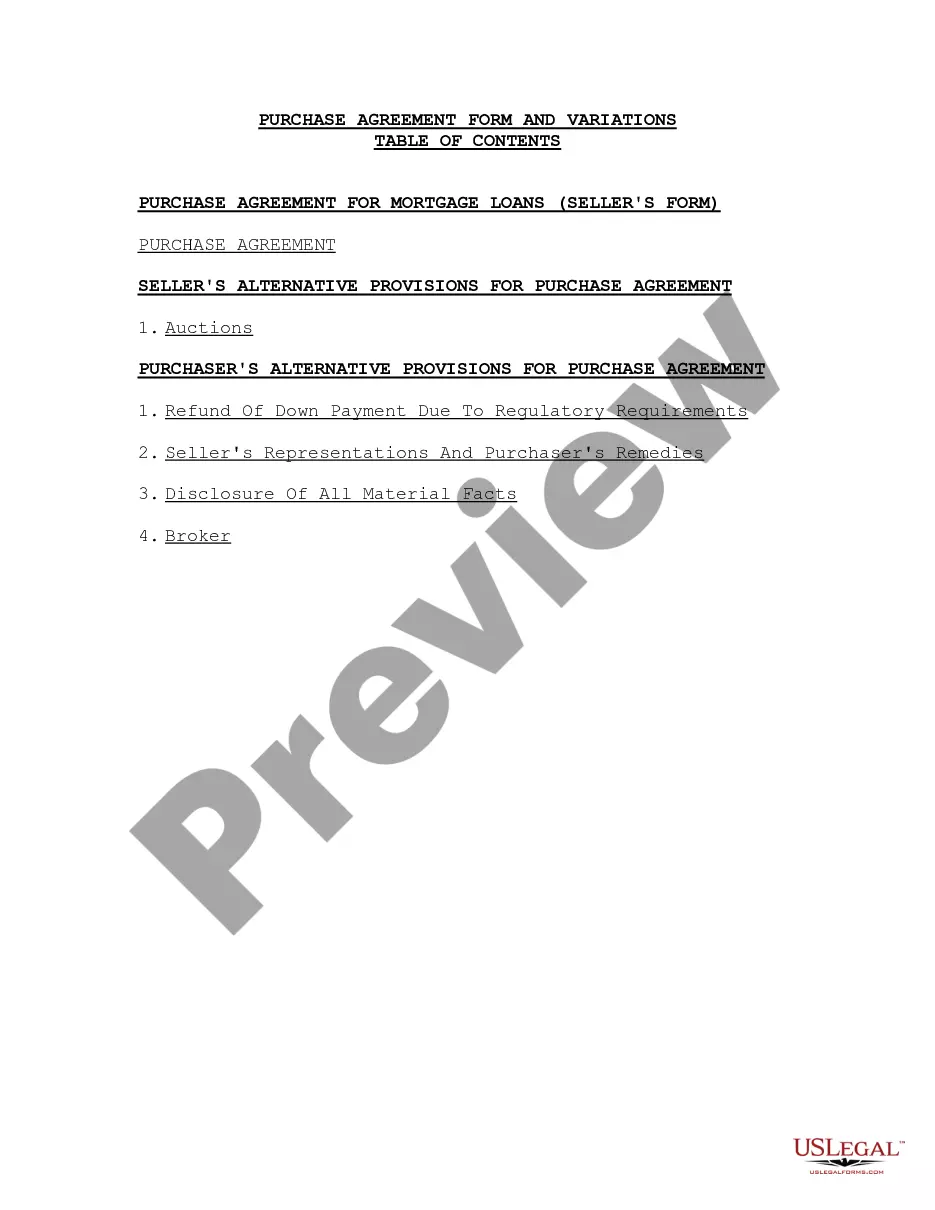
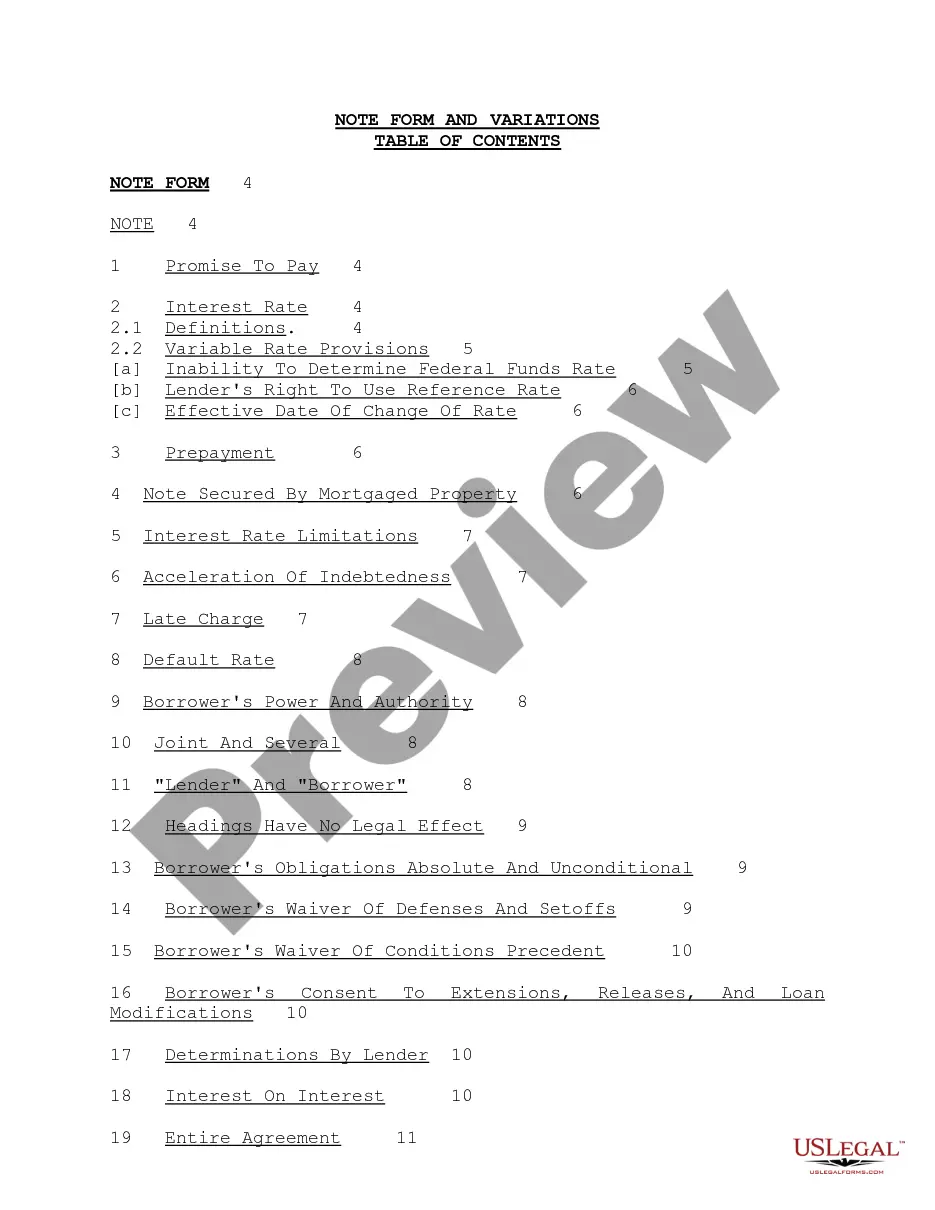
- Details of the loan, including the note and principal amount.
- Title exceptions that may affect the property's title.
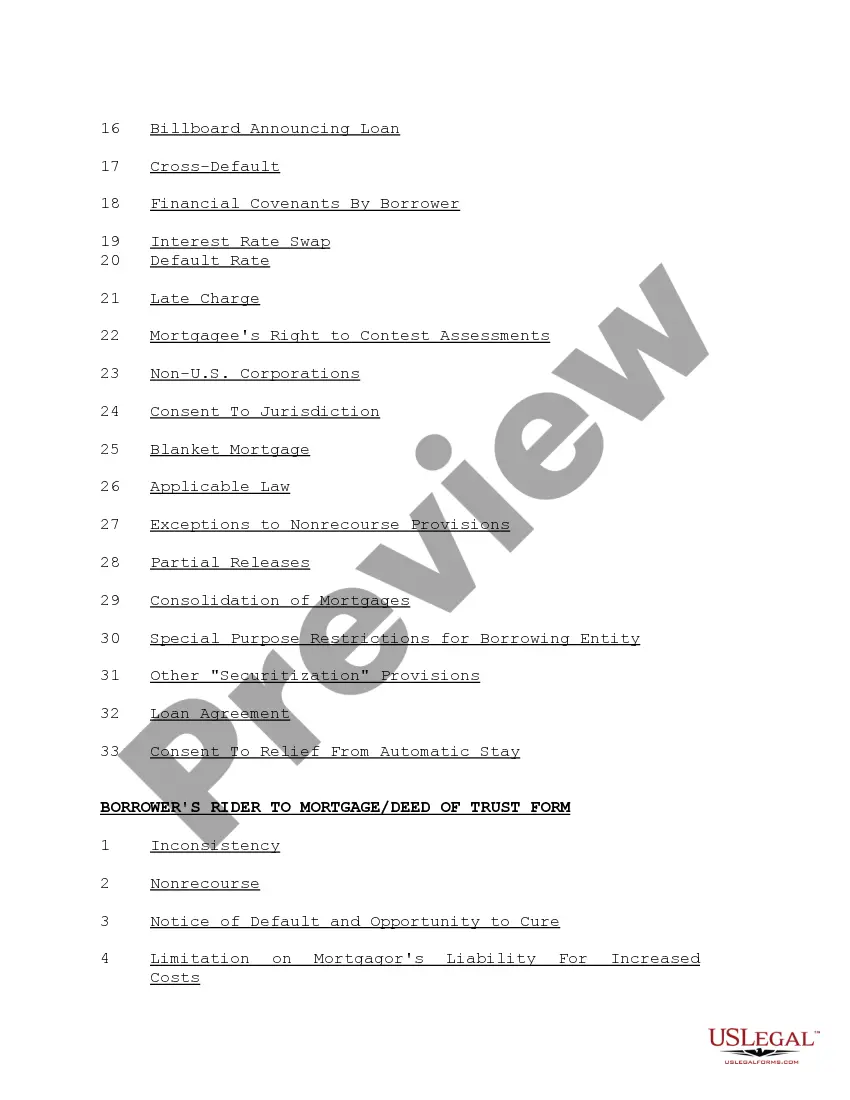
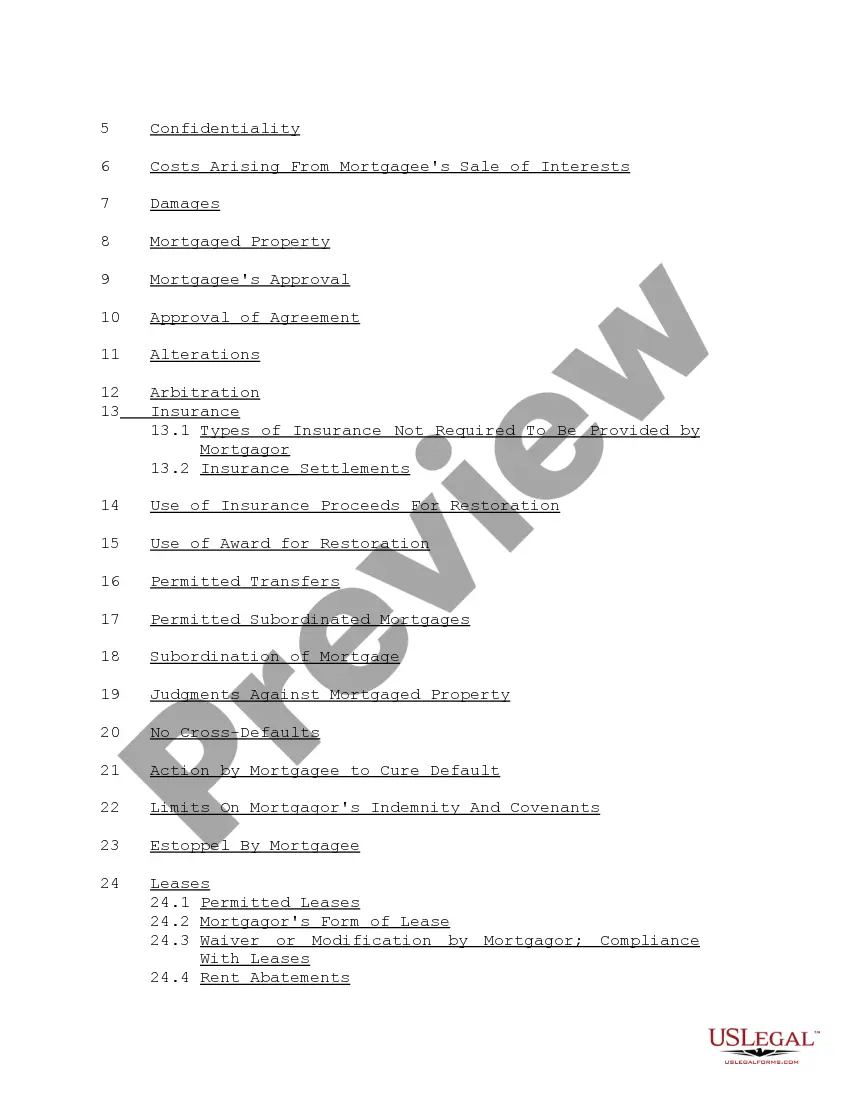
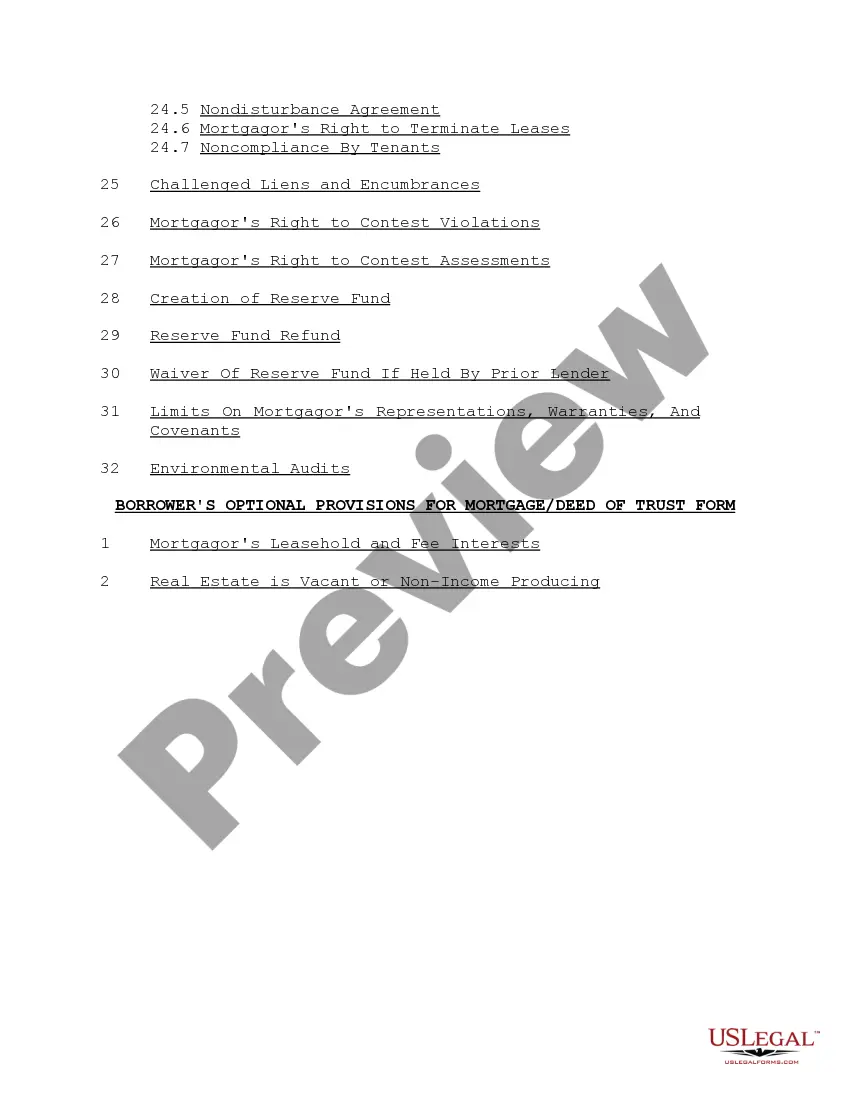
- Provisions addressing specific types of mortgages, like construction or leasehold mortgages.
- Legal rights and responsibilities of both parties, including indemnifications.
- Clauses related to default, remedies, and miscellaneous provisions.

When to use this form
This form is needed when an individual or entity is seeking to secure a loan using real estate as collateral. It is particularly useful in scenarios involving commercial properties, construction financing, or variations such as leasehold interests. Additionally, it can be utilized for refinancing existing mortgages or when there are specific terms that differ from standard mortgage agreements.
Who can use this document
- Homeowners looking to secure a mortgage for purchasing a property.
- Real estate investors financing property acquisitions.
- Businesses seeking loans with commercial properties as collateral.
- Borrowers needing specialized variations of standard mortgage agreements.
- Lenders requiring detailed documentation for real estate loans.
Completing this form step by step
- Identify and enter the names and details of the borrower and lender.
- Describe the property being mortgaged, including its legal description and address.
- Specify the total loan amount and related terms in the loan note section.
- Select any optional provisions applicable to your specific mortgage situation.
- Sign the document in the presence of a notary public if required by state law.
Does this document require notarization?
Yes, this form must be notarized to be legally valid. US Legal Forms offers integrated online notarization services, available 24/7 via secure video calls, ensuring your documents are easily notarized without needing to travel.
Get your form ready online
Our built-in tools help you complete, sign, share, and store your documents in one place.
Make edits, fill in missing information, and update formatting in US Legal Forms—just like you would in MS Word.
Download a copy, print it, send it by email, or mail it via USPS—whatever works best for your next step.
Sign and collect signatures with our SignNow integration. Send to multiple recipients, set reminders, and more. Go Premium to unlock E-Sign.
If this form requires notarization, complete it online through a secure video call—no need to meet a notary in person or wait for an appointment.
We protect your documents and personal data by following strict security and privacy standards.

Make edits, fill in missing information, and update formatting in US Legal Forms—just like you would in MS Word.

Download a copy, print it, send it by email, or mail it via USPS—whatever works best for your next step.

Sign and collect signatures with our SignNow integration. Send to multiple recipients, set reminders, and more. Go Premium to unlock E-Sign.

If this form requires notarization, complete it online through a secure video call—no need to meet a notary in person or wait for an appointment.

We protect your documents and personal data by following strict security and privacy standards.
Common mistakes
- Failing to provide accurate property descriptions, which can lead to enforceability issues.
- Not including all necessary signatures and notary requirements, risking legal validity.
- Overlooking specific clauses relevant to the type of mortgage being secured.
- Missing deadlines for recording the mortgage, which can affect rights in the property.
Benefits of completing this form online
- Immediate access to professionally drafted legal language tailored for various mortgage scenarios.
- Convenient editing options to customize the form for specific needs.
- Secure storage and retrieval, ensuring that your document is always accessible.
- Cost-effective compared to hiring a lawyer for drafting and reviewing mortgage documentation.
Legal use & context
- This mortgage deed is legally binding once signed and notarized.
- It establishes a lien on the property, allowing lenders to reclaim their collateral in case of borrower default.
- Failure to comply with the terms may result in legal action, including foreclosure.
Quick recap
- The Form of Mortgage Deed of Trust secures financing with real property as collateral.
- It includes various optional clauses tailored to different lending scenarios.
- Proper completion and notarization are crucial for legal enforcement.
- Online resources can streamline the process, making it more accessible for users.
Looking for another form?
Form popularity
FAQ
A mortgage, by definition, pledges the home as collateral for the loan. This is why mortgage lenders preferand often requirethat every borrower's name goes on the title.
Yes, there are key differences between the two. With a deed, you transfer the ownership of the property to one party. In contrast, a deed of trust does not mean the holder owns the property. In an arrangement involving a deed of trust, the borrower signs a contract with the lender with details regarding the loan.
Some owners are put off using solicitors duke to the deed of trust cost. Individuals can write out their own, and use someone else as a witness. However, this may have errors or not be a legally binding document. The investment of getting a deed of trust when buying a property is often worth it in the long term.
The basic difference between the mortgage as a security instrument and a Deed of Trust is that in a Deed of Trust there are three parties involved, the borrower, the lender, and a trustee, whereas in a mortgage document there are only two parties involved, the borrower and the lender.
Execute the mortgage documents. Affidavit to be sworn by two witnesses in the deed. Visit the notary public who will get the document notarized. Pay for the stamp duty. Pay for the registration in the Registrar of Deeds office. Obtain the title for the mortgage.
Party information: names and addresses of the trustor(s), trustee(s), beneficiary(ies), and guarantor(s) (if applicable) Property details: full address of the property and its legal description (which can be obtained from the County Recorder's Office)
Power of sale and trustee's sale A deed of trust has a crucial advantage over a mortgage from the lender's point of view. If the borrower defaults on the loan, the trustee has the power to foreclose on the property on behalf of the beneficiary.
The person who owns the property usually signs a promissory note and a deed of trust. The deed of trust does not have to be recorded to be valid.
A mortgage only involves two parties the borrower and the lender.A deed of trust adds an additional party, a trustee, who holds the home's title until the loan is repaid. In the event of default on the loan, the trustee is responsible for starting the foreclosure process.