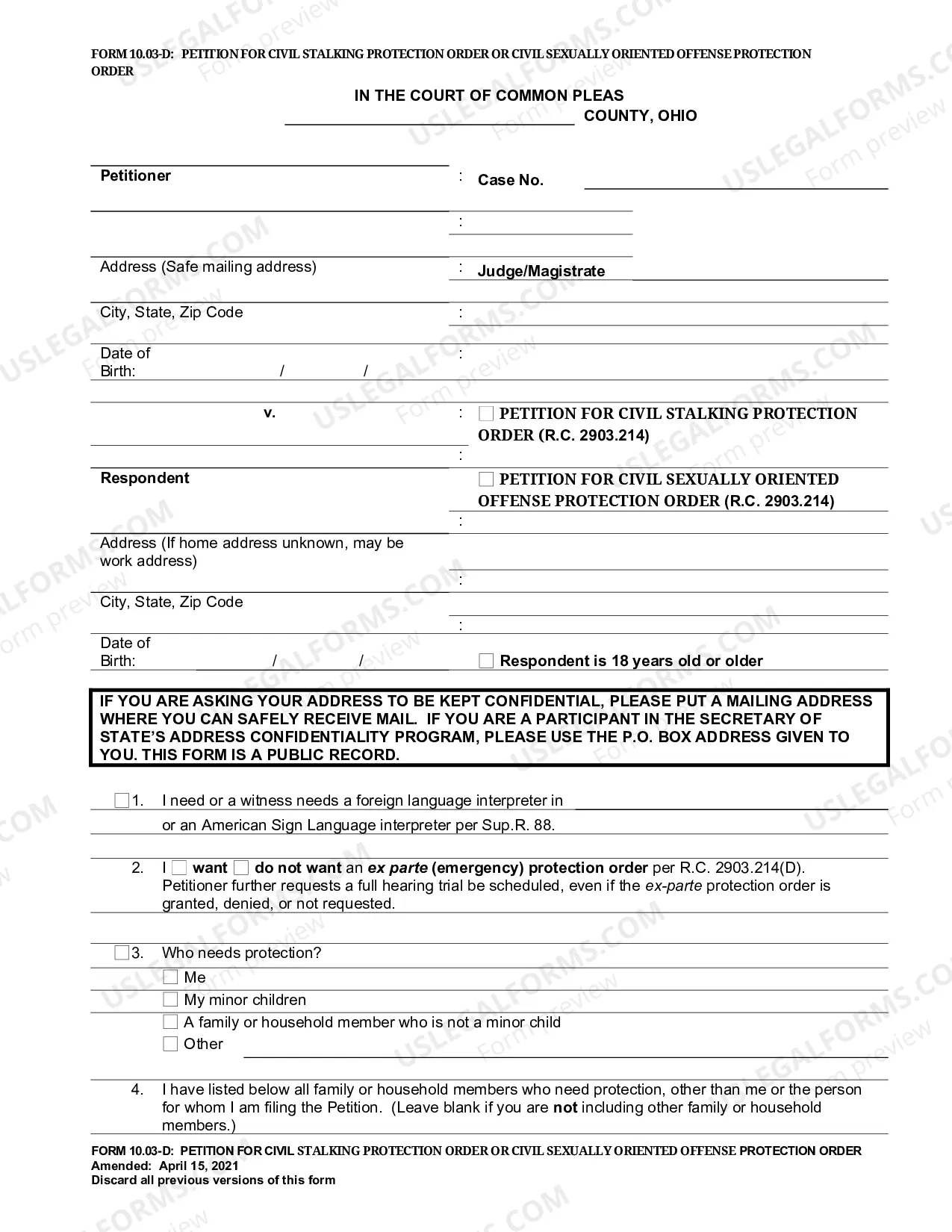
Ordinances and Policies - Alarm Systems
What is this form?
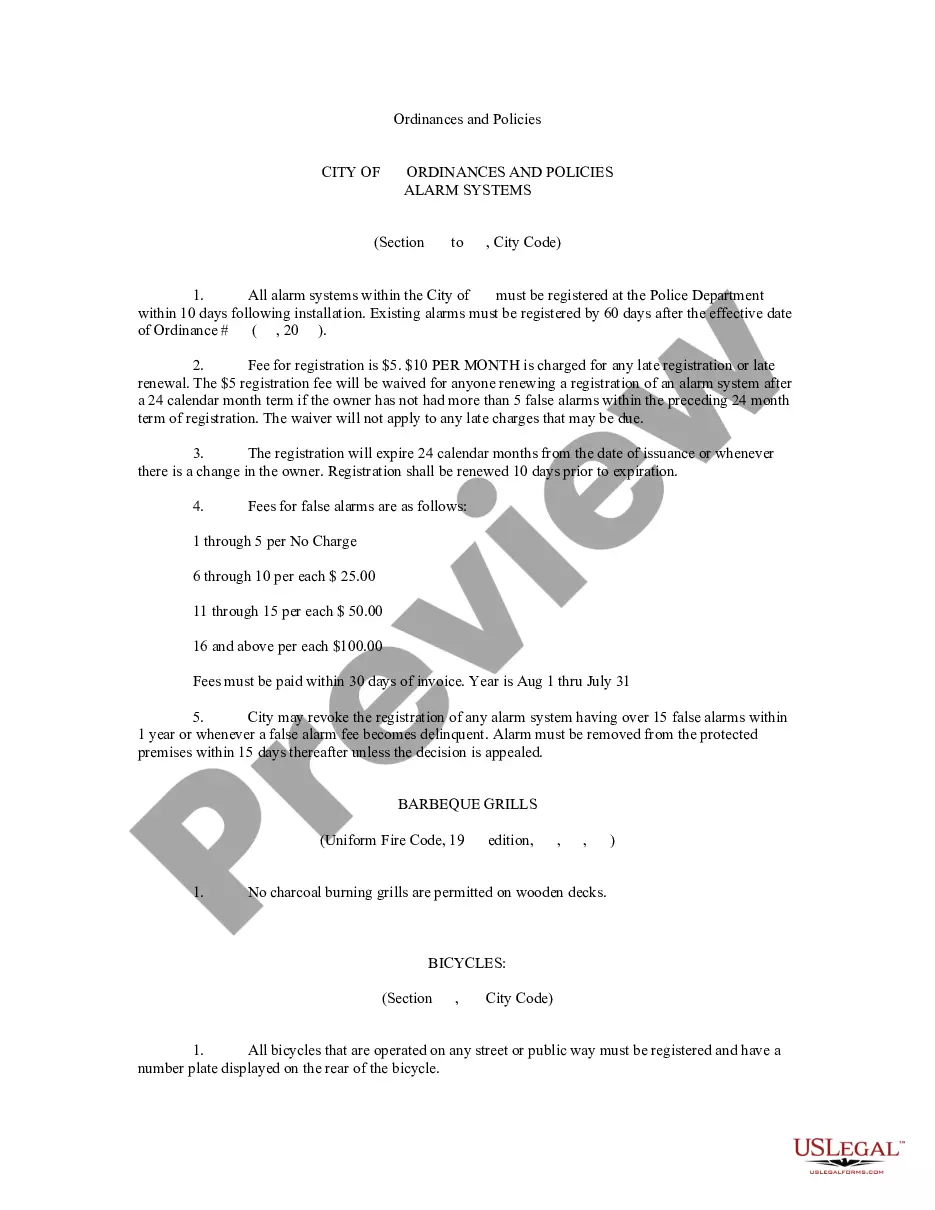
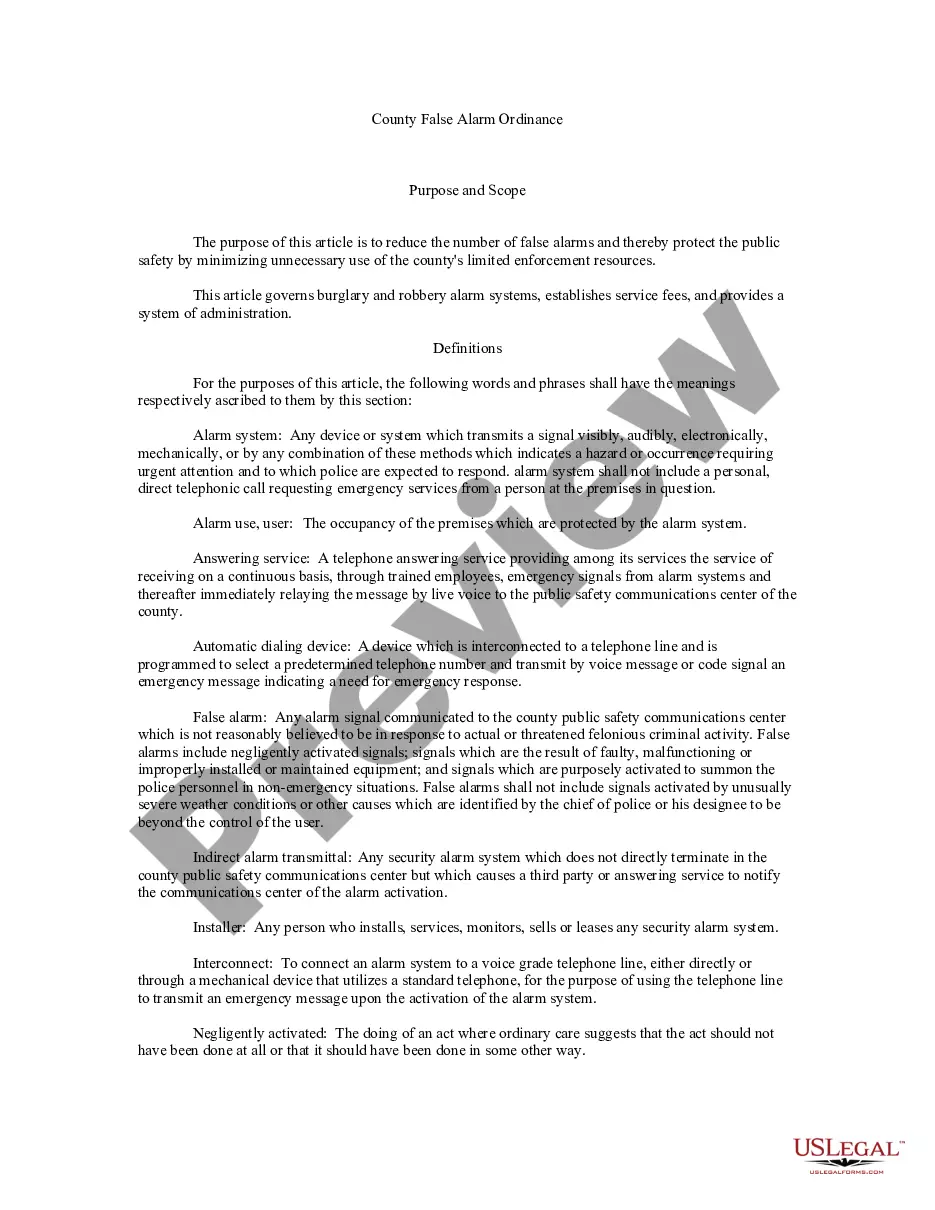
The Ordinances and Policies - Alarm Systems form provides a framework for municipalities to regulate alarm systems within their jurisdictions. It outlines requirements for the registration of alarm systems, fees associated with registration, and penalties for false alarms. Unlike generic forms, this document is specific to municipal regulations and is intended to help local governments maintain control over alarm system operations within their communities.
What’s included in this form
- Registration requirement: All alarm systems must be registered with the local police department within specific time frames.
- Fee structure: Details fees for registration and penalties for late registration or false alarms.
- Expiration and renewal: Registration is valid for 24 months and must be renewed prior to expiration.
- Revocation policy: Conditions under which an alarm system's registration may be revoked due to excessive false alarms.
- Fees for false alarms: A tiered structure of fines based on the number of false alarms reported.

When to use this form
This form should be used by local governments establishing regulations for alarm systems. It is applicable in various scenarios, such as when municipalities are looking to improve community safety, reduce the number of false alarm responses, or create a structured approach to alarm system management.
Intended users of this form
- Municipal officials responsible for law enforcement and public safety.
- City planners involved in developing local ordinances.
- Local government legal teams working on compliance and regulation.
- Public safety departments looking to implement alarm system policies.
How to prepare this document
- Identify the city and section numbers relevant for your local ordinance.
- Fill in the required contact information for the police department overseeing alarm registrations.
- Specify registration fees, renewal periods, and late penalties based on your municipality's structure.
- Detail any policies regarding false alarms, including fee structures and conditions for revocation.
- Ensure the ordinance is reviewed and approved by the appropriate city officials before publication.
Does this form need to be notarized?
Notarization is not commonly needed for this form. However, certain documents or local rules may make it necessary. Our notarization service, powered by Notarize, allows you to finalize it securely online anytime, day or night.
Get your form ready online
Our built-in tools help you complete, sign, share, and store your documents in one place.
Make edits, fill in missing information, and update formatting in US Legal Forms—just like you would in MS Word.
Download a copy, print it, send it by email, or mail it via USPS—whatever works best for your next step.
Sign and collect signatures with our SignNow integration. Send to multiple recipients, set reminders, and more. Go Premium to unlock E-Sign.
If this form requires notarization, complete it online through a secure video call—no need to meet a notary in person or wait for an appointment.
We protect your documents and personal data by following strict security and privacy standards.

Make edits, fill in missing information, and update formatting in US Legal Forms—just like you would in MS Word.

Download a copy, print it, send it by email, or mail it via USPS—whatever works best for your next step.

Sign and collect signatures with our SignNow integration. Send to multiple recipients, set reminders, and more. Go Premium to unlock E-Sign.

If this form requires notarization, complete it online through a secure video call—no need to meet a notary in person or wait for an appointment.

We protect your documents and personal data by following strict security and privacy standards.
Common mistakes to avoid
- Failing to register existing alarm systems within the required time frame.
- Not clearly stipulating the penalties for false alarms, leading to confusion and potential noncompliance.
- Omitting necessary details about renewal procedures, resulting in lapses in valid registrations.
- Neglecting to update the ordinance language based on local legal changes or court rulings.
Benefits of completing this form online
- Easy access: Municipal officials can download and customize the form quickly.
- Time-saving: Streamlines the process of creating local ordinances concerning alarm systems.
- Compliance assurance: Ensures that all necessary legal components are included according to standard practices.
Looking for another form?


Form popularity
FAQ
Some businesses take this to mean inspections once every year. BS 5839-17, however, suggests that your fire alarm system should be inspected at least every 6 months. Much of the maintenance needs to be done by an experienced professional: all alarm sensors must be calibrated and tested, as must annunciators.
FEMA is responsible for any national-level activation and tests of the Emergency Alert System.
Although the system was never used for a national emergency, it was activated more than 20,000 times between 1976 and 1996 to broadcast civil emergency messages and warnings of severe weather hazards.
As has already been mentioned, the EAS is there to get your attention. The long monotone buzz sound is meant to grab your attention, and is done at a pitch and frequency that is designed to keep your attention.
(c) The terms Alarm System or Emergency Alarm System mean an assembly of equipment or devices or a single device such as a solid state unit which plugs directly into a 110-volt AC line, arranged to signal the presence of a hazard requiring urgent attention and to which the Police Department, or Fire Department, or
According to the fire safety regulations, you should make every effort to ensure your system is adequately maintained. Some businesses take this to mean inspections once every year. BS 5839, however, suggests that your fire alarm system should be inspected at least every 6 months.
1910.165 - Employee alarm systems.
3.8 Emergency warnings are routinely broadcast by both public and commercial radio and television stations in Australia.
Fires Need to be Easily Detected Many business owners question whether a fire alarm is a legal requirement on their premises. The answer to this is no, however business owners do need 'an appropriate fire detection system' in their place of business.