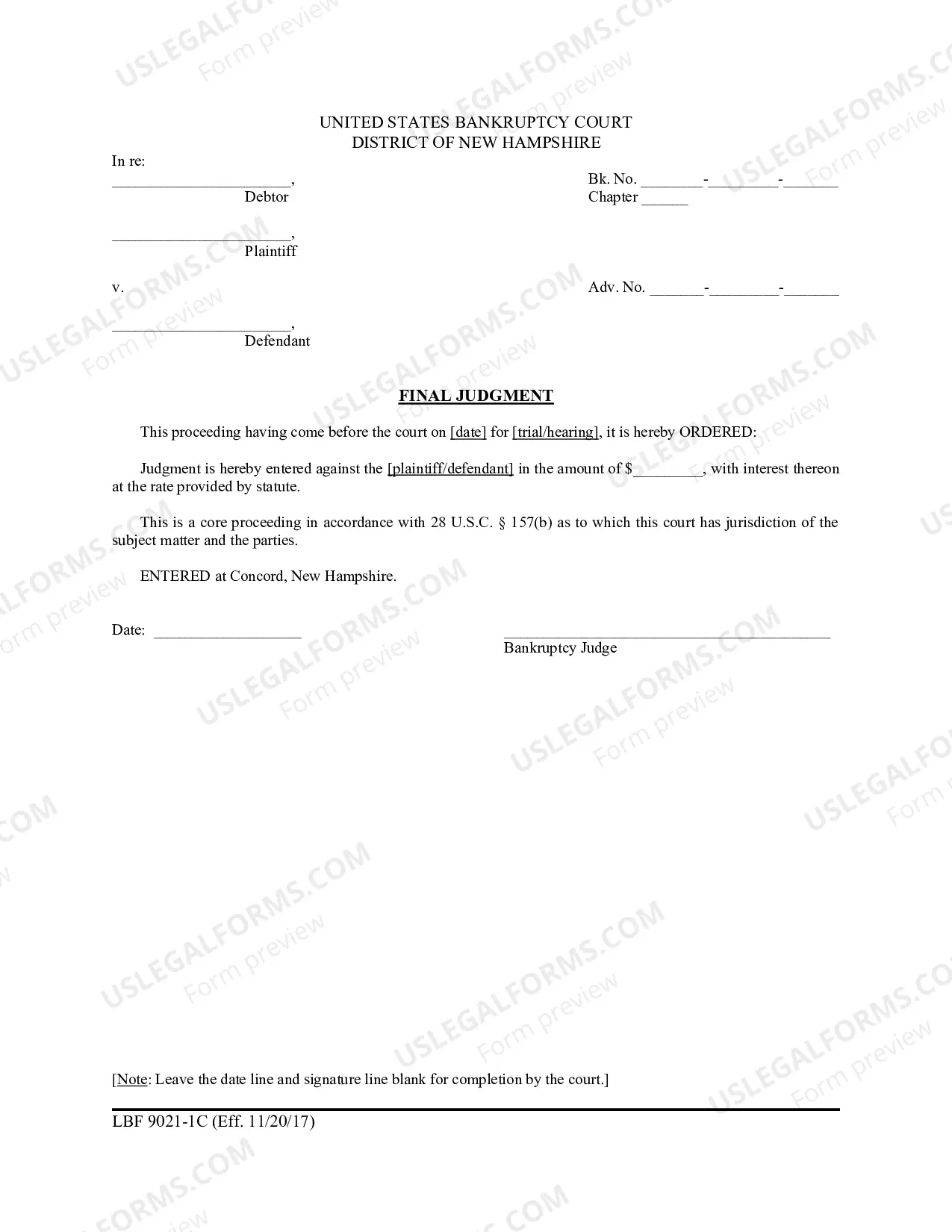
Breeder Agreement - Self-Employed Independent Contractor
Overview of this form
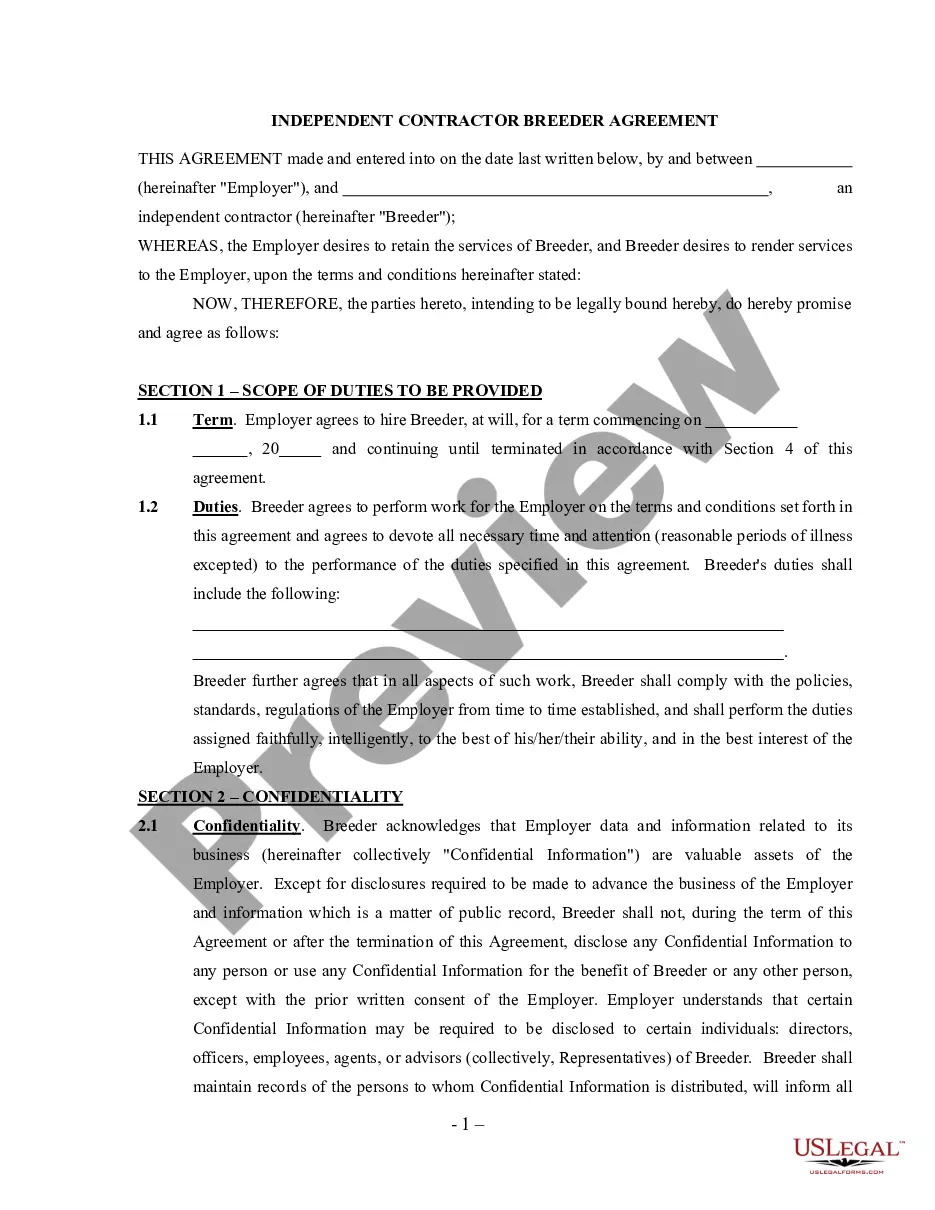
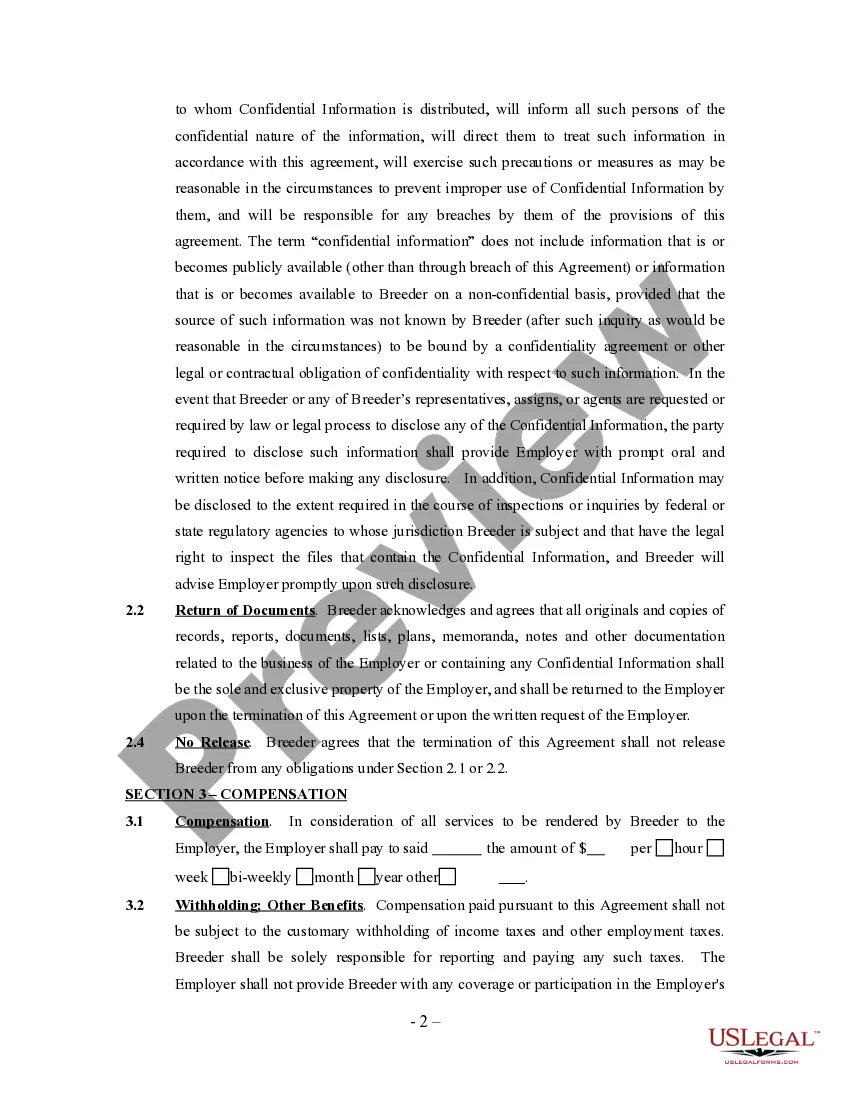
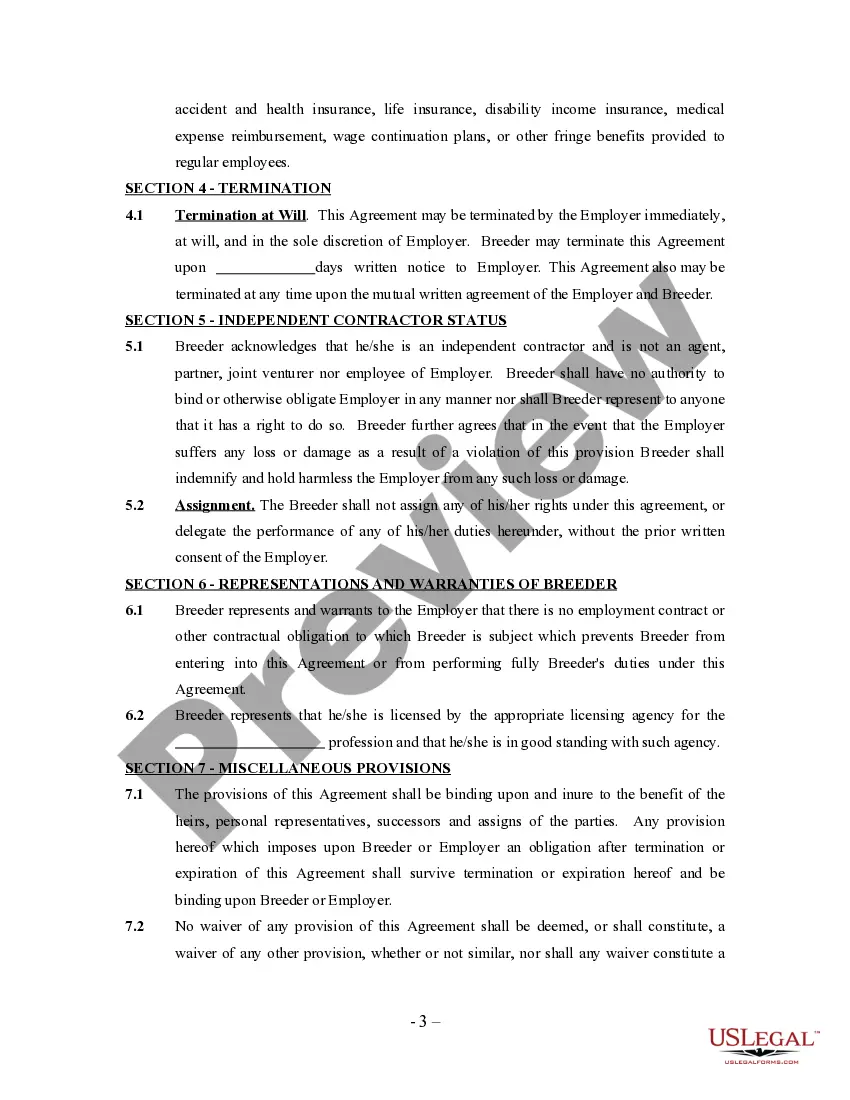
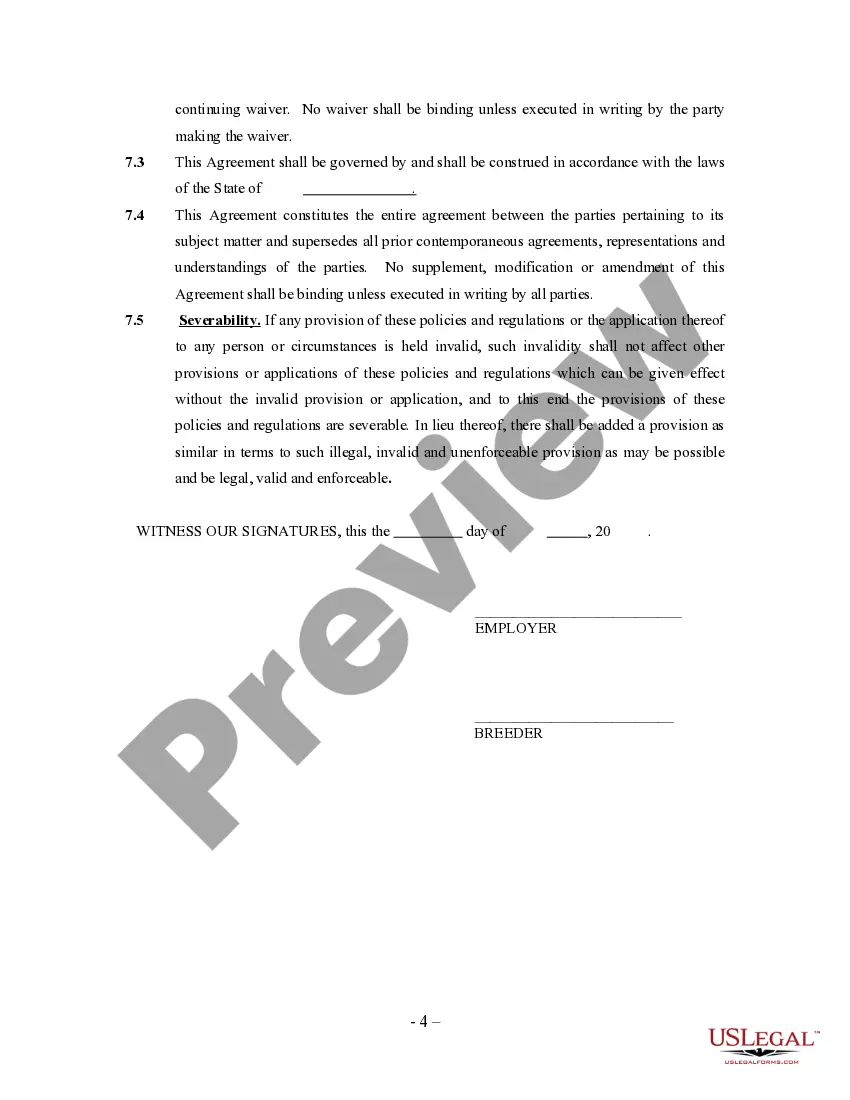
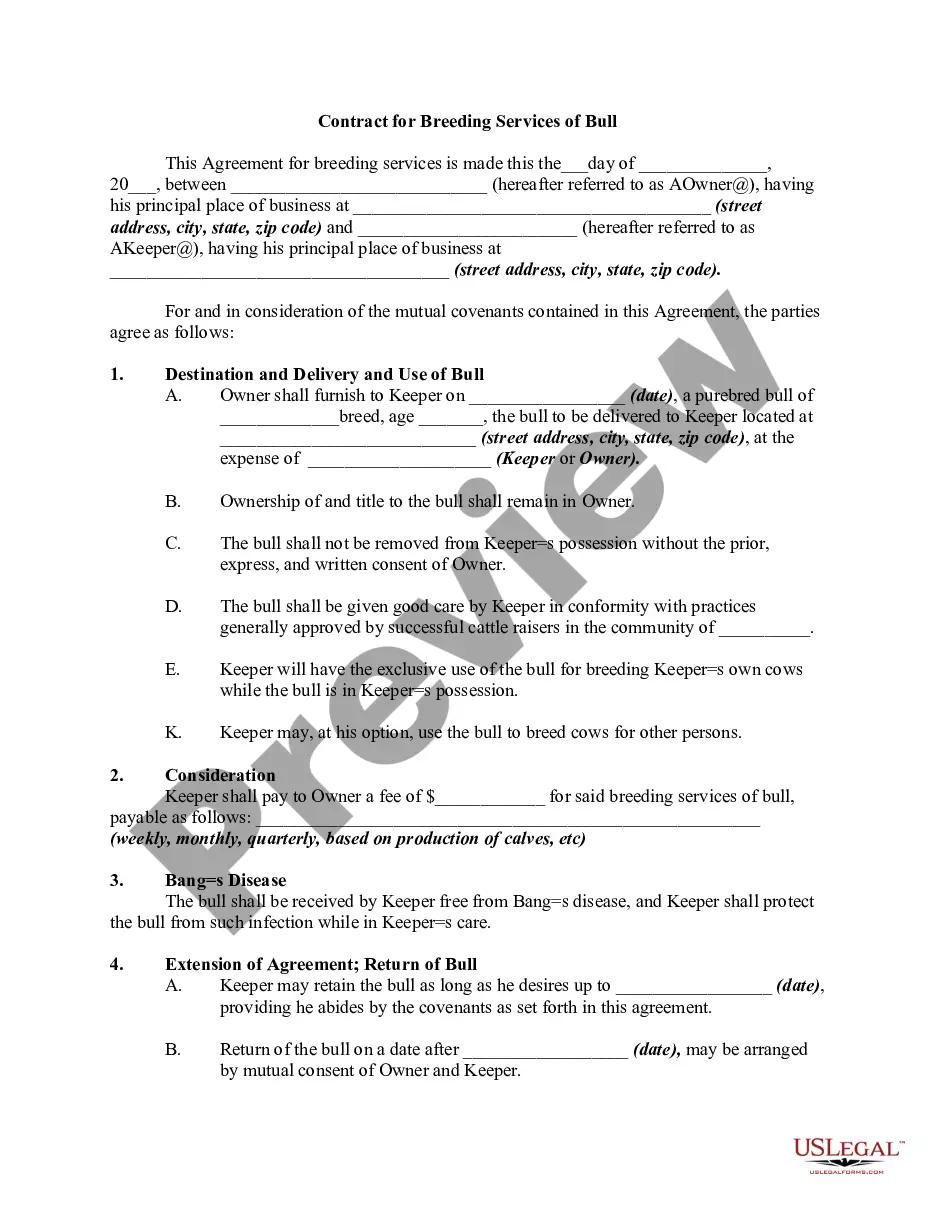
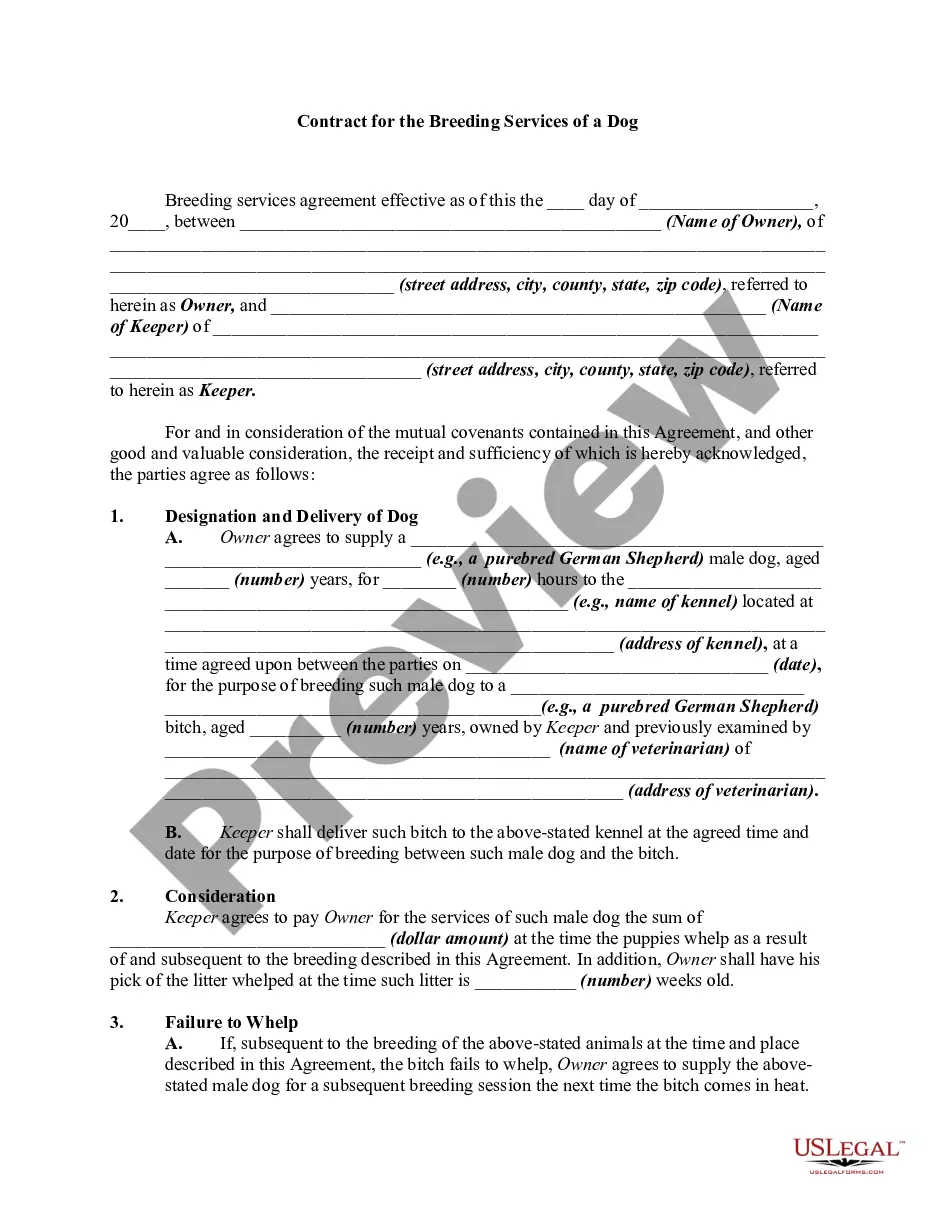
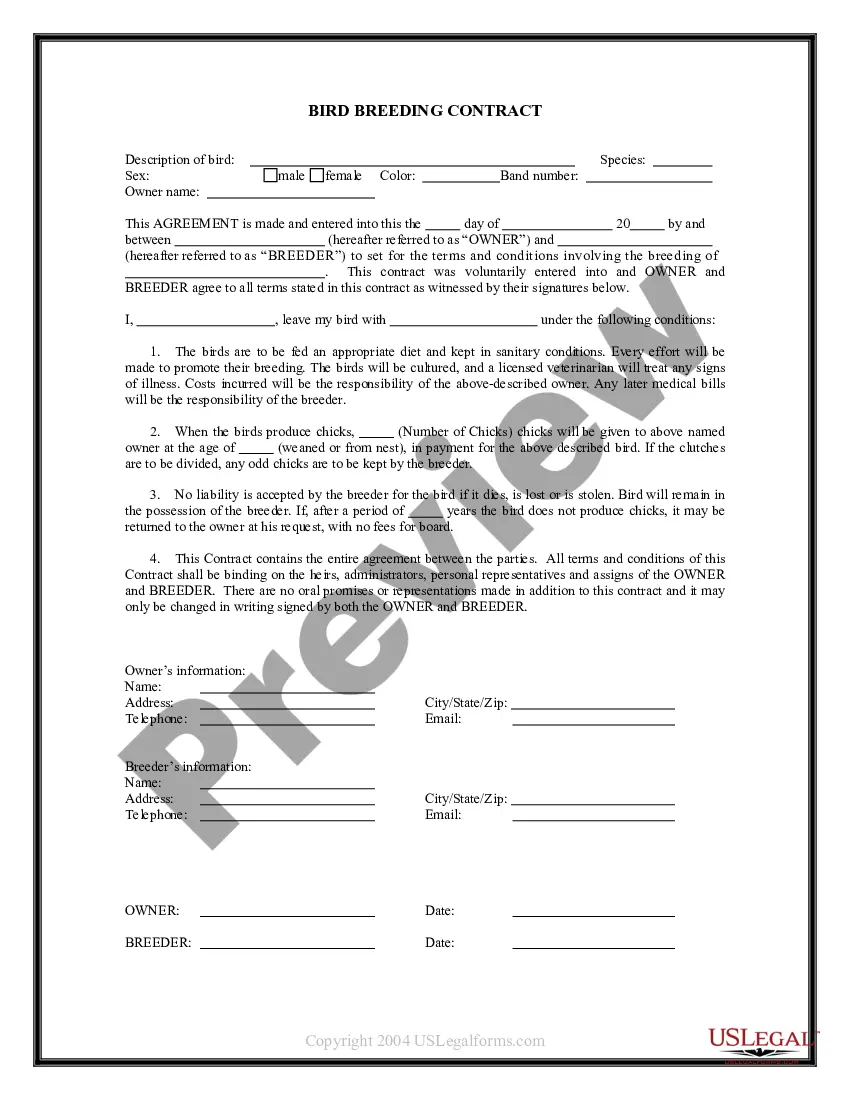
The Breeder Agreement - Self-Employed Independent Contractor is a legal document used to outline the terms under which a breeder provides breeding services for livestock to an employer. This agreement clarifies the relationship and responsibilities between the employer and the independent contractor, ensuring both parties understand their obligations and the scope of services provided. It is essential for promoting transparency and protecting proprietary information related to the employer's breeding business, distinguishing it from other employment or service contracts.
What’s included in this form
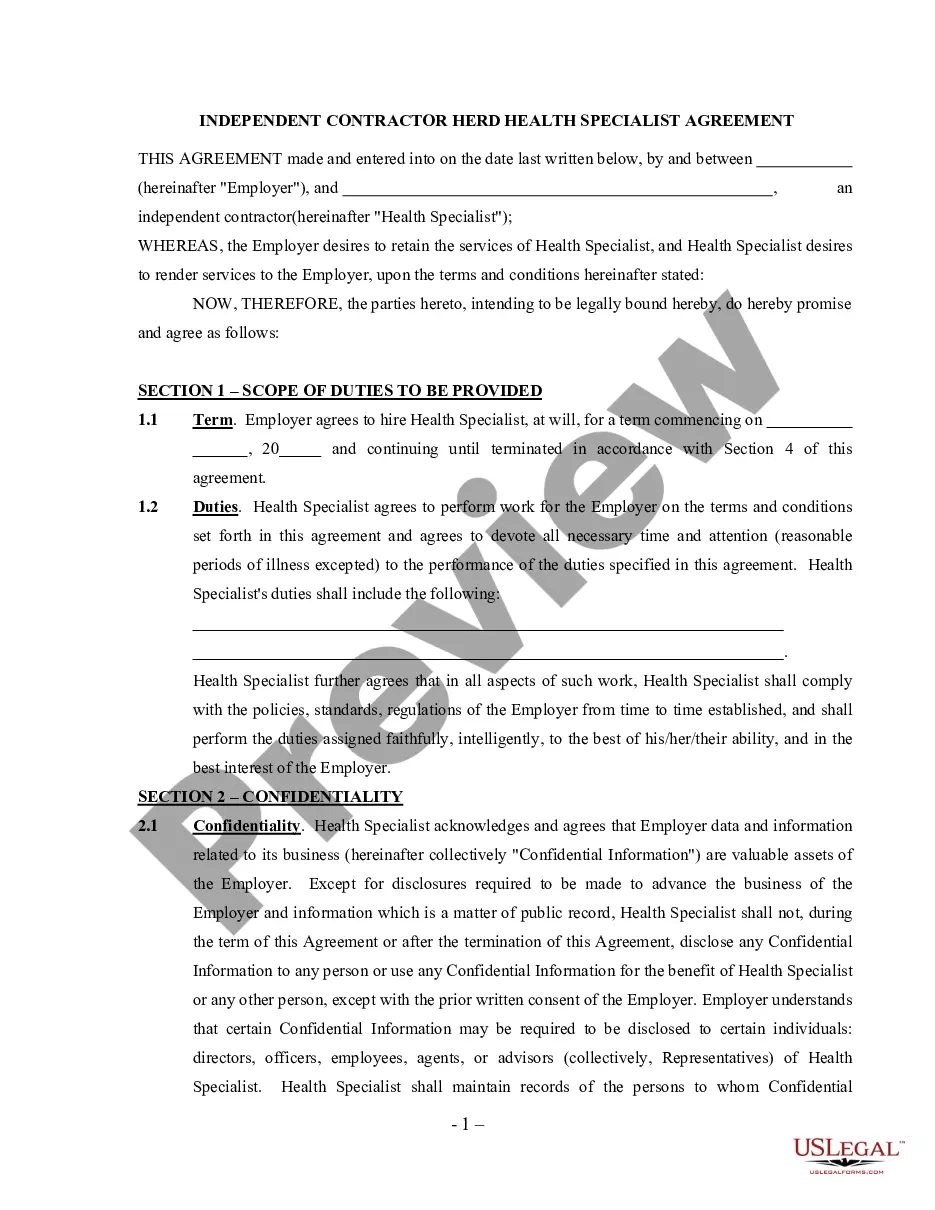
- Scope of Duties: Details the specific services the breeder will provide.
- Confidentiality: Outlines the breeder's obligations to protect the employer's sensitive information.
- Compensation: Describes the payment structure for services rendered.
- Termination: Specifies the conditions under which the agreement may be ended.
- Independent Contractor Status: Confirms that the breeder is an independent contractor and not an employee of the employer.
When to use this form
This form is used when an employer needs to engage a breeder as an independent contractor to provide breeding services. It is applicable in situations where the employer wants to establish clear terms of engagement, protect confidential business information, and ensure that the breeder's status as an independent contractor is legally recognized. This agreement is particularly useful in agricultural, livestock, and breeding enterprises.
Who should use this form
- Employers seeking to hire breeders as independent contractors.
- Breeders looking to formally define their role and responsibilities in breeding services.
- Agencies or businesses in the livestock industry that need a contractual agreement for breeding partnerships.
Instructions for completing this form
- Identify the parties involved in the agreement, including the employer's and breeder's names and addresses.
- Define the scope of duties that the breeder will perform under the contract.
- Include terms related to compensation, detailing how and when payments will be made.
- Specify the conditions under which the agreement can be terminated by either party.
- Have both parties sign and date the document to confirm their acceptance of the terms.
Does this form need to be notarized?
This form usually doesn’t need to be notarized. However, local laws or specific transactions may require it. Our online notarization service, powered by Notarize, lets you complete it remotely through a secure video session, available 24/7.
Get your form ready online
Our built-in tools help you complete, sign, share, and store your documents in one place.
Make edits, fill in missing information, and update formatting in US Legal Forms—just like you would in MS Word.
Download a copy, print it, send it by email, or mail it via USPS—whatever works best for your next step.
Sign and collect signatures with our SignNow integration. Send to multiple recipients, set reminders, and more. Go Premium to unlock E-Sign.
If this form requires notarization, complete it online through a secure video call—no need to meet a notary in person or wait for an appointment.
We protect your documents and personal data by following strict security and privacy standards.

Make edits, fill in missing information, and update formatting in US Legal Forms—just like you would in MS Word.

Download a copy, print it, send it by email, or mail it via USPS—whatever works best for your next step.

Sign and collect signatures with our SignNow integration. Send to multiple recipients, set reminders, and more. Go Premium to unlock E-Sign.

If this form requires notarization, complete it online through a secure video call—no need to meet a notary in person or wait for an appointment.

We protect your documents and personal data by following strict security and privacy standards.
Avoid these common issues
- Failing to clearly define the scope of duties can lead to misunderstandings later.
- Neglecting to include specific compensation terms might result in disputes over payment.
- Not addressing confidentiality properly can jeopardize sensitive information.
- Missing signatures from both parties can make the agreement legally unenforceable.
Advantages of online completion
- Convenience: Download and complete the form at any time from anywhere.
- Editability: Make changes easily based on your specific needs.
- Reliability: Forms are drafted by licensed attorneys to ensure legal accuracy.
Legal use & context
This agreement serves as a legally binding contract outlining the relationship between the breeder and employer. It helps clarify obligations and can be used in legal proceedings to enforce terms. Properly completed, it protects both parties' interests in breeding services.
What to keep in mind
- The Breeder Agreement establishes a clear contractual relationship between the employer and the breeder.
- It emphasizes confidentiality, ensuring protection of the employer's sensitive information.
- Completion of the form requires clear definitions of duties, compensation, and termination conditions.
Looking for another form?

Form popularity
FAQ
Get it in writing. Keep it simple. Deal with the right person. Identify each party correctly. Spell out all of the details. Specify payment obligations. Agree on circumstances that terminate the contract. Agree on a way to resolve disputes.
Name of contractor and contact information. Name of homeowner and contact information. Describe property in legal terms. List attachments to the contract. The cost. Failure of homeowner to obtain financing. Description of the work and the completion date. Right to stop the project.
Terms. This is the first section of any agreement or contract and states the names and locations of the parties involved. Responsibilities & Deliverables. Payment-Related Details. Confidentiality Clause. Contract Termination. Choice of Law.
An Independent Contractor Agreement is a written contract that spells out the terms of the working arrangement between a contractor and client, including: A description of the services provided. Terms and length of the project or service. Payment details (including deposits, retainers, and other billing details)
An independent contractor agreement is a document that an employer uses to hire a freelancer for a specific job. By extension, it distinguishes the independent contractor from an employee of the business for legal and tax purposes.
Form W-9. The IRS requires contractors to fill out a Form W-9, request for Taxpayer Identification Number and Certification, which you should keep on file for at least four years after the hiring. This form is used to request the correct name and Taxpayer Identification Number, or TIN, of the worker or their entity.