Sales Letter, Building Security
About this form
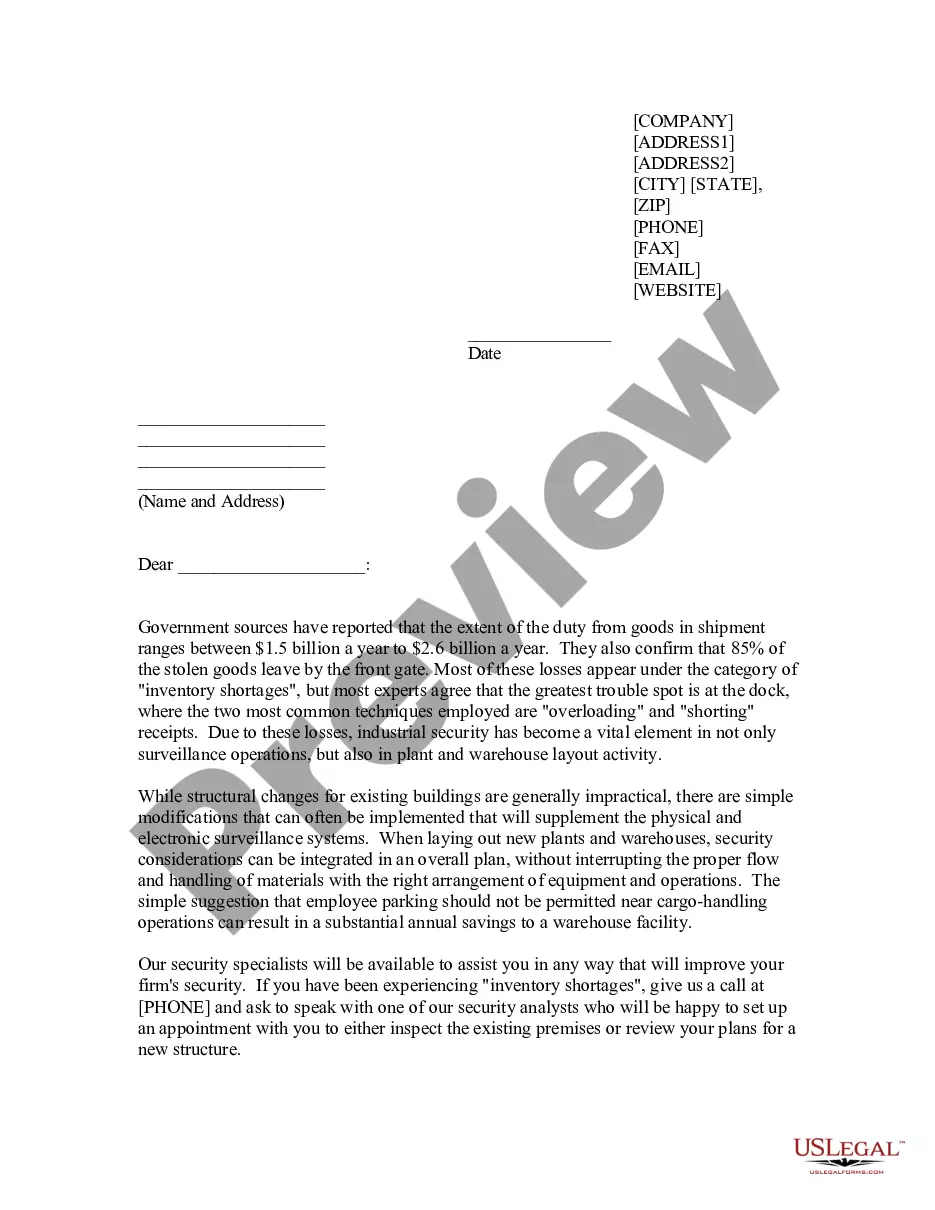
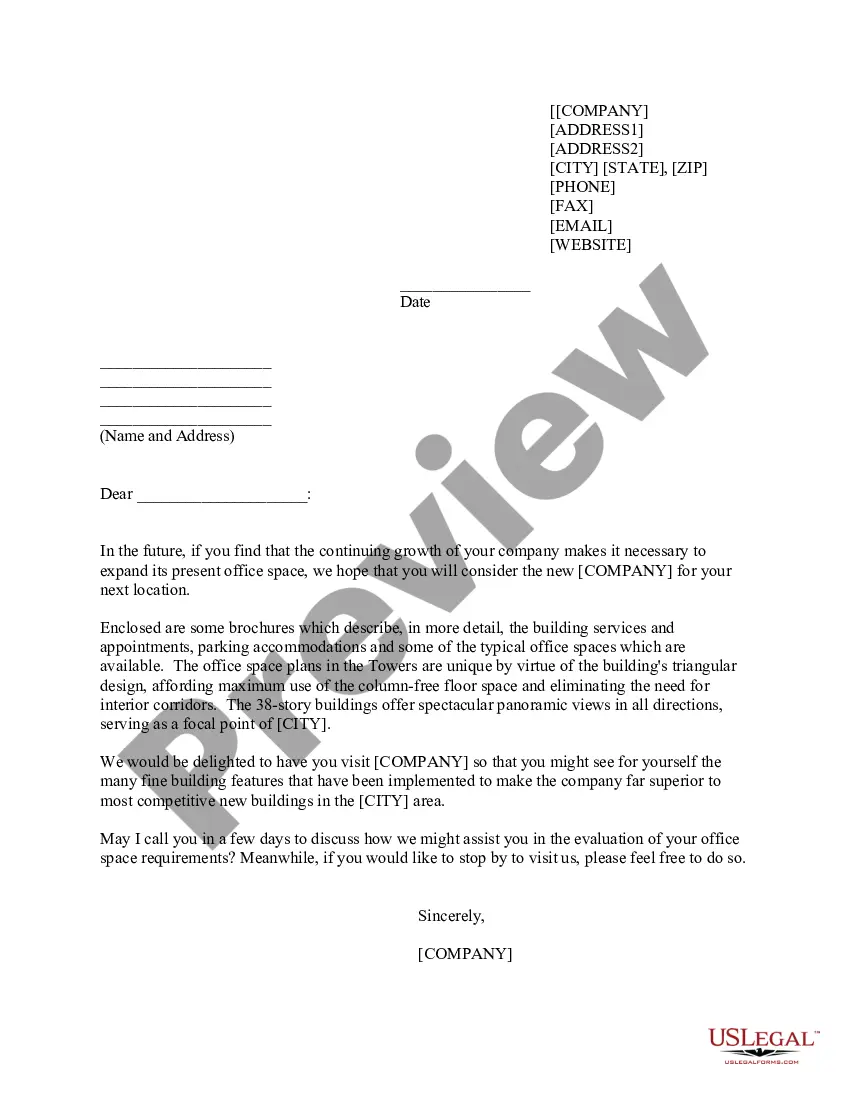
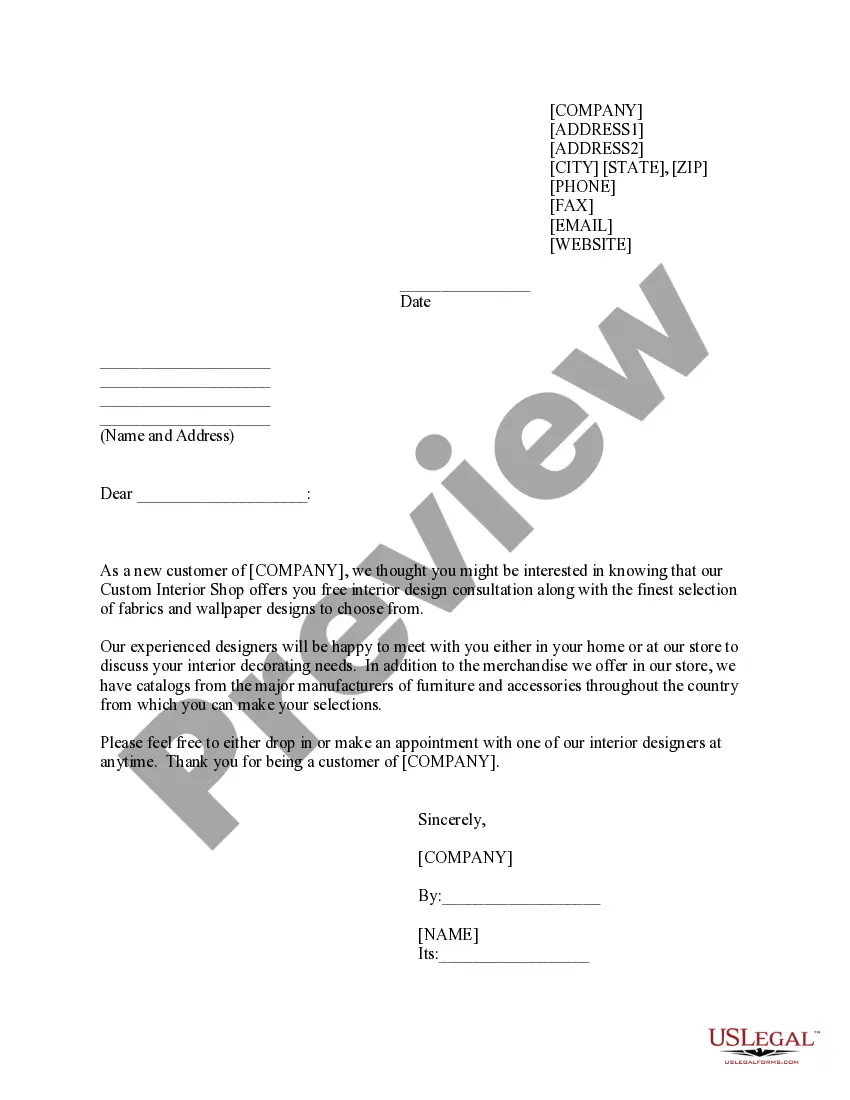
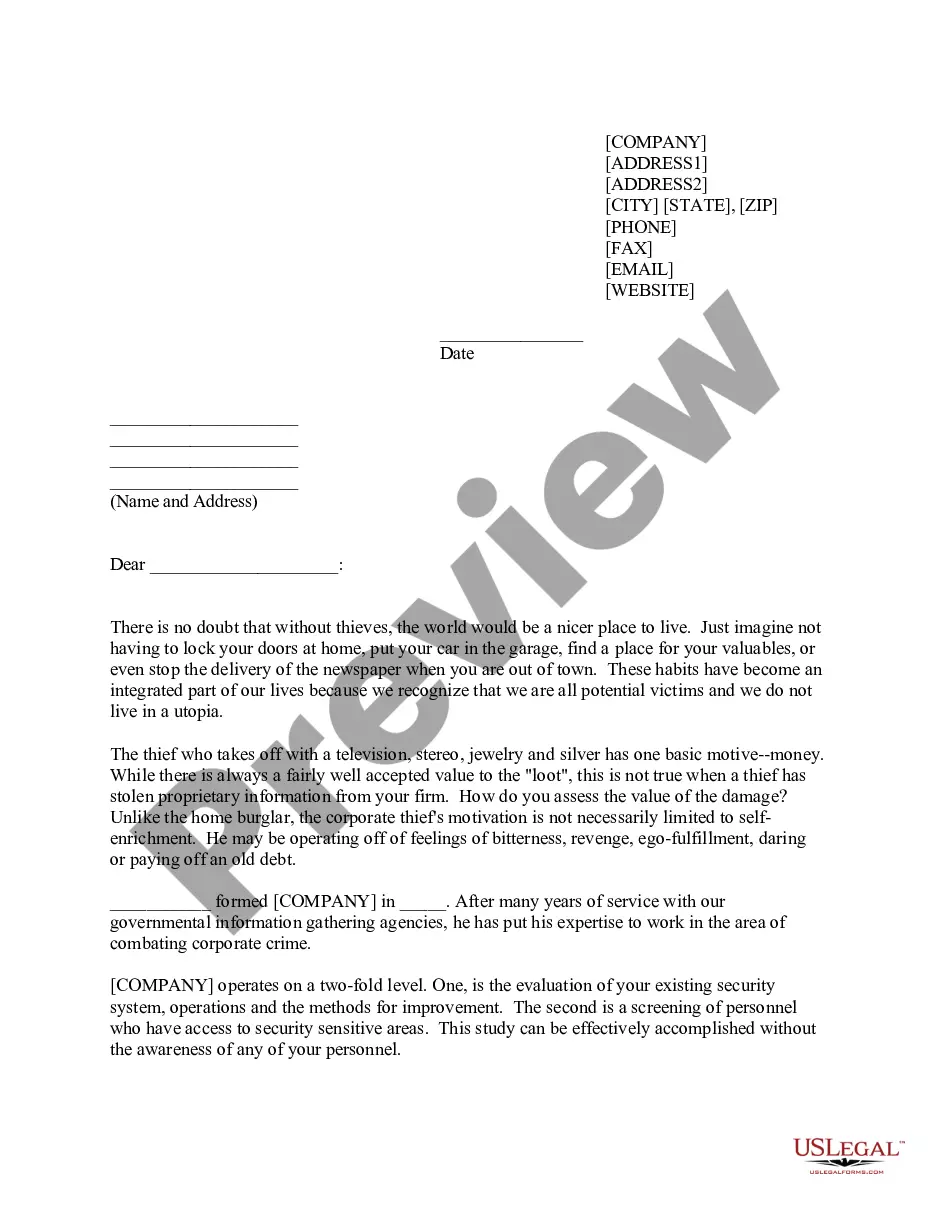
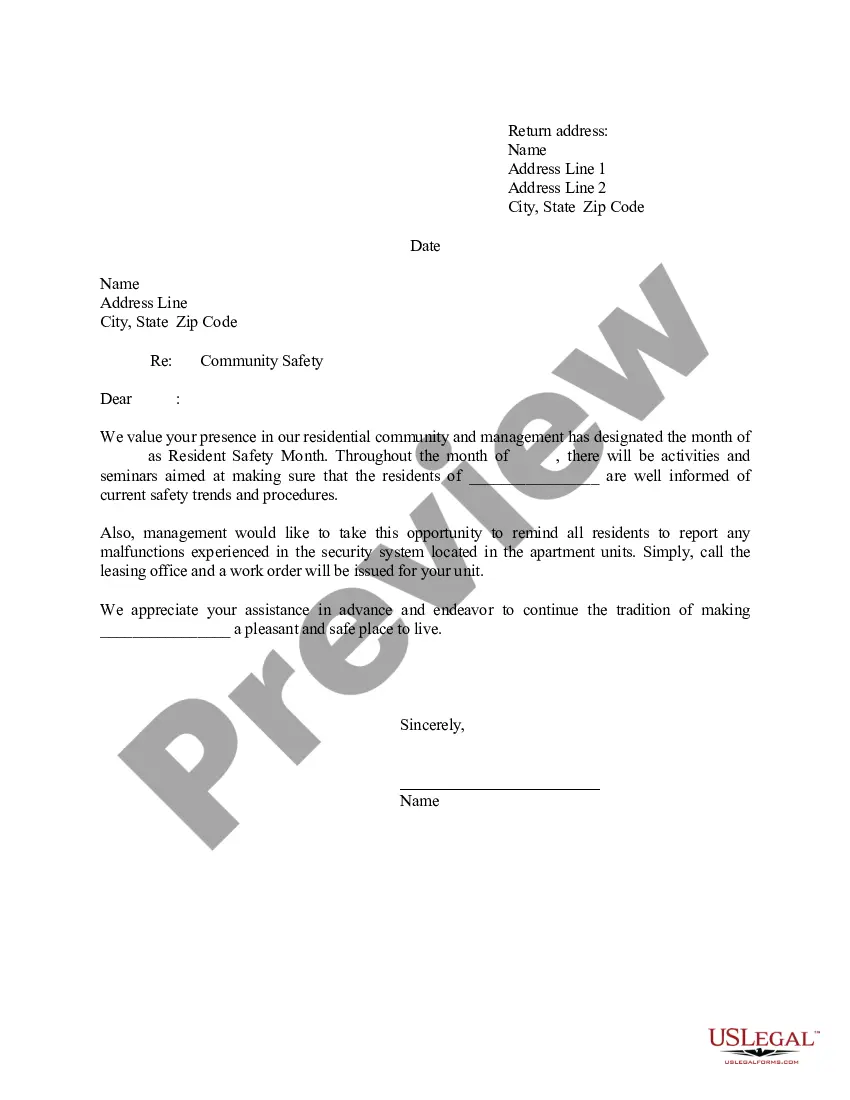
The Sales Letter for Building Security is a professional communication tool aimed at businesses looking to enhance their security measures. This form outlines key aspects of industrial security and suggests ways to mitigate inventory losses through improved surveillance and facility layout. Unlike generic sales letters, this document specifically addresses security solutions for businesses dealing with goods in transit, making it a specialized resource for those in need of security services or audits.
Key components of this form
- Business address and contact fields for personalization
- Date field to document when the letter is sent
- Greeting line to address the recipient directly
- Overview of inventory loss statistics to highlight the security issues
- Suggestions for facility layout modifications for security improvement
- Contact information for security specialists to facilitate follow-up
When this form is needed
This form should be used when a business experiences inventory shortages or is looking to improve its overall security. It can be sent to potential clients or internal stakeholders when proposing security audits, assessments, or enhancements to current security measures. This sales letter serves as a formal outreach to demonstrate a companyâs commitment to reducing losses due to theft or inventory mismanagement.
Who can use this document
- Security service providers looking to offer their services to businesses
- Warehouse managers addressing security concerns with stakeholders
- Business owners interested in implementing security improvements
- Consultants advising clients on industrial security strategies
How to prepare this document
- Enter your business address, contact information, and the date at the top of the letter.
- Personalize the greeting line by filling in the recipient's name and address.
- Include relevant statistics regarding inventory loss to establish the need for security.
- Suggest practical security strategies and layout modifications based on best practices.
- Provide a clear call to action, inviting recipients to contact your security specialists.
Does this document require notarization?
This form does not typically require notarization unless specified by local law. Ensure you review your local regulations to confirm.
Get your form ready online
Our built-in tools help you complete, sign, share, and store your documents in one place.
Make edits, fill in missing information, and update formatting in US Legal Forms—just like you would in MS Word.
Download a copy, print it, send it by email, or mail it via USPS—whatever works best for your next step.
Sign and collect signatures with our SignNow integration. Send to multiple recipients, set reminders, and more. Go Premium to unlock E-Sign.
If this form requires notarization, complete it online through a secure video call—no need to meet a notary in person or wait for an appointment.
We protect your documents and personal data by following strict security and privacy standards.

Make edits, fill in missing information, and update formatting in US Legal Forms—just like you would in MS Word.

Download a copy, print it, send it by email, or mail it via USPS—whatever works best for your next step.

Sign and collect signatures with our SignNow integration. Send to multiple recipients, set reminders, and more. Go Premium to unlock E-Sign.

If this form requires notarization, complete it online through a secure video call—no need to meet a notary in person or wait for an appointment.

We protect your documents and personal data by following strict security and privacy standards.
Avoid these common issues
- Failing to personalize the letter with the recipientâs name and address.
- Omitting key details about your security services or statistics.
- Not including contact information for follow-up inquiries.
- Using overly technical language that may confuse the reader.
Advantages of online completion
- Convenient downloading allows for immediate use and distribution.
- Editability ensures the letter can be customized for specific recipients.
- Reliable formatting ensures a professional appearance.
Looking for another form?
Form popularity
FAQ
6 tips for writing the perfect sales letter Write a catchy hook. Engage people right from the start with a catchy headline (if applicable) and a hook in the introduction.Integrate case studies.Use statistics.Make it time-sensitive.Speak to the audience's desires and pain points.Make it easy to read.
5 Things You Should Never Do When Writing a Sales Letter Don't be too formal or too informal. Sales letters need to appeal directly to the reader.Don't forget the passion.Don't forget to appeal to multiple emotions.Don't forget to use headlines and subheadings.Never attempt to trick or mislead your prospect.
How to write a sales letter Begin with a headline hook. You want to begin by writing an intriguing headline and hook the recipient into reading the rest of the letter.Use bullet points to highlight crucial information.Offer proof.Include a call to action.Provide a limited-time offer.
6 Tips To Improve Your Sales Letters #1: The Rule Of One. ?The Rule Of One? has become a popular phrase in the copywriting world.#2: Attention Capturing Headline.#3: Use Proof To Create Belief.#4: Write To One Person.#5: Risk Reversal.#6: Clear Call To Action.
The "four A's" of sales letters are attention, appeal, application, and action. First, get the reader's attention. Next, highlight your product's appeal. Then, show the reader the product's application.
How to write a sales letter Write a catchy headline that grabs your customer's attention.Hook the reader by identifying what they need and why.Include bullet points with key information.Use testimonials or statistics.Give readers a call to action.Offer something to the customer that is limited in time or quantity.
Avoid Debatable Statements Never assert in any way in your letter that which is debatable or untrue. In other words, never give the potential client a chance to argue, to doubt you, or to say ?no.?
Mistakes to Avoid When Writing Letters Mistake in the address.A comma follows all lines in the inside address.Does not state the person or organization that it is being directed to.The date is written as an abbreviation.Mistake in choosing a salutation.Not stating the purpose of the letter.