Audio Systems Contractor Agreement - Self-Employed
What is this form?
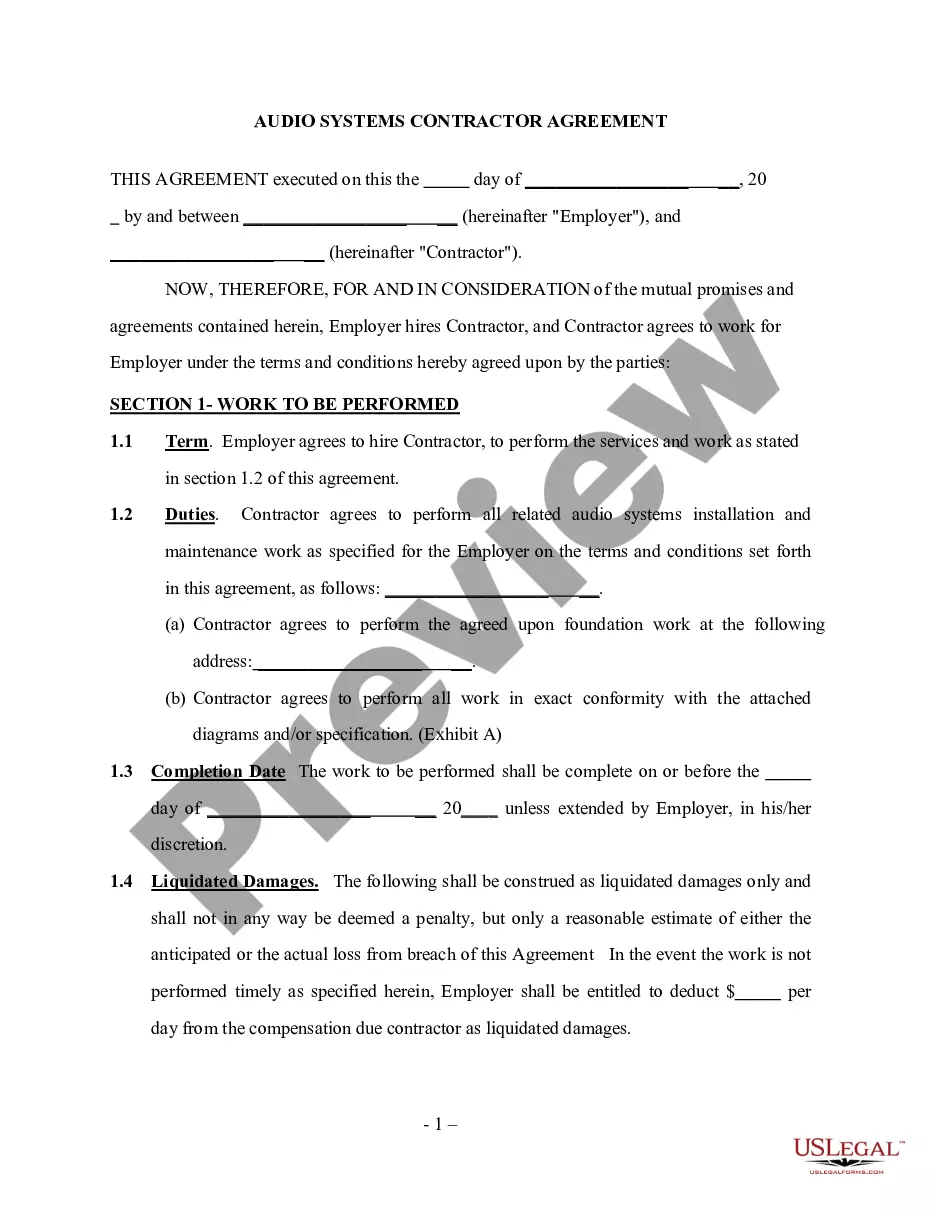
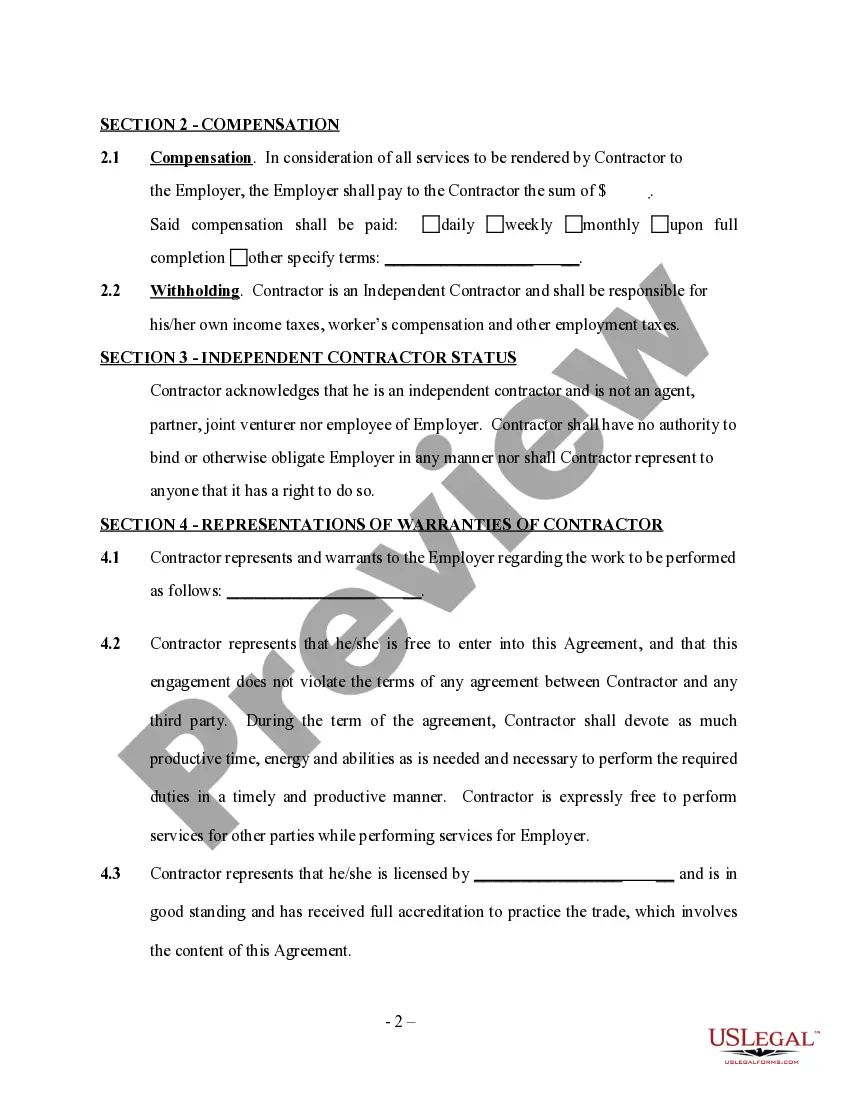
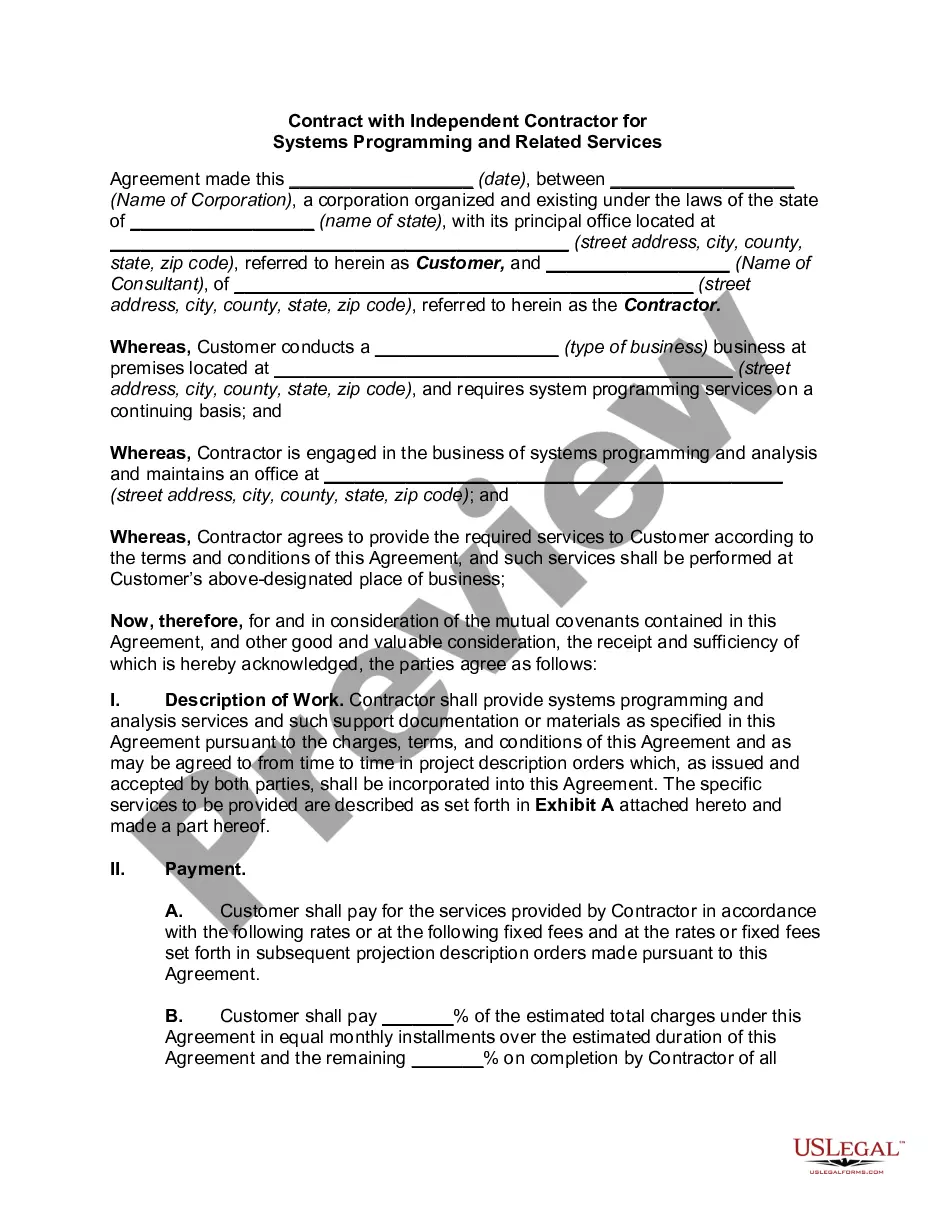
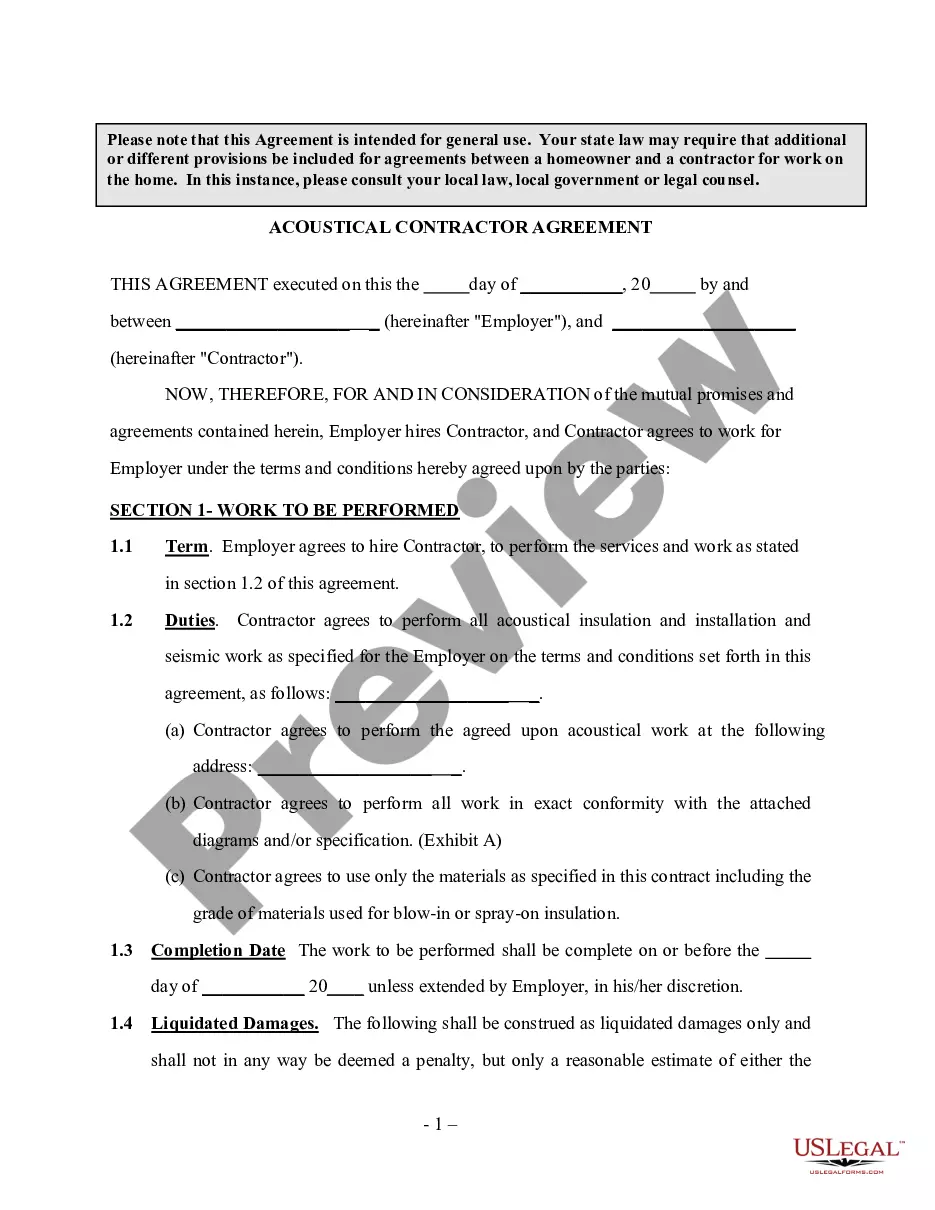
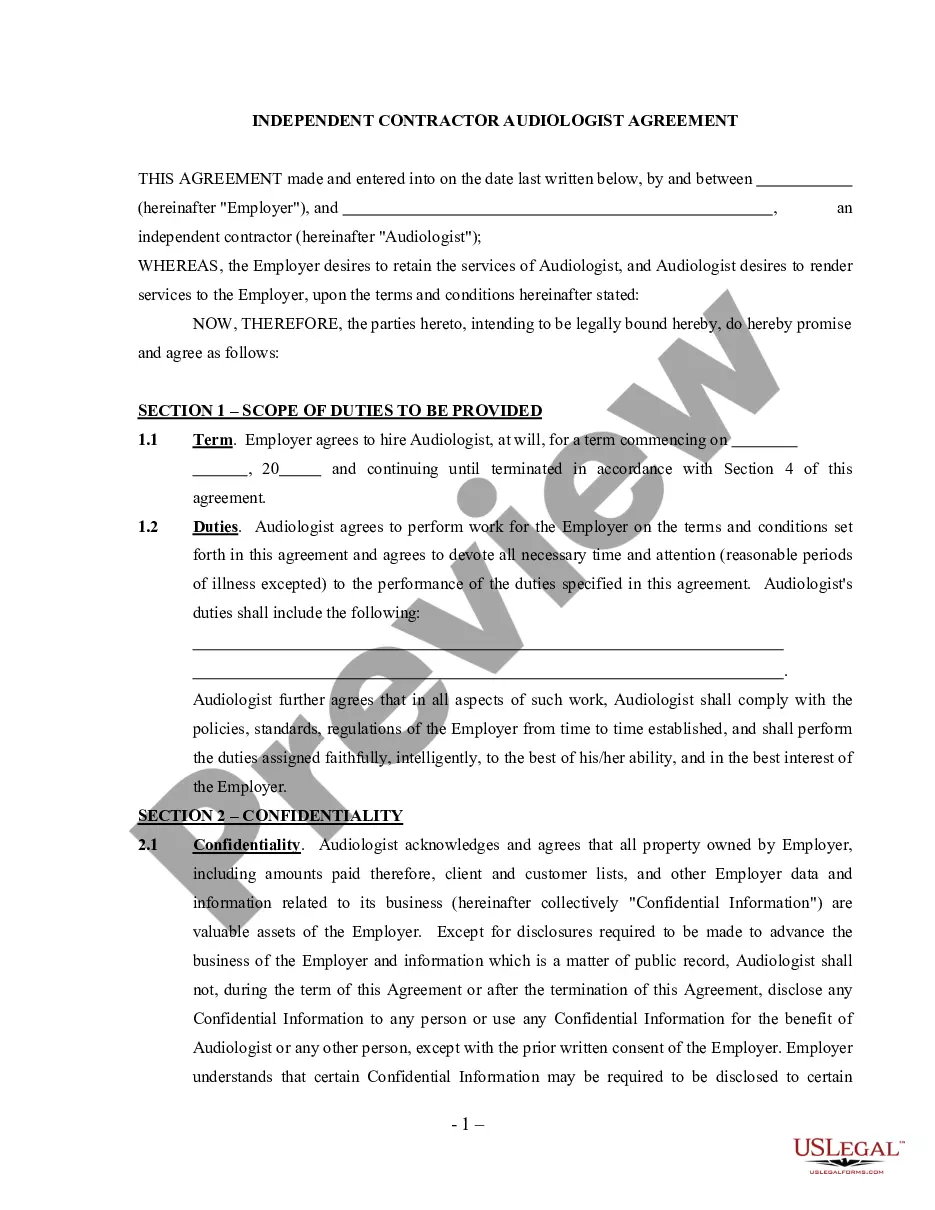
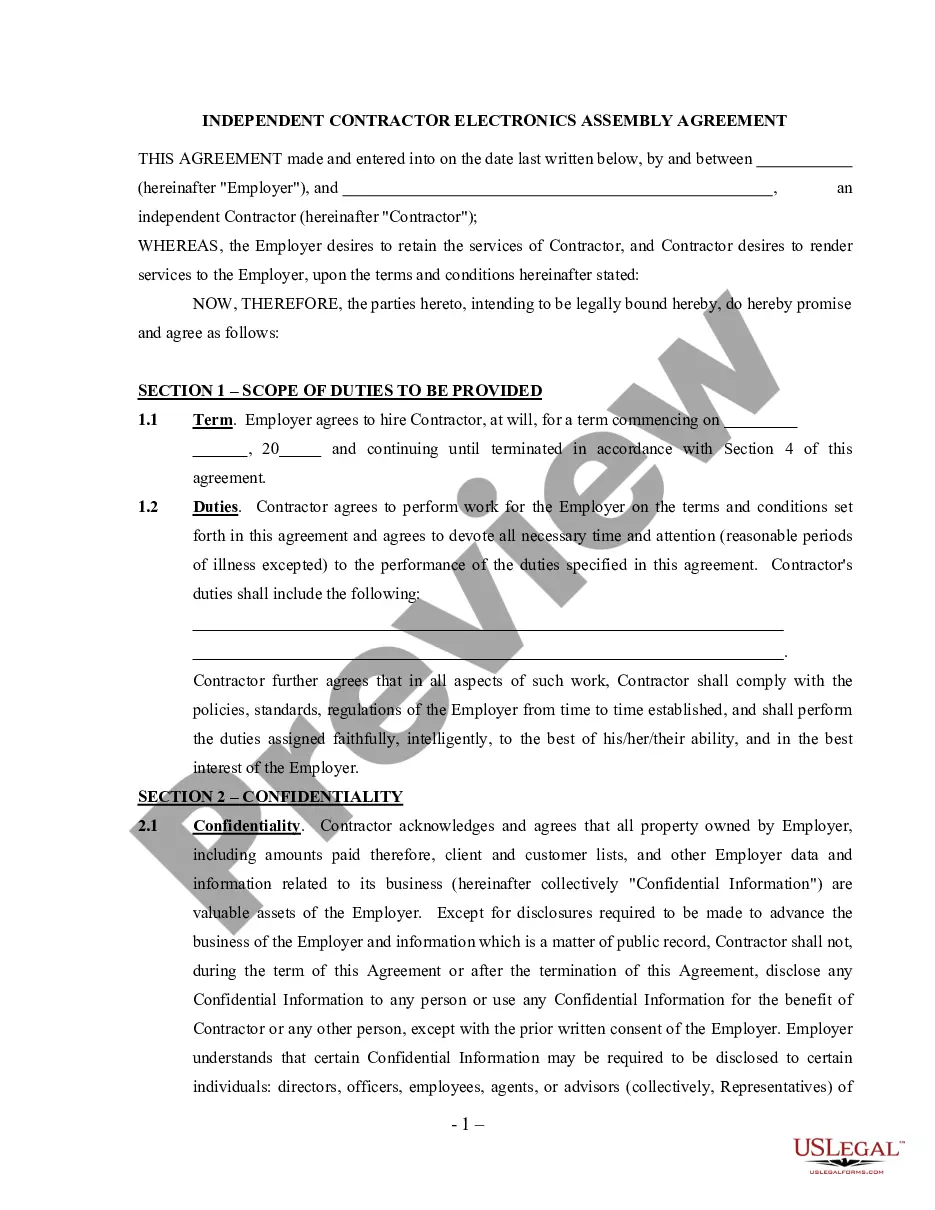
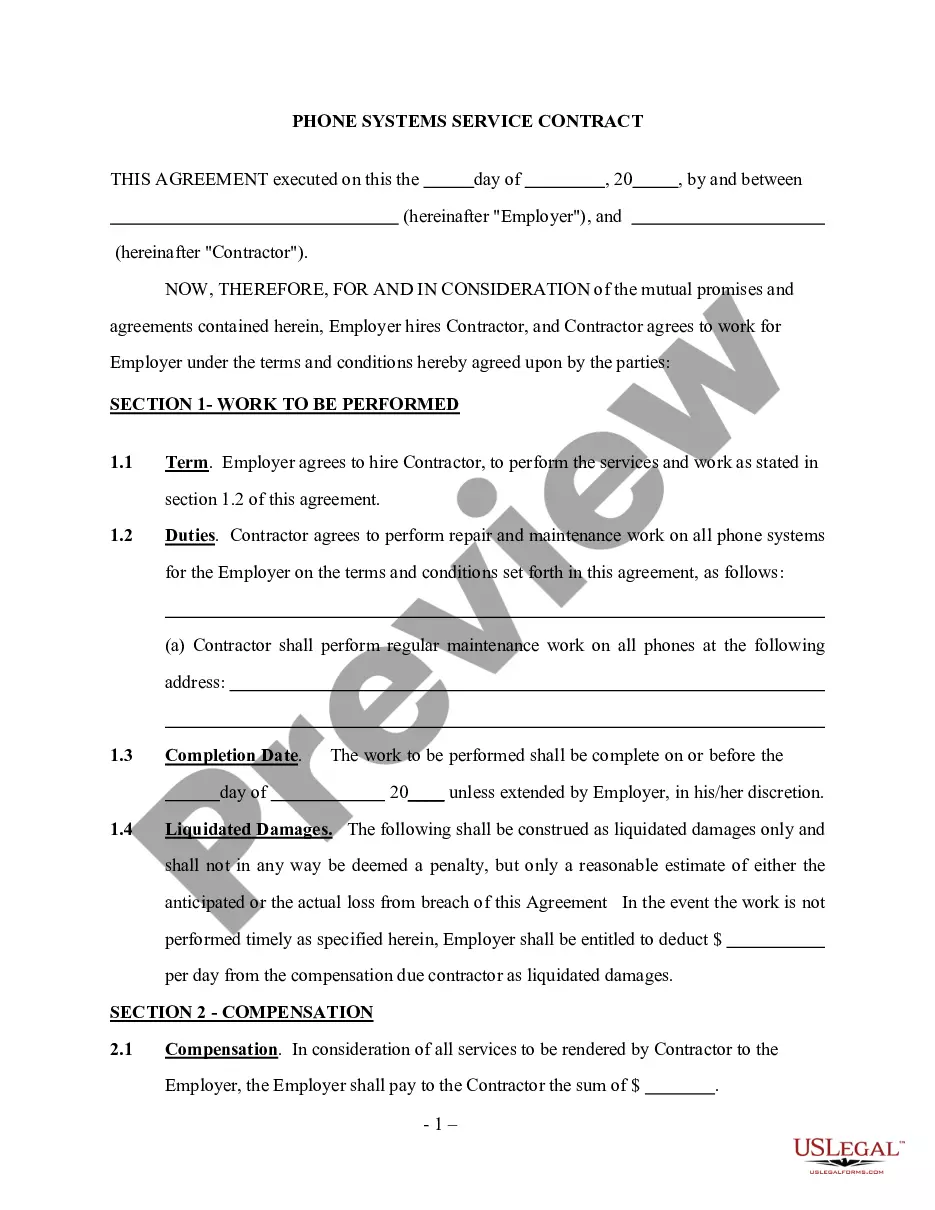
The Audio Systems Contractor Agreement - Self-Employed is a legal document that establishes a contractual relationship between an employer and an independent contractor providing audio system services. This agreement outlines the specific duties, terms, and responsibilities of both parties, ensuring clarity and legal protection in the engagement. Unlike employee agreements, this form emphasizes the independent nature of the contractor's work, clarifying tax responsibilities and management of work performance.
Key parts of this document
- Work to be performed: Specifies the nature of the audio system services to be delivered.
- Independent contractor status: Clarifies the contractor's role and responsibilities, distinguishing them from an employee.
- Representations and warranties: Details the contractor's qualifications and obligations under the agreement.
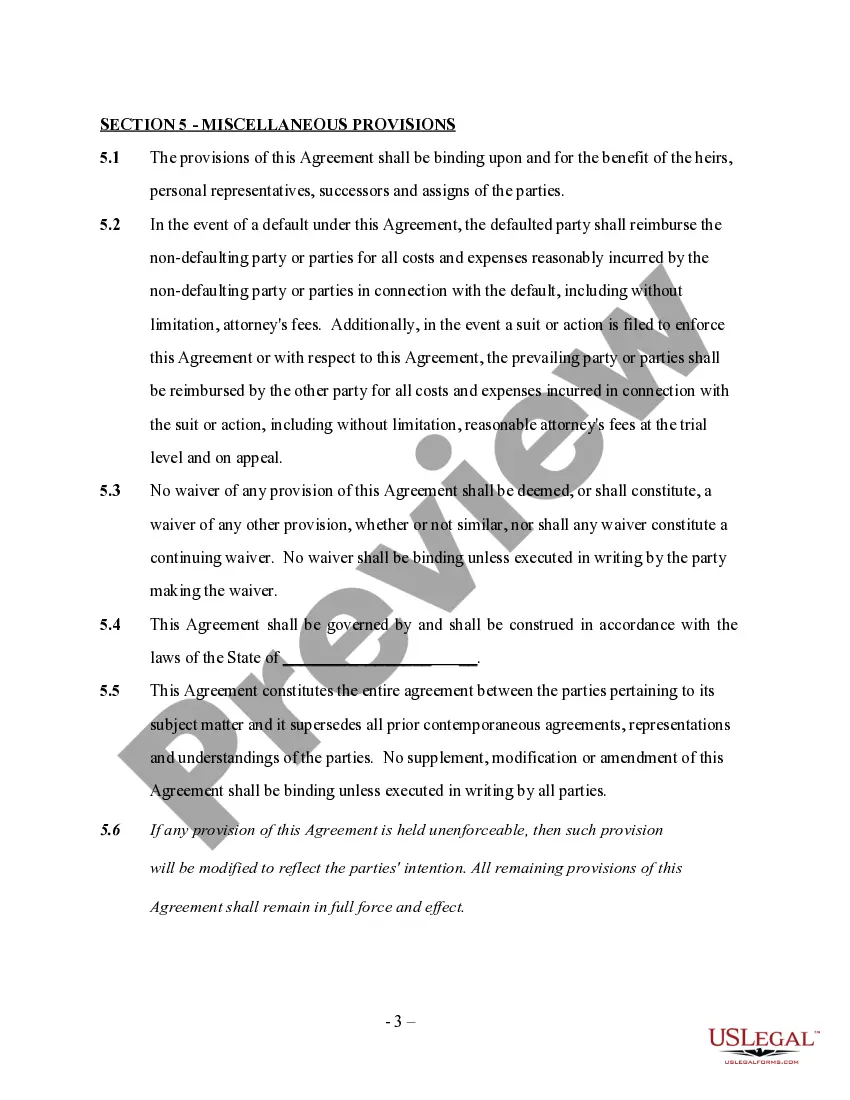
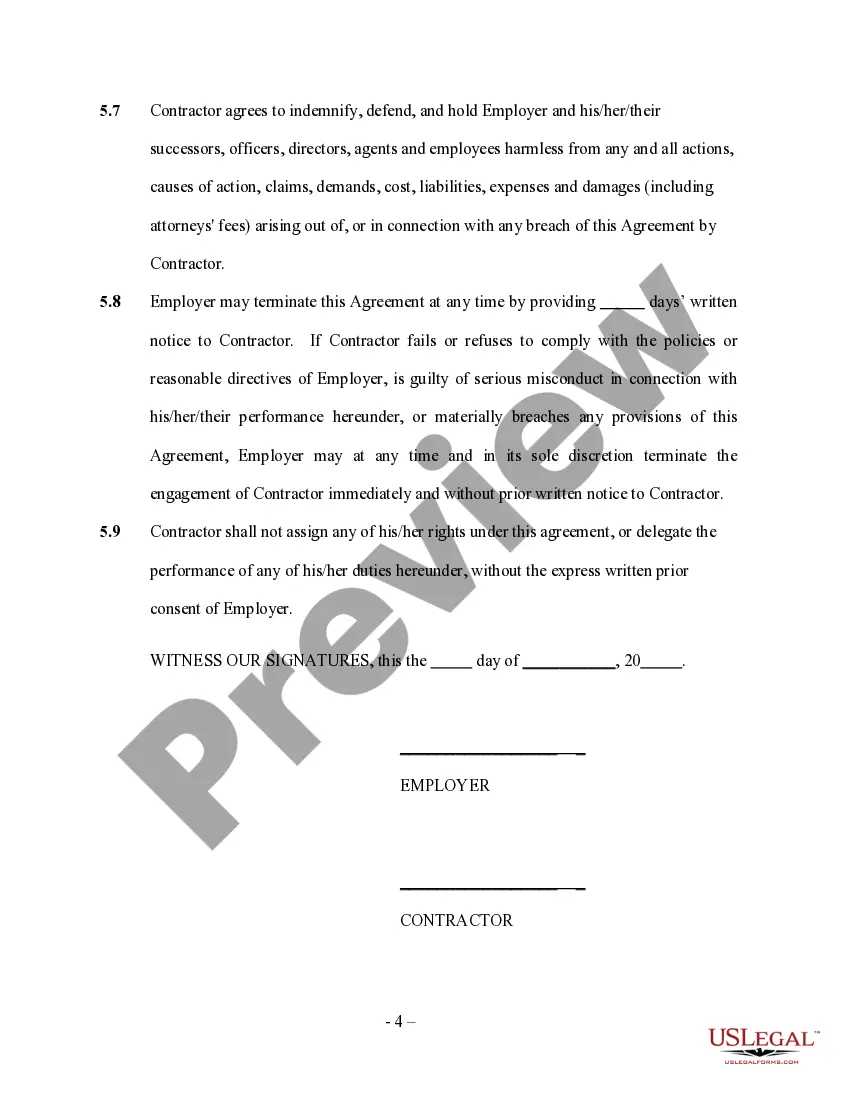
- Binding provisions: Covers legal accountability and what happens in case of a breach of contract.
- Governing law: Indicates which state's laws govern the agreement.
When to use this document
This form is used when an employer hires an independent contractor to design, provide, and install customized audio systems. It is necessary in situations where the contractor's services are needed on a project basis, and there is a formal requirement to outline the terms of the work and the collaborative expectations between the parties involved.
Intended users of this form
This form is intended for:
- Employers looking to contract external audio system specialists instead of hiring full-time employees.
- Independent contractors who provide audio system services and want to ensure their work is defined by clear terms.
- Parties without pre-existing agreements who wish to formalize their working relationship regarding audio installation projects.
How to prepare this document
- Identify the parties: Enter the names and addresses of the employer and the contractor.
- Specify the work to be performed: Clearly outline the audio system services to be delivered in the appropriate section.
- Note the contractor's qualifications: Fill in the relevant licensing and accreditation details required for the audio installation work.
- Include the project location: State the address where the services will be carried out.
- Obtain signatures: Ensure both parties sign and date the agreement to formalize the contract.
Notarization guidance
This form does not typically require notarization unless specified by local law. However, including notarization may enhance its credibility in case of disputes.
Get your form ready online
Our built-in tools help you complete, sign, share, and store your documents in one place.
Make edits, fill in missing information, and update formatting in US Legal Forms—just like you would in MS Word.
Download a copy, print it, send it by email, or mail it via USPS—whatever works best for your next step.
Sign and collect signatures with our SignNow integration. Send to multiple recipients, set reminders, and more. Go Premium to unlock E-Sign.
If this form requires notarization, complete it online through a secure video call—no need to meet a notary in person or wait for an appointment.
We protect your documents and personal data by following strict security and privacy standards.

Make edits, fill in missing information, and update formatting in US Legal Forms—just like you would in MS Word.

Download a copy, print it, send it by email, or mail it via USPS—whatever works best for your next step.

Sign and collect signatures with our SignNow integration. Send to multiple recipients, set reminders, and more. Go Premium to unlock E-Sign.

If this form requires notarization, complete it online through a secure video call—no need to meet a notary in person or wait for an appointment.

We protect your documents and personal data by following strict security and privacy standards.
Mistakes to watch out for
- Failing to clearly define the scope of work can lead to misunderstandings.
- Not specifying contractor qualifications could affect the validity of the agreement.
- Omitting signatures or dates may render the agreement unenforceable.
Advantages of online completion
- Convenience of accessing the form at any time and from any location.
- Editable and customizable to meet specific project needs.
- Trustworthy templates drafted by licensed attorneys ensuring legal reliability.
Summary of main points
- This form is essential for formalizing the relationship between employers and independent contractors in the audio installation industry.
- Clearly define roles and responsibilities to avoid disputes.
- Always consult local laws to ensure compliance when using this form across different jurisdictions.
Looking for another form?
Form popularity
FAQ
Writing Your Construction Contract. Write the title and a little preamble. Your title should describe the purpose of the contract. The preamble should simply state basics like: the date the agreement was entered into, the parties' names, the project, the work site location, and work commencement and end dates.
Timeframe or key milestones of the project; hours of work; deliverables of the project; and. way the business will pay the contractor for their services.
The earnings of a person who is working as an independent contractor are subject to Self-Employment Tax. If you are an independent contractor, you are self-employed.You are not an independent contractor if you perform services that can be controlled by an employer (what will be done and how it will be done).
Name of contractor and contact information. Name of homeowner and contact information. Describe property in legal terms. List attachments to the contract. The cost. Failure of homeowner to obtain financing. Description of the work and the completion date. Right to stop the project.
If you received a 1099 form instead of a W-2 , then the payer of your income did not consider you an employee and did not withhold federal income tax or Social Security and Medicare tax. A 1099-MISC or NEC means that you are classified as an independent contractor and independent contractors are self-employed.
Simply put, being an independent contractor is one way to be self-employed. Being self-employed means that you earn money but don't work as an employee for someone else.An independent contractor is someone who provides a service on a contractual basis.
Terms. This is the first section of any agreement or contract and states the names and locations of the parties involved. Responsibilities & Deliverables. Payment-Related Details. Confidentiality Clause. Contract Termination. Choice of Law.
Get it in writing. Keep it simple. Deal with the right person. Identify each party correctly. Spell out all of the details. Specify payment obligations. Agree on circumstances that terminate the contract. Agree on a way to resolve disputes.
Simply put, being an independent contractor is one way to be self-employed. Being self-employed means that you earn money but don't work as an employee for someone else.An independent contractor is someone who provides a service on a contractual basis.