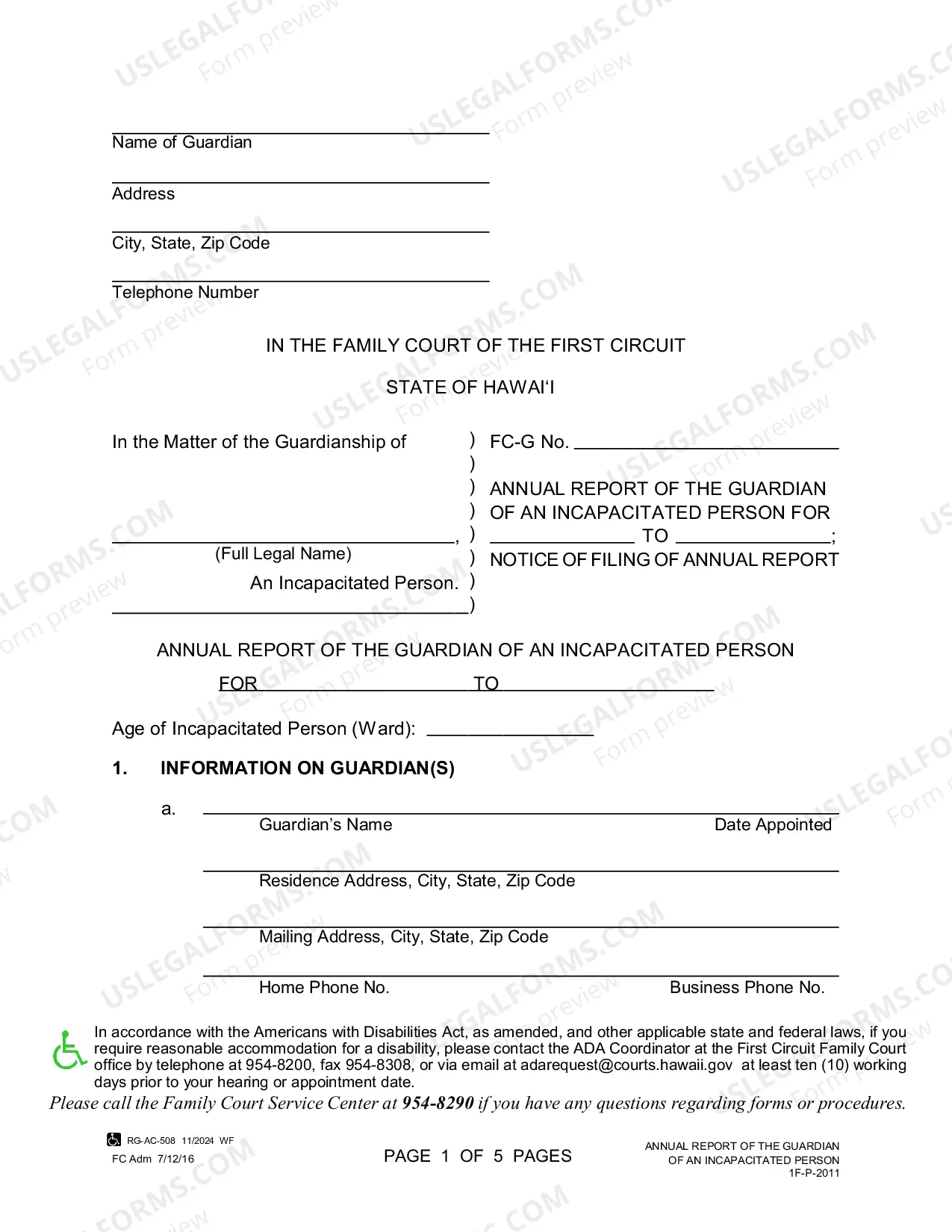
Contract with Independent Contractor for Systems Programming and Related Services
What is this form?
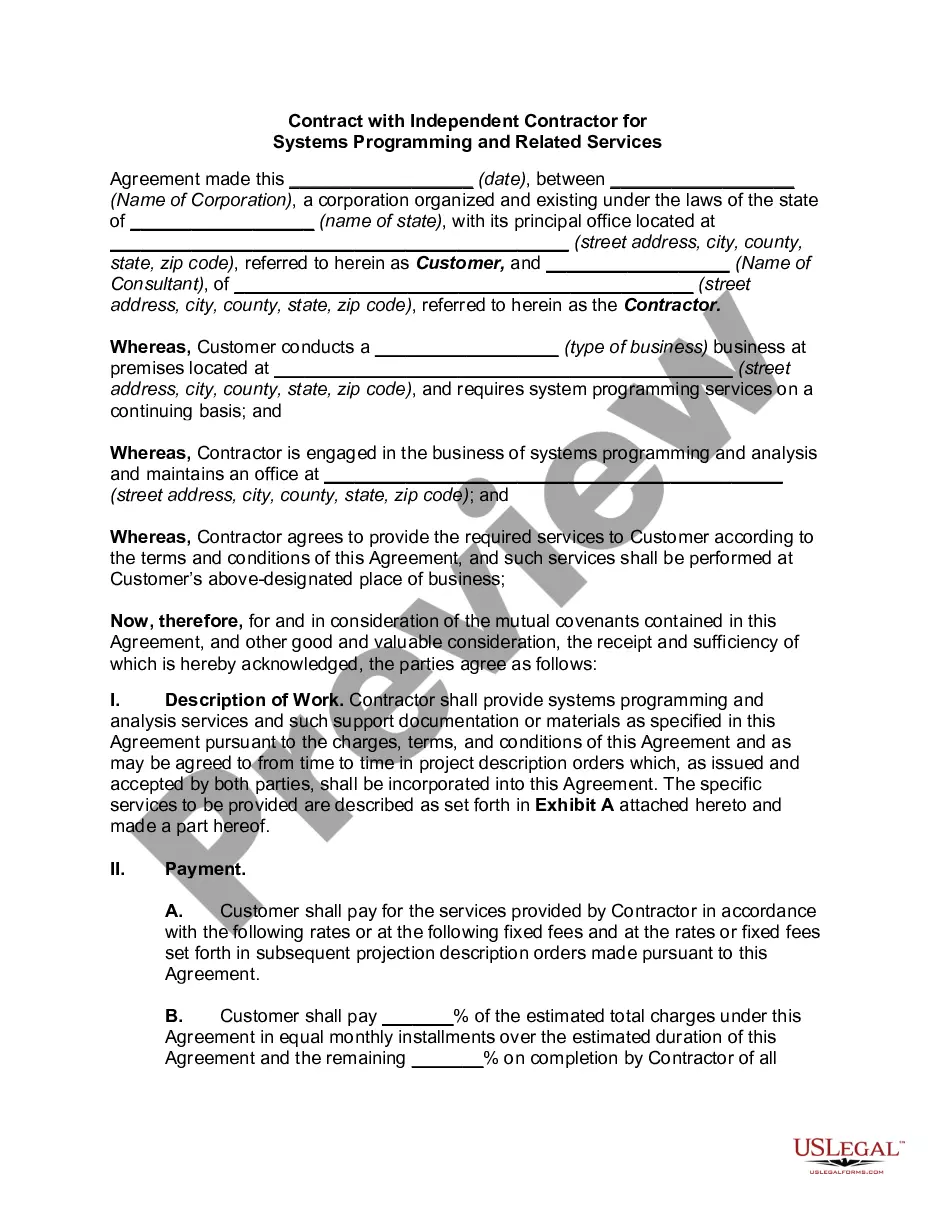
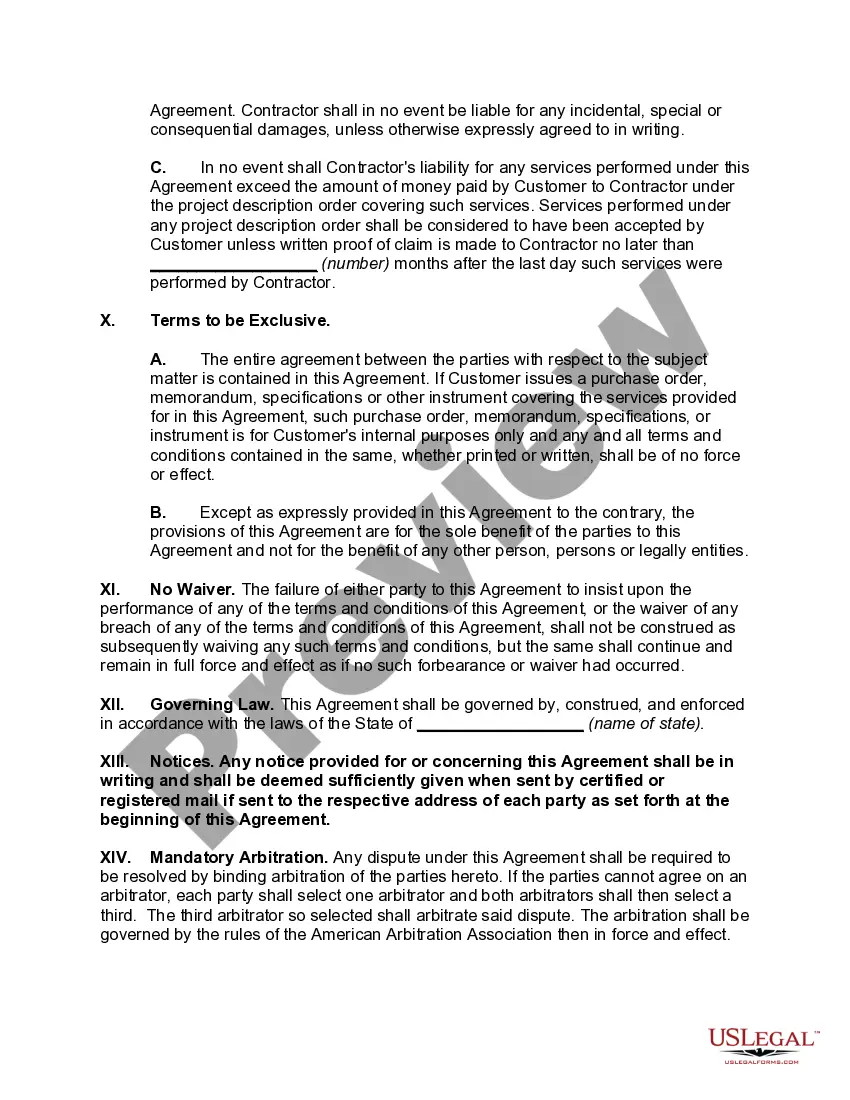
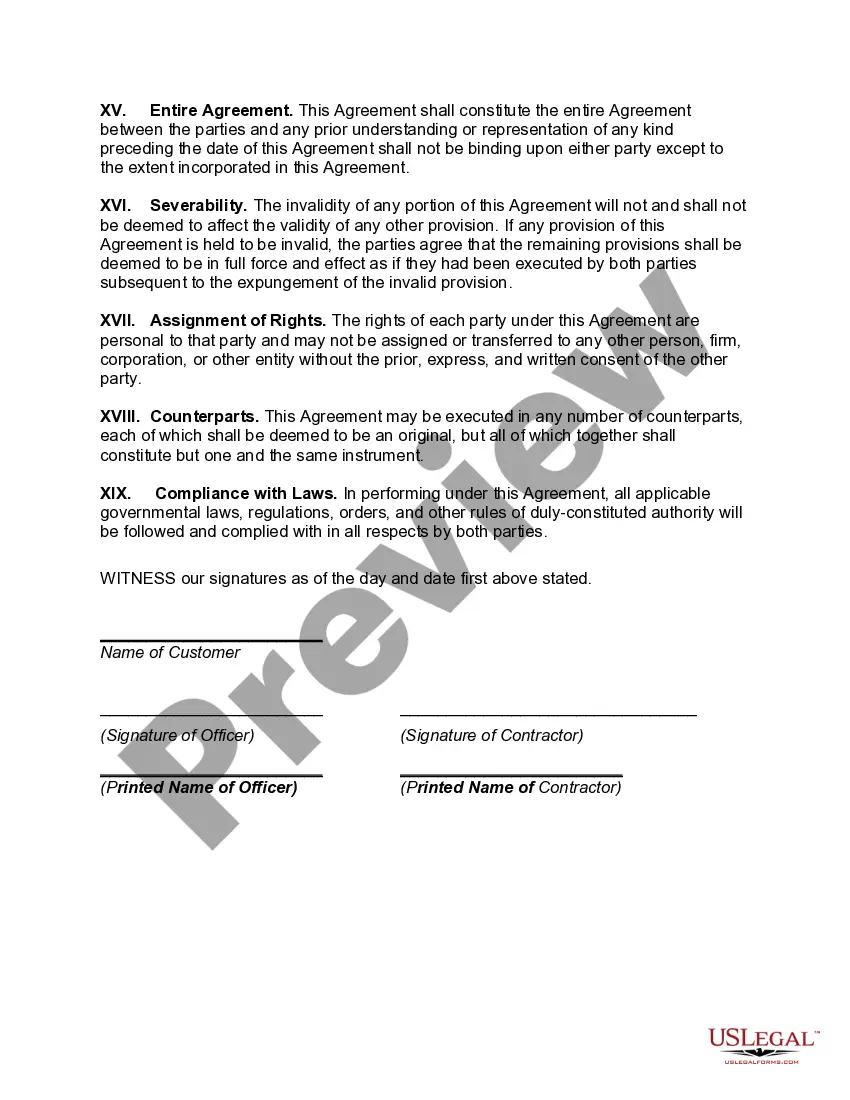
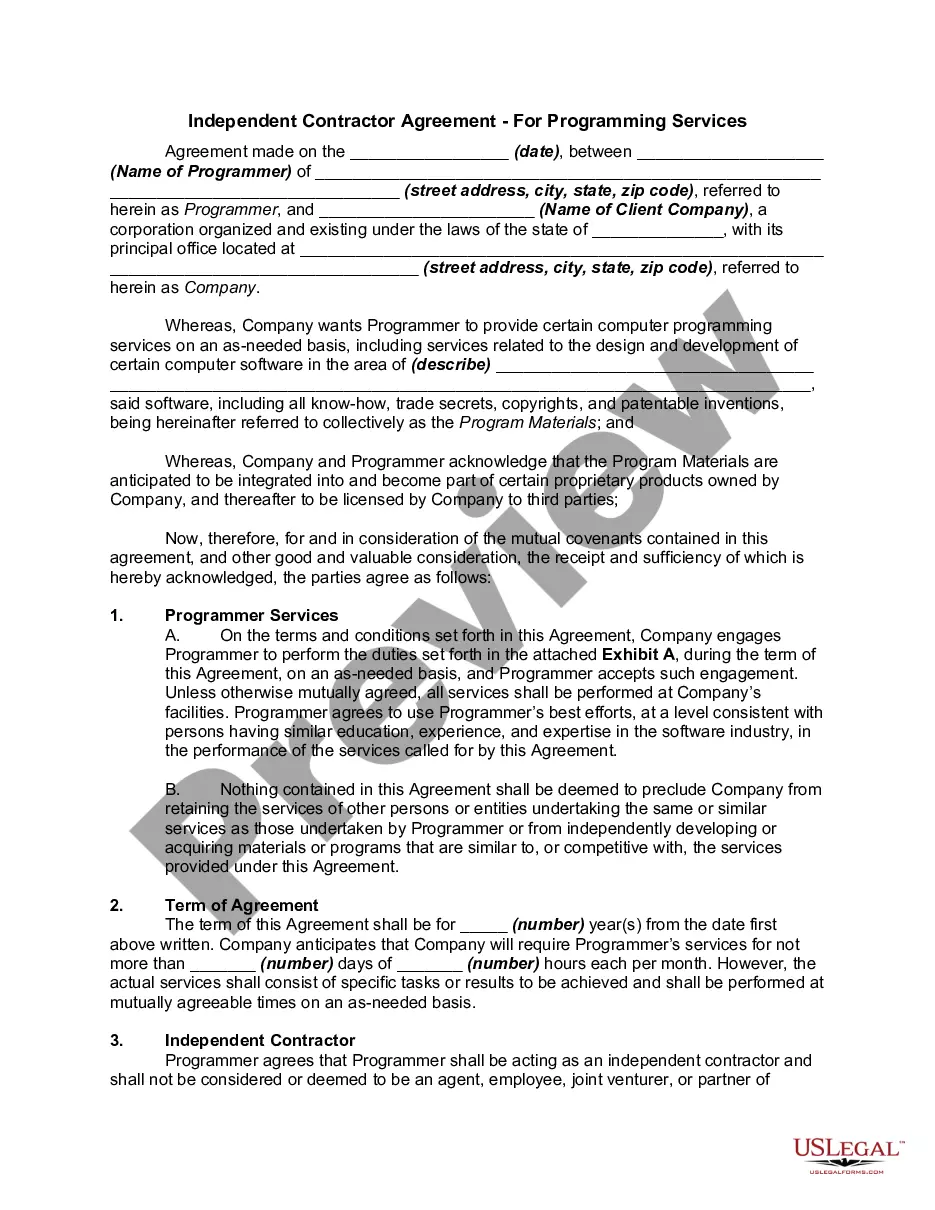
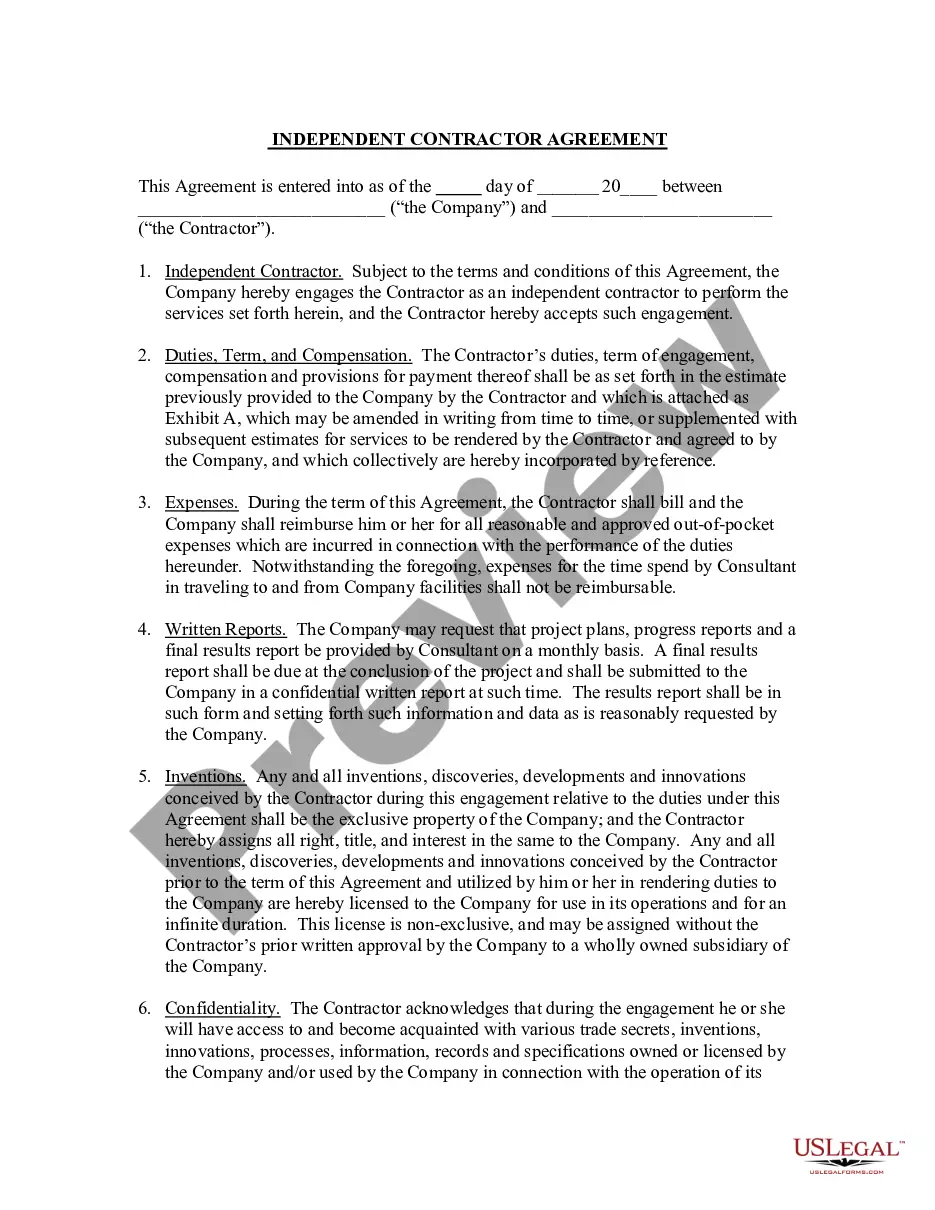
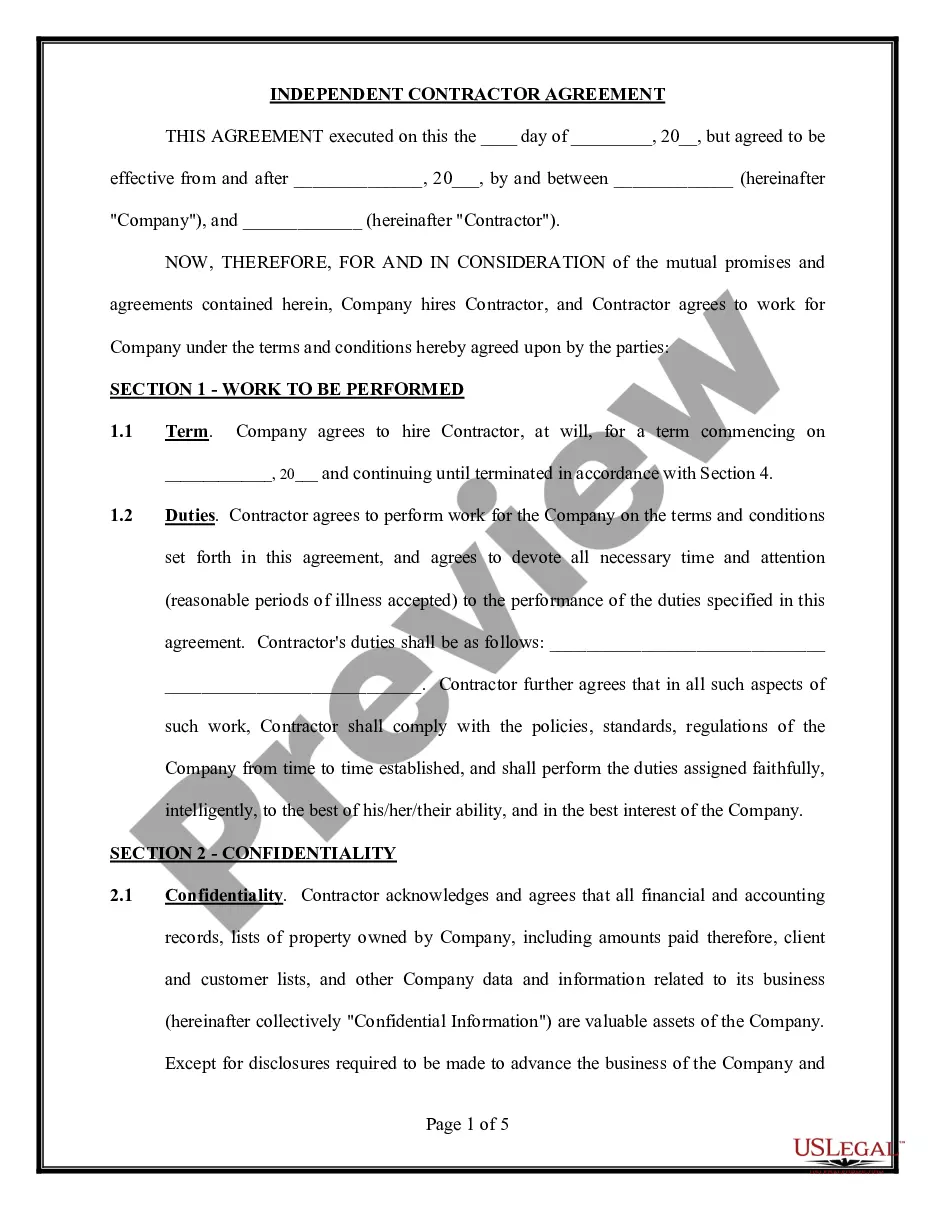
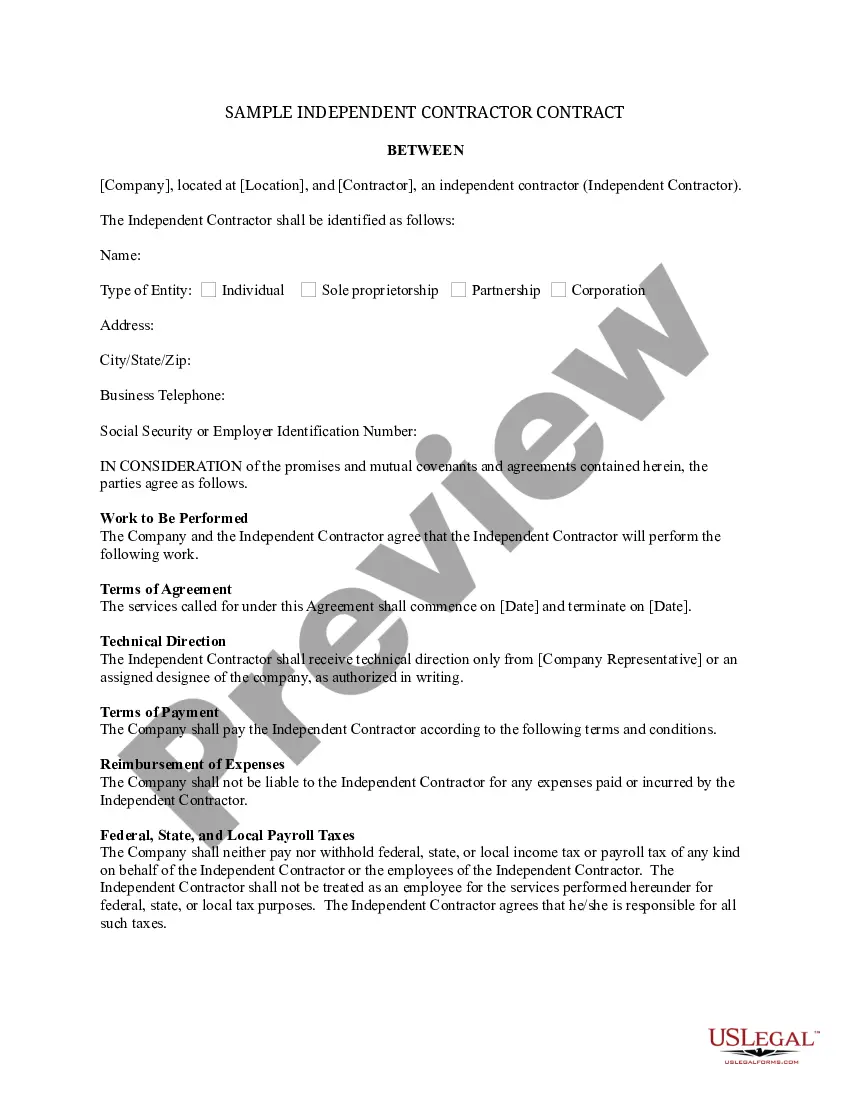
This form is a Contract with Independent Contractor for Systems Programming and Related Services. It formalizes the relationship between a business (the Customer) and an independent contractor (the Contractor) providing system programming services. This contract outlines the scope of work, payment terms, and responsibilities of both parties, ensuring clear expectations and legal protections for both sides.
Main sections of this form
- Date of agreement and identification of parties involved.
- Description of the work and services to be performed by the Contractor.
- Payment terms, including rates and schedules for invoicing.
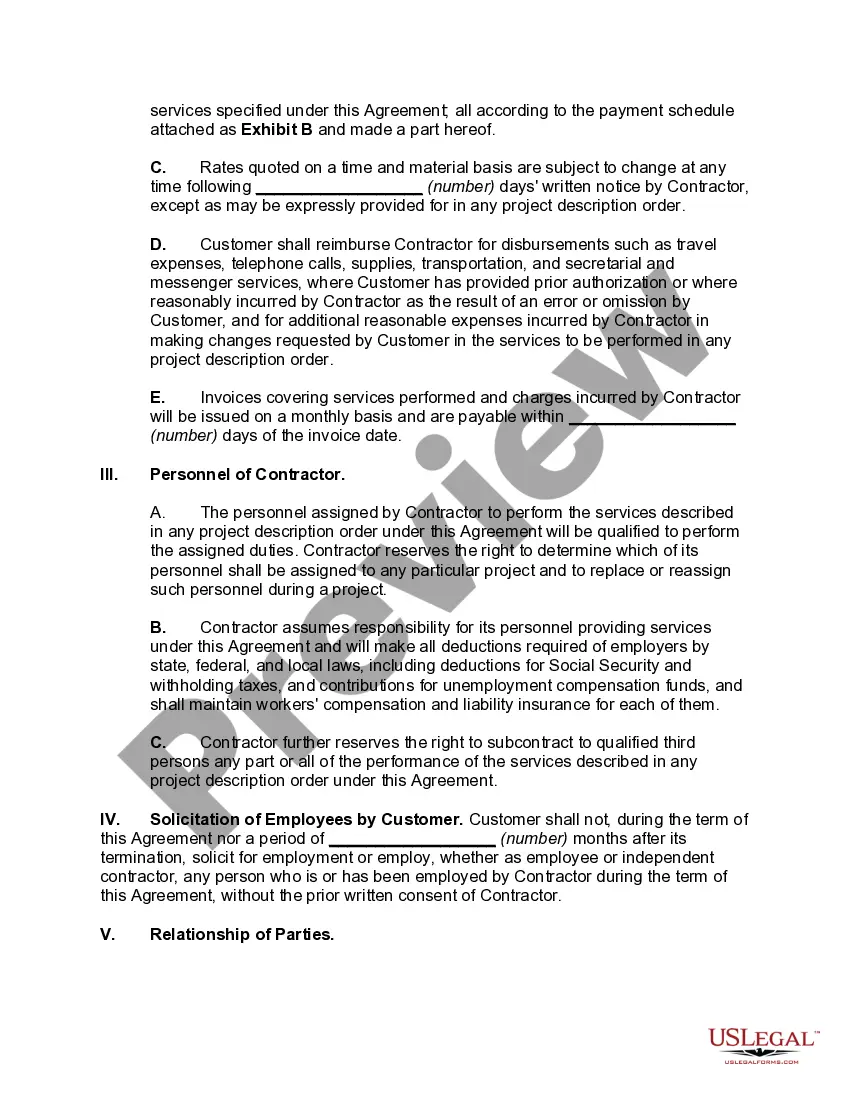
- Specifications regarding personnel and subcontracting by the Contractor.
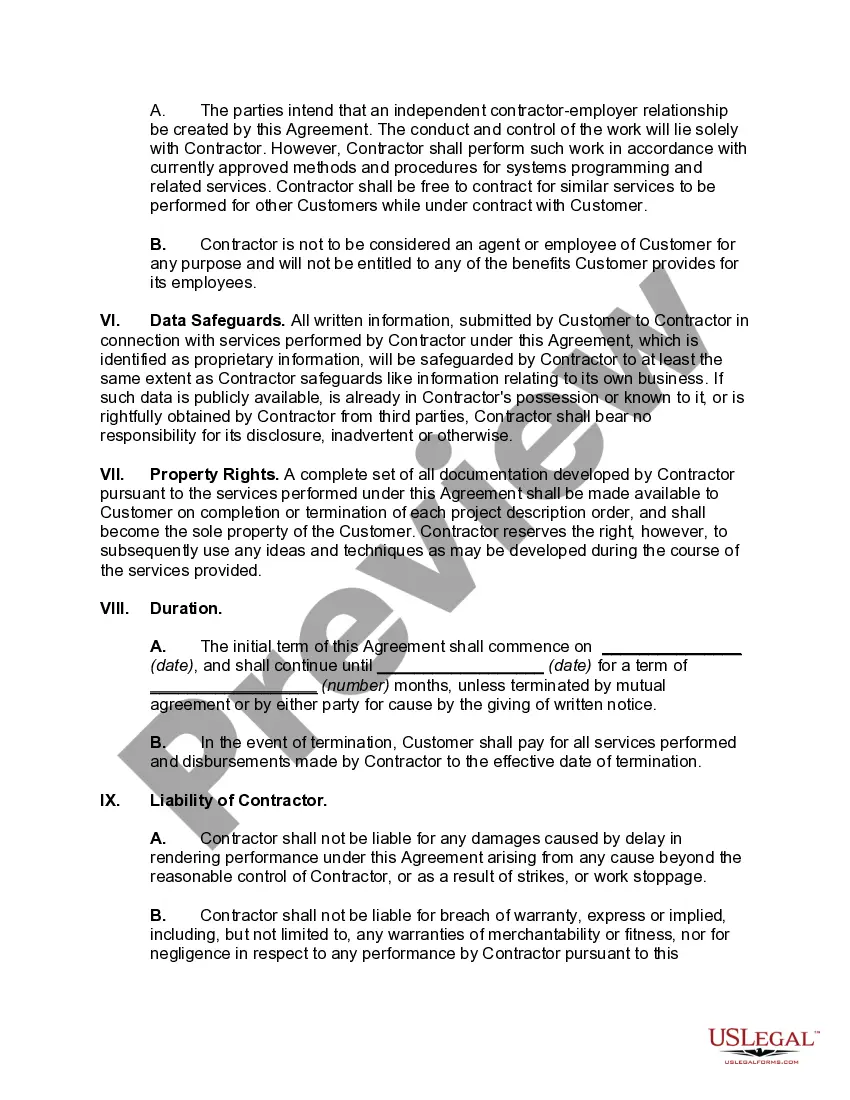
- Confidentiality obligations concerning proprietary information.
- Liability limitations and dispute resolution procedures.
Common use cases
This form should be used when a business requires ongoing systems programming services from an independent contractor. It is suitable in scenarios where the business needs specific programming tasks completed, wishes to maintain a legally compliant relationship, or requires documentation to clarify payment and service expectations.
Intended users of this form
- Businesses seeking to hire independent contractors for systems programming.
- Independent contractors offering services in systems programming and related fields.
- Organizations needing clear guidelines on service deliverables and payment structures.
Steps to complete this form
- Identify the parties involved by filling in the names and addresses of the Customer and Contractor.
- Specify the date of the agreement, the type of services, and include any relevant descriptions in the designated sections.
- Detail the payment structure, including rates and timelines for invoicing.
- Include any agreed-upon terms regarding the personnel assigned to work on the contract.
- Enter the duration of the agreement and conditions for termination if applicable.
Does this document require notarization?
Notarization is generally not required for this form. However, certain states or situations might demand it. You can complete notarization online through US Legal Forms, powered by Notarize, using a verified video call available anytime.
Get your form ready online
Our built-in tools help you complete, sign, share, and store your documents in one place.
Make edits, fill in missing information, and update formatting in US Legal Forms—just like you would in MS Word.
Download a copy, print it, send it by email, or mail it via USPS—whatever works best for your next step.
Sign and collect signatures with our SignNow integration. Send to multiple recipients, set reminders, and more. Go Premium to unlock E-Sign.
If this form requires notarization, complete it online through a secure video call—no need to meet a notary in person or wait for an appointment.
We protect your documents and personal data by following strict security and privacy standards.

Make edits, fill in missing information, and update formatting in US Legal Forms—just like you would in MS Word.

Download a copy, print it, send it by email, or mail it via USPS—whatever works best for your next step.

Sign and collect signatures with our SignNow integration. Send to multiple recipients, set reminders, and more. Go Premium to unlock E-Sign.

If this form requires notarization, complete it online through a secure video call—no need to meet a notary in person or wait for an appointment.

We protect your documents and personal data by following strict security and privacy standards.
Mistakes to watch out for
- Failing to define clear payment terms and schedules.
- Not specifying the services to be provided in sufficient detail.
- Leaving out important dates for the commencement or termination of the contract.
- Neglecting to include any confidentiality or data protection clauses.
Benefits of using this form online
- Quick access to professionally drafted legal documentation.
- Easy customization to meet specific needs without legal jargon.
- Convenient download options for immediate use.
- Peace of mind knowing the form is created by licensed attorneys.
Looking for another form?

Form popularity
FAQ
Identify the customer and service provider. Describe the services being provided. Outline a payment schedule. Establish terms about confidentiality, non-solicitation, and non-competition. Address ownership of materials. Personalize your Service Agreement.
Get it in writing. Keep it simple. Deal with the right person. Identify each party correctly. Spell out all of the details. Specify payment obligations. Agree on circumstances that terminate the contract. Agree on a way to resolve disputes.
The IRS requires contractors to fill out a Form W-9, request for Taxpayer Identification Number and Certification, which you should keep on file for at least four years after the hiring. This form is used to request the correct name and Taxpayer Identification Number, or TIN, of the worker or their entity.
Terms. This is the first section of any agreement or contract and states the names and locations of the parties involved. Responsibilities & Deliverables. Payment-Related Details. Confidentiality Clause. Contract Termination. Choice of Law.
Terms. This is the first section of any agreement or contract and states the names and locations of the parties involved. Responsibilities & Deliverables. Payment-Related Details. Confidentiality Clause. Contract Termination. Choice of Law.
Identifying/Contact Information. Title and Description of the Project. Projected Timeline and Completion Date. Cost Estimate and Payment Schedule. Stop Work Clause and Stop Payment Clause. Act of God Clause. Change Order Agreement. Warranty.
For most types of projects you hire an independent contractor (IC) to do, the law does not require you to put anything in writing. You can meet with the IC, agree on the terms of your arrangement, and have an oral contract or agreement that is legally binding. Just because you can doesn't mean you should, however.
Terms. This is the first section of any agreement or contract and states the names and locations of the parties involved. Responsibilities & Deliverables. Payment-Related Details. Confidentiality Clause. Contract Termination. Choice of Law.