Assignment of Note and Deed of Trust as Security for Debt of Third Party
Understanding this form
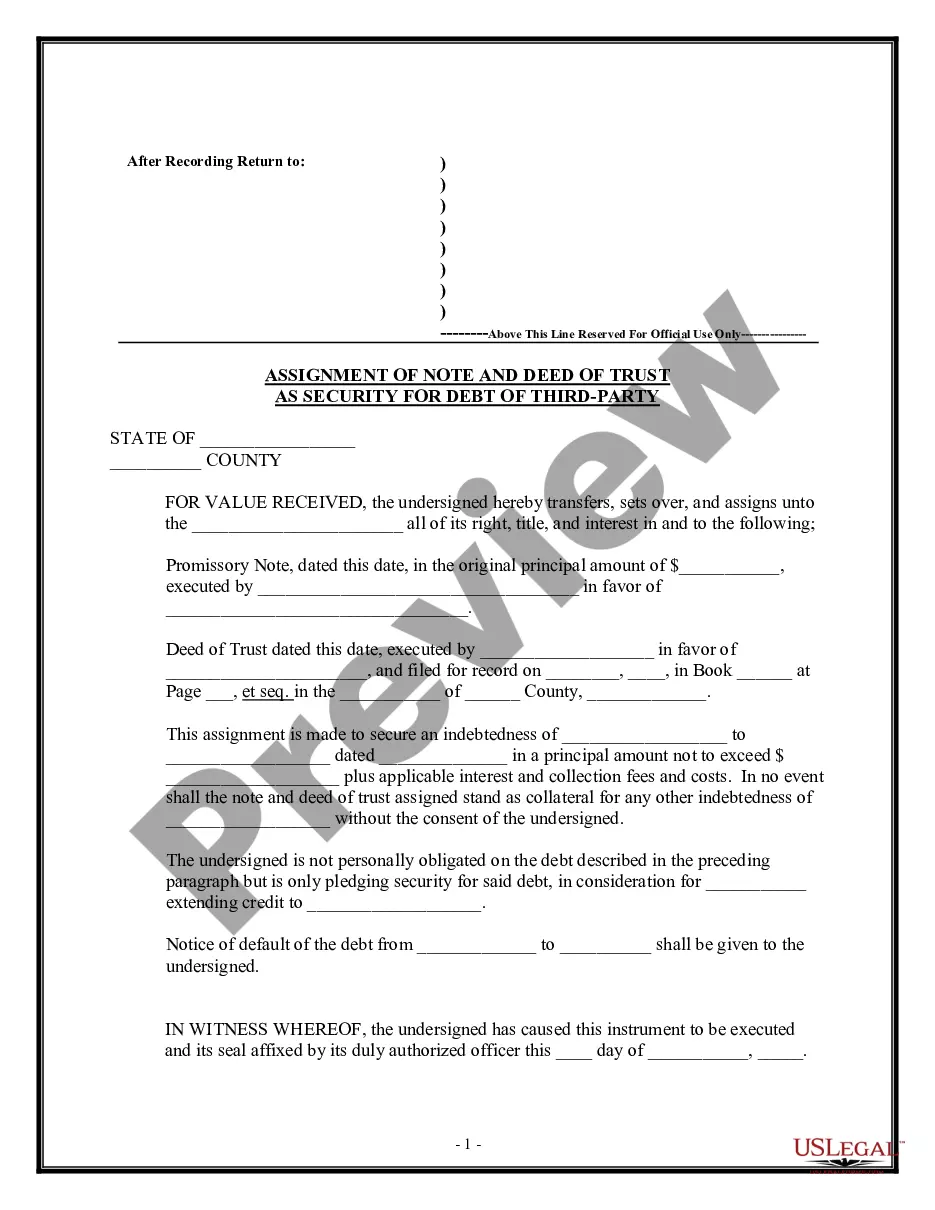
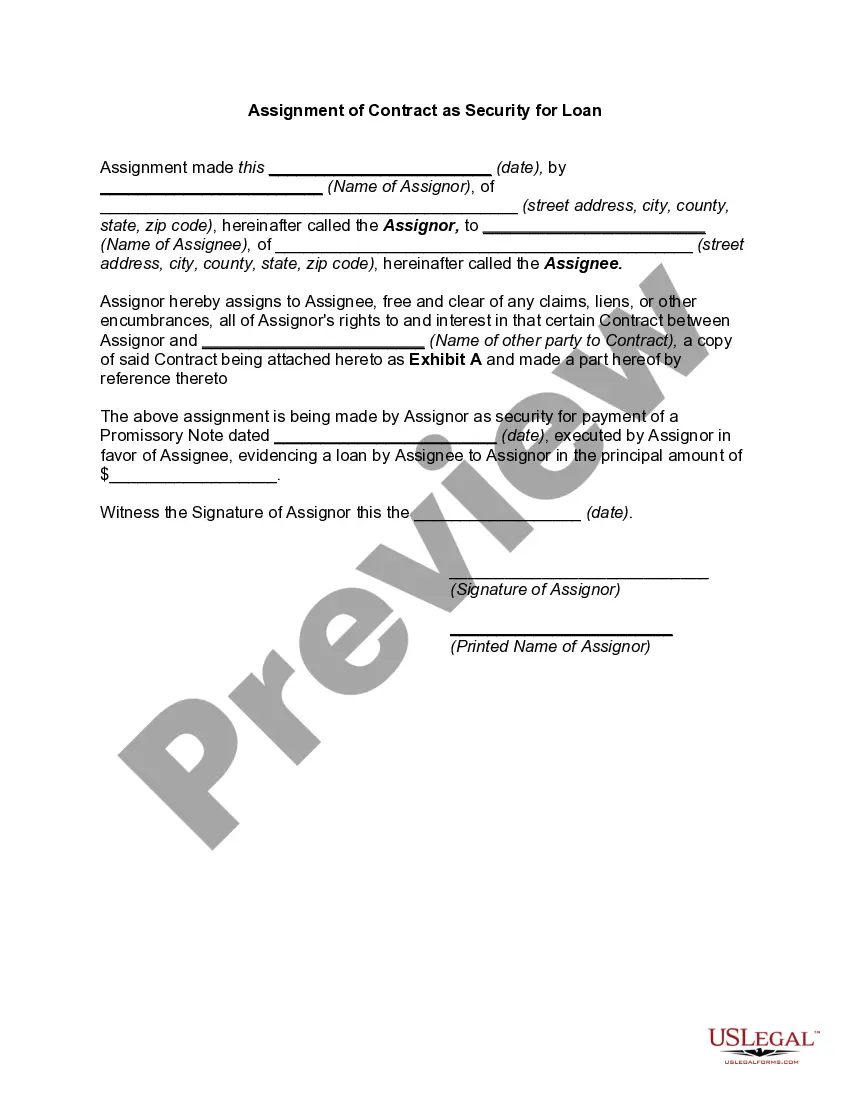
The Assignment of Note and Deed of Trust as Security for Debt of Third Party is a legal document that allows an individual or entity to assign a note and deed of trust as collateral for a loan taken out by another party. This form is specifically designed for situations where the borrower cannot secure a loan due to insufficient current assets and requires a guarantor to pledge collateral on their behalf. It serves a unique purpose, distinguishing it from other forms of loan agreements and collateral documents by focusing on third-party security arrangements.
What’s included in this form
- Identification of the parties involved, including the assignor (guarantor) and the assignee (lender).
- Details of the Promissory Note, including the date and principal amount.
- Information regarding the Deed of Trust, including execution details and recording information.
- Specification of the debt obligation that is being secured by the assignment.
- Conditions related to the assignment, including limitations on its use as collateral for other debts.
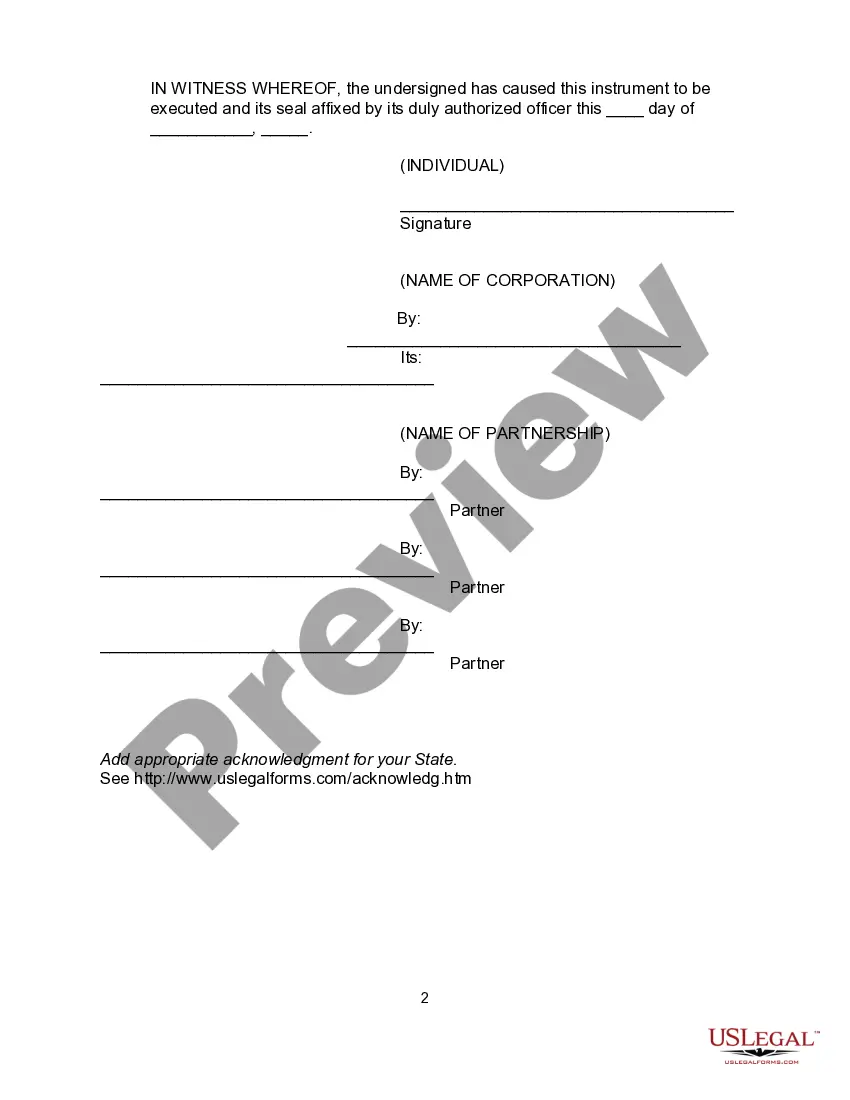
- Signatures of the parties along with any necessary acknowledgment requirements for the state.


When this form is needed
This form should be used when a third party needs a loan but lacks sufficient security to procure it. By using this assignment, a guarantor can offer additional collateral, such as a note and deed of trust, thereby allowing the third party to secure the funding needed. This is particularly useful in real estate transactions or financing arrangements where traditional loan terms may not be met due to a lack of assets.
Who should use this form
This form is intended for:
- Individuals or businesses acting as guarantors for someone else's loan.
- Lenders and financial institutions looking to strengthen their security in loan agreements.
- Real estate investors or owners wishing to provide collateral for potential loans taken by others.
Instructions for completing this form
- Identify and fill in the names of all involved parties including the guarantor and lender.
- Enter the date of the Promissory Note and the original principal amount being assigned.
- Provide details of the Deed of Trust including the execution date and recording information.
- Specify the principal amount of the debt obligation the assignment secures.
- Ensure all parties sign the document, following any state-specific acknowledgment requirements.
Notarization requirements for this form
This form must be notarized to be legally valid. US Legal Forms provides secure online notarization powered by Notarize, allowing you to complete the process through a verified video call.
Get your form ready online
Our built-in tools help you complete, sign, share, and store your documents in one place.
Make edits, fill in missing information, and update formatting in US Legal Forms—just like you would in MS Word.
Download a copy, print it, send it by email, or mail it via USPS—whatever works best for your next step.
Sign and collect signatures with our SignNow integration. Send to multiple recipients, set reminders, and more. Go Premium to unlock E-Sign.
If this form requires notarization, complete it online through a secure video call—no need to meet a notary in person or wait for an appointment.
We protect your documents and personal data by following strict security and privacy standards.

Make edits, fill in missing information, and update formatting in US Legal Forms—just like you would in MS Word.

Download a copy, print it, send it by email, or mail it via USPS—whatever works best for your next step.

Sign and collect signatures with our SignNow integration. Send to multiple recipients, set reminders, and more. Go Premium to unlock E-Sign.

If this form requires notarization, complete it online through a secure video call—no need to meet a notary in person or wait for an appointment.

We protect your documents and personal data by following strict security and privacy standards.
Mistakes to watch out for
- Failing to accurately identify all parties involved, which can lead to enforceability issues.
- Omitting the specific debt obligation associated with the assignment.
- Not including signatures from all required parties, especially in multi-partner scenarios.
- Not verifying state-specific acknowledgment requirements before submission.
Why use this form online
- Convenience of instant access to the form from anywhere.
- Editability allows users to customize the form easily to fit their specific circumstances.
- Reliability of forms crafted by licensed attorneys, reducing the risk of legal issues.
Legal use & context
- This form establishes a legal agreement between the assignor and assignee concerning the collateral.
- It ensures that the creditor has a claim to the assigned assets in case of the third party's default on the debt.
- Compliance with local laws is crucial to enforceability, particularly regarding collateral and guarantor responsibilities.
What to keep in mind
- The Assignment of Note and Deed of Trust is vital for securing loans on behalf of a third party.
- Complete all sections accurately to ensure the document is legally binding.
- Consider notarization for added legal credibility depending on state requirements.
Looking for another form?

Form popularity
FAQ
When your mortgage lender decides he wants to sell your mortgage loan to another lender, your mortgage lender will sign an assignment of deed of trust in favor of the new lender. This assignment gives the new lender the same lien on your property that your original lender had under the mortgage loan.
A type of mortgage used in a few states; the title to the property is transferred to the lender until the debt is paid in full.
The deed of trust is what secures the promissory note. The promissory note includes the interest rate, the payment amounts and terms, and the buyer's promise to pay the lender the amount borrowed plus interest.
The trustee's primary function is to hold and maintain a property title for the borrower and the lender for the duration of the loan. Therefore, it is the trustee who retains factual ownership and control of the property in question, not the lender.
In a security deed, the lender will hold onto a title of property as a security over the debt of the borrower while still holding the right to sell it in the instance that the debtor fails to make payments.
A type of mortgage used in a few states; the title to the property is transferred to the lender until the debt is paid in full.
When a home is sold, refinanced by a different company, or the loan paid off, the bank sends in a Cancellation which means the debt is satisfied and they no longer have a mortgage on the property.
In Georgia, can a security interest in real estate expire? Yes. A security interest in real estate expires (in other words, become unenforceable) seven years after expiration of the maturity of the debt.
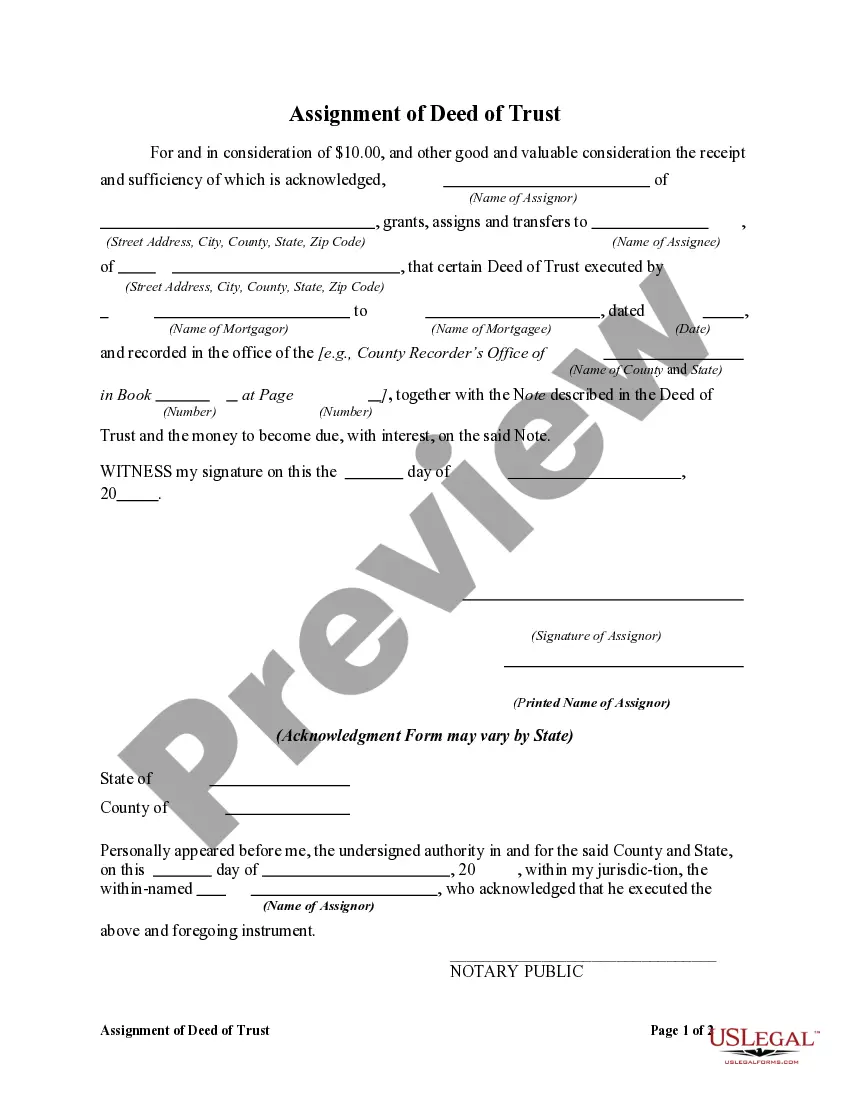
An assignment of a deed of trust is simply the movement of the deed of trust from one party to another, a party that was not originally involved in the deed creation when the property was bought. A corporate assignment is simply an assignment of the deed of trust between different businesses.