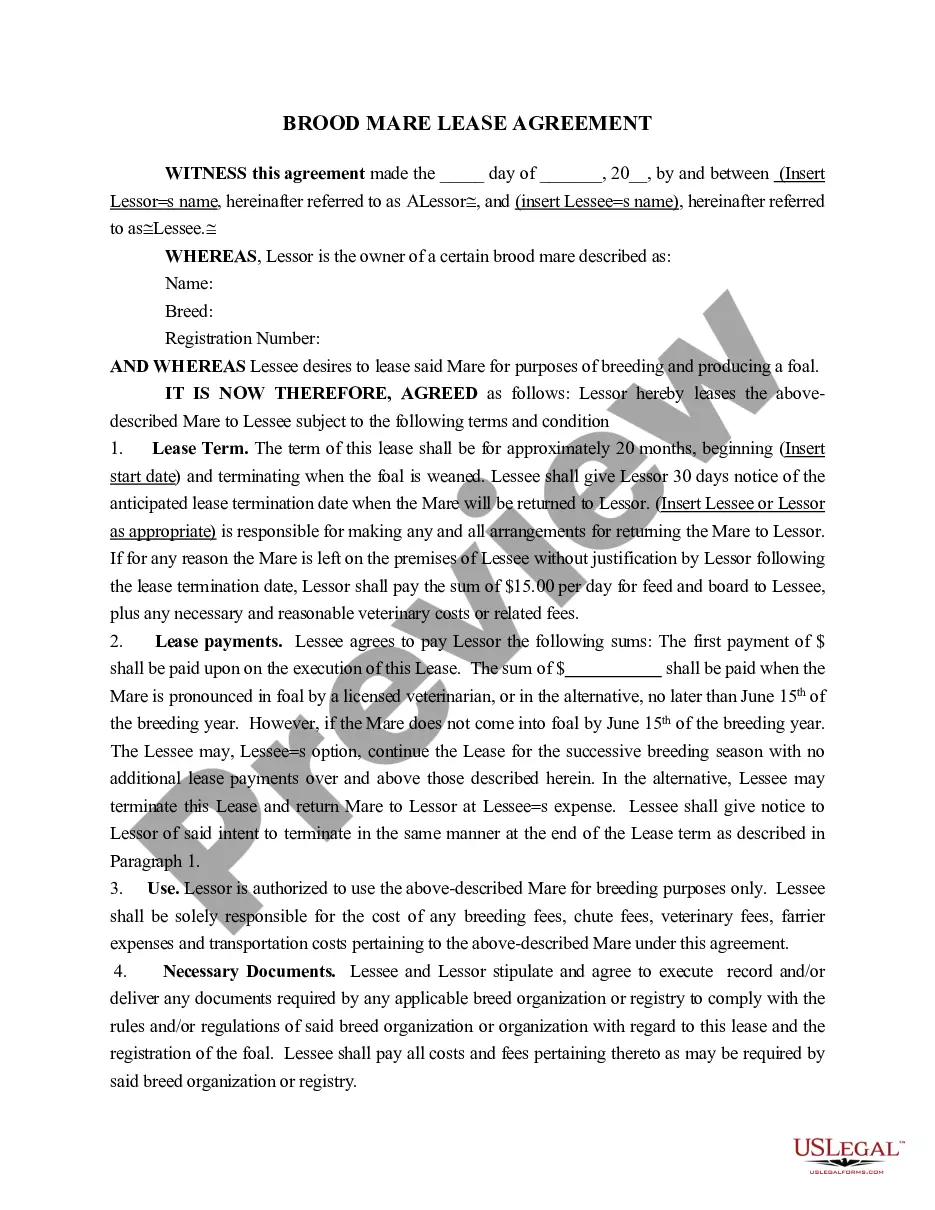
Nonqualified Stock Option Plan of the Banker's Note, Inc.
About this form
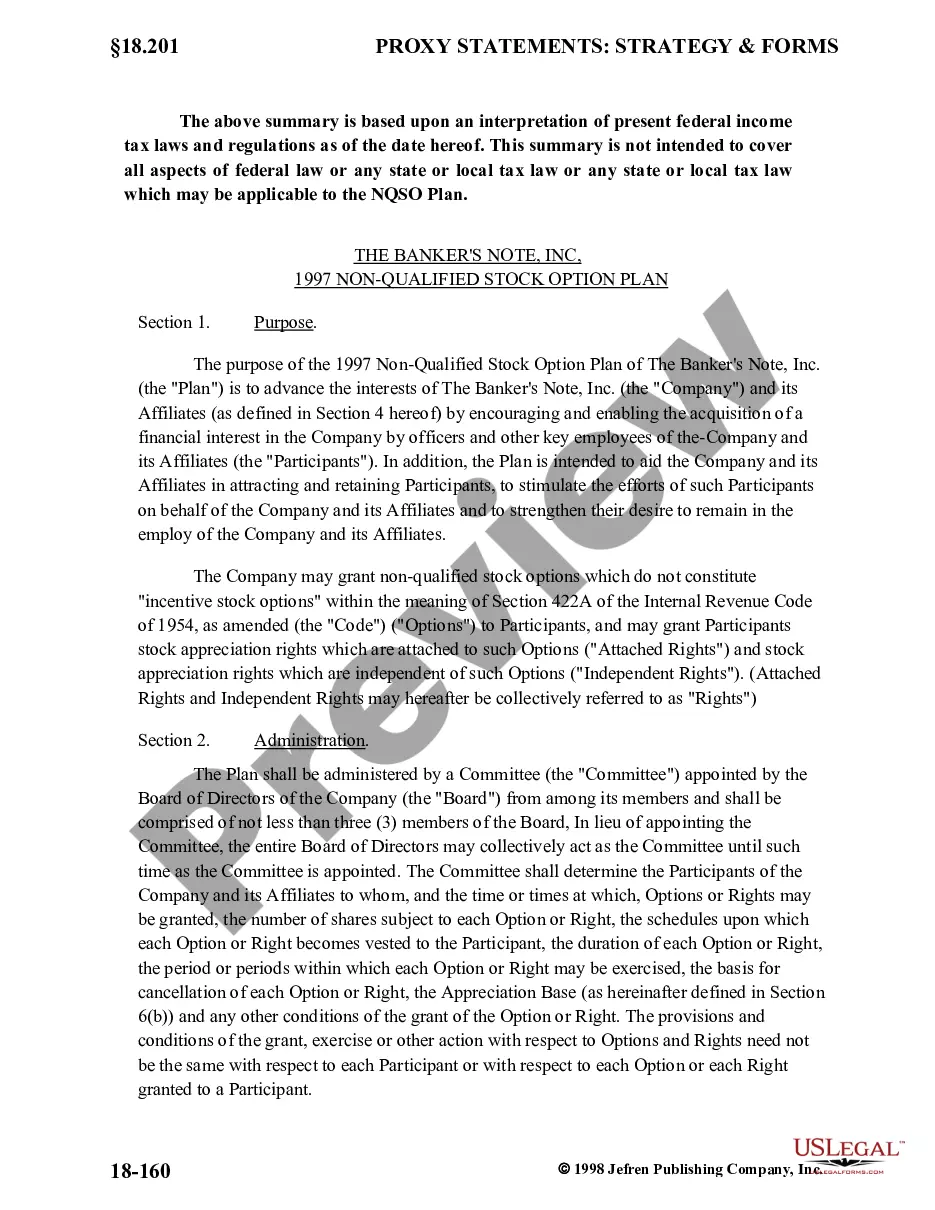
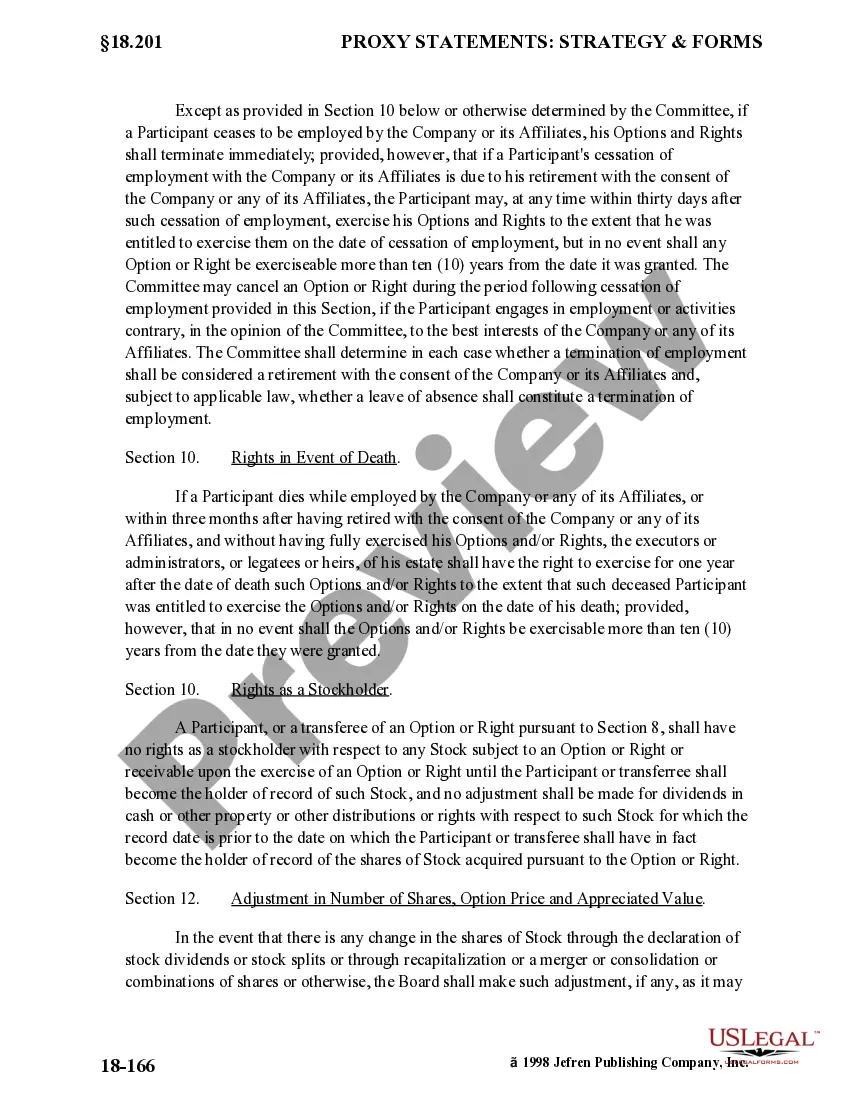
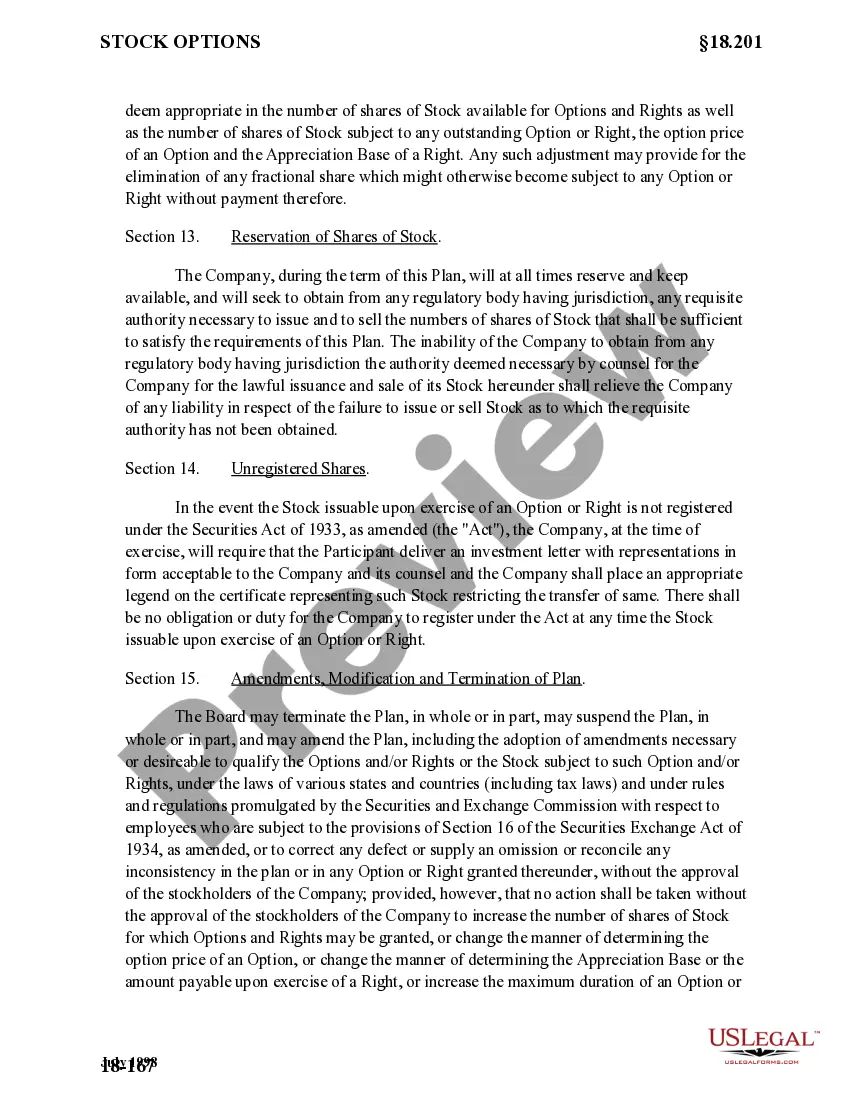
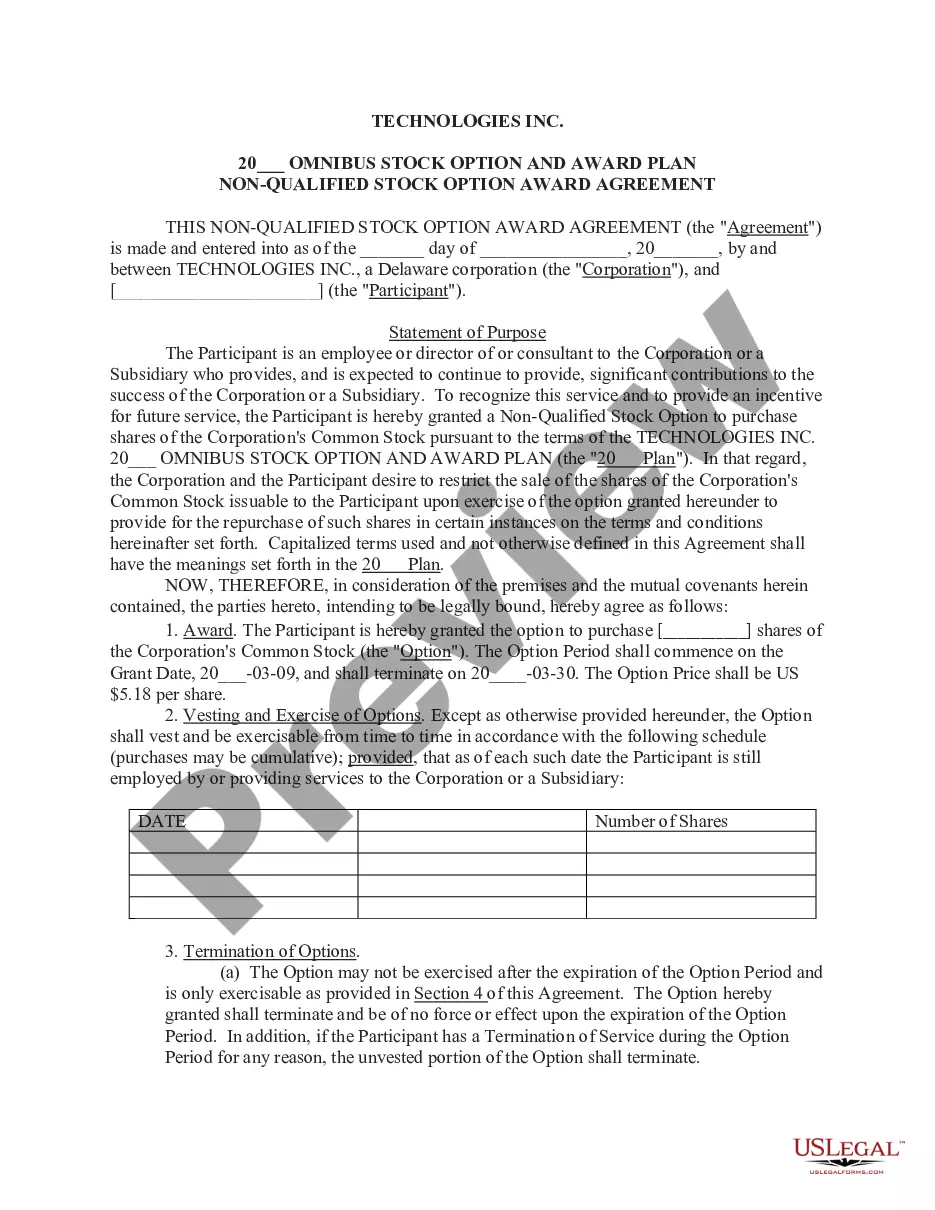
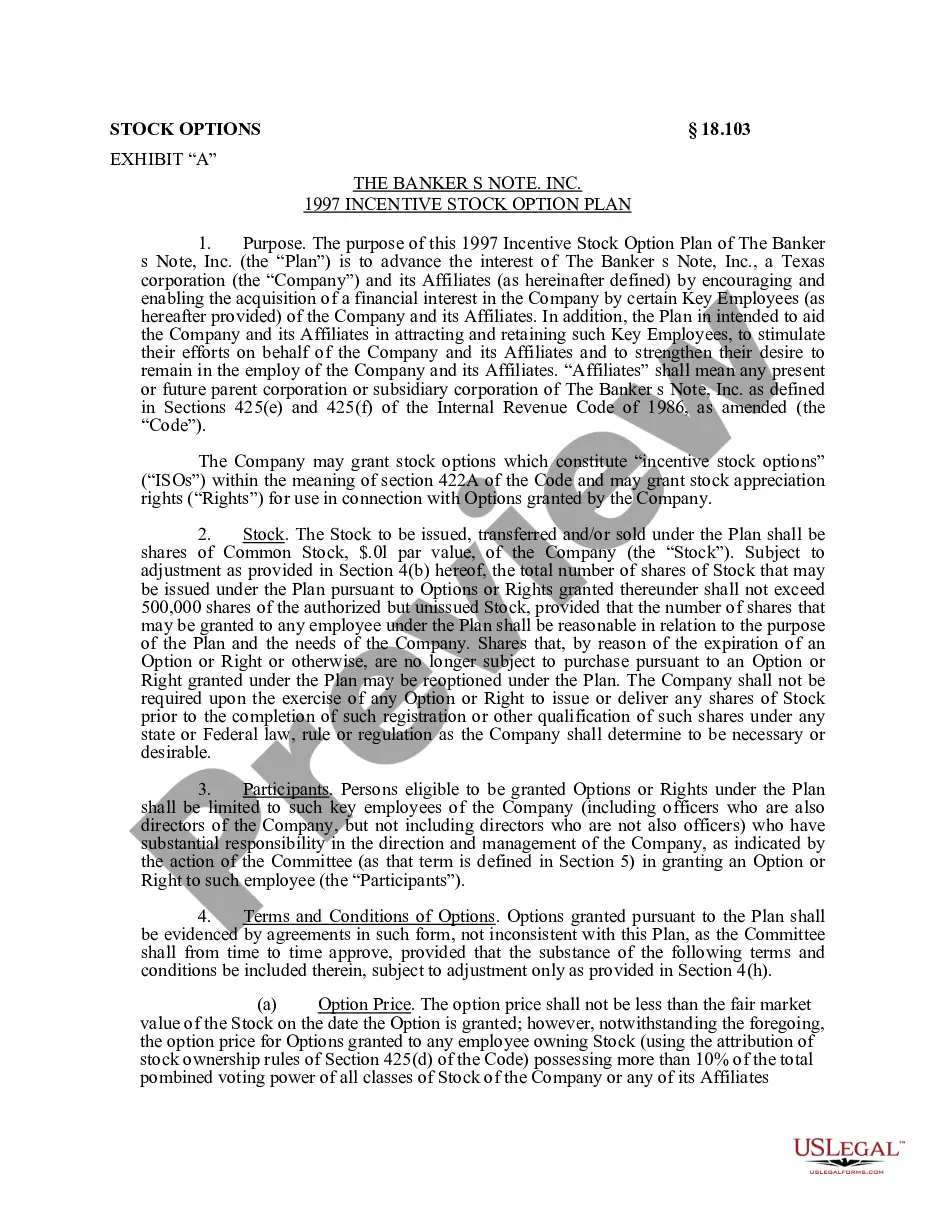
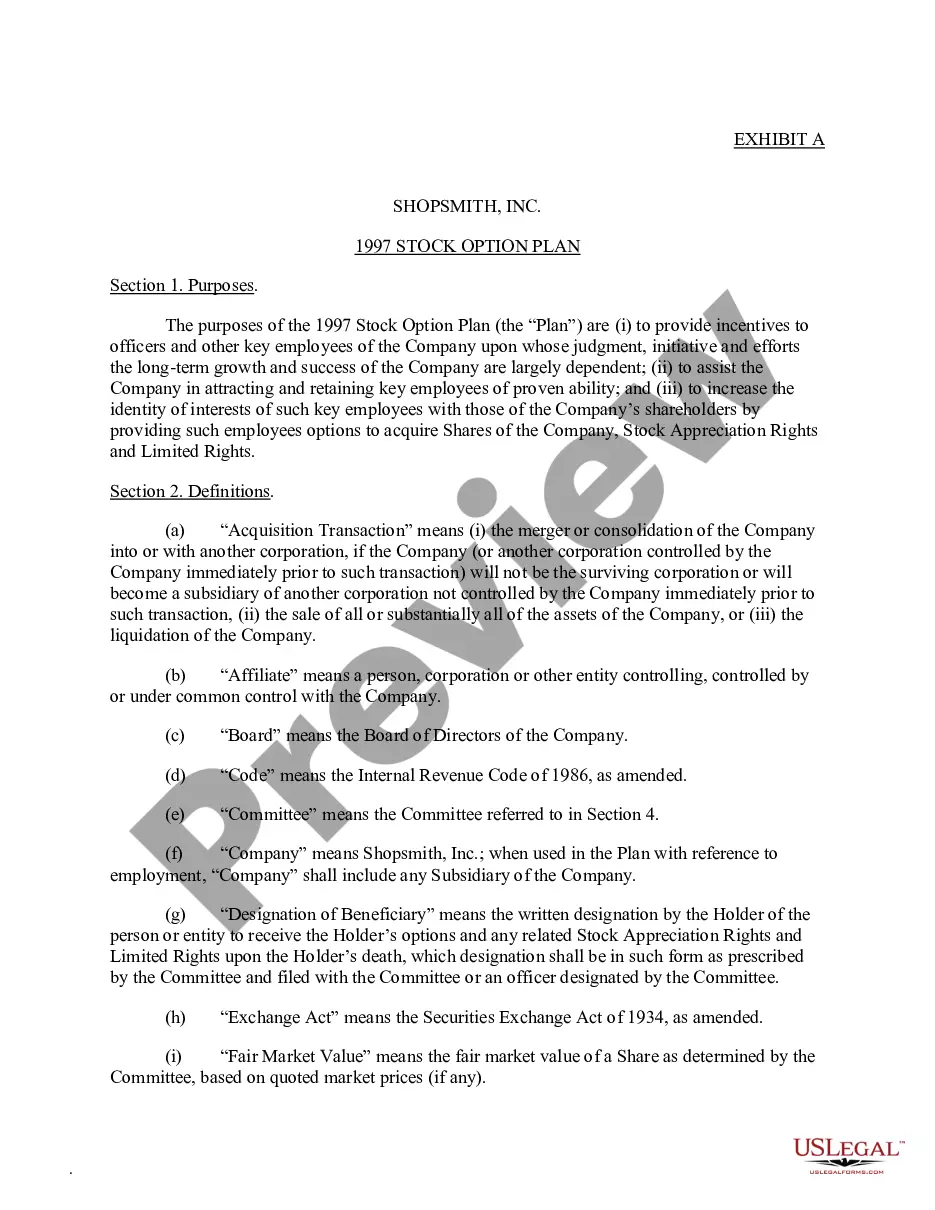
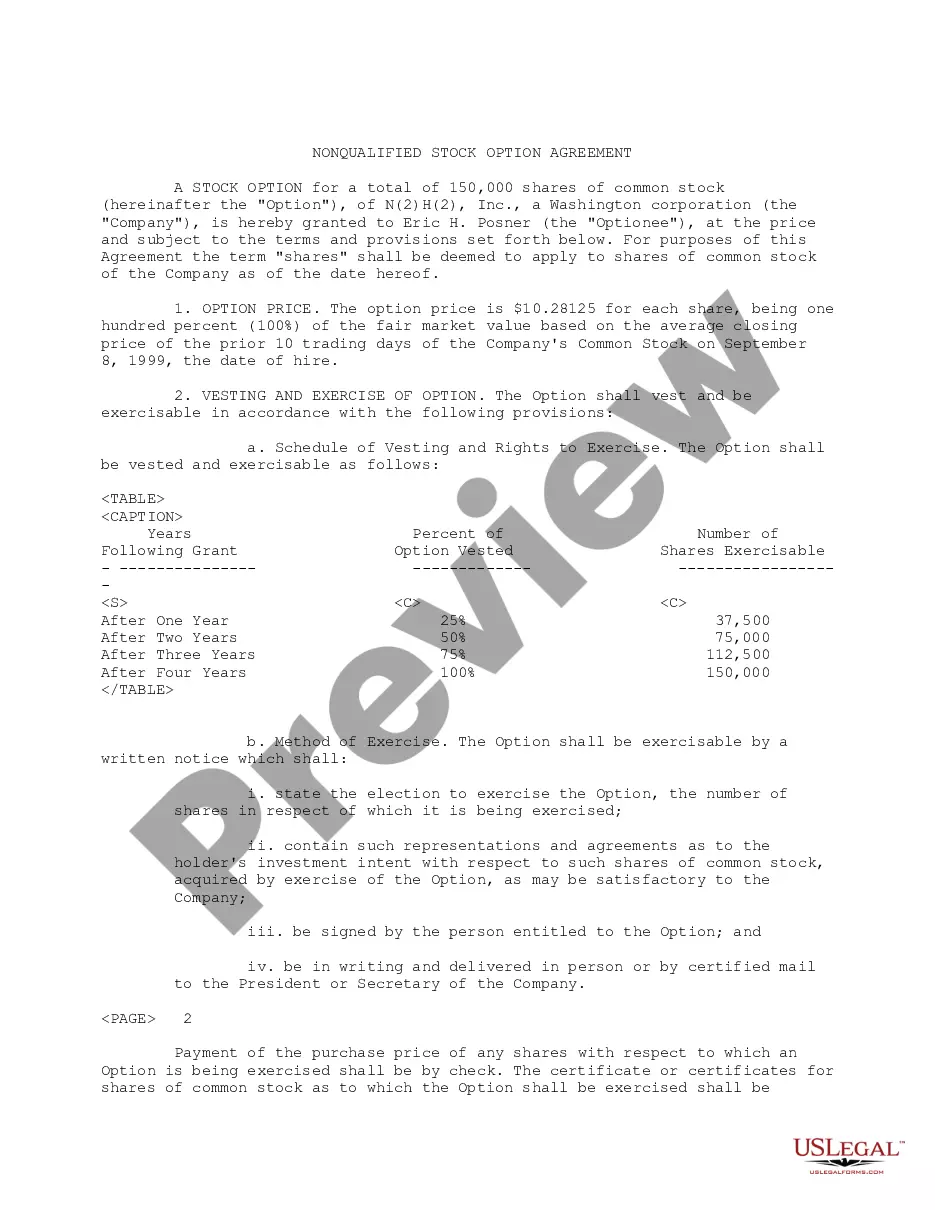
The Nonqualified Stock Option Plan of the Banker's Note, Inc. is a legal document that outlines the structure for granting nonqualified stock options to key employees of the company. This plan aims to motivate and retain employees by providing them an opportunity to acquire financial interests in the company without adhering to the restrictions of incentive stock options under the Internal Revenue Code. Unlike other stock option plans, this document specifically defines the terms and conditions that govern the nonqualified stock options and associated rights provided to participants.
Key parts of this document
- Purpose: Encourages key employees to acquire financial interests in the company.
- Administration: Details the role of a Committee to oversee the plan and grant options and rights.
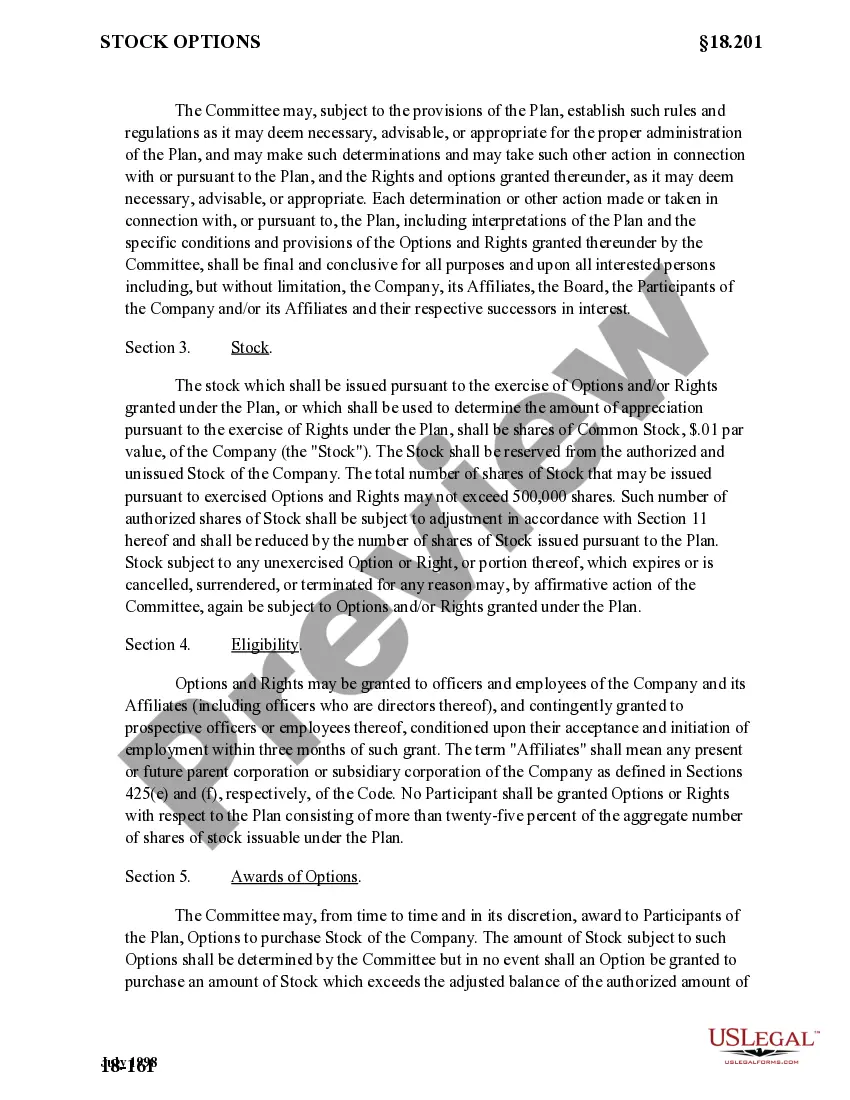
- Eligibility: Defines who may receive options and rights under the plan.
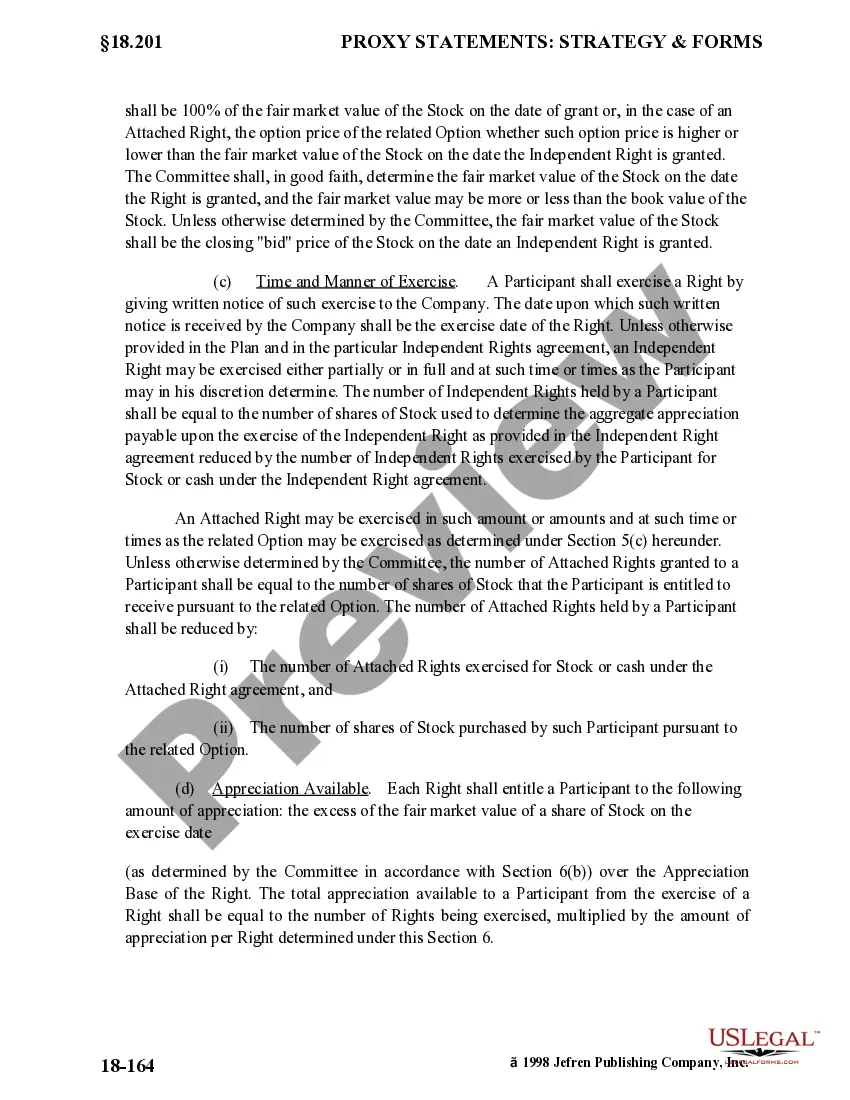
- Options and Rights: Explains how stock options and stock appreciation rights are granted and exercised.
- Termination of Employment: Outlines the status of options and rights if an employee leaves the company.





When to use this document
This form should be used when a company, such as the Banker's Note, Inc., intends to implement a nonqualified stock option plan to incentivize and benefit its key employees. It is particularly useful in attracting high-level talent and retaining critical staff by giving them a stake in the company's growth and success.
Who needs this form
Eligible participants include:
- Key employees of the Banker's Note, Inc.
- Officers who are also directors of the company.
- Future employees, contingent upon their acceptance of a job offer.
How to prepare this document
Steps to complete the Nonqualified Stock Option Plan:
- Identify the company and specify the purpose of the plan.
- Determine the Committee that will oversee the administration of the plan.
- Define eligibility criteria for participants entitled to options and rights.
- Outline the process for granting, exercising, and terminating stock options and rights.
- Detail any agreements required for participants to enter into.
Notarization guidance
This form does not typically require notarization unless specified by local law.
Get your form ready online
Our built-in tools help you complete, sign, share, and store your documents in one place.
Make edits, fill in missing information, and update formatting in US Legal Forms—just like you would in MS Word.
Download a copy, print it, send it by email, or mail it via USPS—whatever works best for your next step.
Sign and collect signatures with our SignNow integration. Send to multiple recipients, set reminders, and more. Go Premium to unlock E-Sign.
If this form requires notarization, complete it online through a secure video call—no need to meet a notary in person or wait for an appointment.
We protect your documents and personal data by following strict security and privacy standards.

Make edits, fill in missing information, and update formatting in US Legal Forms—just like you would in MS Word.

Download a copy, print it, send it by email, or mail it via USPS—whatever works best for your next step.

Sign and collect signatures with our SignNow integration. Send to multiple recipients, set reminders, and more. Go Premium to unlock E-Sign.

If this form requires notarization, complete it online through a secure video call—no need to meet a notary in person or wait for an appointment.

We protect your documents and personal data by following strict security and privacy standards.
Typical mistakes to avoid
- Failing to clearly define participant eligibility, leading to confusion about who can receive options.
- Neglecting to outline the conditions under which options and rights may be exercised.
- Not updating the plan to reflect changes in state laws or regulations.
Why use this form online
- Convenience of accessing a comprehensive form that includes legal language vetted by licensed attorneys.
- Editability to tailor the plan for specific company needs or regulations.
- Speed of online access, making the form readily available for immediate use.
- The Nonqualified Stock Option Plan is enforceable according to its specifications as long as it meets applicable state laws.
- It should be carefully administered to avoid issues related to options and rights being granted improperly.
Key takeaways
- The form is specifically designed to benefit key employees through nonqualified stock options.
- It requires careful administration to align with the interests of both the company and its employees.
- Clear eligibility and exercise conditions are essential for the smooth operation of the stock option plan.
Looking for another form?







Form popularity
FAQ
What Is a Non-Qualified Stock Option (NSO)? A non-qualified stock option (NSO) is a type of employee stock option wherein you pay ordinary income tax on the difference between the grant price and the price at which you exercise the option.
Once you exercise your non-qualified stock option, the difference between the stock price and the strike price is taxed as ordinary income. This income is usually reported on your paystub.If you hold the shares for less than one year, any gain is taxed at your ordinary income tax rates, which are usually higher.
If the grant is an NSO, the employee pays federal income taxes on $0.90 of income per share at exercise, even though the employee has not sold any shares. If the grant is an ISO, there is no federal income tax due at exercise.
Depending upon the tax treatment of stock options, they can be classified into qualified and non-qualified stock options. Qualified stock options are also called Incentive Stock Options (ISO). Nonqualified: Employees generally don't owe tax when these options are granted.
NSO: What's the Difference? Incentive stock options are reserved for employees, offering them an opportunity to buy stock at a discounted price. What's more, ISOs are subject to the capital gains tax rate. However, the preferential tax treatment is subject to specific disposition timelines.
Disqualifying Disposition: Income recognized on W-2 is NOT subject to income tax withholding or FICA or Medicare withholding.
A qualified stock option is a type of company share option granted exclusively to employees. It confers an income tax benefit when exercised. Qualified stock options are also referred to as "incentive stock options" or "incentive share options."
Incentive stock options, or ISOs, are options that are entitled to potentially favorable federal tax treatment. Stock options that are not ISOs are usually referred to as nonqualified stock options or NQOs.These do not qualify for special tax treatment.
Employers must report the income from a 2020 exercise of Non-qualified Stock Options in Box 12 of the 2020 Form W-2 using the code V. The compensation element is already included in Boxes 1, 3 (if applicable) and 5, but is also reported separately in Box 12 to clearly indicate the amount of compensation arising from