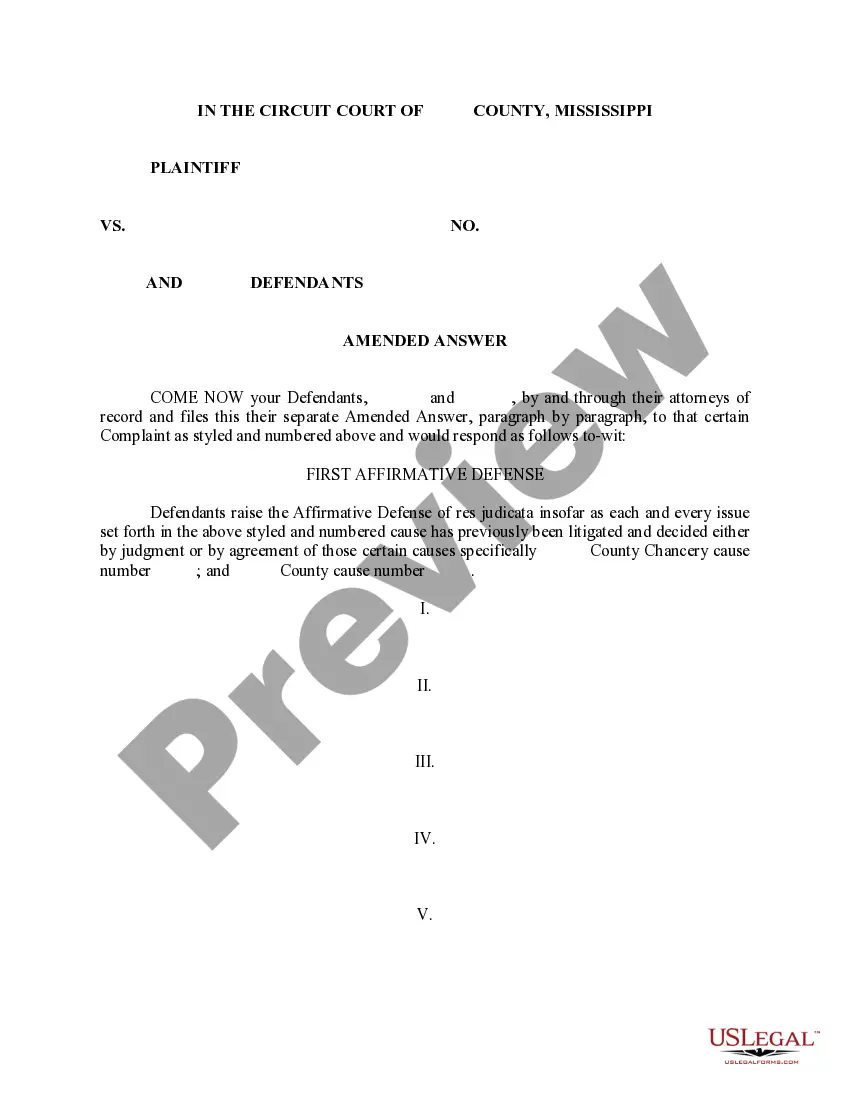
Amendment to Section 5(c) of Employment Agreement with copy of Agreement - Blank
Overview of this form
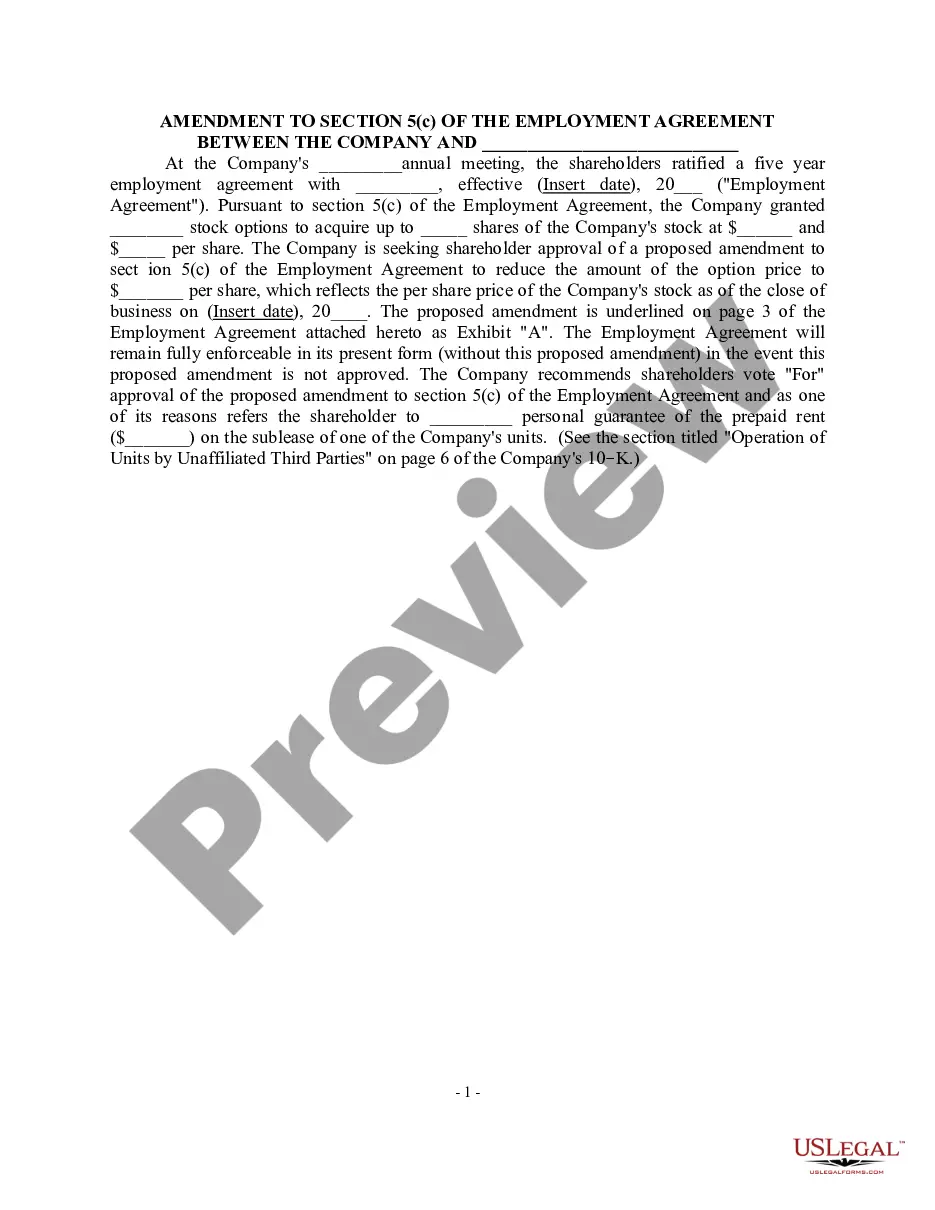
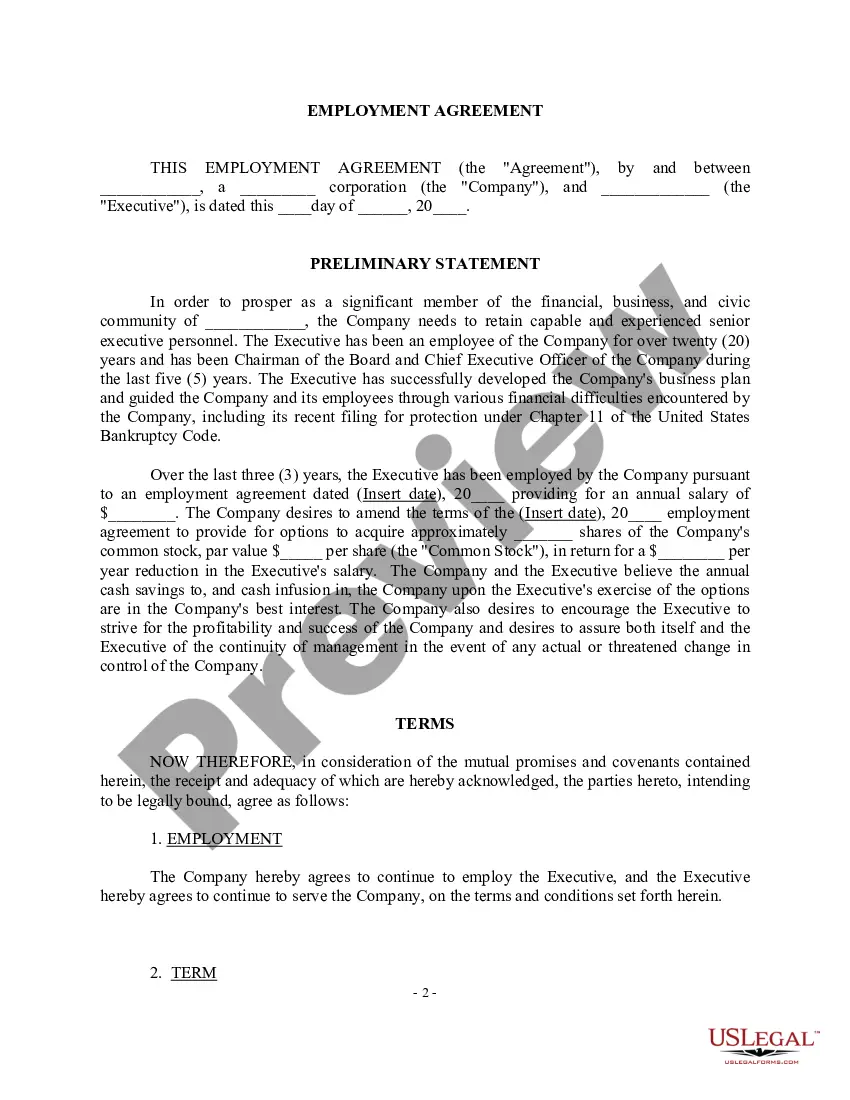
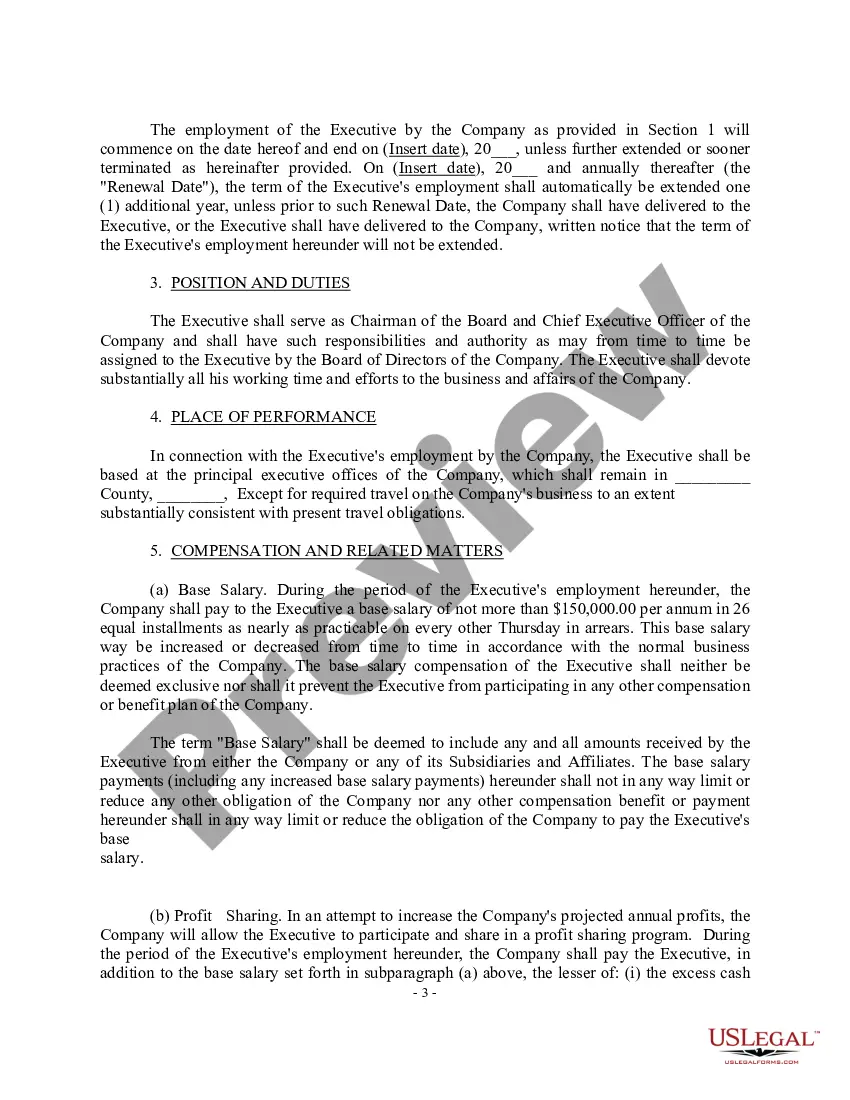
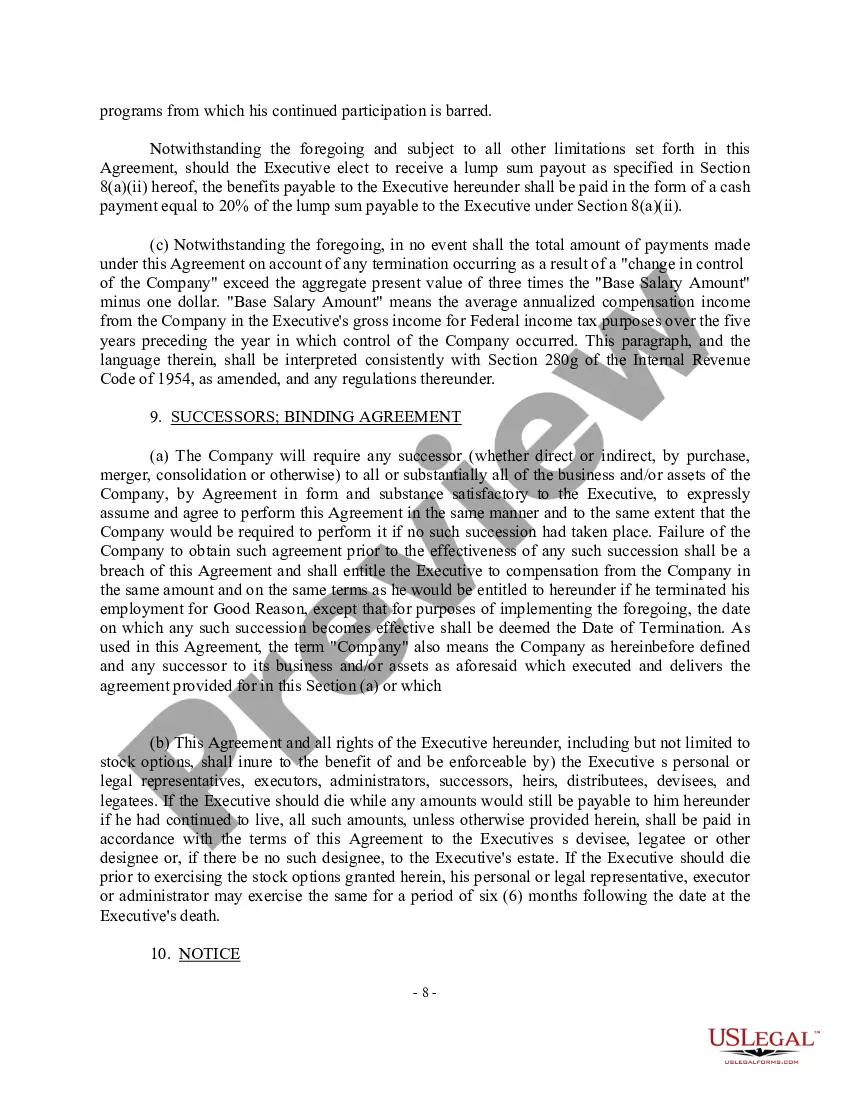
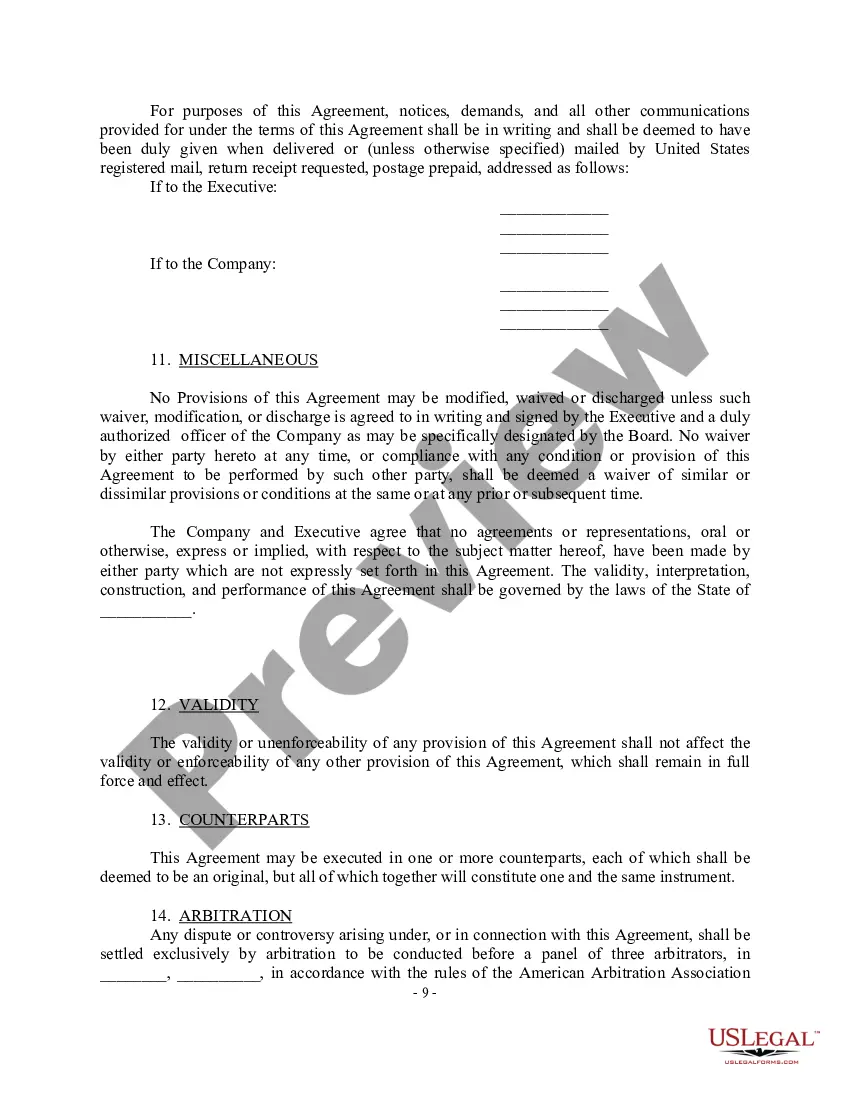
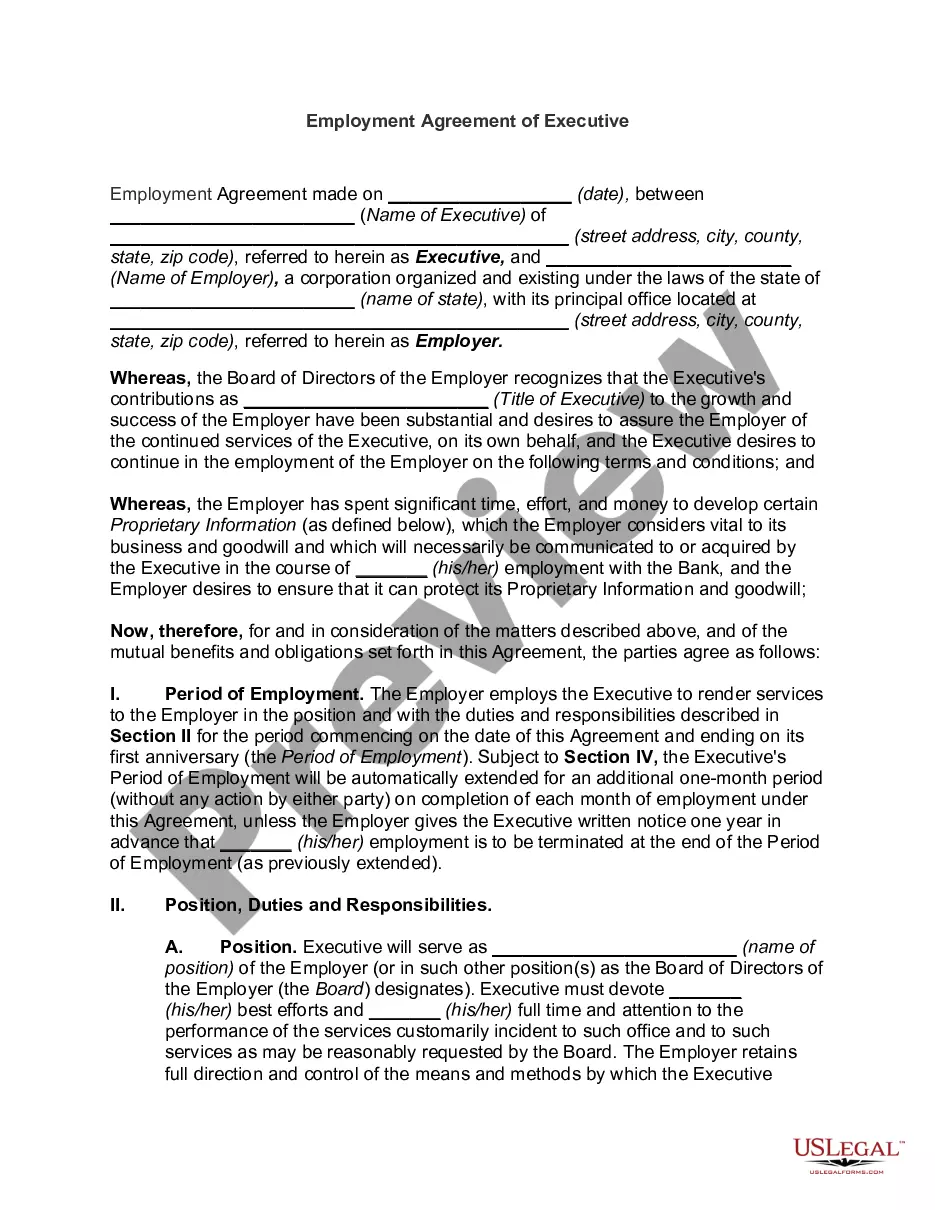
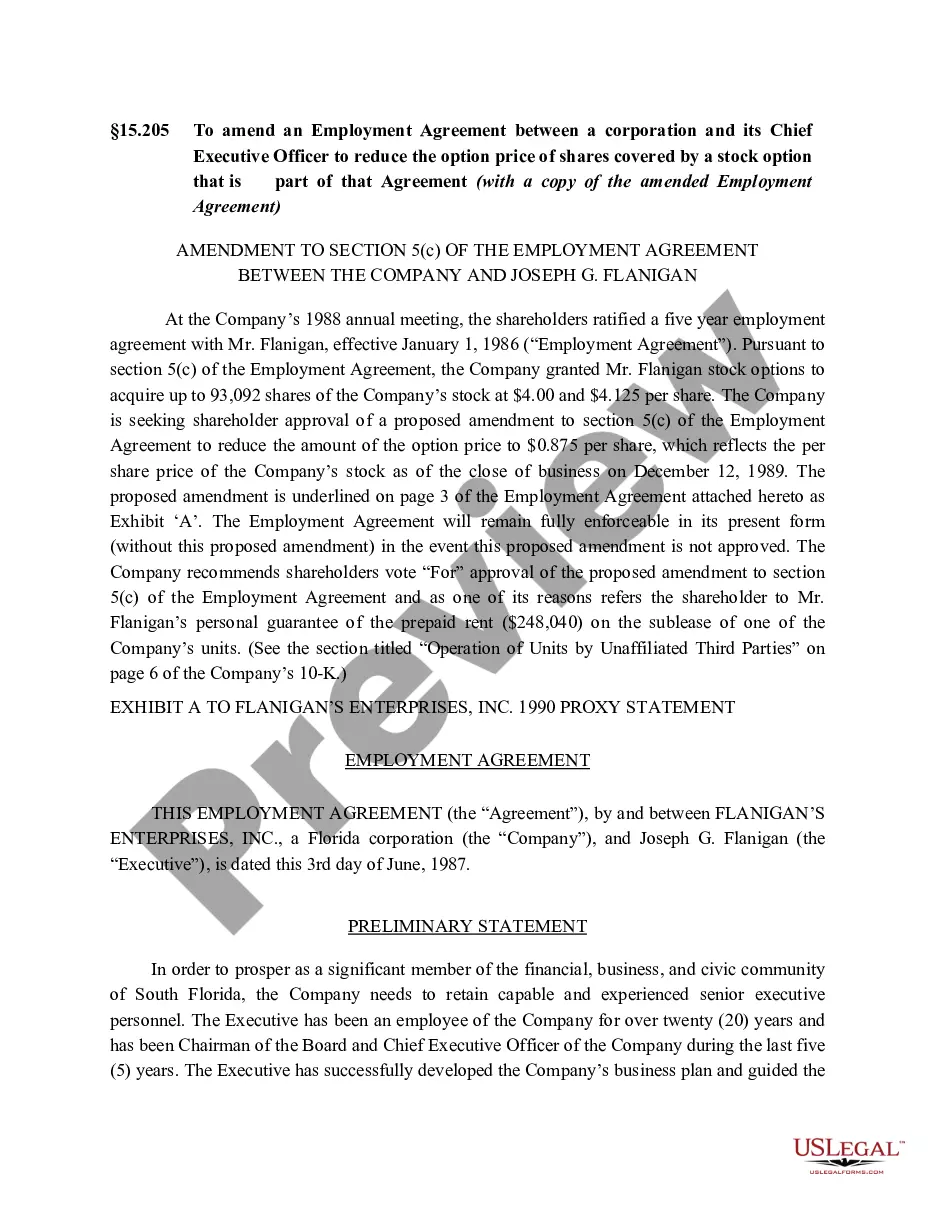
The Amendment to Section 5(c) of Employment Agreement is a legal document used to modify an existing executive employment contract. This form specifically addresses changes in stock options and salary for an executive, promoting the company's interests in ensuring management continuity during potential changes in control. It is tailored for businesses looking to make strategic adjustments to compensation plans while reinforcing executive commitment.
What’s included in this form
- Parties involved: Identify the company and the executive involved in the agreement.
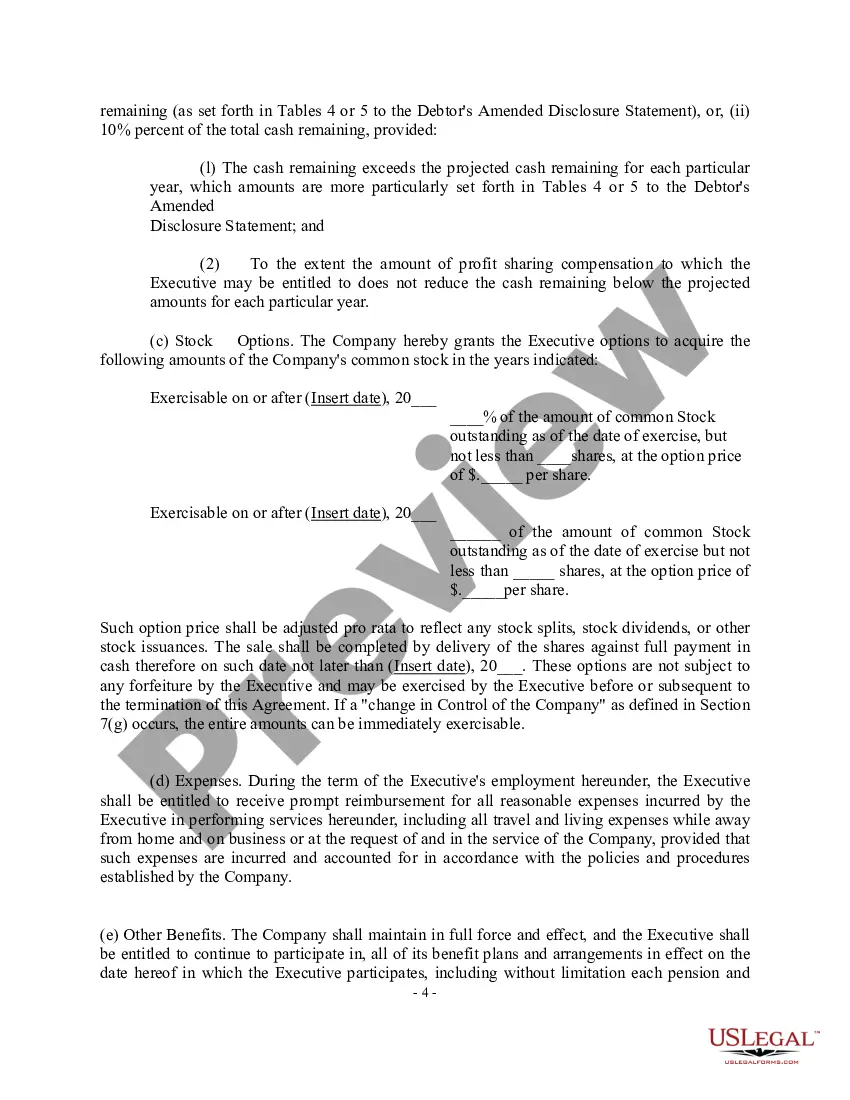
- Stock options: Details regarding the grant of stock options, including quantities and pricing.
- Salary adjustments: Outline the changes to the executive's salary as a condition of receiving stock options.
- Shareholder approval: Provisions for seeking necessary shareholder approval for the amendment.
- Enforcement: Details on how the amendment affects the existing employment agreement.
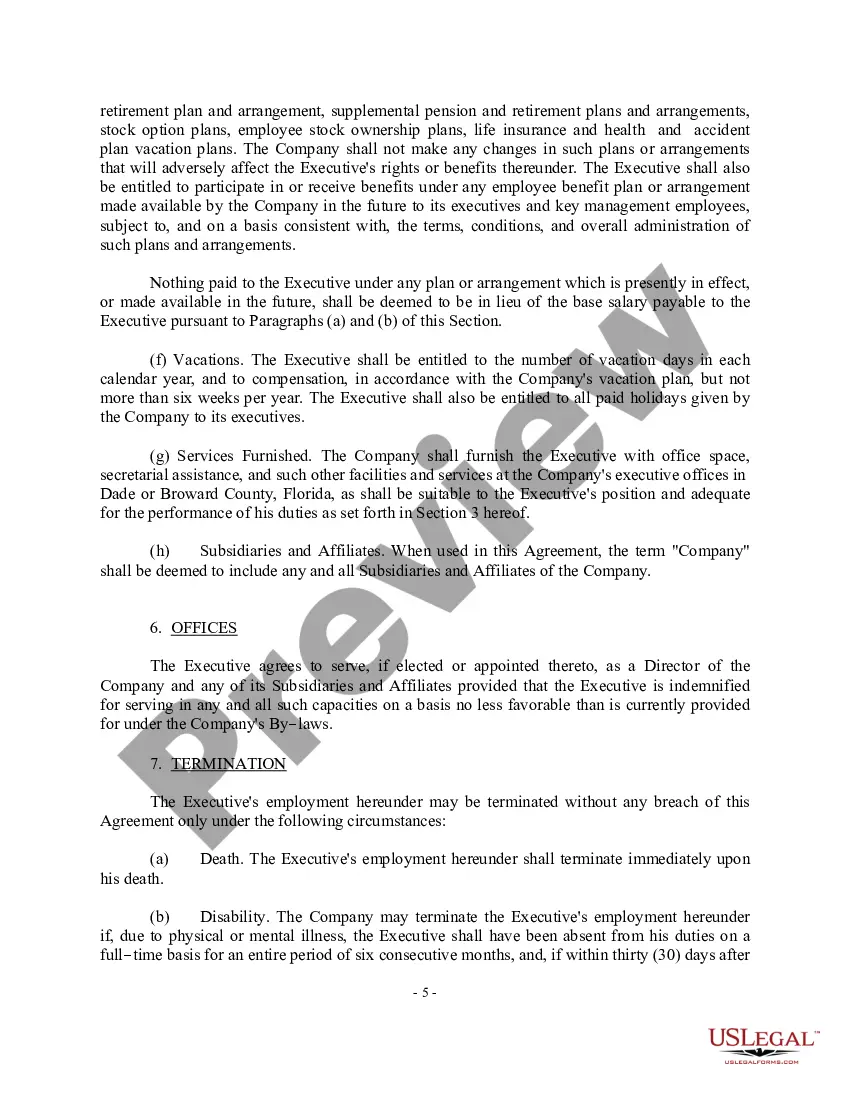
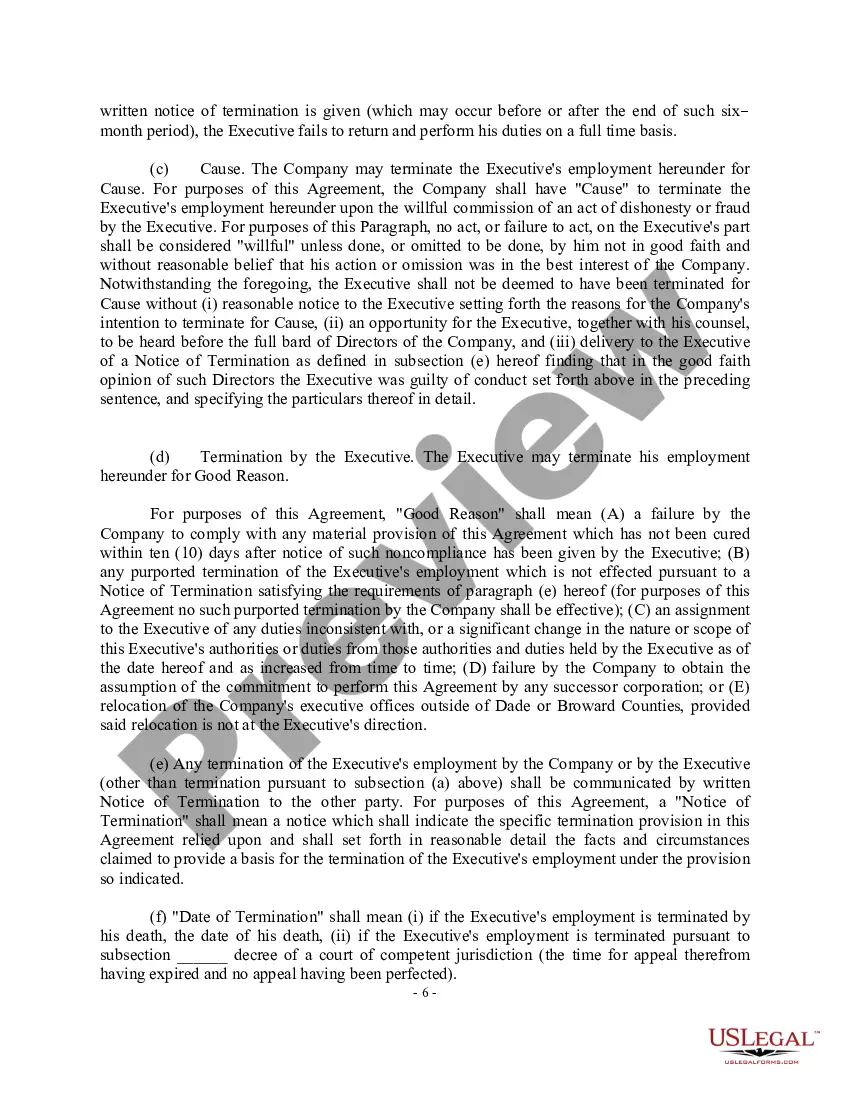
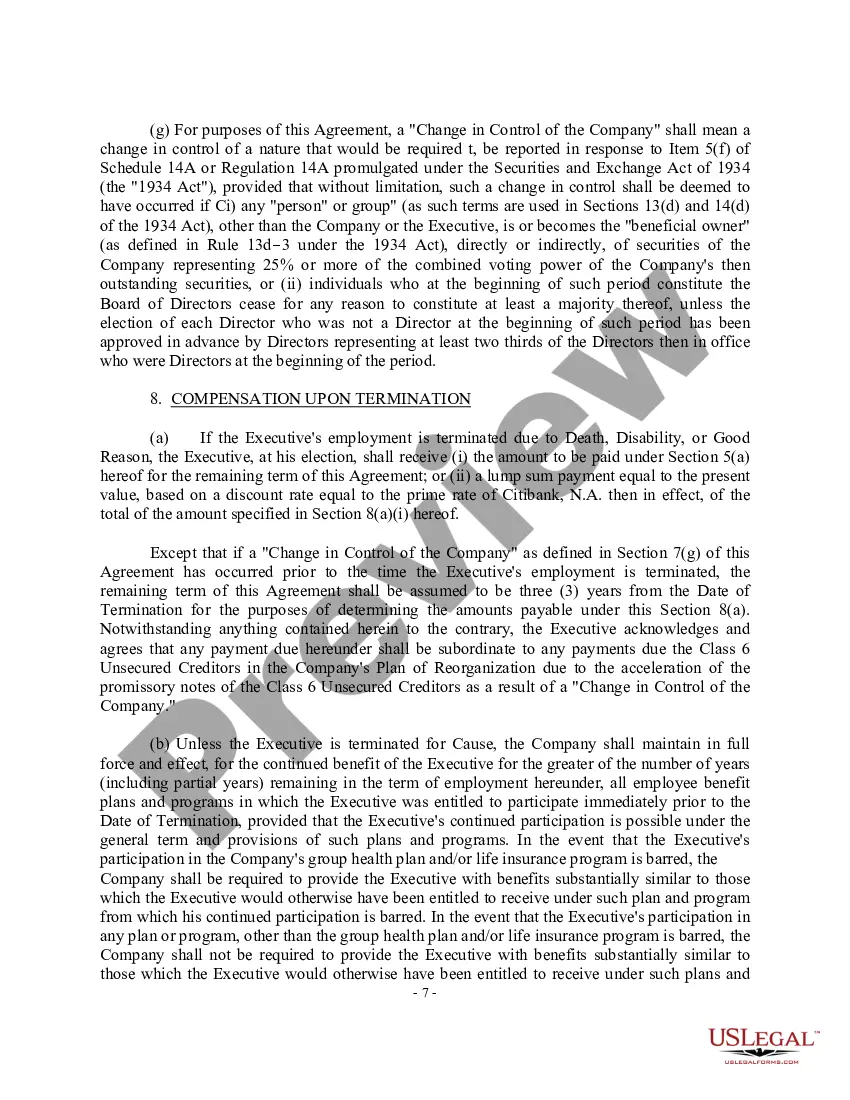
- Termination conditions: Clarifications on conditions under which the executive's employment can be terminated.

Situations where this form applies
This form is necessary when a company wishes to amend an existing executive employment agreement, particularly to adjust compensation structures. Use it when a firm wants to offer increased stock options in lieu of a lower salary to motivate the executive to focus on profitability and the company's long-term success.
Who should use this form
- Companies looking to retain key executive talent through revised compensation packages.
- Executives who are part of an employment agreement needing modifications.
- Shareholders involved in approving significant employment agreement amendments.
Steps to complete this form
- Identify the company and executive names accurately in the designated fields.
- Clearly specify the effective date of the amendment.
- Detail the number of stock options being granted and their updated pricing.
- Include information required for obtaining shareholder approval.
- Ensure that all parties sign and date the amendment to make it legally binding.
Notarization requirements for this form
This form does not typically require notarization to be legally valid. However, some jurisdictions or document types may still require it. US Legal Forms provides secure online notarization powered by Notarize, available 24/7 for added convenience.
Get your form ready online
Our built-in tools help you complete, sign, share, and store your documents in one place.
Make edits, fill in missing information, and update formatting in US Legal Forms—just like you would in MS Word.
Download a copy, print it, send it by email, or mail it via USPS—whatever works best for your next step.
Sign and collect signatures with our SignNow integration. Send to multiple recipients, set reminders, and more. Go Premium to unlock E-Sign.
If this form requires notarization, complete it online through a secure video call—no need to meet a notary in person or wait for an appointment.
We protect your documents and personal data by following strict security and privacy standards.

Make edits, fill in missing information, and update formatting in US Legal Forms—just like you would in MS Word.

Download a copy, print it, send it by email, or mail it via USPS—whatever works best for your next step.

Sign and collect signatures with our SignNow integration. Send to multiple recipients, set reminders, and more. Go Premium to unlock E-Sign.

If this form requires notarization, complete it online through a secure video call—no need to meet a notary in person or wait for an appointment.

We protect your documents and personal data by following strict security and privacy standards.
Mistakes to watch out for
- Failing to specify the effective date of the amendment.
- Not clearly defining the terms and conditions related to stock options.
- Omitting necessary signatures from both the company and the executive.
- Neglecting to obtain shareholder approval, if necessary.
Advantages of online completion
- Convenience of completing the document from anywhere, at any time.
- Easy edits allow for on-the-spot adjustments to ensure accuracy.
- Access to templates drafted by licensed attorneys ensures legal compliance.
Key takeaways
- The Amendment to Section 5(c) of the Employment Agreement allows for vital changes to executive compensation.
- Shareholder approval is often necessary to validate the amendments.
- Complete all fields accurately to ensure the enforceability of the amended agreement.
Looking for another form?

Form popularity
FAQ
In TV shows and in movies, characters are often heard to say, I plead the Fifth or I exercise my right to not incriminate myself or under the advice of counsel, I assert my Fifth Amendment privilege. This statement is also commonly heard in real life.
During a criminal trial, the Fifth Amendment pertains to more individuals than just the defendant. For example, a witness may refuse to testify if doing so would have him or her self-incriminate, even if the criminal conduct in question is not related to the actual case.
Fifth Amendment. Provides that no person shall be compelled to serve as a witness against himself, or be subject to trial for the same offense twice, or be deprived of life, liberty, or property w/o due process of law.
The Fifth Amendment is important mainly because it protects us from having our rights abused by the government. It protects us from having the government take our freedom or our property without convicting us of a crime. It also makes it harder for the government to actually convict us of crimes.
The Fifth Amendment creates a number of rights relevant to both criminal and civil legal proceedings. In criminal cases, the Fifth Amendment guarantees the right to a grand jury, forbids double jeopardy, and protects against self-incrimination.
Taking the Fifth Perhaps the most famous part of the Fifth Amendment is the right to not testify against yourself during a trial. This is often called "taking the fifth." The government must present witnesses and evidence to prove the crime and cannot force someone to testify against themselves.
The Fifth Amendment creates a number of rights relevant to both criminal and civil legal proceedings. In criminal cases, the Fifth Amendment guarantees the right to a grand jury, forbids double jeopardy, and protects against self-incrimination.
Scholars consider the Fifth Amendment as capable of breaking down into the following five distinct constitutional rights: 1) right to indictment by the grand jury before any criminal charges for felonious crimes, 2) a prohibition on double jeopardy, 3) a right against forced self-incrimination, 4) a guarantee that all