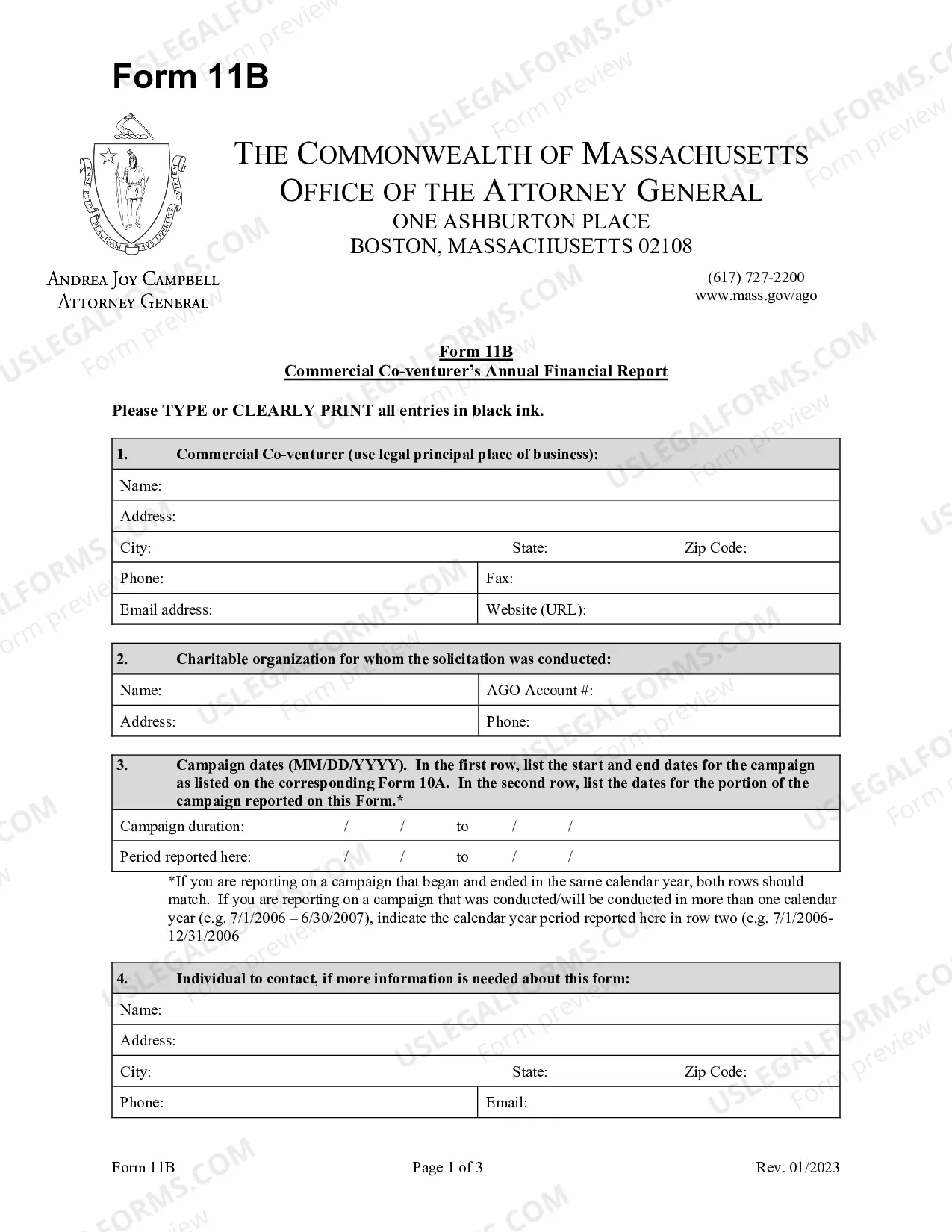
Checklist - Communicating with Prospective Clients
What this document covers
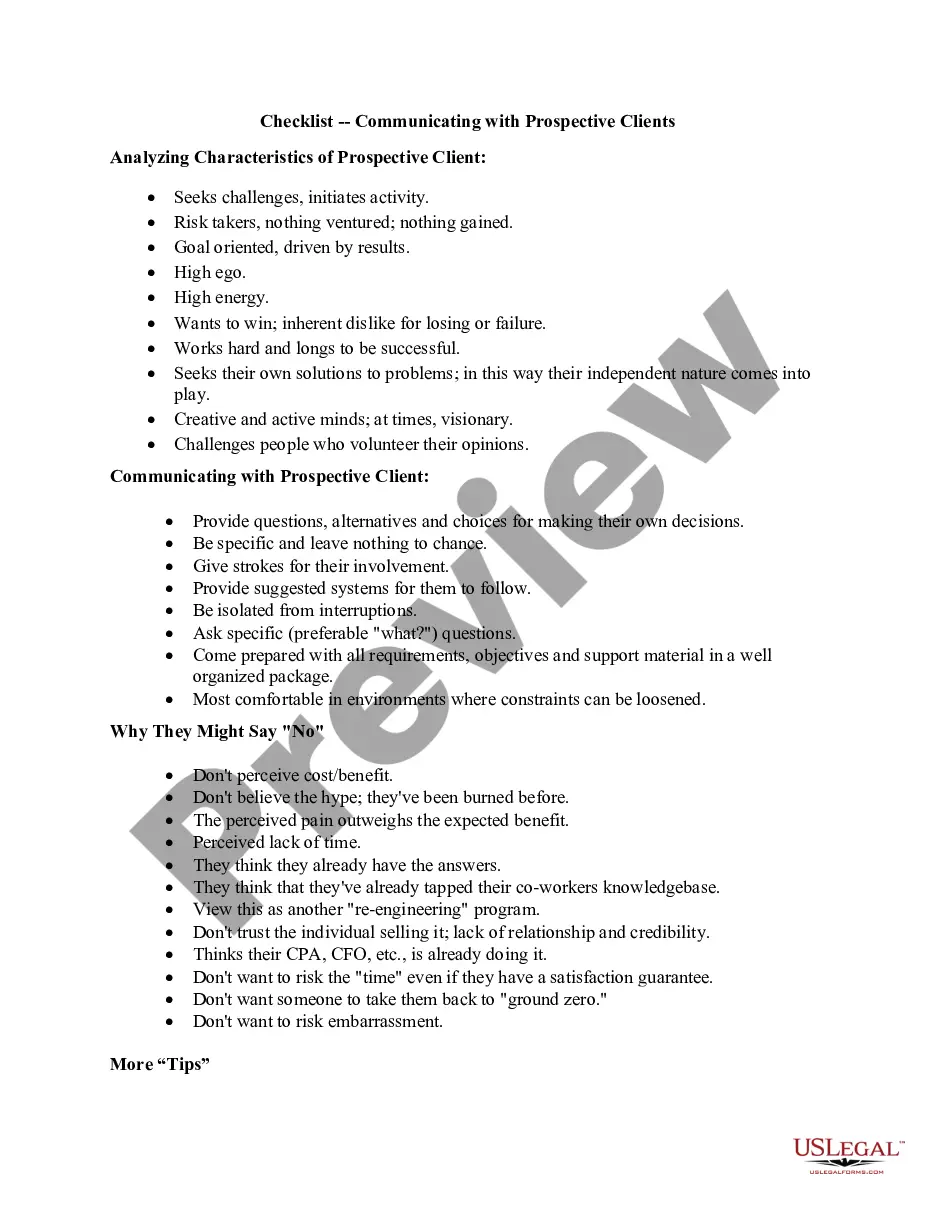
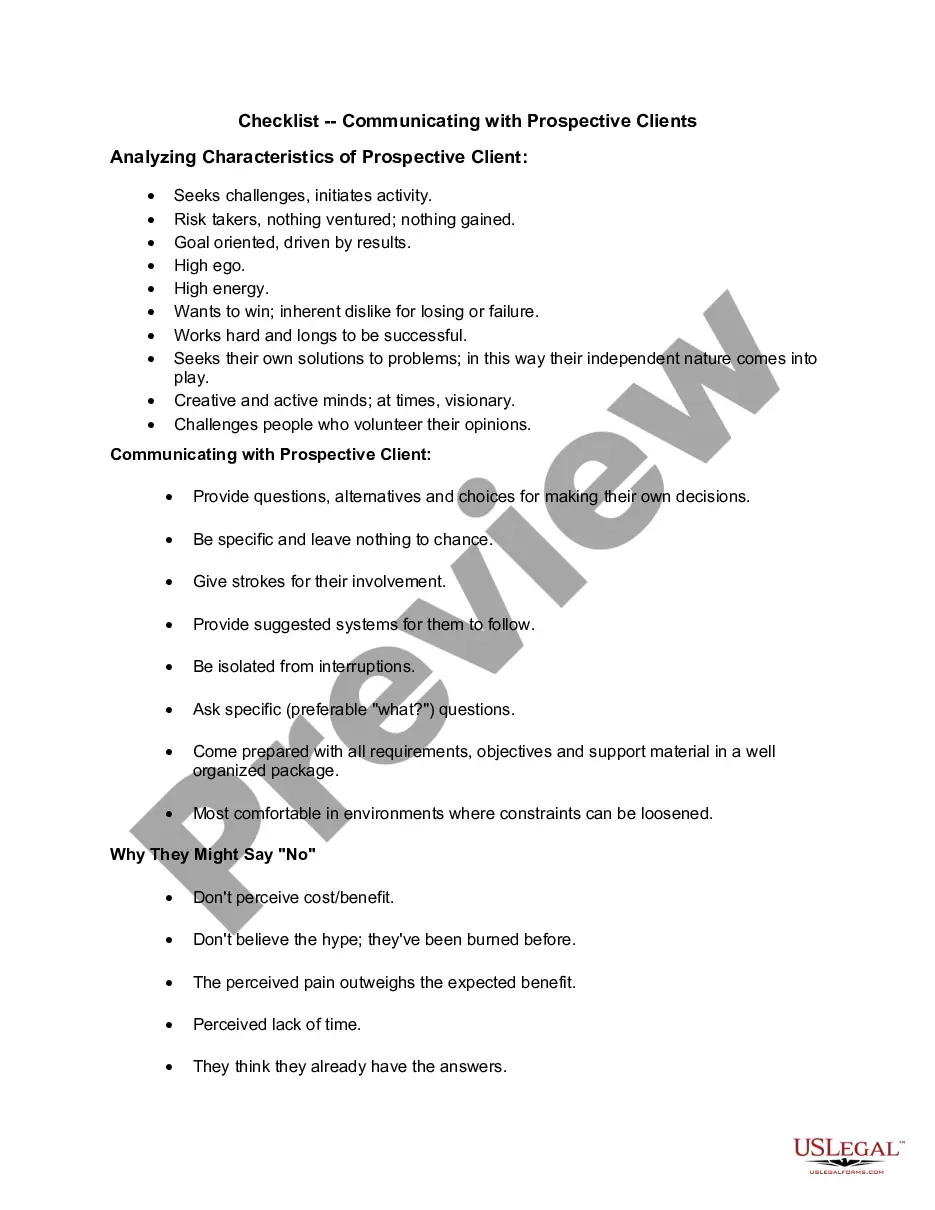
This Checklist - Communicating with Prospective Clients is a resource designed to assist professionals in effectively engaging potential clients. It outlines key strategies for communication, emphasizing the need for clarity and planning. This form is distinct because it focuses on interpersonal dynamics rather than legal requirements, making it a valuable tool for any client-facing professional.
Key parts of this document
- Strategies for understanding the characteristics of prospective clients
- Questions to facilitate open discussion and decision-making
- Guidelines for addressing potential objections and barriers
- Tips for effective communication planning and execution
- Recommendations for maintaining a focused and undistracted environment

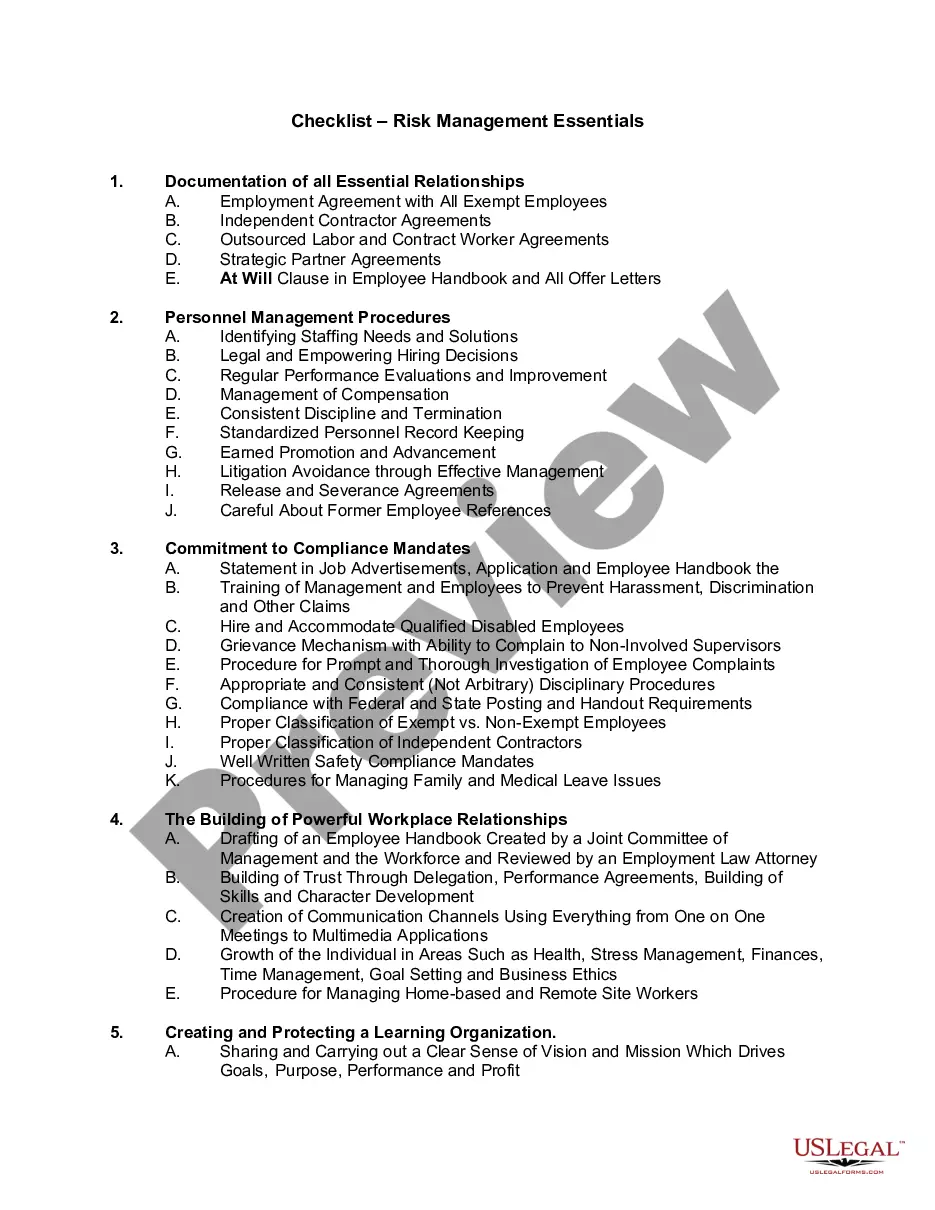
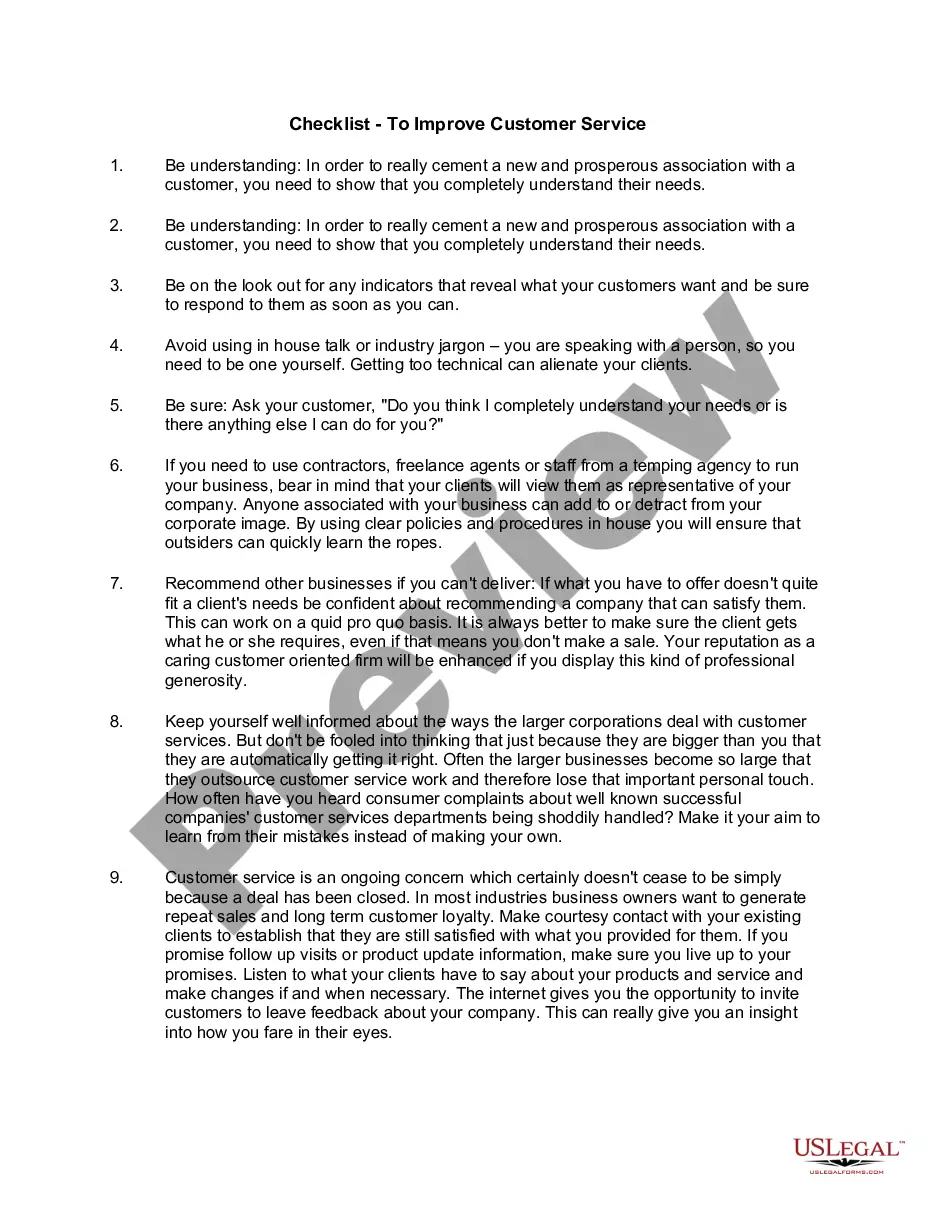
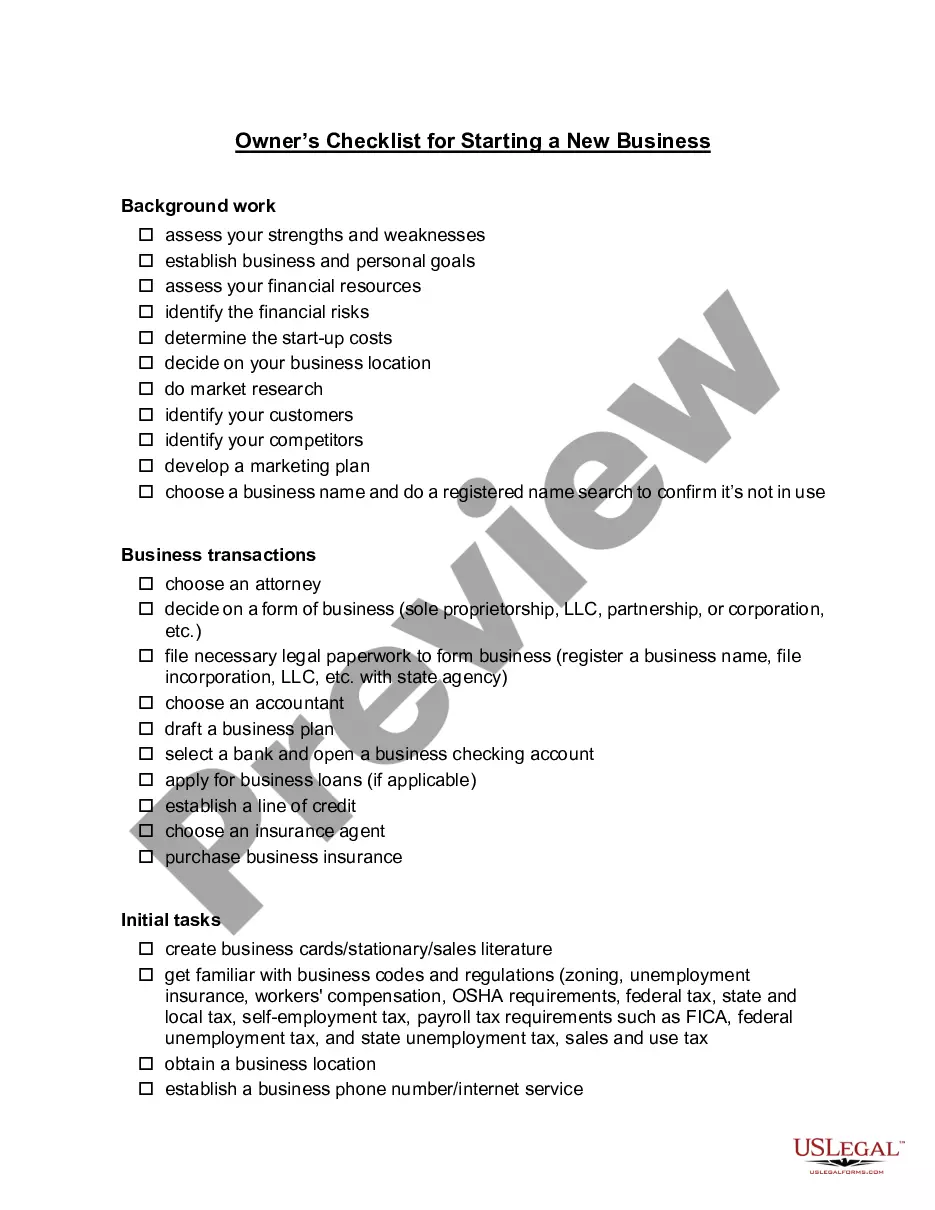
Common use cases
This form is particularly useful when preparing to meet potential clients. You would utilize this checklist in situations such as initial consultations, sales presentations, or any scenario where you need to communicate your services or solutions effectively. By following this checklist, you can enhance your chances of making a positive impression and overcoming client objections.
Who can use this document
- Business professionals seeking to improve client engagement
- Sales representatives preparing for client meetings
- Consultants aiming to establish rapport with new clients
- Legal professionals needing to clarify their services to potential clients
- Anyone involved in marketing or client outreach
Completing this form step by step
- Identify the characteristics and motivations of your prospective client.
- Prepare a list of specific questions to ask during the communication.
- Organize your objectives and supporting materials before the meeting.
- Plan for a distraction-free environment to enhance focus.
- Clarify the purpose of your communication and what you want the client to understand.
Is notarization required?
Notarization is not commonly needed for this form. However, certain documents or local rules may make it necessary. Our notarization service, powered by Notarize, allows you to finalize it securely online anytime, day or night.
Get your form ready online
Our built-in tools help you complete, sign, share, and store your documents in one place.
Make edits, fill in missing information, and update formatting in US Legal Forms—just like you would in MS Word.
Download a copy, print it, send it by email, or mail it via USPS—whatever works best for your next step.
Sign and collect signatures with our SignNow integration. Send to multiple recipients, set reminders, and more. Go Premium to unlock E-Sign.
If this form requires notarization, complete it online through a secure video call—no need to meet a notary in person or wait for an appointment.
We protect your documents and personal data by following strict security and privacy standards.

Make edits, fill in missing information, and update formatting in US Legal Forms—just like you would in MS Word.

Download a copy, print it, send it by email, or mail it via USPS—whatever works best for your next step.

Sign and collect signatures with our SignNow integration. Send to multiple recipients, set reminders, and more. Go Premium to unlock E-Sign.

If this form requires notarization, complete it online through a secure video call—no need to meet a notary in person or wait for an appointment.

We protect your documents and personal data by following strict security and privacy standards.
Avoid these common issues
- Failing to tailor the communication style to the clientâs characteristics.
- Neglecting to prepare supporting materials or objectives.
- Overlooking the importance of addressing potential objections clearly.
- Being unprepared for the client's questions or concerns.
Benefits of using this form online
- Convenience of accessing and downloading the form at any time.
- Editability allows you to customize the checklist to fit your specific client situations.
- Reliability ensures you have a structured approach for client communication.
Key takeaways
- Effective communication with prospective clients is essential for building relationships.
- Understanding client characteristics can help tailor your approach.
- Preparation and organization are vital for successful client engagements.
- Addressing potential objections can improve client trust and interest.
Looking for another form?
Form popularity
FAQ
5 Steps to Following Up With Clients Without Being Annoying: Stay Positive. Send Short Reminders. Don't Give Up. Know What Time is Best. Remember the Details.
Here are 12 ways you can consider following up with your client: Express gratitude.Ask for feedback.Help them get started.Provide a special offer.Share additional features.Send them a referral.Commemorate occasions.Ask if they need help.
Review Your Customer Persona.Learn Where Your Potential Clients Hang Out.Identify What Prospective Clients Want.Understand Every Product or Service You Offer.Reach Out and Emphasize Your Value.
The generic version of a follow-up includes saying it was nice to meet them and requesting that if they have any further questions, feel free to ask. Well, of course they are free to ask. They are potential clients interested in working with you and they are going to ask plenty of questions, whenever they like.
Tips for Handling Calls with Prospective Clients That Want You to Get Started Right Away Start controlling the conversation before you even talk to Prospective Clients. Set up parameters when you talk to Prospective Clients. Create your own structure. The Bottom Line.
Summary Listen carefully without interrupting. Understand the needs of your prospect by asking smart questions. Be honest and confident in communicating. Communicate with the intent of helping instead of selling. Always revert on time. Be punctual.
How to Write a Follow-Up Emails Mind Your Subject Line. Being concise and on-point is the best way to go with the subject lines of your follow-up emails.Make It About Them.Keep it Brief.Call Your Clients To Action.Learn to be patient.