Sample Letter for Deed of Trust
What this document covers
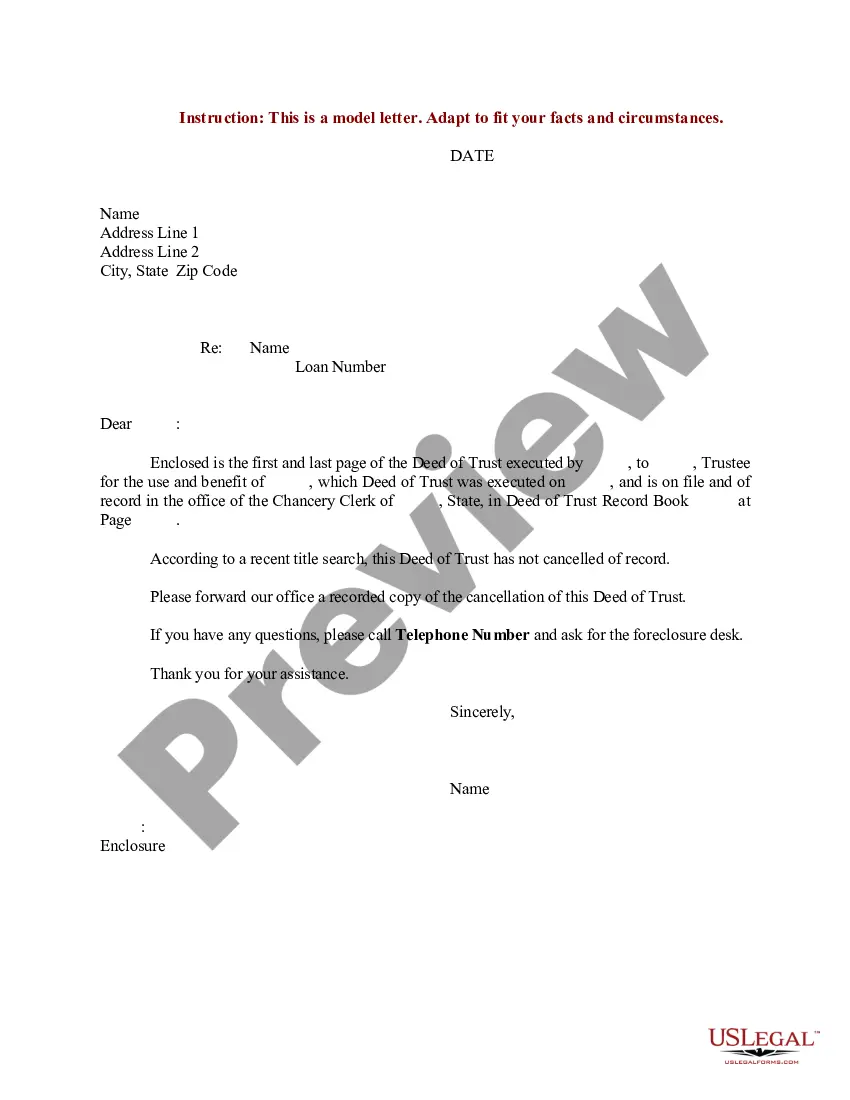
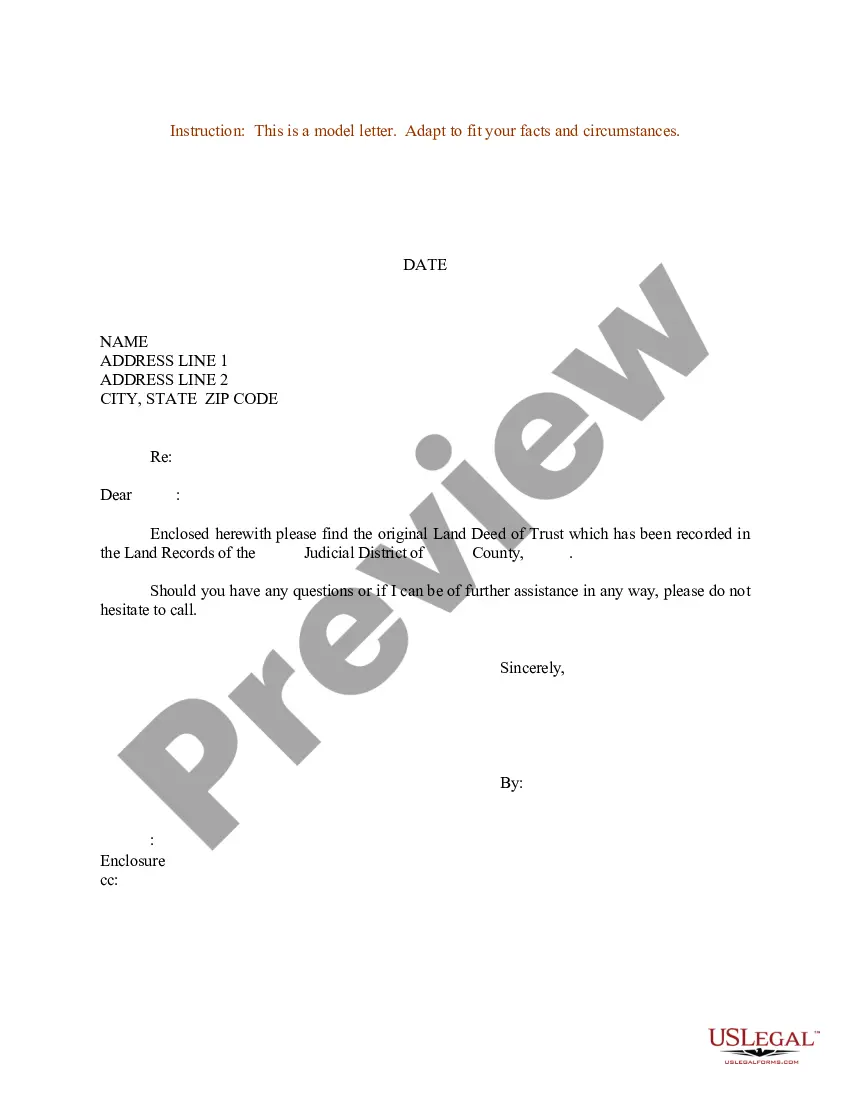
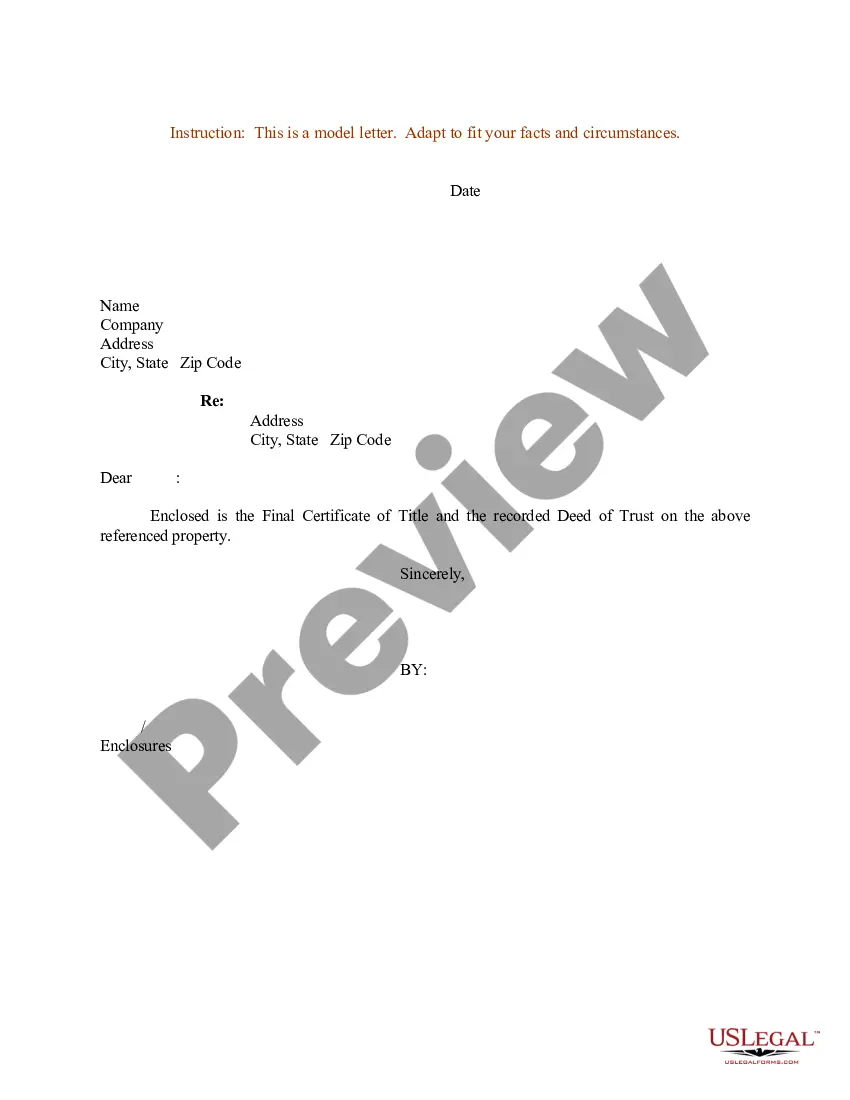
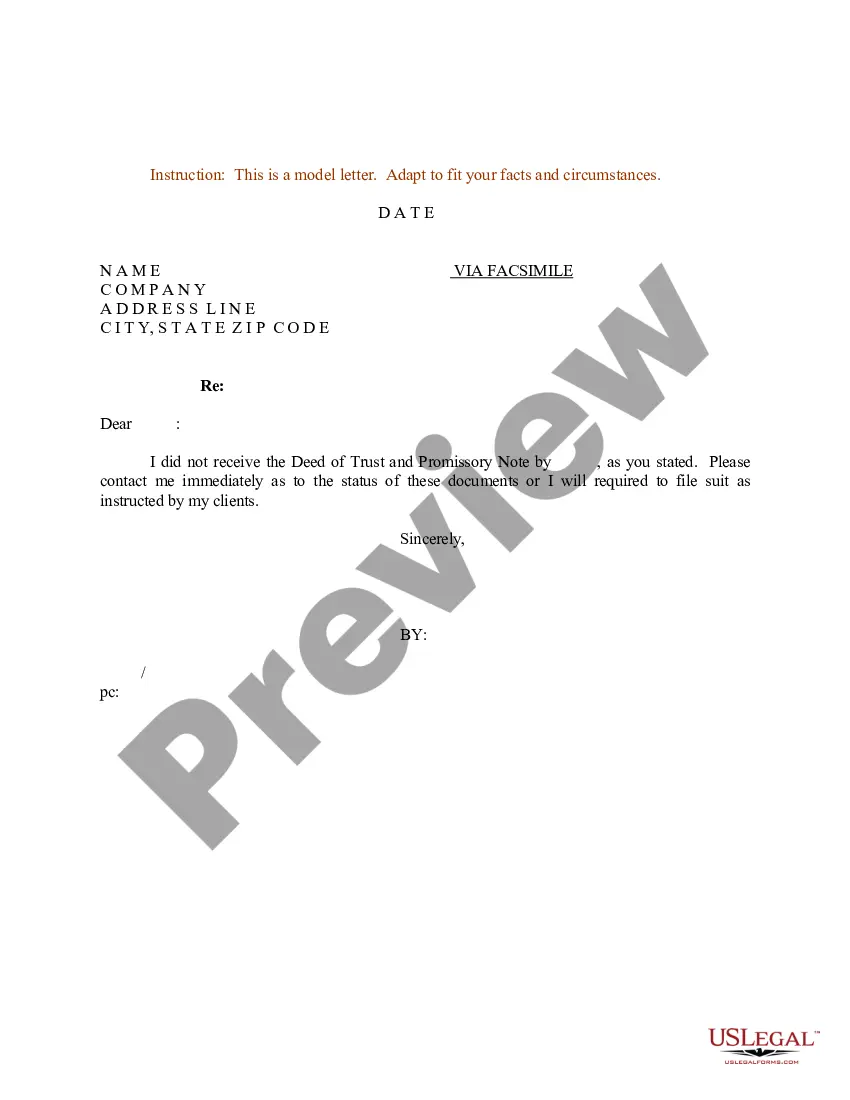
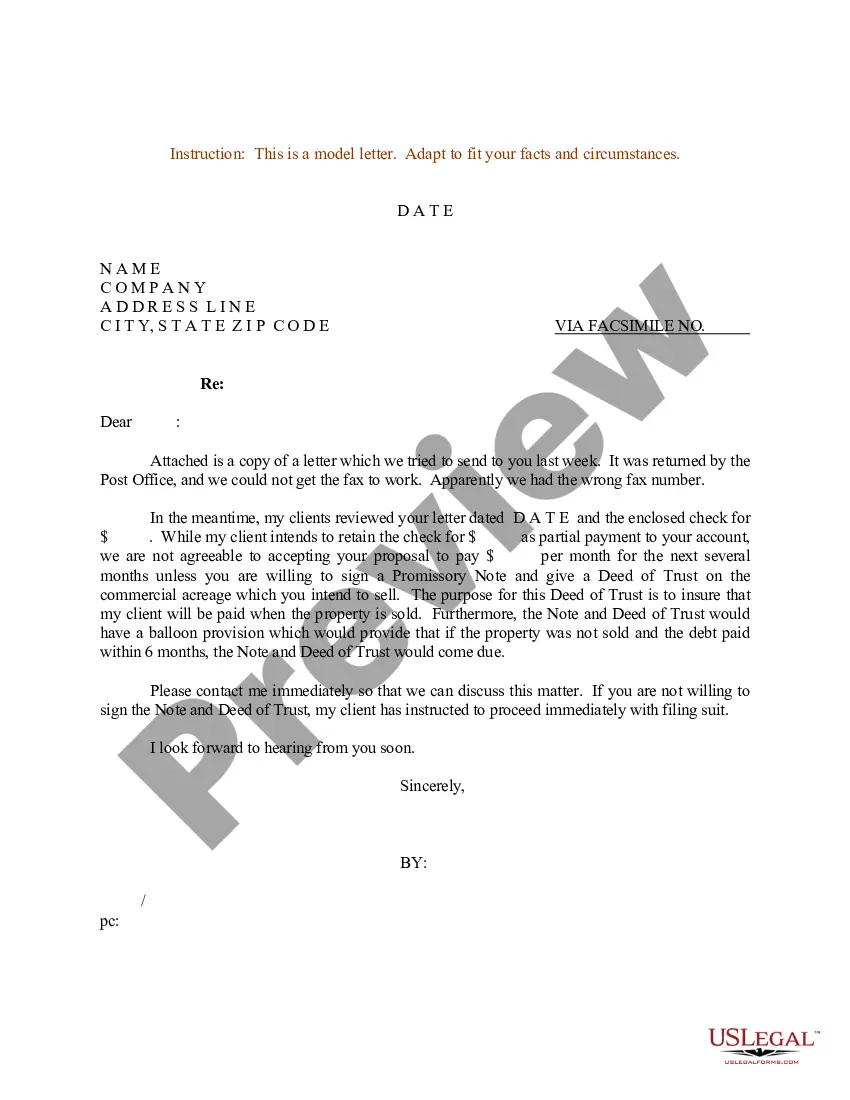
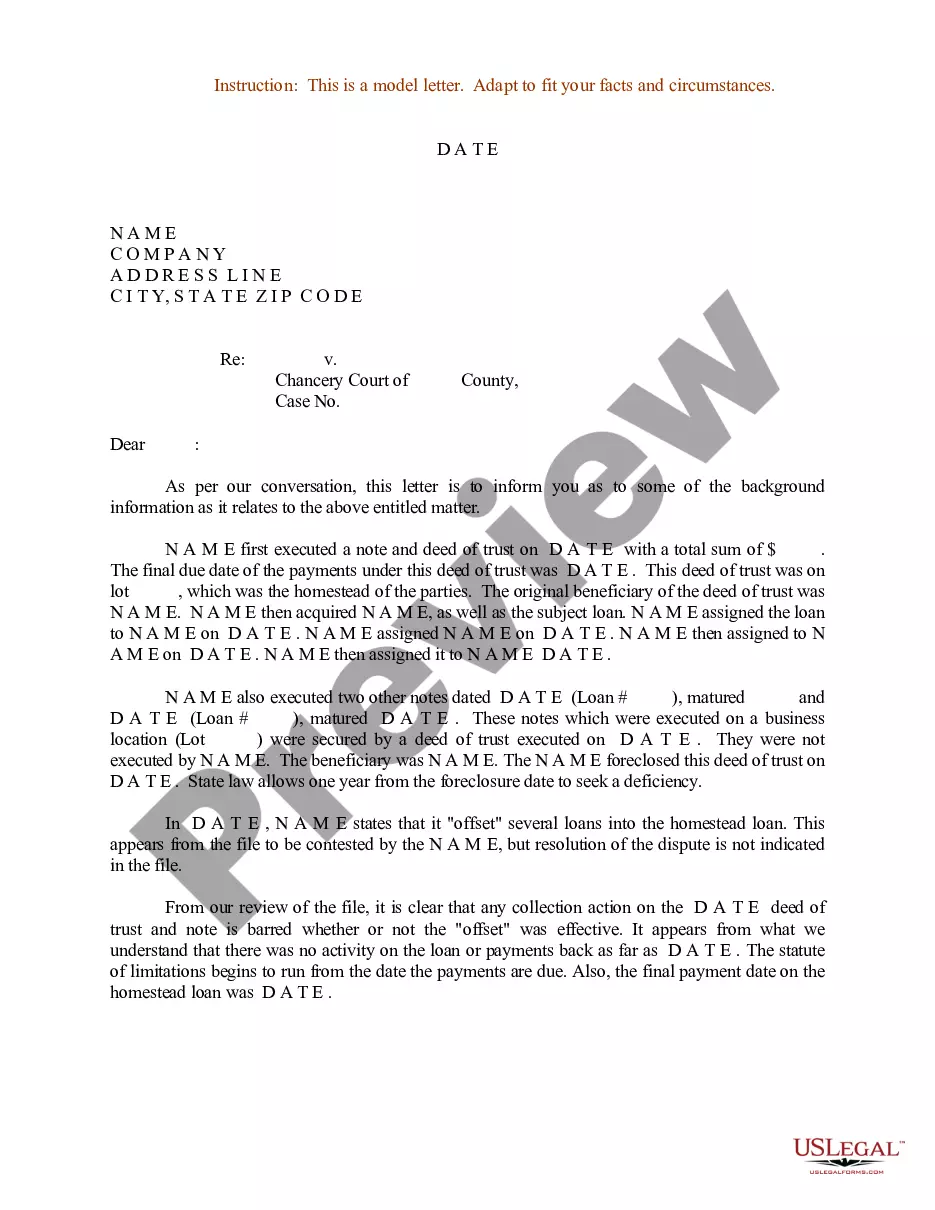
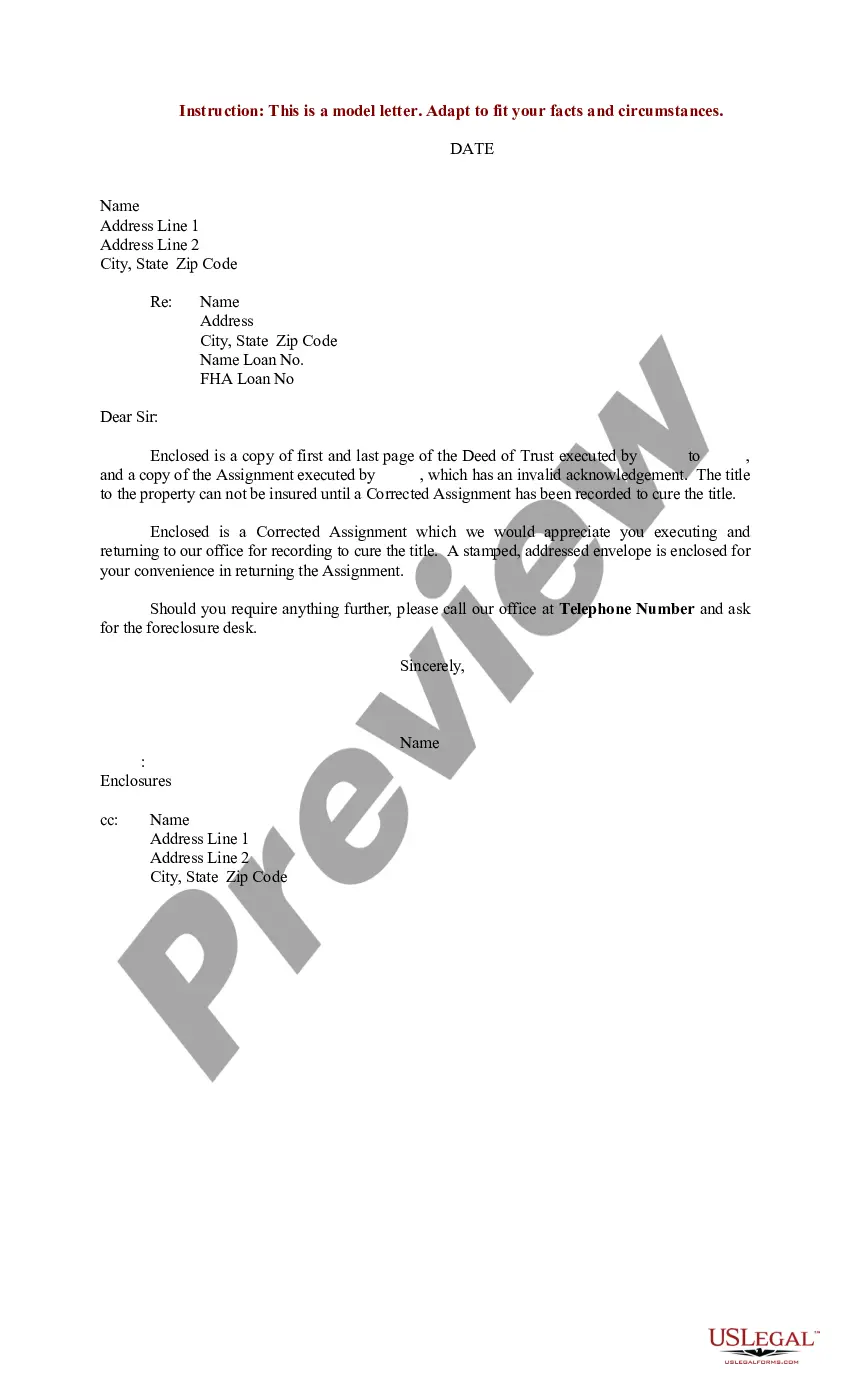
The Sample Letter for Deed of Trust is a formal document used to request a recorded copy of the cancellation of a Deed of Trust. This letter serves a specific purpose by providing a template that individuals can customize for their unique circumstances, differentiating it from other legal correspondence that may not specifically address the cancellation of property liens.
Key parts of this document
- Date field to indicate when the letter is sent.
- Recipient's name and address to ensure proper delivery.
- Subject line referencing the request for a copy of the cancellation.
- Contact information for follow-up inquiries.
- Signature block to authorize the request.
Common use cases
This form is typically used when an individual or entity wants to obtain a recorded copy of the cancellation of a Deed of Trust. Situations may include the completion of a mortgage or loan, where the lien on the property should be officially removed, thereby requiring proof of that cancellation for personal records or future transactions.
Who should use this form
Individuals and entities that may need this form include:
- Homeowners looking to verify the cancellation of a Deed of Trust.
- Real estate investors needing documentation for property records.
- Lenders or financial institutions managing property liens.
- Attorneys representing clients in real estate matters.
How to complete this form
- Specify the date of the letter at the top.
- Fill in the recipient's name and address accurately.
- Clearly state the request for a recorded copy of the Deed of Trust cancellation in the subject line.
- Provide a reliable phone number for any inquiries.
- Sign the letter with your name to formalize the request.
Does this form need to be notarized?
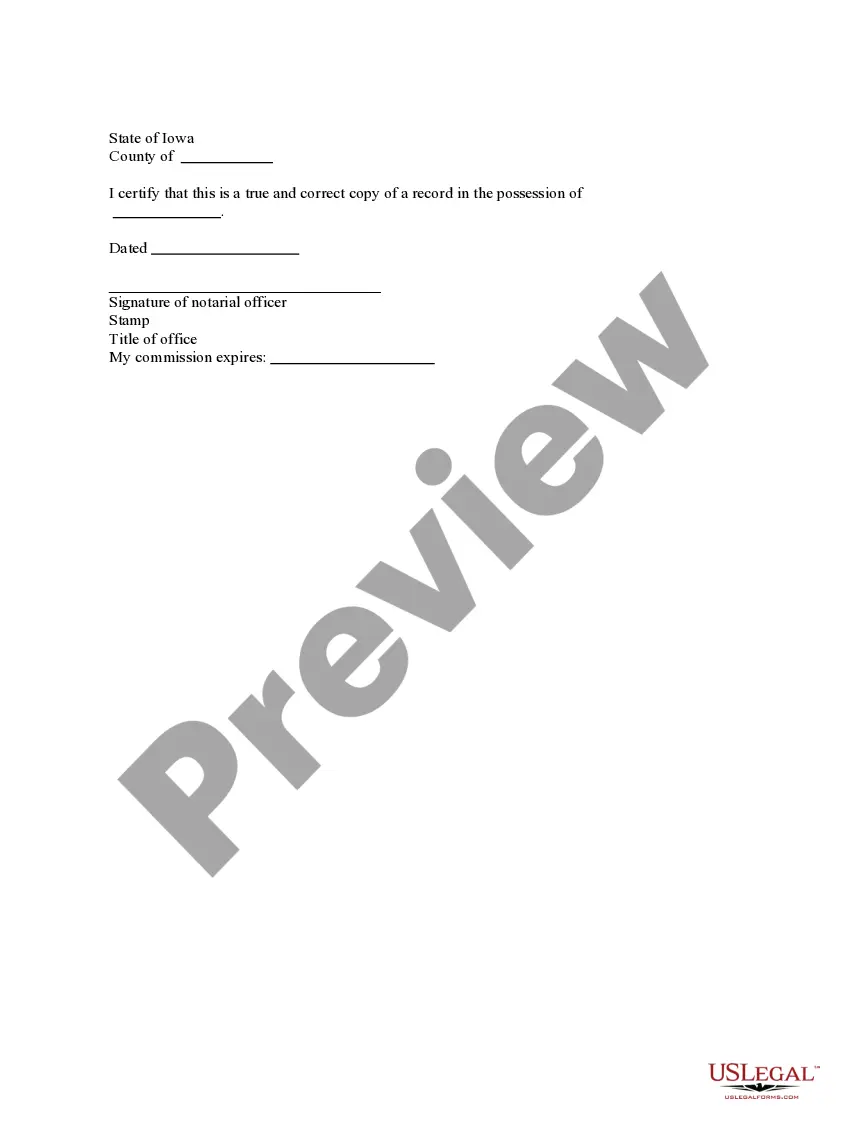
This form needs to be notarized to ensure legal validity. US Legal Forms provides secure online notarization powered by Notarize, allowing you to complete the process through a verified video call, available anytime.
Get your form ready online
Our built-in tools help you complete, sign, share, and store your documents in one place.
Make edits, fill in missing information, and update formatting in US Legal Forms—just like you would in MS Word.
Download a copy, print it, send it by email, or mail it via USPS—whatever works best for your next step.
Sign and collect signatures with our SignNow integration. Send to multiple recipients, set reminders, and more. Go Premium to unlock E-Sign.
If this form requires notarization, complete it online through a secure video call—no need to meet a notary in person or wait for an appointment.
We protect your documents and personal data by following strict security and privacy standards.

Make edits, fill in missing information, and update formatting in US Legal Forms—just like you would in MS Word.

Download a copy, print it, send it by email, or mail it via USPS—whatever works best for your next step.

Sign and collect signatures with our SignNow integration. Send to multiple recipients, set reminders, and more. Go Premium to unlock E-Sign.

If this form requires notarization, complete it online through a secure video call—no need to meet a notary in person or wait for an appointment.

We protect your documents and personal data by following strict security and privacy standards.
Avoid these common issues
- Forgetting to include the date, which can lead to delays in processing.
- Providing incorrect recipient information, resulting in undelivered letters.
- Omitting contact information, making it difficult to receive follow-up responses.
- Failing to sign the letter, which may render the request invalid.
Benefits of using this form online
- Access a professionally drafted template that can save time and effort.
- Edit the document easily to fit your specific circumstances.
- Downloadable format allows for quick access and storage.
- Increased reliability as forms are created by licensed attorneys.
What to keep in mind
- The Sample Letter for Deed of Trust is essential for requesting a cancellation of a deed of trust.
- Users must include specific details, such as contact information and the purpose of the letter.
- Common mistakes can lead to delays, so careful attention to detail is crucial.
Looking for another form?


Form popularity
FAQ
Can I make a declaration of trust myself? Some owners are put off using solicitors duke to the deed of trust cost. Individuals can write out their own, and use someone else as a witness. However, this may have errors or not be a legally binding document.
The person who owns the property usually signs a promissory note and a deed of trust. The deed of trust does not have to be recorded to be valid.
How much each person contributes to the deposit, and how much will be repaid to them. What percentage of the property each person will own, and how the money will be split if the property is sold. How much each person will pay towards the mortgage, and how the mortgage will ultimately be paid off.
Name of the trust. Address of the trust. Objects of the trust (Charitable or Religious) One settlor of the trust. Two trustees of the trust (minimum)
Yes, there are key differences between the two. With a deed, you transfer the ownership of the property to one party. In contrast, a deed of trust does not mean the holder owns the property. In an arrangement involving a deed of trust, the borrower signs a contract with the lender with details regarding the loan.
Party information: names and addresses of the trustor(s), trustee(s), beneficiary(ies), and guarantor(s) (if applicable) Property details: full address of the property and its legal description (which can be obtained from the County Recorder's Office)
Some owners are put off using solicitors duke to the deed of trust cost. Individuals can write out their own, and use someone else as a witness. However, this may have errors or not be a legally binding document. The investment of getting a deed of trust when buying a property is often worth it in the long term.
A deed of trust is a written instrument with three parties: The trustor, who is the borrower and homeowner. The beneficiary, who is the lender. The trustee, who is a third party such as an insurance company or escrow management agency that holds actual title to the property in trust for the beneficiary.