Sexual Harassment IQ Test
Understanding this form
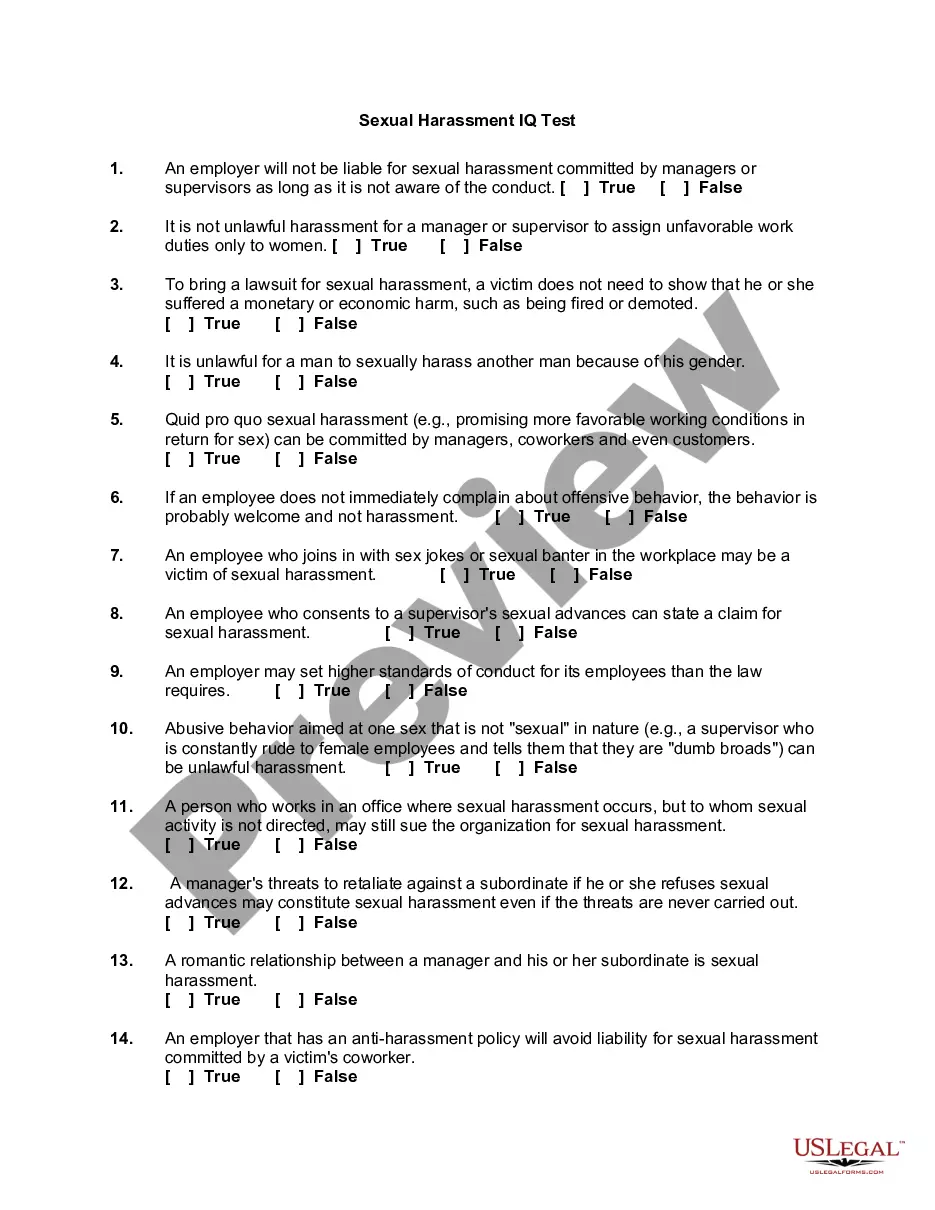
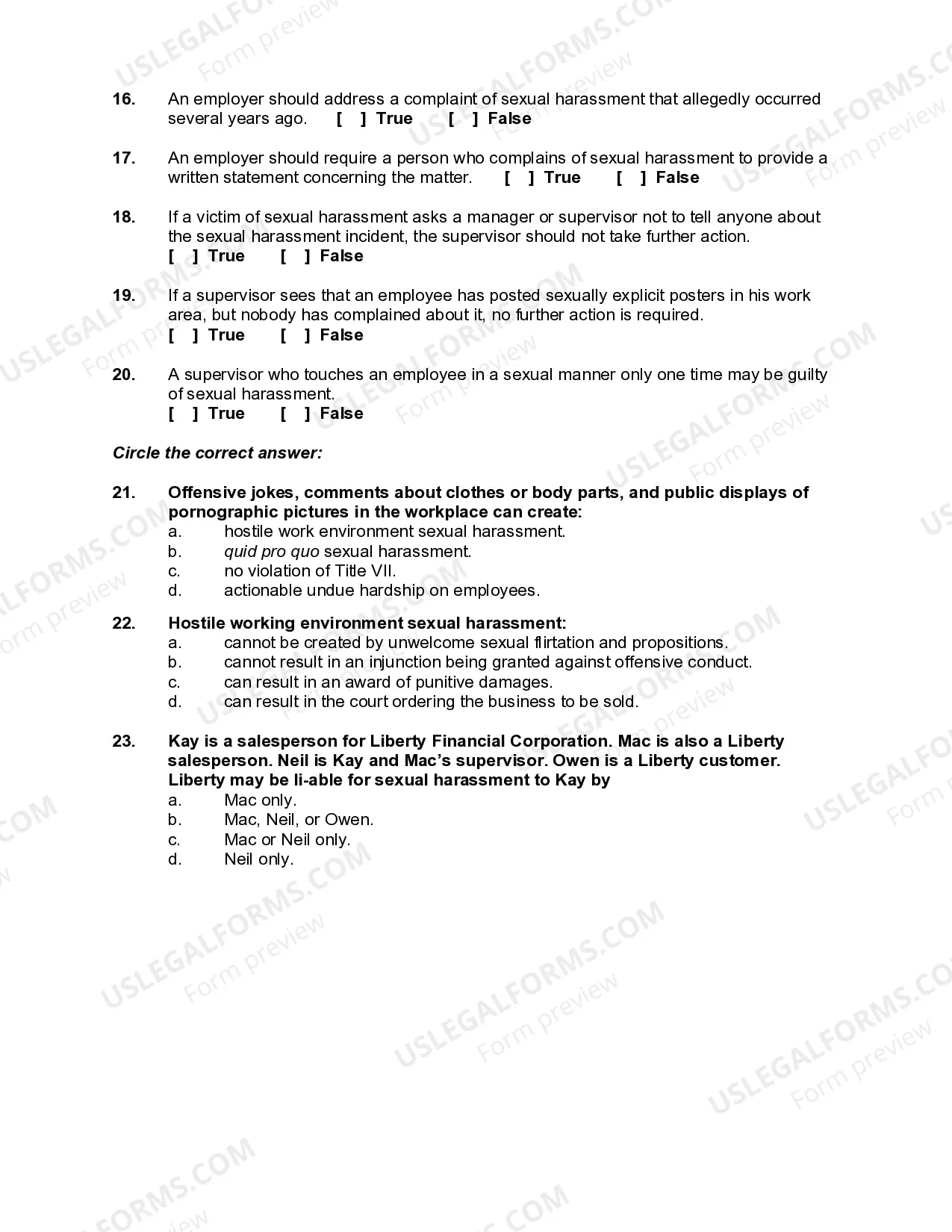
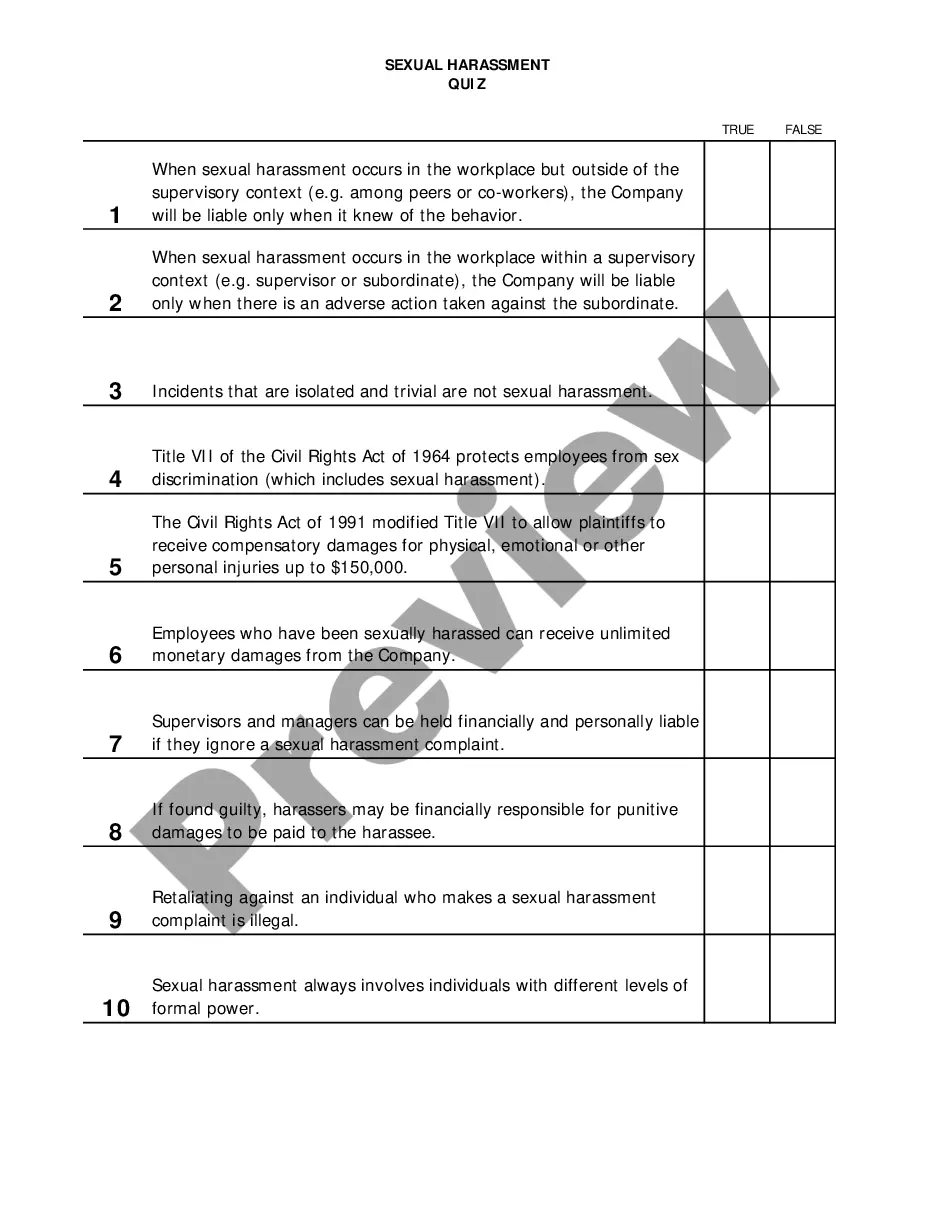
The Sexual Harassment IQ Test is an assessment tool designed to evaluate your employees' understanding of sexual harassment laws as defined under Title VII of the Civil Rights Act of 1964. This form helps employers identify knowledge gaps about what constitutes sexual harassment and ensures compliance with legal standards. Unlike general employee training manuals, this test specifically measures awareness and comprehension of relevant laws and policies, providing a practical way to gauge employee knowledge in the workplace.
Key components of this form
- True/False questions that cover various aspects of sexual harassment laws.
- Scenarios to assess understanding of quid pro quo and hostile work environment principles.
- Questions focusing on employer and supervisor responsibilities regarding harassment.
- Legal implications of different types of harassment and appropriate responses to complaints.
- Clarifications on the rights of both victims and bystanders regarding harassment claims.
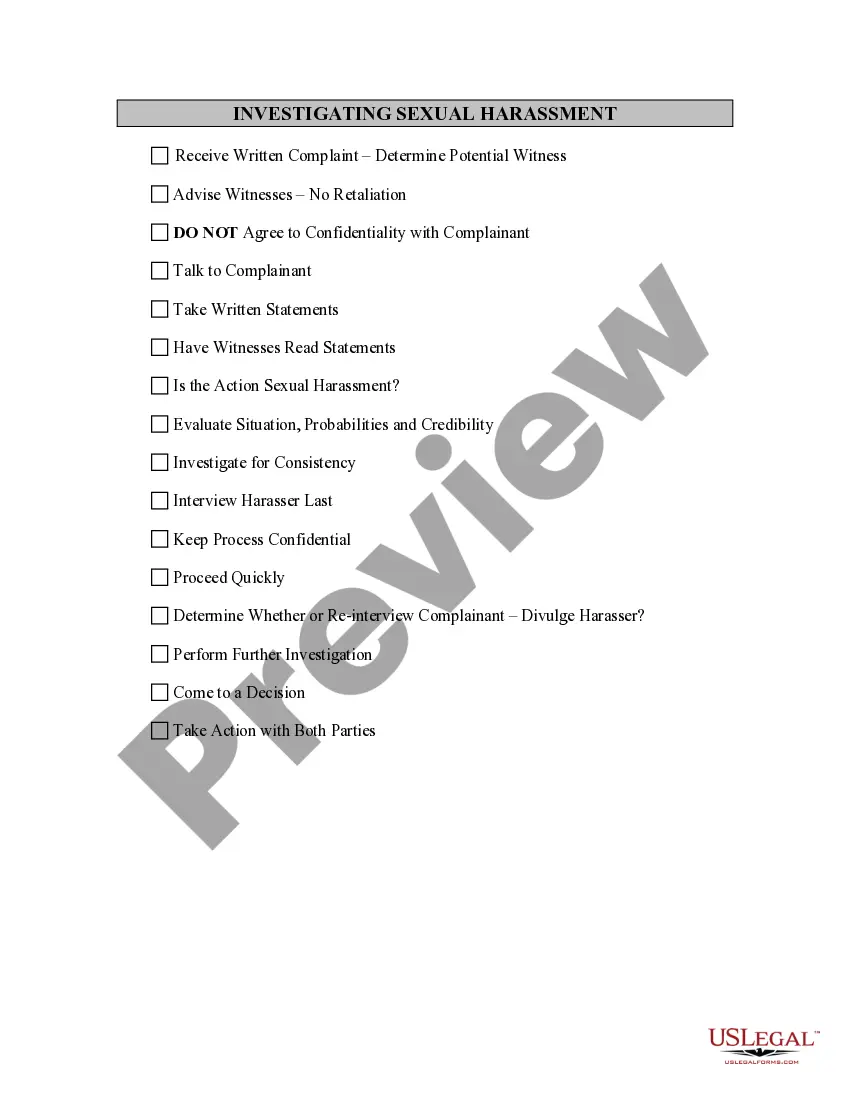
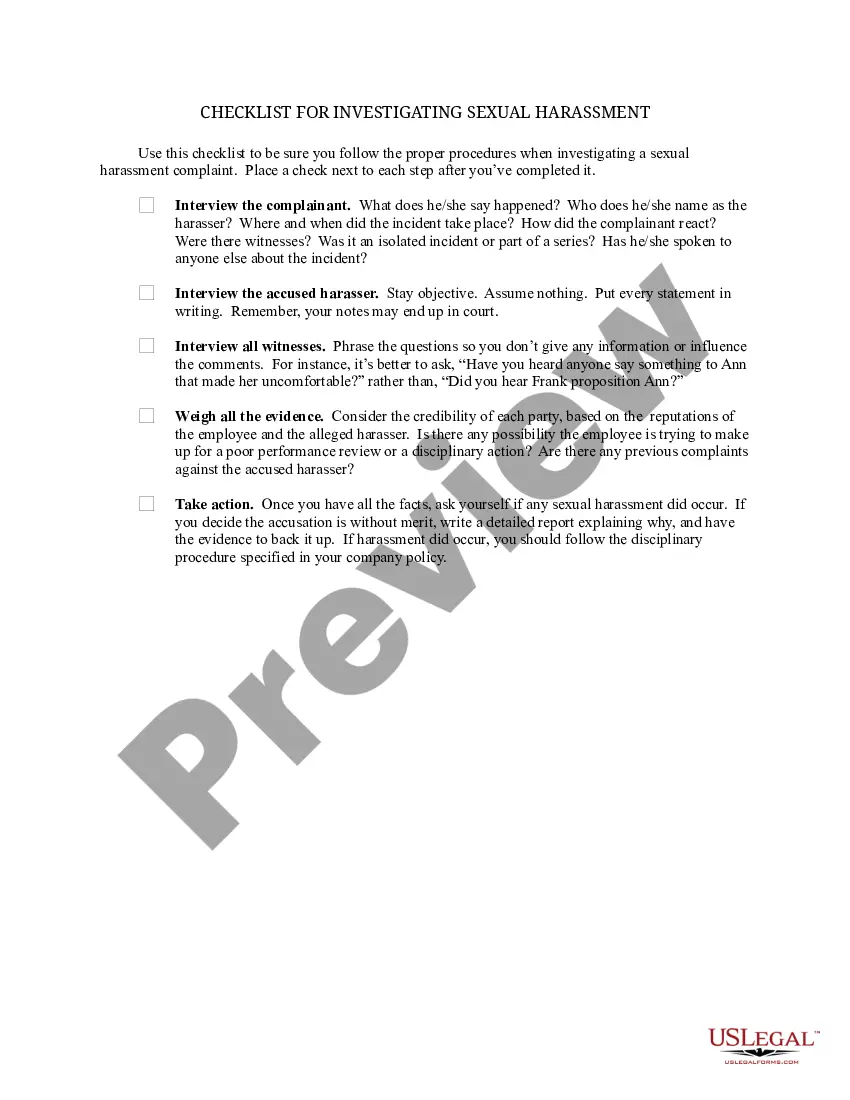
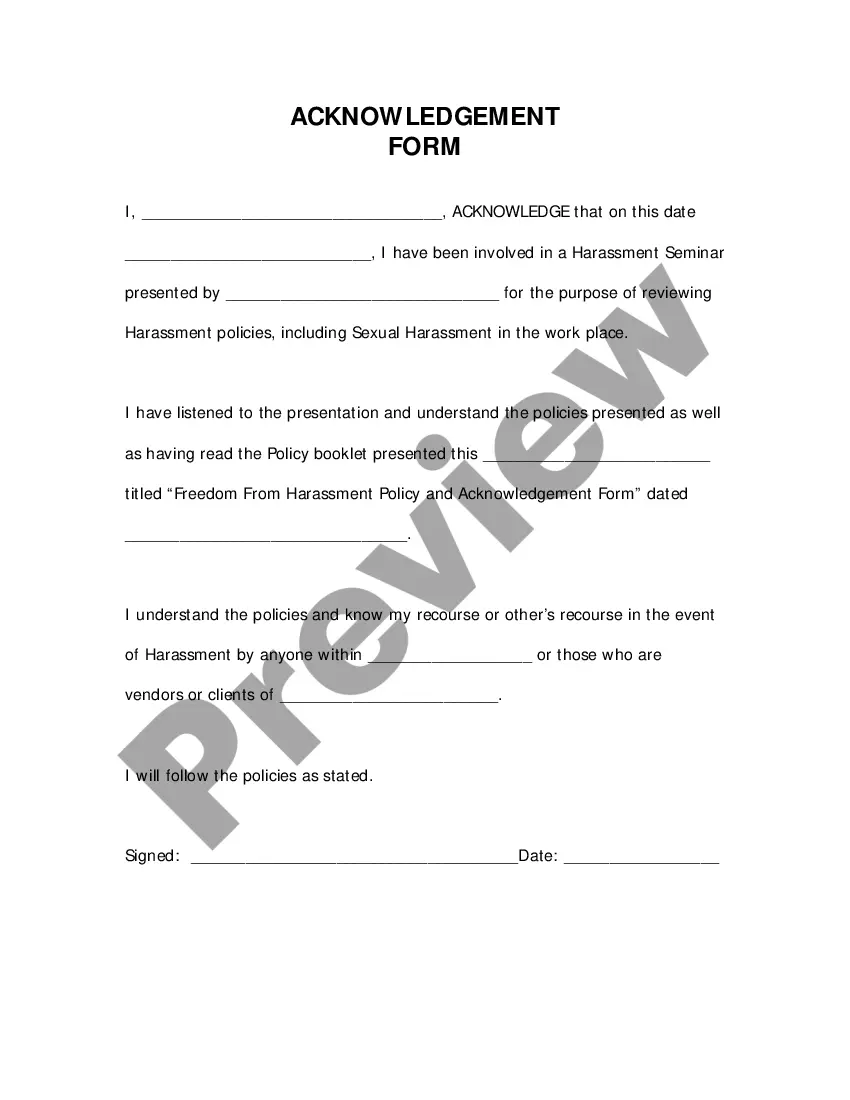
When to use this form
Employers should use the Sexual Harassment IQ Test during employee training sessions to reinforce knowledge about sexual harassment. It is also valuable when developing or updating workplace policies, ensuring compliance with federal laws, or preparing for potential legal issues related to harassment claims. Conducting this test can demonstrate a commitment to a safe work environment and can be evidence of proactive measures taken against harassment.
Who this form is for
- Employers looking to train their staff on sexual harassment laws.
- HR professionals responsible for developing workplace policies.
- Managers and supervisors who oversee compliance with anti-harassment procedures.
- Legal advisors seeking to ensure employee understanding of sexual harassment issues.
How to complete this form
- Distribute the IQ test to employees during training sessions or provide it digitally for completion.
- Instruct employees to carefully read each statement and answer true or false based on their understanding.
- Collect the completed tests for review and analysis of overall understanding.
- Provide feedback and additional training based on the results to address knowledge gaps.
- Document the completion of the test for compliance and audit purposes.
Notarization requirements for this form
Notarization is not commonly needed for this form. However, certain documents or local rules may make it necessary. Our notarization service, powered by Notarize, allows you to finalize it securely online anytime, day or night.
Get your form ready online
Our built-in tools help you complete, sign, share, and store your documents in one place.
Make edits, fill in missing information, and update formatting in US Legal Forms—just like you would in MS Word.
Download a copy, print it, send it by email, or mail it via USPS—whatever works best for your next step.
Sign and collect signatures with our SignNow integration. Send to multiple recipients, set reminders, and more. Go Premium to unlock E-Sign.
If this form requires notarization, complete it online through a secure video call—no need to meet a notary in person or wait for an appointment.
We protect your documents and personal data by following strict security and privacy standards.

Make edits, fill in missing information, and update formatting in US Legal Forms—just like you would in MS Word.

Download a copy, print it, send it by email, or mail it via USPS—whatever works best for your next step.

Sign and collect signatures with our SignNow integration. Send to multiple recipients, set reminders, and more. Go Premium to unlock E-Sign.

If this form requires notarization, complete it online through a secure video call—no need to meet a notary in person or wait for an appointment.

We protect your documents and personal data by following strict security and privacy standards.
Mistakes to watch out for
- Assuming employees understand sexual harassment laws without formal training.
- Failing to address incorrect responses in follow-up training sessions.
- Not keeping records of completed tests for compliance purposes.
Benefits of completing this form online
- Convenient access for employees to complete the test remotely.
- Editable content allows for updates based on changes in laws or company policies.
- Secure storage of completed forms aids in compliance tracking and record-keeping.
Legal use & context
- The form serves as a compliance tool to help prevent workplace discrimination and harassment.
- Using this test can support an employer's defense against sexual harassment claims by demonstrating proactive workplace education.
- It is crucial for employers to maintain an informed workforce to reduce legal risks associated with claims of harassment.
Summary of main points
- The Sexual Harassment IQ Test helps assess knowledge of sexual harassment laws.
- This form is essential for companies committed to complying with legal standards.
- Use results to identify training gaps and enhance workplace policies.
- It is applicable across multiple states under federal law.
Looking for another form?
Form popularity
FAQ
Harassment based on race. Harassment based on gender. Harassment based on religion. Harassment based on disability. Harassment based on sexual orientation. Age-related harassment. Sexual harassment. Quid pro quo sexual harassment.
The civil harassment laws say harassment is: Unlawful violence, like assault or battery or stalking, OR. A credible threat of violence, AND. The violence or threats seriously scare, annoy, or harass someone and there is no valid reason for it.
Race, Religion, Sex, and National Origin. Title VII of the Civil Rights Act of 1964 prohibits harassment on the basis of race, religion, sex, and national origin. Age. Disability. Status as a Veteran. Sexual Orientation and Marital Status. Gender Identification. Political Beliefs. Criminal History.
Examples of harassment in the workplace include derogatory jokes, racial slurs, personal insults, and expressions of disgust or intolerance toward a particular race. Abuse may range from mocking a worker's accent to psychologically intimidating employees by making threats or displaying discriminatory symbols.