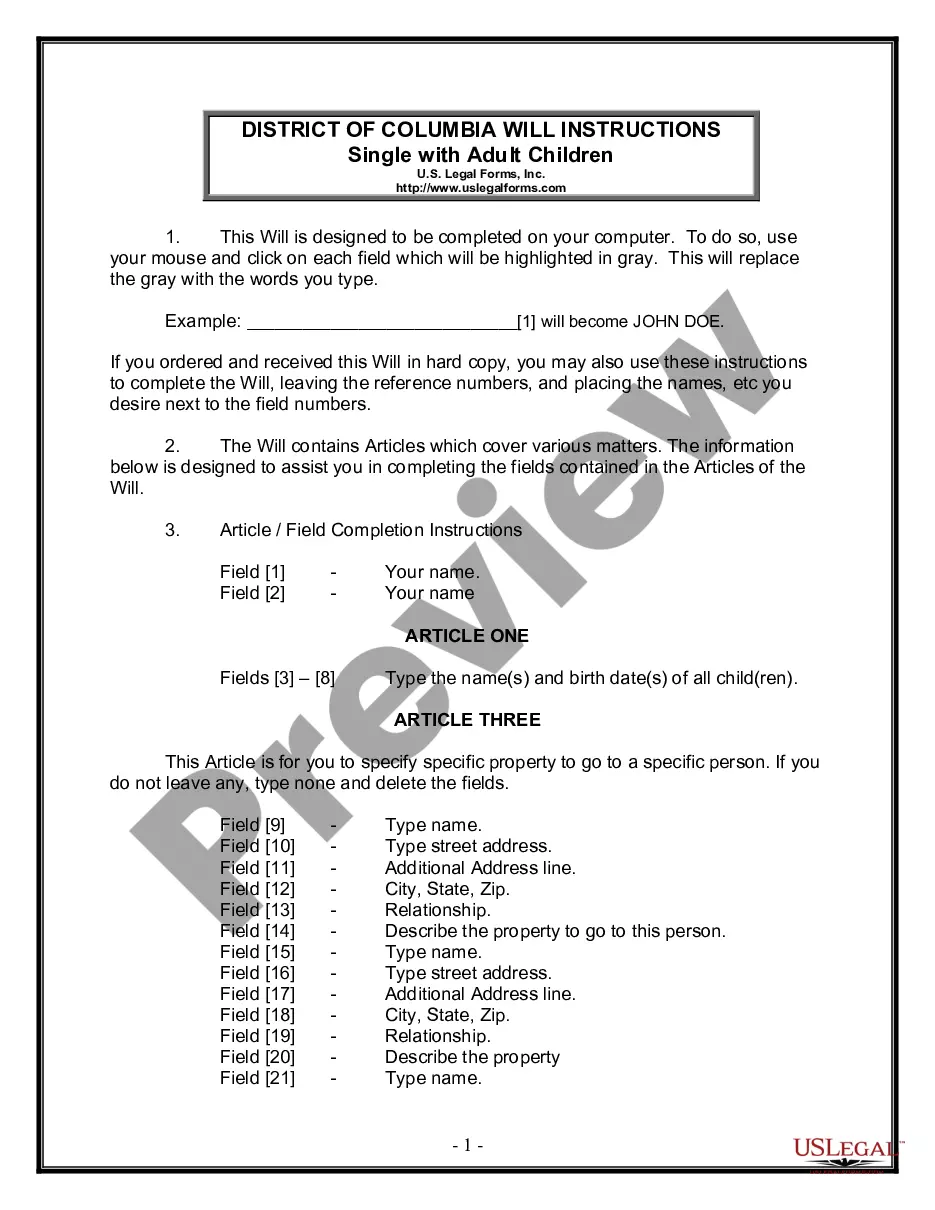
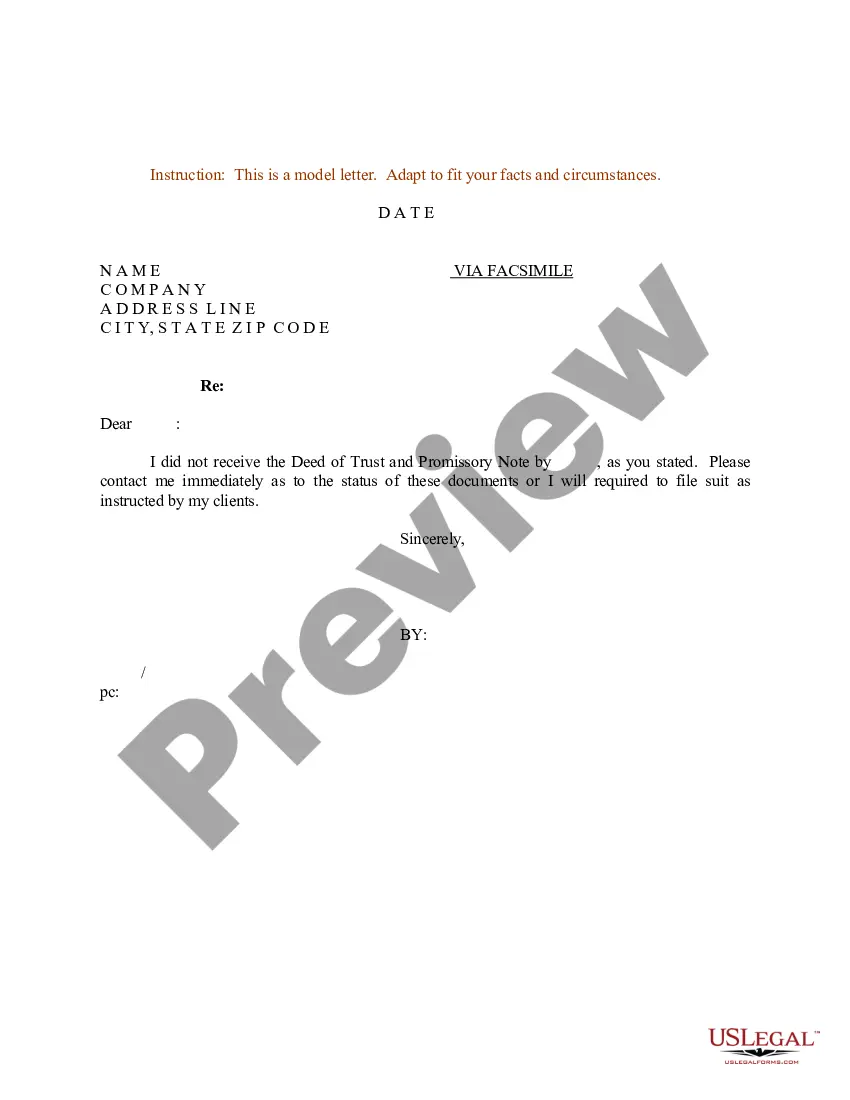
Sample Letter for Deed of Trust and Promissory Note
Overview of this form
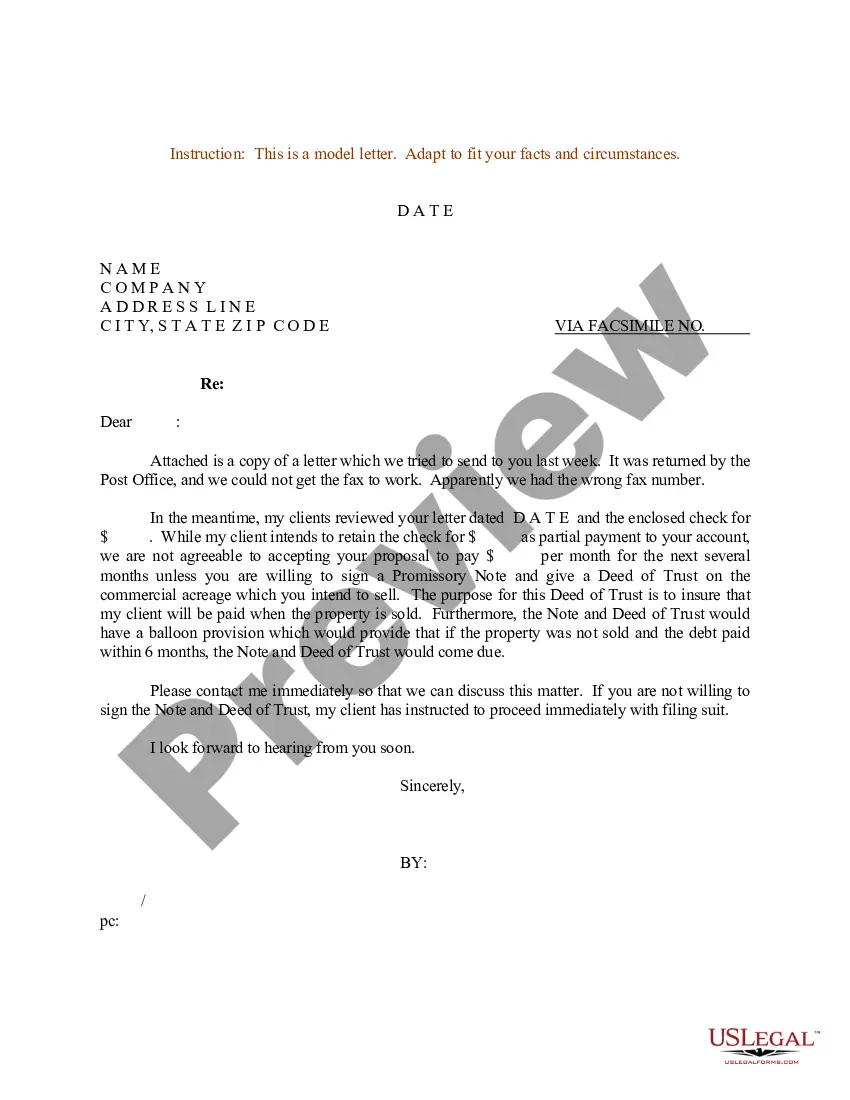
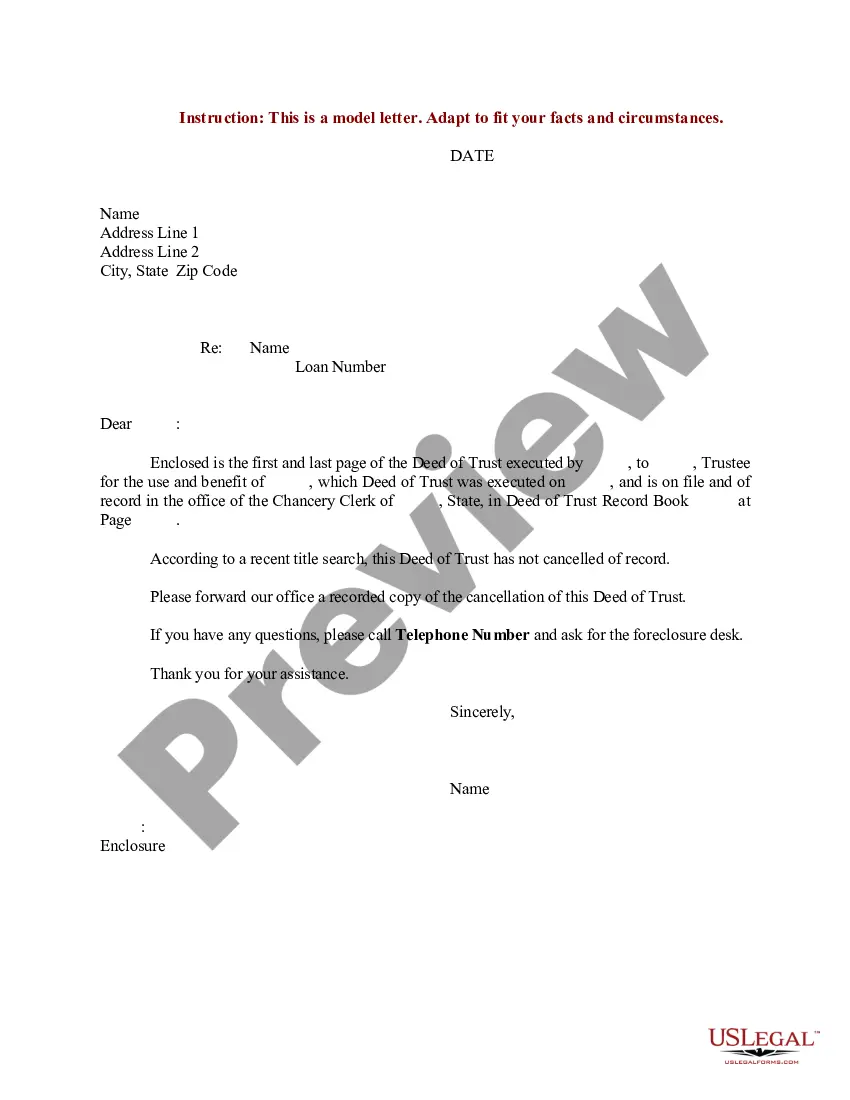
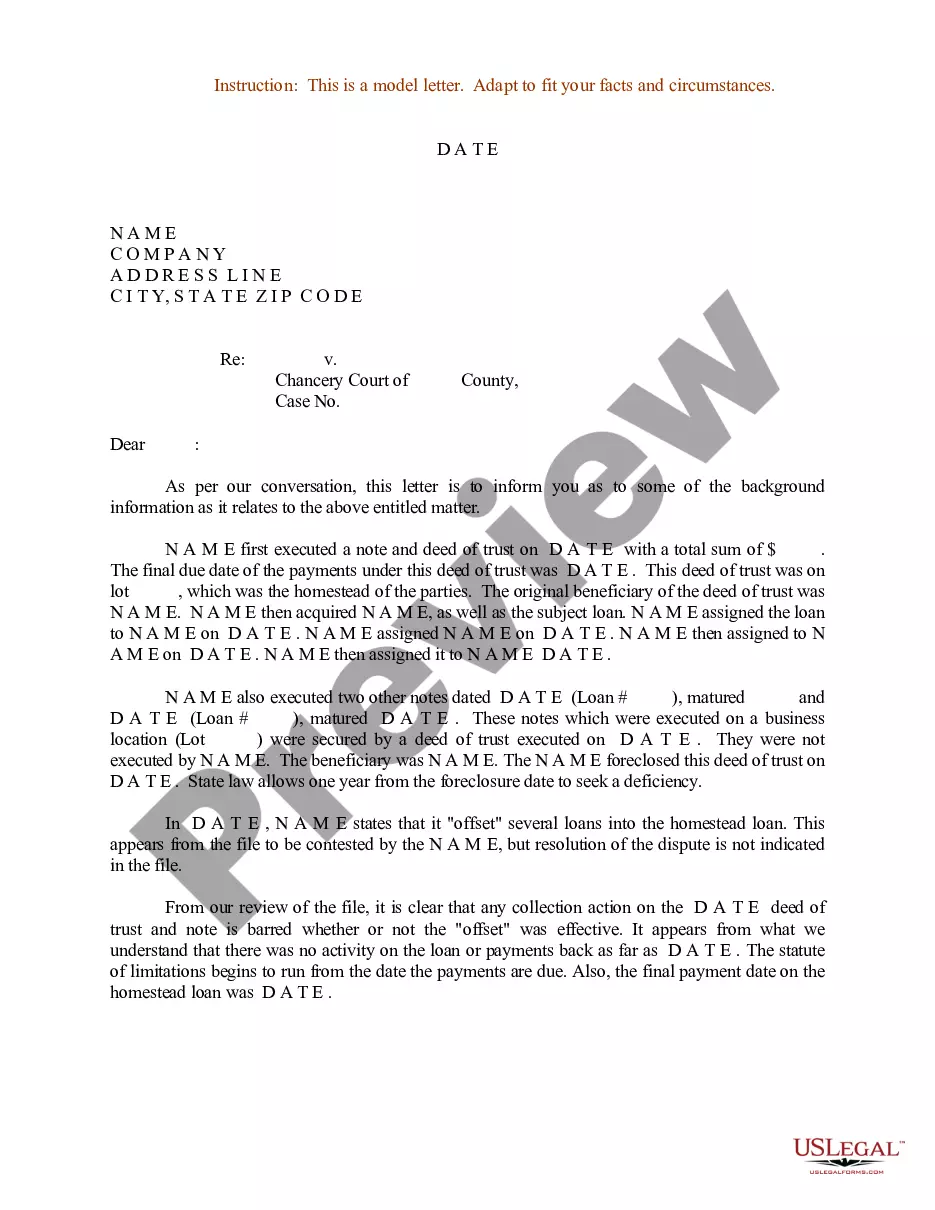
The Sample Letter for Deed of Trust and Promissory Note is a template designed to facilitate communication between parties involved in a real estate transaction. This form specifically outlines the details related to a deed of trust and the accompanying promissory note, distinguishing it from other general agreement templates. It helps ensure clarity in the terms of the agreement, thus serving a crucial role in the lending process for real estate transactions.
Form components explained
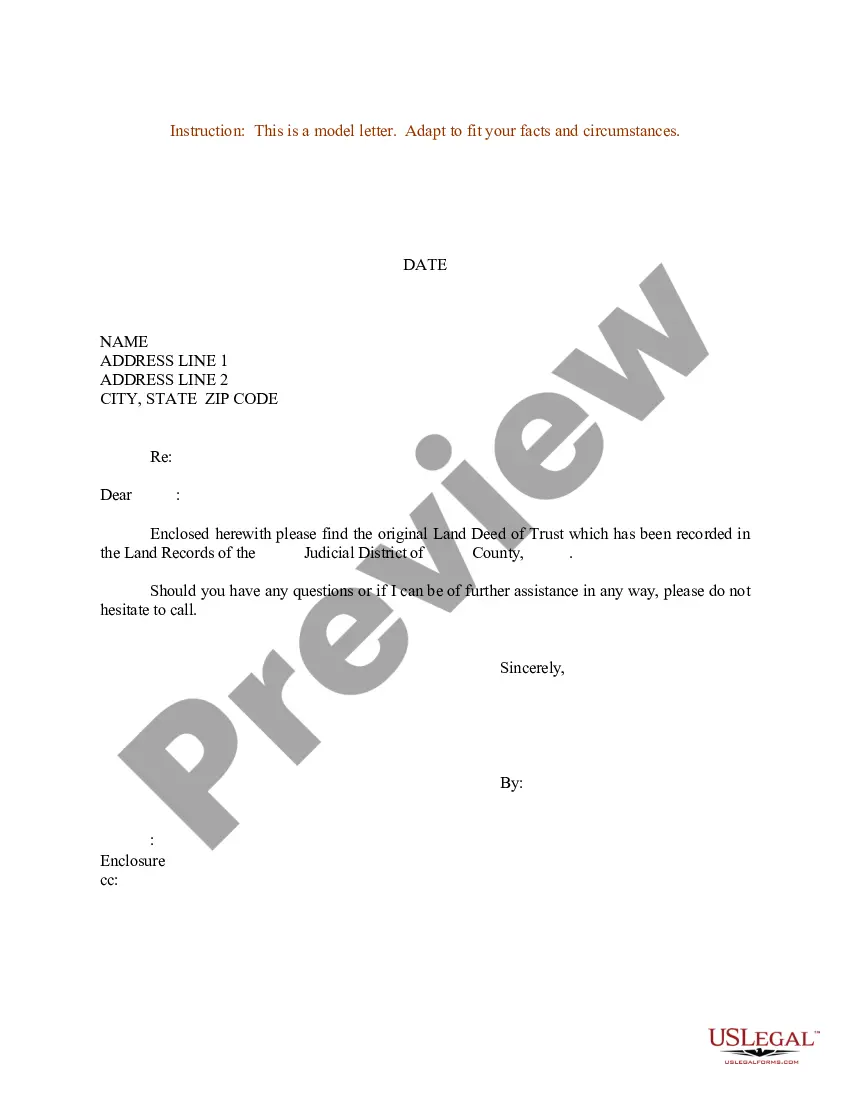
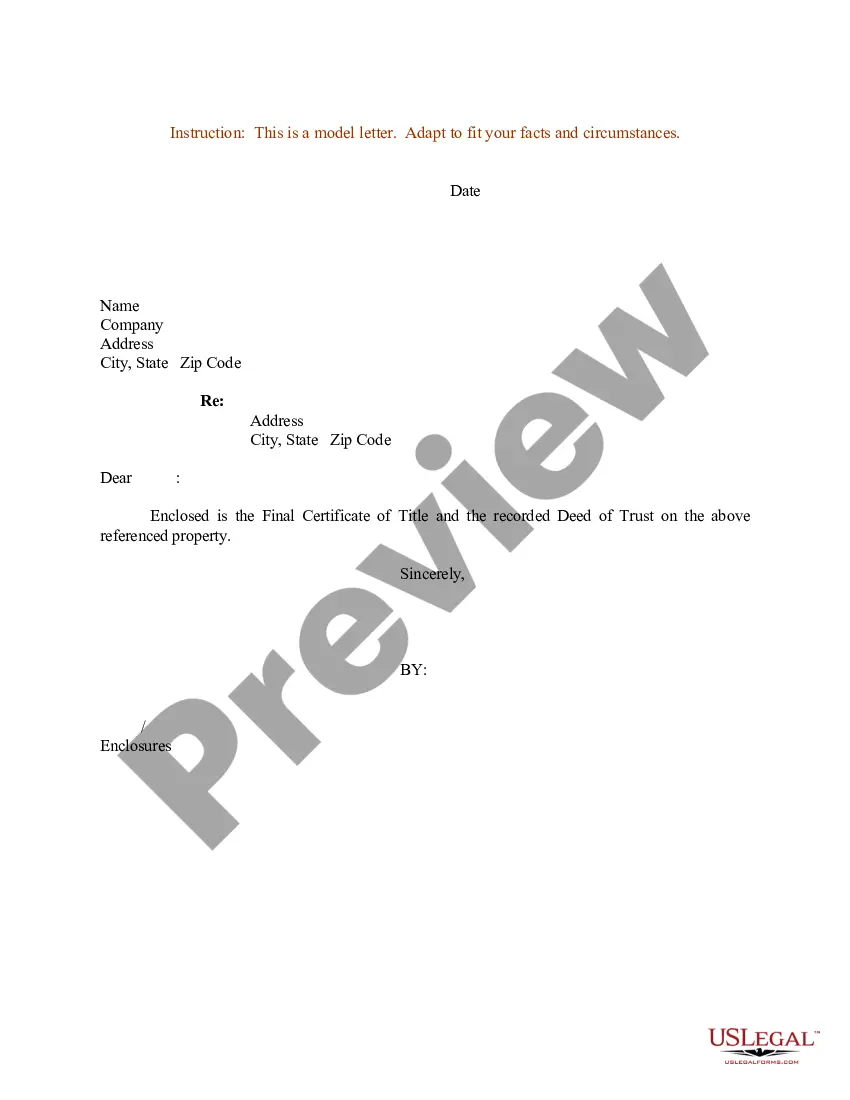
- Date of the letter.
- Private name of the lender or lender's representative.
- Company address line including city, state, and zip code.
- Details on the subject matter concerning the deed of trust.
When to use this document
This form is necessary when a borrower and lender are finalizing the terms of a loan secured by real property. It is suitable for situations involving the establishment of a trust deed as collateral for repayment, ensuring that all parties understand their obligations and the details surrounding the promissory note.
Who can use this document
Individuals or entities involved in real estate transactions, including:
- Lenders looking to formalize a loan agreement.
- Borrowers who want to detail the terms of their loan.
- Real estate professionals assisting clients in securing financing.
Completing this form step by step
- Identify the date of the letter.
- Fill in the private name of the lender or lender's representative.
- Complete the company address with the full address, including city, state, and zip code.
- Add any specific details relevant to the deed of trust and the terms outlined in the promissory note.
Does this document require notarization?
To make this form legally binding, it must be notarized. Our online notarization service, powered by Notarize, lets you verify and sign documents remotely through an encrypted video session.
Get your form ready online
Our built-in tools help you complete, sign, share, and store your documents in one place.
Make edits, fill in missing information, and update formatting in US Legal Forms—just like you would in MS Word.
Download a copy, print it, send it by email, or mail it via USPS—whatever works best for your next step.
Sign and collect signatures with our SignNow integration. Send to multiple recipients, set reminders, and more. Go Premium to unlock E-Sign.
If this form requires notarization, complete it online through a secure video call—no need to meet a notary in person or wait for an appointment.
We protect your documents and personal data by following strict security and privacy standards.

Make edits, fill in missing information, and update formatting in US Legal Forms—just like you would in MS Word.

Download a copy, print it, send it by email, or mail it via USPS—whatever works best for your next step.

Sign and collect signatures with our SignNow integration. Send to multiple recipients, set reminders, and more. Go Premium to unlock E-Sign.

If this form requires notarization, complete it online through a secure video call—no need to meet a notary in person or wait for an appointment.

We protect your documents and personal data by following strict security and privacy standards.
Mistakes to watch out for
- Omitting the date, which can create confusion about when the agreement was made.
- Incorrectly filling out the address, leading to delivery issues.
- Failing to specify the terms of the promissory note clearly, resulting in miscommunication.
Why use this form online
- Immediate access to a professionally drafted template.
- Easy to modify according to individual needs.
- No need to worry about formatting, as the document is already structured appropriately.
Key takeaways
- The Sample Letter for Deed of Trust and Promissory Note is crucial for documenting private loans secured by real estate.
- Ensure all pertinent details, including names and terms, are clearly communicated and signed by all parties.
- Review local laws to determine if notarization or additional requirements are necessary.
Looking for another form?





Form popularity
FAQ
The person who owns the property usually signs a promissory note and a deed of trust. The deed of trust does not have to be recorded to be valid.
As you stated in your question, it is recorded among the land records, and your lender keeps the original. When you pay off the loan, the lender will return the deed of trust with the promissory note. This document is rather lengthy and quite legalistic.
A deed of trust is an agreement between a home buyer and a lender at the closing of a property. It states that the home buyer will repay the loan and that the mortgage lender will hold the legal title to the property until the loan is fully paid.
Party information: names and addresses of the trustor(s), trustee(s), beneficiary(ies), and guarantor(s) (if applicable) Property details: full address of the property and its legal description (which can be obtained from the County Recorder's Office)
A simple promissory note might be for a lump sum repayment on a certain date. For example, you lend your friend $1,000 and he agrees to repay you by December 1. The full amount is due on that date, and there is no payment schedule involved.
Typically in a residential settlement, the signers of the Note and the Deed of Trust are the same, but this is not always the case. The Note itself has virtually nothing to do with the property.The Deed of Trust is the document that grants the lender the rights to take the property if the loan is not repaid.
Deeds of trust are used in conjunction with promissory notes. The deed of trust is the security for the amount loaned to finance the real estate purchase, and is secured by the underlying piece of real estate. The deed of trust is what secures the promissory note.
Some owners are put off using solicitors duke to the deed of trust cost. Individuals can write out their own, and use someone else as a witness. However, this may have errors or not be a legally binding document. The investment of getting a deed of trust when buying a property is often worth it in the long term.
A trust deed is always used together with a promissory note that sets out the amount and terms of the loan. The property owner signs the note, which is a written promise to repay the borrowed money.