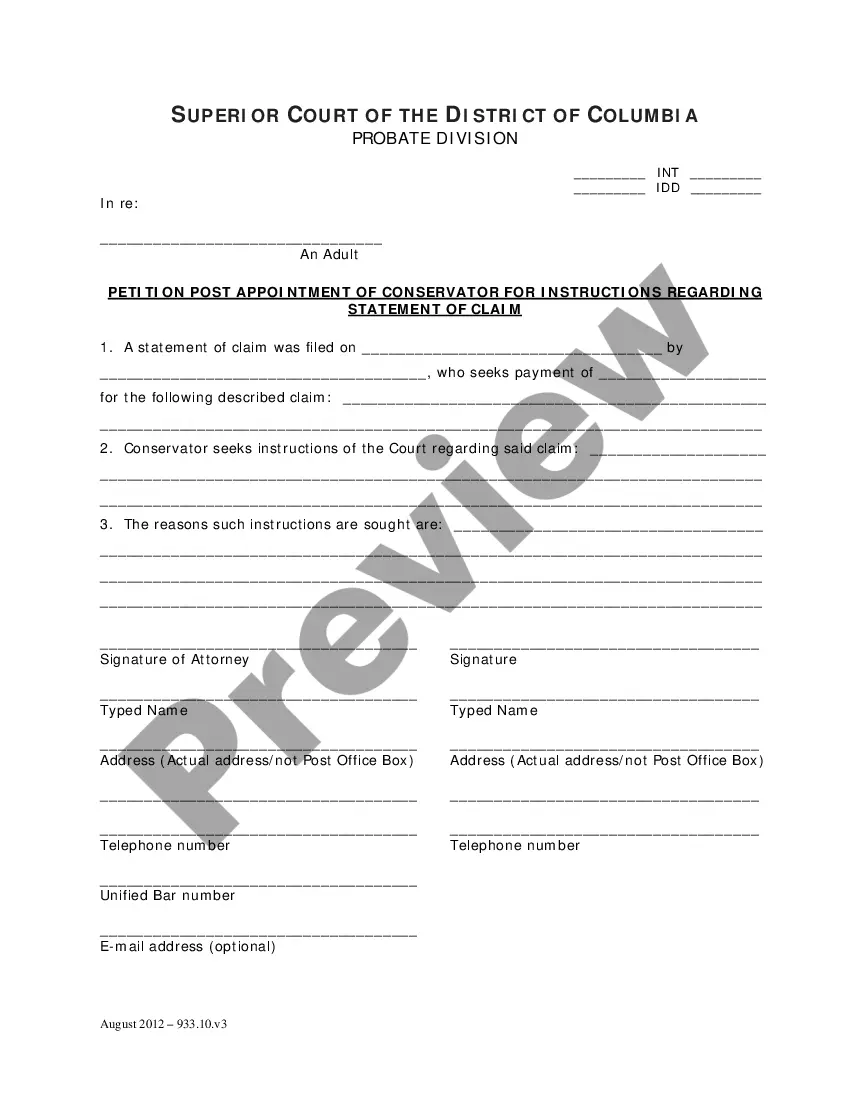
Monthly Bank Reconcilation
What is this form?
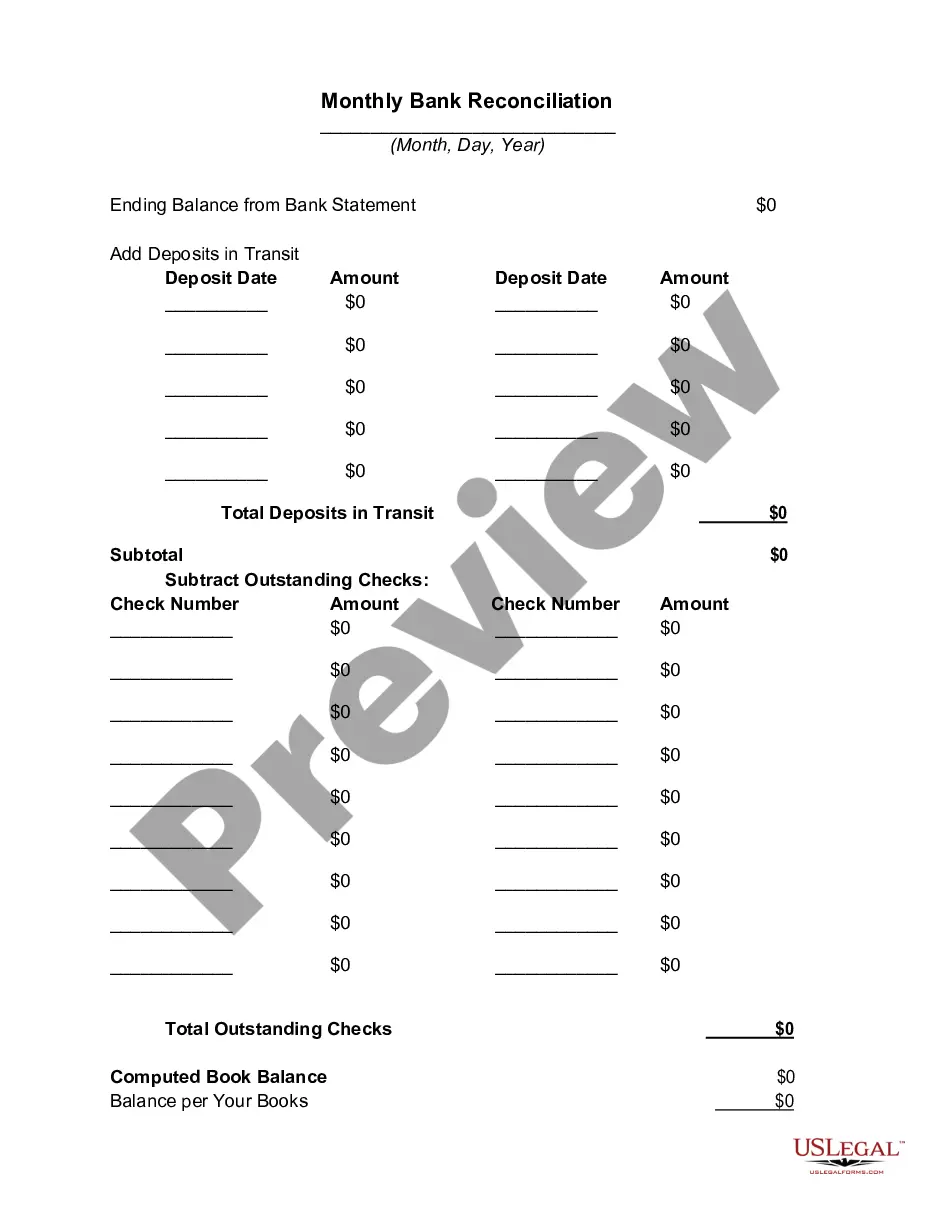
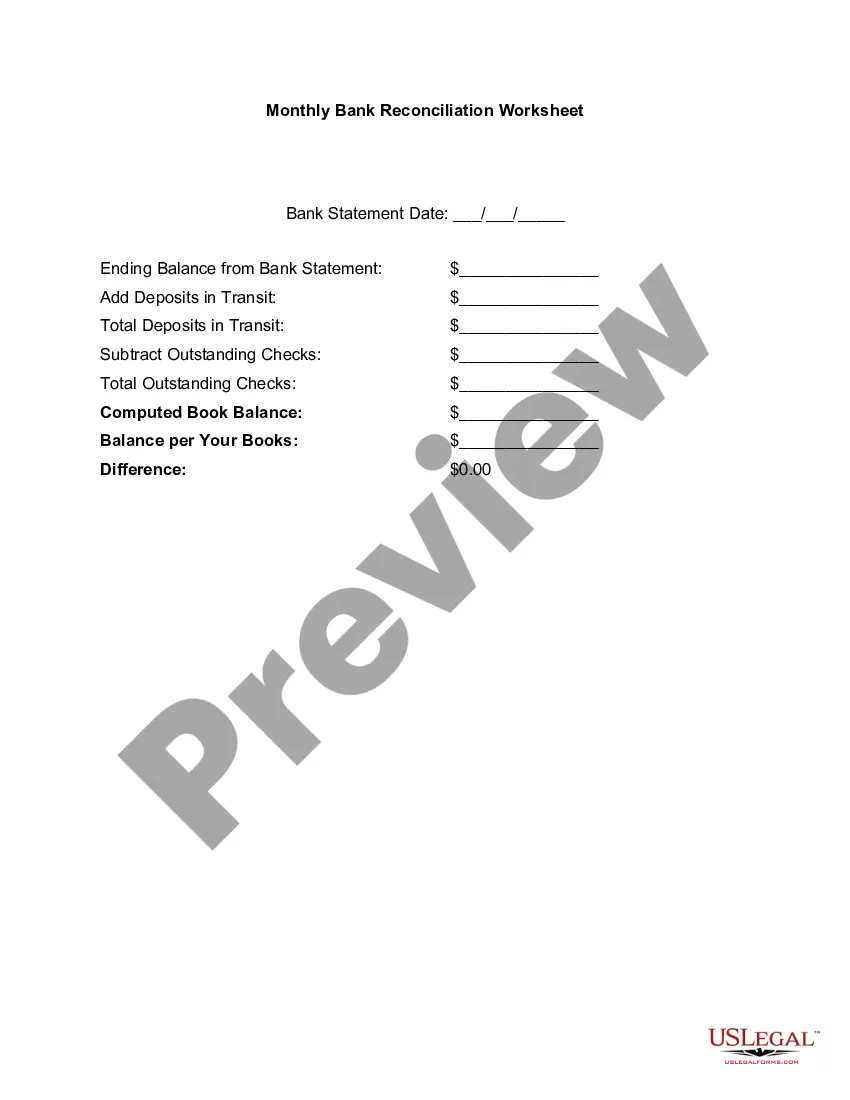
The Monthly Bank Reconciliation form is a financial tool used to compare the bank balance reflected in a bank statement to an organization's own accounting records. This form helps identify discrepancies and ensure that financial records are accurate. Regular use of this form facilitates financial transparency and helps prevent errors in accounting, which can be crucial for maintaining organizational integrity.
What’s included in this form
- Ending balance from the bank statement
- Deposits in transit with designated dates and amounts
- Outstanding checks with check numbers and amounts
- Computed book balance vs. balance per books
- Section to calculate differences between figures

When to use this form
This form should be used at regular intervals, such as monthly, to reconcile bank accounts. It is particularly useful when there are discrepancies between the bank statement and the accounting records, to identify missing transactions or errors in reporting. Regular reconciliation helps to safeguard against fraud and maintain accurate financial statements.
Who this form is for
This form is suitable for:
- Business owners and managers who handle financial records
- Accountants or bookkeeping professionals managing expenses and transactions
- Non-profit organizations needing to maintain financial transparency
- Individuals managing personal finances who want to track their bank statements against their records
How to prepare this document
- Begin by entering the ending balance from your bank statement.
- List all deposits in transit, specifying the deposit date and amount.
- Identify and note down all outstanding checks by check number and amount.
- Calculate the computed book balance based on the deposits and outstanding checks.
- Compare your computed book balance to the balance per your books, noting any discrepancies.
Notarization guidance
This form does not typically require notarization unless specified by local law. However, it is important to ensure that all information is accurate and complete to maintain the validity of the accounting records.
Get your form ready online
Our built-in tools help you complete, sign, share, and store your documents in one place.
Make edits, fill in missing information, and update formatting in US Legal Forms—just like you would in MS Word.
Download a copy, print it, send it by email, or mail it via USPS—whatever works best for your next step.
Sign and collect signatures with our SignNow integration. Send to multiple recipients, set reminders, and more. Go Premium to unlock E-Sign.
If this form requires notarization, complete it online through a secure video call—no need to meet a notary in person or wait for an appointment.
We protect your documents and personal data by following strict security and privacy standards.
Make edits, fill in missing information, and update formatting in US Legal Forms—just like you would in MS Word.
Download a copy, print it, send it by email, or mail it via USPS—whatever works best for your next step.
Sign and collect signatures with our SignNow integration. Send to multiple recipients, set reminders, and more. Go Premium to unlock E-Sign.
If this form requires notarization, complete it online through a secure video call—no need to meet a notary in person or wait for an appointment.
We protect your documents and personal data by following strict security and privacy standards.
Common mistakes to avoid
- Forgetting to include all deposits made during the period
- Missing out on outstanding checks that have not cleared yet
- Not updating the cash book to reflect recent transactions
- Rounding errors in calculations leading to discrepancies
Advantages of online completion
- Convenient access from any device, making it easy to maintain accurate records.
- Editable templates allow for clear and organized documentation.
- Provides a reliable framework, ensuring that essential information is captured consistently.
Legal use & context
- The Monthly Bank Reconciliation form is an essential document for maintaining accurate financial records.
- Using this form can aid in audits and financial reviews, providing clarity on cash management.
- This form is not legally binding, but ensures compliance with good accounting practices.
Quick recap
- The Monthly Bank Reconciliation is essential for accurate financial management.
- Frequent use minimizes discrepancies and helps detect errors promptly.
- This form is beneficial for businesses, organizations, and individuals alike.
Looking for another form?





Form popularity
FAQ
Beginning balance investigation. Match the beginning balance in the account to the ending reconciliation detail from the prior period. Current period investigation. Adjustments review. Reversals review. Ending balance review.
Get bank records. Gather your business records. Find a place to start. Go over your bank deposits and withdrawals. Check the income and expenses in your books. Adjust the bank statements. Adjust the cash balance. Compare the end balances.
Access bank records. Access software. Update uncleared checks. Update deposits in transit. Enter new expenses. Enter bank balance. Review reconciliation. Continue investigation.
Updated April 29, 2020. Account reconciliation is the process of comparing internal financial records against monthly statements from external sourcessuch as a bank, credit card company, or other financial institutionto make sure they match up.
Get bank records. You need a list of transactions from the bank. Get business records. Open your ledger of income and outgoings. Find your starting point. Run through bank deposits. Check the income on your books. Run through bank withdrawals. Check the expenses on your books. End balance.
Get bank records. You need a list of transactions from the bank. Get business records. Open your ledger of income and outgoings. Find your starting point. Run through bank deposits. Check the income on your books. Run through bank withdrawals. Check the expenses on your books. End balance.
Agree the Adjusted Book Balance noted on the reconciliation to the Balance Sheet. Review cancelled check images for unusual endorsements or signatures. Scan cleared checks on the reconciliation to ensure they appear as expected. Also look for potential duplicates.