Sample Letter for Production of Documents
What this document covers
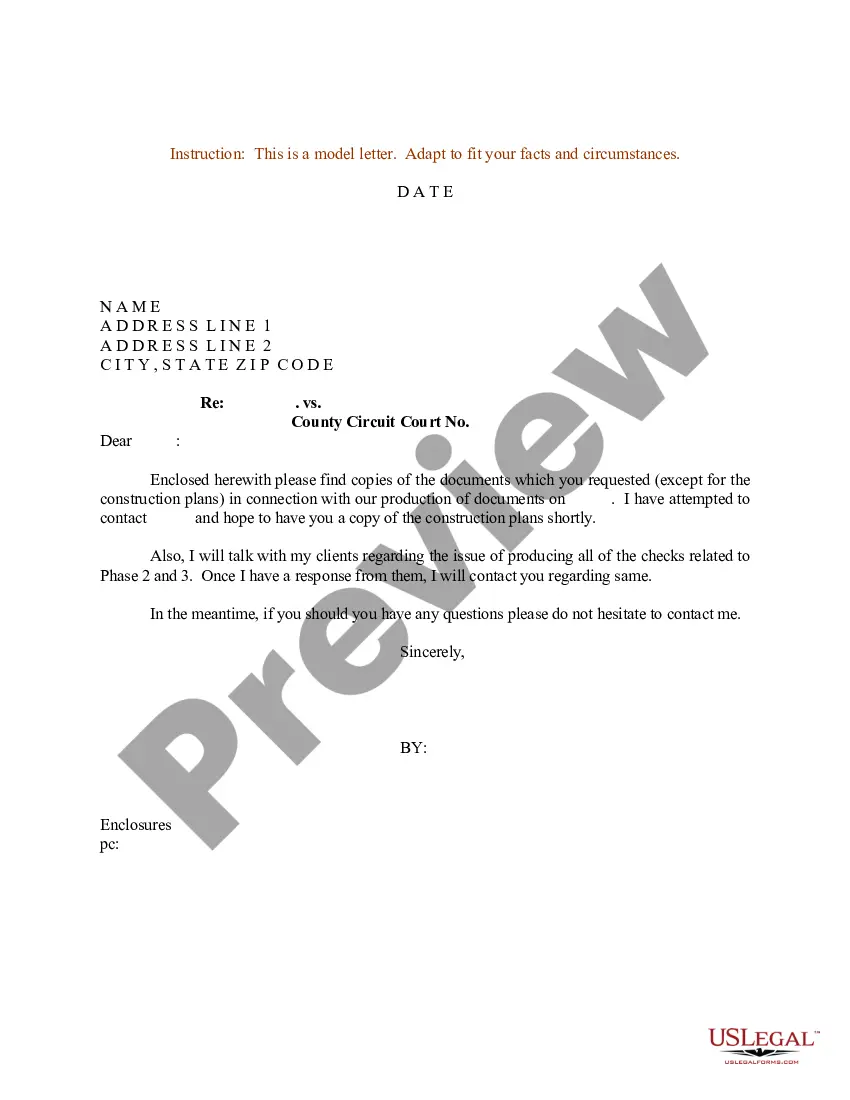
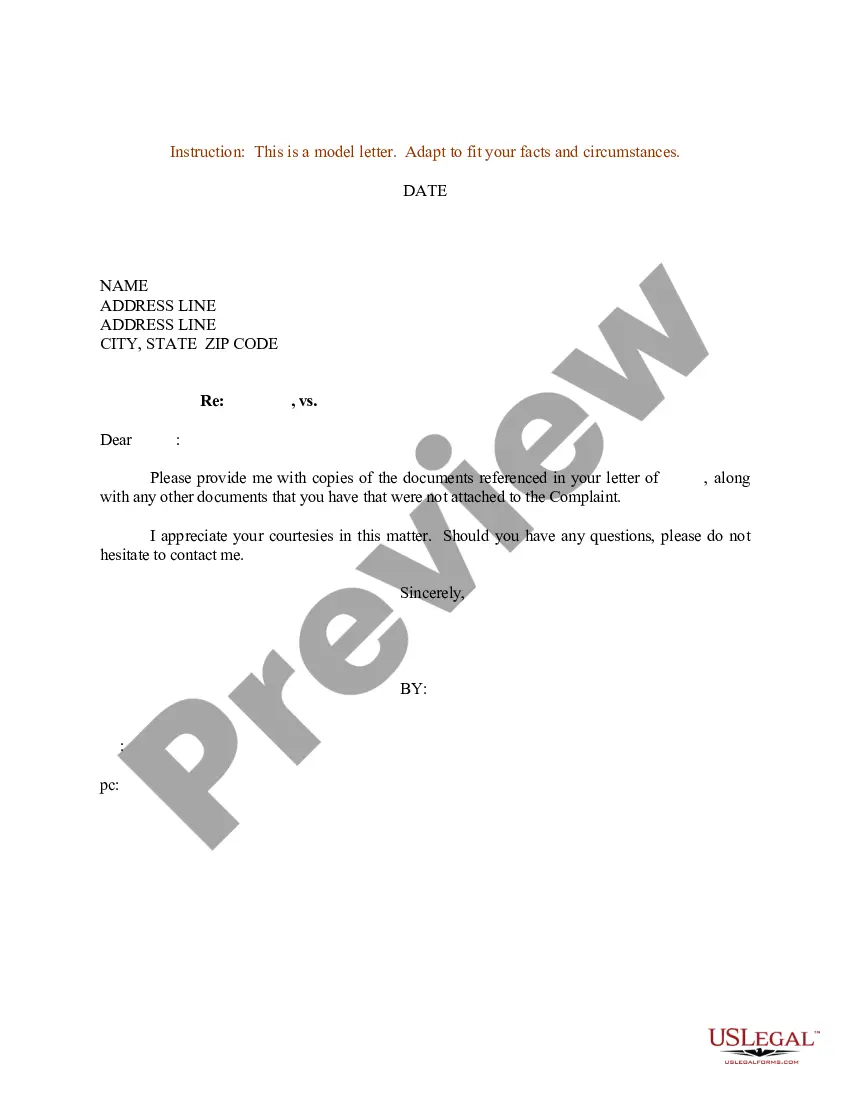
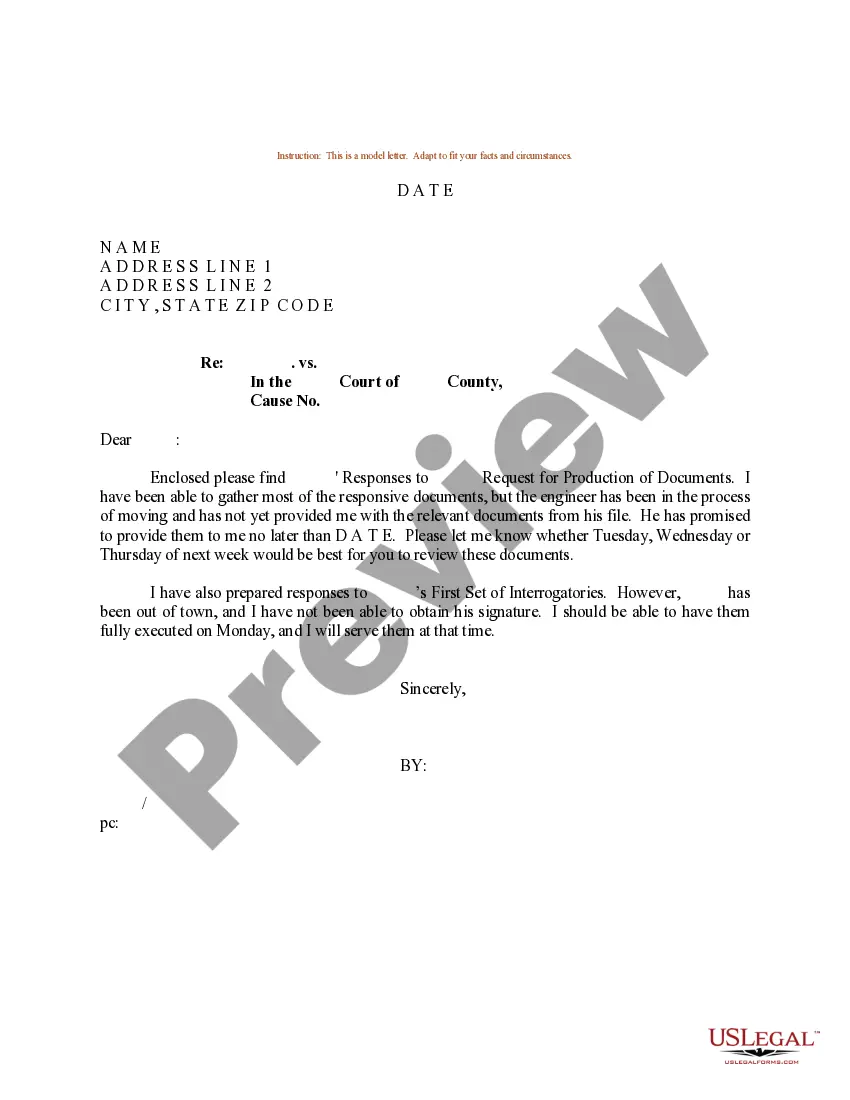
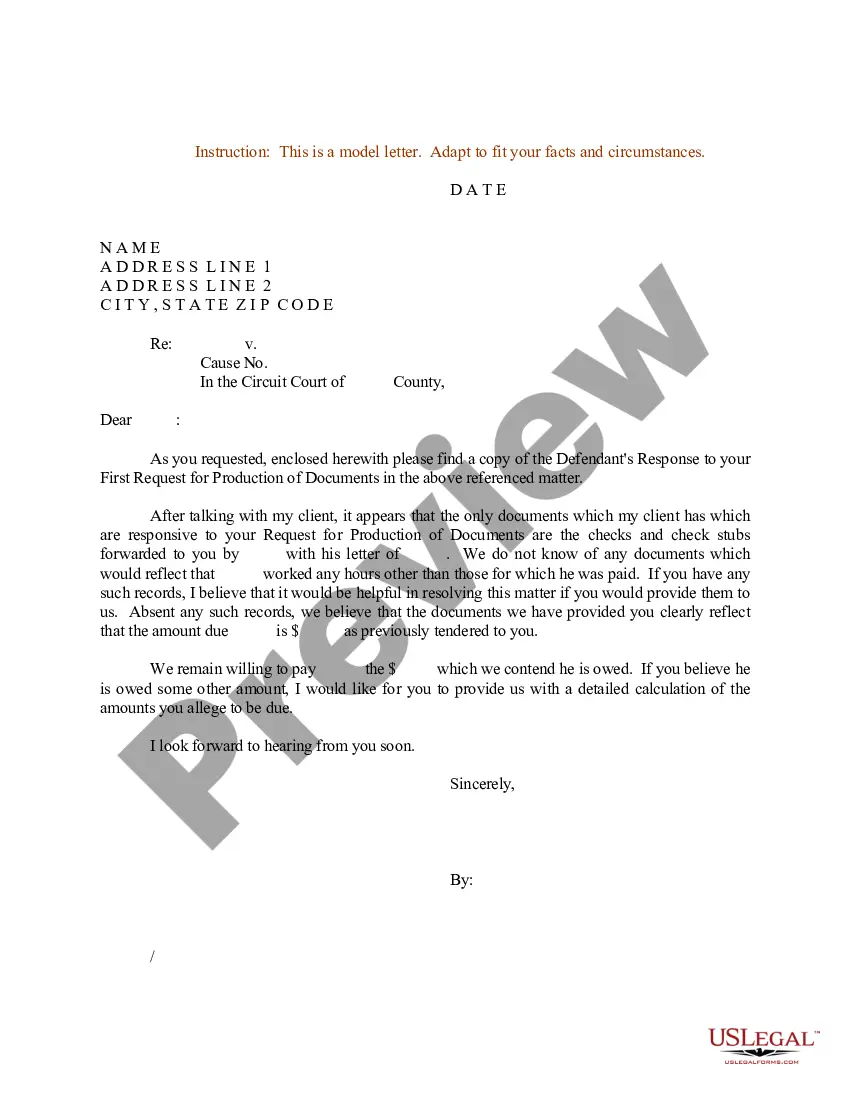
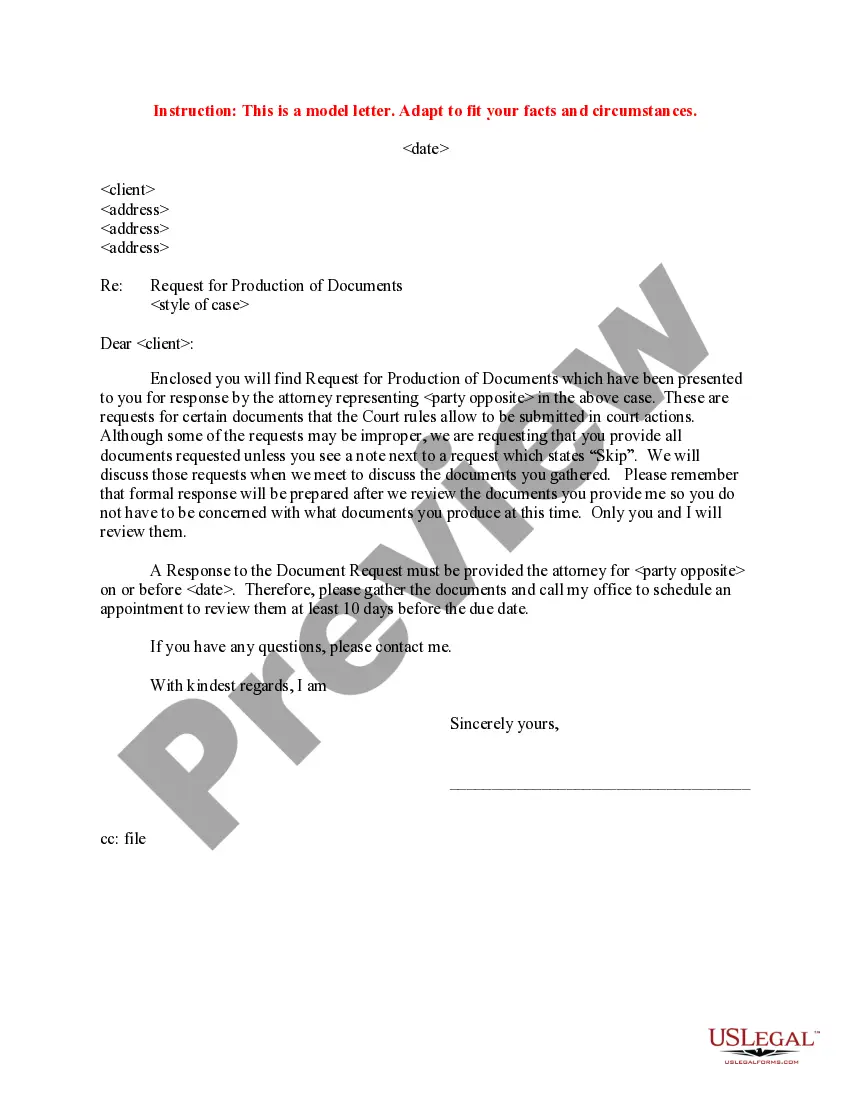
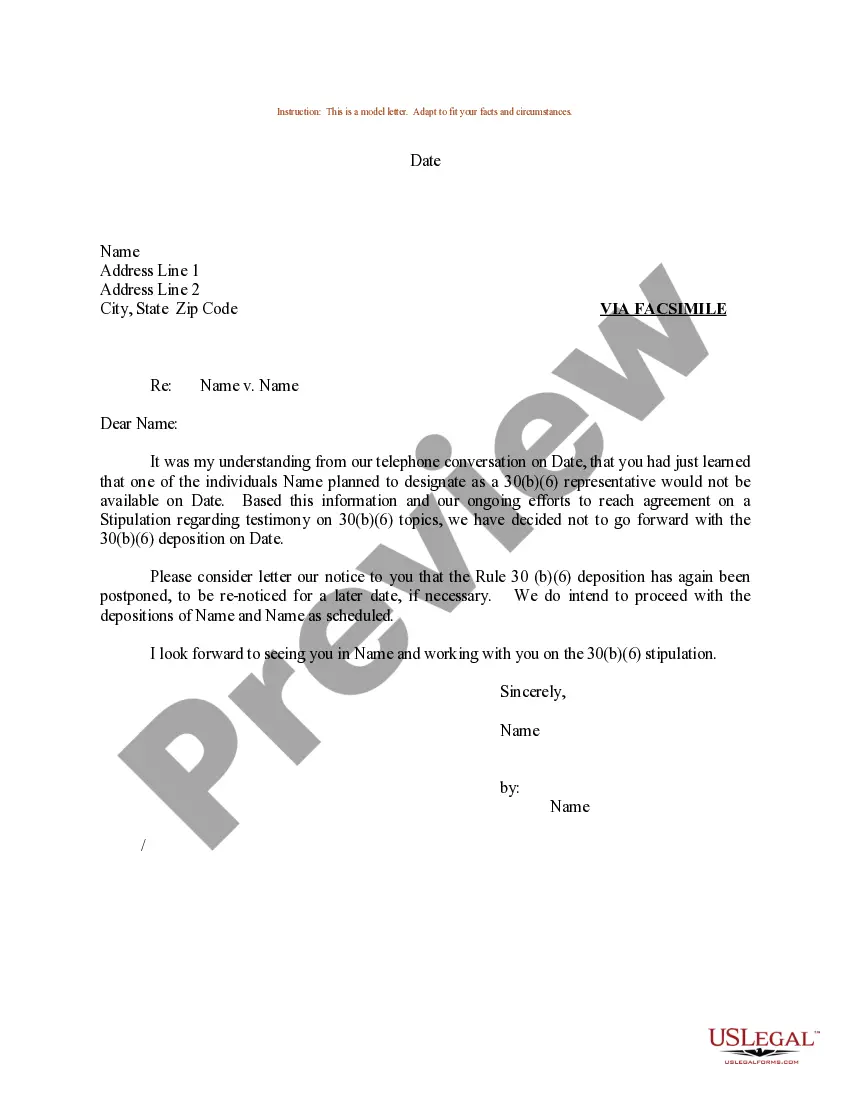
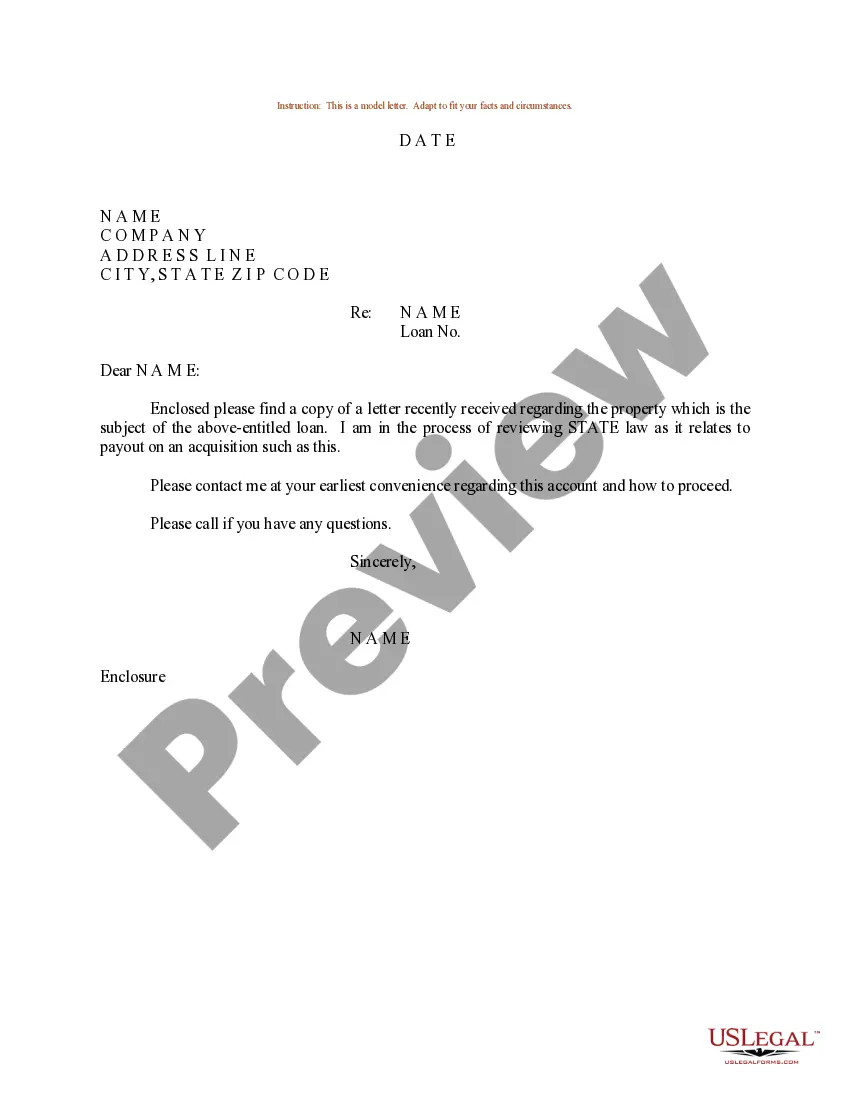
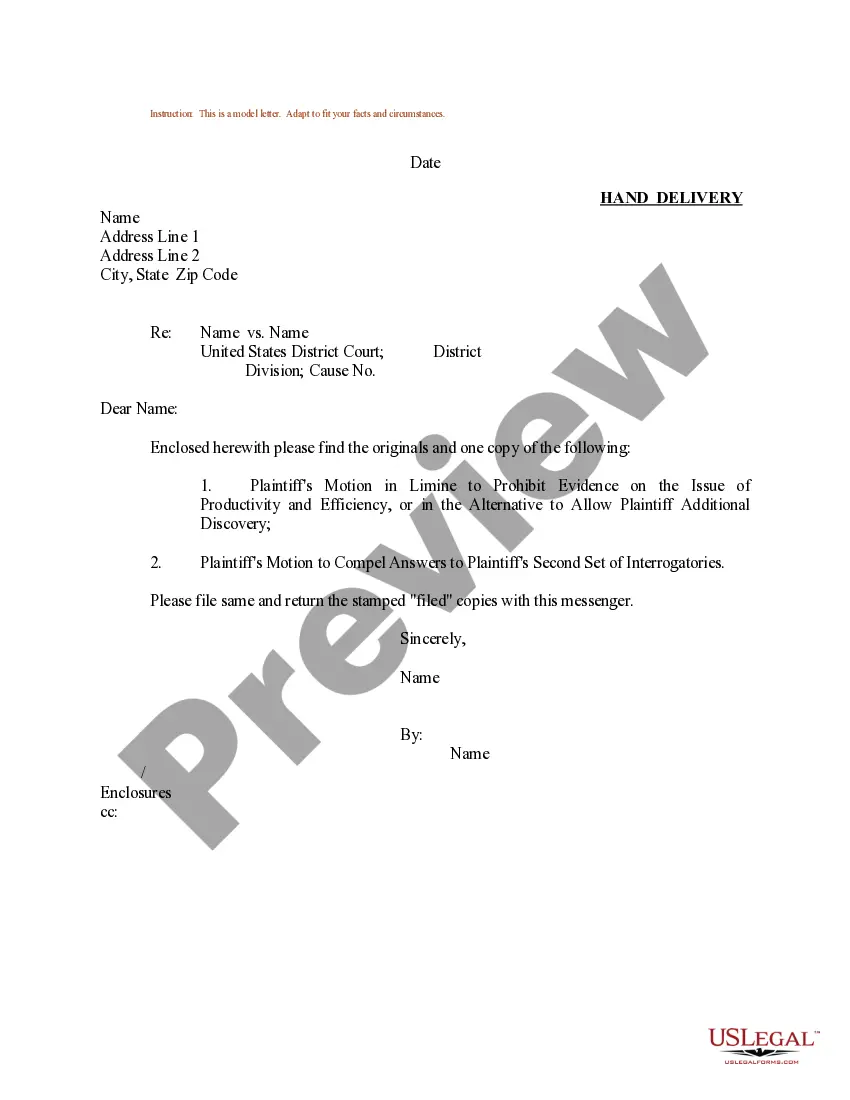
The Sample Letter for Production of Documents is a formal request template designed to obtain specific documents from another party. This letter serves as a means of documenting your request for information crucial to a legal matter or investigation. Unlike other forms such as subpoenas, this sample letter is more informal and is often used in pre-litigation stages or negotiations.
Key parts of this document
- Date of the request
- Sender's name and address
- Recipient's name and address
- Specific documents being requested
- A brief explanation of the request
- Signature of the sender
When this form is needed
This form is useful when you need to formally ask another party for documents related to a case, such as financial records, contracts, or correspondence. It might be utilized during negotiations, depositions, or even in preparation for potential litigation, ensuring that you have all necessary information at hand.
Who needs this form
- Attorneys preparing for a case
- Individuals involved in legal disputes
- Parties seeking information from another party in a transaction
- Businesses conducting due diligence before a merger or acquisition
Steps to complete this form
- Identify and enter the date of the request at the top of the letter.
- Input your full name and address to signify the sender.
- Enter the name and address of the recipient clearly.
- List the specific documents you are requesting in a clear manner.
- Provide a brief explanation of your request to clarify its purpose.
- Sign the letter to finalize your request before sending it.
Is notarization required?
This form does not typically require notarization unless specified by local law. Always verify whether notarization is necessary in your jurisdiction to ensure the legal validity of your request.
Get your form ready online
Our built-in tools help you complete, sign, share, and store your documents in one place.
Make edits, fill in missing information, and update formatting in US Legal Forms—just like you would in MS Word.
Download a copy, print it, send it by email, or mail it via USPS—whatever works best for your next step.
Sign and collect signatures with our SignNow integration. Send to multiple recipients, set reminders, and more. Go Premium to unlock E-Sign.
If this form requires notarization, complete it online through a secure video call—no need to meet a notary in person or wait for an appointment.
We protect your documents and personal data by following strict security and privacy standards.

Make edits, fill in missing information, and update formatting in US Legal Forms—just like you would in MS Word.

Download a copy, print it, send it by email, or mail it via USPS—whatever works best for your next step.

Sign and collect signatures with our SignNow integration. Send to multiple recipients, set reminders, and more. Go Premium to unlock E-Sign.

If this form requires notarization, complete it online through a secure video call—no need to meet a notary in person or wait for an appointment.

We protect your documents and personal data by following strict security and privacy standards.
Common mistakes to avoid
- Failing to include a specific deadline for the document request.
- Not providing sufficient detail about the documents needed.
- Omitting contact information for follow-up inquiries.
- Using overly complex language instead of clear, straightforward terms.
Benefits of using this form online
- Quick and easy to customize to fit your specific needs.
- Streamlines the document request process, saving time and effort.
- Access reliable templates drafted by licensed attorneys.
- Safe for data storage, allowing for easy retrieval and editing.
- This letter serves as a formal request and can be an important document in legal proceedings.
- Proper use of this letter can help prevent issues with admissibility of documents later in court.
Main things to remember
- Use this letter to formally request documents in a legal context.
- Ensure clarity in your requests to avoid misunderstandings.
- Customize the template as necessary to meet local rules.
Looking for another form?


Form popularity
FAQ
The Sample Letter for Production of Documents is a formal request template used to obtain specific documents from another party. It documents the request during pre-litigation or negotiations, and is more informal than a subpoena. The template covers date, sender and recipient addresses, the documents requested, a brief explanation, and a signature.
To write a request for production of documents using this form, fill in the date and the sender’s and recipient’s names and addresses, then list the specific documents being requested with reasonable particularity. Include a brief explanation of the purpose, and end with the sender’s signature. The form is designed for pre-litigation use.
Use the Sample Letter for Production of Documents to keep a professional tone. Clearly identify the documents requested with specificity, provide a concise explanation of why they’re needed, include the date and contact information for both parties, and sign the letter. This template supports negotiations and early case prep.
This form is a letter template, but it can be adapted for email. Include a clear subject line, replicate the date, addresses (or contact details), the specific documents, a brief explanation, and a signature or closing. Keep the tone professional and concise, suitable for pre-litigation or negotiation contexts.
When writing a letter of request for a document using this template, list the exact document(s) being requested and provide a brief explanation of why they’re needed. Include the date and contact information for both parties and end with a signature; the form supports requesting multiple documents.
This template is informal and designed for pre-litigation or negotiations, whereas subpoenas are formal, court-issued commands. It provides a structured request for documents via fields for dates, addresses, the documents, a brief explanation, and a signature, without court procedures.