Authorization for Use and Disclosure of Protected Health Information under HIPAA RULE 164.508
About this form
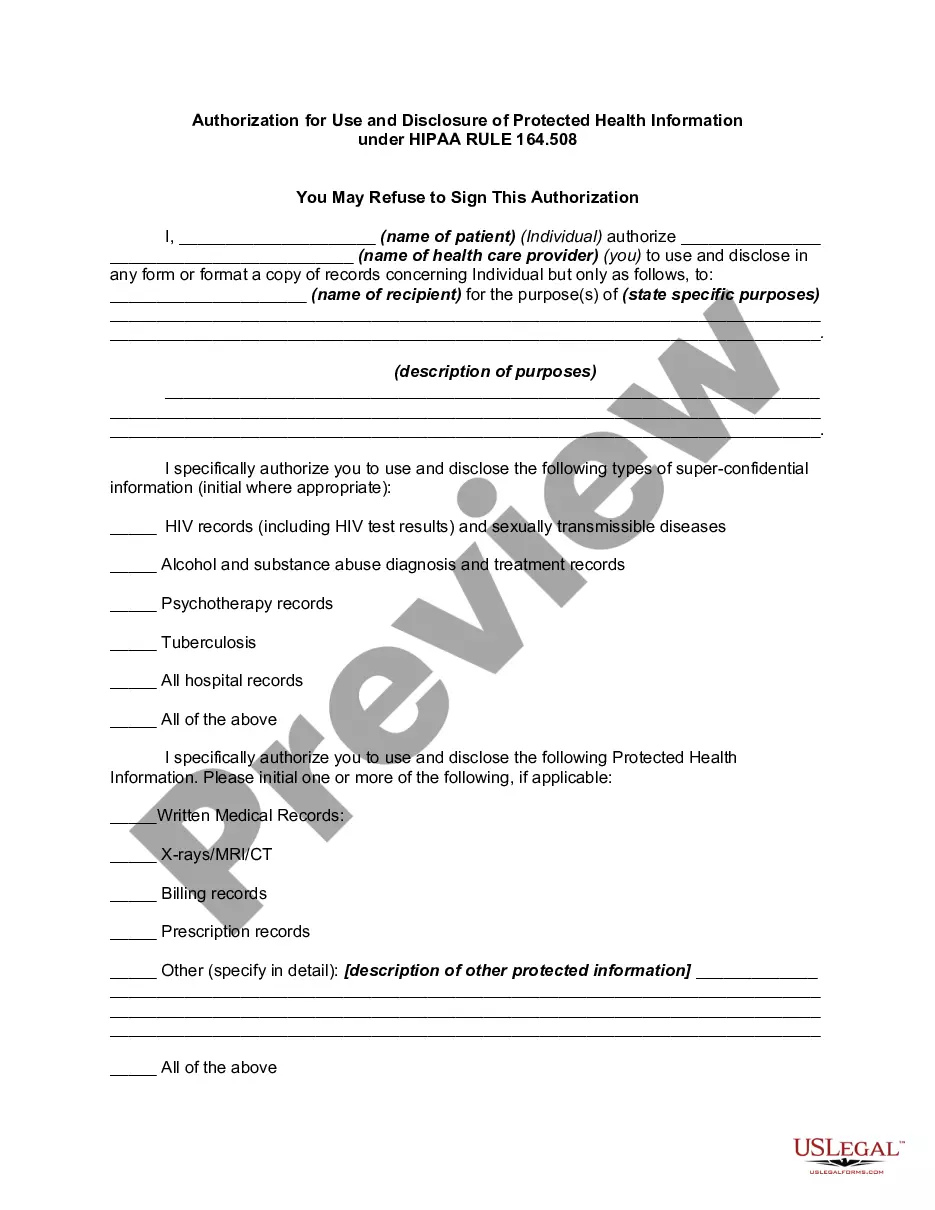
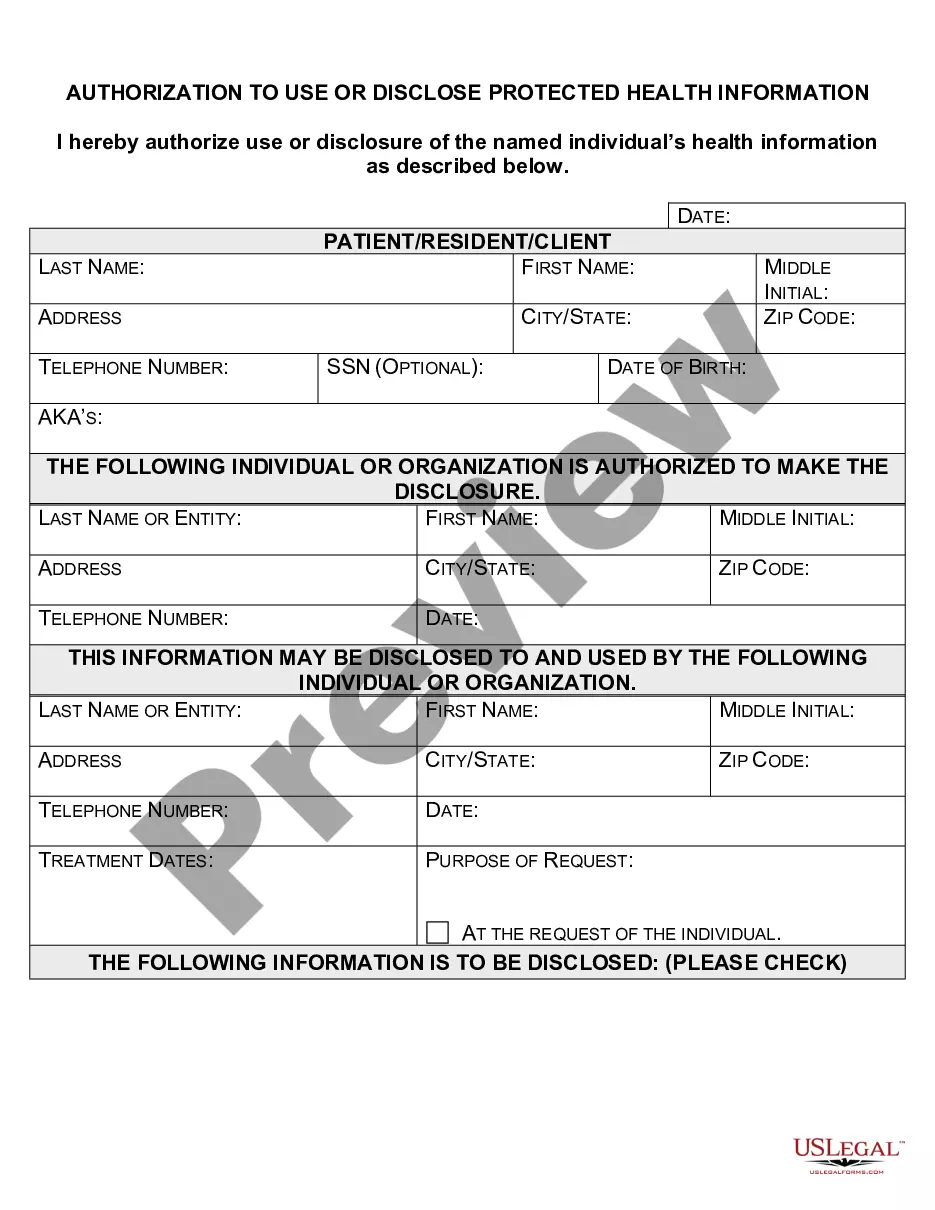
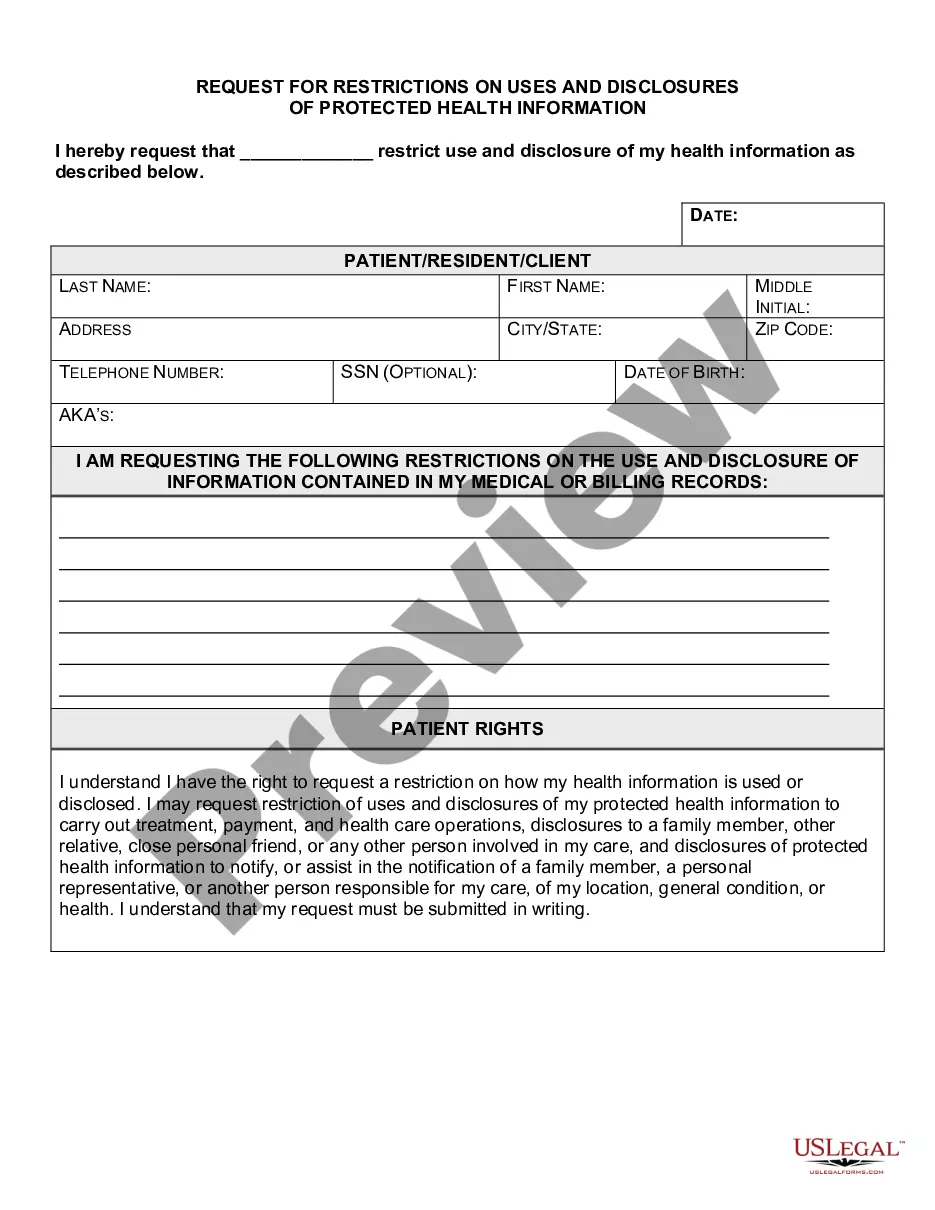
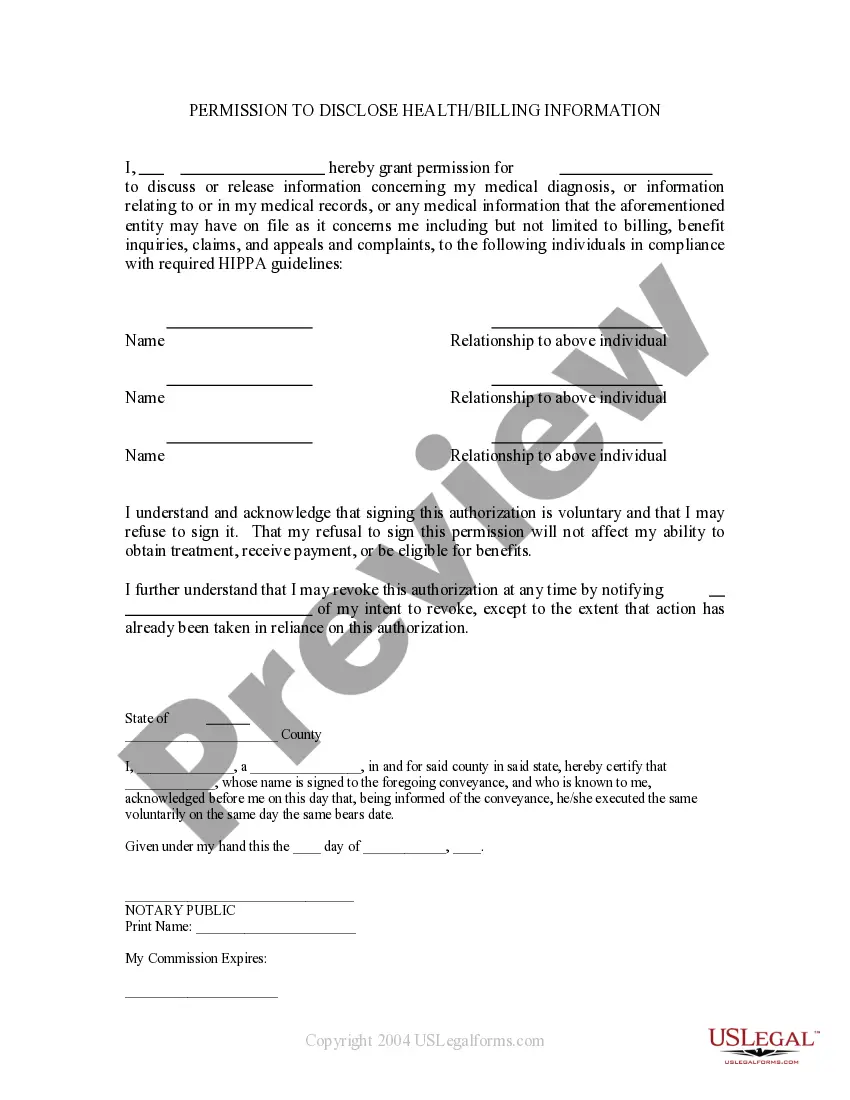
The Authorization for Use and Disclosure of Protected Health Information under HIPAA Rule 164.508 is a crucial legal document that allows healthcare providers to share your protected health information (PHI) with designated individuals or entities. This form is essential in ensuring that your health information is only disclosed with your explicit permission, setting it apart from general health record sharing, which may not require patient consent. Understanding and utilizing this form helps you maintain control over your health data in compliance with the Health Insurance Portability and Accountability Act (HIPAA).
Form components explained
- Patient's name and identity verification.
- Designation of the healthcare provider allowed to disclose information.
- Name of the recipient who will receive the health information.
- Specific purposes for which the information is being disclosed.
- Details regarding types of protected health information to be disclosed.
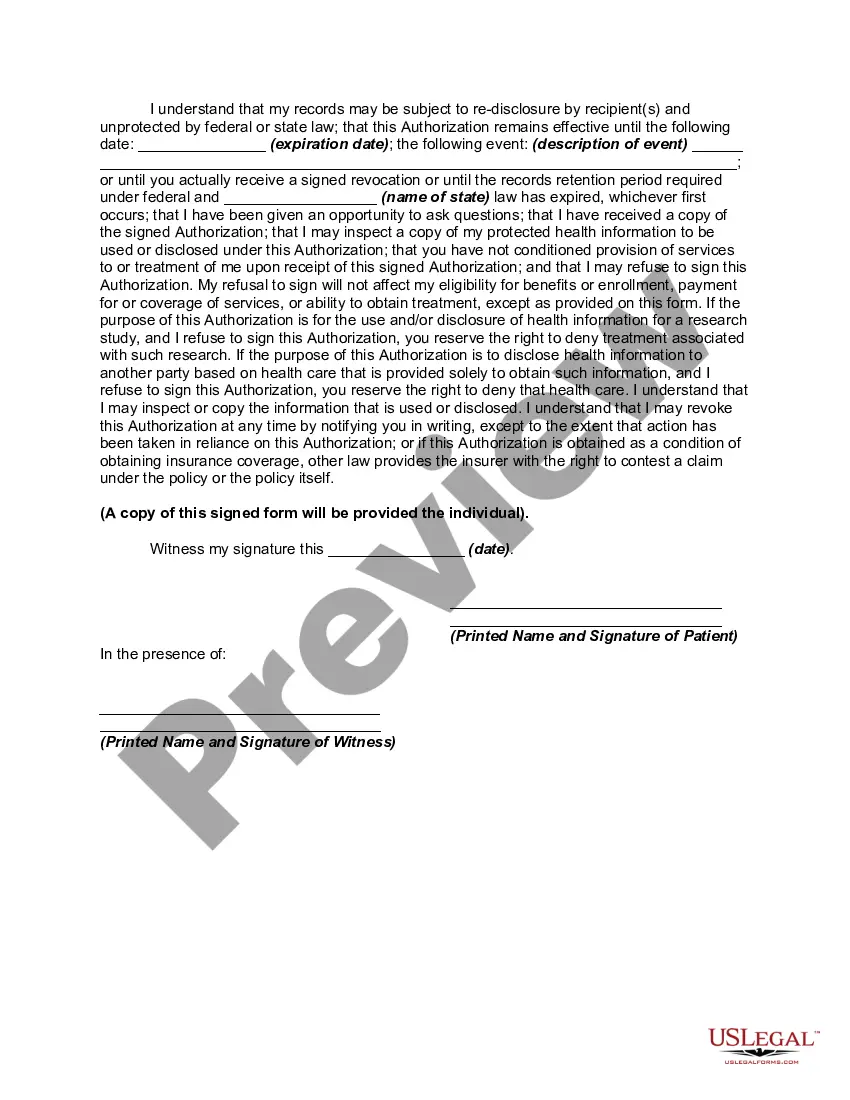
- Expiration date or event that terminates the authorization.
- Patient's signature and date of signing.
- Witness signature, if required.
When to use this document
This form should be used when you need to authorize a healthcare provider to release your protected health information to another party. Common situations include sharing your medical records with specialists, insurance companies, or for research purposes. It's particularly useful when you want to ensure that sensitive information, such as mental health or substance abuse treatment records, is shared only with specific individuals you trust.
Who can use this document
This form is intended for:
- Patients seeking to give permission for the release of their health information.
- Healthcare providers who need written consent to share patient health data.
- Individuals participating in research studies that require access to their health records.
Steps to complete this form
- Enter the patient's name at the top of the form to identify the individual whose information will be disclosed.
- Specify the healthcare provider's name authorized to release the records.
- Indicate the name of the person or entity that will receive the PHI.
- Clearly state the specific purpose for the disclosure of health information.
- Initial next to any particularly sensitive information categories being disclosed.
- Set an expiration date or event for when this authorization will no longer be valid.
- Sign and date the authorization, followed by a witness signature, if required.
Does this document require notarization?
This form does not typically require notarization unless specified by local law. It is important to confirm if your state has specific notarization requirements for medical authorization forms.
Get your form ready online
Our built-in tools help you complete, sign, share, and store your documents in one place.
Make edits, fill in missing information, and update formatting in US Legal Forms—just like you would in MS Word.
Download a copy, print it, send it by email, or mail it via USPS—whatever works best for your next step.
Sign and collect signatures with our SignNow integration. Send to multiple recipients, set reminders, and more. Go Premium to unlock E-Sign.
If this form requires notarization, complete it online through a secure video call—no need to meet a notary in person or wait for an appointment.
We protect your documents and personal data by following strict security and privacy standards.

Make edits, fill in missing information, and update formatting in US Legal Forms—just like you would in MS Word.

Download a copy, print it, send it by email, or mail it via USPS—whatever works best for your next step.

Sign and collect signatures with our SignNow integration. Send to multiple recipients, set reminders, and more. Go Premium to unlock E-Sign.

If this form requires notarization, complete it online through a secure video call—no need to meet a notary in person or wait for an appointment.

We protect your documents and personal data by following strict security and privacy standards.
Typical mistakes to avoid
- Not specifying the recipient of the health information.
- Failing to indicate the purpose for which the information is being disclosed.
- Leaving key sections blank, such as expiration dates or types of information.
- Failing to sign the authorization or providing a witness signature if required.
Benefits of completing this form online
- Convenient access to a legally drafted document tailored to your needs.
- Easy download and ability to edit information as required.
- Trustworthy templates created by licensed attorneys, ensuring compliance with legal standards.
- Secure storage and easy retrieval of your health authorization records.
Legal use & context
- This authorization allows for lawful sharing of your protected health information under HIPAA provisions.
- It helps protect privacy by ensuring controls are in place regarding who can access sensitive health data.
- Unauthorized use or disclosure of PHI can lead to legal consequences for the disclosing party.
Main things to remember
- The Authorization for Use and Disclosure of Protected Health Information is essential for complying with HIPAA.
- It empowers patients to control who accesses their sensitive health information.
- Properly completed, it enhances communication between healthcare providers and parties authorized to receive health data.
Looking for another form?
Form popularity
FAQ
A covered entity must disclose protected health information in only two situations: (a) to individuals (or their personal representatives) specifically when they request access to, or an accounting of disclosures of, their protected health information; and (b) to HHS when it is undertaking a compliance investigation or
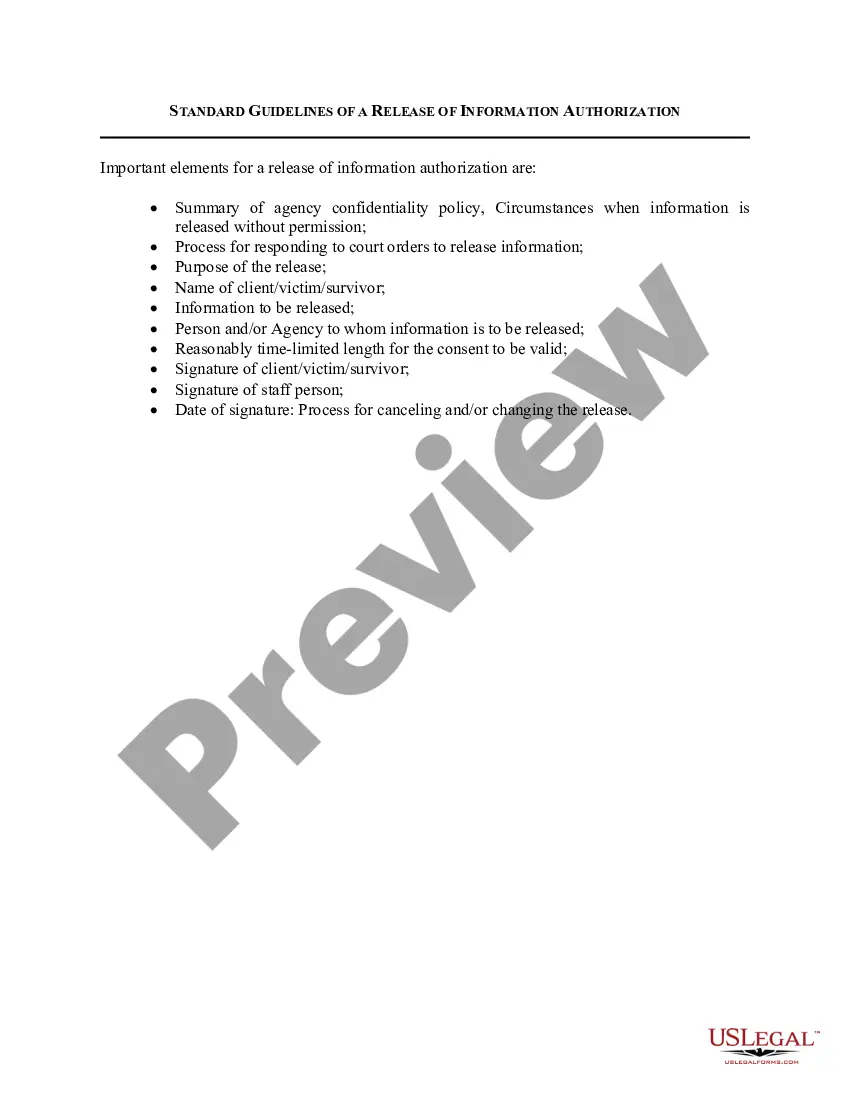
The core elements of a valid authorization include: A meaningful description of the information to be disclosed. The name of the individual or the name of the person authorized to make the requested disclosure.An expiration date or an expiration event that relates to the individual.
An authorization is a detailed document that gives covered entities permission to use protected health information for specified purposes, which are generally other than treatment, payment, or health care operations, or to disclose protected health information to a third party specified by the individual.
In general, a covered entity may only use or disclose PHI if either: (1) the HIPAA Privacy Rule specifically permits or requires it; or (2) the individual who is the subject of the information gives authorization in writing. We note that this blog only discusses HIPAA; other federal or state privacy laws may apply.
There are three specific situations where a covered entity must obtain written authorization unless of course it falls under an exception or is already a permitted use or disclosure (see 45 CFR § 164.508(a)): for the use and disclosure of psychotherapy notes; for the use and disclosure of PHI for marketing; and.
A covered entity is permitted, but not required, to use and disclose protected health information, without an individual's authorization, for the following purposes or situations: (1) To the Individual (unless required for access or accounting of disclosures); (2) Treatment, Payment, and Health Care Operations; (3)
The core elements of a valid authorization include: A meaningful description of the information to be disclosed. The name of the individual or the name of the person authorized to make the requested disclosure. The name or other identification of the recipient of the information.
Use or disclosure of psychotherapy notes other than for specific treatment, payment, or health care operations (see 45 CFR §164.508(a)(2)(i) and (a)(2)(ii)) Use or disclosure of substance abuse and treatment records. Use or disclosure of PHI for research purposes.