Agreement for Sale of Dental and Orthodontic Practice
What is this form?
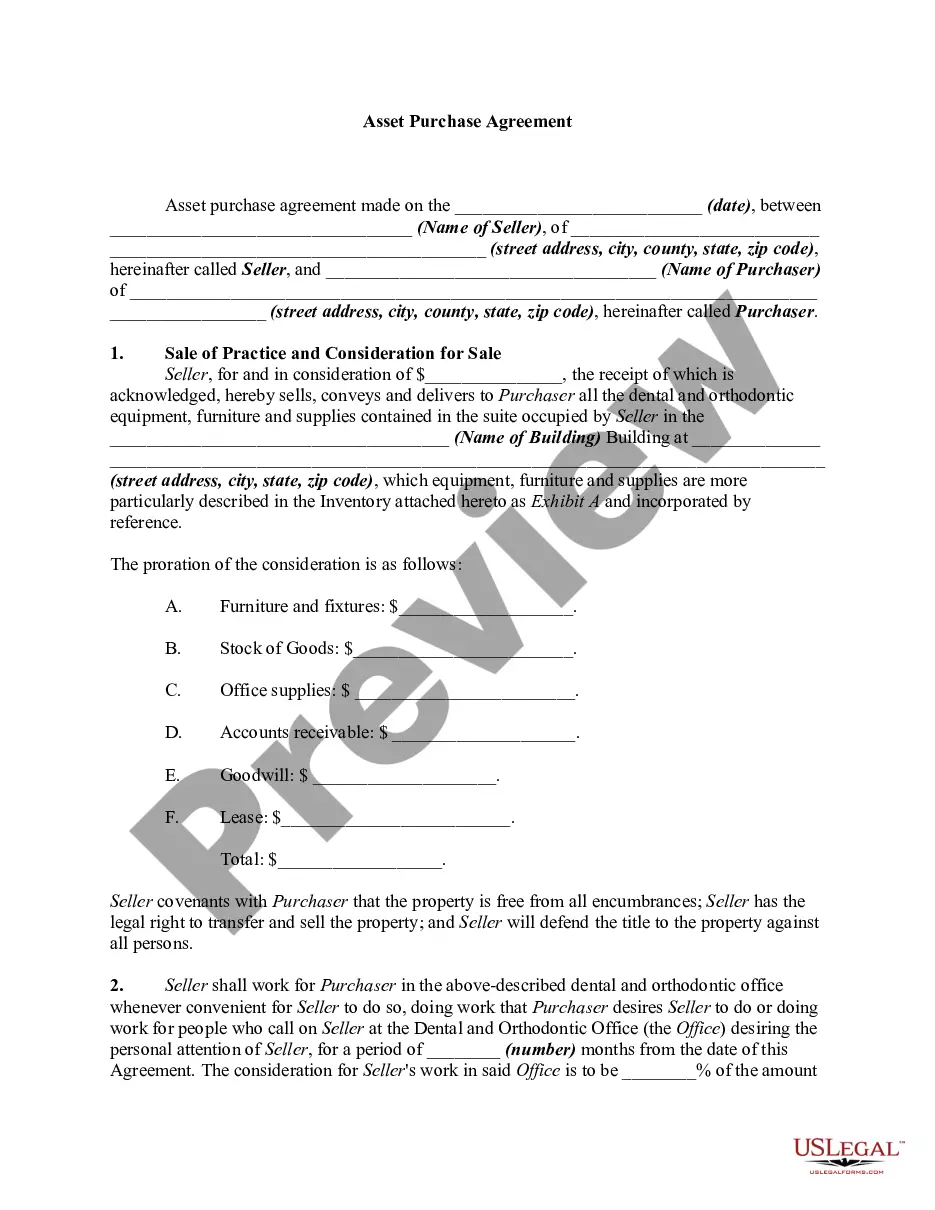
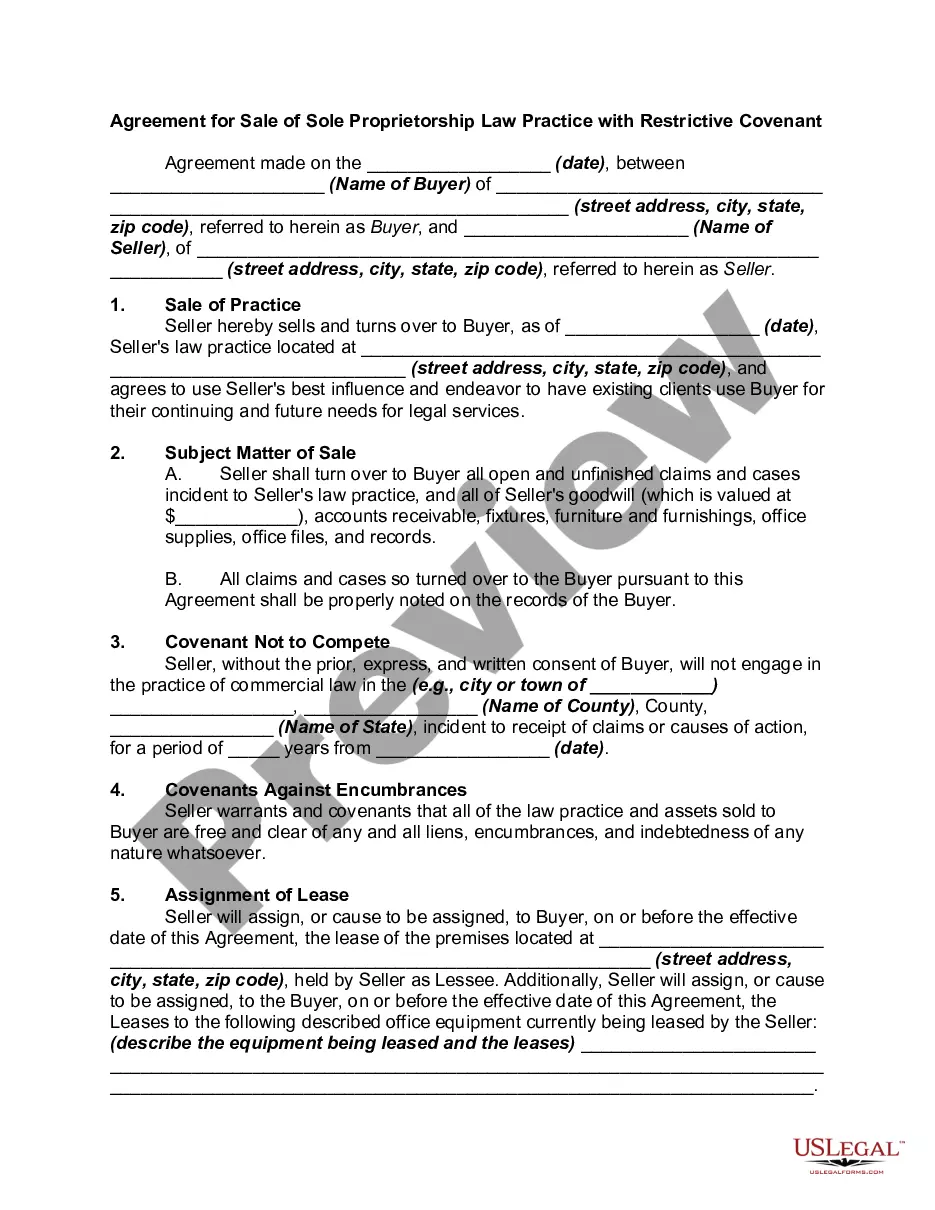
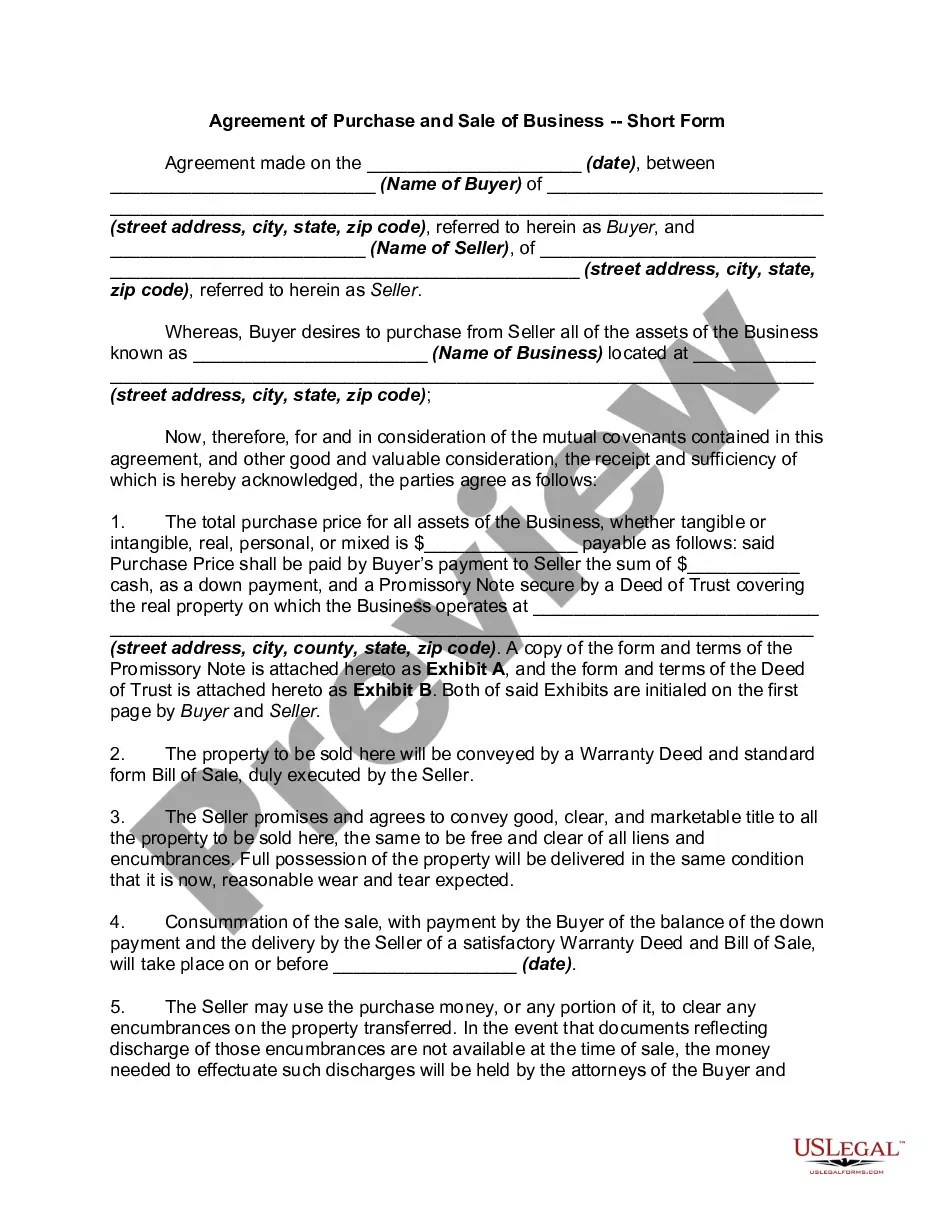
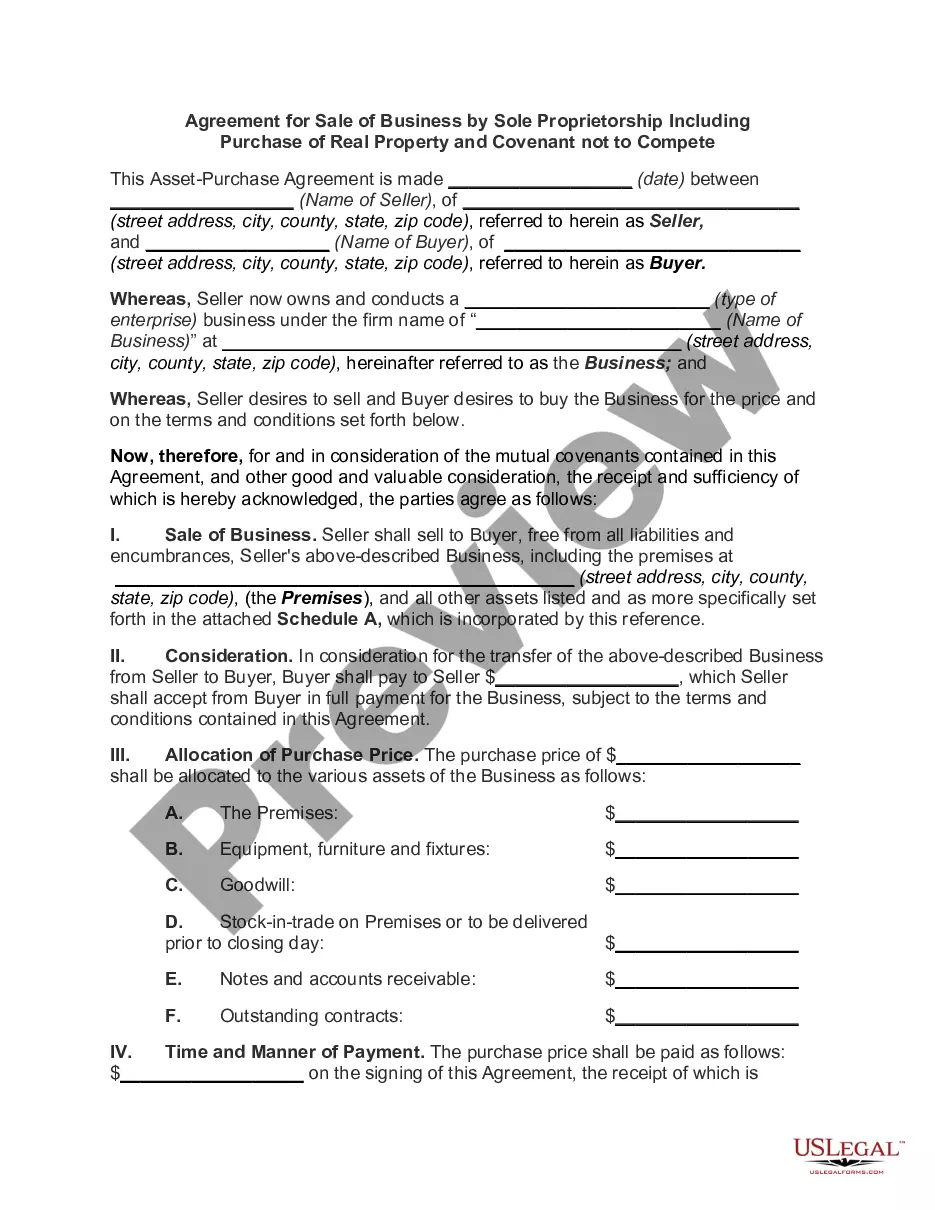
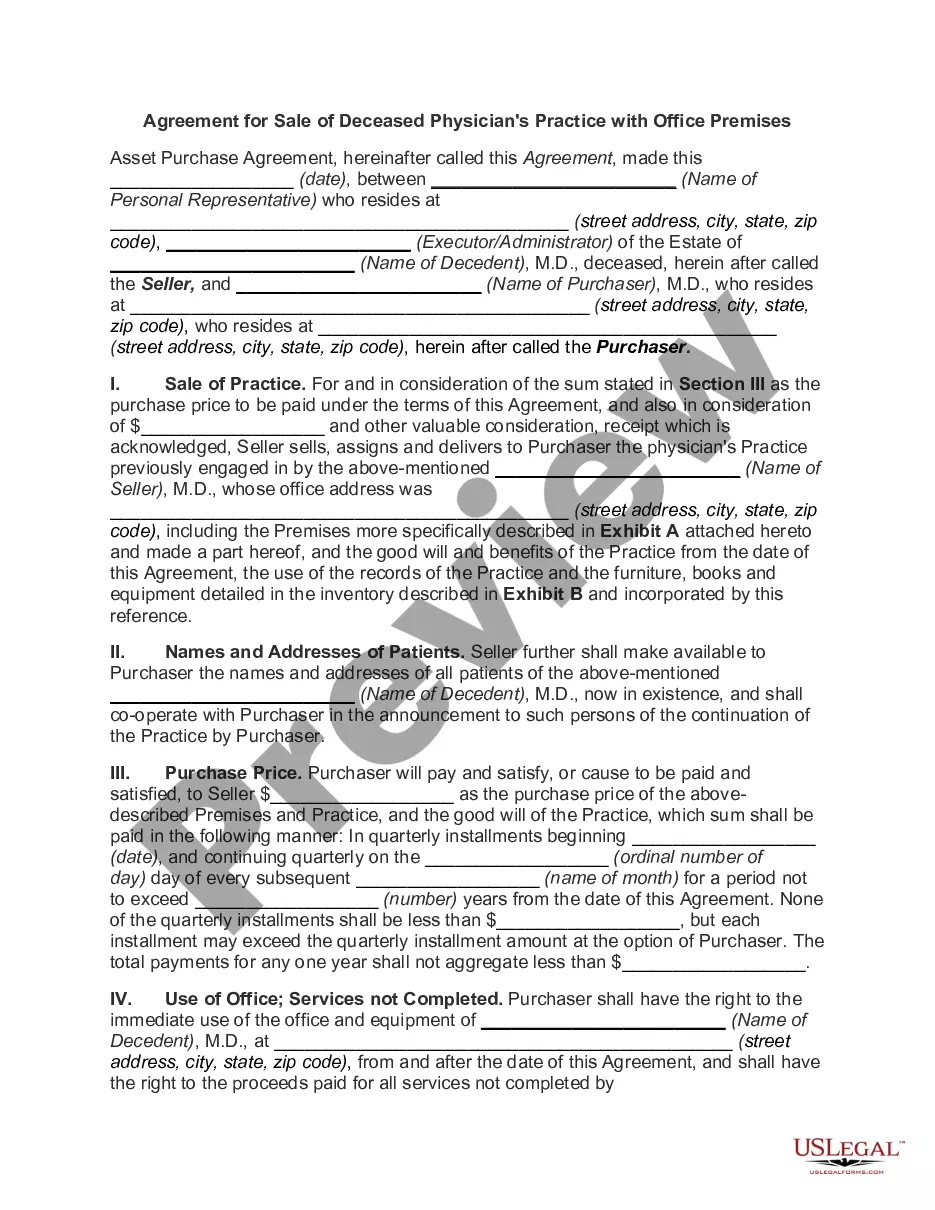
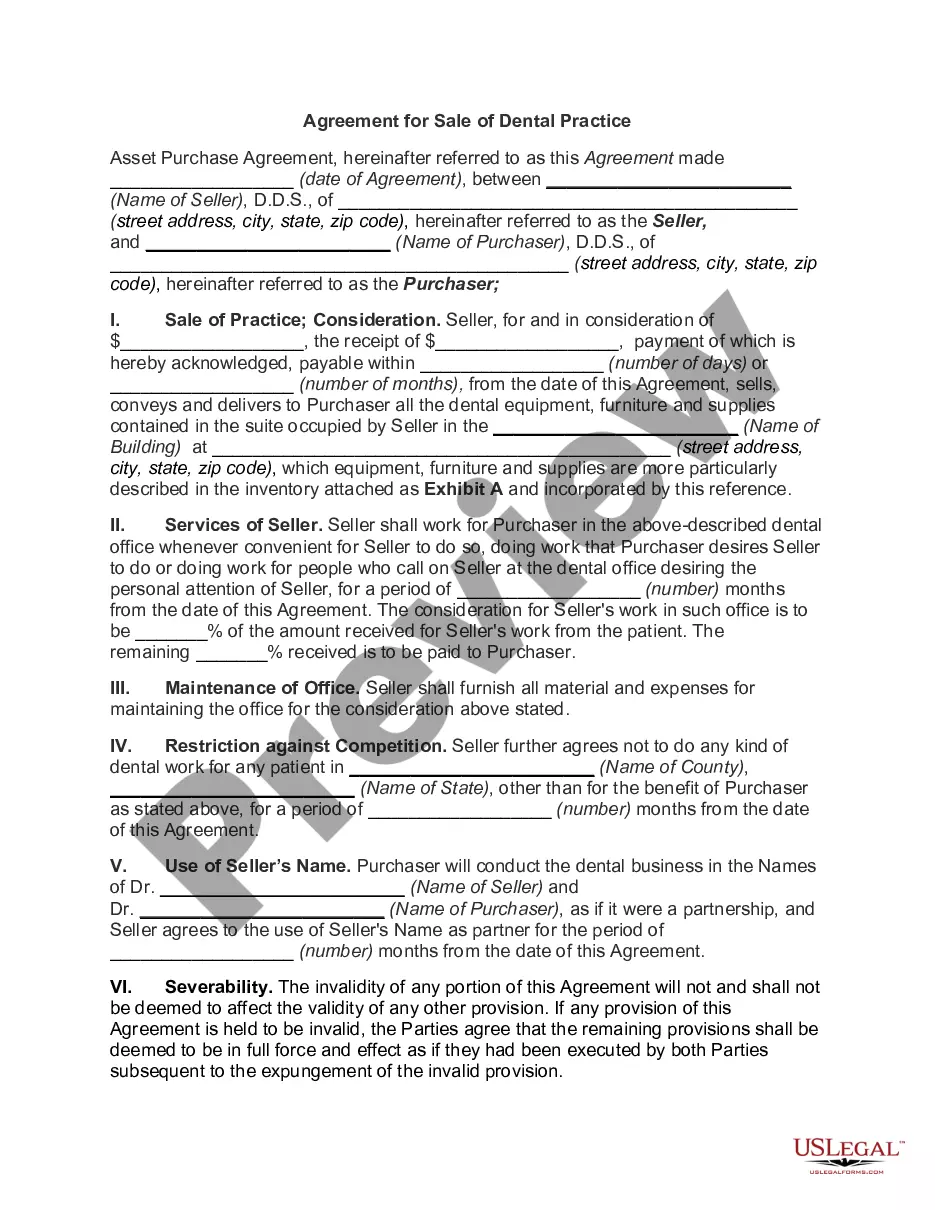
The Agreement for Sale of Dental and Orthodontic Practice is a legal document that facilitates the sale of a dental or orthodontic practice, including all associated assets like equipment and goodwill. This agreement addresses key aspects of the sale, such as the allocation of the purchase price among different assets, which is crucial for both tax and legal purposes. It differs from generic business sale agreements by being tailored specifically for dental practices, considering their operational nuances and regulatory requirements.
Form components explained
- Asset purchase agreement details the buyer and seller information.
- Consideration for sale outlines the total amount and allocation of payments among various assets.
- Seller's covenant ensures that the property is free from encumbrances and the seller has the legal right to sell.
- Post-sale involvement of the seller delineates any ongoing responsibilities and financial considerations.
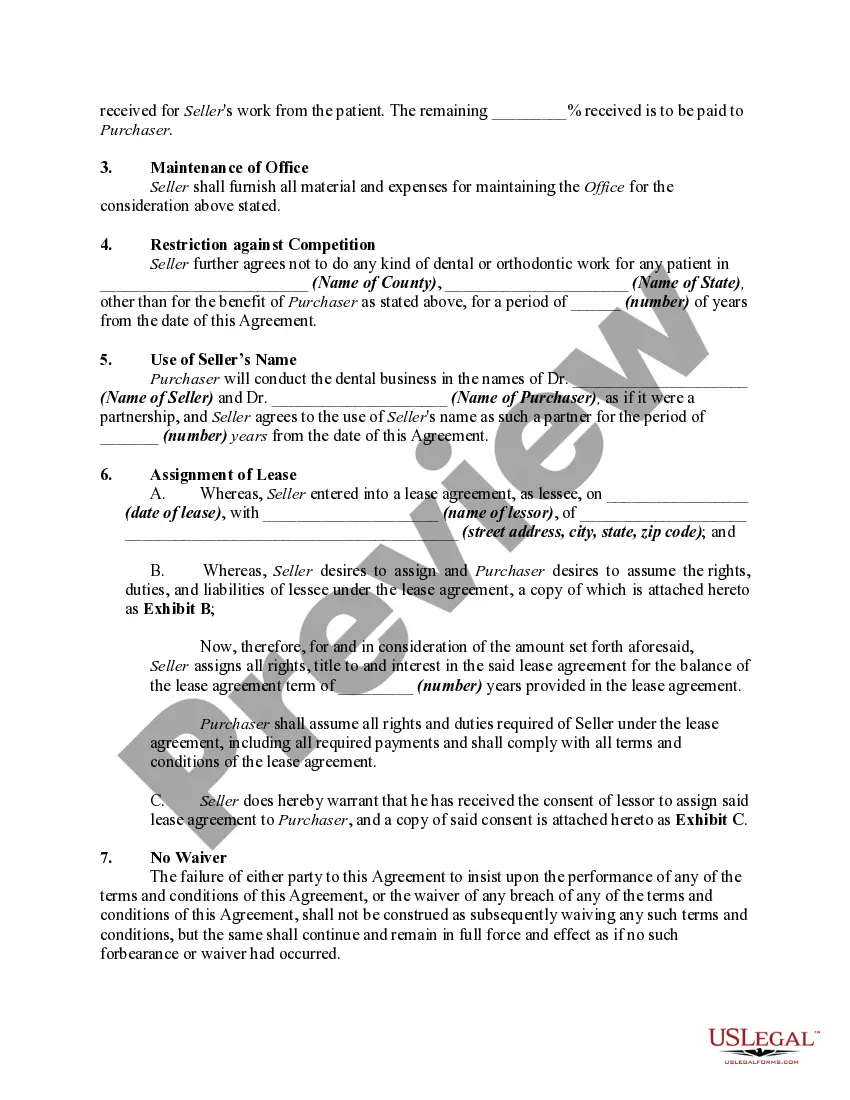
- Lease assignment details rights and duties under an existing lease agreement.
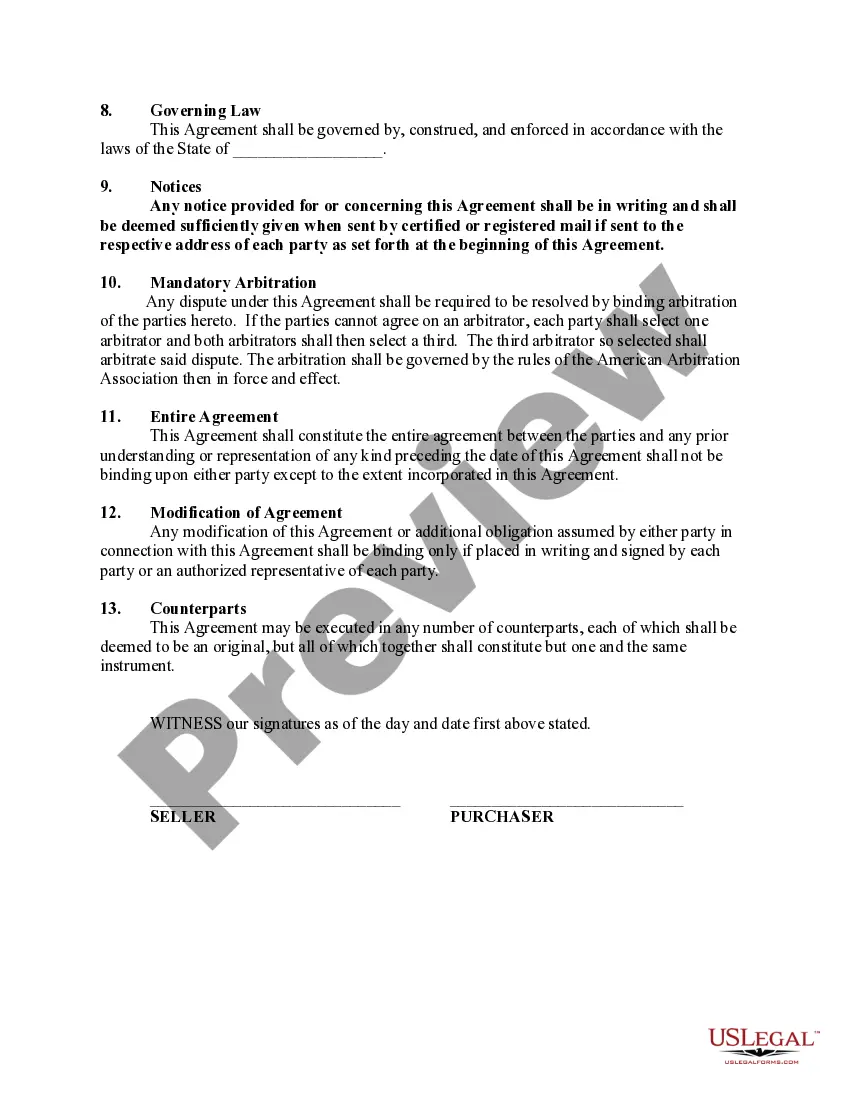
- Non-compete agreement restricts the seller from providing similar services in a specified area for a defined time.
Common use cases
This form should be used when a dentist or orthodontist is selling their practice to another qualified buyer. Situations include retirement, professional relocation, or a decision to shift career paths. It is important for both parties to ensure the sale is documented correctly to prevent disputes over the ownership and terms of the sale.
Who needs this form
- Dental and orthodontic practice owners looking to sell their business.
- Buyers interested in acquiring an existing dental or orthodontic practice.
- Attorneys representing either sellers or buyers in the sale of a dental practice.
Instructions for completing this form
- Identify the parties involved by filling in the seller and purchaser's names and addresses.
- Specify the consideration amount and allocate it among various assets being sold.
- Detail the terms related to the seller's continued involvement and compensation after the sale.
- Include the specifics of the lease assignment and confirm consent from the lessor.
- Sign and date the agreement, ensuring all parties receive copies for their records.
Notarization requirements for this form
Notarization is not commonly needed for this form. However, certain documents or local rules may make it necessary. Our notarization service, powered by Notarize, allows you to finalize it securely online anytime, day or night.
Get your form ready online
Our built-in tools help you complete, sign, share, and store your documents in one place.
Make edits, fill in missing information, and update formatting in US Legal Forms—just like you would in MS Word.
Download a copy, print it, send it by email, or mail it via USPS—whatever works best for your next step.
Sign and collect signatures with our SignNow integration. Send to multiple recipients, set reminders, and more. Go Premium to unlock E-Sign.
If this form requires notarization, complete it online through a secure video call—no need to meet a notary in person or wait for an appointment.
We protect your documents and personal data by following strict security and privacy standards.

Make edits, fill in missing information, and update formatting in US Legal Forms—just like you would in MS Word.

Download a copy, print it, send it by email, or mail it via USPS—whatever works best for your next step.

Sign and collect signatures with our SignNow integration. Send to multiple recipients, set reminders, and more. Go Premium to unlock E-Sign.

If this form requires notarization, complete it online through a secure video call—no need to meet a notary in person or wait for an appointment.

We protect your documents and personal data by following strict security and privacy standards.
Common mistakes
- Failing to properly allocate the purchase price among different assets.
- Not including all necessary details regarding the lease assignment.
- Overlooking the inclusion of a non-compete clause, if applicable.
- Not having the agreement reviewed by a legal professional before signing.
Why complete this form online
- Convenience of immediate access and downloadable format.
- Editable templates allow for customization to fit specific needs.
- Reliability of forms drafted by licensed attorneys with expertise in business transactions.
Looking for another form?

Form popularity
FAQ
The average American dentist's overhead is 73 percent. The lab expense is 8 percent and staff overhead is 30 percent. The average dentist's actions demonstrate a willingness to be "everything to everybody"and that dentist is paying dearly for this lack of vision.
Average fair market value to collections looks at the sales price relative to the amount of annual revenue, usually over the last 1-3 years. For example, if an oral surgery practice is collecting $1,000,000 sold for an average of 68.57%, the sales price would be $685,700.
Cross out all expense accounts related to owners and doctors. Add up the remaining expense accounts together. Divide the amount from step two against your total income then multiply by 100 for the percentage.
According to ada.org, the average net salary for dental practice owners in the US in 2018 was $197.2k for general dentists and $330.2k for specialist dentists. Ziprecruiter.com states that the average is slightly lower at $178.6k for a dentist running a private practice, with highs of $366.5k and lows of $25.5k.
In a business that is performing well, an overhead percentage that does not exceed 35% of total revenue is considered favourable. In small or growing firms, the overhead percentage is usually the critical figure that is of concern.
According to the Survey of Dental Practice, the average net income for dentists in private practice in 2019 was $204,710 for general dentists and $343,410 for specialists. The U.S. Bureau of Labor Statistics estimates the average annual income for general dentists is $180,830.
For dental practices, every cost not associated with dentist income is considered overhead, including employee compensation, rent or mortgage, supplies, equipment, and utilities.
Local Awareness Facebook Ads. While you want to get the word out about your dental practice, being specific about who you market to is important. Click to Call Ads. Mobile Call-Only Ads. 4. Facebook Demographic Targeting. Appointment Reminders. Google Ads Income Targeting. Remarketing Ads. New! Facebook Messaging Ad Type.
The profit margin of the dental practice you're considering should be at least 40%. A 40% profit margin (or 60% overhead) is close to the average profitability of dental practices in the US. If the practice you're looking at is below that number, it could be a sign the practice isn't as well run as it should be.