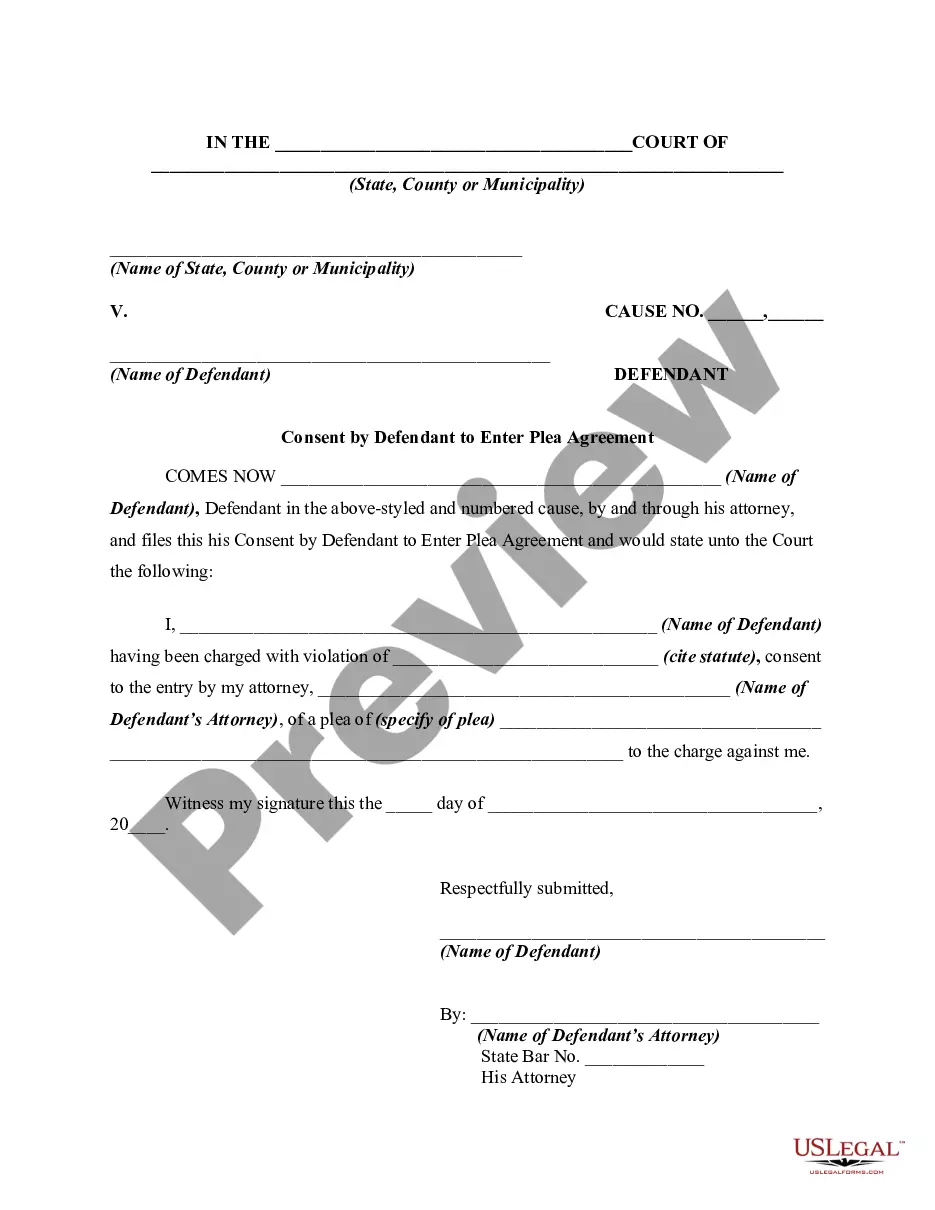
Consent by Defendant to Enter Plea Agreement
What this document covers
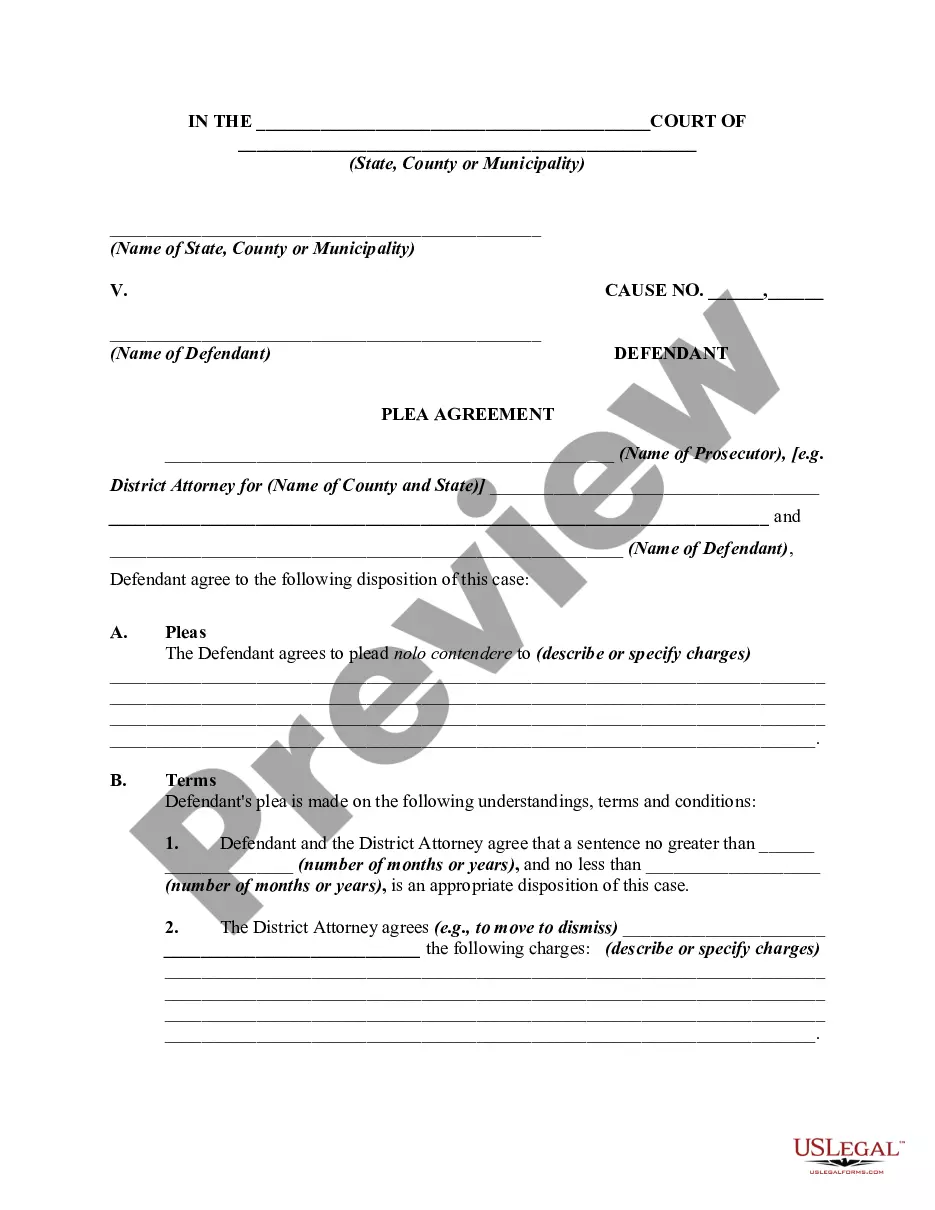
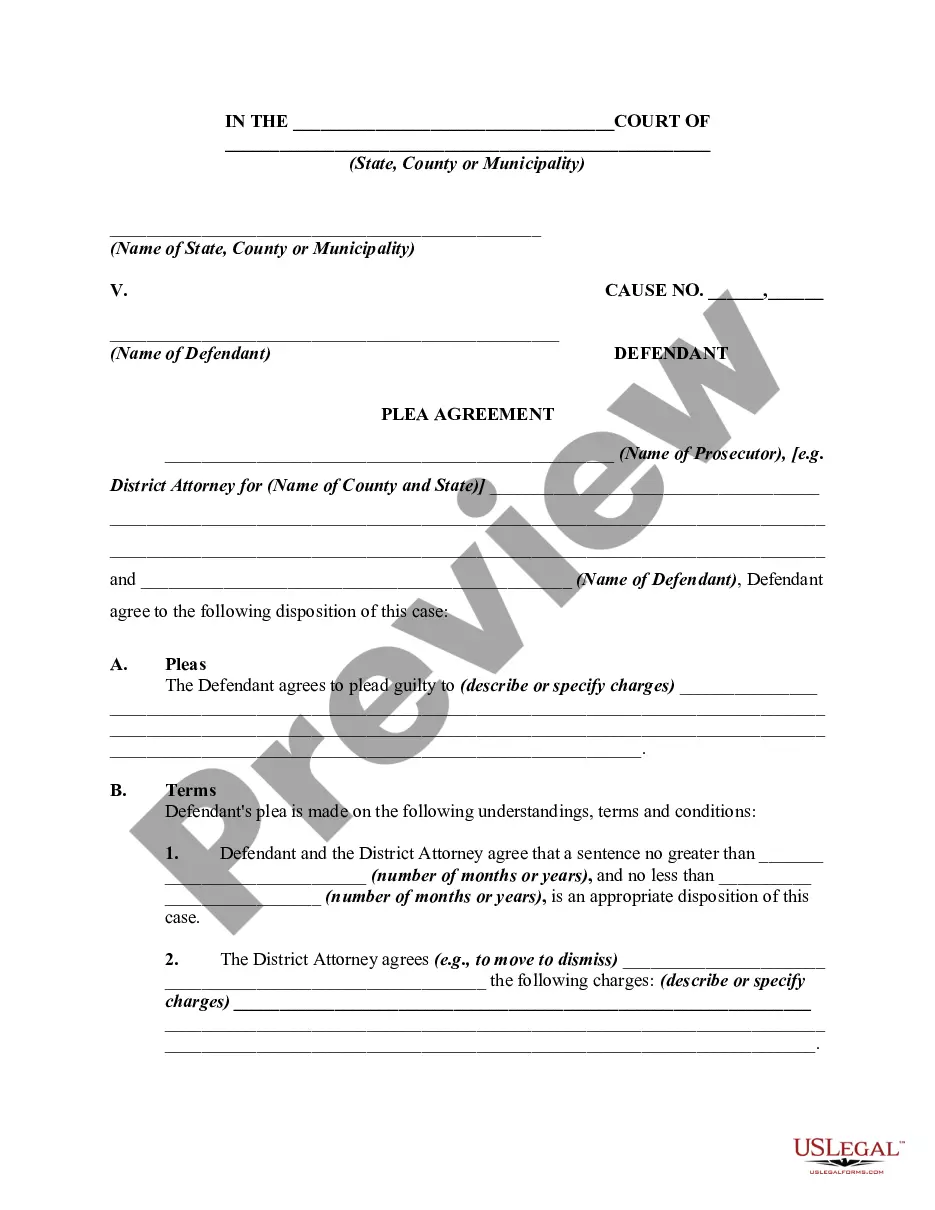
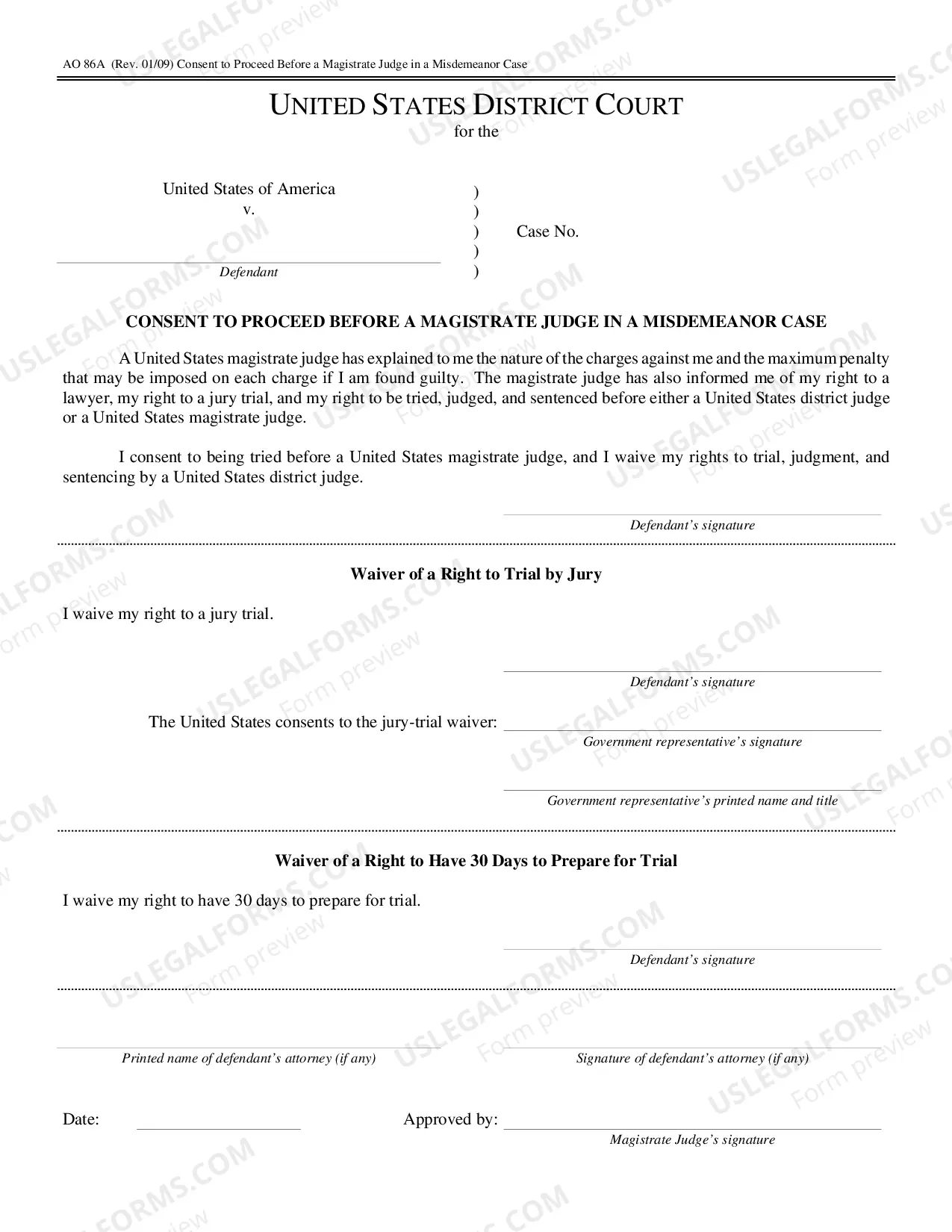
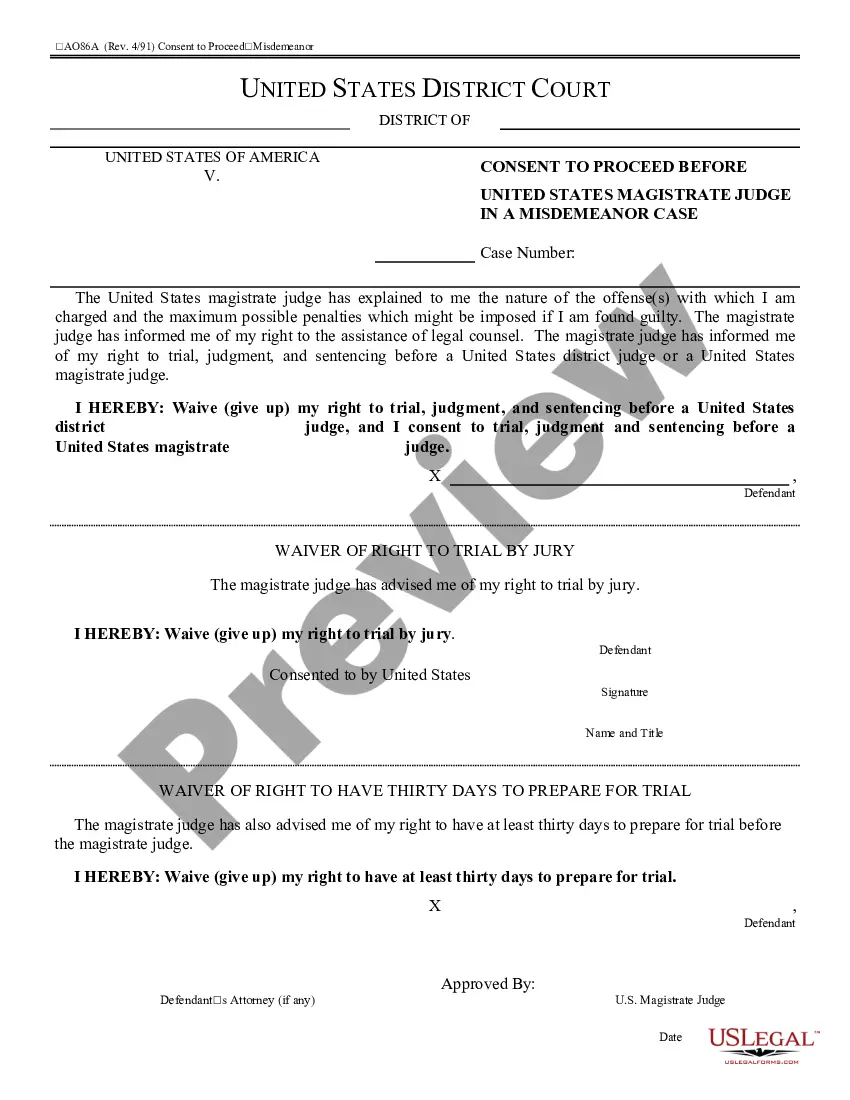
The Consent by Defendant to Enter Plea Agreement is a legal document that allows a defendant to officially agree to a plea arrangement proposed by the prosecutor. This form is crucial as it facilitates the legal process before trial, ensuring that the defendant's rights are protected while enabling the court to understand the terms of the partnership between the defense and prosecution. It differs from other legal forms in that it specifically addresses the acceptance of a plea deal, which can significantly impact the outcome of criminal proceedings.
Key components of this form
- Defendant's name and legal representation
- Specific criminal charges and relevant statutes
- Type of plea being entered (e.g., guilty, no contest)
- Signature and date lines for the defendant and attorney
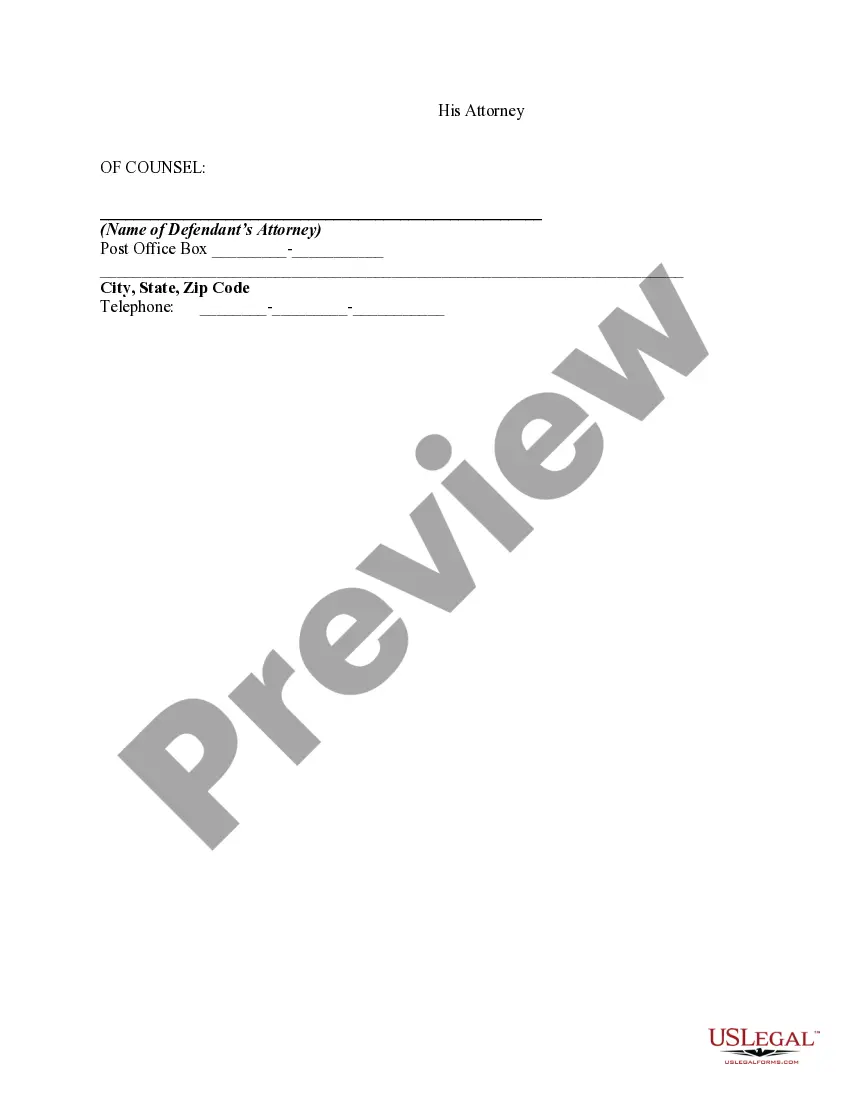
- Contact information for the attorney
When to use this form
This form should be used when a defendant has been charged with a crime and wishes to accept a plea deal offered by the prosecutor. It is commonly utilized after discussions between the defendant and their attorney to determine the best course of action that may lead to a lesser sentence or charges. Completing this document is an essential step in the plea bargaining process within the criminal justice system.
Who this form is for
Eligible users of this form include:
- Defendants who have been formally charged with a crime
- Attorneys representing defendants in plea negotiations
- Individuals seeking to understand the implications of entering a plea agreement
Steps to complete this form
- Identify the court name where the case is being heard
- Fill in the defendant's full name and the name of the attorney
- Specify the criminal charges and relevant statute violations
- Indicate the type of plea being entered
- Ensure both the defendant's and attorney's signatures are included along with the date
Is notarization required?
This form does not typically require notarization to be legally valid. However, some jurisdictions or document types may still require it. US Legal Forms provides secure online notarization powered by Notarize, available 24/7 for added convenience.
Get your form ready online
Our built-in tools help you complete, sign, share, and store your documents in one place.
Make edits, fill in missing information, and update formatting in US Legal Forms—just like you would in MS Word.
Download a copy, print it, send it by email, or mail it via USPS—whatever works best for your next step.
Sign and collect signatures with our SignNow integration. Send to multiple recipients, set reminders, and more. Go Premium to unlock E-Sign.
If this form requires notarization, complete it online through a secure video call—no need to meet a notary in person or wait for an appointment.
We protect your documents and personal data by following strict security and privacy standards.

Make edits, fill in missing information, and update formatting in US Legal Forms—just like you would in MS Word.

Download a copy, print it, send it by email, or mail it via USPS—whatever works best for your next step.

Sign and collect signatures with our SignNow integration. Send to multiple recipients, set reminders, and more. Go Premium to unlock E-Sign.

If this form requires notarization, complete it online through a secure video call—no need to meet a notary in person or wait for an appointment.

We protect your documents and personal data by following strict security and privacy standards.
Common mistakes to avoid
- Failing to specify the exact charges or statutes
- Omitting signatures from either the defendant or attorney
- Not dating the form correctly
- Using outdated or incorrect jurisdiction information
Why complete this form online
- Immediate access to the most current legal language and formats
- Convenience of downloading and filling out the form at your own pace
- Ability to easily edit the document to fit your specific scenario
- Access to guidance and support throughout the completion process
Looking for another form?
Form popularity
FAQ
There are 4 types of pleas a person can enter into at an arraignment: not guilty, guilty, nolo contendere and not guilty by reason of insanity.
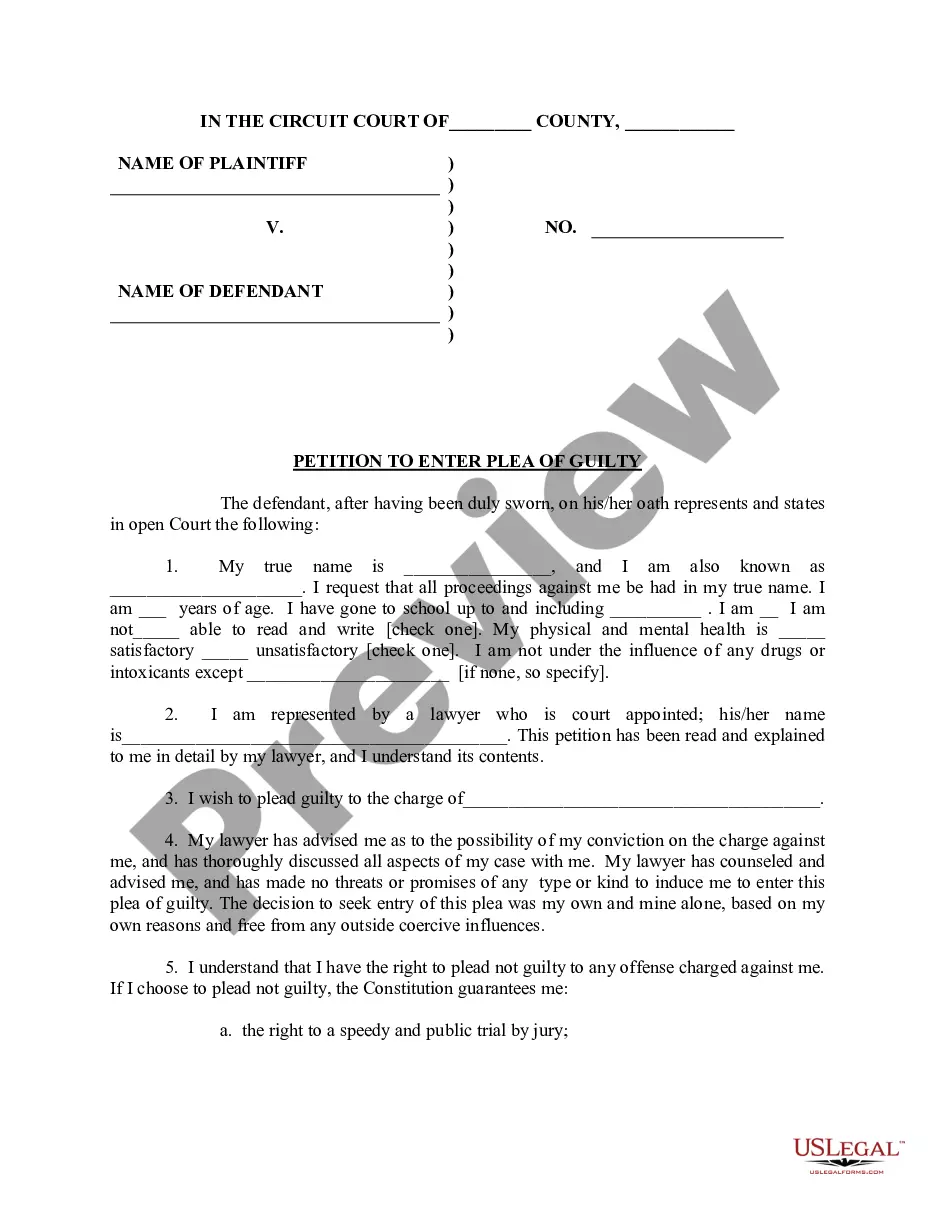
In criminal law, the term plea refers to a defendant's answer to legal charges or a legal declaration. A defendant can enter a plea of guilty, not guilty, or no contest to charges that have been brought against him or her by the state or by the United States.
Learn about charge bargaining, count bargaining, sentence bargaining, and fact bargaining. The term "plea bargain" refers to an agreement between the prosecution and the defense in a criminal case.
A plea bargain is an agreement between a defendant and a prosecutor, in which the defendant agrees to plead guilty or "no contest" (nolo contendere) in exchange for an agreement by the prosecutor to drop one or more charges, reduce a charge to a less serious offense, or recommend to the judge a specific sentence
Consider the plea you will be putting in the letter. Include your name and contact information at the top of the letter. Ensure you always address the judge as "Your Honor" in the letter.
The most common types of plea are "guilty" and "not guilty". Pleading guilty typically results in a more lenient punishment for the defendant; it is thus a type of mitigating factor in sentencing.
Defendants involved in court cases write plea letters to the judge to offer an answer to charges against them. A plea letter is also considered a plea for mercy by a defendant.When a person writes a letter to a judge for any reason, it must be respectful, direct and clear.
Plea Bargaining The defendant agrees to plead guilty or no contest to a charge or charges in exchange for something from the government, like dismissal of other charges and potential leniency in punishment.