Complaint by Owner of Real Estate for Accounting and Payment of Amount Due from Property Manager
Understanding this form
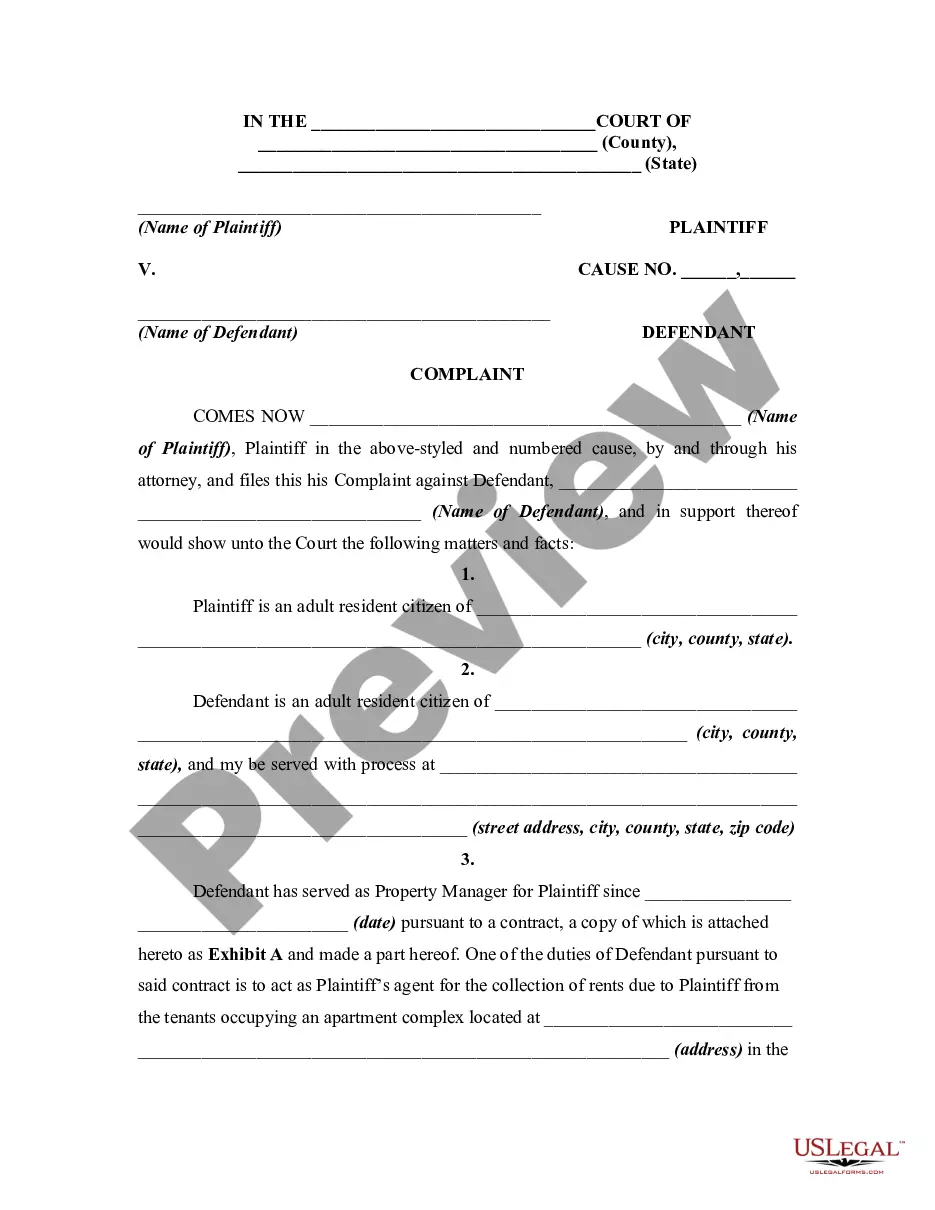
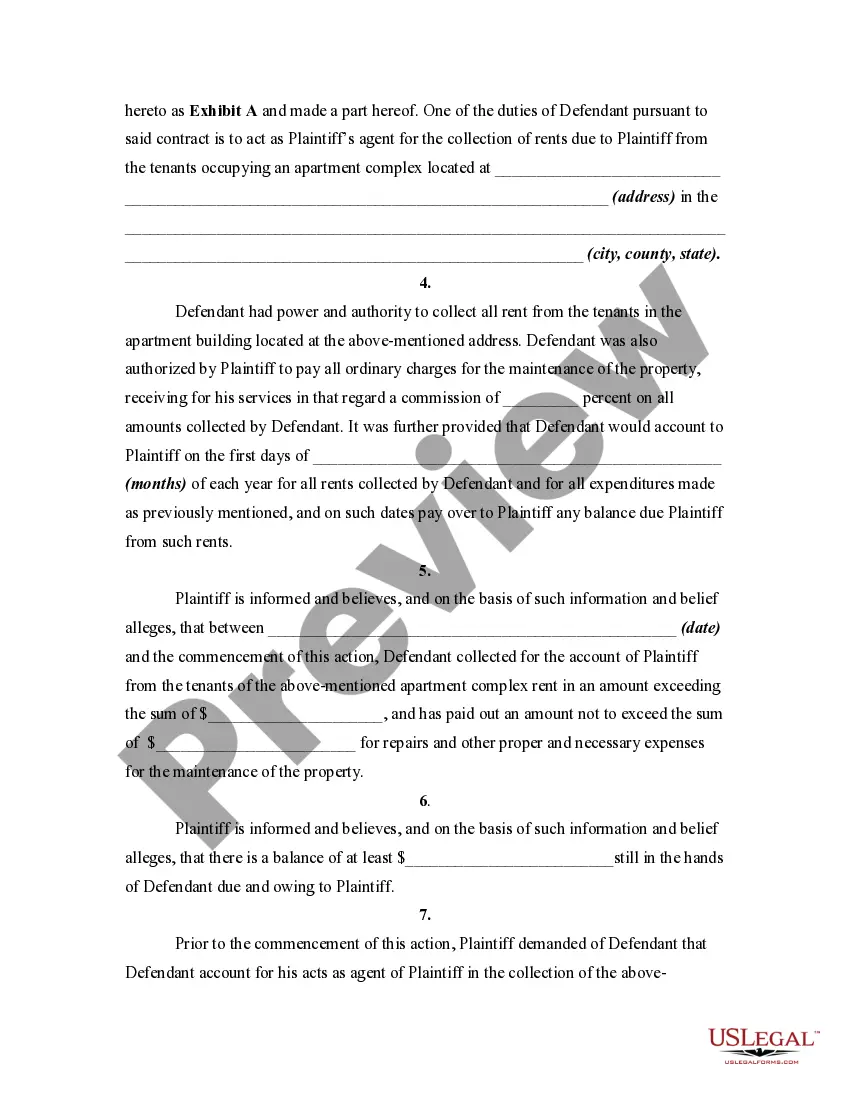
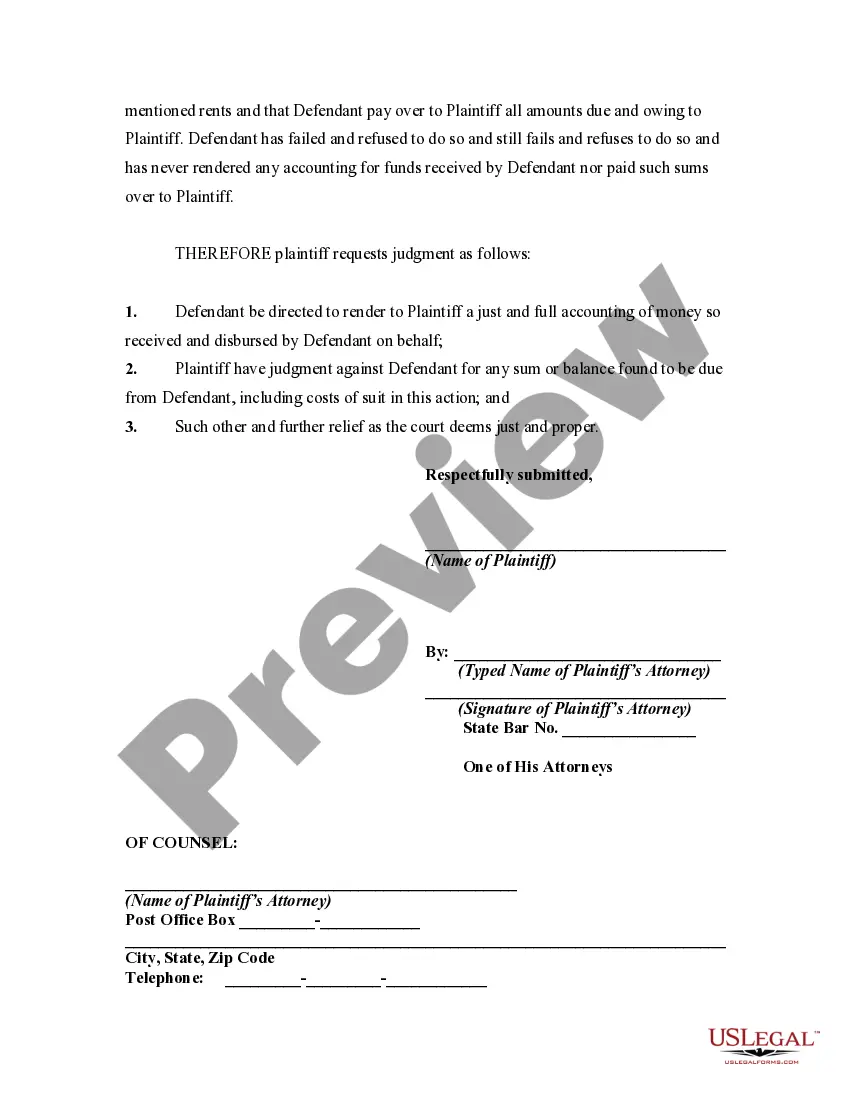
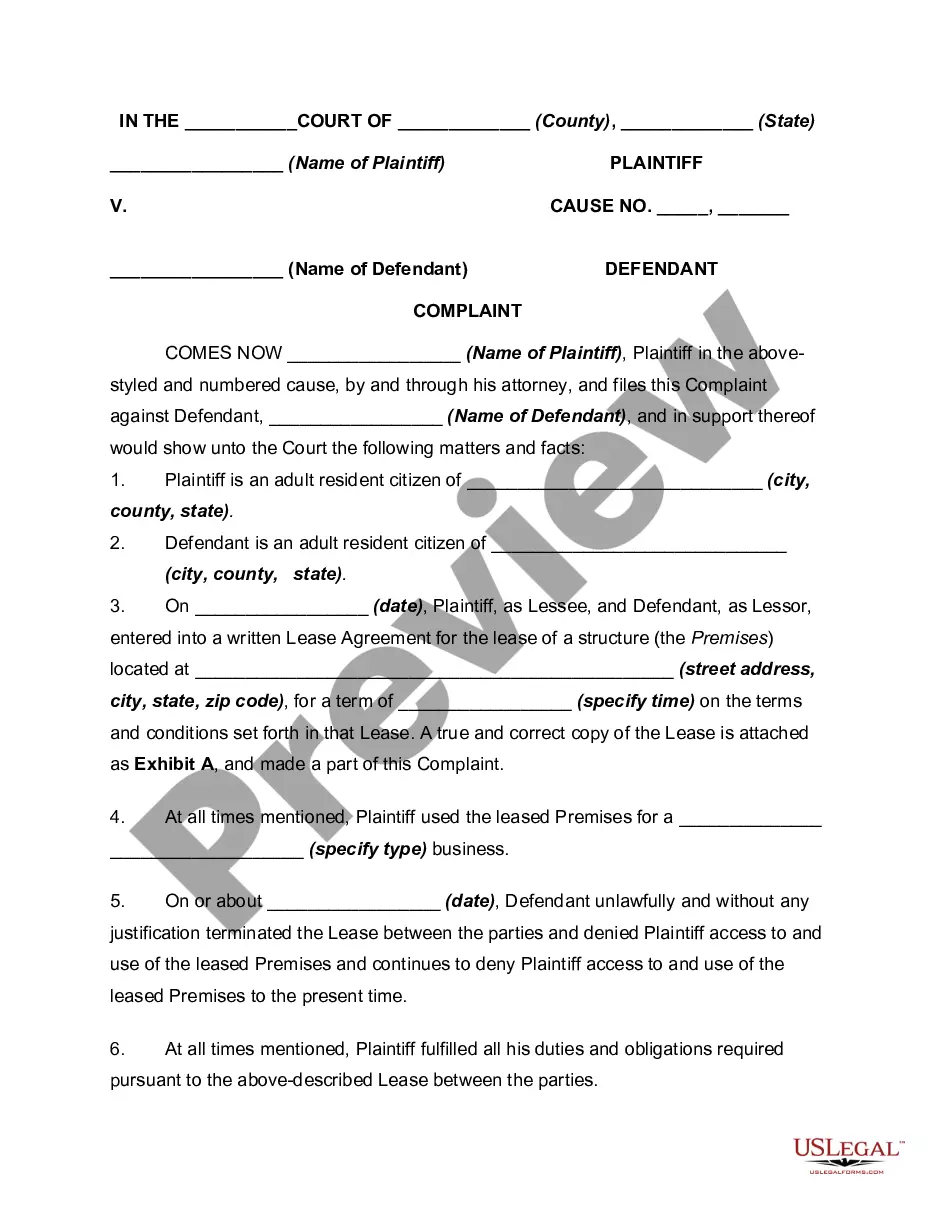
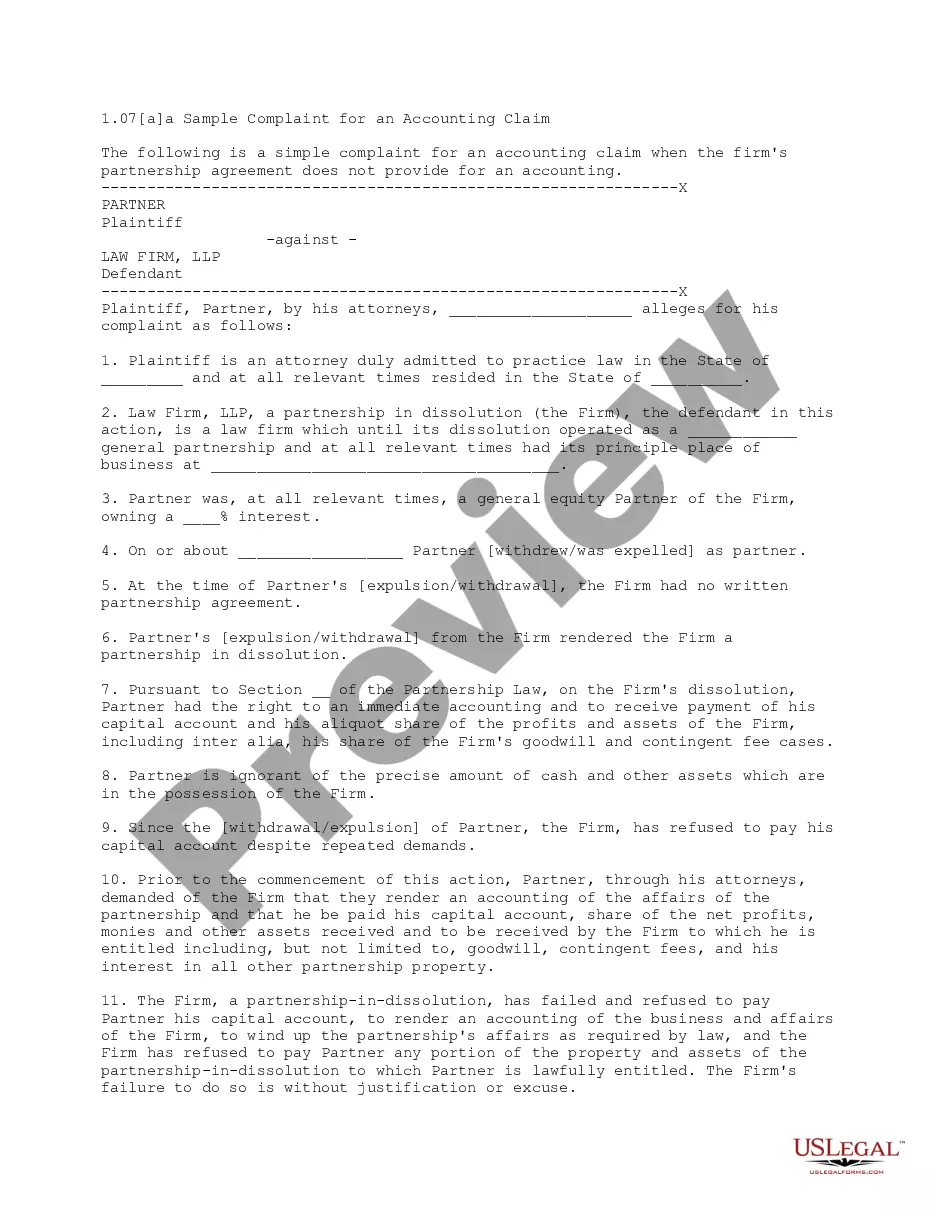
The Complaint by Owner of Real Estate for Accounting and Payment of Amount Due from Property Manager is a legal document used by property owners to seek a financial accounting from their property managers. This form is used when an owner believes that their property manager has not fulfilled their contractual obligations regarding the collection and management of rent. Unlike other forms related to property management disputes, this complaint specifically addresses financial aspects and demands accountability for any amounts due.
Form components explained
- Name and contact information of the plaintiff (owner).
- Name and contact information of the defendant (property manager).
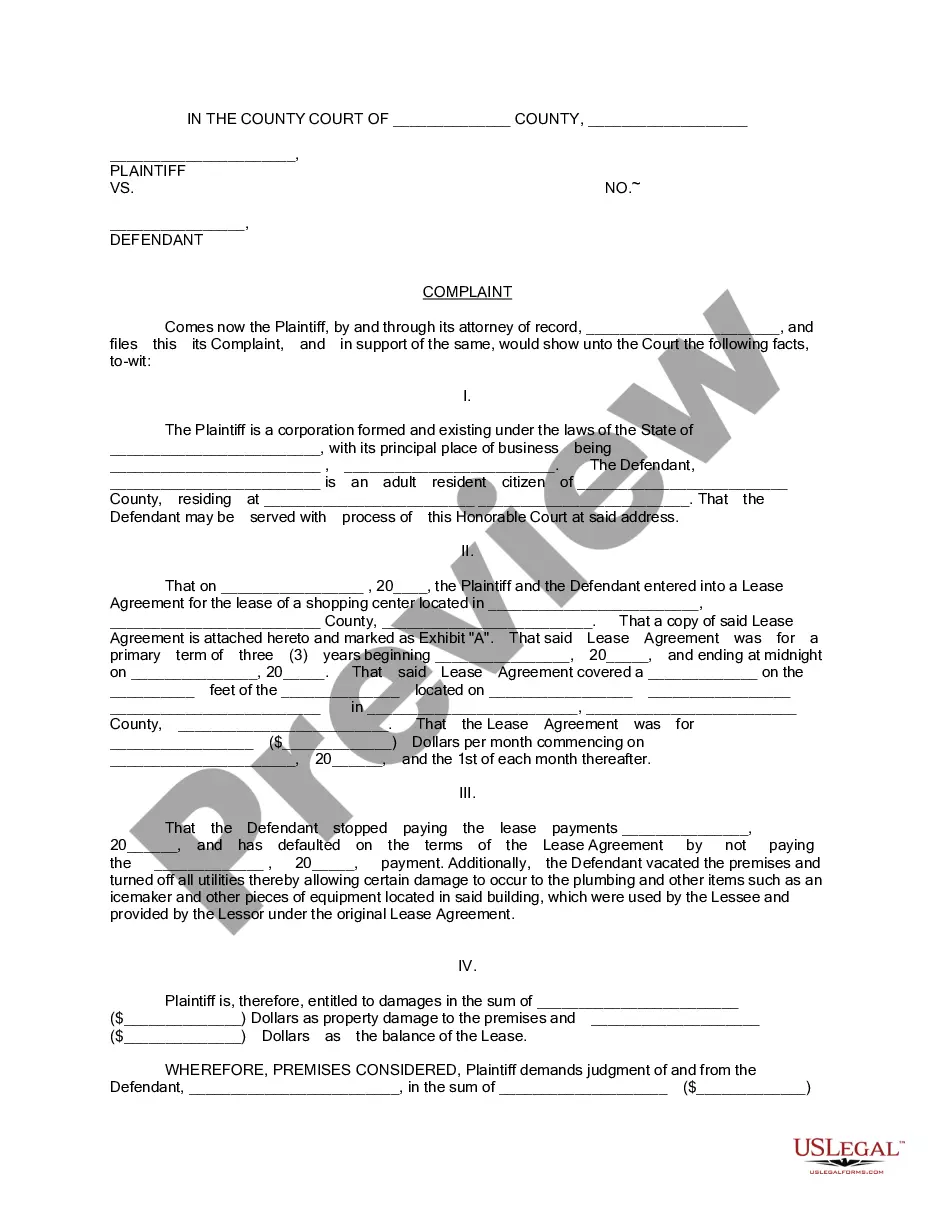
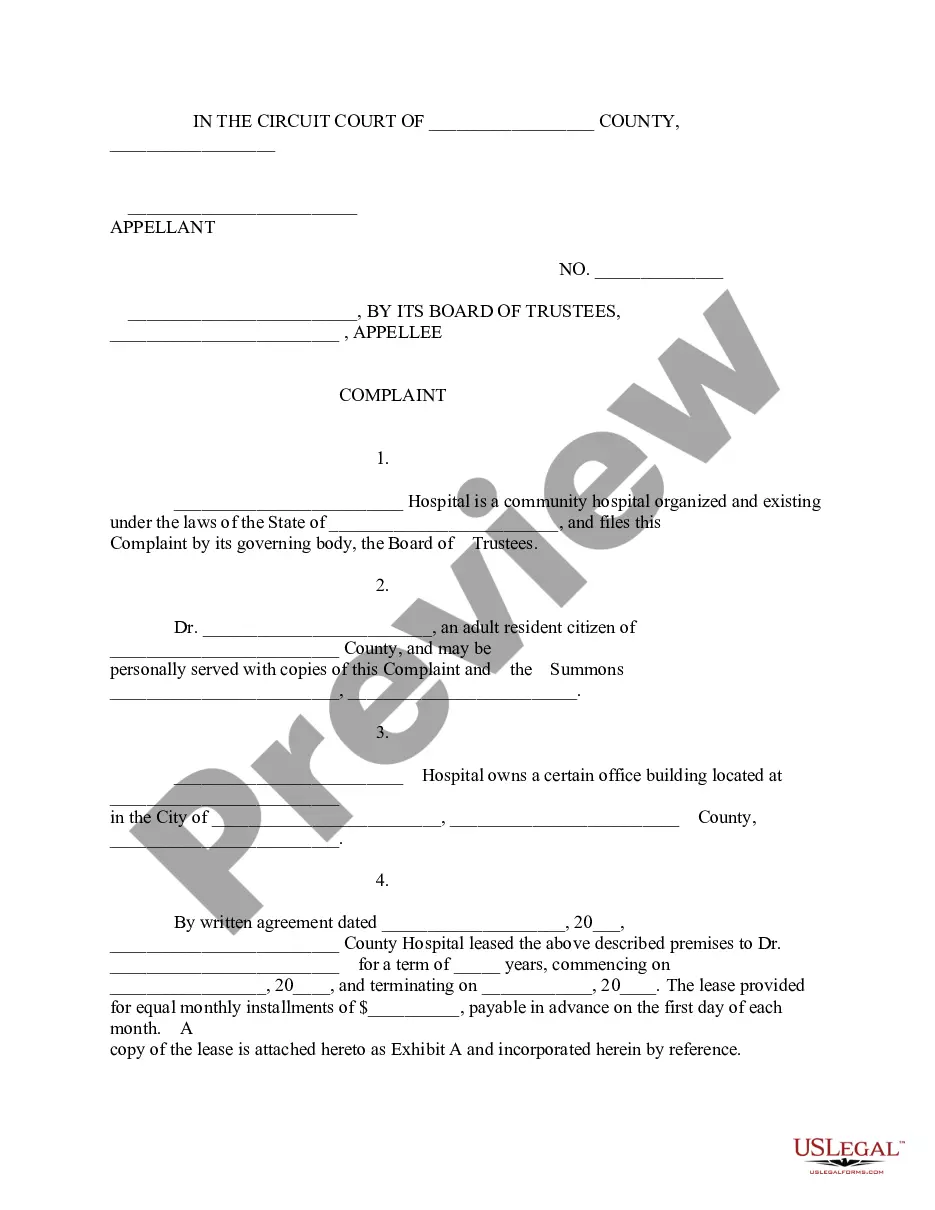
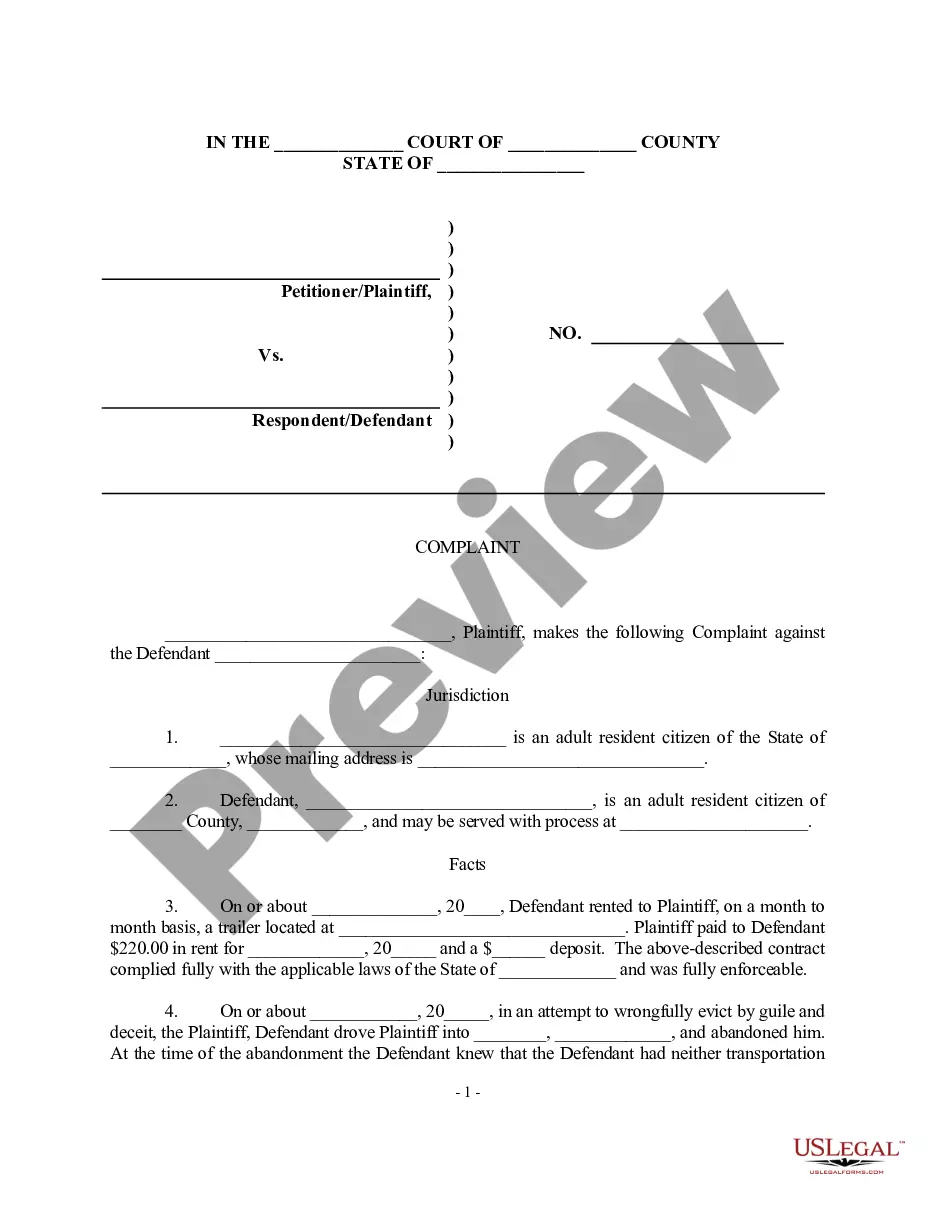
- Details of the contract between the plaintiff and defendant, including duties and responsibilities.
- Summary of collected rent and any expenses paid by the property manager.
- Requests for judgment, including a full accounting and payment of any outstanding amounts.

When to use this document
This form should be used when a property owner suspects that their property manager has mishandled funds, failed to provide necessary accounting, or has not paid over collected rents as per their contract. Situations where this form is applicable include disputes over unpaid rent, issues with maintenance expenses, or any instance where the property manager is not adhering to their contractual obligations.
Who needs this form
This form is intended for:
- Property owners who utilize a property manager for real estate.
- Individuals or businesses engaged in rental property management.
- Those involved in disputes over financial management with their property managers.
- Property owners seeking legal recourse regarding unaccounted funds.
Instructions for completing this form
- Identify the parties involved by entering the names and contact details of the plaintiff and defendant.
- Summarize the contract terms specifying the responsibilities of the property manager.
- Document the amounts collected in rent and any expenses incurred by the property manager.
- Clearly state the amount believed to be owed to the plaintiff.
- Include the specific requests for accounting and payment in the judgment section.
Notarization guidance
Notarization is generally not required for this form. However, certain states or situations might demand it. You can complete notarization online through US Legal Forms, powered by Notarize, using a verified video call available anytime.
Get your form ready online
Our built-in tools help you complete, sign, share, and store your documents in one place.
Make edits, fill in missing information, and update formatting in US Legal Forms—just like you would in MS Word.
Download a copy, print it, send it by email, or mail it via USPS—whatever works best for your next step.
Sign and collect signatures with our SignNow integration. Send to multiple recipients, set reminders, and more. Go Premium to unlock E-Sign.
If this form requires notarization, complete it online through a secure video call—no need to meet a notary in person or wait for an appointment.
We protect your documents and personal data by following strict security and privacy standards.

Make edits, fill in missing information, and update formatting in US Legal Forms—just like you would in MS Word.

Download a copy, print it, send it by email, or mail it via USPS—whatever works best for your next step.

Sign and collect signatures with our SignNow integration. Send to multiple recipients, set reminders, and more. Go Premium to unlock E-Sign.

If this form requires notarization, complete it online through a secure video call—no need to meet a notary in person or wait for an appointment.

We protect your documents and personal data by following strict security and privacy standards.
Common mistakes
- Failing to include necessary details about the parties involved.
- Not attaching a copy of the contract with the property manager.
- Omitting key financial figures, such as total rent collected and expenses incurred.
- Not specifying the amount being claimed or requested for judgment.
Why complete this form online
- Immediate access to the form for quick download and use.
- Easy customization to fit your specific situation and jurisdiction.
- Guidance through necessary legal language and structure.
- Reliability, as the templates are created by licensed attorneys.
Legal use & context
- This form is enforceable in court when properly completed and filed.
- It is essential to follow state-specific rules for filing to ensure validity.
- Noncompliance with contractual obligations can strengthen the case for the plaintiff.
Summary of main points
- The Complaint by Owner of Real Estate for Accounting and Payment of Amount Due allows property owners to seek accountability from property managers.
- Proper completion of the form is crucial for legal enforceability.
- Consulting local laws is necessary to understand any specific requirements.
Looking for another form?
Form popularity
FAQ
While each state regulates property managers in different ways, here are some of the best ways to deal with a bad property manager: Contact the owner of the property management company directly if your property is being handled by an account management team member.
The management fee is usually a percentage of the gross collected rent, but you'll also find rental property managers who charge a monthly flat fee. Rates vary by market, but most management companies charge 10% of the monthly rent to manage a single-family home.
The property manager will not generally spend money out of their own pocket without being funded by the landlord. Some managers may charge a percentage of repair costs often 10 percent to compensate them for the hours spent dealing with repairs, meeting with vendors, etc. Others don't.
Many landlords manage properties on their own or with the help of an employee, such as a resident manager.If you are hiring an individual resident manager, protect your rental property and the manager by using Nolo's Residential Rental Property Manager Agreement.
What is a property manager's first responsibility to the owner? To realize the maximum profit on the property that is consistent with the owner's instructions.
Tell the Agent why you are unhappy, setting out the act or omission you believe has occurred. Let the Agent know what you would like them to do to resolve your complaint. Follow up any conversations in writing, making a note of the date and time and who you spoke to.
Setting the rent. Collecting rent and chasing any arrears. Finding good tenants and long-term lease agreements. Property maintenance. Conducting routine inspections. Paying your bills. Administration. Communication.
Property management isn't worth the money to some investors.One important note, even if you choose to manage your own properties it pays to have a backup plan in case you're no longer able to handle them. For others investing in real estate, there's no way they'd choose to manage their own rental properties.