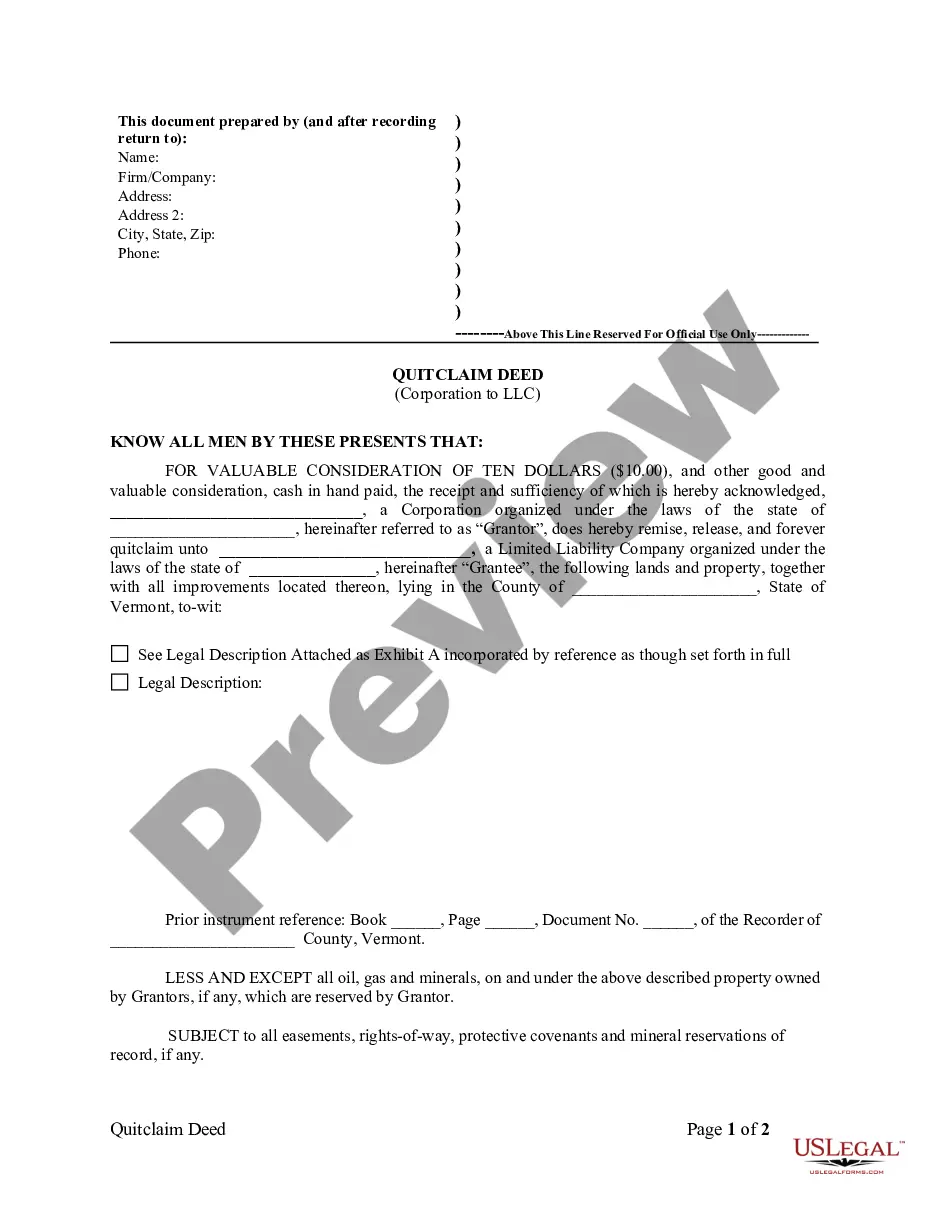
Driveway License Agreement
Overview of this form
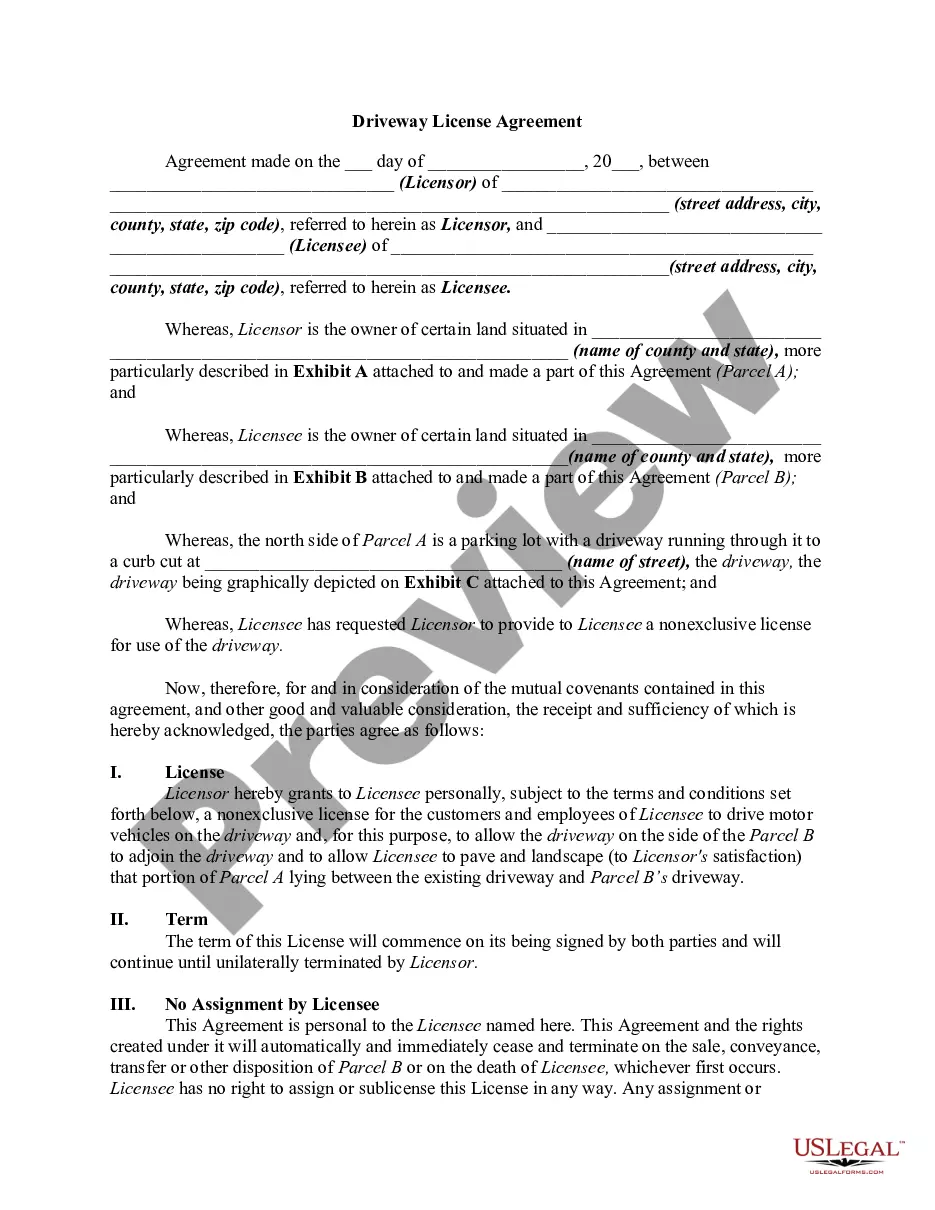
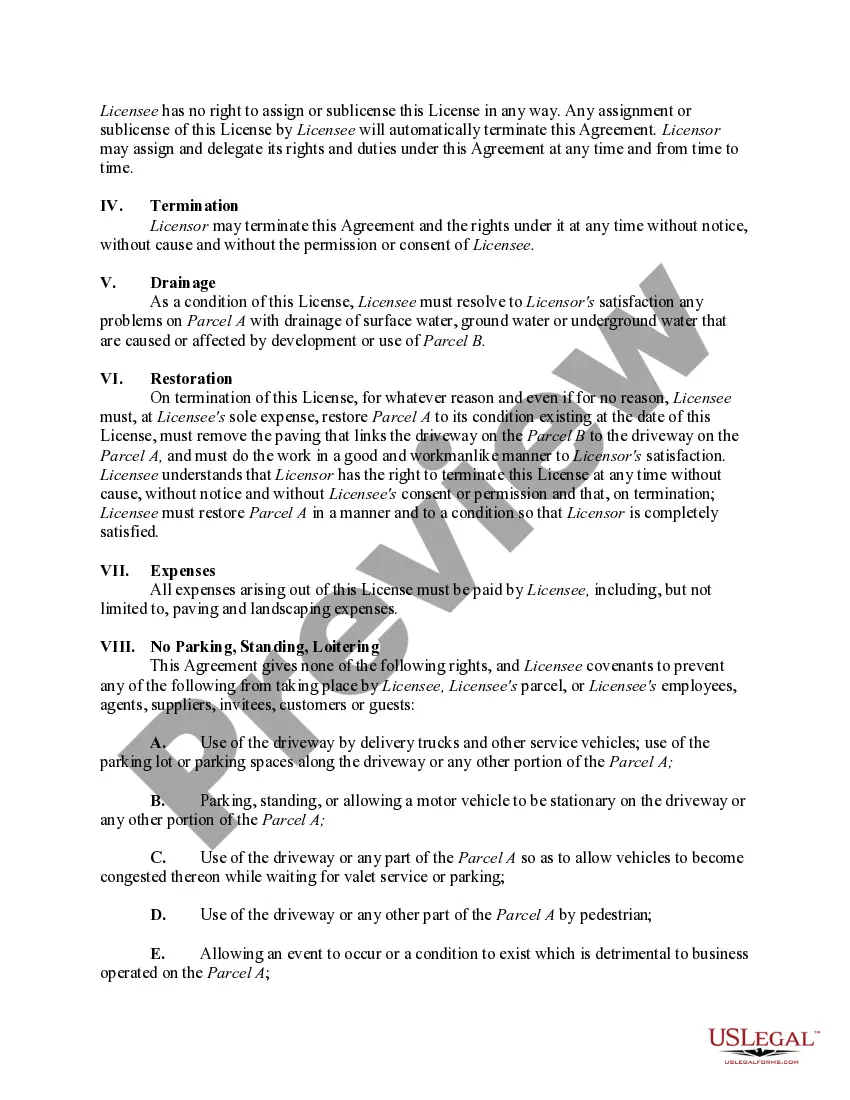
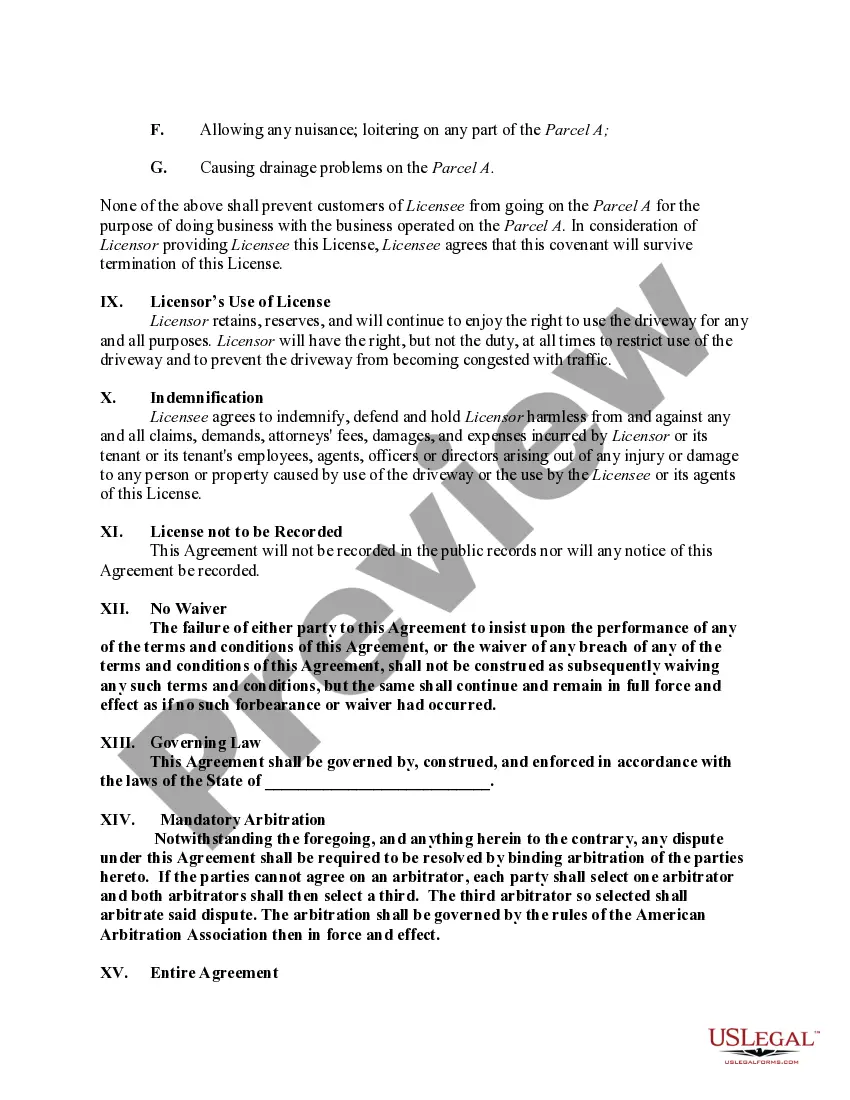
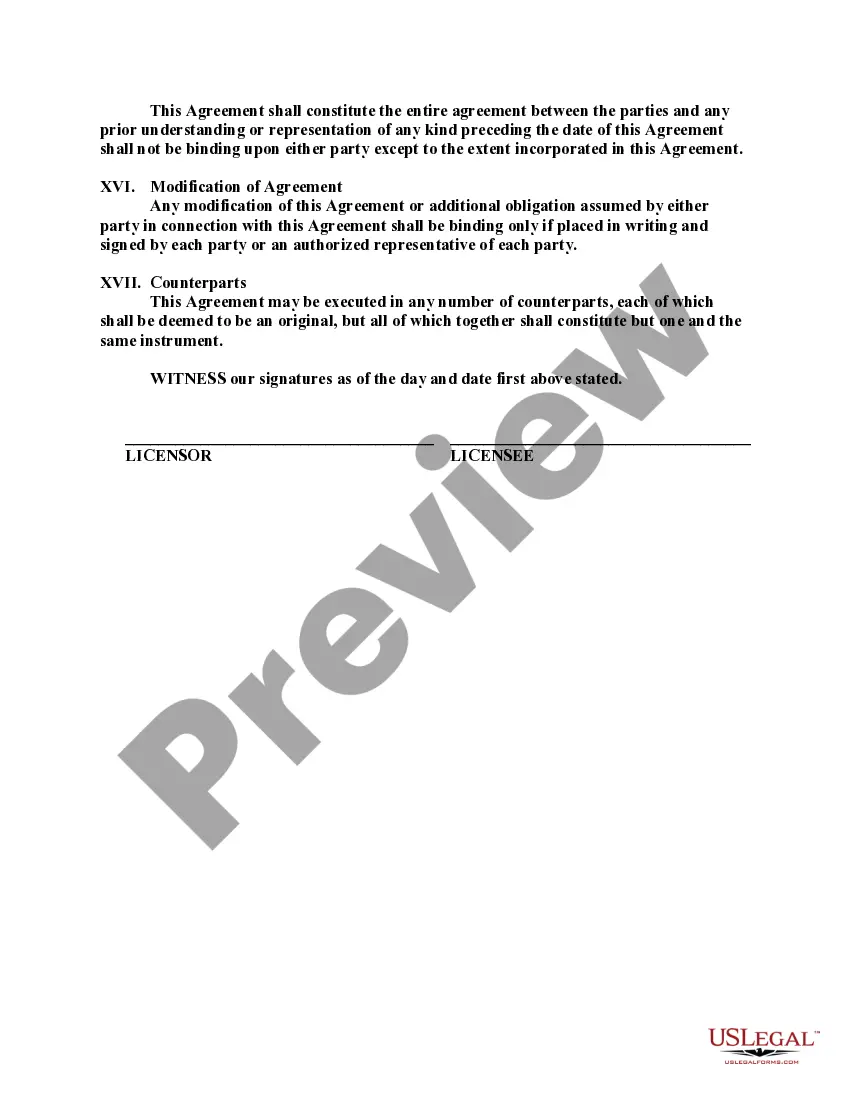
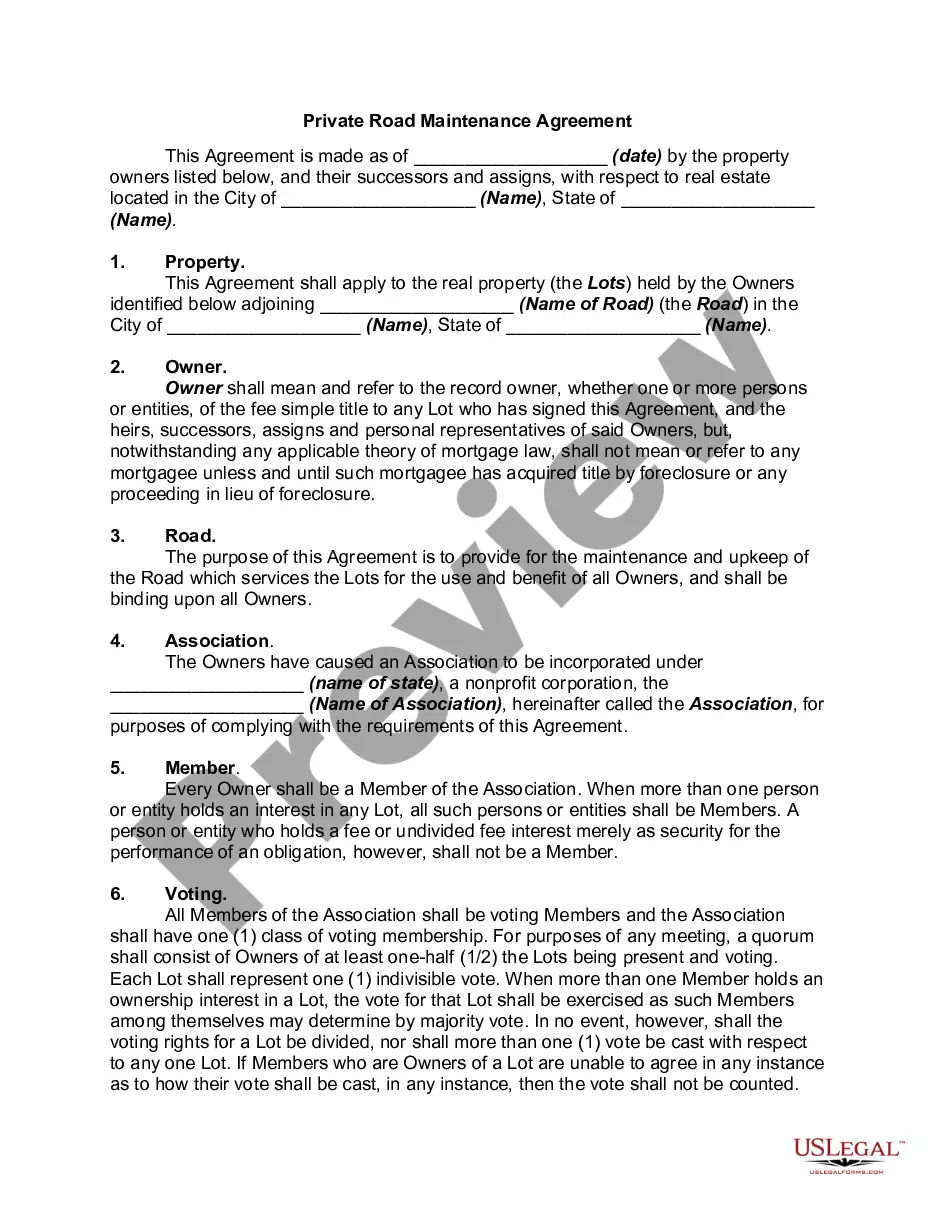
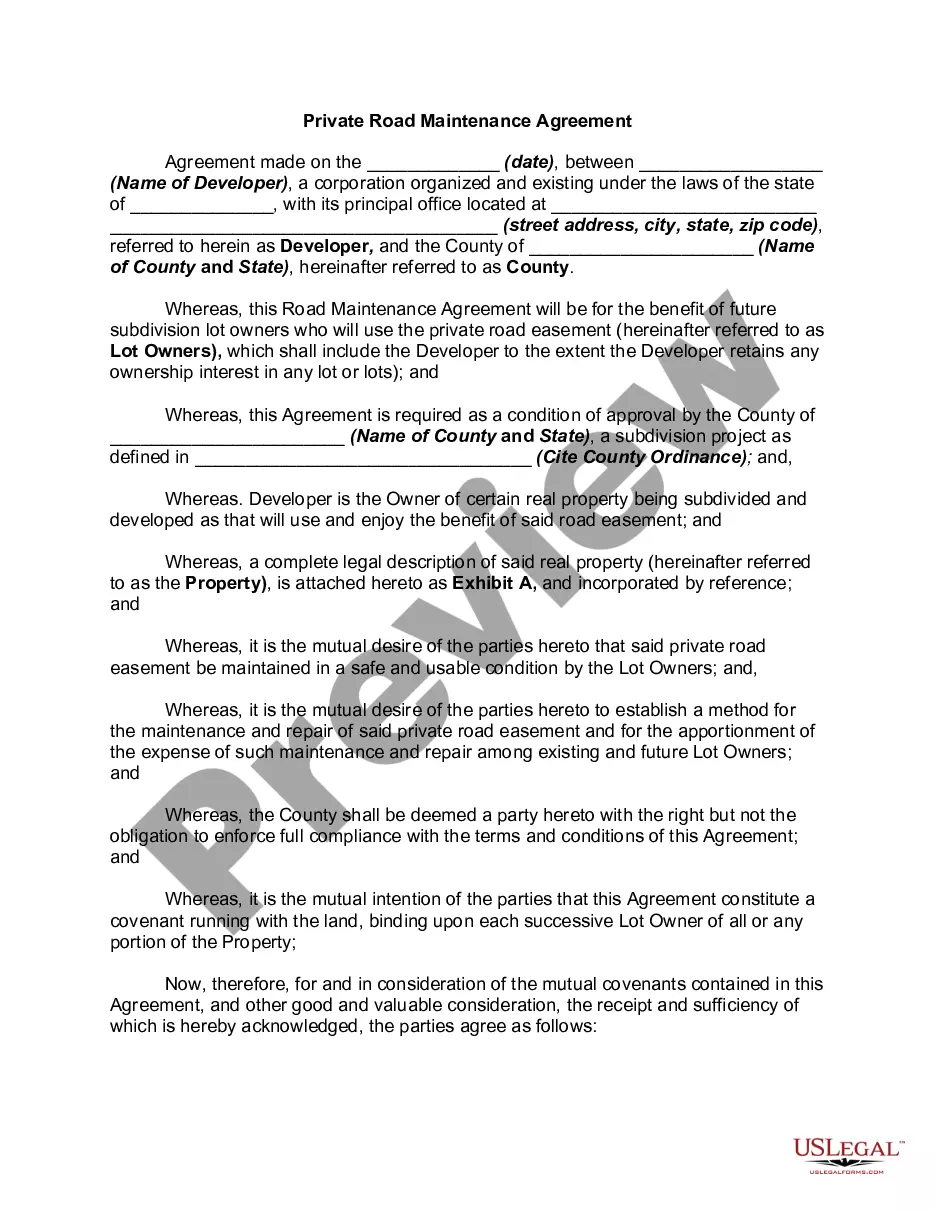
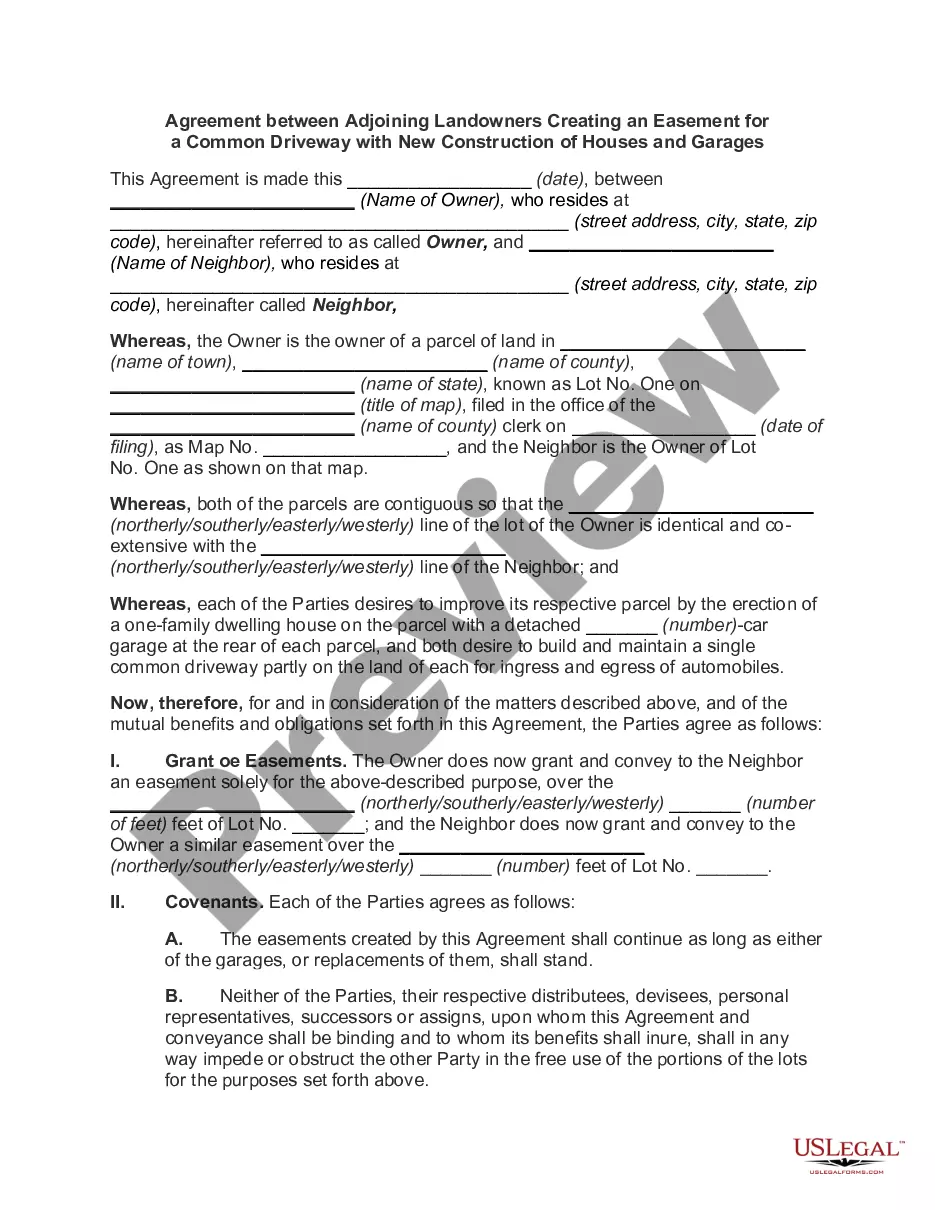
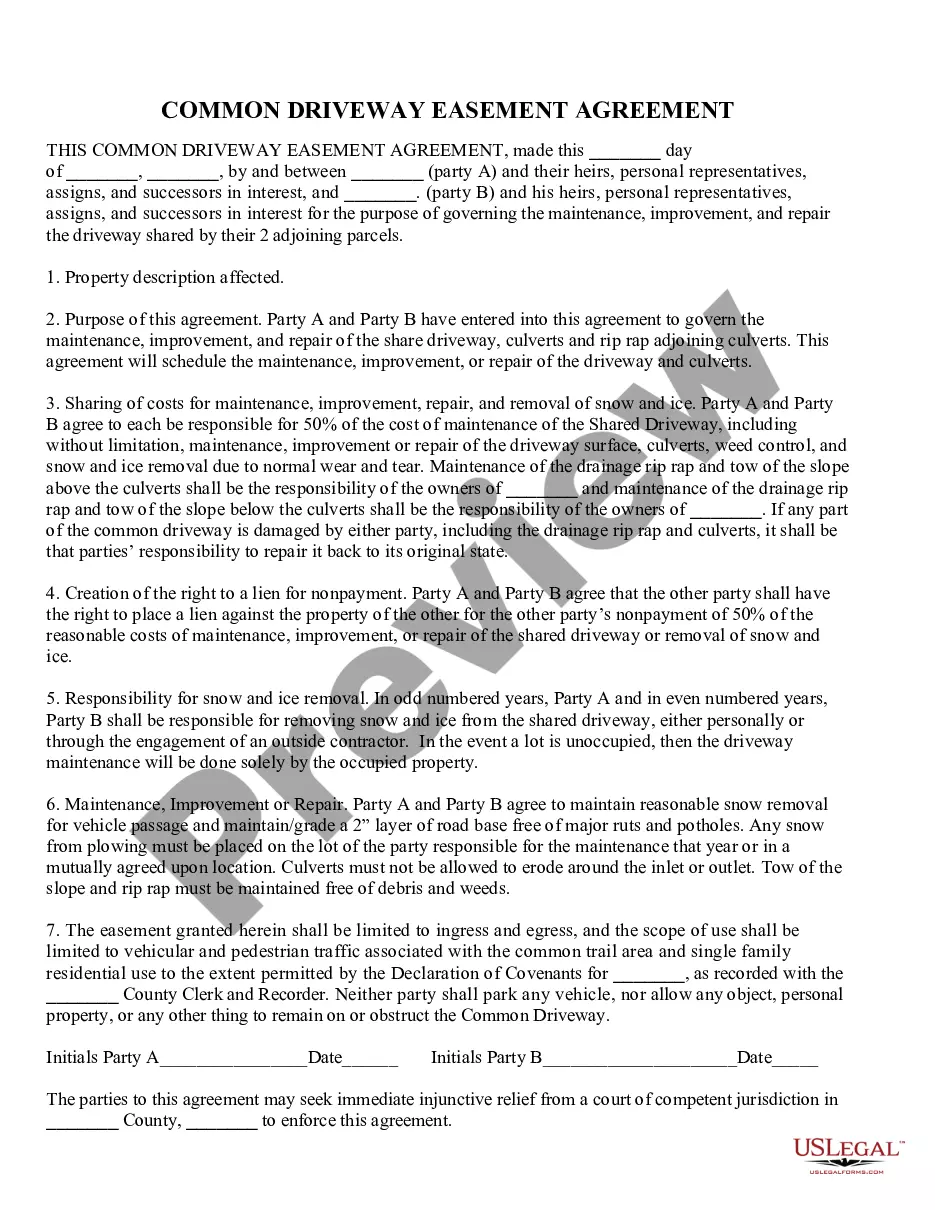
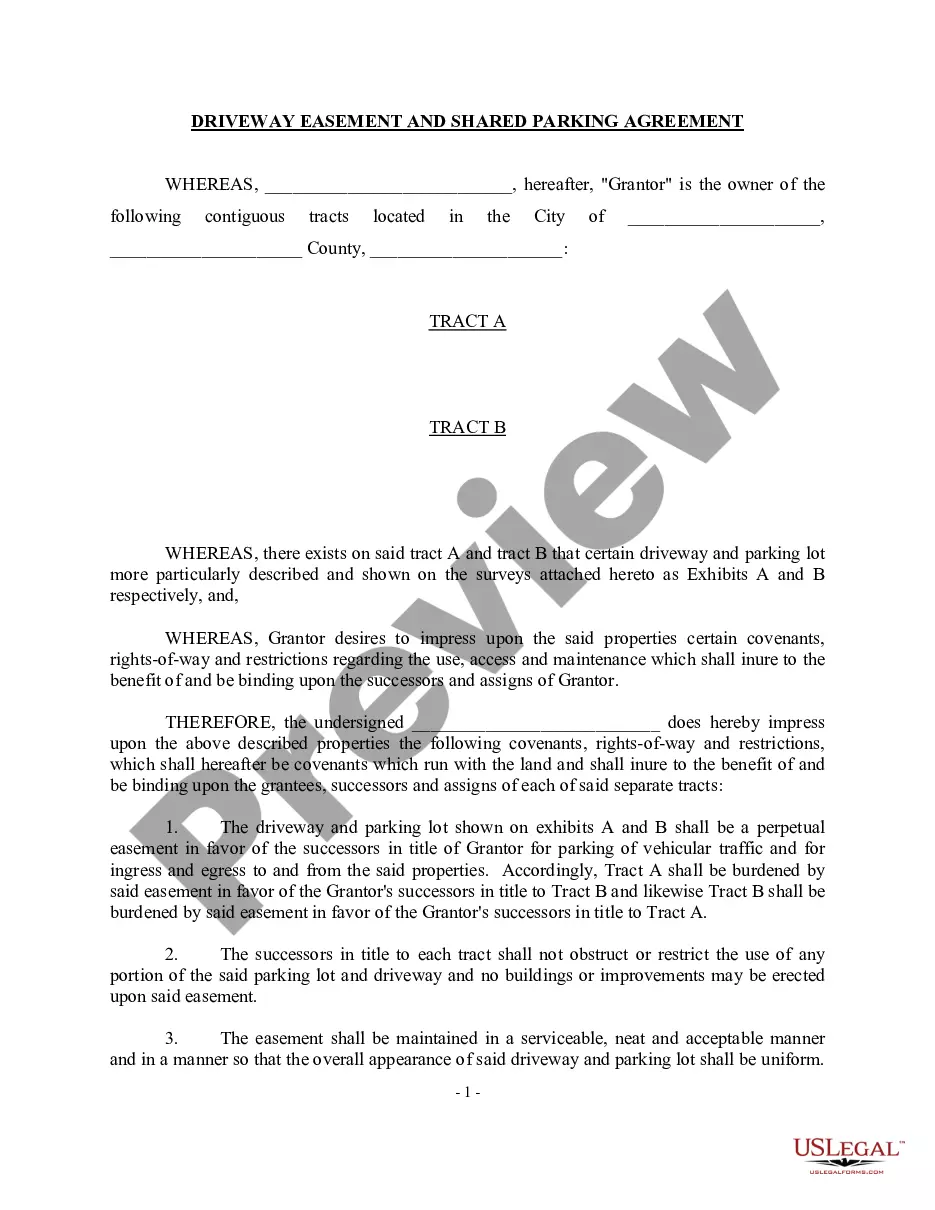
The Driveway License Agreement is a legal document that allows a licensee to use a licensor's driveway for the benefit of licensee's customers and employees. This form establishes a nonexclusive license, differentiating it from formal property leasing agreements, which provide more comprehensive rights.
Key components of this form
License Grant
- Licensor provides a nonexclusive license to the licensee for driveway use.Term
- The agreement takes effect when signed and can be terminated by the licensor.No Assignment
- Licensee cannot assign the license to another party.Termination Clause
- Licensor can terminate the agreement without notice or cause.Restoration Requirement
- Licensee must restore the property to its original condition upon termination.
Common use cases
This form is used when a property owner (licensor) wants to permit another party (licensee) to use their driveway for access purposes. It is commonly applicable in commercial settings where businesses require customer or employee vehicle access on a property not owned by them.
Intended users of this form
This form is suitable for:
- Property owners (licensors) who wish to allow specific vehicle access on their premises.
- Businesses (licensees) that need customer and employee access to their facility via another propertyâs driveway.
- Attorneys or real estate professionals drafting agreements related to property access.
Completing this form step by step
To complete the Driveway License Agreement, follow these steps:
- Identify the parties involved: Fill in the names and addresses of both the licensor and licensee.
- Describe the properties: Specify the addresses and parcel details related to both parties.
- Enter the licensing terms: Fill in the details regarding usage rights and any conditions set by the licensor.
- Specify the agreement term: State when the agreement starts and the conditions for termination by the licensor.
- Include signatures: Ensure both parties sign and date the agreement to make it legally binding.
Notarization requirements for this form
This form does not typically require notarization unless specified by local law. However, it is advisable to check if additional legal requirements exist in your jurisdiction.
Get your form ready online
Our built-in tools help you complete, sign, share, and store your documents in one place.
Make edits, fill in missing information, and update formatting in US Legal Forms—just like you would in MS Word.
Download a copy, print it, send it by email, or mail it via USPS—whatever works best for your next step.
Sign and collect signatures with our SignNow integration. Send to multiple recipients, set reminders, and more. Go Premium to unlock E-Sign.
If this form requires notarization, complete it online through a secure video call—no need to meet a notary in person or wait for an appointment.
We protect your documents and personal data by following strict security and privacy standards.

Make edits, fill in missing information, and update formatting in US Legal Forms—just like you would in MS Word.

Download a copy, print it, send it by email, or mail it via USPS—whatever works best for your next step.

Sign and collect signatures with our SignNow integration. Send to multiple recipients, set reminders, and more. Go Premium to unlock E-Sign.

If this form requires notarization, complete it online through a secure video call—no need to meet a notary in person or wait for an appointment.

We protect your documents and personal data by following strict security and privacy standards.
Avoid these common issues
- Failing to include complete and accurate property descriptions.
- Not specifying the restoration requirements clearly.
- Overlooking the termination conditions outlined in the agreement.
- Not having both parties sign the document, which invalidates the agreement.
Why complete this form online
- Convenience of downloading and using a legally vetted form.
- Editability to tailor the agreement to specific needs and terms.
- Access to professional legal language ensuring enforceability.
- The agreement clarifies the rights and responsibilities of both parties regarding driveway usage.
- It establishes a legal framework that helps prevent disputes over property use.
- Enforceable in a court of law, provided both parties adhere to its terms.
Summary of main points
- The Driveway License Agreement grants specific vehicle access rights for nonexclusive use.
- Clear restoration and termination clauses protect the licensor's property interests.
- Using a downloadable form provides a reliable and efficient solution for property access agreements.
Looking for another form?
Form popularity
FAQ
Exclusive or non-exclusive. In an exclusive license, the intellectual property holder is licensing the work only to one person, for that particular use/territory. Territory. Use. Attribution. Derivative works. Confidentiality. Time frame. Termination.
A license agreement is a business contract between two parties. The licensor (the seller of the license) owns the asset being licensed and the licensee (the buyer) pays for the right to use the license. The licensee pays royalties to the owner in exchange for the right to sell the product or use the technology.
An example of a licensing agreement is a contract between the copyright holders of software and another company, allowing the latter to use the computer software for their daily business operations.
Download a template for a licensing agreement. Choose your role as the licensor or licensee. Define the license(s) in the agreement. Decide whether the license is exclusive or not. Settle the matter of fees and payment schedule. Add a renewal date and rules.
An example of a licensing agreement is a contract between the copyright holders of software and another company, allowing the latter to use the computer software for their daily business operations.
The 3 P's of collegiate licensing are protection, promotion, and profit.
What is a Licensing Agreement? A licensing agreement is a contract between two parties (the licensor and licensee) in which the licensor grants the licensee the right to use the brand name, trademark, patented technology, or ability to produce and sell goods owned by the licensor.
One option for dividing property lines down a shared driveway is to install chain link fencing. A chain link fence is a relatively inexpensive fence to have installed, and can readily be placed over asphalt. Asphalt is soft enough to allow fence posts to be sunk into the driveway.