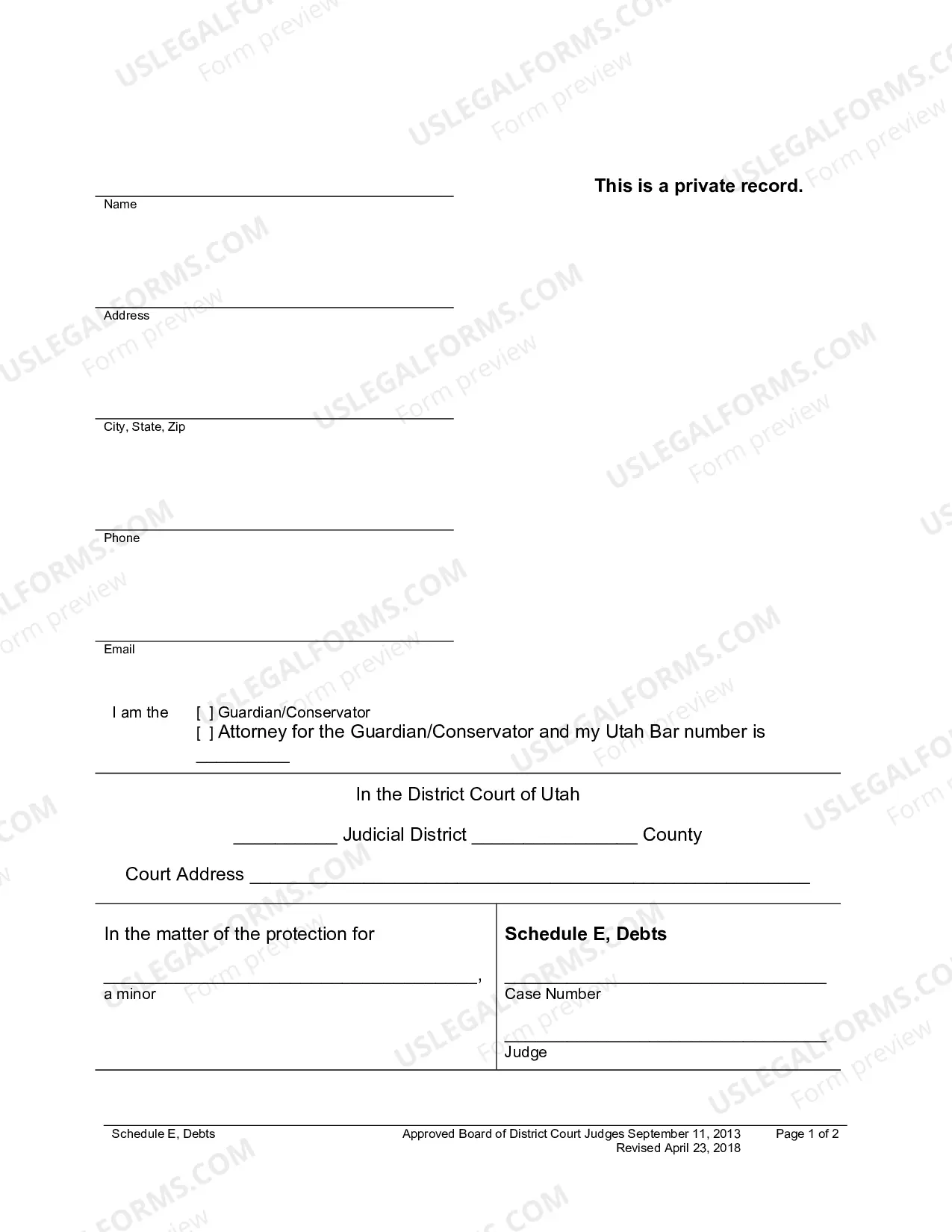
Motion for Disclosure of Any Possible Basis of Judicial Recusal
Overview of this form
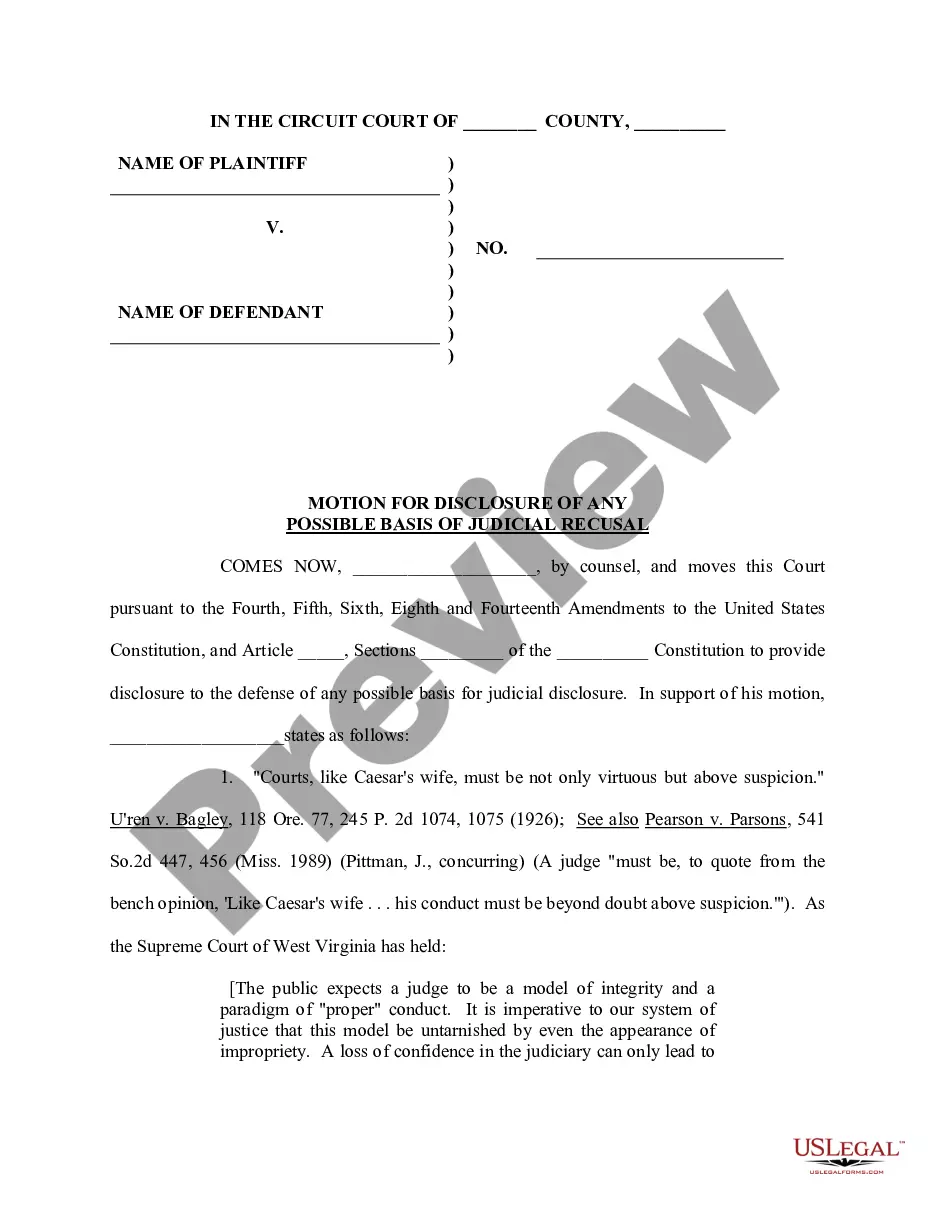
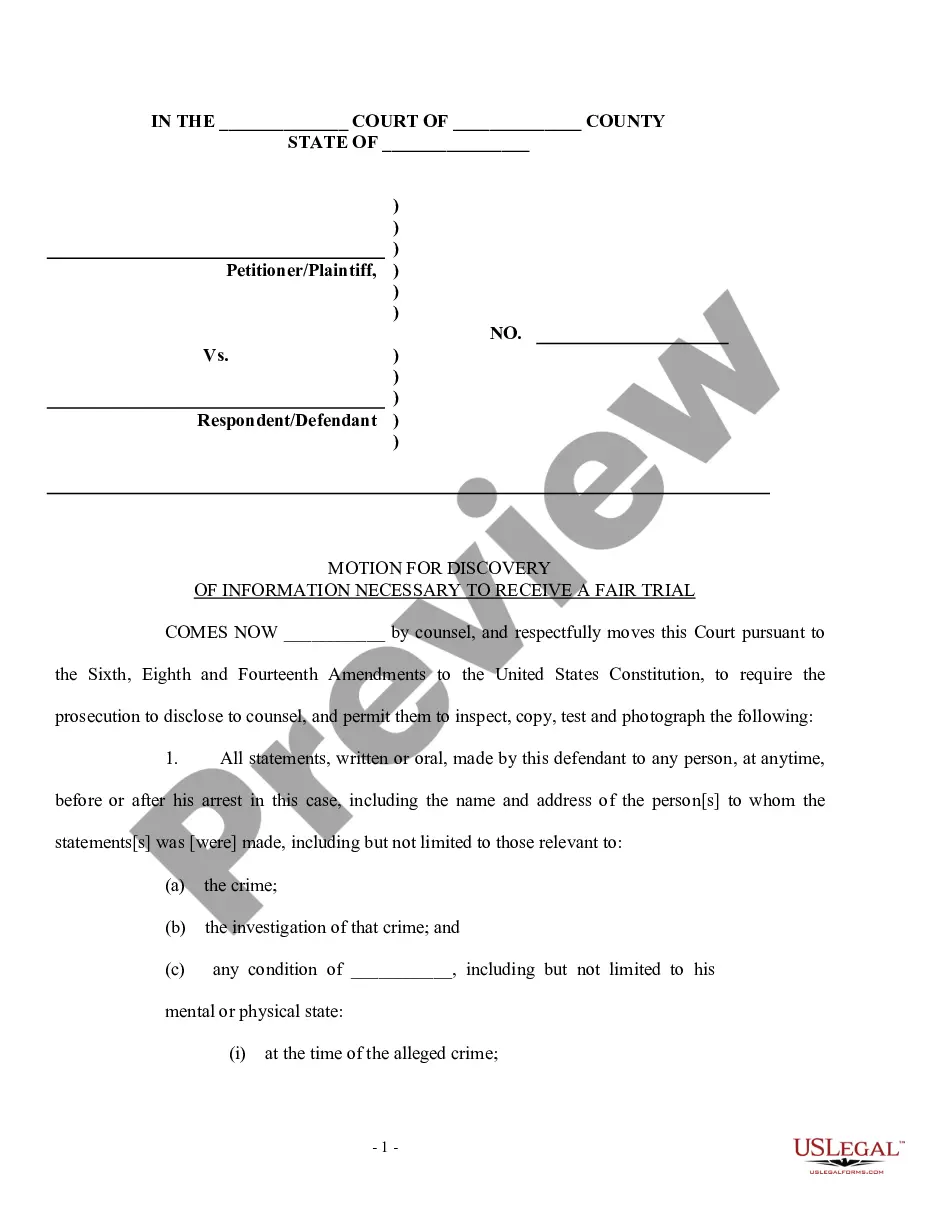
The Motion for Disclosure of Any Possible Basis of Judicial Recusal is a legal document used to request transparency regarding any reasons a judge might need to recuse themselves from a case. This form ensures that the judicial process maintains integrity by addressing potential biases or conflicts of interest. Unlike other motions, this specific document focuses solely on the judge's impartiality, seeking preemptive disclosure to safeguard the rights of all parties involved.
Key parts of this document
- Title and Introduction: States the purpose of the motion and identifies the parties involved.
- Legal Basis: Cites relevant amendments and constitutional articles supporting the request for disclosure.
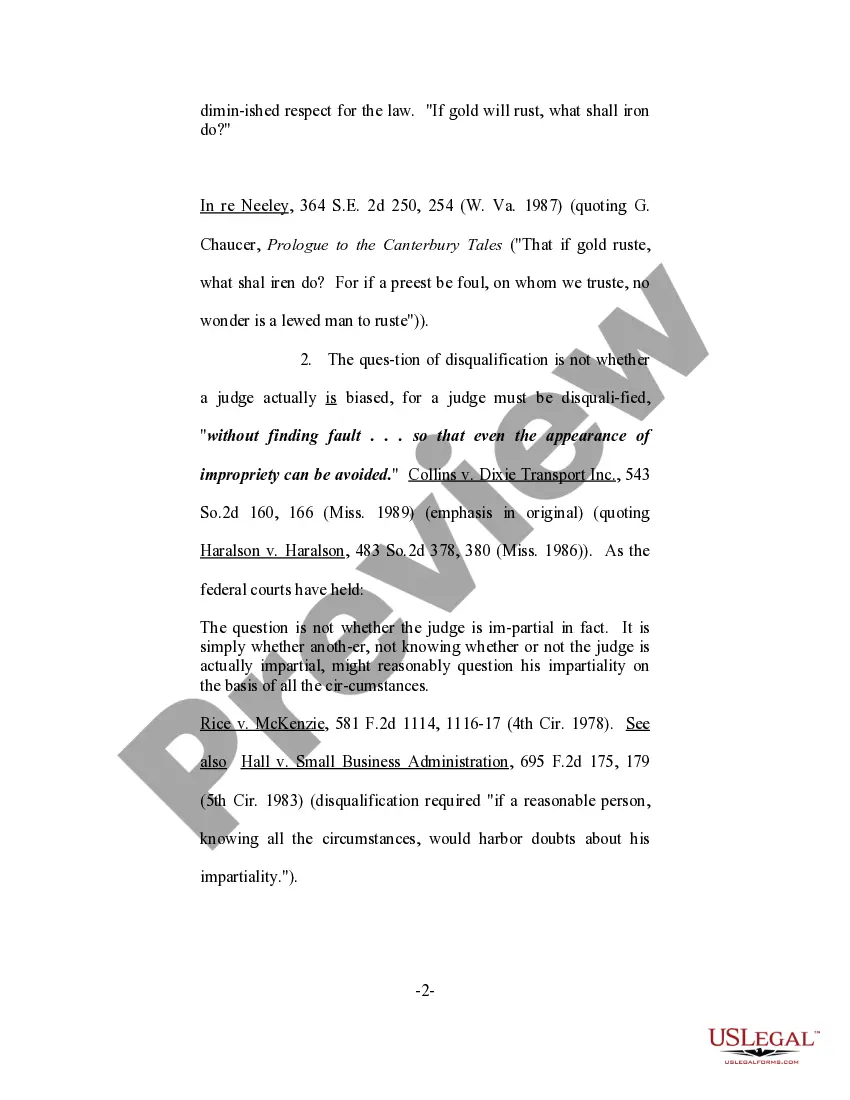
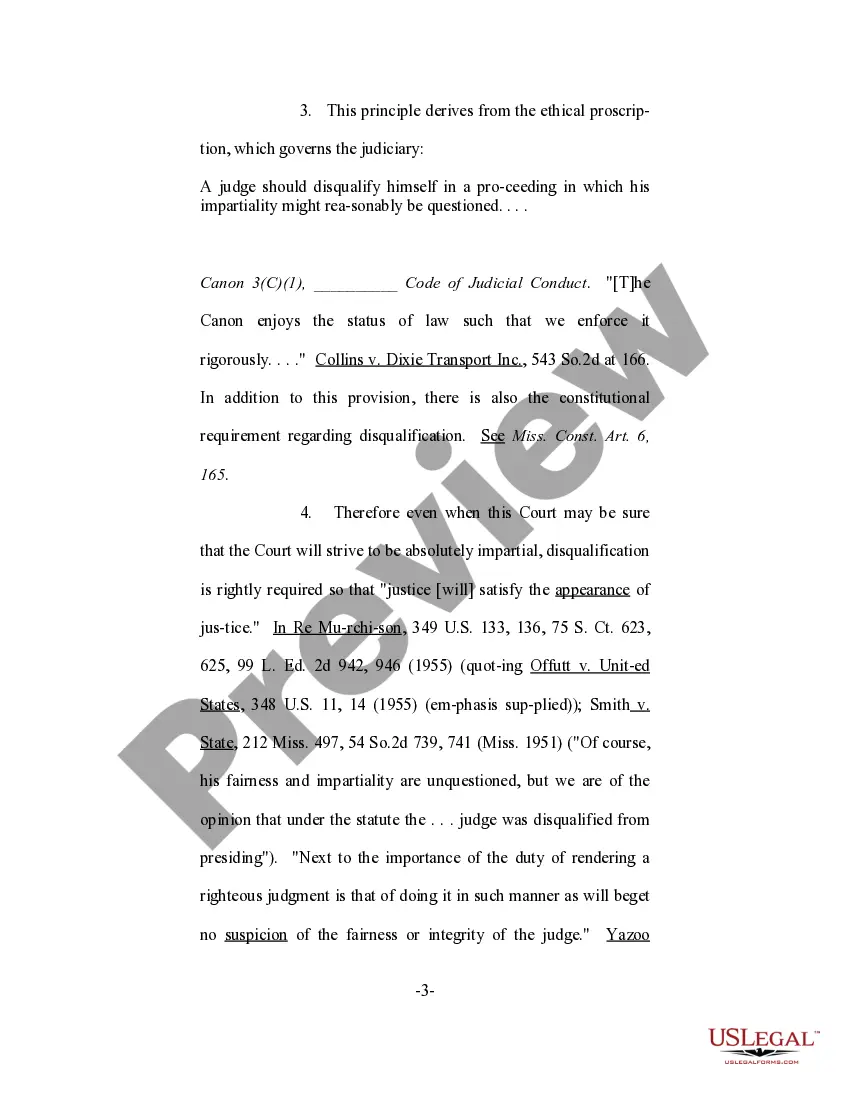
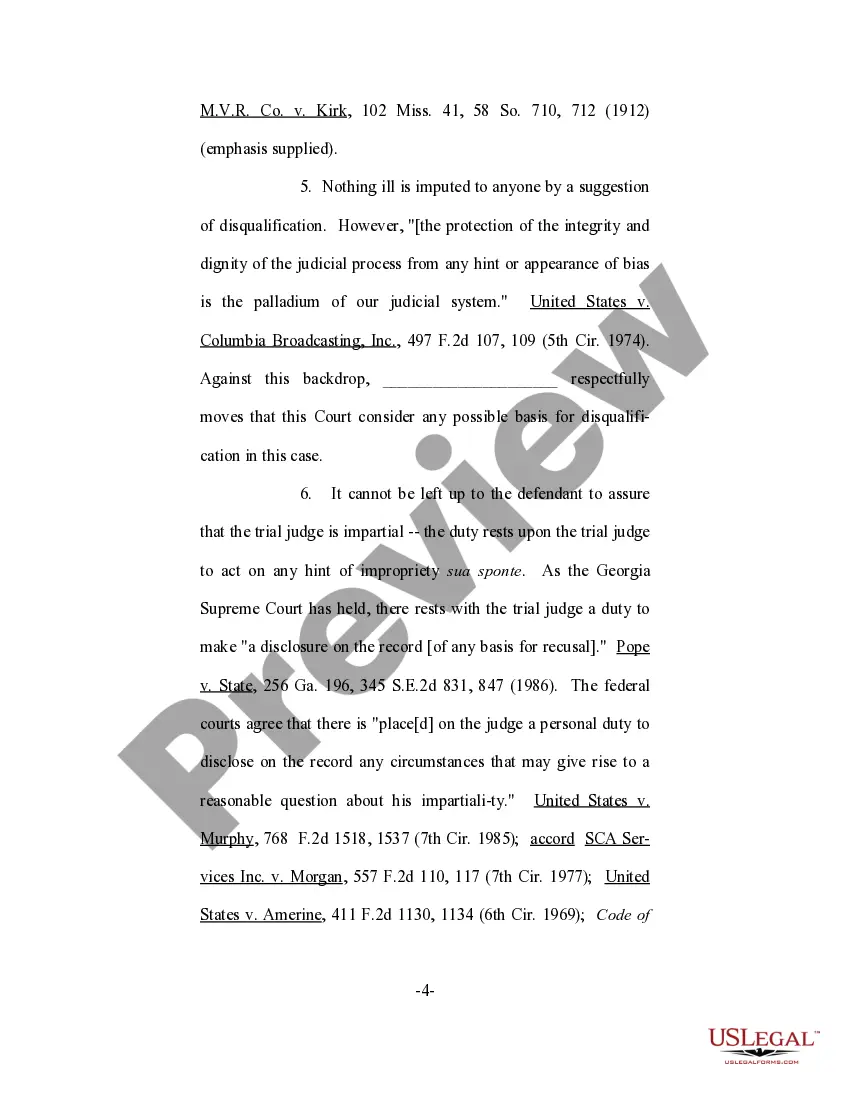
- Arguments: Provides legal precedents emphasizing the importance of judges being free from suspicion of bias.
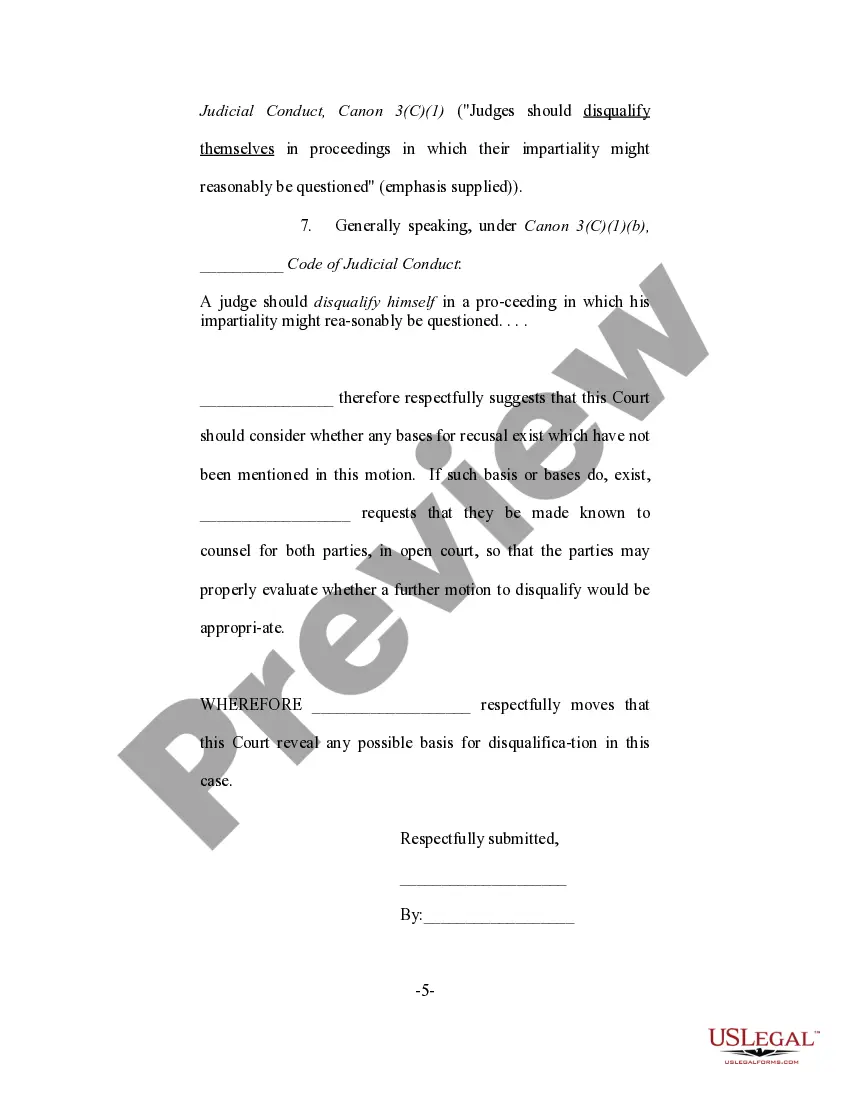
- Request for Disclosure: Asks the court to reveal any potential basis for recusal that has not been disclosed.
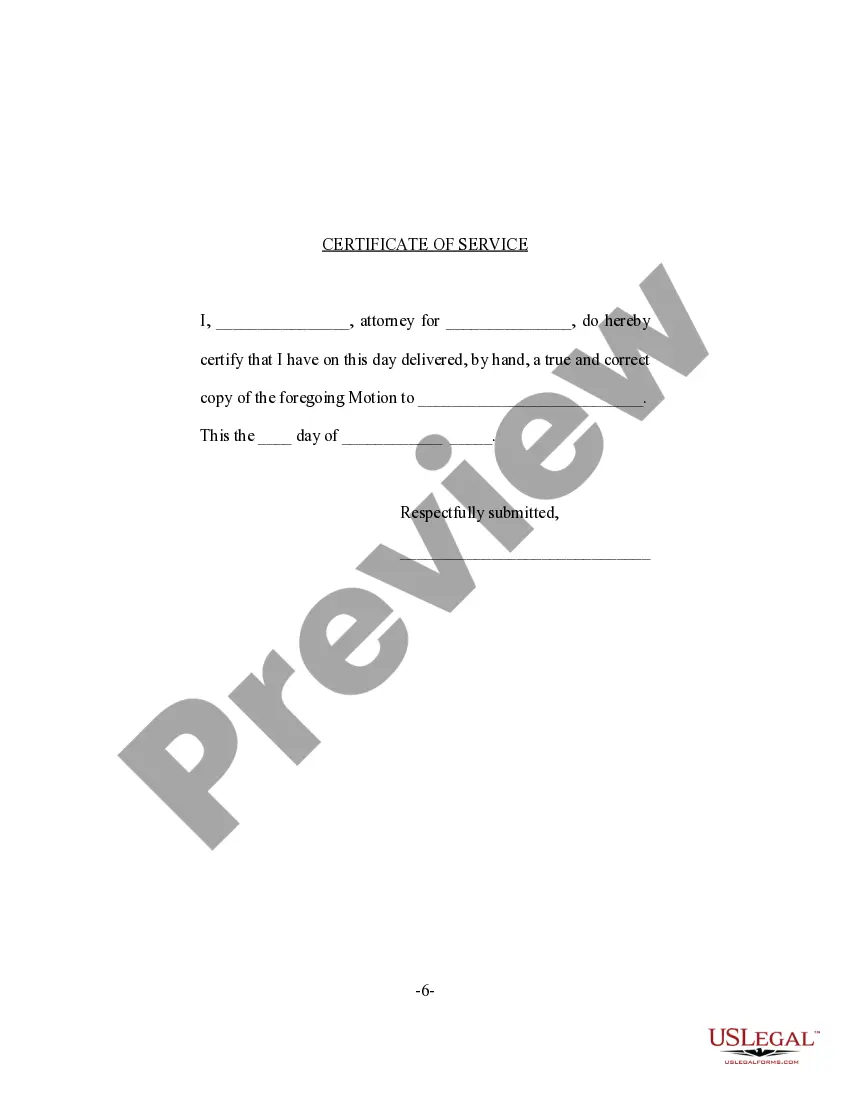
- Certification of Service: Confirms that a copy of the motion has been delivered to all involved parties.
When to use this document
This form should be used in situations where a party in a legal proceeding has concerns about the impartiality of the presiding judge. Common scenarios include cases involving conflicts of interest, personal relationships between the judge and parties, or prior involvement in the case. Filing this motion helps ensure that any perceived biases are addressed before proceeding with the trial.
Who needs this form
- Defendants or plaintiffs in legal cases where judicial integrity is questioned.
- Attorneys representing clients concerned about bias in the judicial process.
- Individuals or parties involved in cases that require a fair trial and transparent legal proceedings.
Instructions for completing this form
- Enter the names of the parties involved in the motion and the case details at the beginning of the form.
- Specify the constitutional amendments and legal principles that support the request for disclosure.
- Provide a clear argument citing precedents that highlight the importance of judicial integrity.
- Request the court to disclose any potential basis for recusal that has not been made known.
- Sign and date the motion before submitting it to the court and notify all parties involved.
Is notarization required?
This form does not typically require notarization unless specified by local law. It is advisable to check with your legal counsel or local court to confirm any notarization requirements that may apply.
Get your form ready online
Our built-in tools help you complete, sign, share, and store your documents in one place.
Make edits, fill in missing information, and update formatting in US Legal Forms—just like you would in MS Word.
Download a copy, print it, send it by email, or mail it via USPS—whatever works best for your next step.
Sign and collect signatures with our SignNow integration. Send to multiple recipients, set reminders, and more. Go Premium to unlock E-Sign.
If this form requires notarization, complete it online through a secure video call—no need to meet a notary in person or wait for an appointment.
We protect your documents and personal data by following strict security and privacy standards.

Make edits, fill in missing information, and update formatting in US Legal Forms—just like you would in MS Word.

Download a copy, print it, send it by email, or mail it via USPS—whatever works best for your next step.

Sign and collect signatures with our SignNow integration. Send to multiple recipients, set reminders, and more. Go Premium to unlock E-Sign.

If this form requires notarization, complete it online through a secure video call—no need to meet a notary in person or wait for an appointment.

We protect your documents and personal data by following strict security and privacy standards.
Mistakes to watch out for
- Failing to cite relevant legal precedents accurately, which may weaken the motion.
- Omitting essential party names or case details from the introduction.
- Submitting the motion without properly notifying all involved parties.
Benefits of using this form online
- Immediate access to a professionally drafted and legally compliant form.
- Convenience of downloading and filling out the form at oneâs own pace.
- Easy customization to fit specific case details or jurisdictional requirements.
Looking for another form?







Form popularity
FAQ
If a judge declines recusal even though they were aware that proper grounds existed, then there may be significant repercussions. First, the result of the case can be reviewed by an appellate court, and an entirely new trial may be ordered.
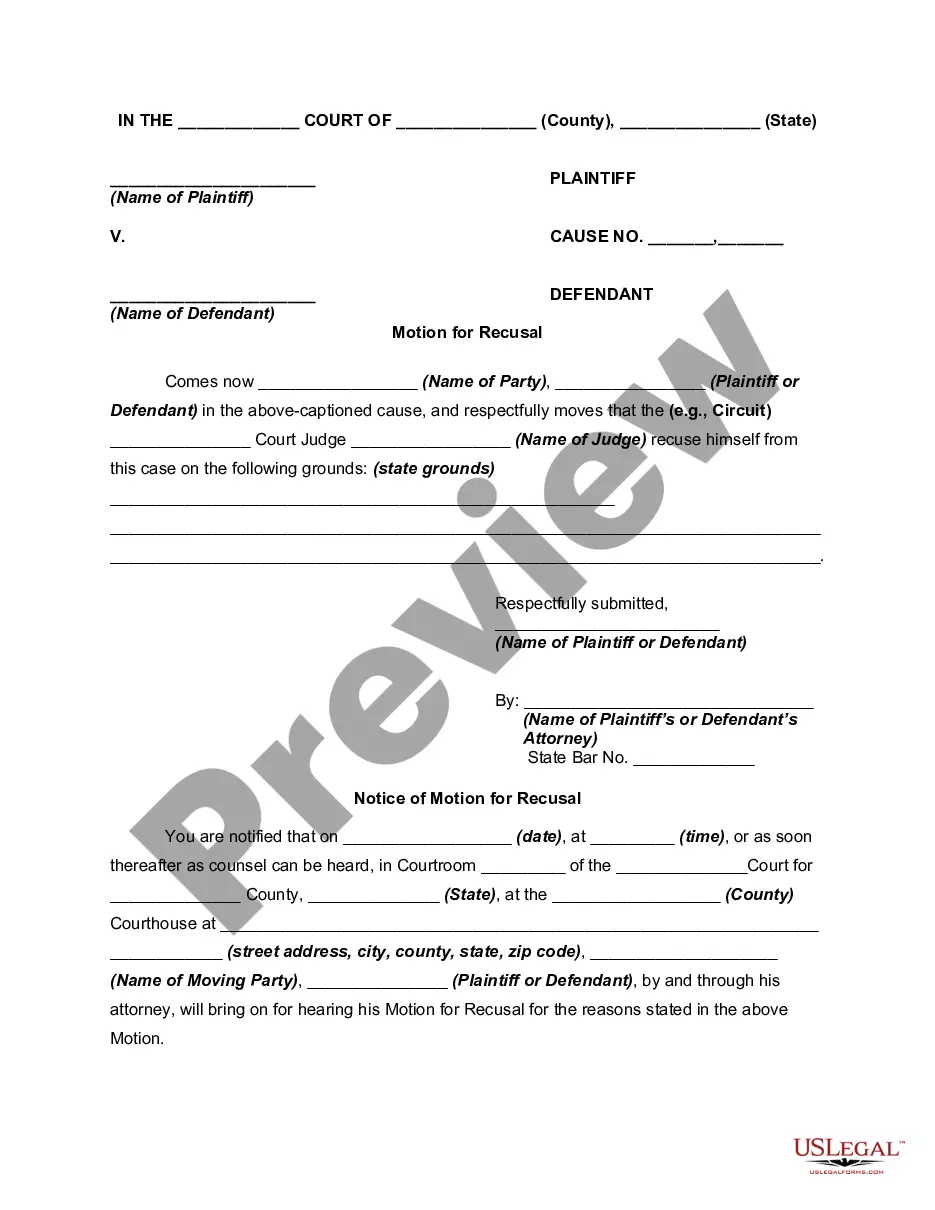
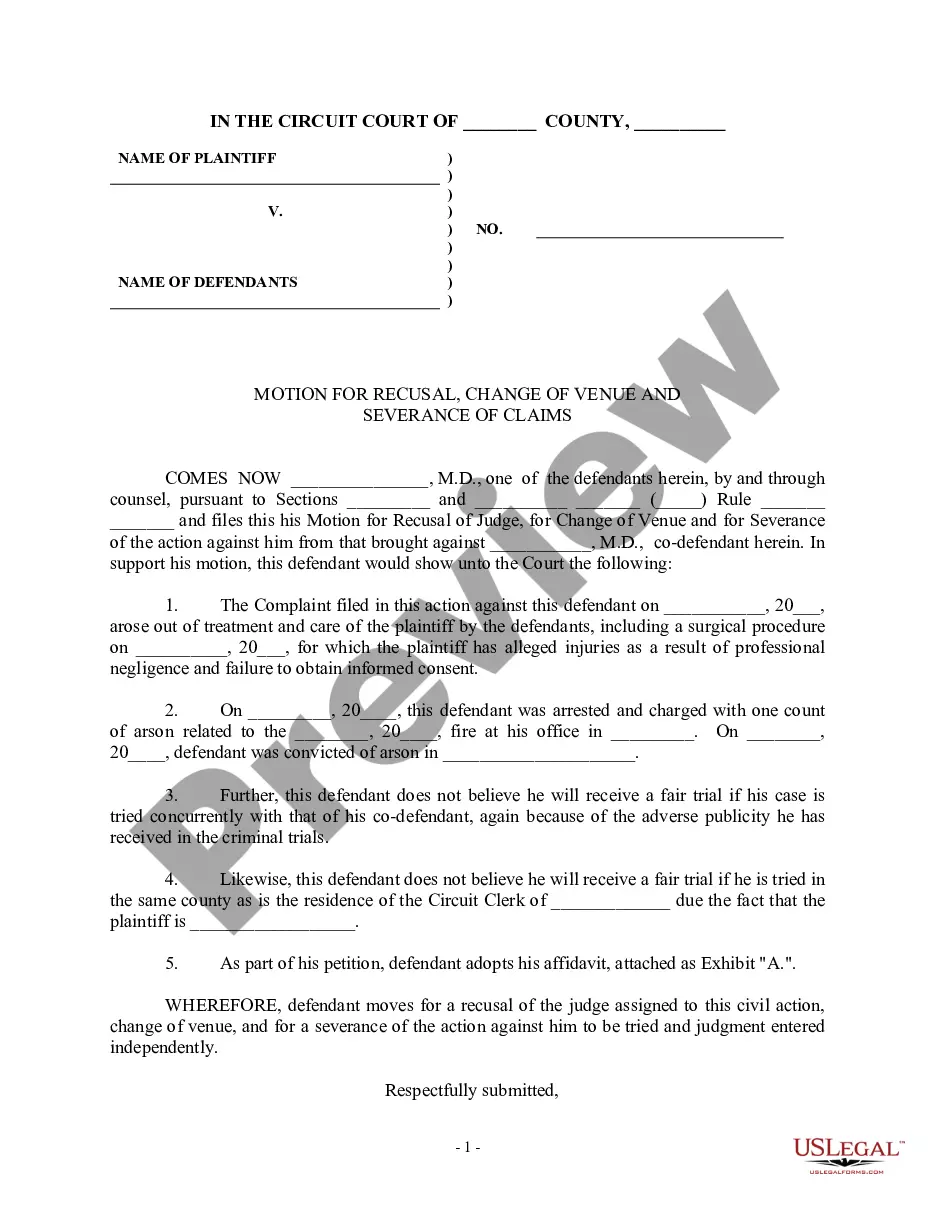
A motion to recuse is a legal motion filed in court that says a judge should be disqualified, or removed, from a legal case for a reason listed within CCP 170.1. The motion can be brought by either a prosecutor or a defense attorney.
(5) A judge who refuses to recuse himself or herself shall not pass upon his or her own disqualification or upon the sufficiency in law, fact, or otherwise, of the statement of disqualification filed by a party.
Judicial disqualification, also referred to as recusal, is the act of abstaining from participation in an official action such as a legal proceeding due to a conflict of interest of the presiding court official or administrative officer.
If a party believes that the judge's impartiality may reasonably be questioned under the provisions of the Constitution of New Mexico or the Code of Judicial Conduct, the party may file a notice of facts requiring recusal. The notice shall specifically set forth the constitutional grounds alleged.
Primary tabs. Judges recuse themselves when they take no part in deciding cases that they would otherwise help decide. The Due Process clauses of the United States Constitution requires judges to recuse themselves from cases in two situations: Where the judge has a financial interest in the case's outcome.
A motion to recuse is a legal motion filed in court that says a judge should be disqualified, or removed, from a legal case for a reason listed within CCP 170.1. The motion can be brought by either a prosecutor or a defense attorney. And, a motion to recuse can be filed in either a civil suit or in a criminal trial.
Primary tabs. Judges recuse themselves when they take no part in deciding cases that they would otherwise help decide. The Due Process clauses of the United States Constitution requires judges to recuse themselves from cases in two situations: Where the judge has a financial interest in the case's outcome.
Recusal Add to list Share. In law, recusal is the act of a judge being disqualified (or disqualifying herself) because of a conflict of interest.