Oil, Gas and Mineral Deed - Individual or Two Individuals to an Individual
Overview of this form
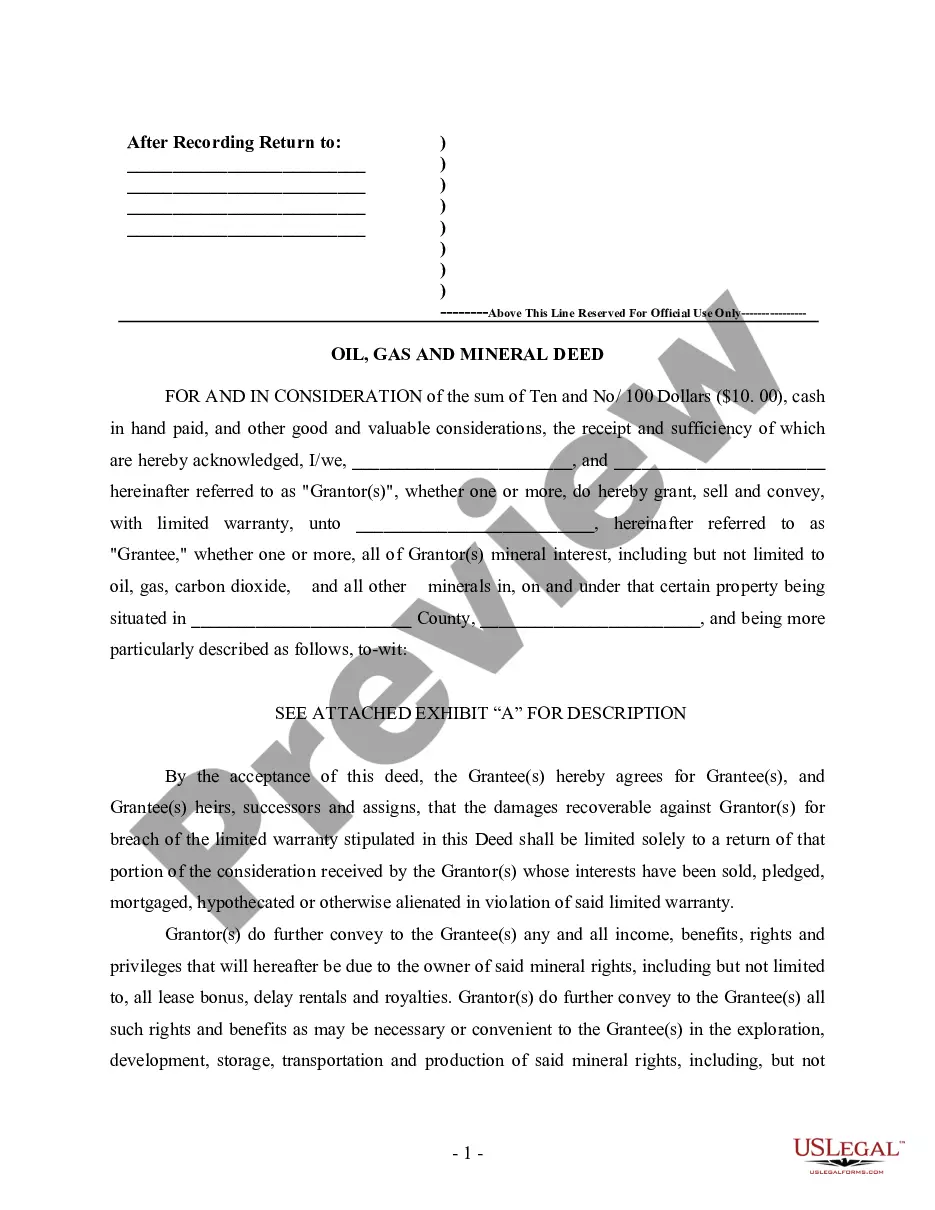
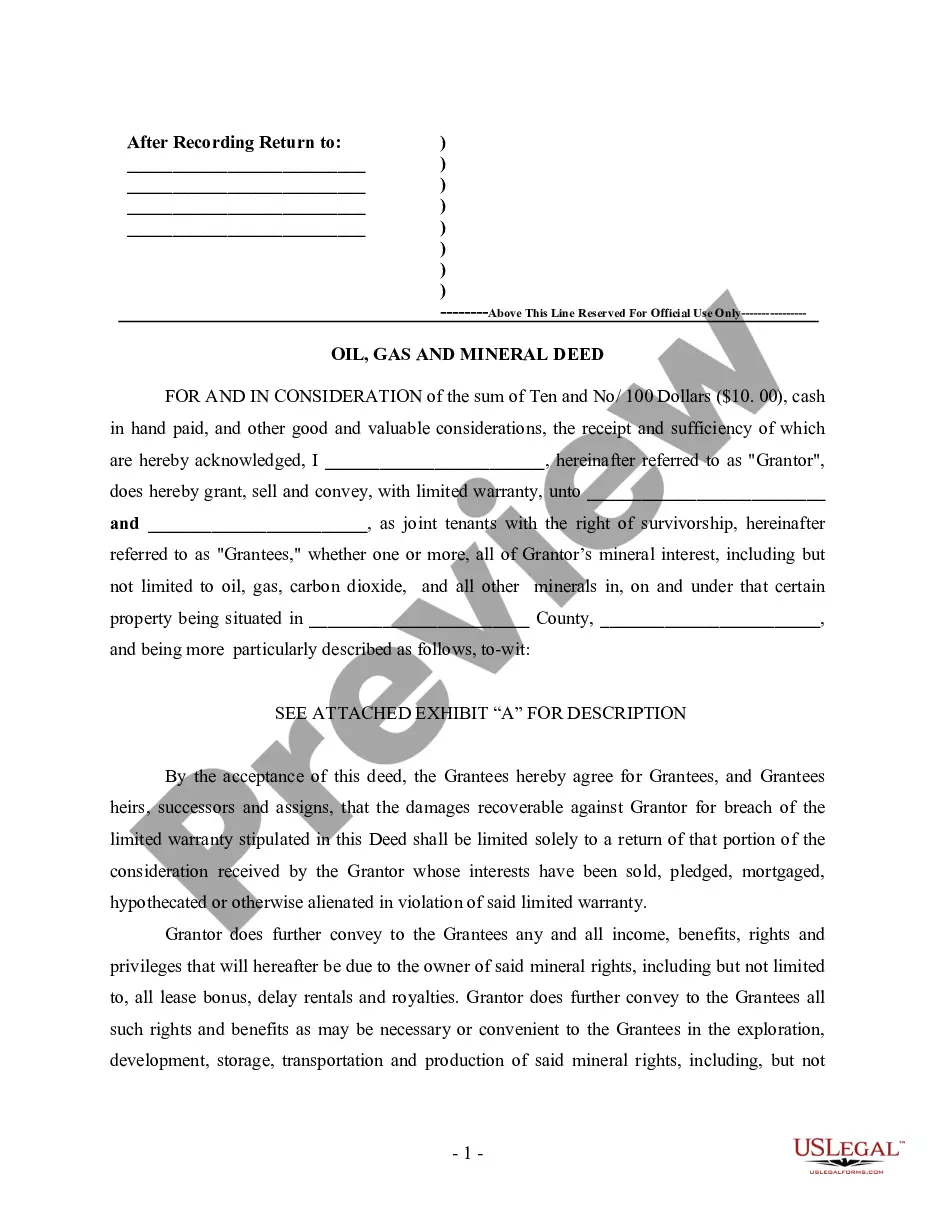
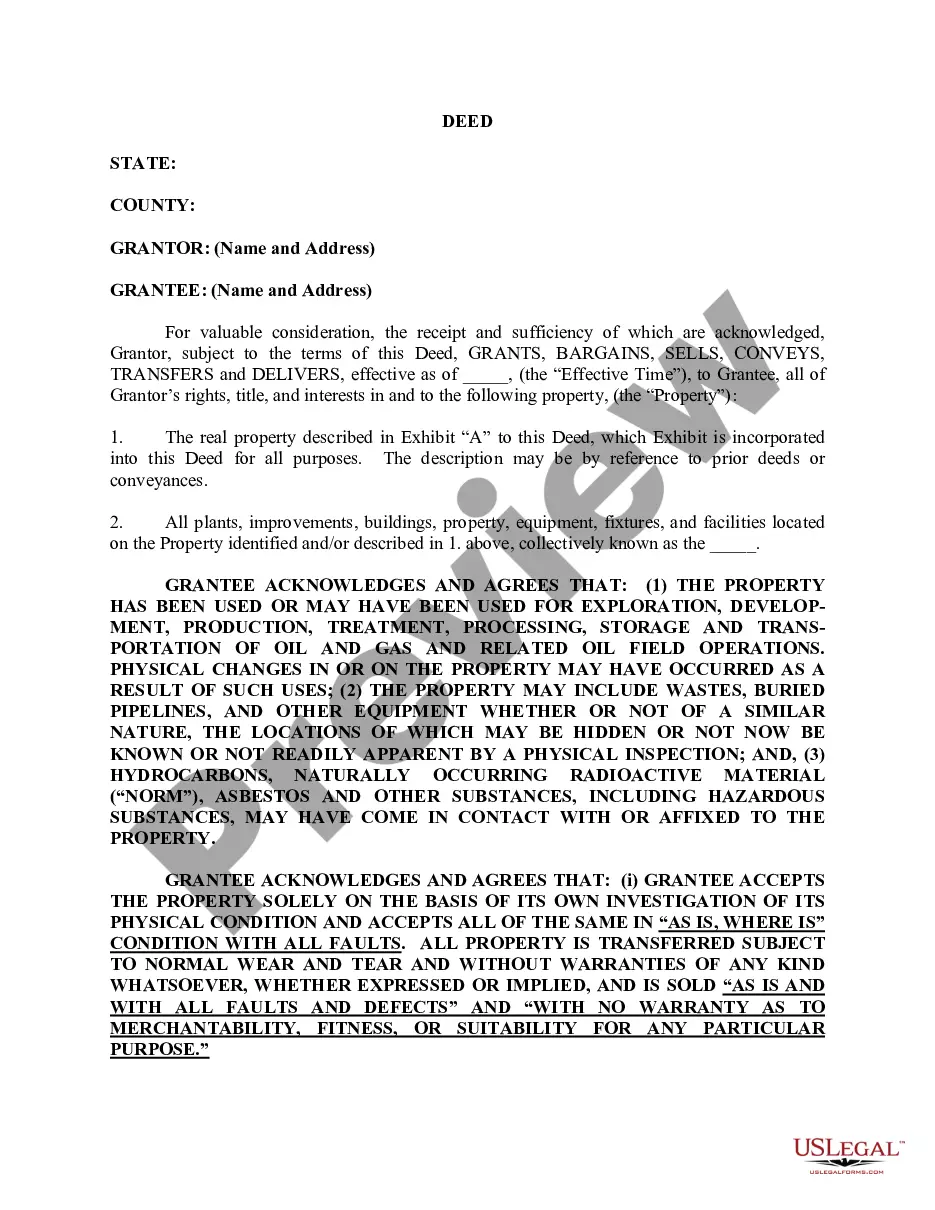
The Oil, Gas and Mineral Deed is a legal document used to transfer mineral rights from one or two individuals to another individual. This form allows Grantors to convey their interests in oil, gas, carbon dioxide, and other minerals beneath a specified property. It ensures that the Grantee receives these mineral rights with a limited warranty, distinguishing this deed from other forms of property transfer that may not cover mineral interests specifically.
What’s included in this form
- Identification of Grantor(s) and Grantee(s).
- Details of the mineral interests being conveyed.
- Description of the property involved, usually found in an attached exhibit.
- Limited warranty clause regarding the mineral rights.
- Provisions for future benefits, including royalties and lease bonuses.
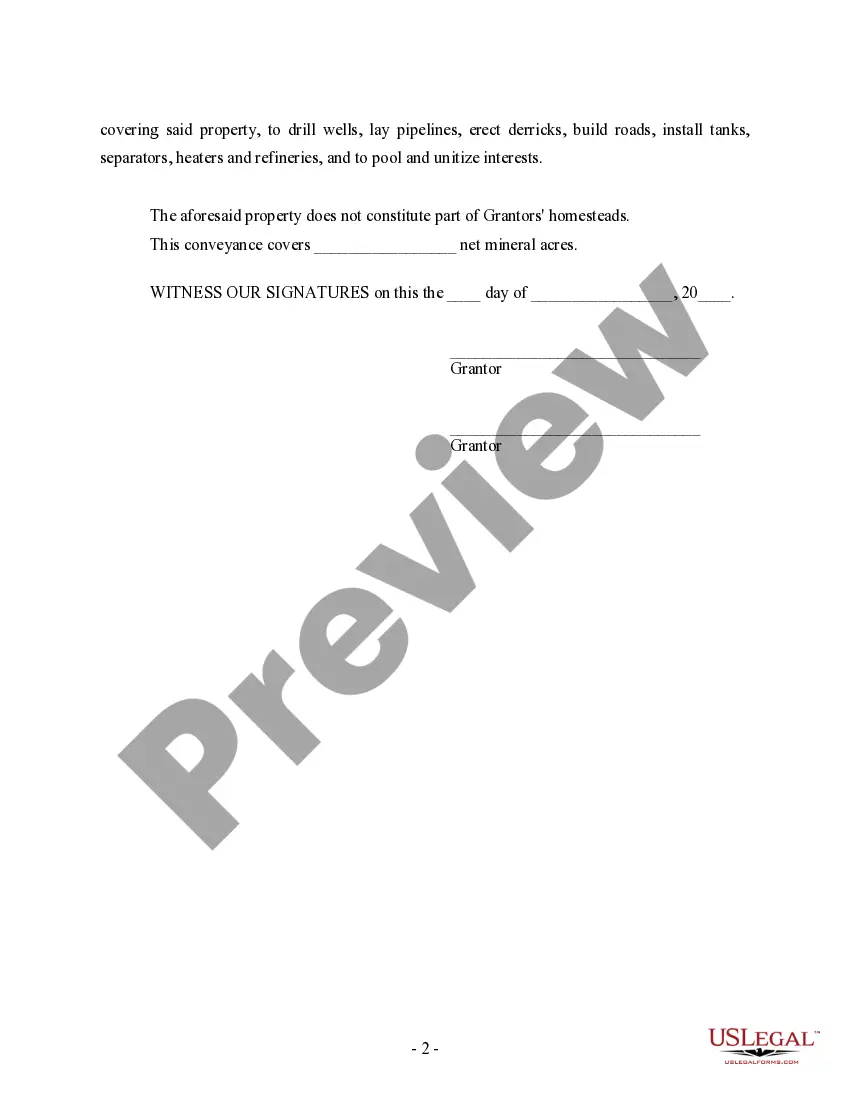
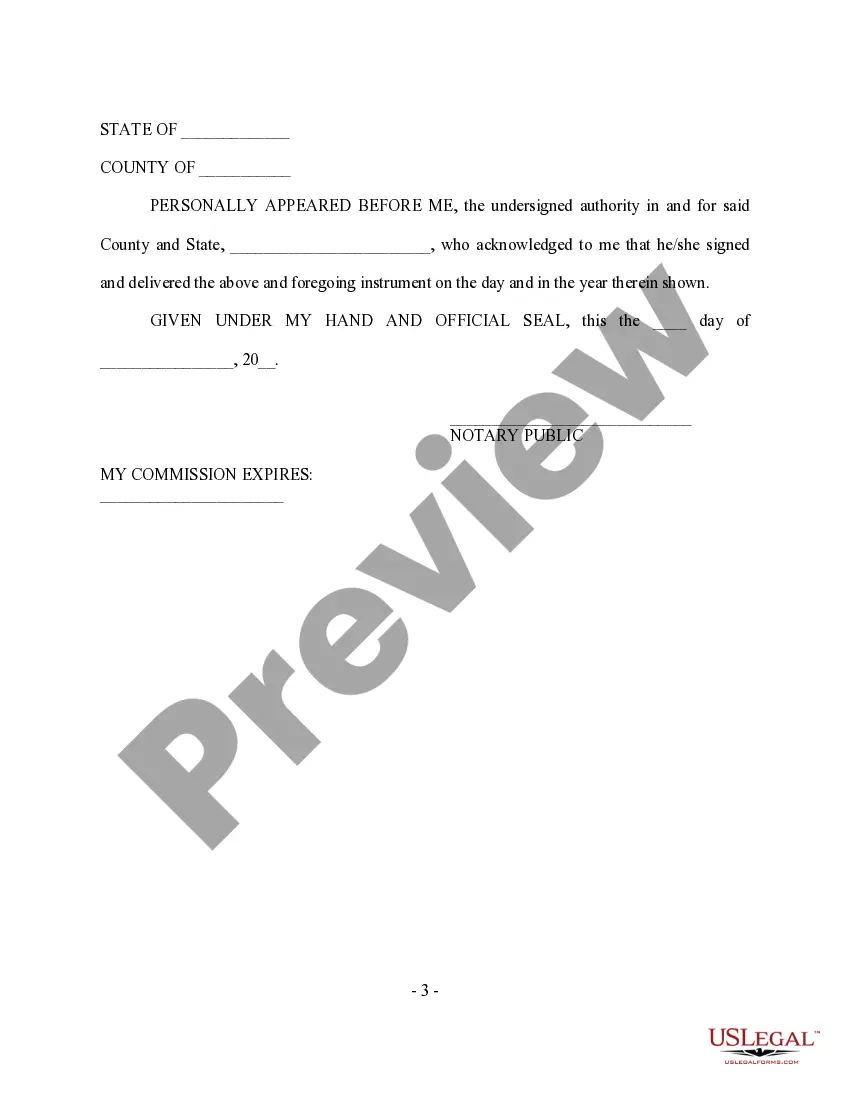
- Signatures of the Grantors and notary acknowledgment.

When this form is needed
This form is needed when individuals wish to sell or transfer their mineral rights to another person. It is commonly used in scenarios where landowners decide to relinquish their claims on oil, gas, or other minerals due to financial reasons, estate planning, or when entering into a joint venture for mineral exploration. Additionally, it can be relevant when two individuals co-own mineral rights and one wishes to transfer their share to another individual.
Who can use this document
This form is suitable for the following individuals:
- Landowners who own mineral rights and want to transfer or sell them.
- Co-owners of mineral interests wishing to convey their portion to another individual.
- Individuals involved in estate planning related to mineral rights.
Steps to complete this form
- Identify the parties involved by filling in the names of the Grantor(s) and Grantee(s).
- Specify the property and attach an exhibit that describes it in detail.
- Enter the monetary consideration for the transfer (the amount being paid for mineral rights).
- Sign the deed in front of a notary public to ensure legal validity.
- Retain a copy for your records after notarization.
Notarization requirements for this form
Yes, this form must be notarized to be legally valid. Notarization ensures that the identities of the Grantor(s) are verified, safeguarding all parties involved in the transaction. US Legal Forms offers integrated online notarization, making it simple and secure to complete your deed without the need to travel.
Get your form ready online
Our built-in tools help you complete, sign, share, and store your documents in one place.
Make edits, fill in missing information, and update formatting in US Legal Forms—just like you would in MS Word.
Download a copy, print it, send it by email, or mail it via USPS—whatever works best for your next step.
Sign and collect signatures with our SignNow integration. Send to multiple recipients, set reminders, and more. Go Premium to unlock E-Sign.
If this form requires notarization, complete it online through a secure video call—no need to meet a notary in person or wait for an appointment.
We protect your documents and personal data by following strict security and privacy standards.

Make edits, fill in missing information, and update formatting in US Legal Forms—just like you would in MS Word.

Download a copy, print it, send it by email, or mail it via USPS—whatever works best for your next step.

Sign and collect signatures with our SignNow integration. Send to multiple recipients, set reminders, and more. Go Premium to unlock E-Sign.

If this form requires notarization, complete it online through a secure video call—no need to meet a notary in person or wait for an appointment.

We protect your documents and personal data by following strict security and privacy standards.
Typical mistakes to avoid
- Failing to provide a complete description of the property.
- Not obtaining notarization, if required.
- Leaving out the signatures of all Grantors.
- Incorrectly completing the limited warranty clause.
Benefits of using this form online
- Quick access to legal forms tailored by licensed attorneys.
- Convenient digital downloads for immediate use.
- Editability allows for customization to individual needs.
- Guidance through the completion process ensures accuracy.
Legal use & context
- The deed creates a legal transfer of mineral interests, granting the grantee the rights to explore and utilize the specified resources.
- Limited warranties limit liability for the grantor, which can affect the granteeâs recourse in case of issues with the title.
- Observing state laws regarding recording and notifying relevant parties is essential for enforceability.
Main things to remember
- The Oil, Gas and Mineral Deed is essential for individuals transferring mineral rights.
- Properly completing and notarizing this form is crucial for ensuring legal validity.
- Understanding state-specific rules will help avoid potential legal issues.
- Using this form online streamlines the process, making it accessible and efficient.
Looking for another form?




Form popularity
FAQ
A deed that names the seller/donor and the purchaser/donee. It states and describes the rights being sold or given. Filing of the notarized conveyance in the county government office which is generally the county clerk's office.
After a divorce, mineral rights can be transferred by submitting the divorce decree and conveyances to the county (where the minerals are located) for recording. They usually go to the same agency that records titles and property deeds. The county will return the recorded original documents to the new owner.
A Mineral Deed typically applies to rights under the land itself. It provides the buyer with the option to extract those minerals, but the deed does not contain title to the surface land or any of the buildings attached to the property. The Mineral Deed does contain certain rights.
Oklahoma law allows for certain mineral interests to be transferred by filing an affidavit in the county real estate records.
An owner can separate the mineral rights from his or her land by: Conveying (selling or otherwise transferring) the land but retaining the mineral rights. (This is accomplished by including a statement in the deed conveying the land that reserves all rights to the minerals to the seller.)
Mineral rights in Texas are the rights to mineral deposits that exist under the surface of a parcel of property. This right normally belongs to the owner of the surface estate; however, in Texas those rights can be transferred through sale or lease to a second party.
The General Mineral Deed in Texas transfers ALL oil, gas, and mineral rights from the grantor to the grantee.It also transfers any and all rights to receive royalties, overriding royalties, net profits interests or other payments out of or with respect to those oil, gas and other minerals.