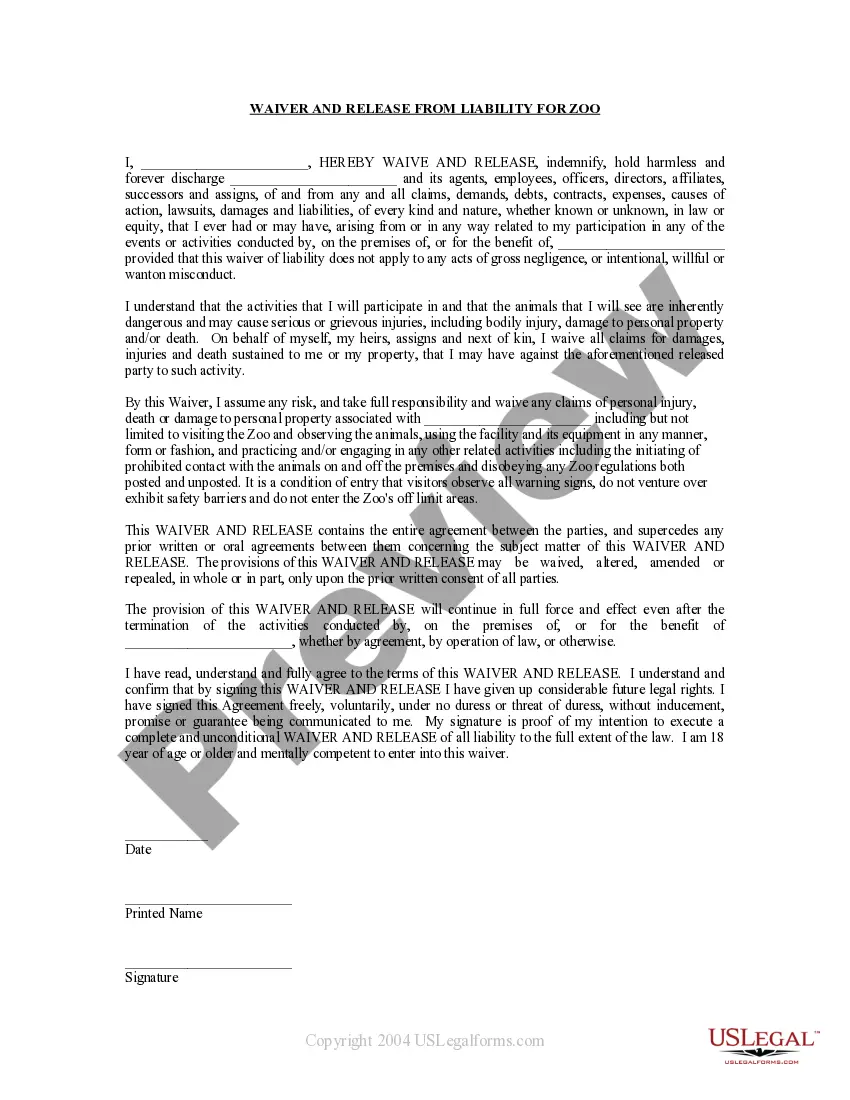
Oil, Gas and Mineral Deed - Individual to Two Individuals
What this document covers
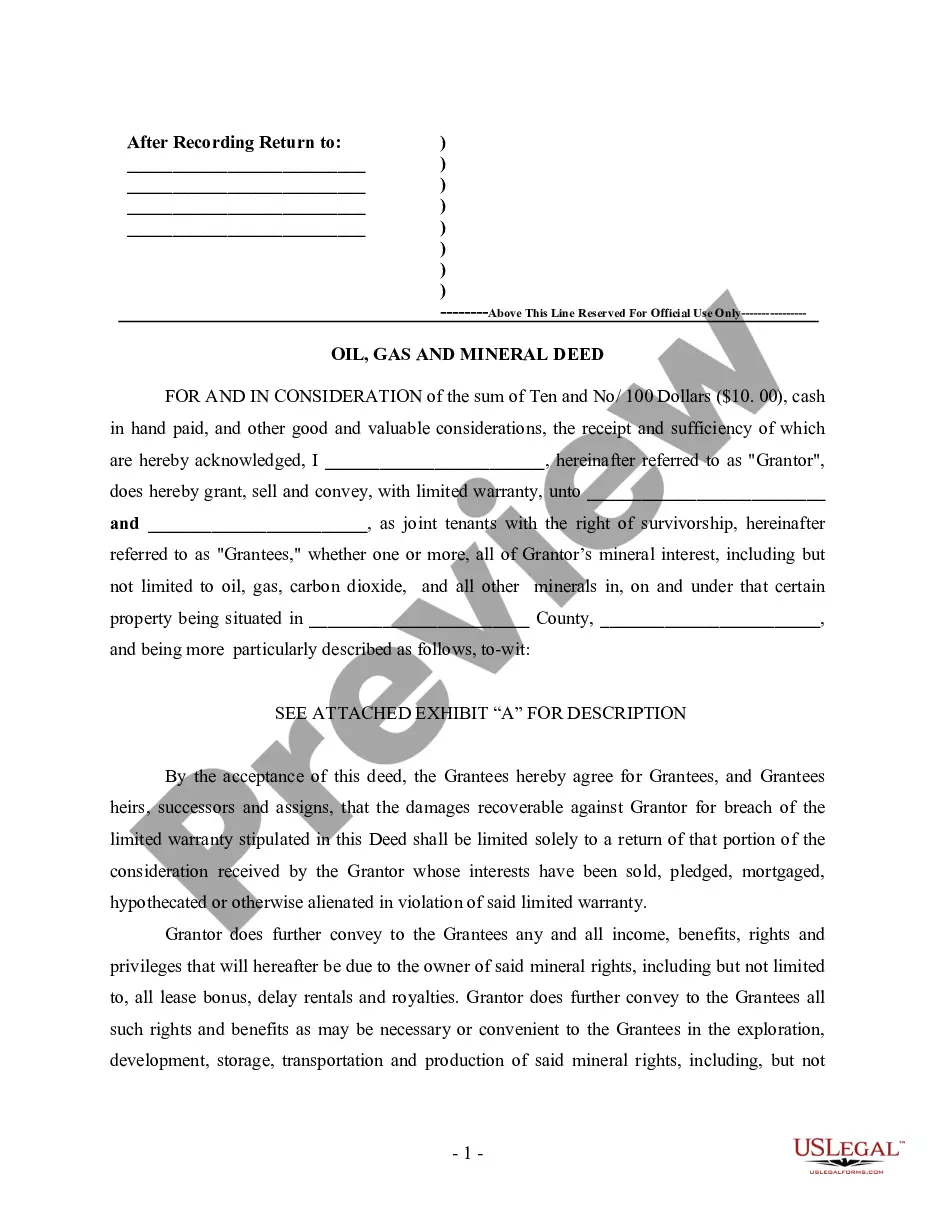
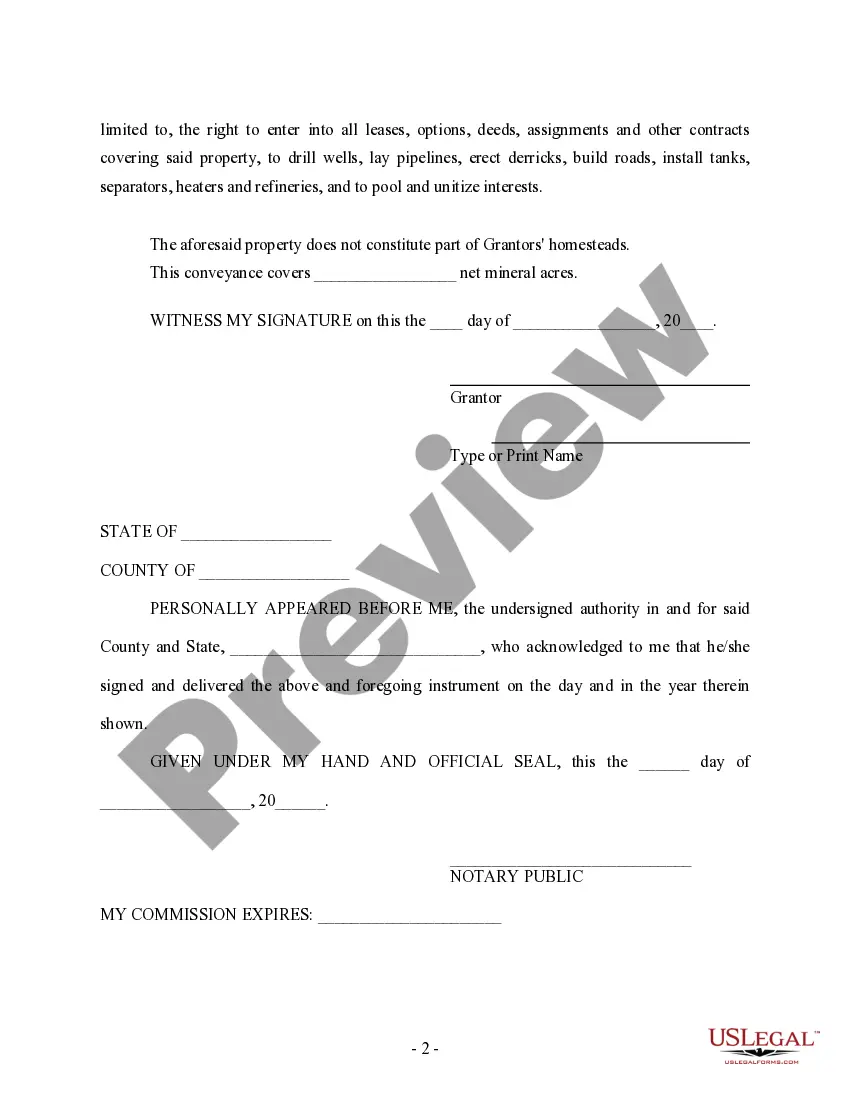
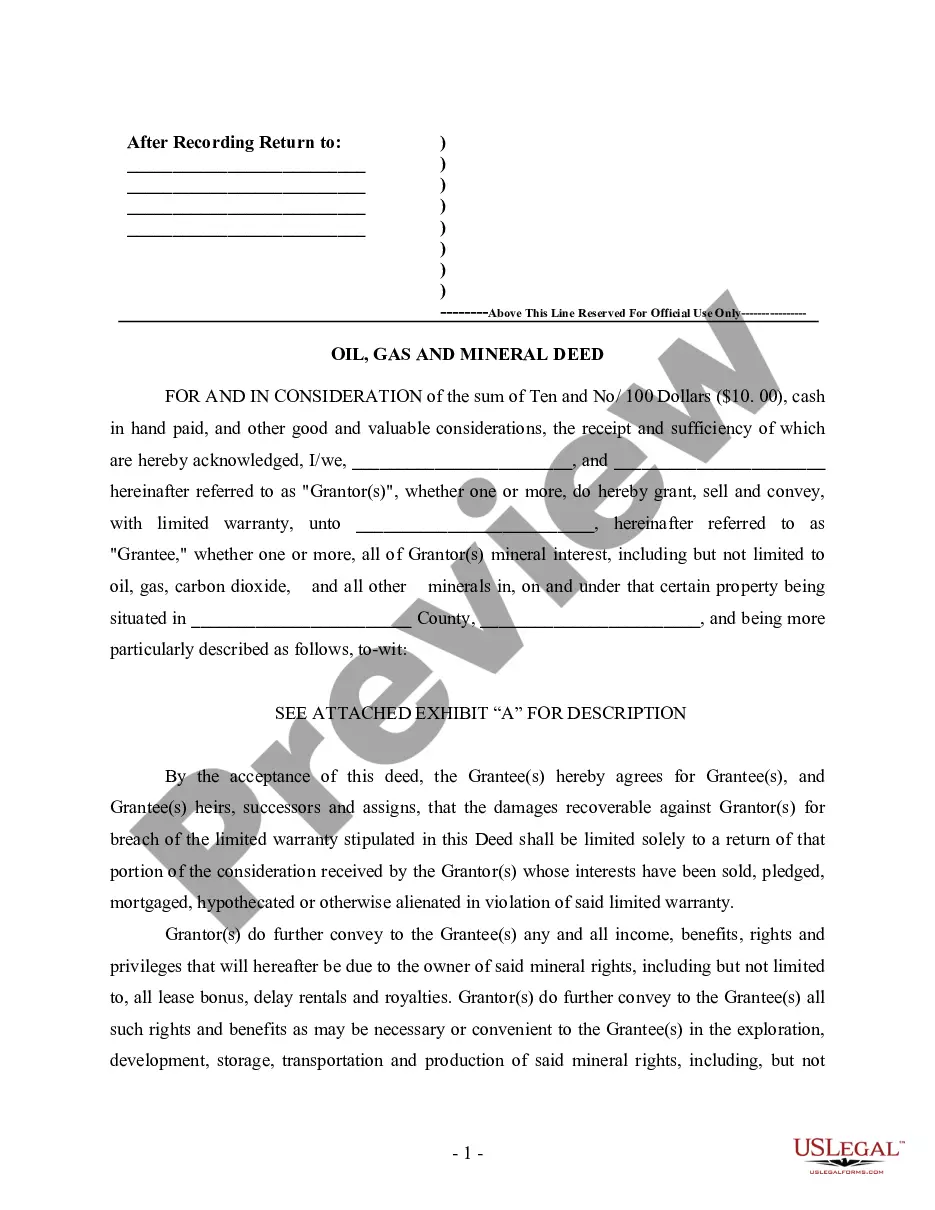
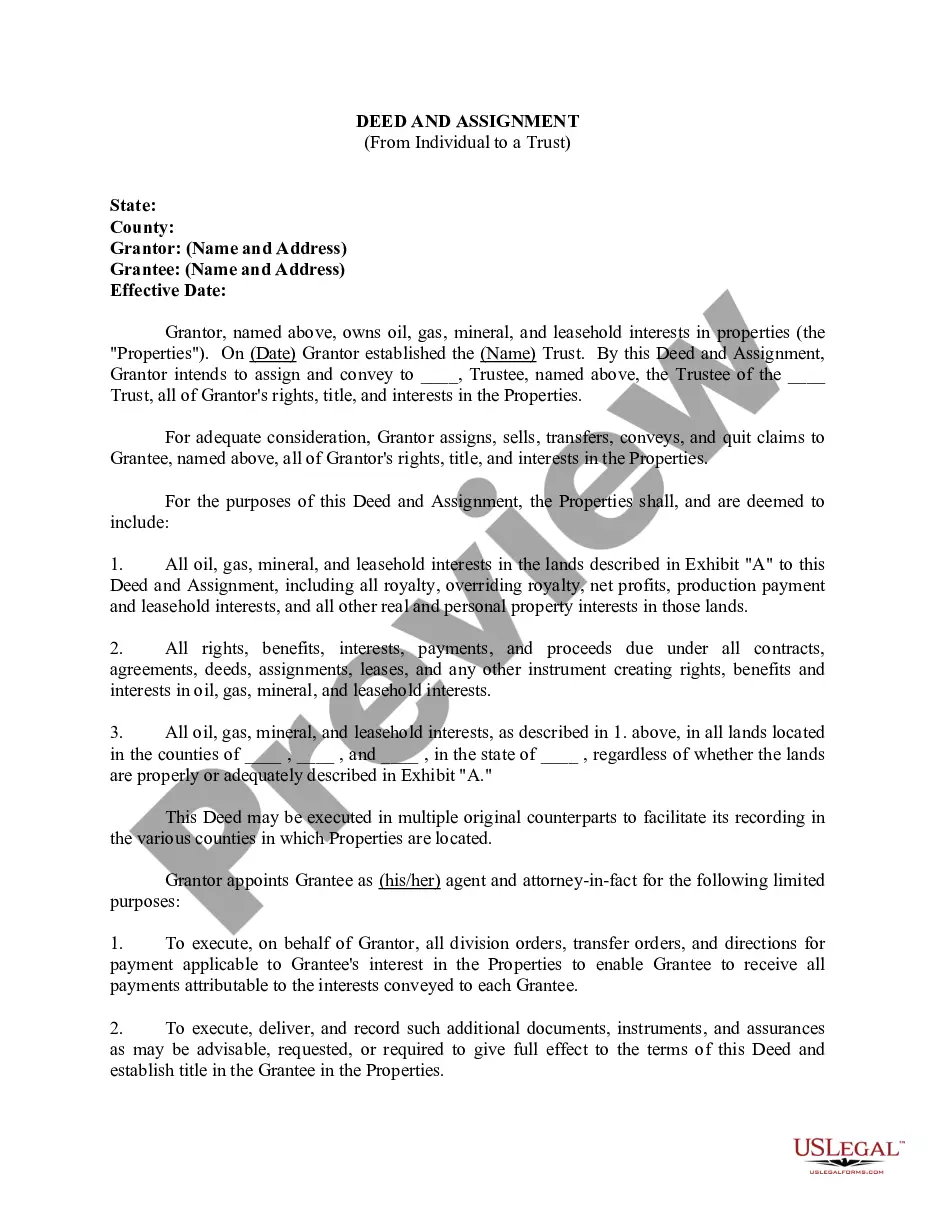
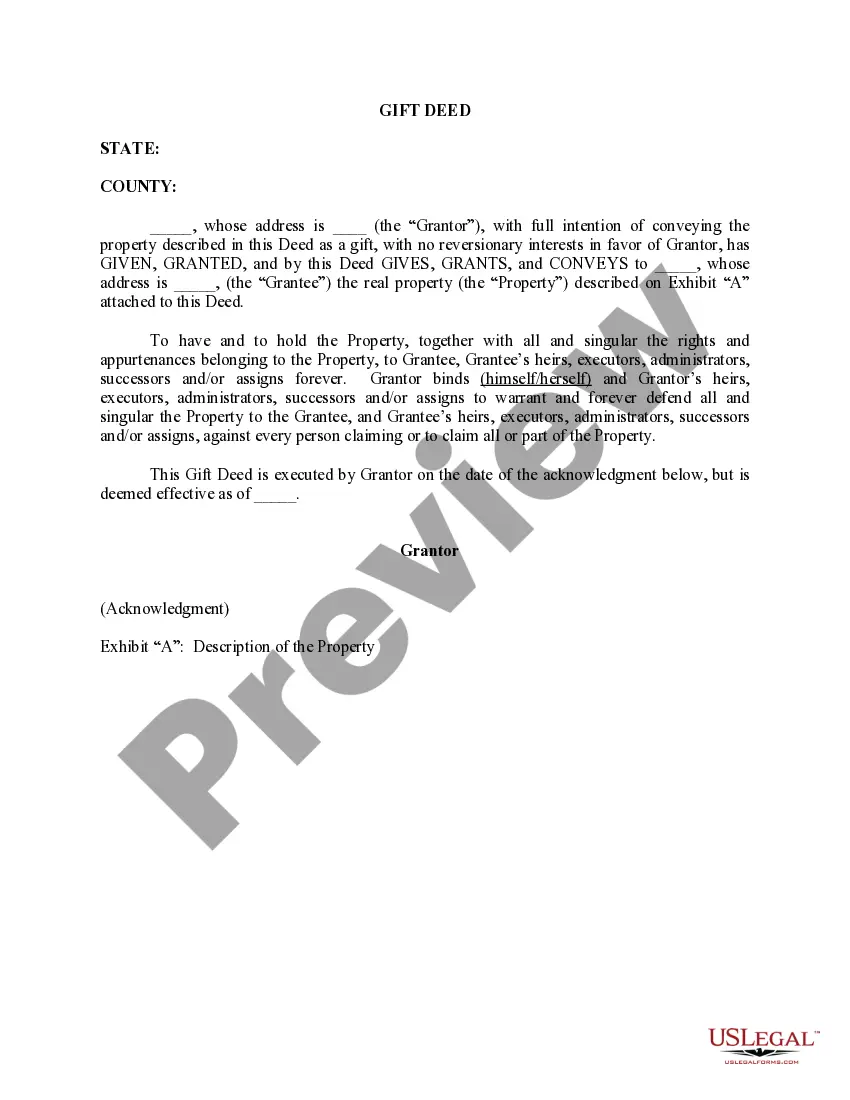
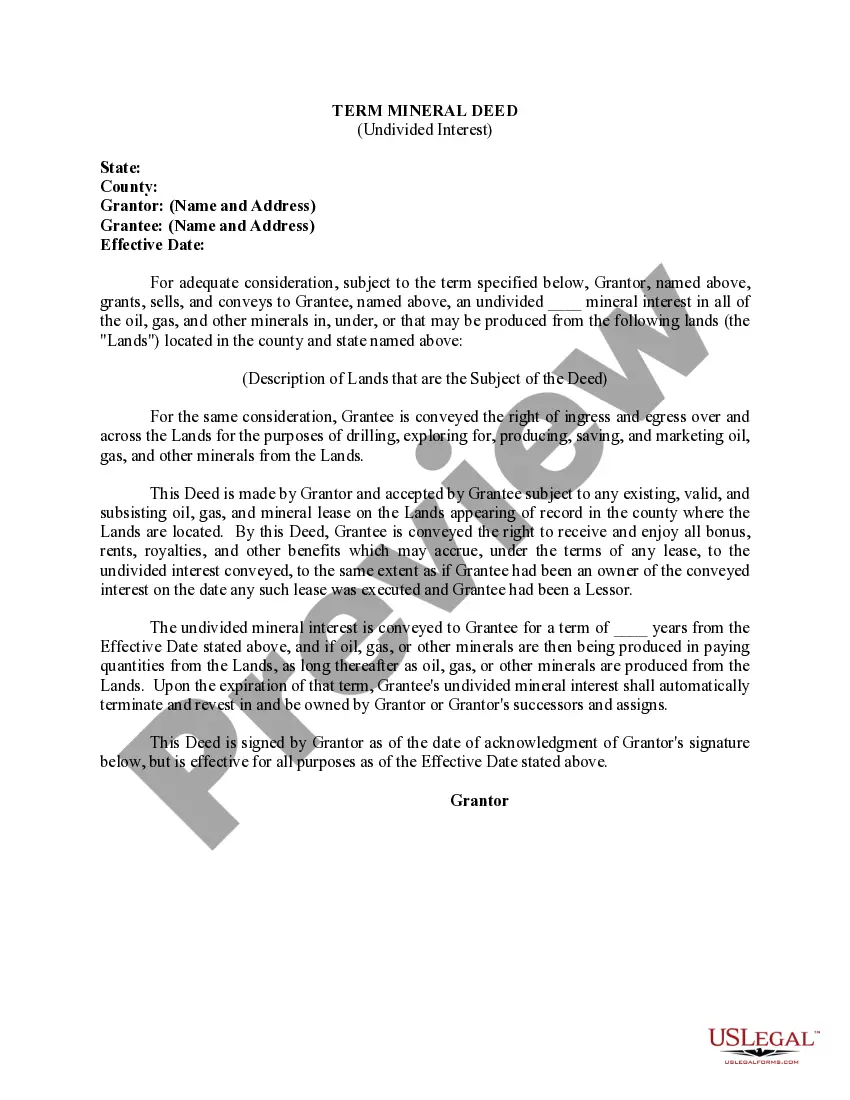
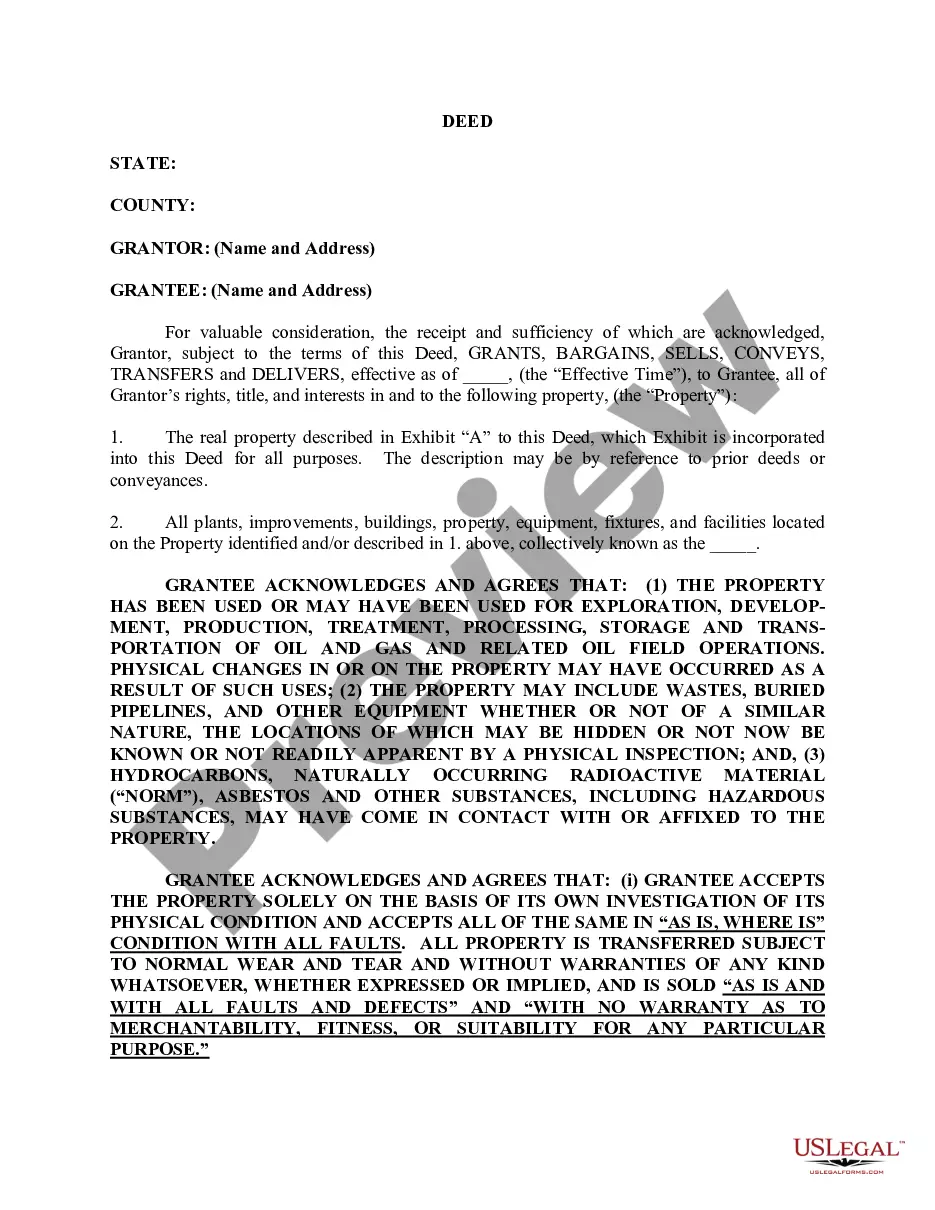
The Oil, Gas and Mineral Deed - Individual to Two Individuals is a legal document used to transfer mineral interests from one individual (the Grantor) to two individuals (the Grantees). This form specifically conveys rights related to oil, gas, carbon dioxide, and other minerals located beneath a specified property. Unlike general property deeds, this form focuses solely on mineral rights, allowing the Grantees to explore and extract those resources.
Key parts of this document
- Identification of the Grantor and Grantees
- Details of the property where mineral interests are located
- Definition of the mineral interests being conveyed
- Limited warranty clause regarding the title
- Rights granted for exploration and production of minerals
- Space for notarization and official signatures
Common use cases
This form should be used when an individual wishes to transfer their mineral rights to two other individuals, particularly when these rights include oil, gas, and other mineral interests. It's essential in situations such as an estate settlement, a sale of interests, or when planning for future mineral exploration and extraction. This deed can also be part of property management strategies or investment in mineral resources.
Who this form is for
- Individuals looking to transfer mineral interests to others
- Property owners with associated mineral rights
- Investment groups focusing on natural resources
- Heirs managing inherited mineral rights
Instructions for completing this form
- Identify the Grantor by entering their full name.
- List the Grantees, ensuring their names are accurately entered.
- Specify the property location, including the county and a legal description of the property.
- Enter the consideration amount, typically ten dollars, for legal validity.
- Sign and date the document, and have it notarized as required.
Notarization requirements for this form
Yes, this form must be notarized to be legally valid. US Legal Forms offers integrated online notarization, allowing you to complete this process securely via video call, ensuring your document meets legal requirements without the need for travel.
Get your form ready online
Our built-in tools help you complete, sign, share, and store your documents in one place.
Make edits, fill in missing information, and update formatting in US Legal Forms—just like you would in MS Word.
Download a copy, print it, send it by email, or mail it via USPS—whatever works best for your next step.
Sign and collect signatures with our SignNow integration. Send to multiple recipients, set reminders, and more. Go Premium to unlock E-Sign.
If this form requires notarization, complete it online through a secure video call—no need to meet a notary in person or wait for an appointment.
We protect your documents and personal data by following strict security and privacy standards.

Make edits, fill in missing information, and update formatting in US Legal Forms—just like you would in MS Word.

Download a copy, print it, send it by email, or mail it via USPS—whatever works best for your next step.

Sign and collect signatures with our SignNow integration. Send to multiple recipients, set reminders, and more. Go Premium to unlock E-Sign.

If this form requires notarization, complete it online through a secure video call—no need to meet a notary in person or wait for an appointment.

We protect your documents and personal data by following strict security and privacy standards.
Common mistakes
- Failing to accurately describe the property in the legal description.
- Not having the signature notarized, which could affect the validity.
- Leaving out the identification of Grantees or entering incorrect names.
- Not specifying the amount of mineral interest being conveyed.
Advantages of online completion
- Convenient access to legally vetted templates created by licensed attorneys.
- Edit and customize the form to meet your specific needs quickly.
- Downloadable for immediate use, saving time and effort compared to traditional legal services.
Key takeaways
- This deed specifically conveys mineral rights, excluding the homestead property.
- It provides a legal mechanism for transferring interests between individuals.
- Notarization is essential for the legal validity of this form.
- Proper completion and understanding of your rights and obligations are critical.
Looking for another form?

Form popularity
FAQ
A: Mineral rights are the legal rights to the minerals in a property. Whoever owns a property's mineral rights has full legal rights to mine for and profit from those minerals.
An owner can separate the mineral rights from his or her land by: Conveying (selling or otherwise transferring) the land but retaining the mineral rights. (This is accomplished by including a statement in the deed conveying the land that reserves all rights to the minerals to the seller.)
As a mineral rights value rule of thumb, the 3X cash flow method is often used. To calculate mineral rights value, multiply the 12-month trailing cash flow by 3. For a property with royalty rights, a 5X multiple provides a more accurate valuation (stout.com).
After a divorce, mineral rights can be transferred by submitting the divorce decree and conveyances to the county (where the minerals are located) for recording. They usually go to the same agency that records titles and property deeds. The county will return the recorded original documents to the new owner.
A deed that names the seller/donor and the purchaser/donee. It states and describes the rights being sold or given. Filing of the notarized conveyance in the county government office which is generally the county clerk's office.
In Texas, and most other states, the ownership of the mineral estate can be separated (severed) from the surface estate. Put another way, one person may own the rights to use the surface of a piece of property while another person has the right to use the minerals underneath the property.
Call the county where the minerals are located and ask how to transfer mineral ownership after death. They will probably advise you to submit a copy of the death certificate, probate documents (if any), and a copy of the will (or affidavit of heirship if there is no will).
A mineral owner's rights typically include the right to use the surface of the land to access and mine the minerals owned. This might mean the mineral owner has the right to drill an oil or natural gas well, or excavate a mine on your property.
If you want to sell the mineral rights to another person, you can transfer them by deed. You will need to create a mineral deed and have it recorded. You should check with the county Recorder of Deeds in the county where the land is located and ask if a printed mineral deed form is available to use.