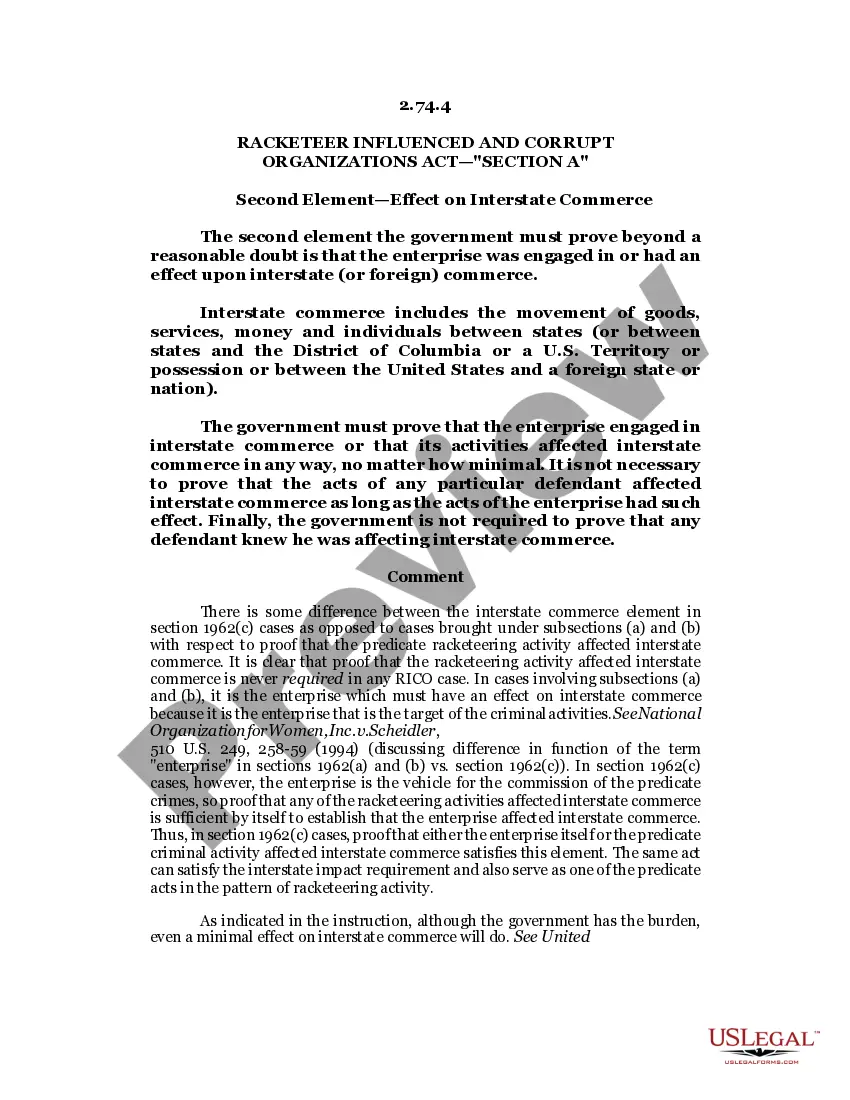
Complaint For Declaratory Judgment To Determine ERISA Coverage
What is this form?
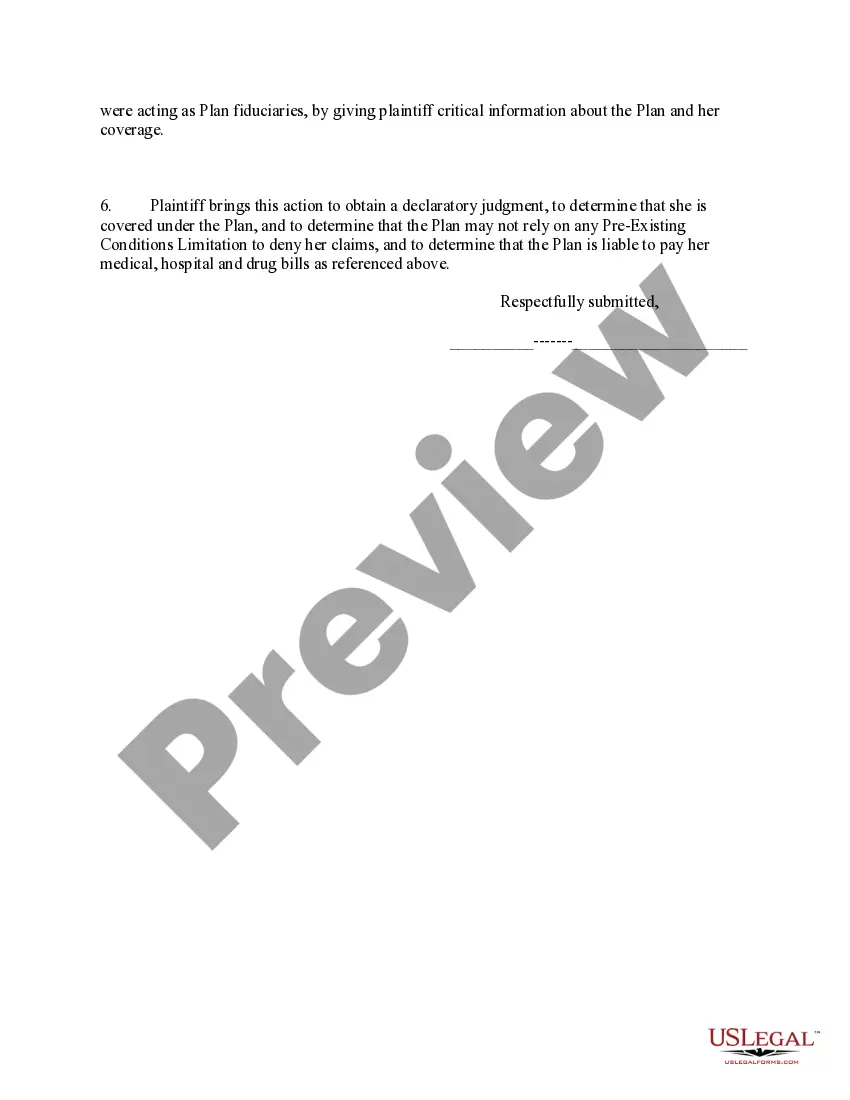
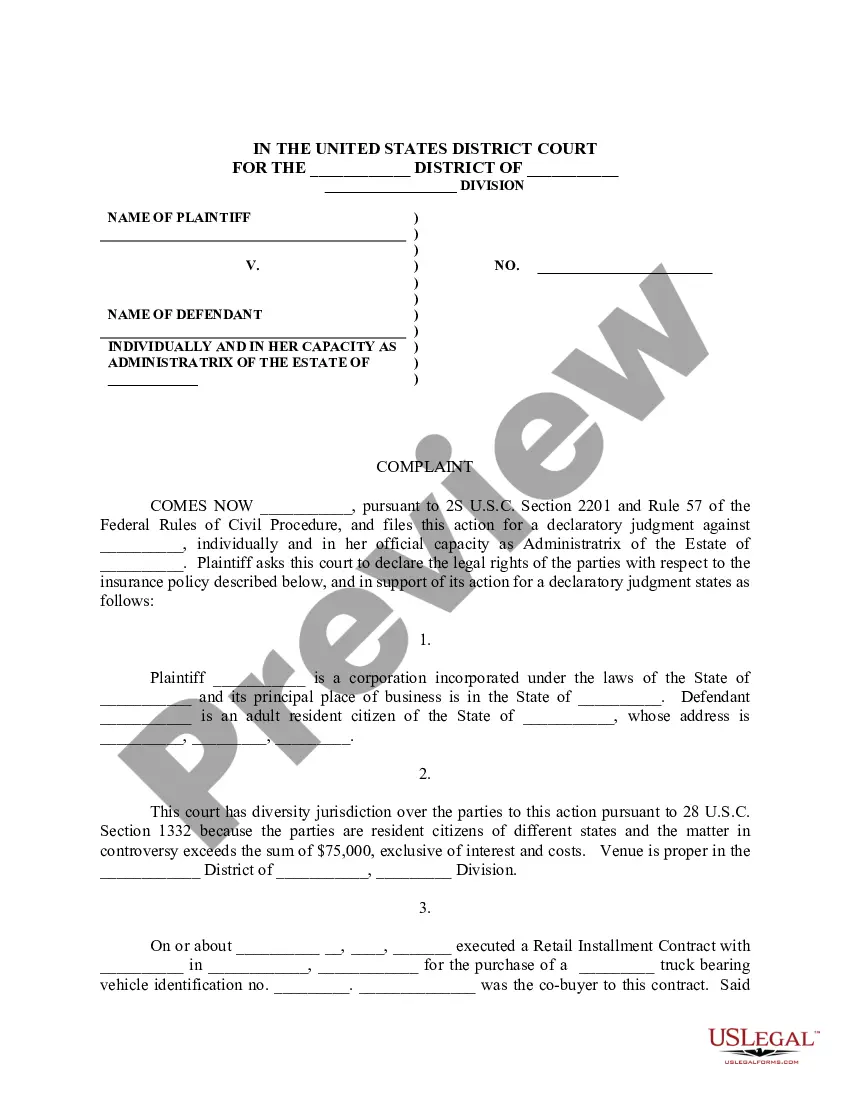
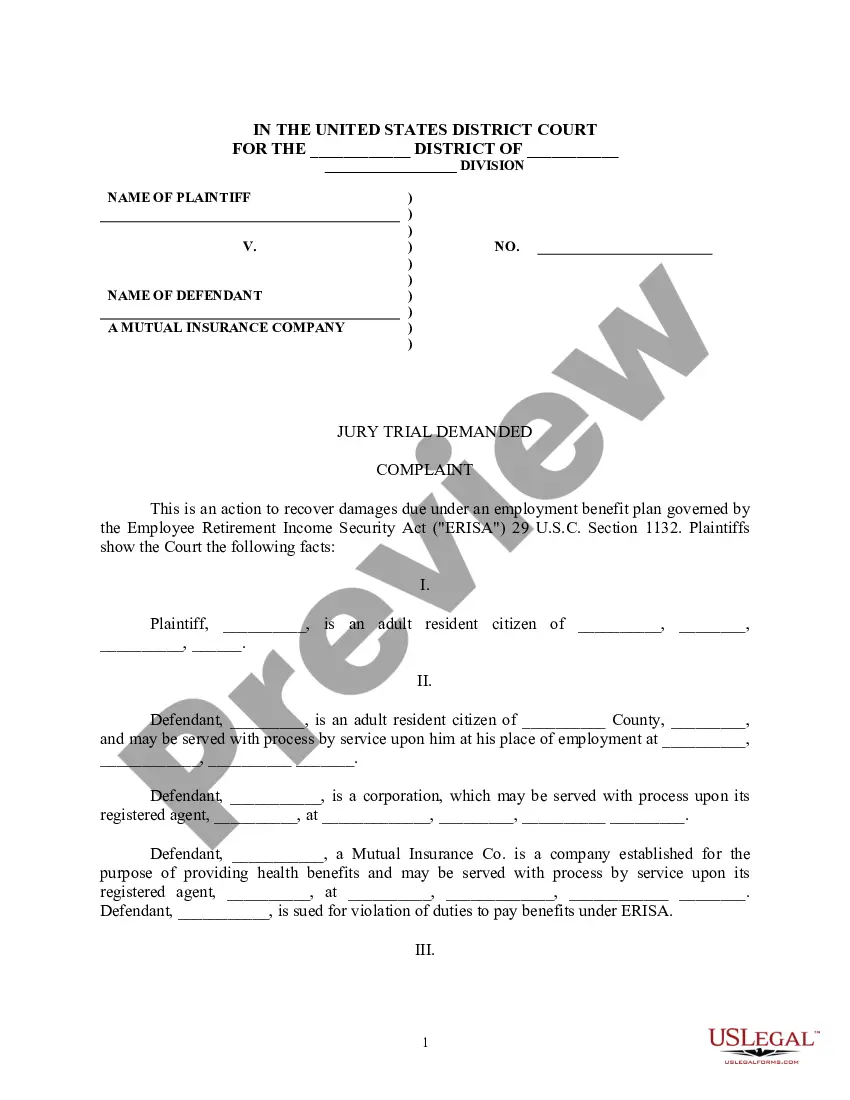
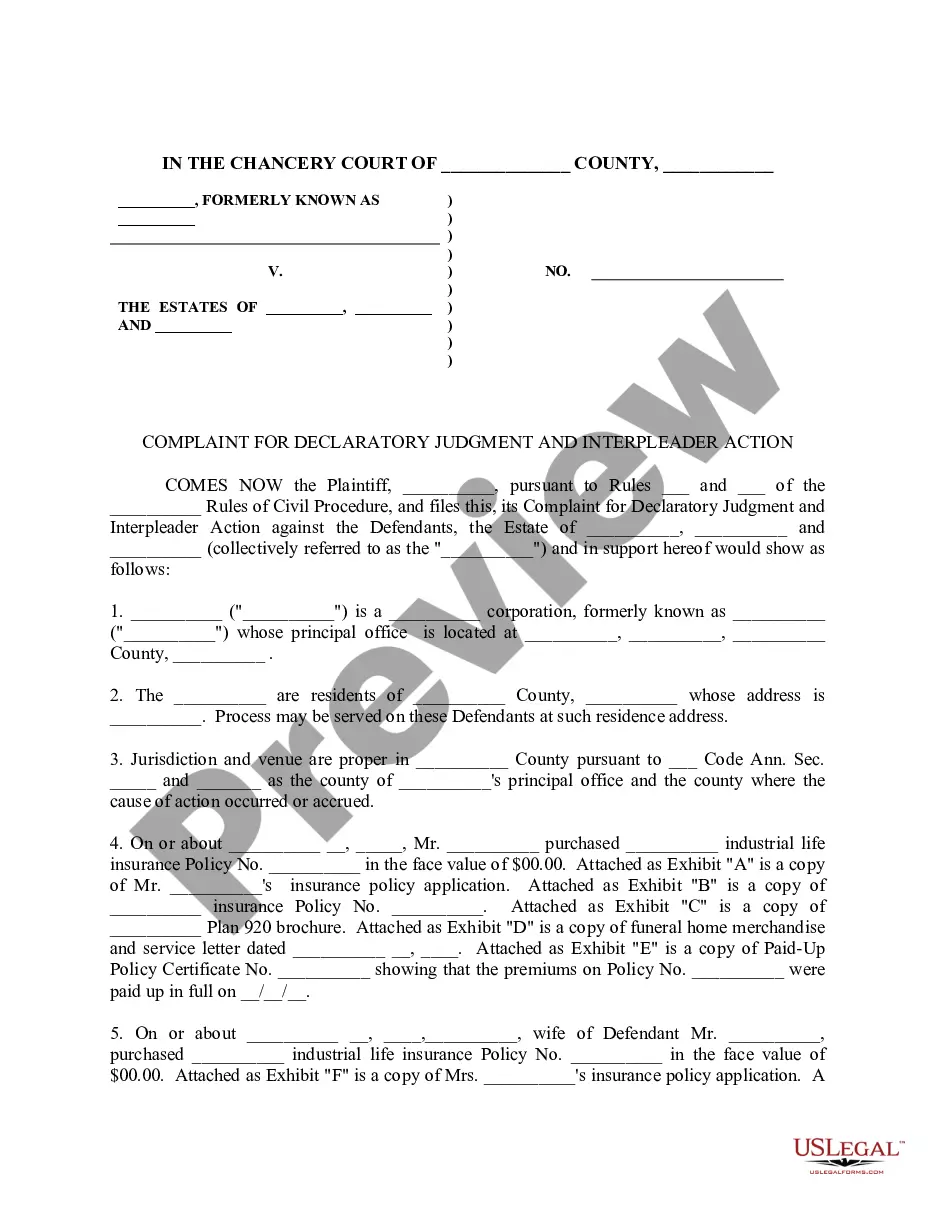
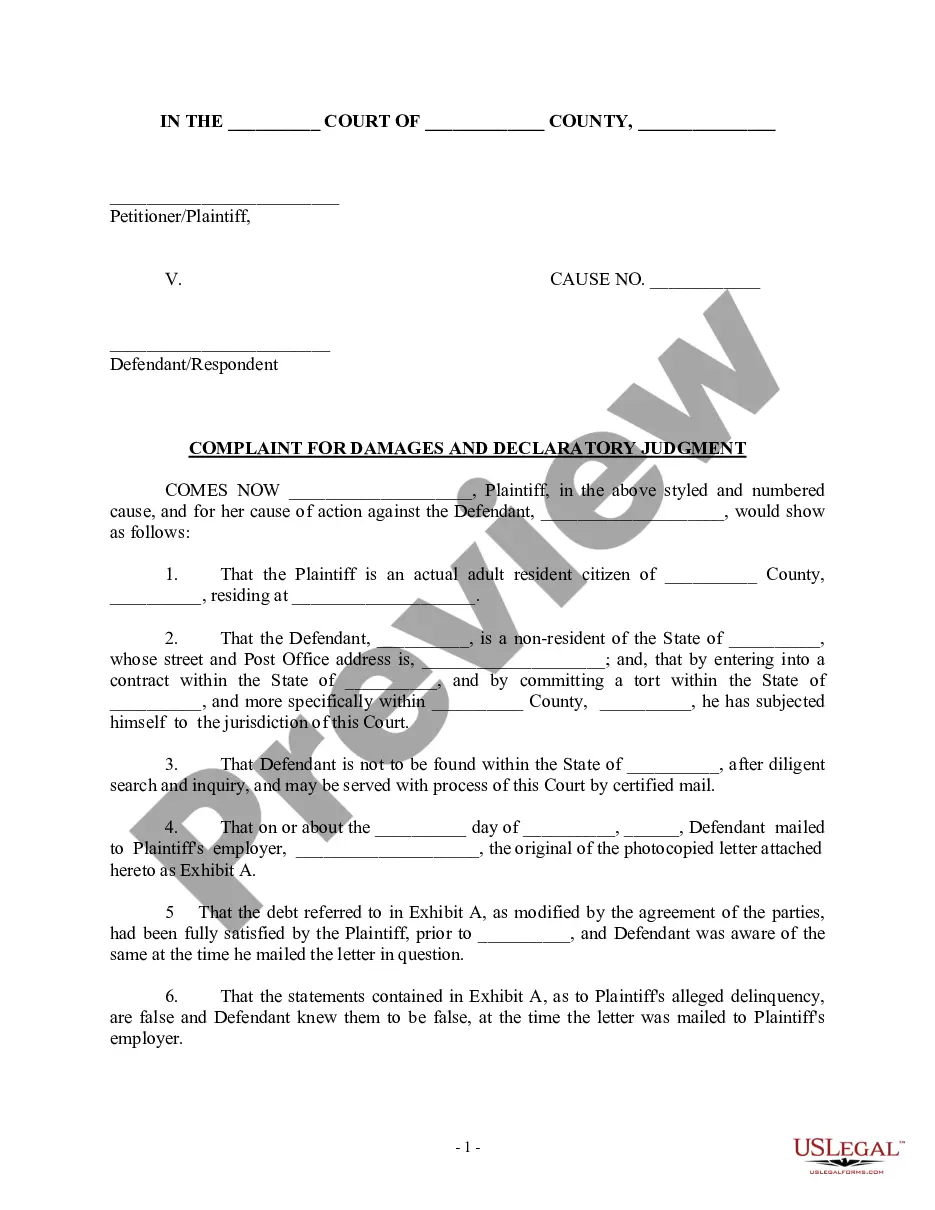
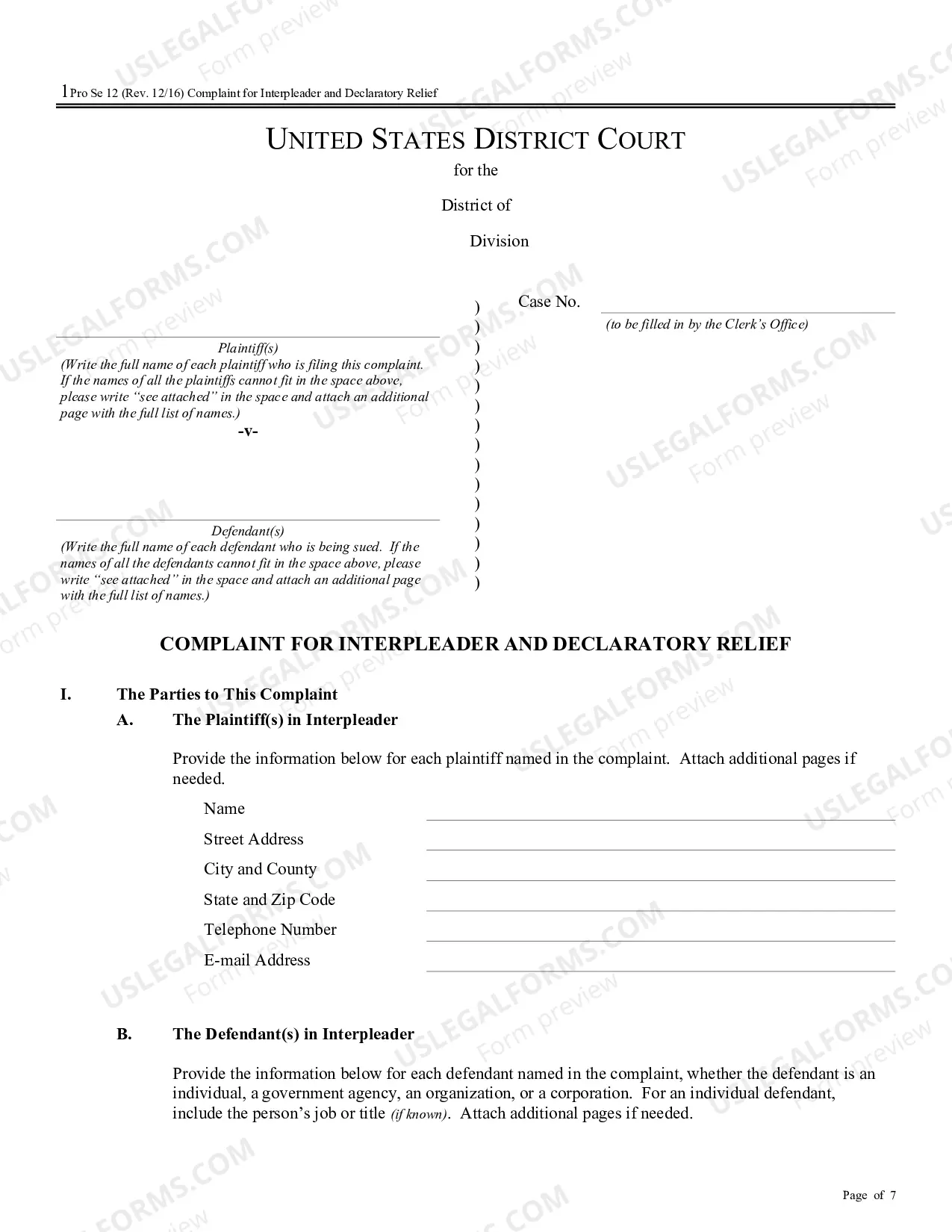
The Complaint For Declaratory Judgment To Determine ERISA Coverage is a legal document used to seek a court ruling on issues related to health care benefits governed by the Employee Retirement Income Security Act of 1974 (ERISA). This form aids individuals in establishing their rights under employer-sponsored insurance plans, especially in cases where benefits have been denied. It differs from standard complaint forms by specifically addressing ERISA-related coverage disputes.
Key components of this form
- Identification of the plaintiff and defendant, including addresses for service of process.
- Description of the employment relationship and the specific health insurance plan.
- Details about the plaintiff's medical condition and treatment history.
- Statements regarding denied claims and reasons for denial.
- A request for a declaratory judgment on coverage rights under the insurance plan.

Common use cases
This form is necessary when an individual faces denial of health care benefits under an ERISA-covered employer-sponsored insurance plan. It is applicable in situations where the plaintiff believes their claims were improperly denied due to preexisting conditions or lack of proper plan documentation. This form is essential for seeking clarification and enforcement of rights related to health care coverage.
Who should use this form
- Individuals who have been denied health insurance benefits by their employerâs plan.
- Employees who were misled about their coverage by company representatives.
- Individuals seeking to determine their rights under ERISA with respect to their health care benefits.
Steps to complete this form
- Identify the parties involved by filling in the names and addresses of the plaintiff and defendant.
- Specify the details of your employment and the employer-sponsored insurance plan.
- Document your medical history relevant to the claims made, including dates and treatment received.
- Detail the specific reasons provided for the denial of your claims.
- Conclude with a clear statement requesting a declaratory judgment regarding your coverage rights.
Is notarization required?
This form does not typically require notarization unless specified by local law. Always check local requirements to ensure compliance with your jurisdiction's rules before filing.
Get your form ready online
Our built-in tools help you complete, sign, share, and store your documents in one place.
Make edits, fill in missing information, and update formatting in US Legal Forms—just like you would in MS Word.
Download a copy, print it, send it by email, or mail it via USPS—whatever works best for your next step.
Sign and collect signatures with our SignNow integration. Send to multiple recipients, set reminders, and more. Go Premium to unlock E-Sign.
If this form requires notarization, complete it online through a secure video call—no need to meet a notary in person or wait for an appointment.
We protect your documents and personal data by following strict security and privacy standards.

Make edits, fill in missing information, and update formatting in US Legal Forms—just like you would in MS Word.

Download a copy, print it, send it by email, or mail it via USPS—whatever works best for your next step.

Sign and collect signatures with our SignNow integration. Send to multiple recipients, set reminders, and more. Go Premium to unlock E-Sign.

If this form requires notarization, complete it online through a secure video call—no need to meet a notary in person or wait for an appointment.

We protect your documents and personal data by following strict security and privacy standards.
Typical mistakes to avoid
- Failing to accurately identify all relevant parties.
- Providing incomplete information about the insurance plan or denial letters.
- Omitting important details regarding prior medical history or conditions.
Benefits of using this form online
- Easy access to the form allows for quicker completion.
- Editable templates help you tailor the content to your specific situation.
- Instant download capabilities save time and effort compared to traditional methods.
Looking for another form?
Form popularity
FAQ
A violation occurs when a company fails to meet its ERISA obligations. While there are many types of violations, some of the most common include: Interference with employee rights. Improperly denying benefits to a former or current employee. Breach of fiduciary duty.
The U.S. Supreme Court unanimously affirmed the U.S. Court of Appeals for the Ninth Circuit's holding that the Employee Retirement Income Security Act of 1974's (ERISA) statutory three-year limitations period requires a demonstration of "actual knowledge" of an alleged fiduciary breach to establish a claim as time-
Filing A Lawsuit With an ERISA case, a lawsuit is usually initiated by filing a summons and a complaint in the United States District Court. Once a suit is instituted, the defendant is allowed between 21 to 42 days within which to file an answer and any counterclaims with the court.
For technical assistance and complaints, you should call EBSA's toll free number at 1-866-444-3272. You may contact us electronically at www.askebsa.dol.gov.
Willful ERISA violations can even result in criminal prosecution. The maximum criminal penalties for ERISA violations include up to 10 years in jail and fines of up to $100,000. Companies charged with ERISA violations can face criminal fines of up to $500,000, in addition to any civil liability.
ERISA establishes guidelines and minimum standards designed to protect employees of private sector companies who participate in retirement and welfare benefit plans. Businesses administering a qualified retirement plan that aren't in full compliance with ERISA could be subject to costly penalties.
Who can sue under ERISA? By statute, only four classes of plaintiffs may sue under ERISA: plan participants, plan beneficiaries, the Secretary of Labor, and plan fiduciaries.
ERISA allows participants, beneficiaries, and the Secretary of Labor to bring actions under § 502(a) against ERISA fiduciaries for breach of fiduciary duty. Under A§ 502(a), plaintiffs may obtain relief against ERISA fiduciaries for breaching the fiduciary duties they owe to the plan and its participants.