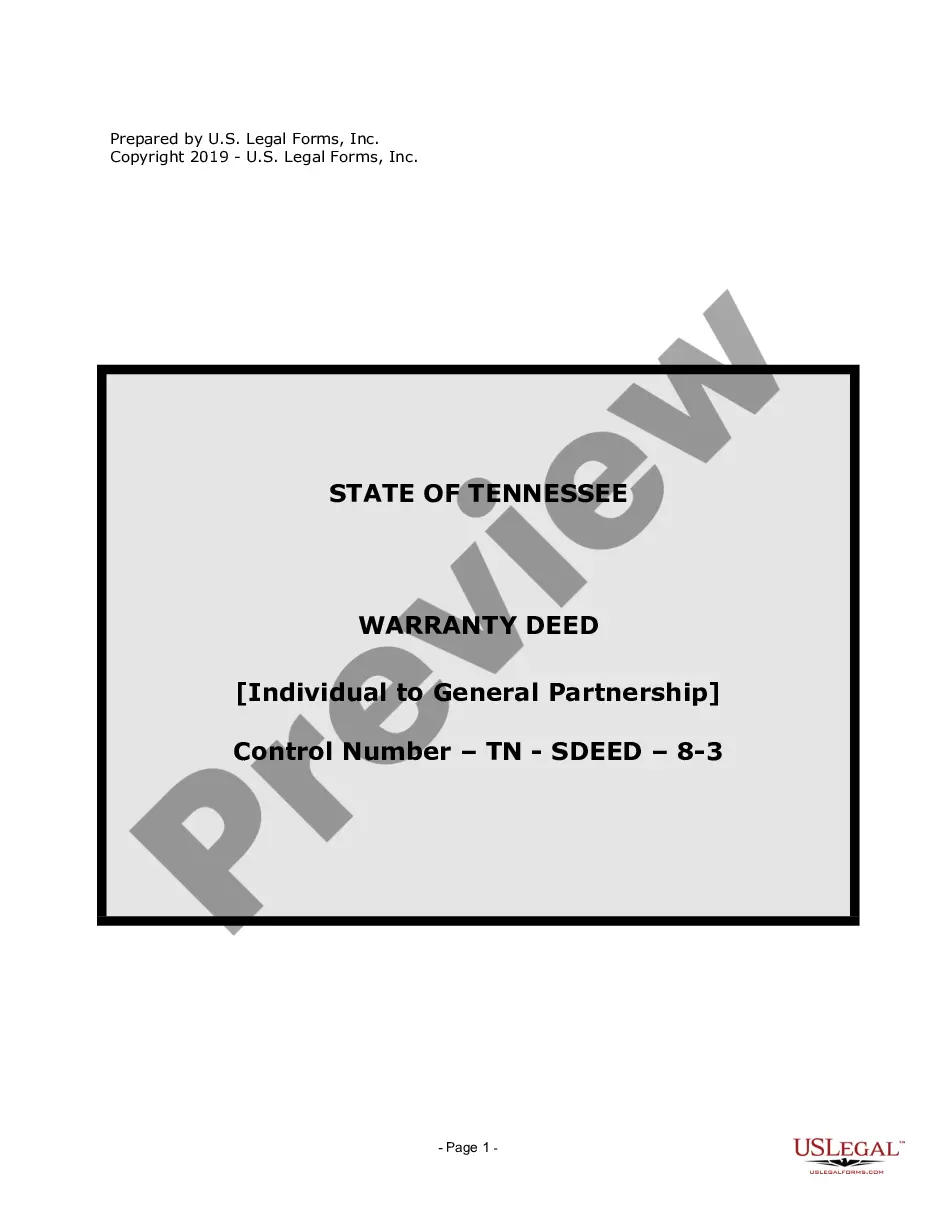
Tennessee Warranty Deed for Individual to General Partnership
What this document covers
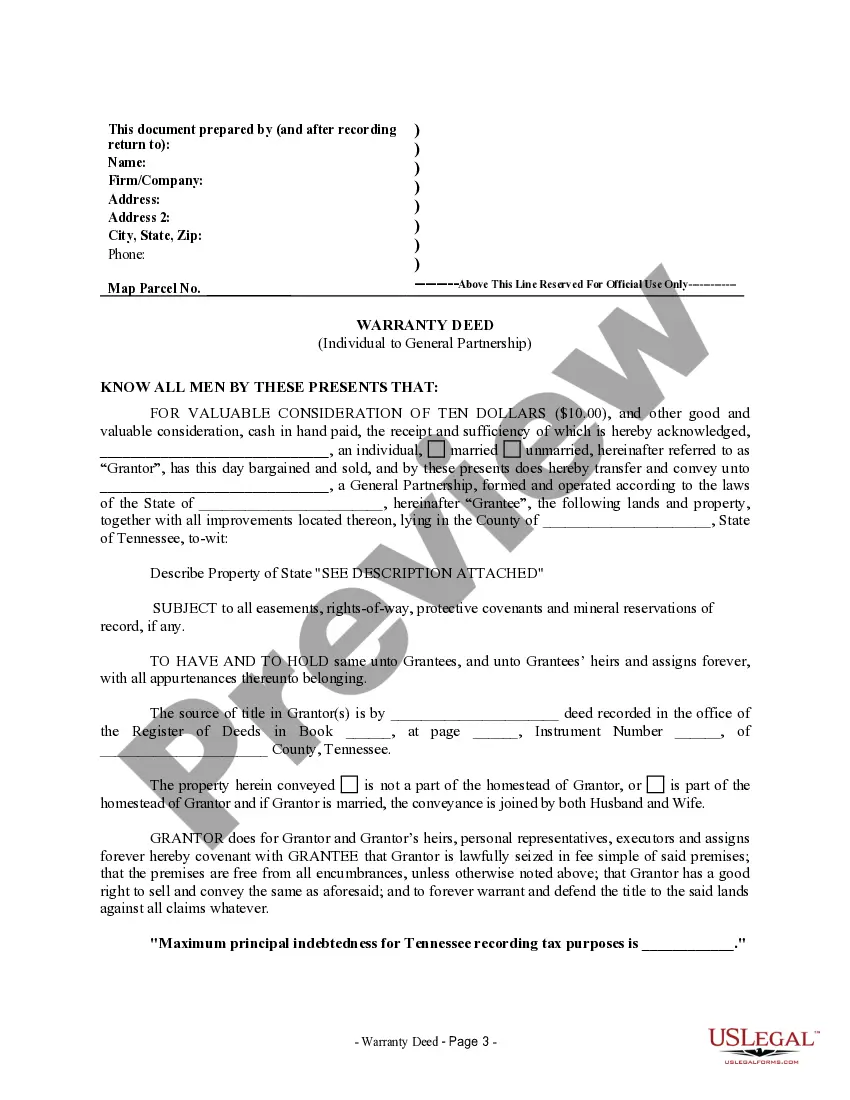
The Warranty Deed for Individual to General Partnership is a legal document used to transfer property ownership from an individual (the grantor) to a general partnership (the grantee). This form provides a warranty that the grantor holds clear title to the property being transferred, ensuring that the grantee will not face any claims against the property. Unlike a quitclaim deed, which provides no such warranty, this warranty deed offers more legal protection for the recipient of the property.
Key components of this form
- Identification of parties involved: Includes the names and addresses of the grantor and the general partnership.
- Description of the property: Clearly identifies the real estate being transferred.
- Covenant of title: The grantor guarantees a clear title and will defend against any future claims.
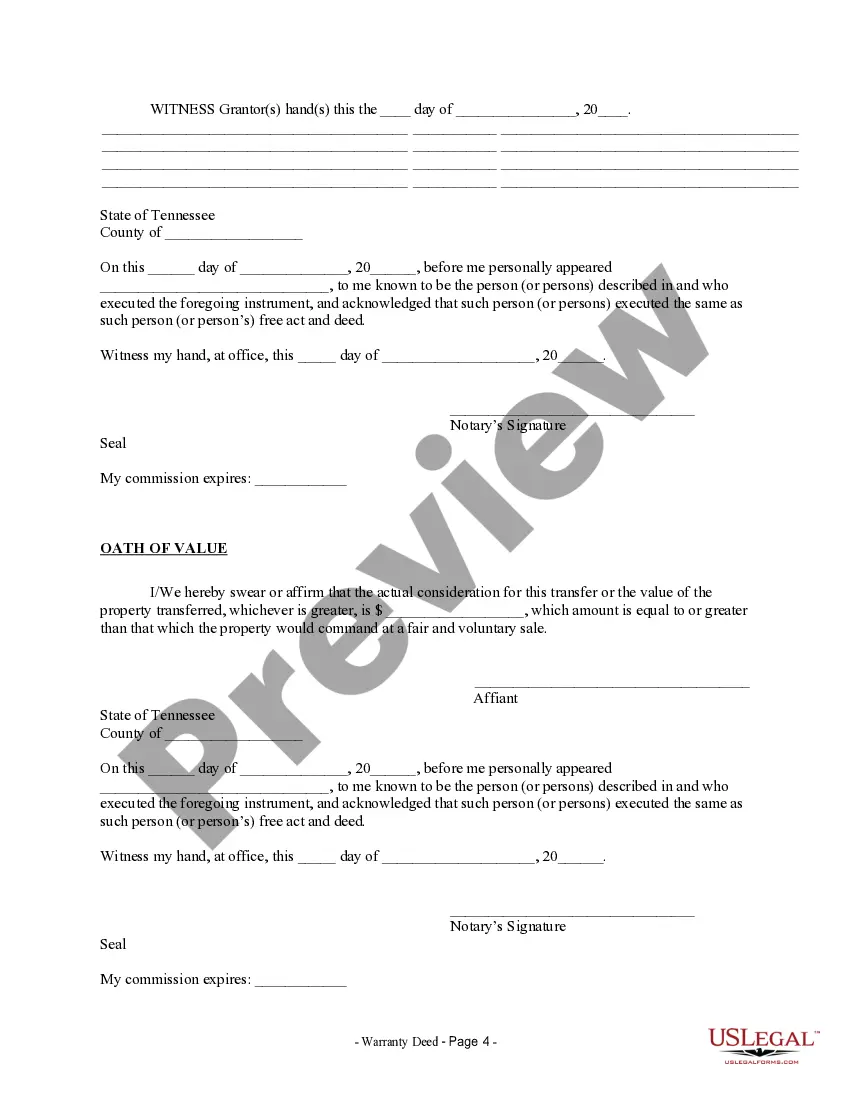
- Notarization section: Provides a space for the signature of a notary public to authenticate the document.
- Oath of value: A declaration affirming the value of the property being transferred.
When to use this form
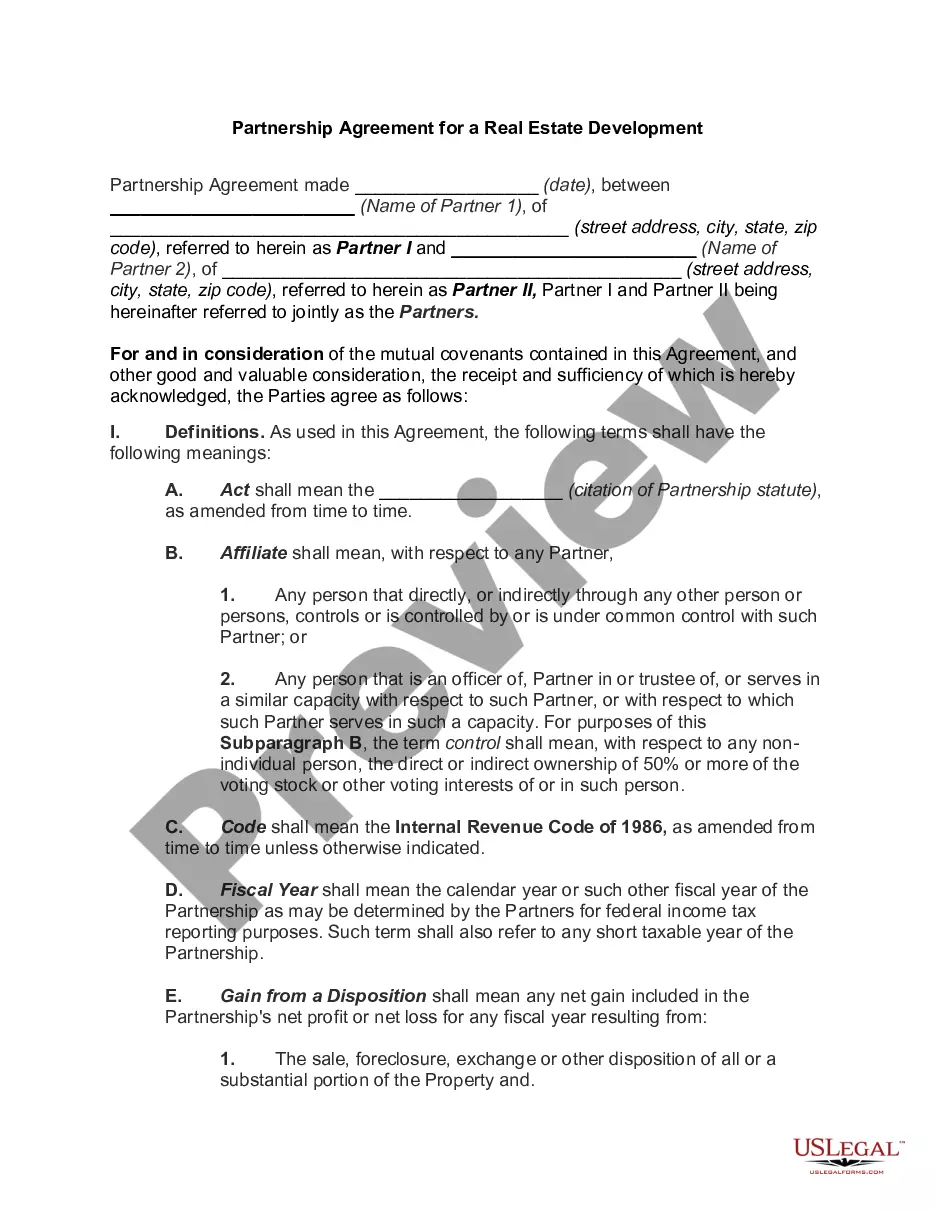
This form is commonly used when an individual wishes to transfer ownership of real estate to a general partnership. It is appropriate in situations such as establishing a business partnership where the partnership requires the property for its operations, or when an individual is formally conveying property to a partnership for investment purposes.
Who needs this form
- Individuals looking to transfer property ownership to a general partnership.
- Members of a general partnership needing to acquire property for business purposes.
- Real estate professionals assisting clients with property transfers.
How to complete this form
- Identify the parties: Enter the grantor's name (individual) and the general partnership's name.
- Specify the property: Include a detailed description of the property being conveyed.
- Provide title source details: Include information about how the grantor obtained the property.
- Fill out the covenant section: Assure the grantee of a clear title and specify any encumbrances.
- Sign and date: The grantor must sign the form in the presence of a notary public, who will also sign and stamp the document.
Is notarization required?
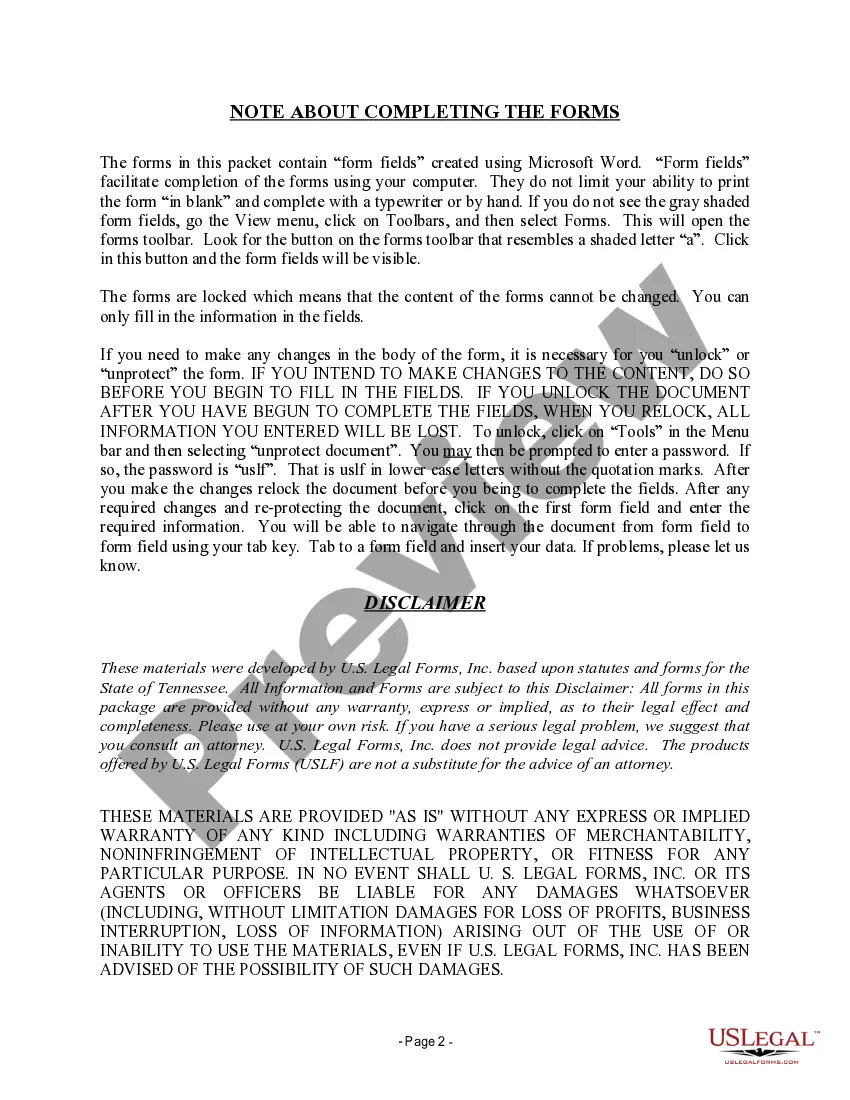
Notarization is required for this form to take effect. Our online notarization service, powered by Notarize, lets you verify and sign documents remotely through an encrypted video session, available 24/7.
Get your form ready online
Our built-in tools help you complete, sign, share, and store your documents in one place.
Make edits, fill in missing information, and update formatting in US Legal Forms—just like you would in MS Word.
Download a copy, print it, send it by email, or mail it via USPS—whatever works best for your next step.
Sign and collect signatures with our SignNow integration. Send to multiple recipients, set reminders, and more. Go Premium to unlock E-Sign.
If this form requires notarization, complete it online through a secure video call—no need to meet a notary in person or wait for an appointment.
We protect your documents and personal data by following strict security and privacy standards.

Make edits, fill in missing information, and update formatting in US Legal Forms—just like you would in MS Word.

Download a copy, print it, send it by email, or mail it via USPS—whatever works best for your next step.

Sign and collect signatures with our SignNow integration. Send to multiple recipients, set reminders, and more. Go Premium to unlock E-Sign.

If this form requires notarization, complete it online through a secure video call—no need to meet a notary in person or wait for an appointment.

We protect your documents and personal data by following strict security and privacy standards.
Common mistakes to avoid
- Failing to provide a complete description of the property.
- Not having the form notarized, which is essential for legal validity.
- Omitting details about any encumbrances or liens against the property.
Benefits of using this form online
- Convenient access: Downloadable forms can be filled out at your convenience.
- Editability: Fill in the required fields easily using a computer for clarity and accuracy.
- Legal assurance: Forms are prepared by licensed attorneys to ensure compliance with state laws.
Looking for another form?

Form popularity
FAQ
A warranty deed, also known as a general warranty deed, is a legal real estate document between the seller (grantor) and the buyer (grantee). The deed protects the buyer by pledging that the seller holds clear title to the property and there are no encumbrances, outstanding liens, or mortgages against it.
Retrieve your original deed. Get the appropriate deed form. Draft the deed. Sign the deed before a notary. Record the deed with the county recorder. Obtain the new original deed.
In order to convey any real property or an interest in property in Tennessee, the deed must be in writing, acknowledged by the grantor, and registered in the county where the property is located. The Annotated Code of Tennessee allows for the transfer of real property through the usage of a variety of deeds.
A general warranty deed must include the following to be valid: The name and address of the seller (called the grantor) The name and address of the buyer (called the grantee) A legal description of the property (found on the previous deed)
The name and address of the seller (called the grantor) The name and address of the buyer (called the grantee) A legal description of the property (found on the previous deed) A statement that the grantor is transferring the property to the grantee.
A warranty deed is a document often used in real estate that provides the greatest amount of protection to the purchaser of a property. It pledges or warrants that the owner owns the property free and clear of any outstanding liens, mortgages, or other encumbrances against it.
It's important to note that a warranty deed does not actually prove the grantor has ownership (a title search is the best way to prove that), but it is a promise by the grantor that they are transferring ownership and if it turns out they don't actually own the property, the grantor will be responsible for compensating
The Tennessee general warranty deed is a form that conveys real estate with a guarantee from a Seller to a Buyer that the title shall be free and clear of all liens and encumbrances (fee simple).
A warranty deed is a higher level of protection produced by the seller upon the real estate closing. It includes a full legal description of the property, and confirms the title is clear and free from all liens, encumbrances, or title defects. Most property sales make use of a warranty deed.Our title agents can help.