Partnership Agreement for a Real Estate Development
Understanding this form
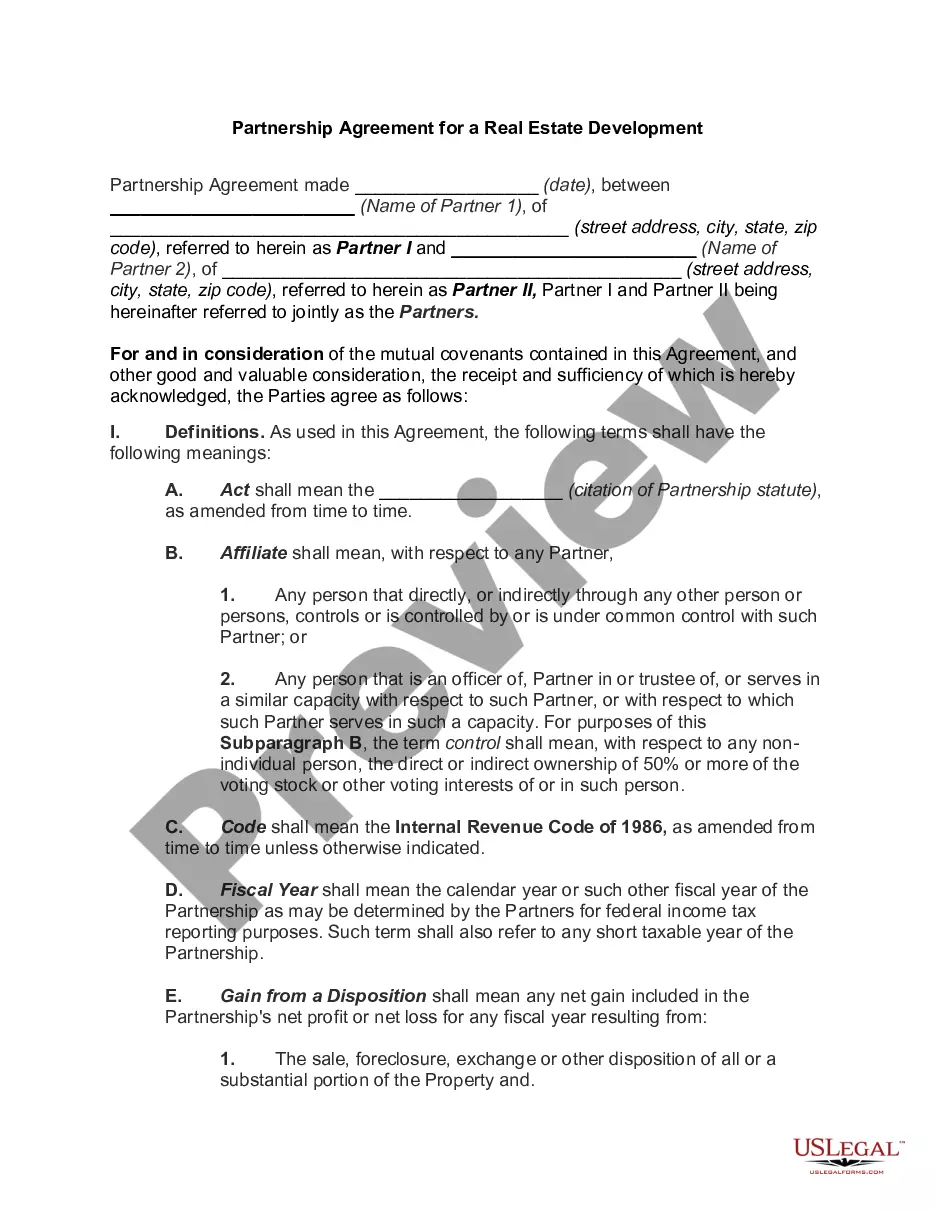
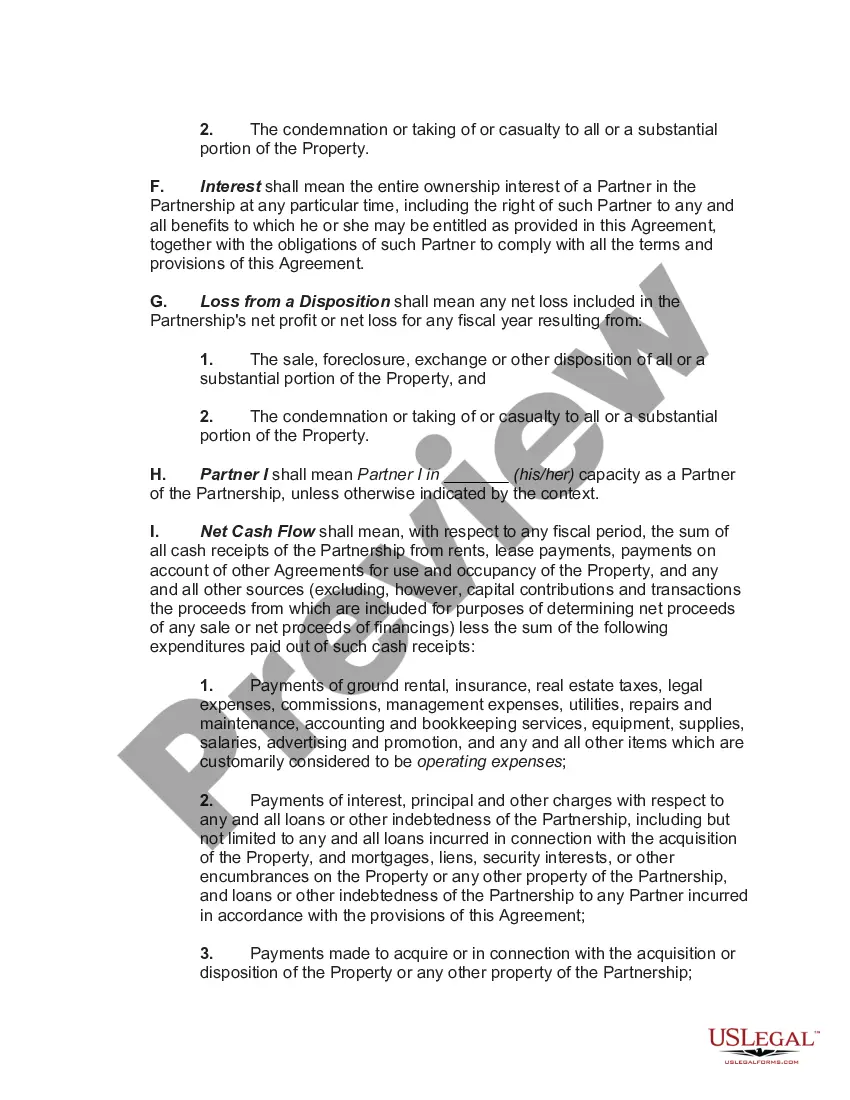
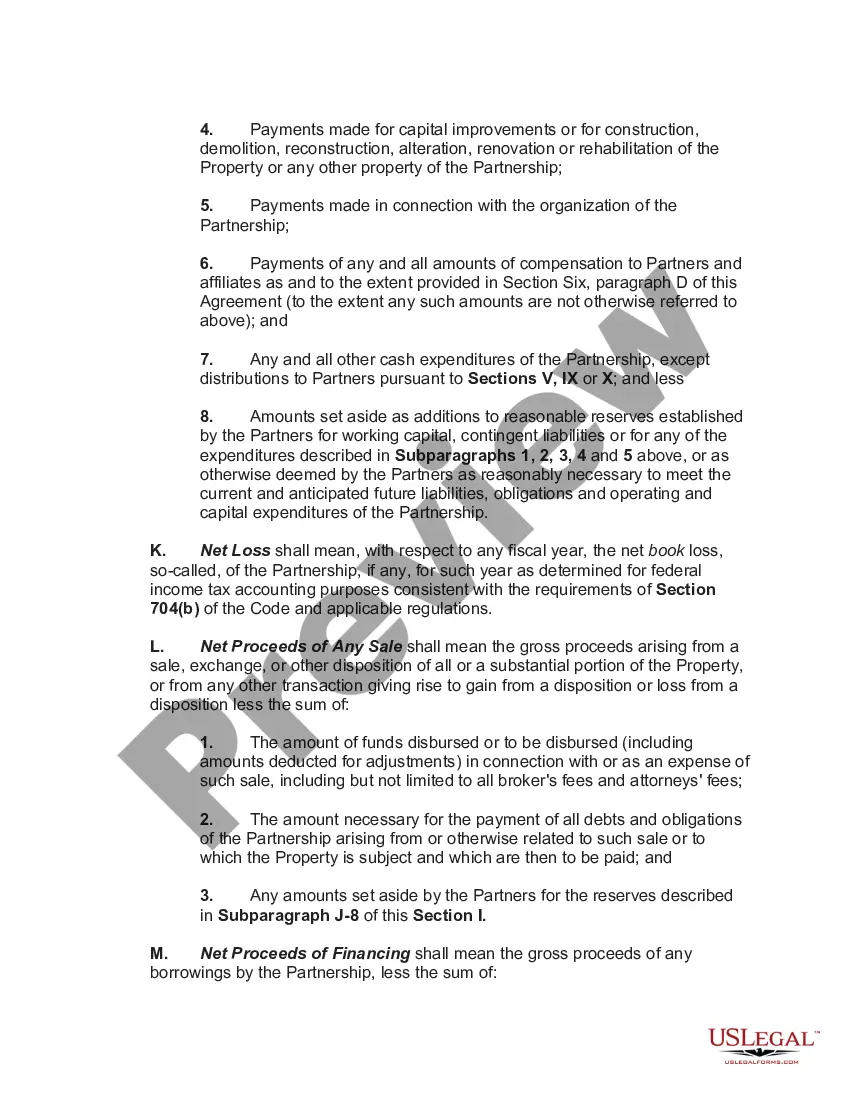
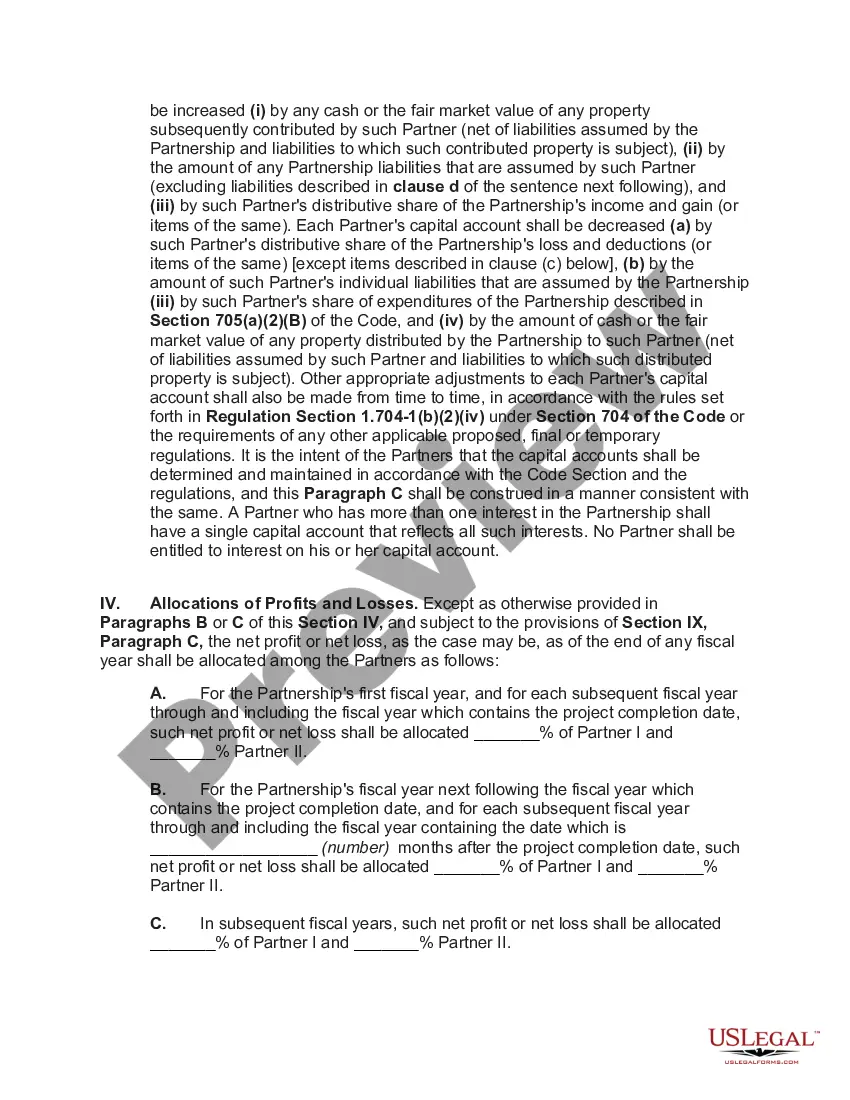
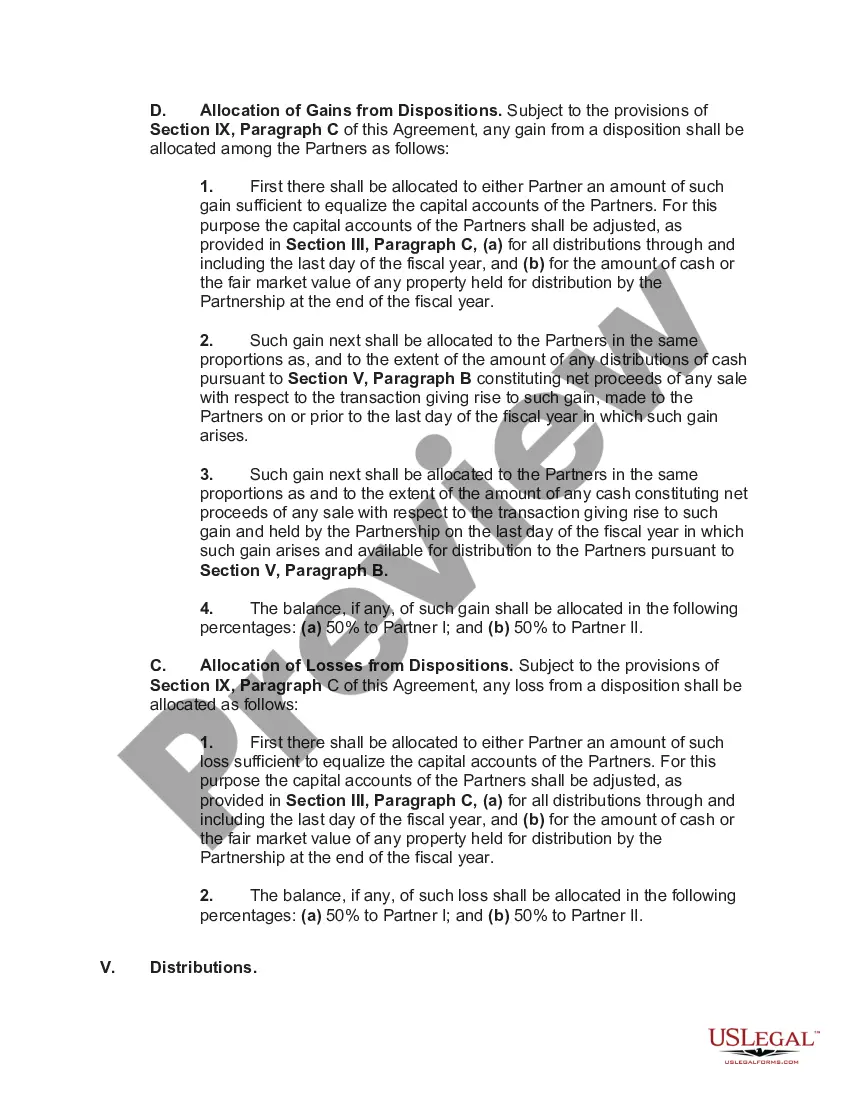
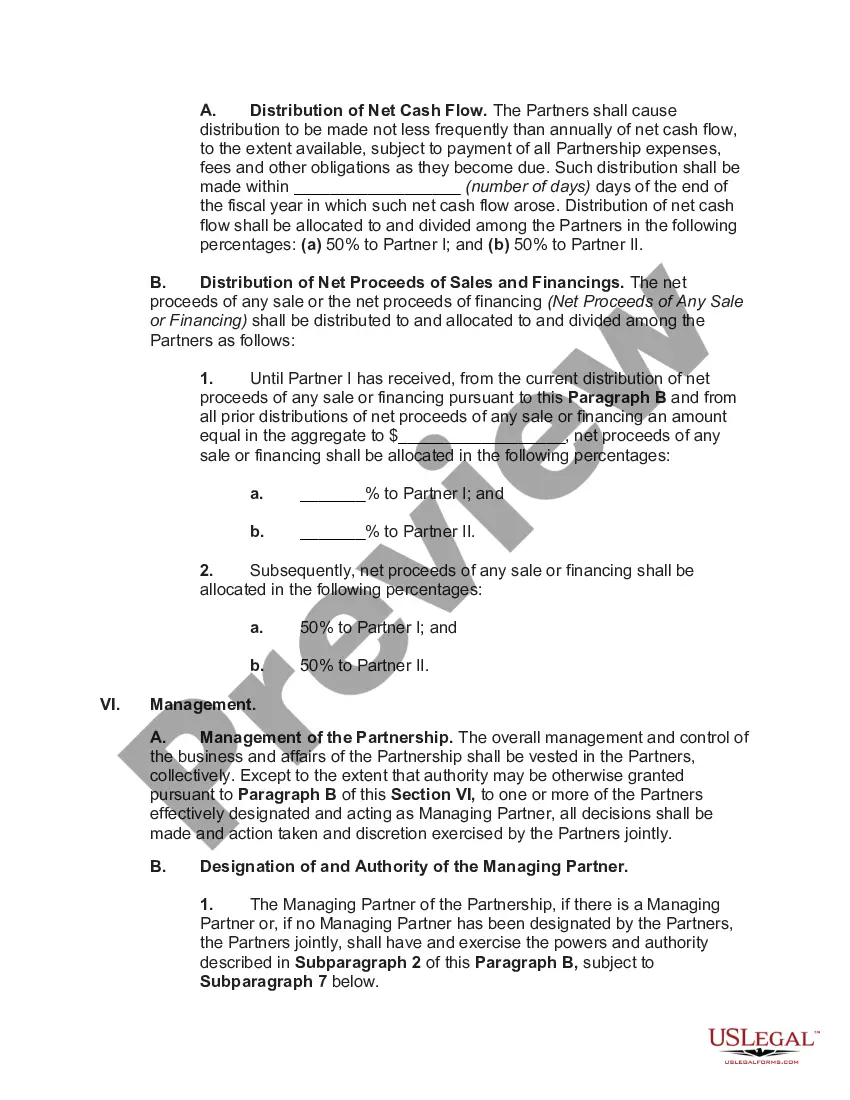
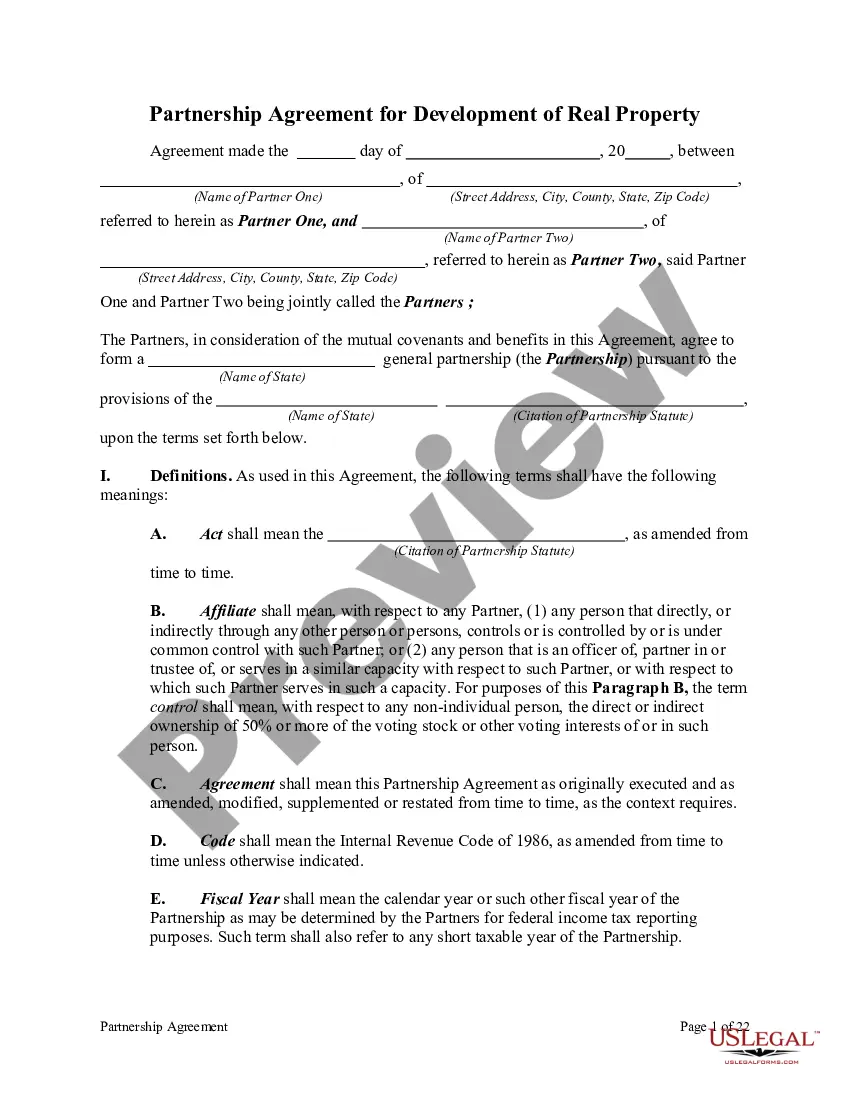
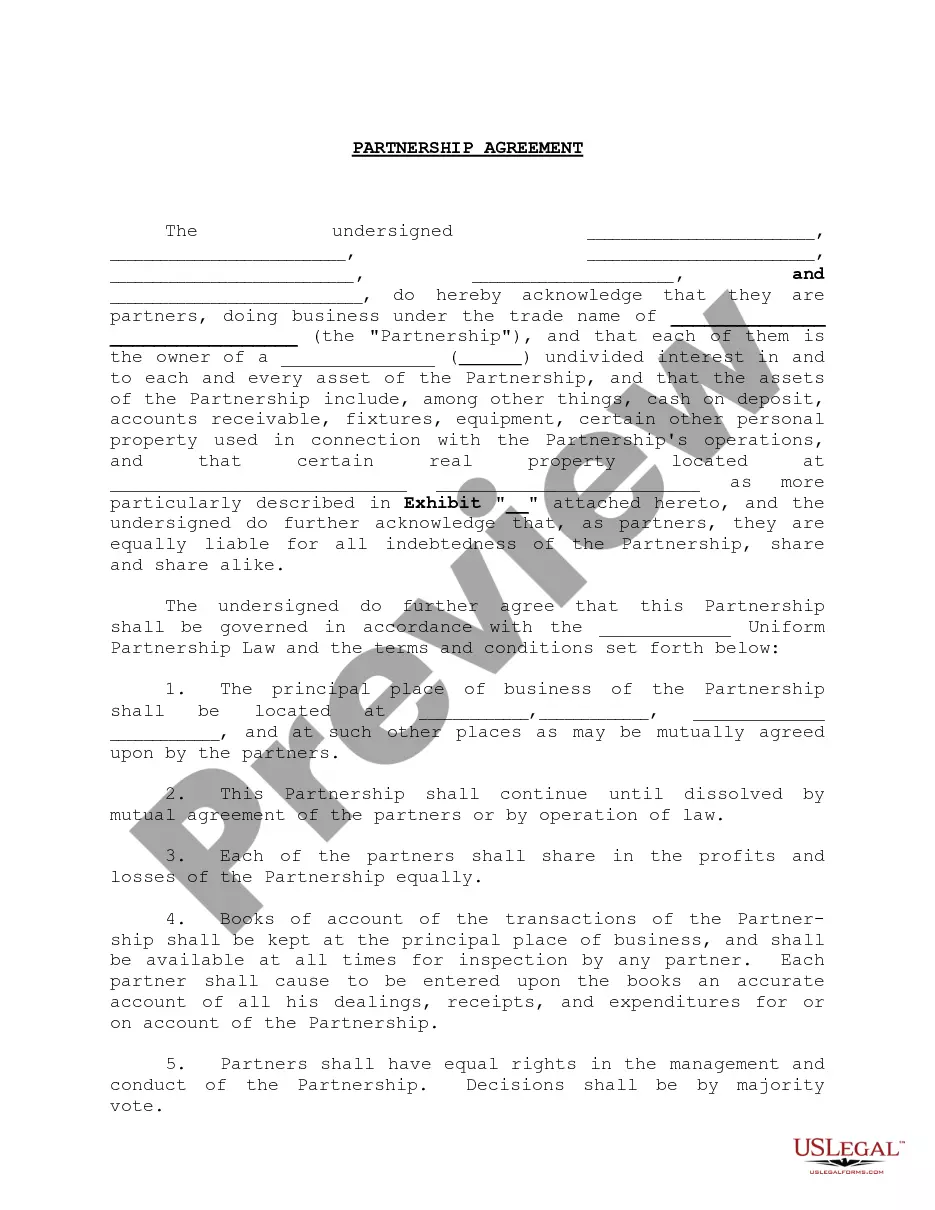
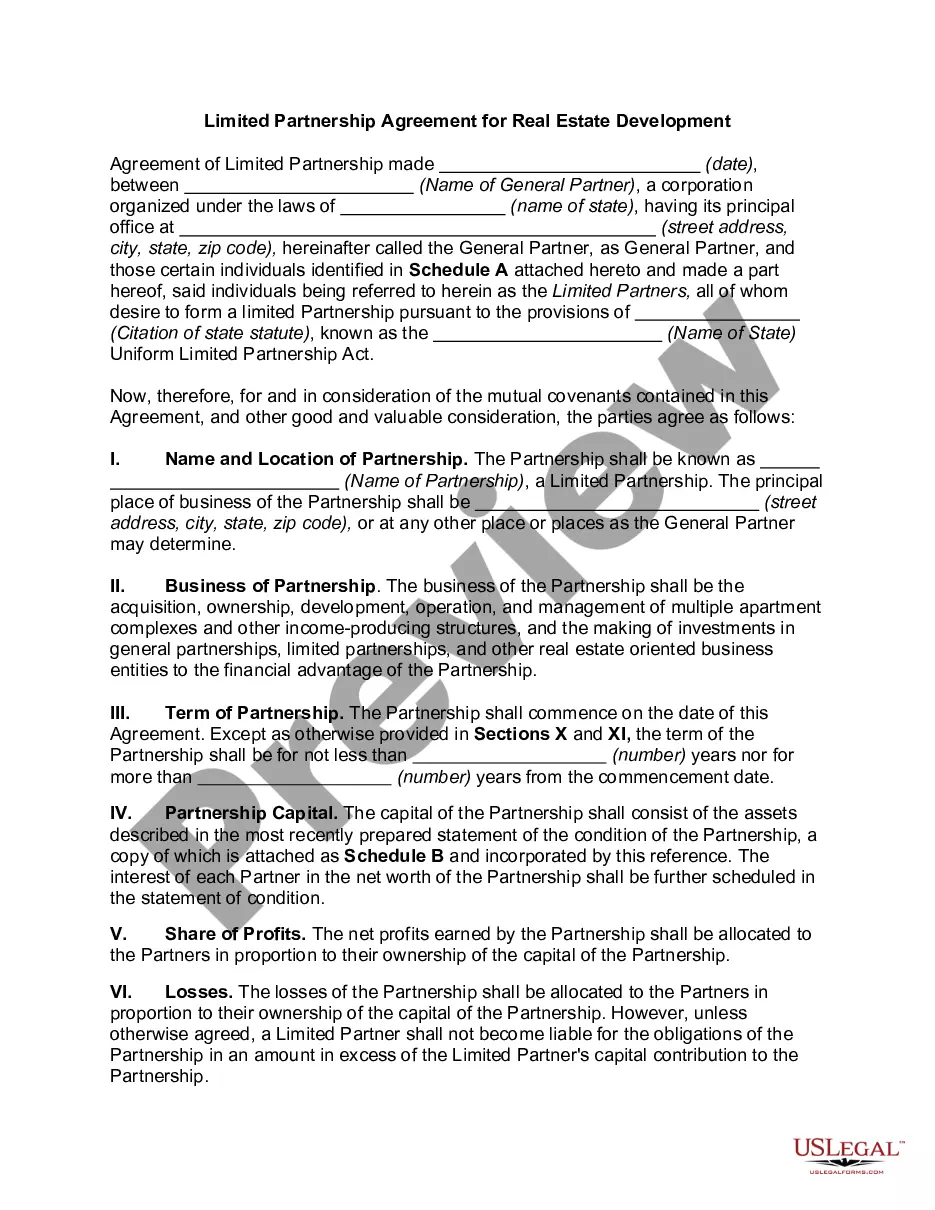
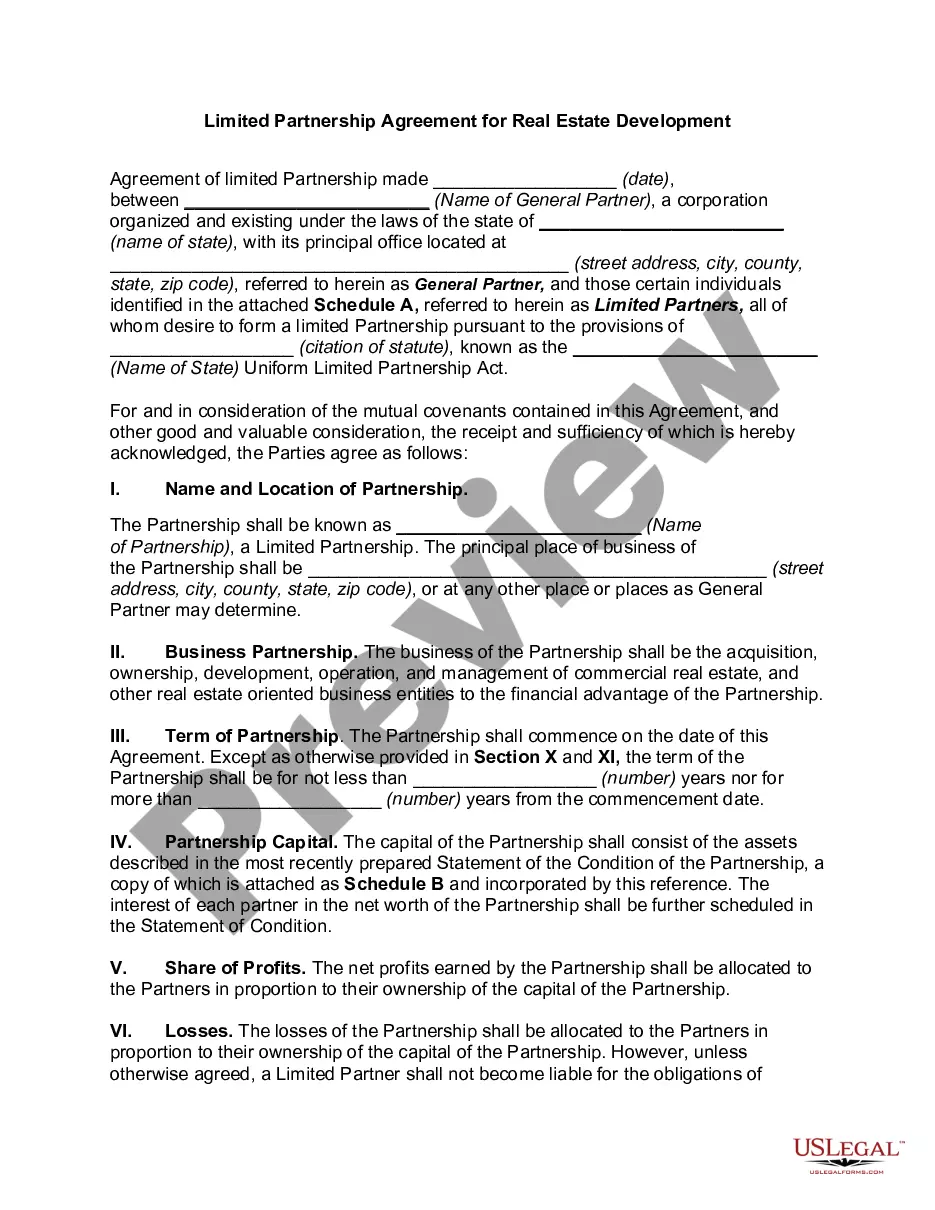
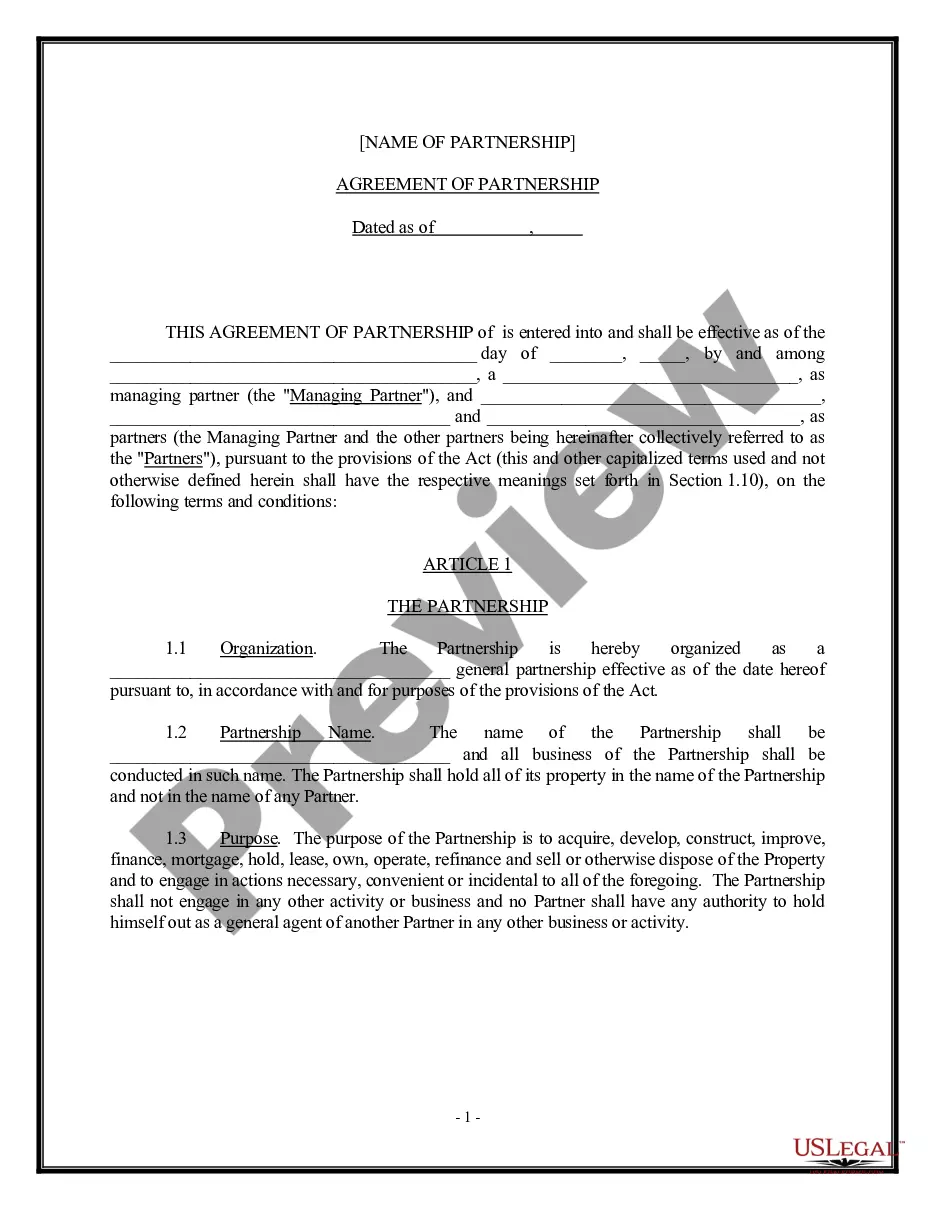
The Partnership Agreement for a Real Estate Development is a legal document that outlines the terms and conditions governing the partnership between two individuals or entities involved in real estate development. This agreement provides a clear framework for responsibilities, financial contributions, profit sharing, and governance of the partnership, differing from simpler partnership agreements by addressing complexities specific to real estate projects, including property management, capital contributions, and profit and loss allocations.
Key parts of this document
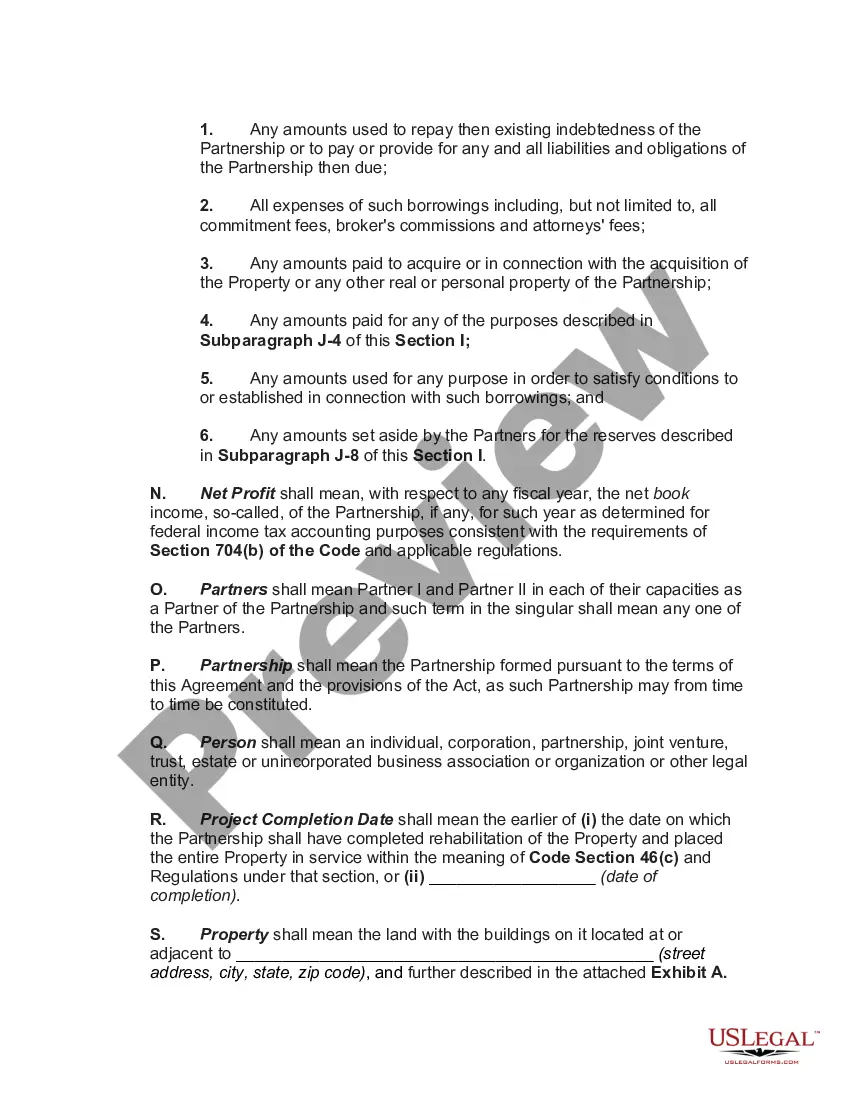
- Definitions of important terms related to the partnership and real estate development.
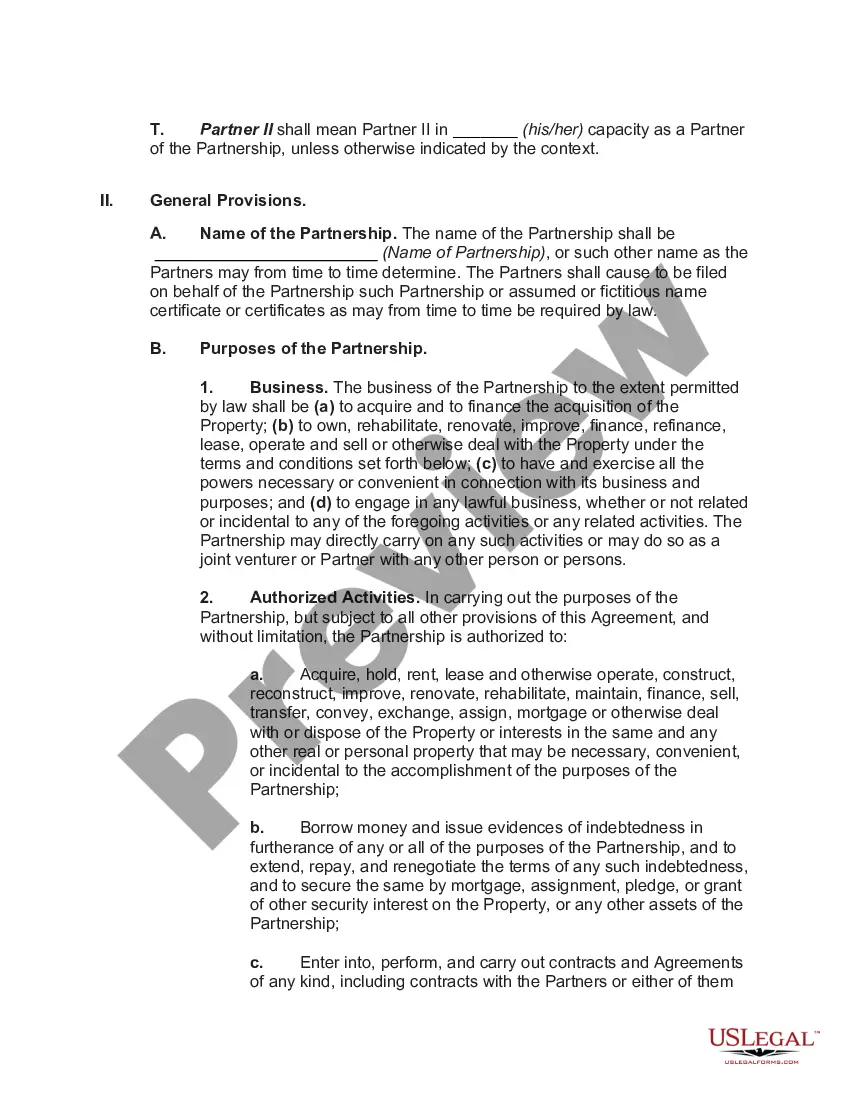
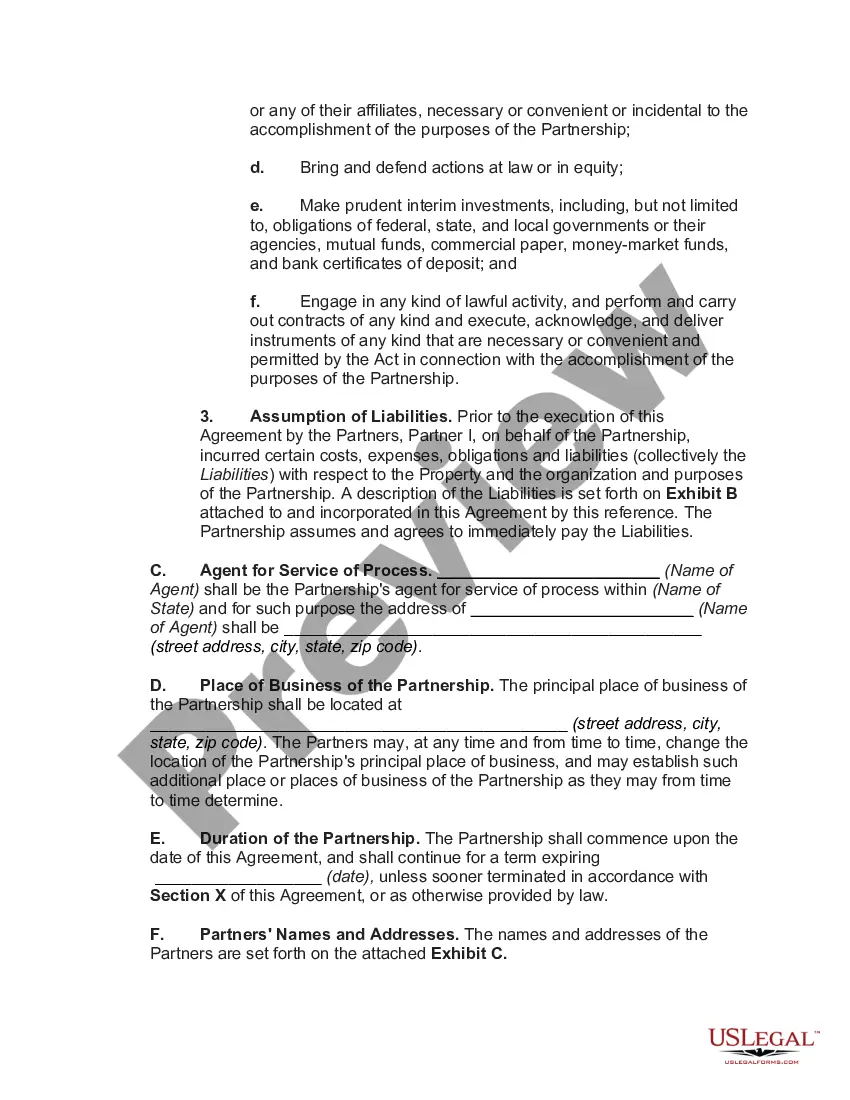
- Details on the name and purpose of the partnership.
- Provisions for management and operational authority within the partnership.
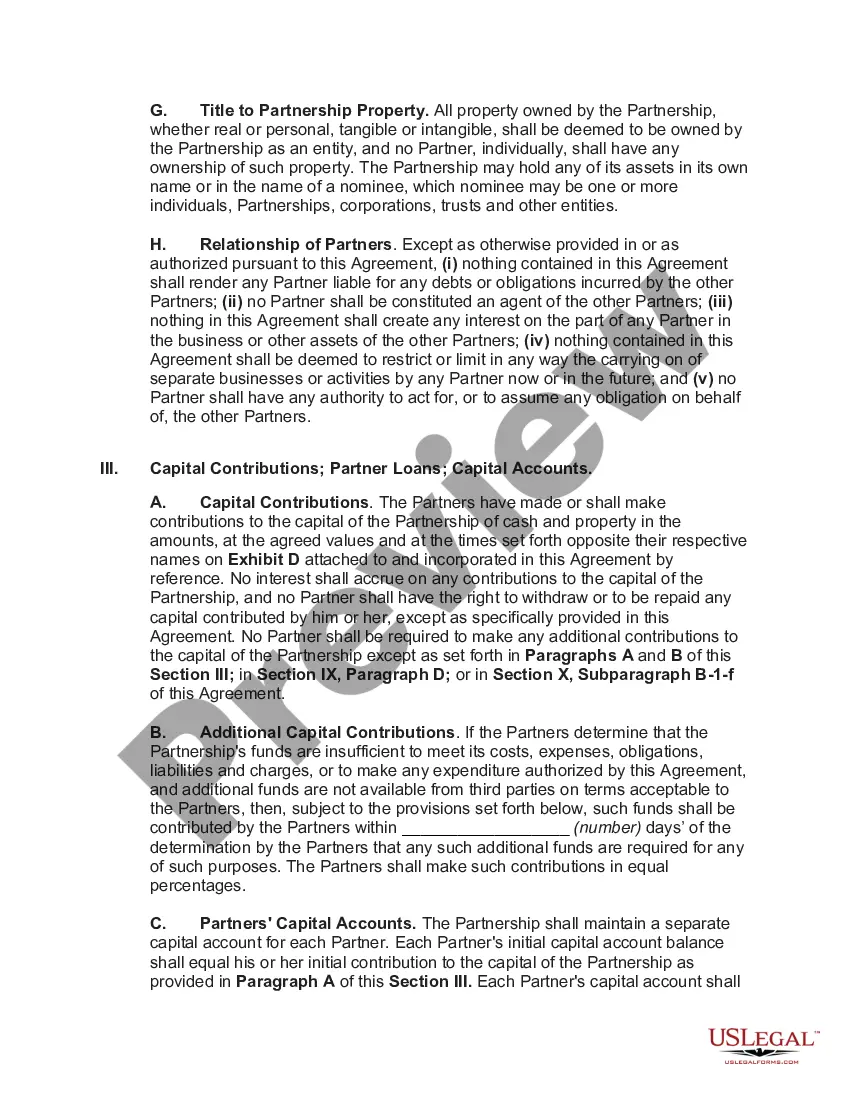
- Capital contributions from partners, including any additional contribution requirements.
- Allocation rules for profits and losses among partners.
- Conditions for dissolution and the distribution of assets upon termination.

Situations where this form applies
This form should be used when two or more parties wish to enter into a partnership specifically for the purpose of developing real estate. It is suitable for scenarios where the partners are contributing varying levels of capital, expertise, or property, and need a clear understanding of their roles, responsibilities, and the financial implications of their partnership. This agreement is critical to prevent disputes and ensure a successful collaboration.
Who needs this form
- Individuals or entities looking to partner in real estate development projects.
- Real estate investors seeking to outline their roles and financial commitments.
- Developers wanting to formalize agreements before starting a property development venture.
Steps to complete this form
- Identify the partners involved by filling in their names and addresses.
- Specify the name of the partnership and the purposes it will serve.
- Outline the capital contributions from each partner, including amounts and timing.
- Detail the profit and loss allocation percentages between partners.
- Include provisions regarding management decisions and the authority of partners.
- Sign and date the agreement to formalize the partnership.
Notarization guidance
This form does not typically require notarization unless specified by local law. However, notarization may provide an additional layer of verification and authenticity for the partnership agreement.
Get your form ready online
Our built-in tools help you complete, sign, share, and store your documents in one place.
Make edits, fill in missing information, and update formatting in US Legal Forms—just like you would in MS Word.
Download a copy, print it, send it by email, or mail it via USPS—whatever works best for your next step.
Sign and collect signatures with our SignNow integration. Send to multiple recipients, set reminders, and more. Go Premium to unlock E-Sign.
If this form requires notarization, complete it online through a secure video call—no need to meet a notary in person or wait for an appointment.
We protect your documents and personal data by following strict security and privacy standards.

Make edits, fill in missing information, and update formatting in US Legal Forms—just like you would in MS Word.

Download a copy, print it, send it by email, or mail it via USPS—whatever works best for your next step.

Sign and collect signatures with our SignNow integration. Send to multiple recipients, set reminders, and more. Go Premium to unlock E-Sign.

If this form requires notarization, complete it online through a secure video call—no need to meet a notary in person or wait for an appointment.

We protect your documents and personal data by following strict security and privacy standards.
Typical mistakes to avoid
- Failing to clearly define the roles and responsibilities of each partner.
- Neglecting to specify details about capital contributions and profit sharing.
- Omitting conditions for dissolution and asset distribution, which can lead to future disputes.
- Not updating the agreement when circumstances change or additional partners are introduced.
Why use this form online
- Convenience of completing and downloading the agreement from anywhere at any time.
- Editability allows partners to customize terms to fit their specific situation.
- Reliable access to legal forms prepared by licensed attorneys, ensuring compliance with state laws.
Looking for another form?
Form popularity
FAQ
A partnership agreement is a contract between partners in a partnership which sets out the terms and conditions of the relationship between the partners, including: Percentages of ownership and distribution of profits and losses. Description of management powers and duties of each partner.
A partnership agreement is a written agreement between the owners of a company. If the company is a limited liability company, the agreement is an Operating Agreement. For a corporation, the agreement is a Shareholder Agreement. If the parties form a general partnership, it is a Partnership Agreement.
Although there's no requirement for a written partnership agreement, often it's a very good idea to have such a document to prevent internal squabbling (about profits, direction of the company, etc.) and give the partnership solid direction. Limited liability partnerships do have a writing requirement.
Capital contributions. Duties as partners. Sharing and assignment of profits and losses. Acceptance of liabilities. Dispute resolution.
Partnerships can be complex depending on the scope of business operations and the number of partners involved.A partnership agreement is the legal document that dictates the way a business is run and details the relationship between each partner.
Name of your partnership. Contributions to the partnership and percentage of ownership. Division of profits, losses and draws. Partners' authority. Withdrawal or death of a partner.
Although each partnership agreement differs based on business objectives, certain terms should be detailed in the document, including percentage of ownership, division of profit and loss, length of the partnership, decision making and resolving disputes, partner authority, and withdrawal or death of a partner.
Forming a PartnershipPartnerships exist between two or more people who want to go into business together. In most states, creating a legally binding partnership requires nothing more than a verbal agreement and a handshake.
Determine if a partnership is right for you. Review your strengths and weaknesses. Find someone who compliments your skills. Evaluate the potential of the partnership. Establish clearly defined roles and expectations. Create the terms of agreement. Keep the process simple.