Tennessee Special or Limited Power of Attorney for Real Estate Sales Transaction By Seller
Understanding this form
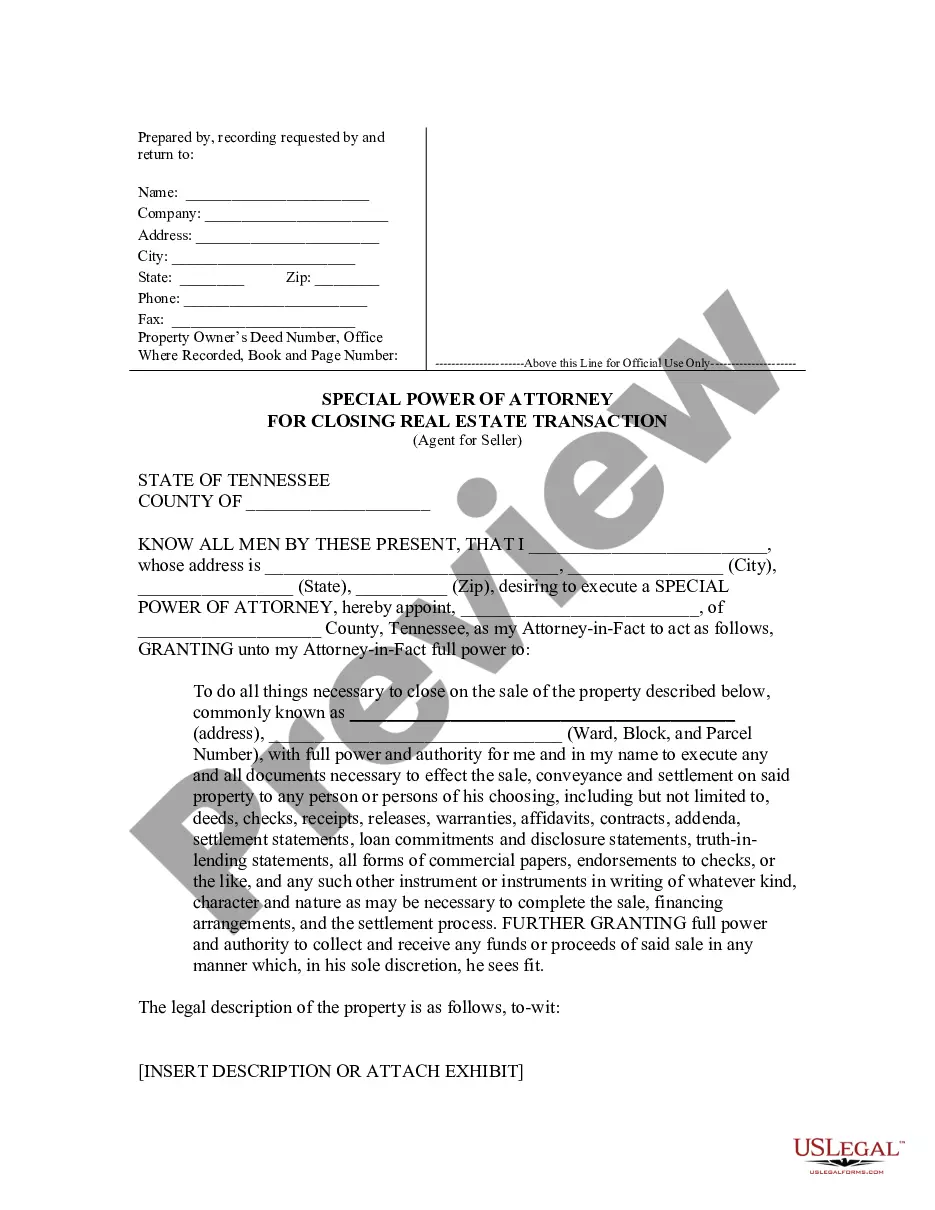
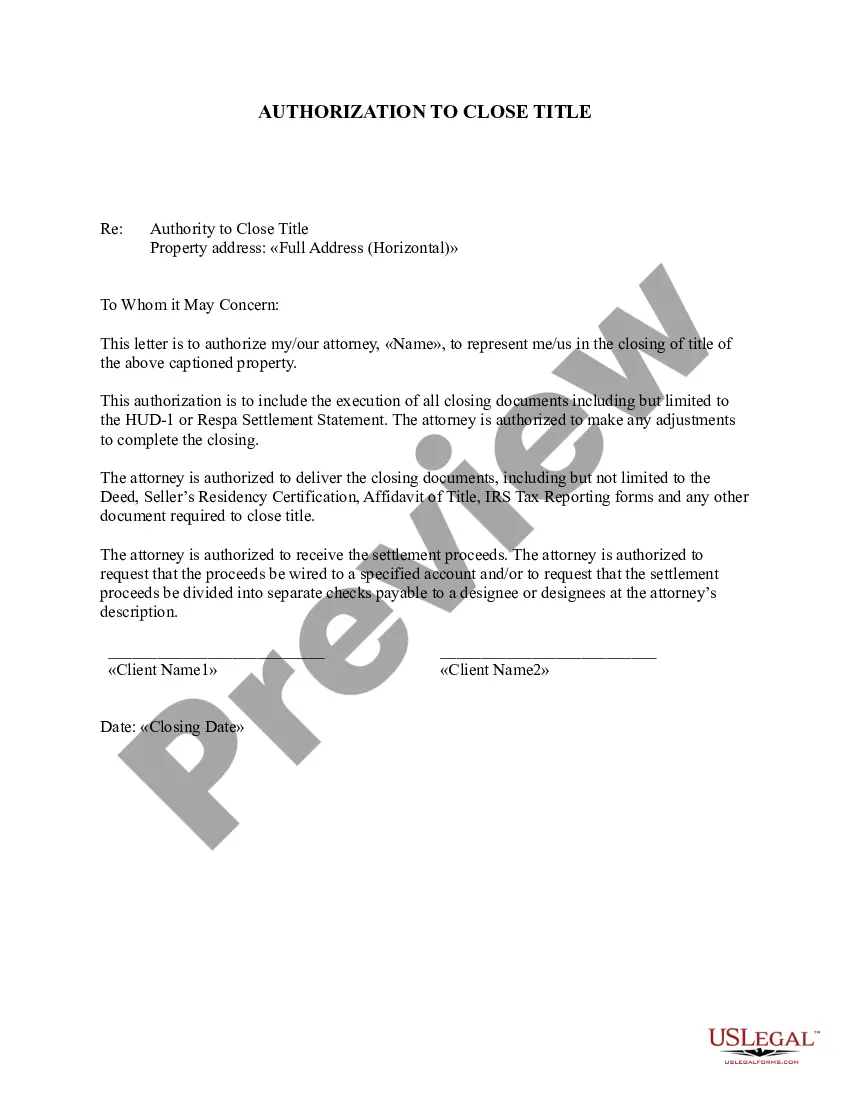
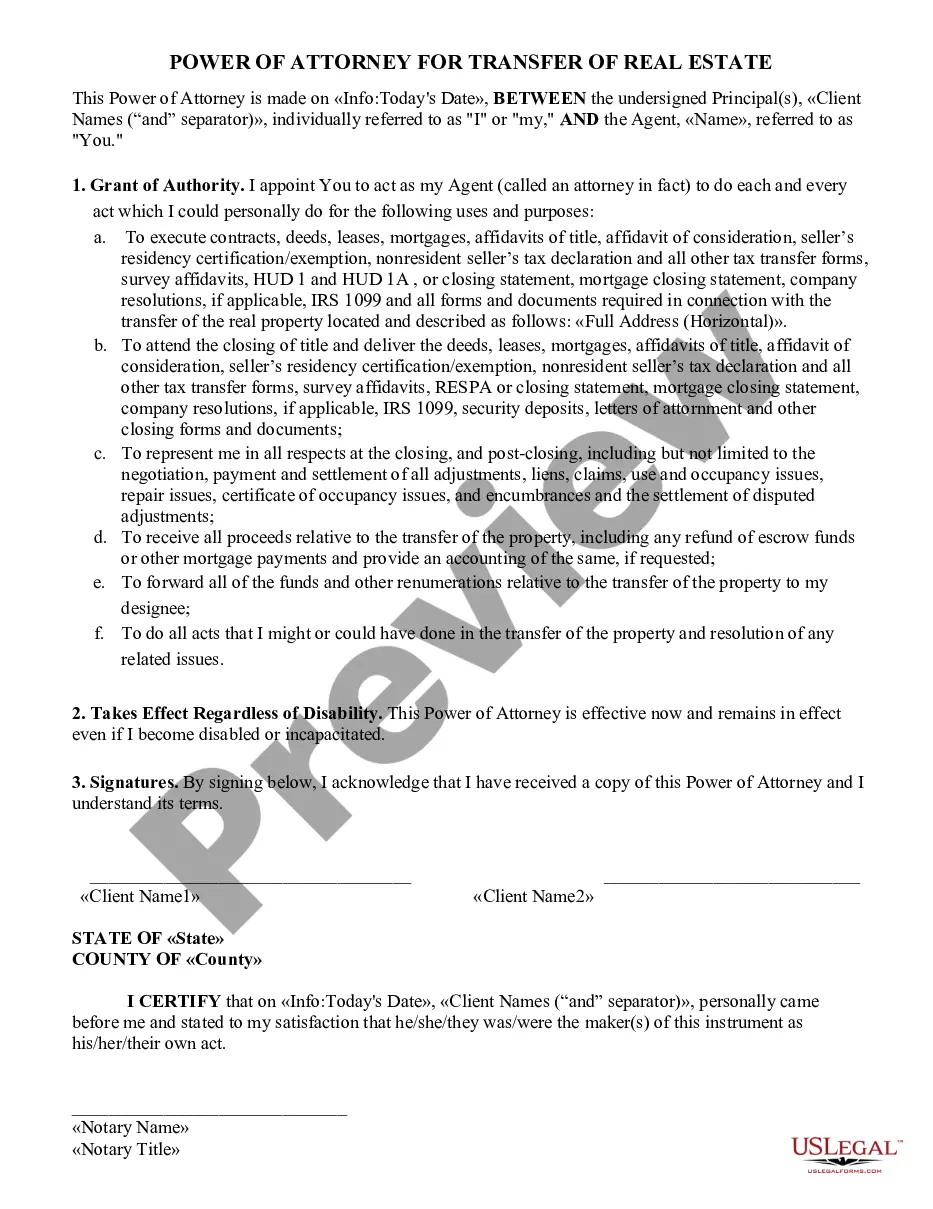
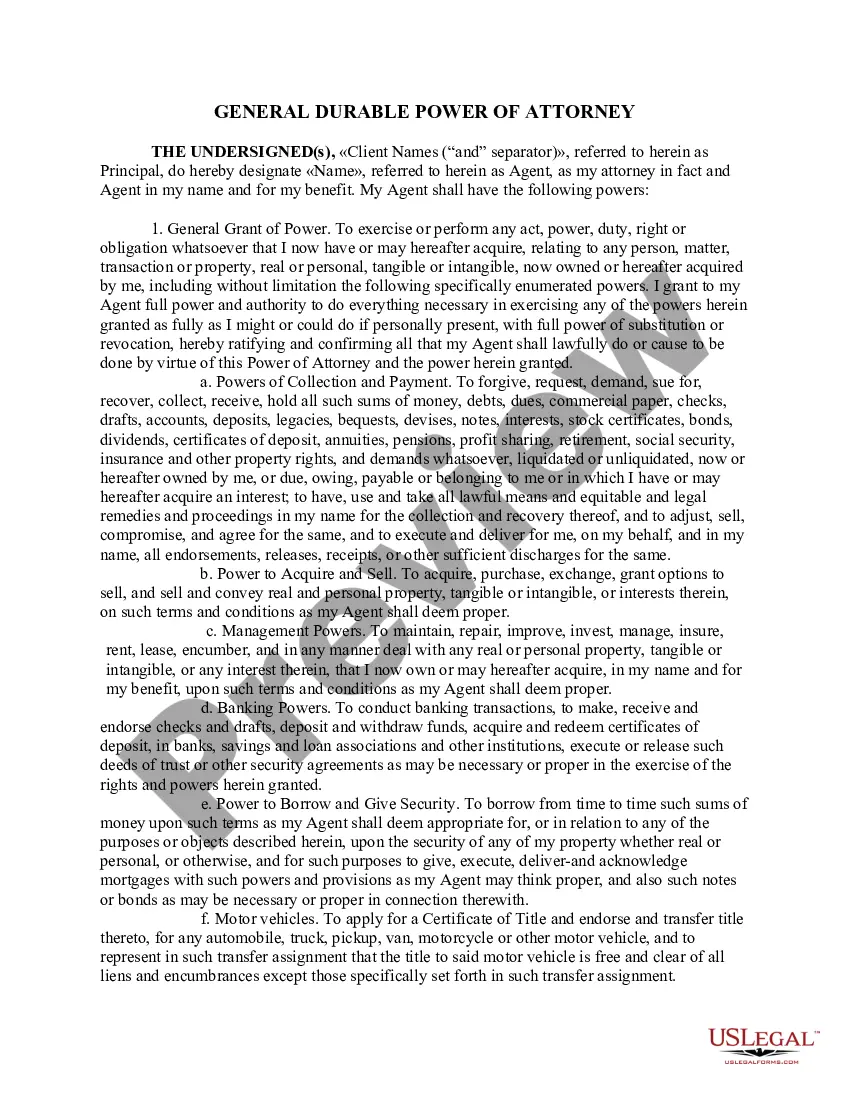
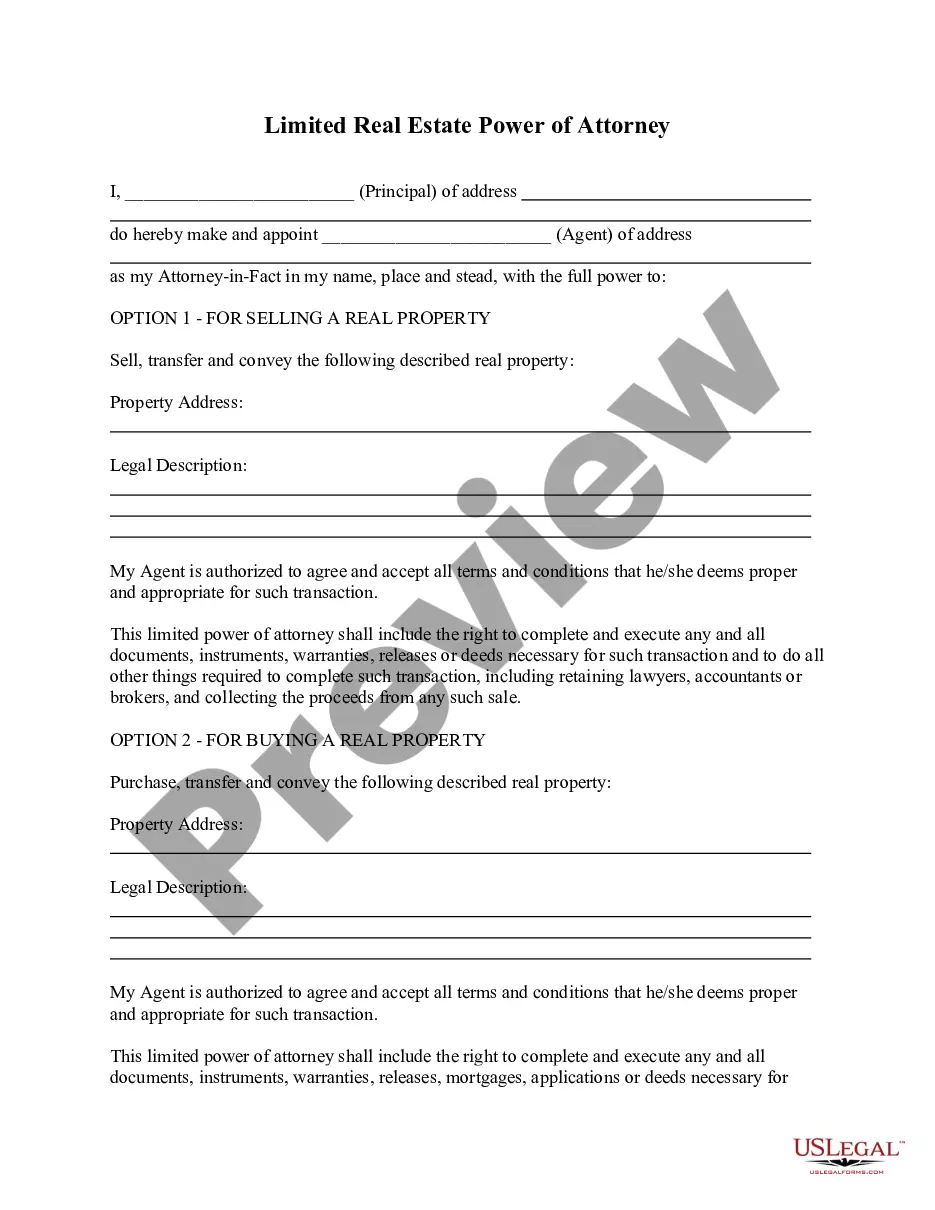
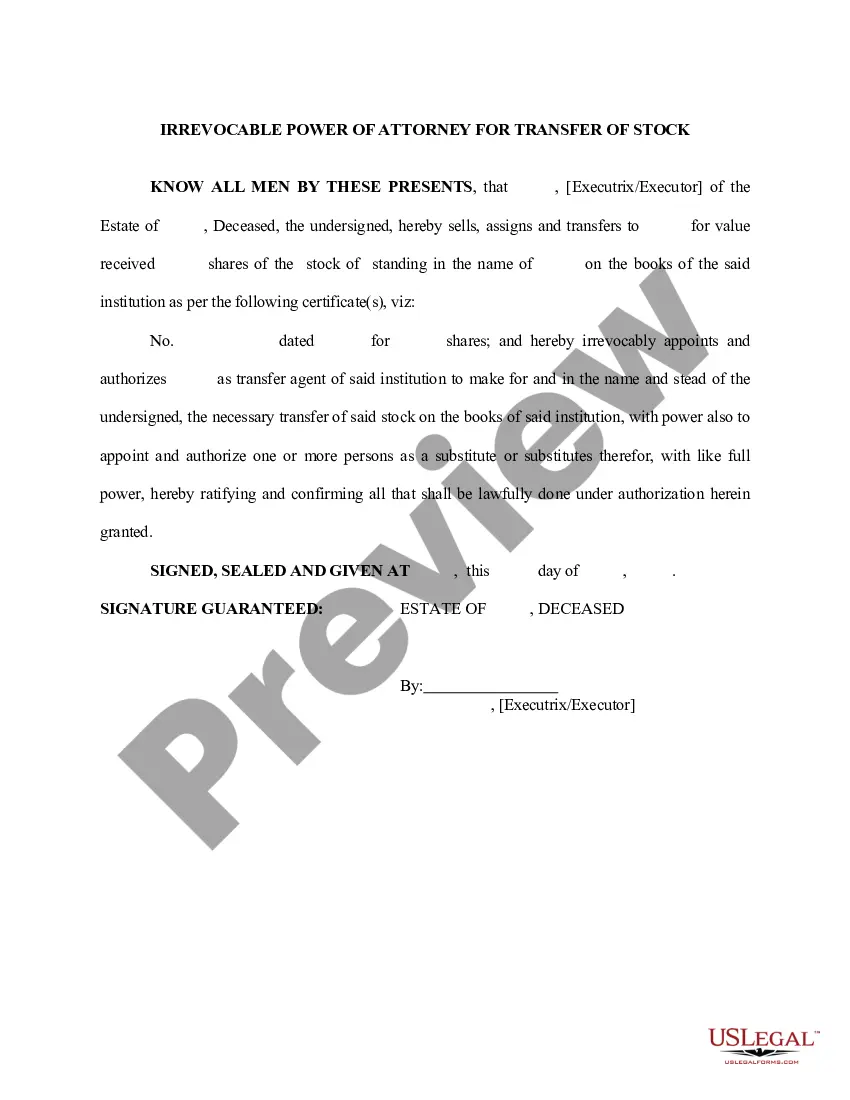
This Special or Limited Power of Attorney for Real Estate Sales Transaction By Seller form allows a property seller to appoint an attorney-in-fact. This enables the designated agent to handle all necessary actions to convey a specific parcel of real estate, such as executing documents and collecting proceeds. It is essential for those who cannot attend the sale in person or wish to delegate authority due to other commitments.
Key parts of this document
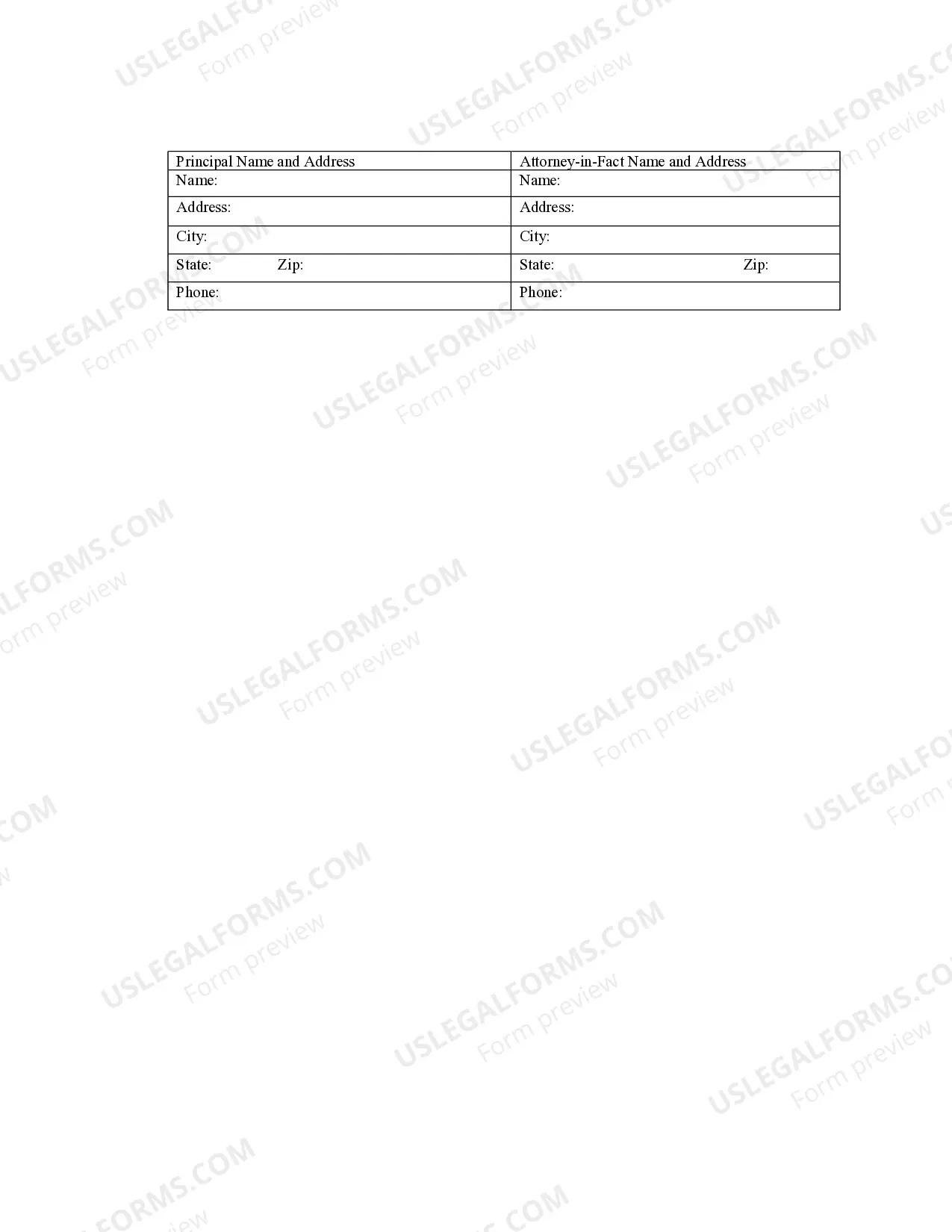
- Details of the seller and the appointed attorney-in-fact.
- Full authority granted to the attorney-in-fact for closing the sale.
- Specific property information, including address and legal description.
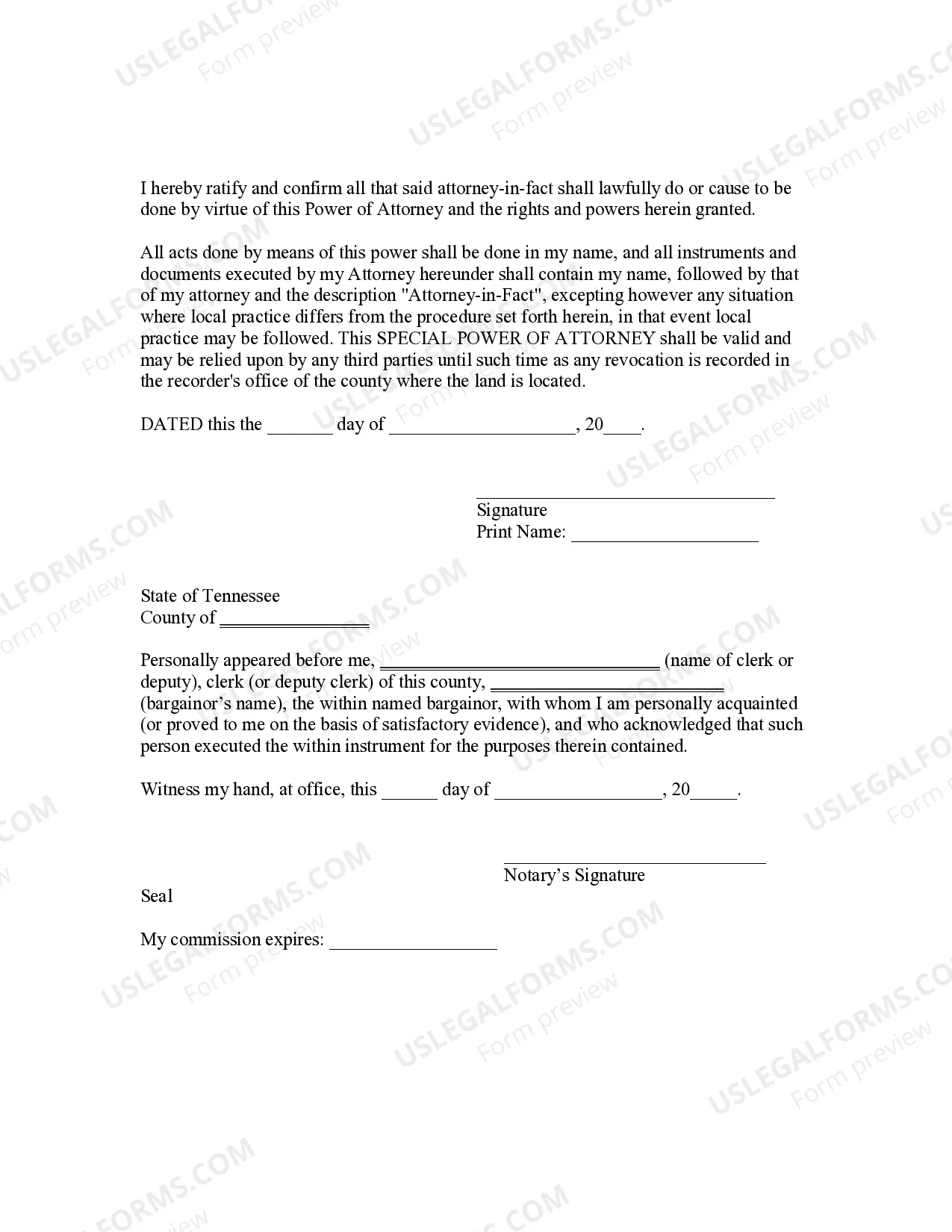
- Signatures required from both the seller and a notary public.
- Mechanism for revocation of the power of attorney.
When to use this document
This form should be used when a seller needs to grant someone the authority to sell their real estate on their behalf. Scenarios may include instances when the seller is out of state, has scheduling conflicts, or requires assistance with the transaction due to personal reasons. The form provides a legal means for the agent to manage the sale effectively.
Who this form is for
This form is intended for:
- Property sellers who are unable to attend the closing.
- Individuals who wish to appoint an agent to act on their behalf in real estate transactions.
- Sellers looking to streamline their real estate sale process.
Completing this form step by step
- Identify the seller and the attorney-in-fact by entering their names and contact information.
- Provide the property address and its legal description accurately.
- Specify the powers granted to the attorney-in-fact clearly.
- Sign the document in the presence of a notary public.
- Provide the date and ensure all required fields are completed for validity.
Does this form need to be notarized?
This form must be notarized to be legally valid. US Legal Forms provides secure online notarization powered by Notarize, allowing you to complete the process through a verified video call.
Get your form ready online
Our built-in tools help you complete, sign, share, and store your documents in one place.
Make edits, fill in missing information, and update formatting in US Legal Forms—just like you would in MS Word.
Download a copy, print it, send it by email, or mail it via USPS—whatever works best for your next step.
Sign and collect signatures with our SignNow integration. Send to multiple recipients, set reminders, and more. Go Premium to unlock E-Sign.
If this form requires notarization, complete it online through a secure video call—no need to meet a notary in person or wait for an appointment.
We protect your documents and personal data by following strict security and privacy standards.

Make edits, fill in missing information, and update formatting in US Legal Forms—just like you would in MS Word.

Download a copy, print it, send it by email, or mail it via USPS—whatever works best for your next step.

Sign and collect signatures with our SignNow integration. Send to multiple recipients, set reminders, and more. Go Premium to unlock E-Sign.

If this form requires notarization, complete it online through a secure video call—no need to meet a notary in person or wait for an appointment.

We protect your documents and personal data by following strict security and privacy standards.
Avoid these common issues
- Failing to provide a complete legal description of the property.
- Not having the form notarized, if required for your jurisdiction.
- Leaving out critical information about the seller or attorney-in-fact.
- Not specifying the powers granted clearly, leading to confusion in execution.
Why use this form online
- Convenient access to a professionally drafted legal form.
- Edit the form easily to meet specific needs before downloading.
- Instantly available for use, saving time in legal processes.
- Designed to ensure compliance with applicable laws in Tennessee.
Looking for another form?



Form popularity
FAQ
The Tennessee Special or Limited Power of Attorney for Real Estate Sales Transaction By Seller lets a property seller appoint an attorney-in-fact to handle all steps at closing for a specific parcel, including signing documents and collecting proceeds. It is designed when the seller cannot attend the closing, and it includes a revocation mechanism to end the authority.
A power of attorney for real estate in Tennessee is a legal document that lets someone you trust act on your behalf in a real estate transaction. For this form, a seller appoints an attorney-in-fact to manage the sale of a specific parcel, including closings, signing documents, and receiving proceeds, with signatures by the seller and a notary.
Yes, when properly executed as this form shows, a power of attorney can authorize an agent to complete a sale on the seller’s behalf. The Tennessee Special or Limited Power of Attorney for Real Estate Sales Transaction By Seller grants authority specifically to close the sale of a described parcel and collect proceeds, with proper signatures and notarization.
Whether a realtor can serve as the attorney-in-fact is not specified in this form. This document sets the appointment of an attorney-in-fact to handle the seller’s real estate sale, but the named individual’s profession or qualifications are not defined here. A Tennessee attorney can advise, especially if a realtor is considered for POA.
Common POA mistakes include leaving the authority too broad or vague, failing to identify the exact property and closing steps, missing notarization, and not including a clear revocation method. For this form, ensure the property address and legal description are precise, signatures and notarization are complete, and the revocation provision is understood.
This form limits authority to handling the sale of a specific parcel and related closing tasks, instead of broad, ongoing powers. It requires the seller’s and notary’s signatures and includes a revocation mechanism to end the agent’s authority when the sale completes or is canceled.