Tennessee Living Wills and Health Care Package
Overview of this form package
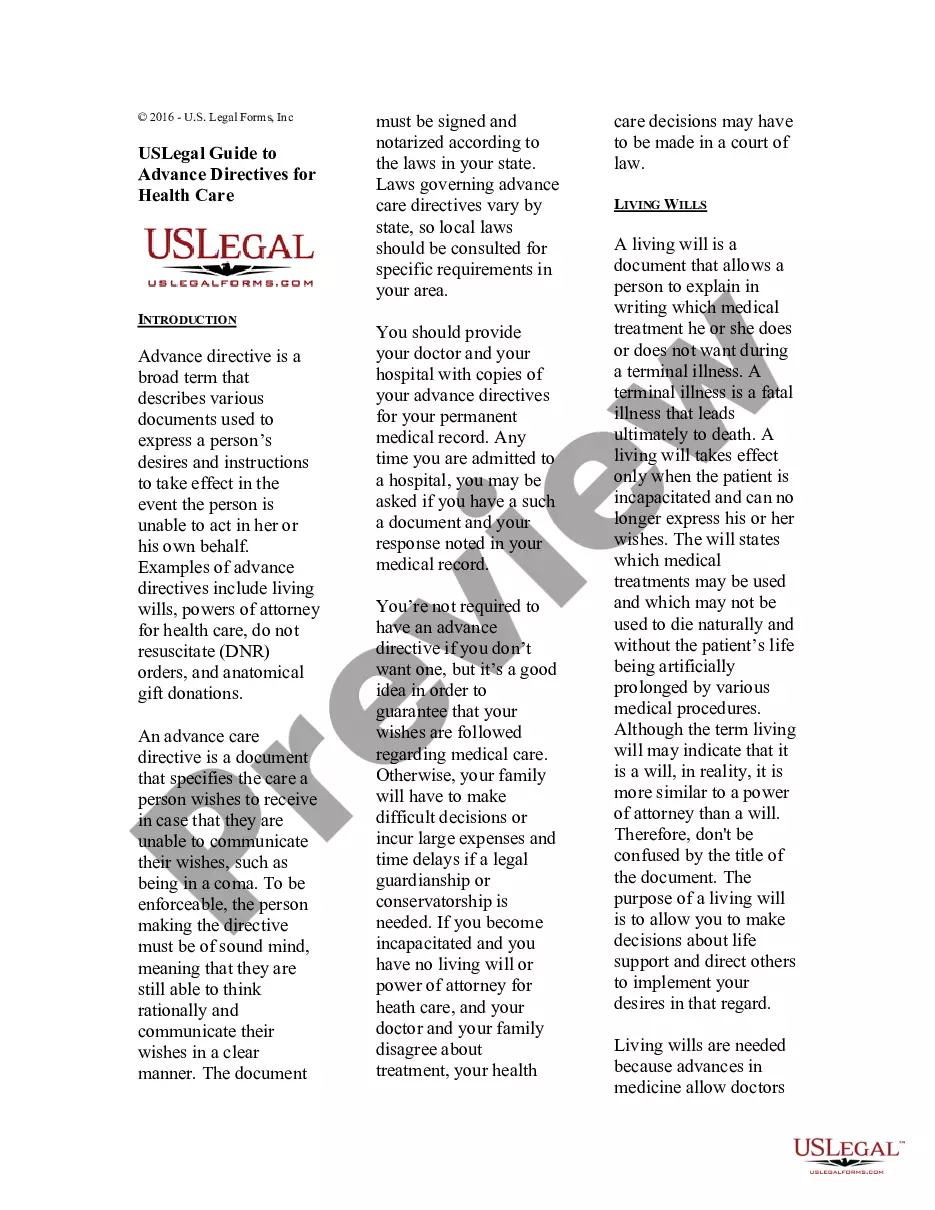
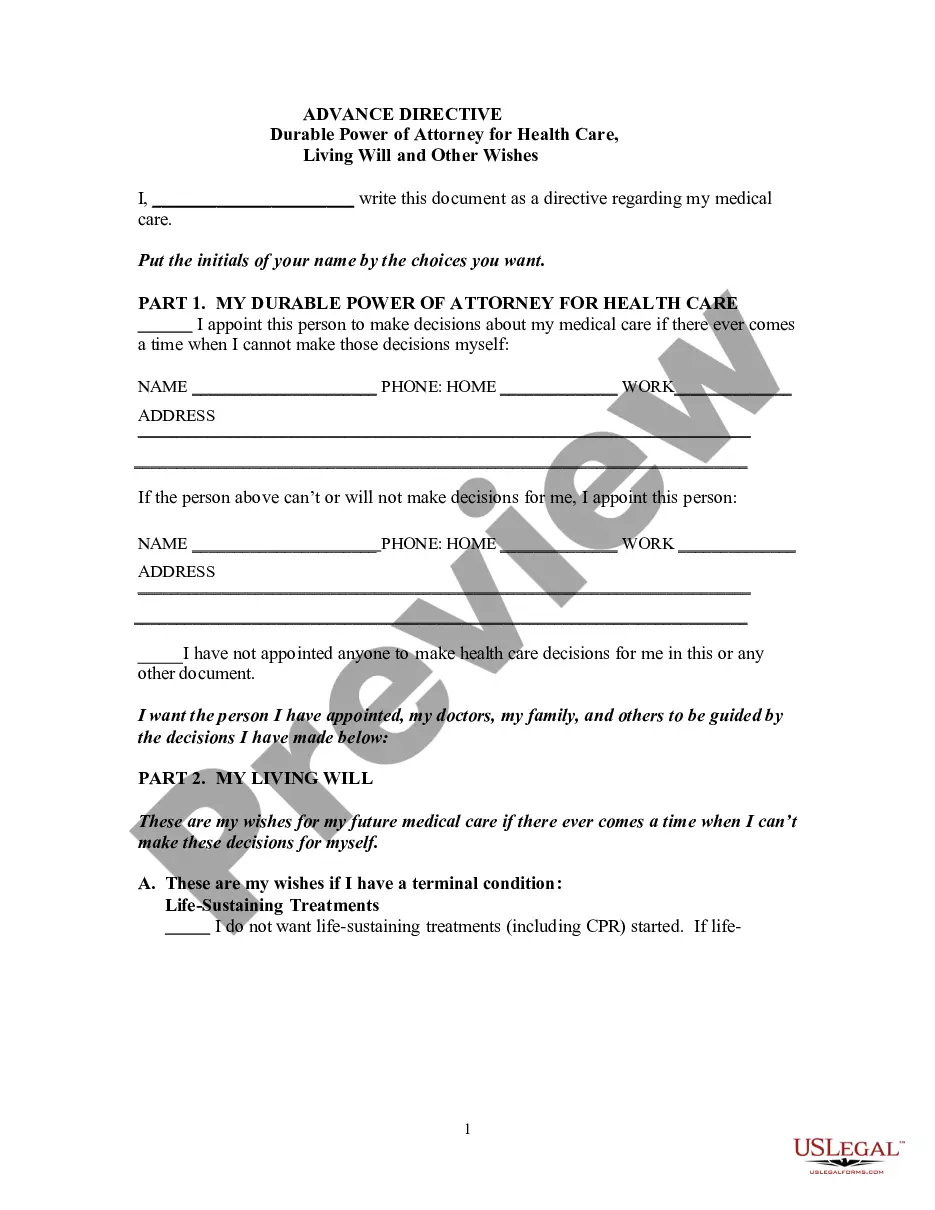
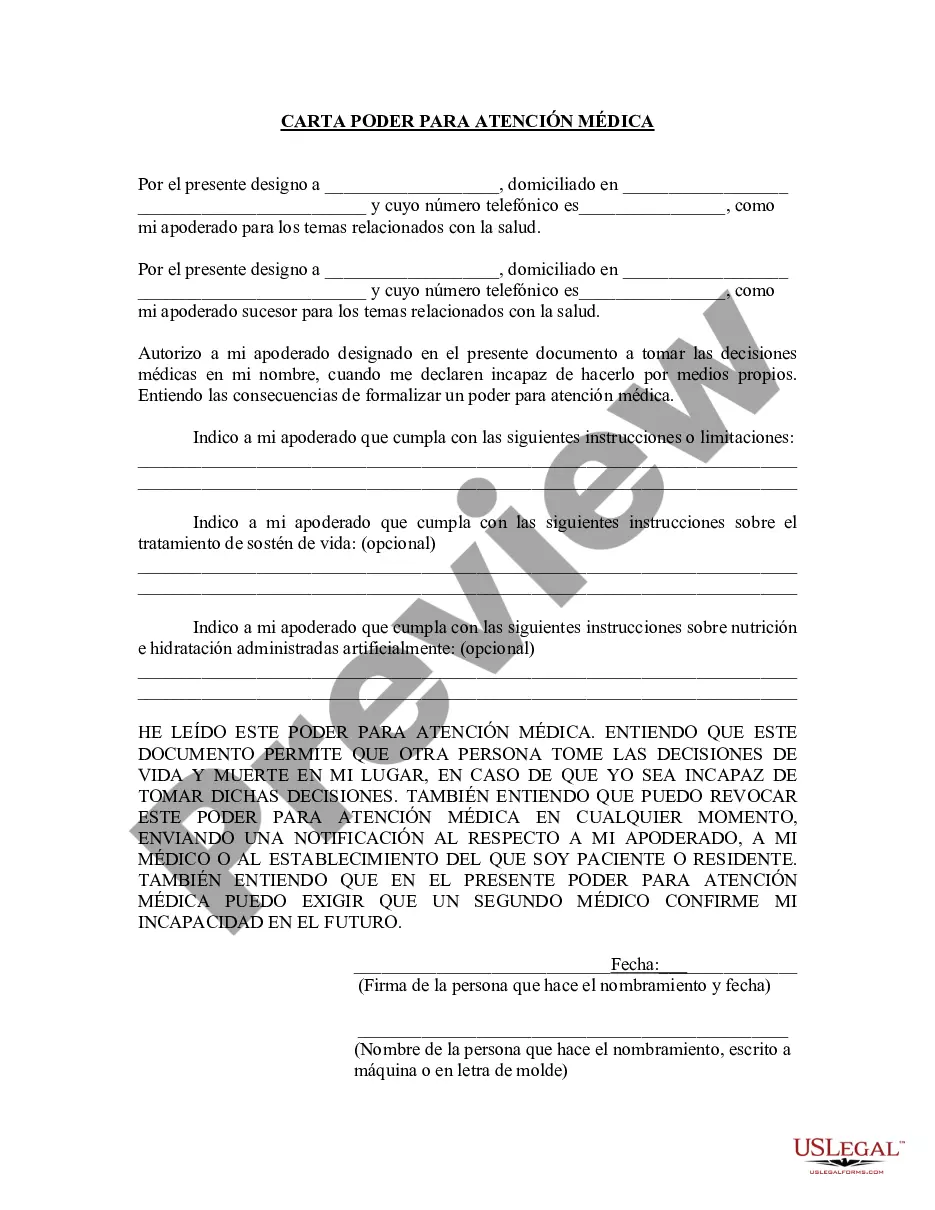
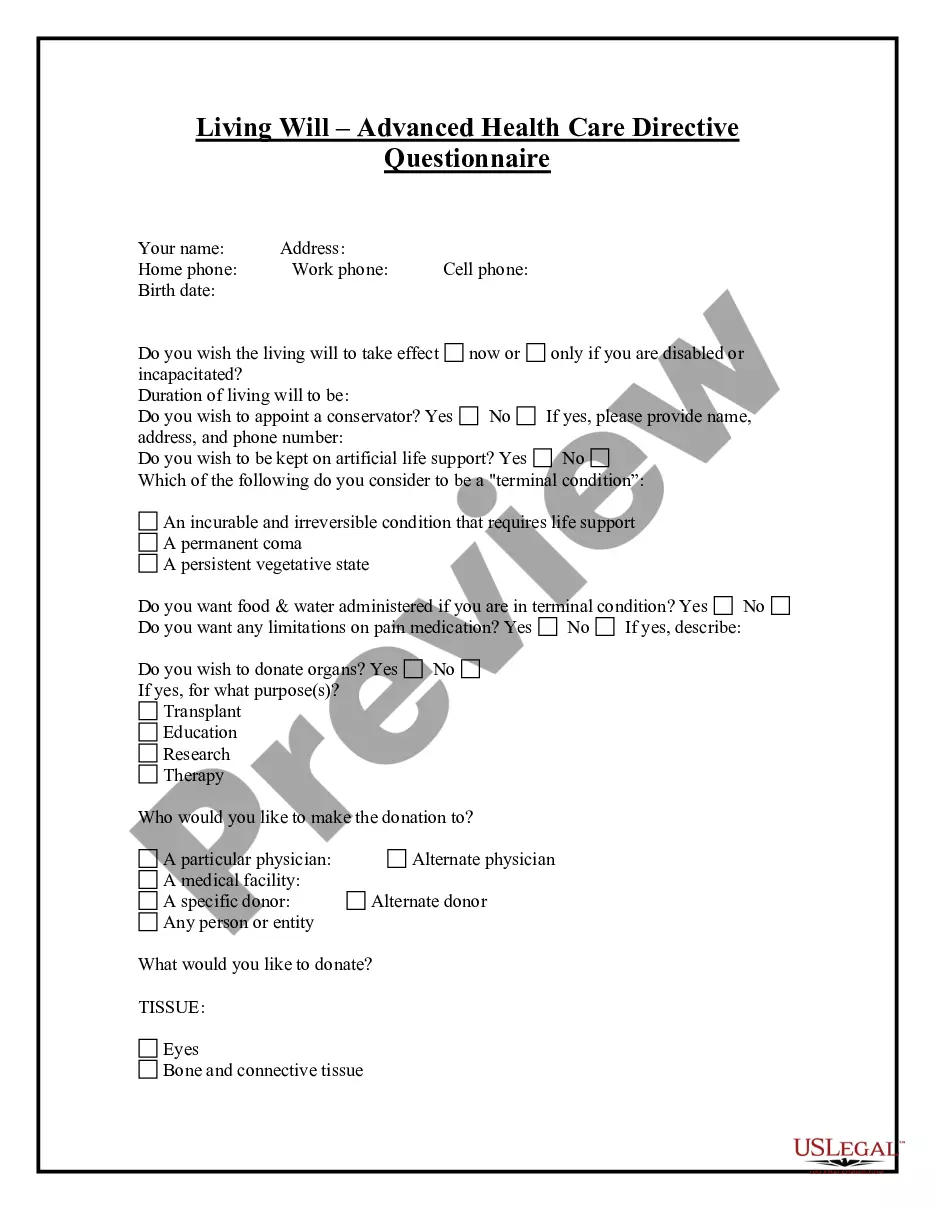
The Tennessee Living Wills and Health Care Package is a comprehensive set of legal documents that enable individuals to specify their preferences regarding medical treatment and life support in the event of a terminal illness. This package is specifically designed to ensure your wishes are documented and respected by healthcare providers and loved ones. The included forms facilitate the appointment of a healthcare agent, outline living wills, and address anatomical gifts, distinguishing this package from general estate planning documents.
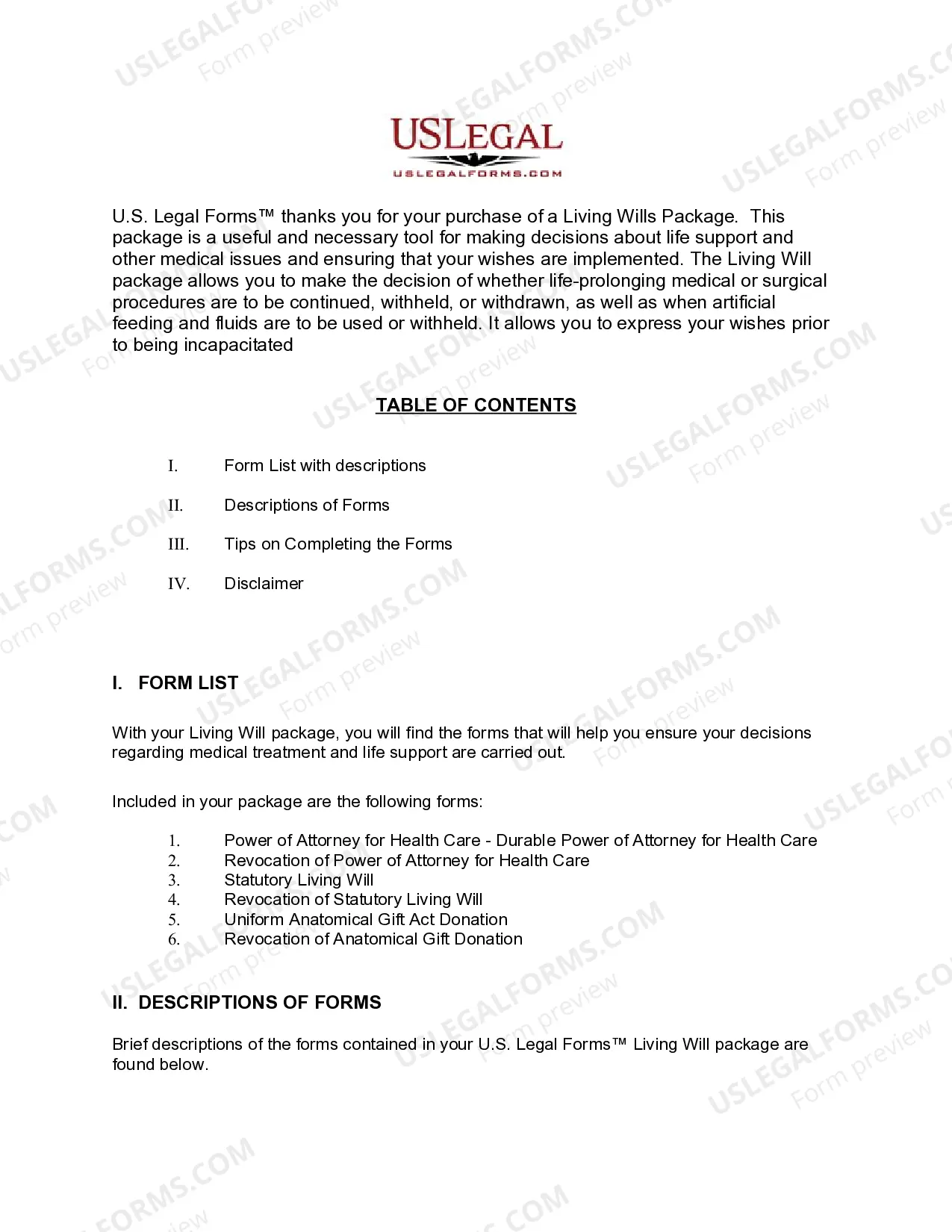
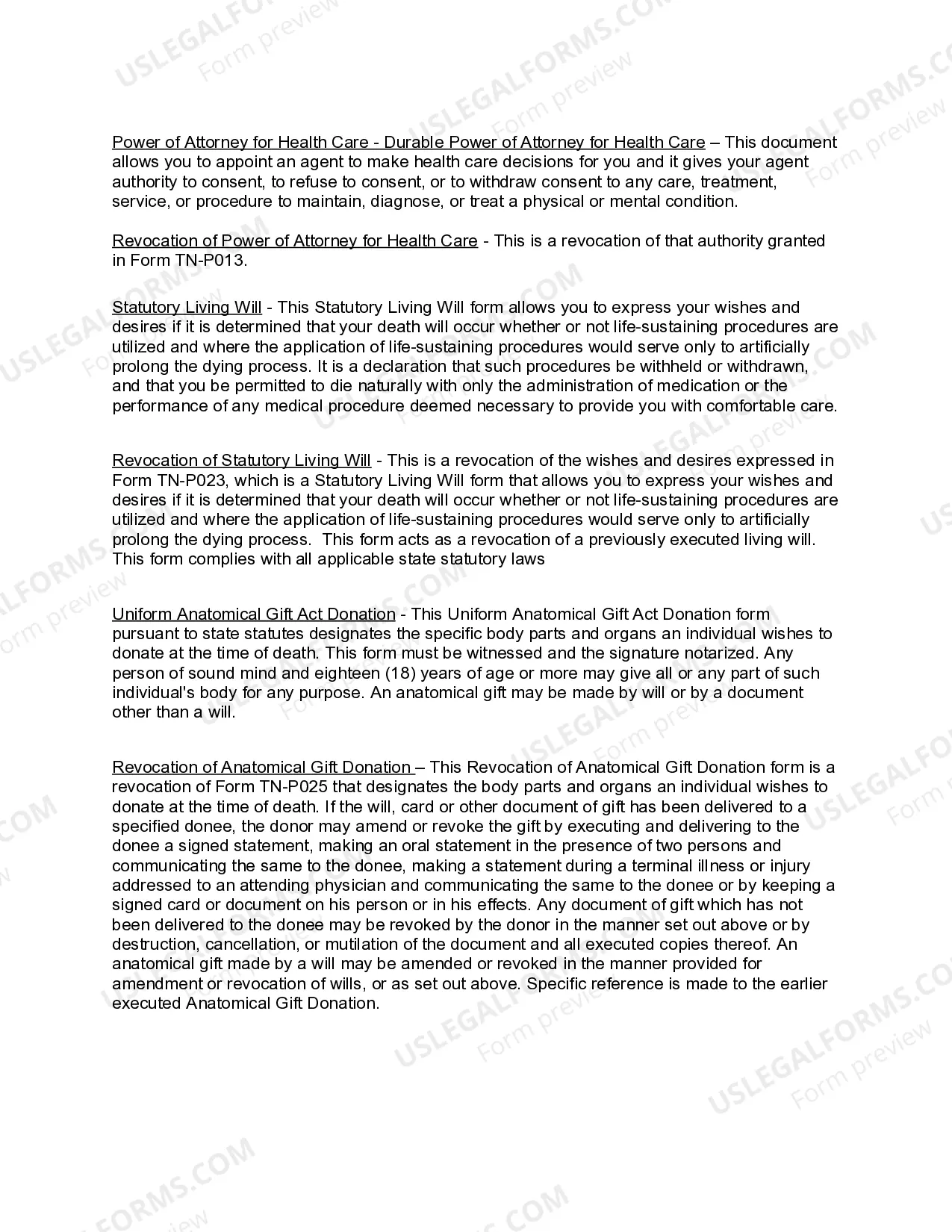
Forms you’ll find in this package


When this form package is needed
This form package is beneficial in various situations, including:
- When diagnosed with a terminal illness and wanting to clarify your medical treatment preferences.
- If you wish to appoint a trusted individual to make healthcare decisions on your behalf.
- When you want to document your wishes regarding organ donation after death.
- When updating or revoking previous health care documents to reflect your current desires and circumstances.
Who this form package is for
- Individuals aged eighteen and older who wish to make informed decisions about their healthcare.
- Those who want to ensure their medical preferences are clearly communicated to healthcare professionals.
- People looking to relieve their loved ones of the burden of making difficult healthcare decisions in times of crisis.
- Anyone wishing to document their intentions regarding organ donation for future medical situations.
Steps to complete these forms
- Review the included forms to understand your options regarding living wills and health care directives.
- Identify a trusted person to serve as your healthcare power of attorney.
- Clearly express your wishes concerning medical treatment and life support in the statutory living will.
- Complete each form, ensuring all necessary fields are filled out accurately.
- Sign the forms in the presence of witnesses, if required, to ensure their validity.
- Store the completed documents in a secure yet accessible location and inform your healthcare agent and family members where they can be found.
Do documents in this package require notarization?
Forms in this package typically do not require notarization unless mandated by local law. However, signing in front of witnesses may be necessary for certain documents, such as the living will. Verify your local requirements to ensure compliance.
Get your form ready online
Our built-in tools help you complete, sign, share, and store your documents in one place.
Make edits, fill in missing information, and update formatting in US Legal Forms—just like you would in MS Word.
Download a copy, print it, send it by email, or mail it via USPS—whatever works best for your next step.
Sign and collect signatures with our SignNow integration. Send to multiple recipients, set reminders, and more. Go Premium to unlock E-Sign.
If this form requires notarization, complete it online through a secure video call—no need to meet a notary in person or wait for an appointment.
We protect your documents and personal data by following strict security and privacy standards.

Make edits, fill in missing information, and update formatting in US Legal Forms—just like you would in MS Word.

Download a copy, print it, send it by email, or mail it via USPS—whatever works best for your next step.

Sign and collect signatures with our SignNow integration. Send to multiple recipients, set reminders, and more. Go Premium to unlock E-Sign.

If this form requires notarization, complete it online through a secure video call—no need to meet a notary in person or wait for an appointment.

We protect your documents and personal data by following strict security and privacy standards.
Avoid these common issues
- Failing to appoint a healthcare power of attorney, resulting in medical decisions being made without your input.
- Not completing the forms thoroughly, which could lead to ambiguity in your wishes.
- Overlooking the need for witness signatures or notarization if required by law.
- Neglecting to discuss your wishes with your healthcare agent or family members, leading to confusion when decisions need to be made.
Why complete this package online
- Convenience of downloading the forms from home at your own pace.
- Editability that allows you to customize your documents to fit your specific wishes.
- Reliable templates created by licensed attorneys, ensuring legal compliance.
- Accessibility of forms that can be saved and printed multiple times if needed.
Looking for another form?

Form popularity
FAQ
Create the initial document. Start by titling the document Last Will and Testament" and including your full legal name and address. Designate an executor. Appoint a guardian. Name the beneficiaries. Designate the assets. Ask witnesses to sign your will. Store your will in a safe place.
Living will. A living will is a written, legal document that spells out medical treatments you would and would not want to be used to keep you alive, as well as your preferences for other medical decisions, such as pain management or organ donation. In determining your wishes, think about your values.
You do not need a lawyer to make a living will, although you can get one from a lawyer if you prefer to. Every state has its own requirements for making a living will, so if you make one on your own, make sure you find a form that meets your state's requirements.
A living will is a legal document that contains a person's medical care and treatment instructions. The purpose of a living will is to allow a person to express health care decisions while he or she is mentally able to do so.
Living will. A living will is a written, legal document that spells out medical treatments you would and would not want to be used to keep you alive, as well as your preferences for other medical decisions, such as pain management or organ donation. In determining your wishes, think about your values.
Include personal identifying information. Include a statement about your age and mental status. Designate an executor. Decide who will take care of your children. Choose your beneficiaries. List your funeral details. Sign and date your Last Will and Testament.
Age: The testator must be at least 18 years old. Capacity: The testator must be of sound mind. Signature: The will must be signed by the testator or by someone else in the testator's name in his presence, by his direction.
Step 1 Download Your Living Will. Download in Adobe PDF, Microsoft Word (. Step 2 Health Care Directive. Step 3 Life Support. Step 4 Life-Sustaining Treatment. Step 5 End of Life Wishes. Step 6 Medical Power of Attorney. Step 7 Witness Acknowledgment. Step 8 Notary Acknowledgment.
Living will. A living will is a written, legal document that spells out medical treatments you would and would not want to be used to keep you alive, as well as your preferences for other medical decisions, such as pain management or organ donation. In determining your wishes, think about your values.