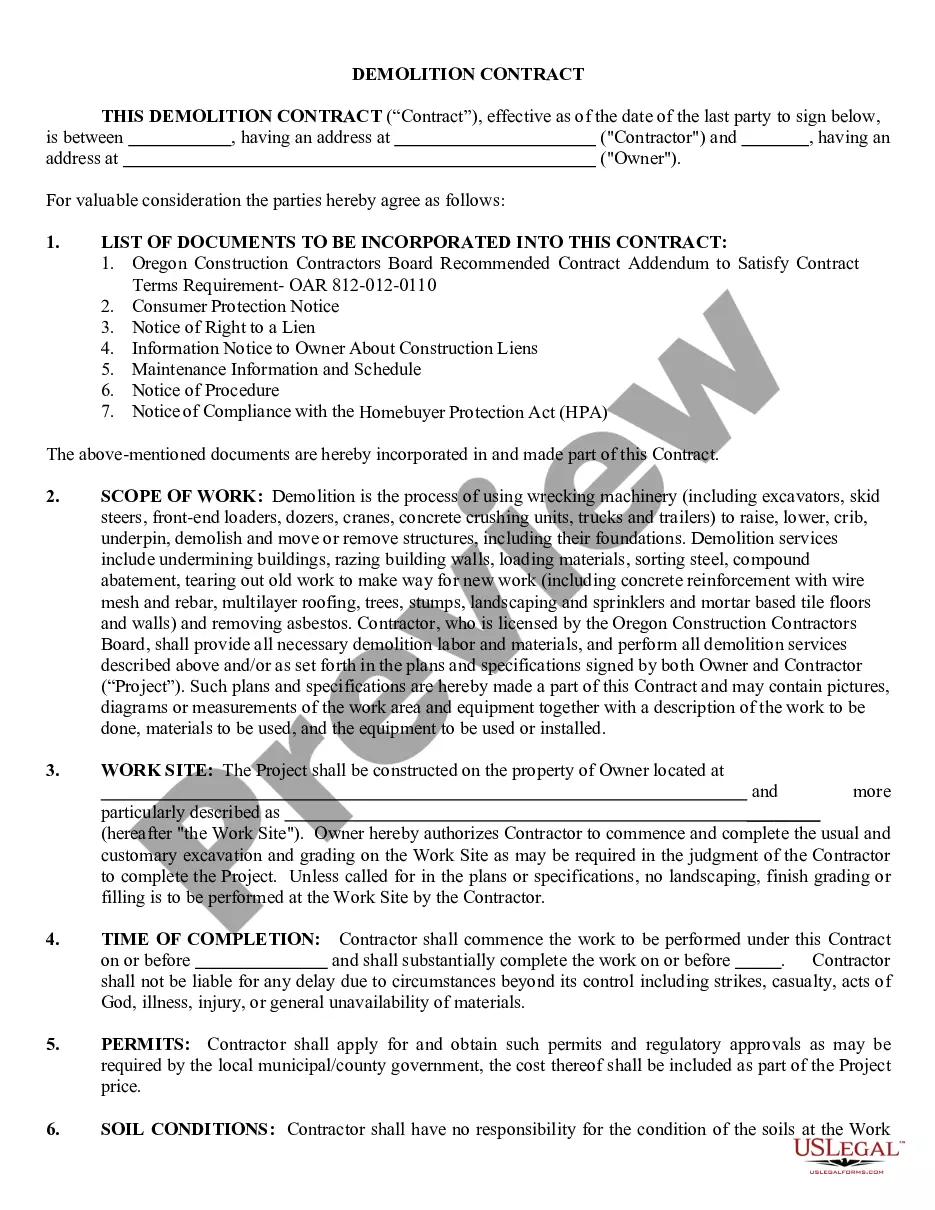
Tennessee Letter from Landlord to Tenant that Sublease granted - Rent Paid by Subtenant, Old Tenant Released from Liability for Rent
Overview of this form
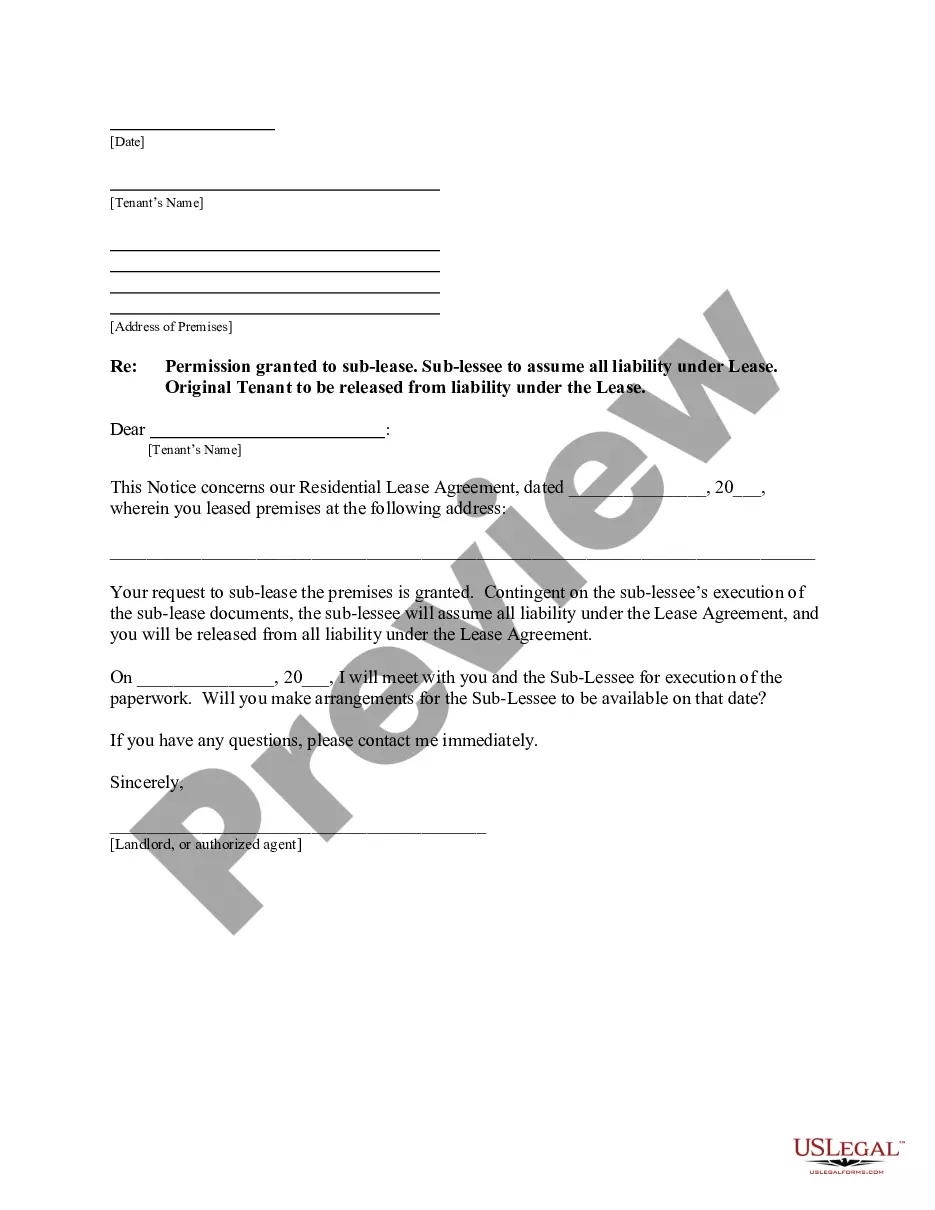
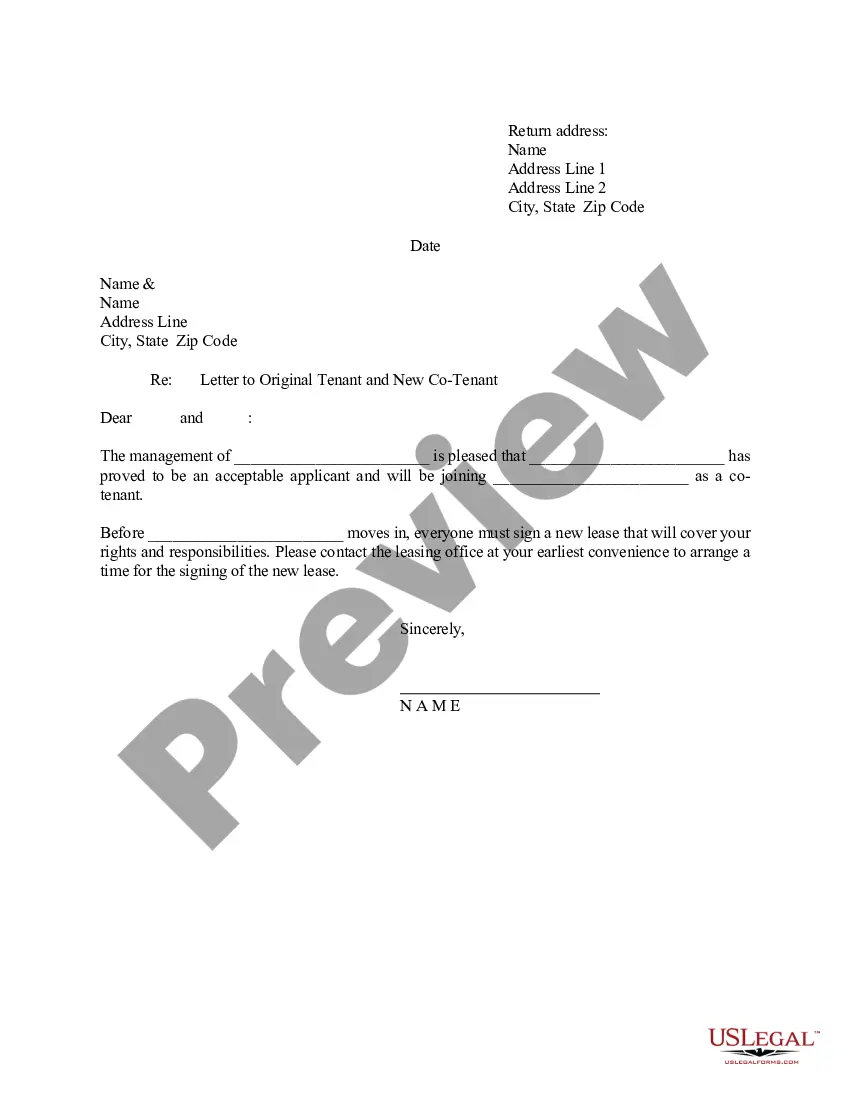
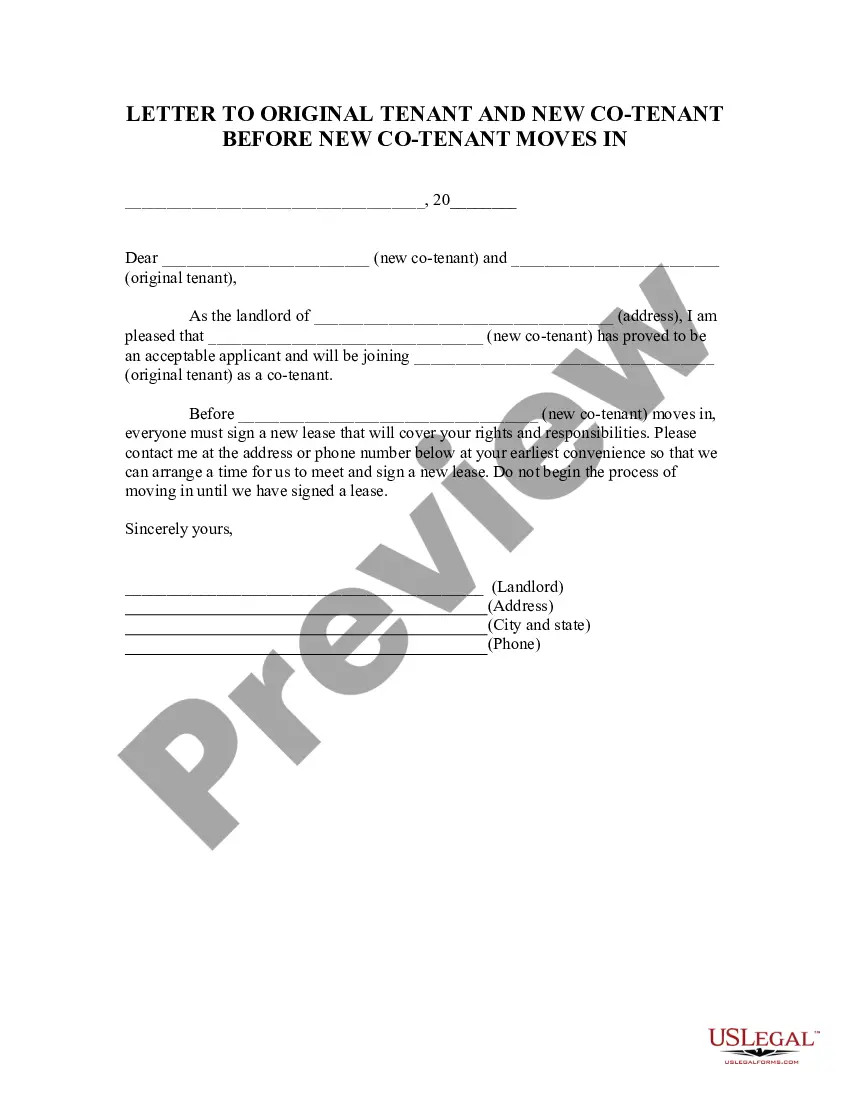
This form is a Letter from Landlord to Tenant that Sublease has been granted. It confirms that rent will be paid by the subtenant, consequently releasing the original tenant from any liability for rent payments. This document serves as a formal communication to ensure all parties are aware of the subleasing agreement and its implications.
Key parts of this document
- Grant of Sublease: States that the tenant's request to sublease the premises is approved.
- Liability Release: Confirms that the original tenant is released from liability under the Lease Agreement.
- Execution Meeting: Specifies a meeting date for the signing of relevant paperwork with all parties involved.
- Landlord's Contact: Provides the landlord's contact information for any questions regarding the sublease.
- Proof of Delivery: Describes the delivery method of this notice to ensure receipt.

When to use this form
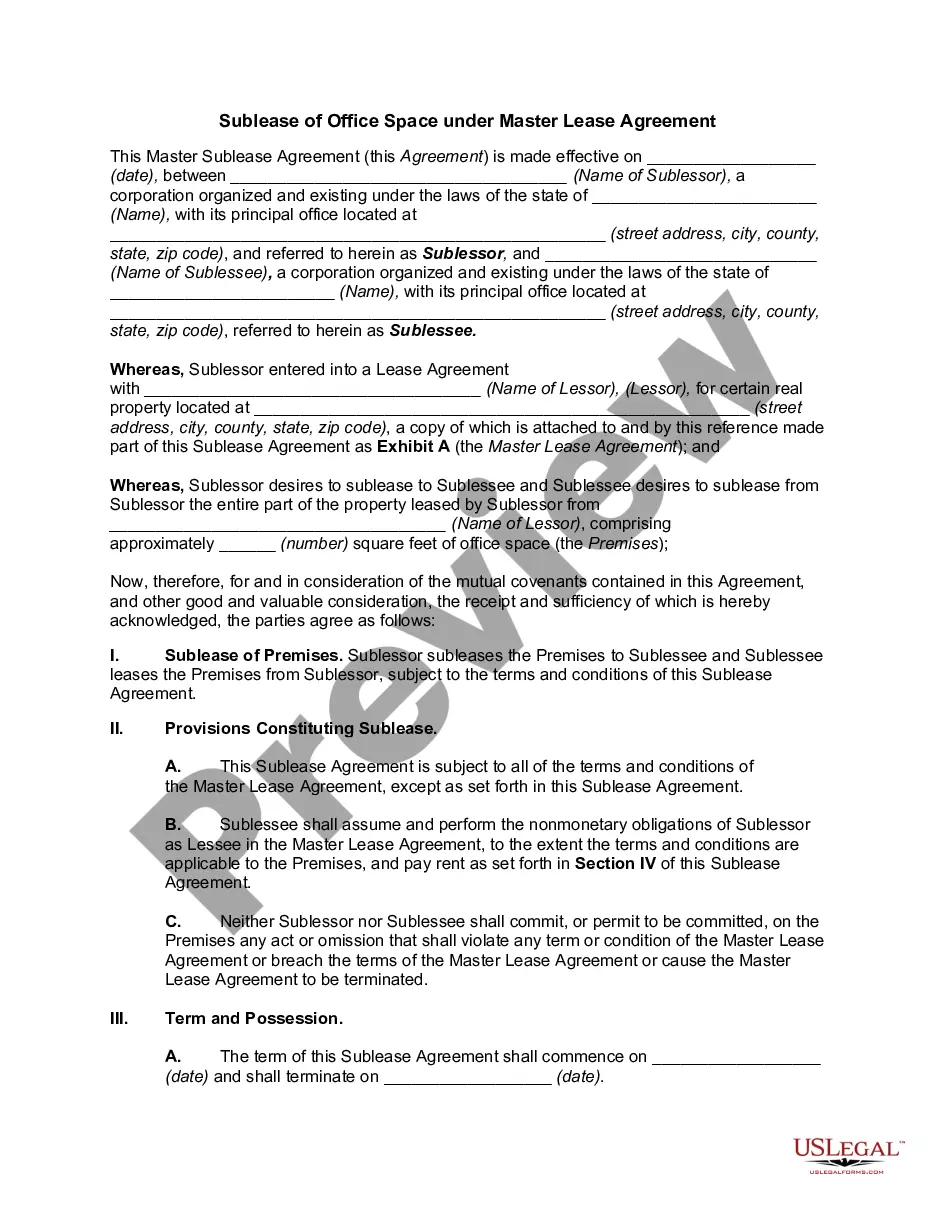
This form should be used when a tenant wishes to sublease their rental property and has attained permission from the landlord. It is essential when the subtenant has agreed to take over rent responsibilities, thereby releasing the original tenant from any rent liabilities. This form formalizes the arrangement and provides clear communication between the landlord, tenant, and subtenant.
Who this form is for
This form is suitable for:
- Landlords who need to officially document the approval of a sublease.
- Original tenants planning to sublease their rental property.
- Subtenants who are assuming responsibility for the rent.
How to complete this form
To complete this form, follow these steps:
- Identify the parties involved, including the landlord, original tenant, and subtenant.
- Specify the property being subleased in the appropriate section.
- Enter the date of the meeting for the execution of documents.
- Provide the contact information of the landlord for further communication.
- Ensure all parties sign the document where indicated.
Is notarization required?
This form does not typically require notarization unless specified by local law. However, it is advisable to check with your local regulations to confirm specific requirements.
Get your form ready online
Our built-in tools help you complete, sign, share, and store your documents in one place.
Make edits, fill in missing information, and update formatting in US Legal Forms—just like you would in MS Word.
Download a copy, print it, send it by email, or mail it via USPS—whatever works best for your next step.
Sign and collect signatures with our SignNow integration. Send to multiple recipients, set reminders, and more. Go Premium to unlock E-Sign.
If this form requires notarization, complete it online through a secure video call—no need to meet a notary in person or wait for an appointment.
We protect your documents and personal data by following strict security and privacy standards.

Make edits, fill in missing information, and update formatting in US Legal Forms—just like you would in MS Word.

Download a copy, print it, send it by email, or mail it via USPS—whatever works best for your next step.

Sign and collect signatures with our SignNow integration. Send to multiple recipients, set reminders, and more. Go Premium to unlock E-Sign.

If this form requires notarization, complete it online through a secure video call—no need to meet a notary in person or wait for an appointment.

We protect your documents and personal data by following strict security and privacy standards.
Common mistakes to avoid
- Failing to specify all parties involved in the sublease.
- Not including the date of the execution meeting.
- Leaving out the landlordâs contact information, which may hinder communication.
- Neglecting to obtain signatures from all parties involved.
Advantages of online completion
- Conveniently downloadable and editable, allowing you to tailor the document to your specific needs.
- Prepared by licensed attorneys, ensuring legal compliance.
- Quick access to forms helps expedite the leasing process.
- Eliminates the need for legal consultation for straightforward subleasing agreements.
Legal use & context
- This form establishes a clear understanding between the landlord and subtenant regarding rent payments and liabilities.
- It helps to prevent disputes related to rental obligations once the sublease is enacted.
Main things to remember
- The Letter from Landlord to Tenant recognizing a sublease is vital for clarity in rental agreements.
- It releases original tenants from liabilities associated with rent payments to facilitate smoother subleasing.
- Ensure that all involved parties are clearly identified and that communication channels remain open.
- Be aware of state-specific laws that may affect the validity of this sublease arrangement.
Looking for another form?

Form popularity
FAQ
Tennessee definitely landlord friendly. If you have the tenant waive their right to the whole legislative eviction process, which you can legally do, you can put them out real fast after the legal grace period (5 business days).
Tenants also have certain rights under federal, state, and some local laws. These include the right to not be discriminated against, the right to a habitable home, and the right to not be charged more for a security deposit than is allowed by state law, to name just a few.
Indiana. Indiana laws allow landlords to hold on to security deposits for 45 days to give them time to determine any damages caused by tenants. Colorado. Colorado is one of few states that allow landlords to access the rental property without an advance notice requirement. Georgia.
You are responsible for: paying your rent on time, paying any late fees, keeping the place clean and safe, not letting anyone else damage it, not breaking the law, disposing of your garbage, and following your landlord's rules. If you break your lease, then it may become a legal issue.
Landlords are prohibited from harassing or retaliating against tenants who exercise their legal rights. In Tennessee, the landlord must not terminate, refuse to renew a lease, or fine a tenant for complaining to the landlord regarding the deposit, complaining to a government agency, or exercising a legal right.
Title 66 - Property. Chapter 28 - Uniform Residential Landlord and Tenant Act. (b) The landlord may enter the premises without consent of the tenant in case of emergency.
Notice Requirements for Tennessee Landlords A landlord can simply give you a written notice to move, allowing you 30 days as required by Tennessee law and specifying the date on which your tenancy will end.