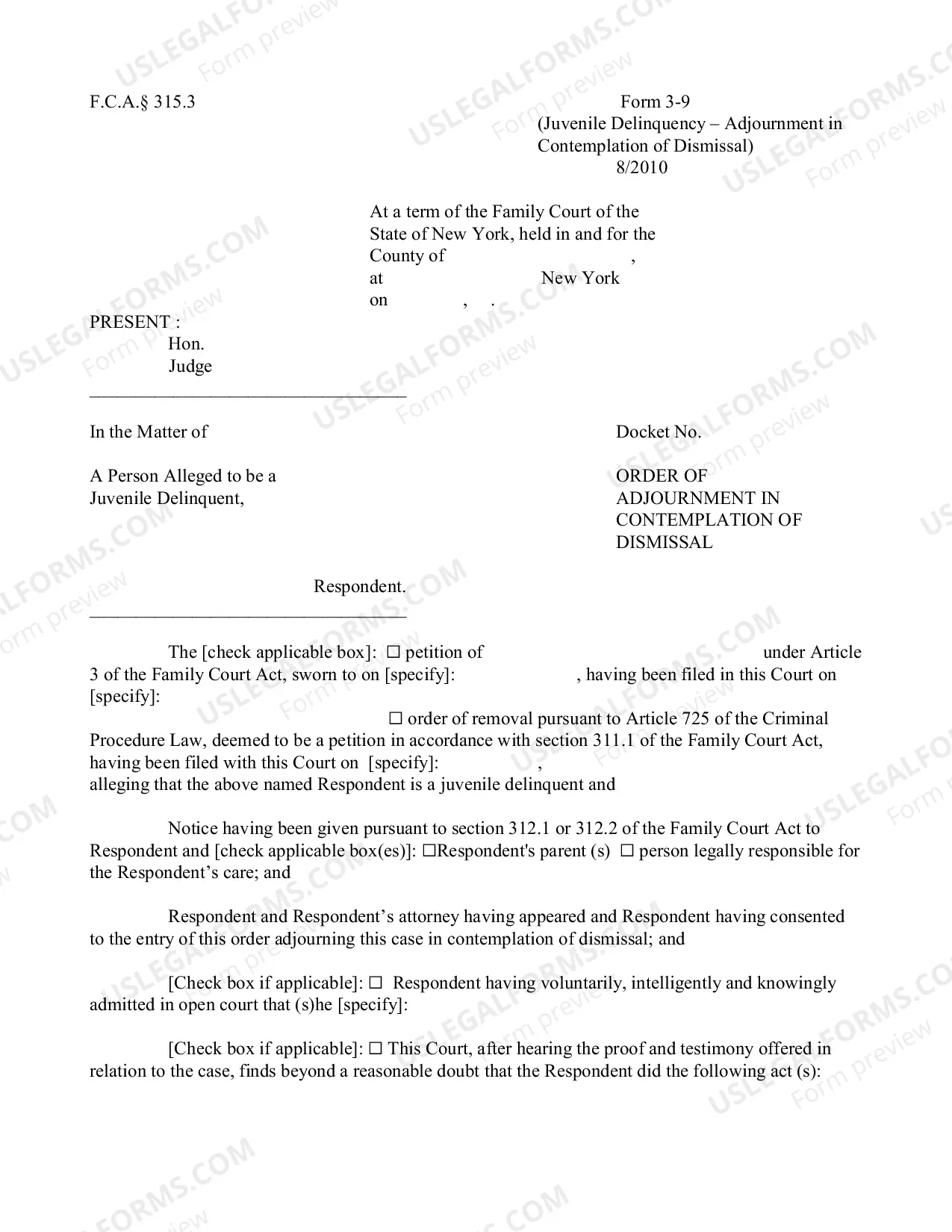
South Dakota Lien Account - Individual
What is this form?
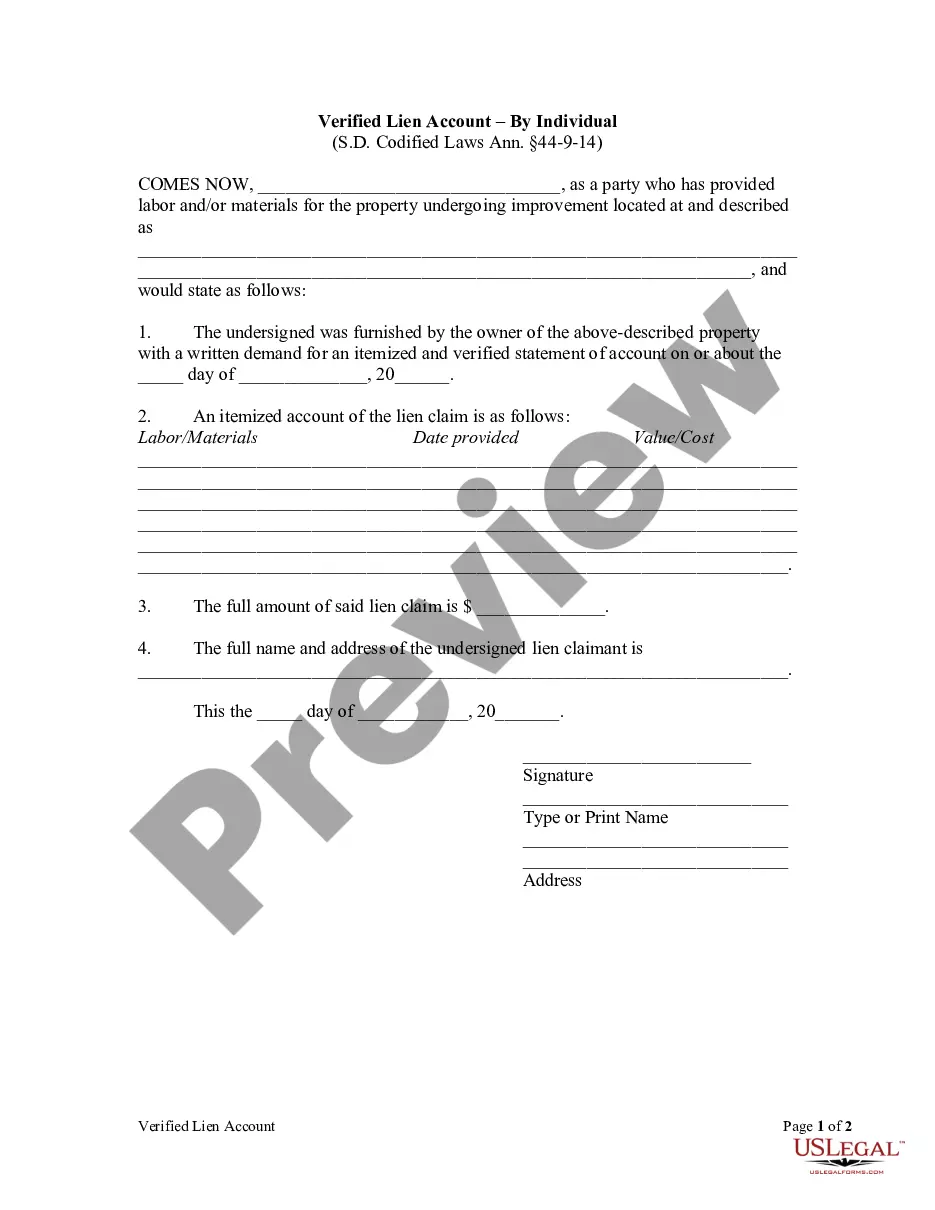
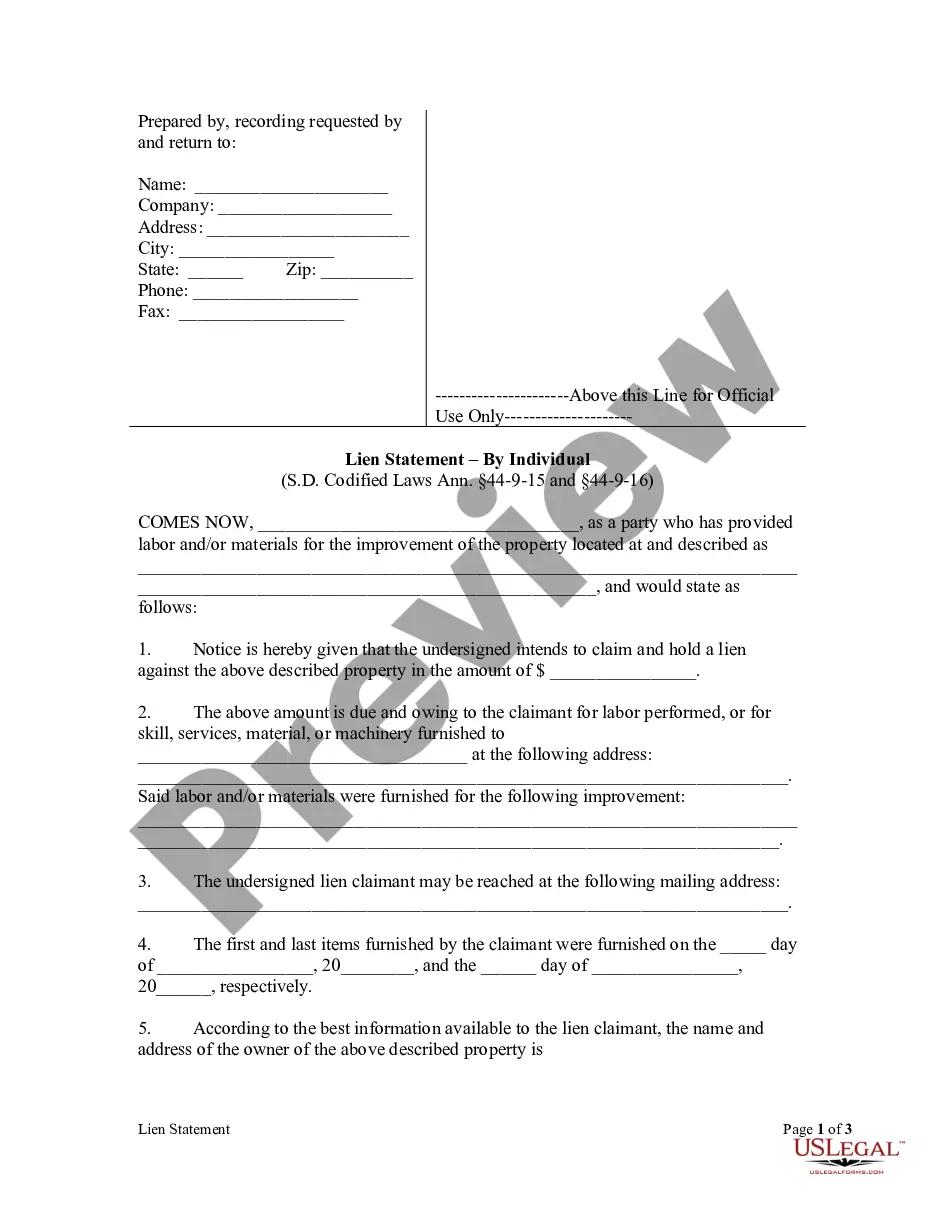
The Lien Account - Individual form is a legal document used by individuals who provide labor or materials for property improvements. This form serves the purpose of detailing the lien claims on a property and ensuring that the property owner receives a verified account of any outstanding claims. Unlike other lien documents, this form specifically requires an itemized statement following a written request from the property owner, facilitating transparency in the lien enforcement process.
Form components explained
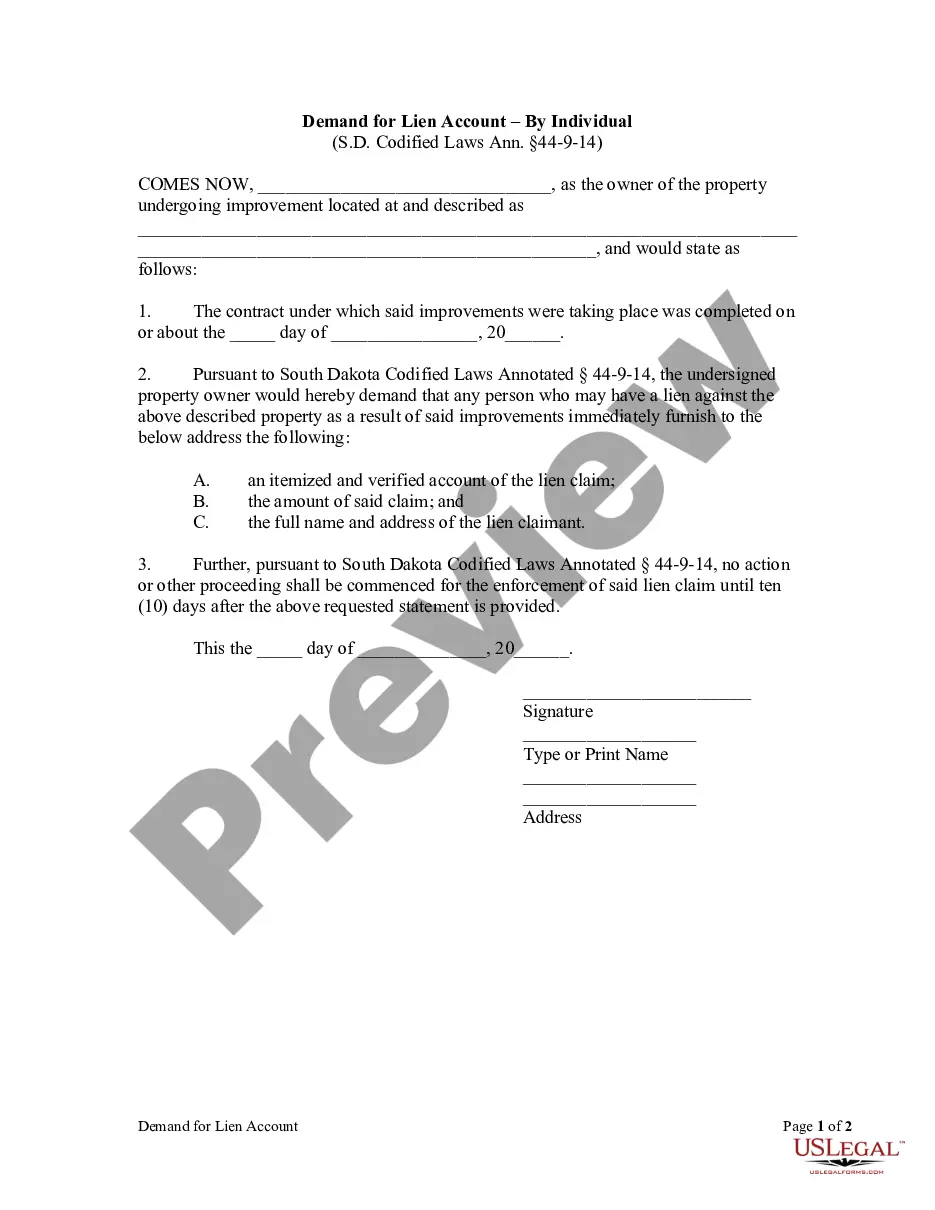
- Owner's written demand request for an itemized account
- Details of labor or materials provided, including dates and costs
- Total amount of the lien claim
- Contact information of the lien claimant
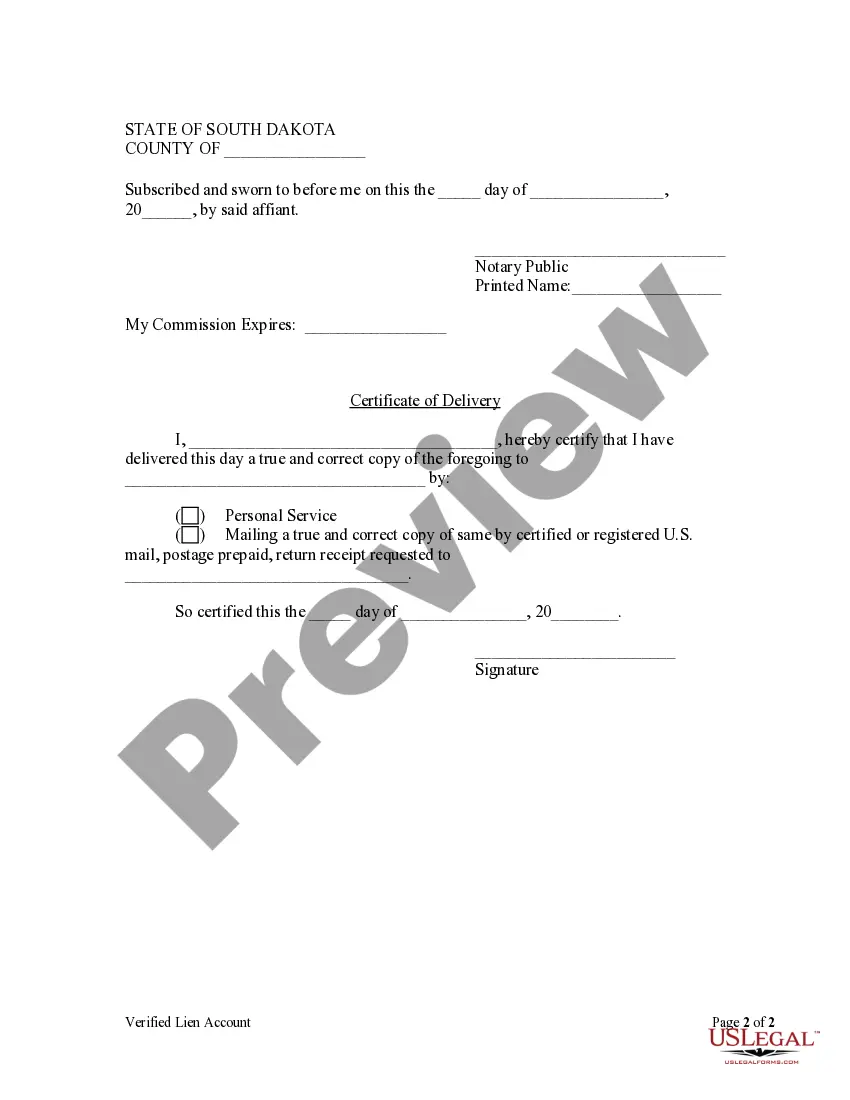
- Notarization section for legal validation
- Certificate of delivery indicating how the form was served to the owner
When to use this form
This form should be used when a property owner has requested a verified account of any lien claims from an individual who provided labor or materials. It is particularly relevant in scenarios where there is a dispute over payments for improvements made to a property or when ensuring compliance with the legal requirements for lien enforcement.
Who needs this form
- Individuals or contractors who have supplied labor or materials for property improvements
- Property owners needing a formal account of any lien claims against their property
- Parties involved in a dispute regarding payment for construction work or materials
How to prepare this document
- Identify the parties involved, including the property owner and the lien claimant.
- Specify the property being improved, including the address and description.
- Detail the labor or materials provided, including dates of service and associated costs.
- Calculate and enter the total amount of the lien claim.
- Provide the lien claimant's full name and address.
- Complete the notarization section and sign in the presence of a notary public.
Notarization guidance
Yes, this form must be notarized to be legally valid. US Legal Forms offers integrated online notarization services available 24/7, allowing you to complete this process securely via video call, ensuring legal equivalence without the need to travel.
Get your form ready online
Our built-in tools help you complete, sign, share, and store your documents in one place.
Make edits, fill in missing information, and update formatting in US Legal Forms—just like you would in MS Word.
Download a copy, print it, send it by email, or mail it via USPS—whatever works best for your next step.
Sign and collect signatures with our SignNow integration. Send to multiple recipients, set reminders, and more. Go Premium to unlock E-Sign.
If this form requires notarization, complete it online through a secure video call—no need to meet a notary in person or wait for an appointment.
We protect your documents and personal data by following strict security and privacy standards.

Make edits, fill in missing information, and update formatting in US Legal Forms—just like you would in MS Word.

Download a copy, print it, send it by email, or mail it via USPS—whatever works best for your next step.

Sign and collect signatures with our SignNow integration. Send to multiple recipients, set reminders, and more. Go Premium to unlock E-Sign.

If this form requires notarization, complete it online through a secure video call—no need to meet a notary in person or wait for an appointment.

We protect your documents and personal data by following strict security and privacy standards.
Avoid these common issues
- Failing to provide an accurate itemized account of all services and materials.
- Not including required dates for the services provided.
- Neglecting to complete the notary section, rendering the form invalid.
- Forgetting to deliver a copy of the form to the property owner.
Advantages of online completion
- Convenient access to legal forms tailored to your needs.
- Editability allows for accurate completion based on your specific situation.
- Reliable drafts created by licensed attorneys ensure legal compliance.
- Instant download options save time and facilitate immediate use.
Legal use & context
- This form serves as a formal request for lien information, providing a legal basis for potential disputes.
- It creates a clear record of accounts that can be used in enforcement actions if necessary.
- Failure to properly complete or file this form may result in the inability to enforce lien rights later on.
Quick recap
- The lien account is a critical document for property owners to obtain clarity on lien claims.
- Accurate completion is essential to avoid legal errors or omissions.
- This form requires notarization for enforceability under South Dakota law.
Looking for another form?
Form popularity
FAQ
Michigan is one of only nine states that are non-title holding states, in which titles are mailed to the owner rather than the lien holder. These states include: Arizona, Kentucky, Maryland, Michigan, Minnesota, New York, Oklahoma, South Dakota and Wisconsin.
In simple situations where you own the vehicle outright and wish to transfer ownership to someone else, all you must do is complete a title certificate. Once you have filled out and signed the certificate, the buyer or recipient can take the title to a local DMV office and officially transfer ownership.
Is a Lien Title Bad? On its own, a lien title isn't necessarily a bad thing.To obtain and keep car insurance on a vehicle with a lien title, you must disclose the lienholder to the company. Once you pay off the loan, the lien goes away, and you alone are the registered owner and sole responsible party.
South Dakota has been an ELT state since October 2012.
Complete a bill of sale with the buyer, and make sure both you sign it. Get a lien release. If the car is less than 10 years old, complete the odometer disclosure section on the Application for Motor Vehicle Title and Registration. Complete the Seller's Report of Sale from and file it with the county treasurer.
A "lien" is a notice that attaches to your property, telling the world that a creditor claims you owe it some money. A lien is typically a public record.When someone puts a lien on your property, that property effectively becomes collateral for the debt. To sell or refinance the property, you must have clear title.
If a creditor gets a judgment against you, it can then place a lien on your property. The lien gives the creditor an interest in your property so that it can get paid for the debt you owe.And in some cases, the lien gives the creditor the right to force a sale of your property in order to get paid.
That simply means the seller financed the vehicle when they bought it and the vehicle may not be paid off.
A car lien is essentially an insurance policy for lenders.The car you purchase has a lien on the title until you completely pay off the car. Not only does a lien act as insurance for a lender, but a lien also allows a creditor to repossess your car if you default on your loan.