Pennsylvania Warranty Deed from two Individuals to LLC
Overview of this form
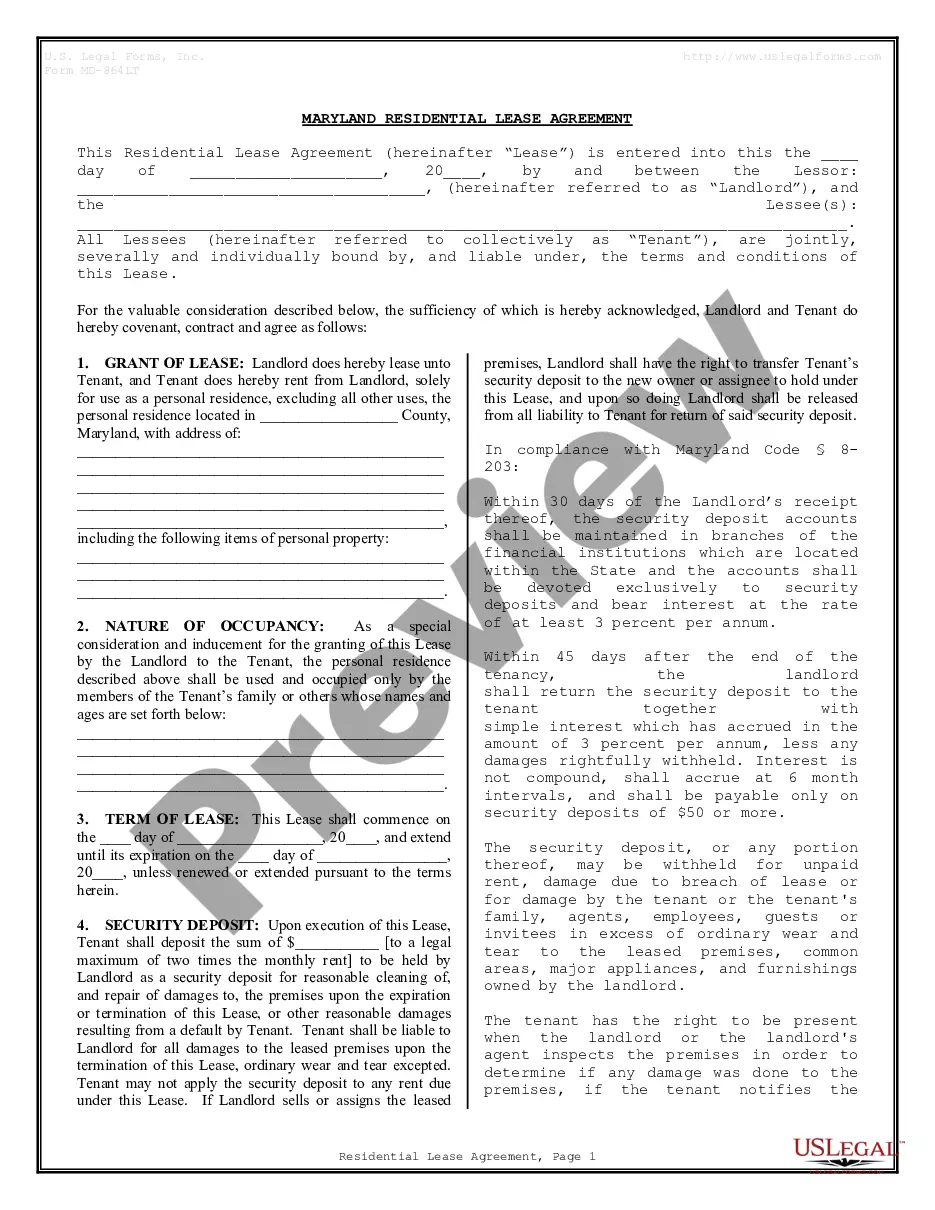
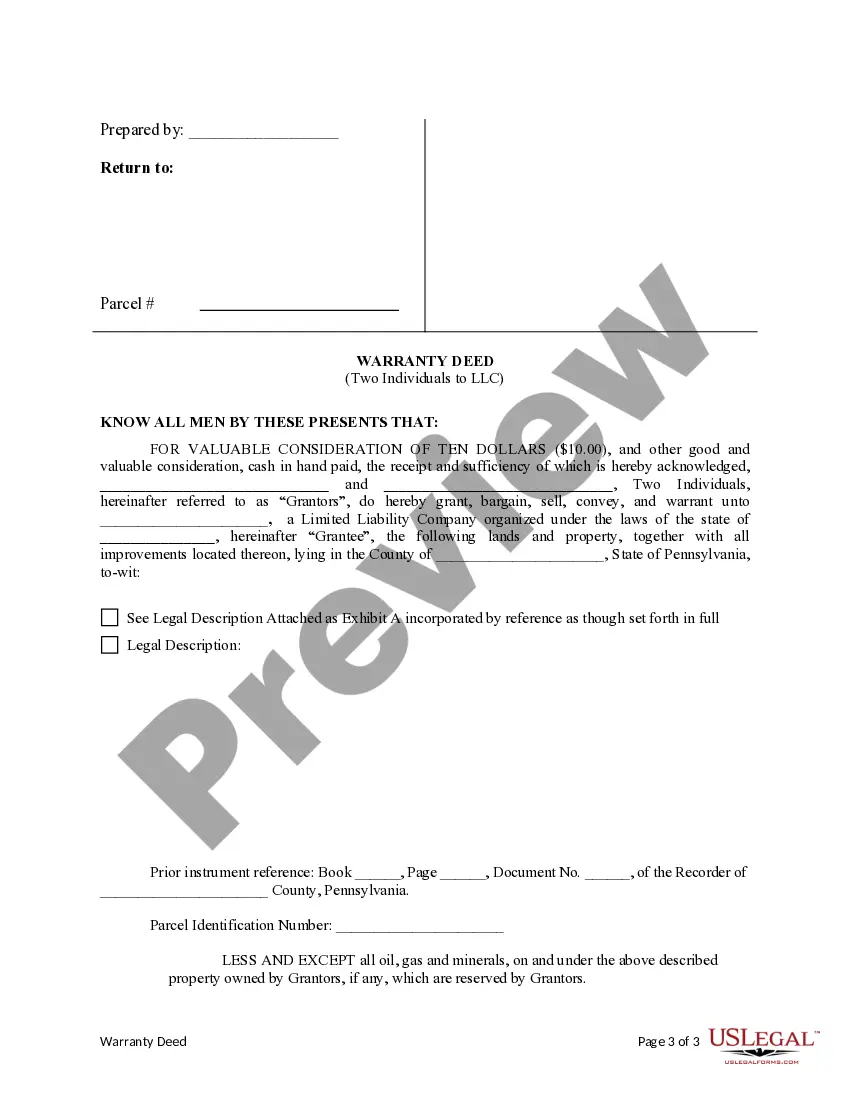
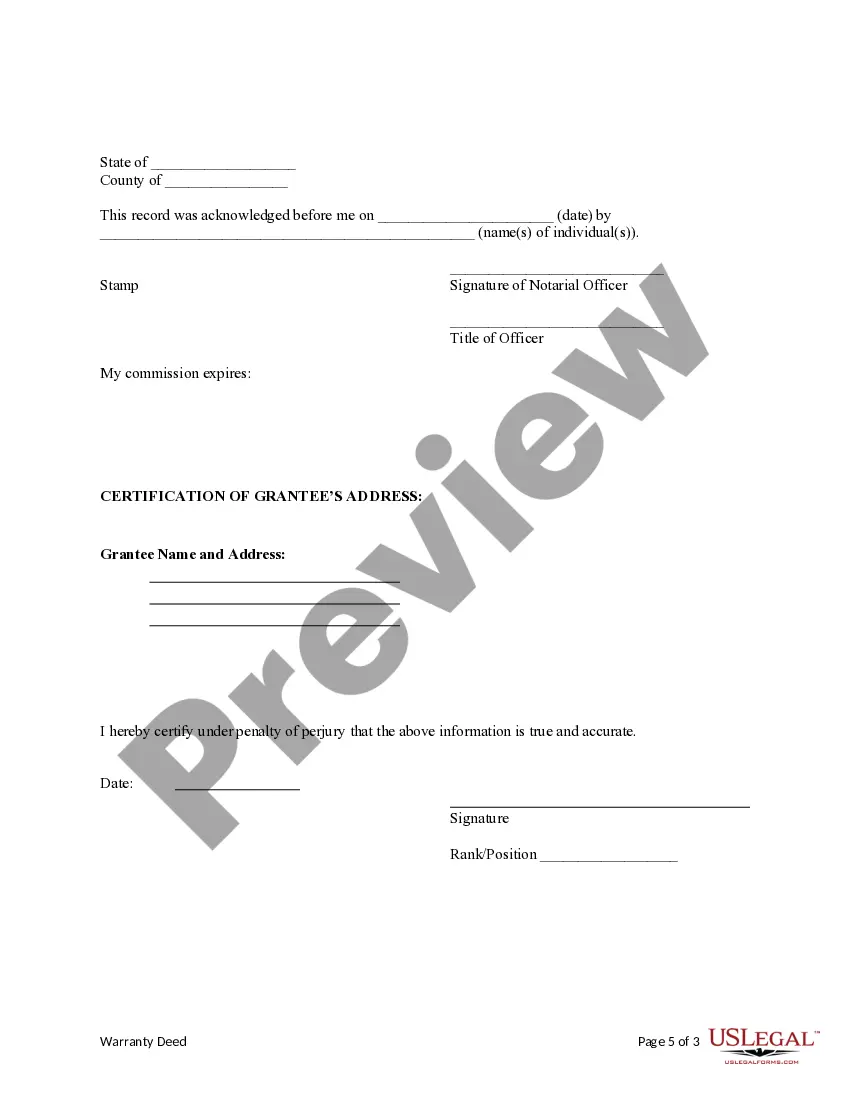
The Warranty Deed from two Individuals to LLC is a legal document used to transfer property ownership from two individuals (the Grantors) to a limited liability company (the Grantee). This form differs from other types of deeds, such as quitclaim deeds, because it includes a warranty of title, guaranteeing that the Grantors are conveying clear and marketable title to the property. Notably, this Warranty Deed reserves all oil, gas, and minerals beneath the property, if applicable.
Form components explained
- Grantors: Specifies the names of the two individuals transferring property.
- Grantee: Identifies the limited liability company receiving the property.
- Legal Description: Includes a detailed description of the property being conveyed.
- Reservations: States any reservations, such as oil, gas, and mineral rights that are not being transferred.
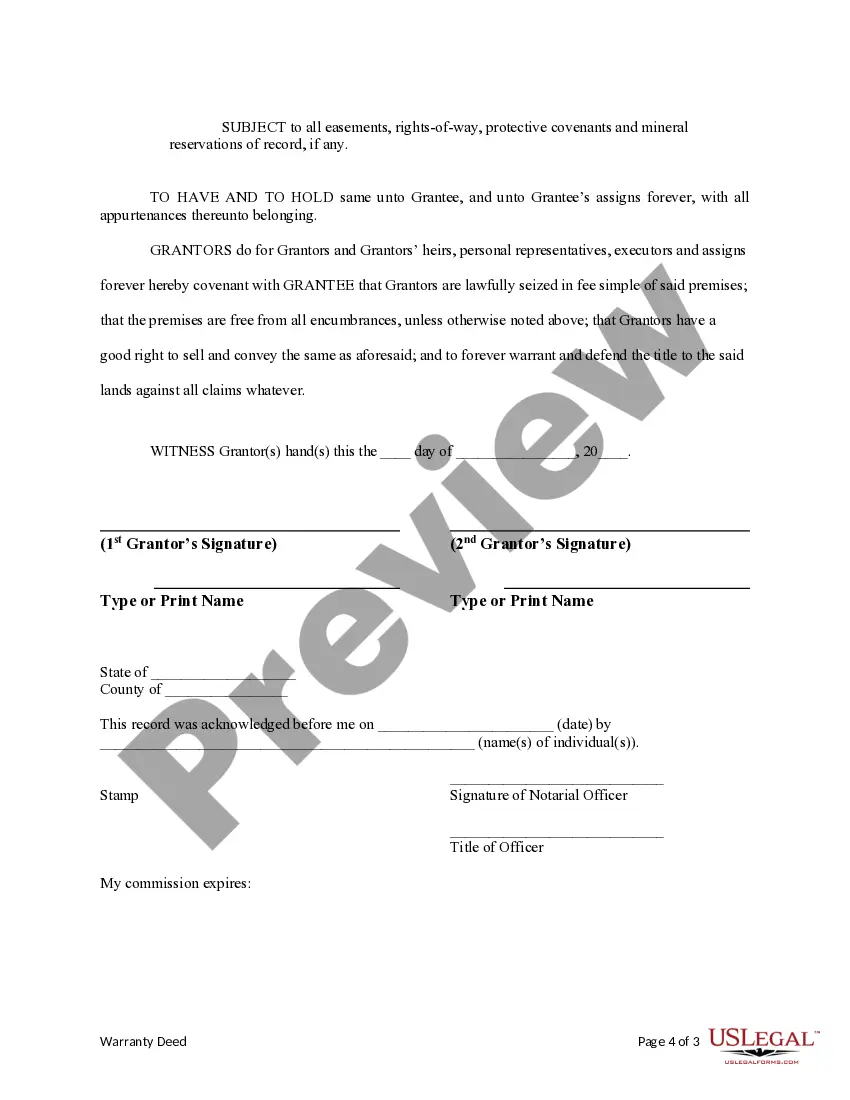
- Covenants: Describes the Grantors' assurance of their legal right to sell the property.
- Signatures: Requires signatures of both Grantors for legal validity.





When to use this document
This form is useful when two individuals wish to convey real estate to an LLC, such as when a couple wants to transfer their home or investment property into a business structure for liability protection or tax planning purposes. It is also appropriate in scenarios where the property ownership needs to be clearly established under the LLC name for future transactions or legal matters.
Who can use this document
This Warranty Deed should be used by:
- Individuals who own property and want to transfer it to a limited liability company.
- Couples or business partners looking to consolidate property ownership under an LLC.
- Real estate investors aiming to protect their assets by holding property in a business entity.
How to complete this form
- Identify the parties involved: Fill in the names of the two Grantors and the LLC as the Grantee.
- Specify the property: Enter the legal description of the property being transferred.
- Document reservations: Clearly note any rights reserved, such as oil, gas, or mineral rights.
- Review legal covenants: Ensure that Grantors confirm they hold clear title to the property.
- Sign and date: Both Grantors must sign and indicate the date of the transfer.
Notarization requirements for this form
This form must be notarized to be legally valid. US Legal Forms provides secure online notarization powered by Notarize, allowing you to complete the process through a verified video call.
Get your form ready online
Our built-in tools help you complete, sign, share, and store your documents in one place.
Make edits, fill in missing information, and update formatting in US Legal Forms—just like you would in MS Word.
Download a copy, print it, send it by email, or mail it via USPS—whatever works best for your next step.
Sign and collect signatures with our SignNow integration. Send to multiple recipients, set reminders, and more. Go Premium to unlock E-Sign.
If this form requires notarization, complete it online through a secure video call—no need to meet a notary in person or wait for an appointment.
We protect your documents and personal data by following strict security and privacy standards.

Make edits, fill in missing information, and update formatting in US Legal Forms—just like you would in MS Word.

Download a copy, print it, send it by email, or mail it via USPS—whatever works best for your next step.

Sign and collect signatures with our SignNow integration. Send to multiple recipients, set reminders, and more. Go Premium to unlock E-Sign.

If this form requires notarization, complete it online through a secure video call—no need to meet a notary in person or wait for an appointment.

We protect your documents and personal data by following strict security and privacy standards.
Typical mistakes to avoid
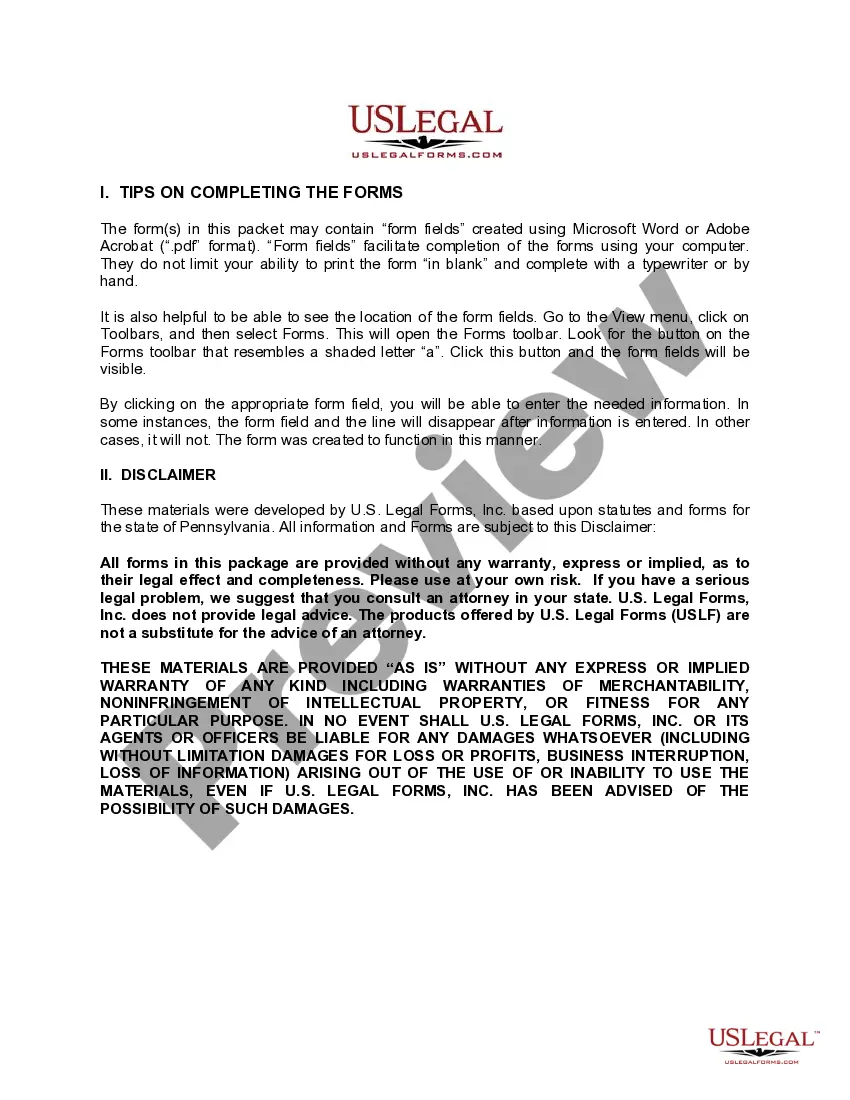
- Failing to include the legal description of the property.
- Not notarizing the document if required by state law.
- Omitting signatures from both Grantors.
- Incorrectly stating any reservations or exceptions related to the property.
Why use this form online
- Convenient access: Download the form instantly and fill it out at your convenience.
- Editability: Easily input your information directly into the form fields using your computer.
- Cost-effective: Avoid expensive attorney fees by using a straightforward downloadable template.
Looking for another form?


Form popularity
FAQ
Adding someone to your house deed requires the filing of a legal form known as a quitclaim deed. When executed and notarized, the quitclaim deed legally overrides the current deed to your home. By filing the quitclaim deed, you can add someone to the title of your home, in effect transferring a share of ownership.
The only way to forcibly change the ownership status is through a legal action and the resultant court order. However, if an owner chooses to be removed from the deed, it is simply a matter of preparing a new deed transferring that owner's interest in the property.
The original deed is returned to the owner of the property from the office of the recorder after proper entry. The office of the Recorder of Deeds maintains a set of indexes about each deed recorded, for an easy search. Almost all states have a grantor-grantee index including a reference to all documents recorded.
Typically, the lender will provide you with a copy of the deed of trust after the closing. The original warranty deeds are often mailed to the grantee after they are recorded. These are your original copies and should be kept in a safe place, such as a fireproof lockbox or a safe deposit box at a financial institution.
The State of Pennsylvania charges 1% of the sales price and the municipality and school district USUALLY charge 1% between them for a total of 2% (i.e. 2% X 100,000 = $2,000). By custom, the buyer and seller split the cost. 1% to buyer, 1% to seller; however payment is dictated by the sales contract.
Retrieve your original deed. Get the appropriate deed form. Draft the deed. Sign the deed before a notary. Record the deed with the county recorder. Obtain the new original deed.
To transfer property in Pennsylvania, you'll need to prepare and execute a deed and record it in the county where the property is located. If the transfer was in exchange for money, you'll have to pay transfer tax.
If you give your house to your children, the tax basis will be $150,000.PA INHERITANCE TAX ISSUES: In Pennsylvania, there is no gift tax. However, to avoid PA Inheritance Taxes (the rate is 4.5% for assets passed to children or grandchildren), you must live at least one year from the time the gift was made.
A: A "special warranty" deed is the type of deed used most frequently in Pennsylvania real estate sales. It essentially represents that the seller did nothing to weaken the status of title from the time that he/she received it.A "quit-claim" deed is a deed that contains no warranties at all.