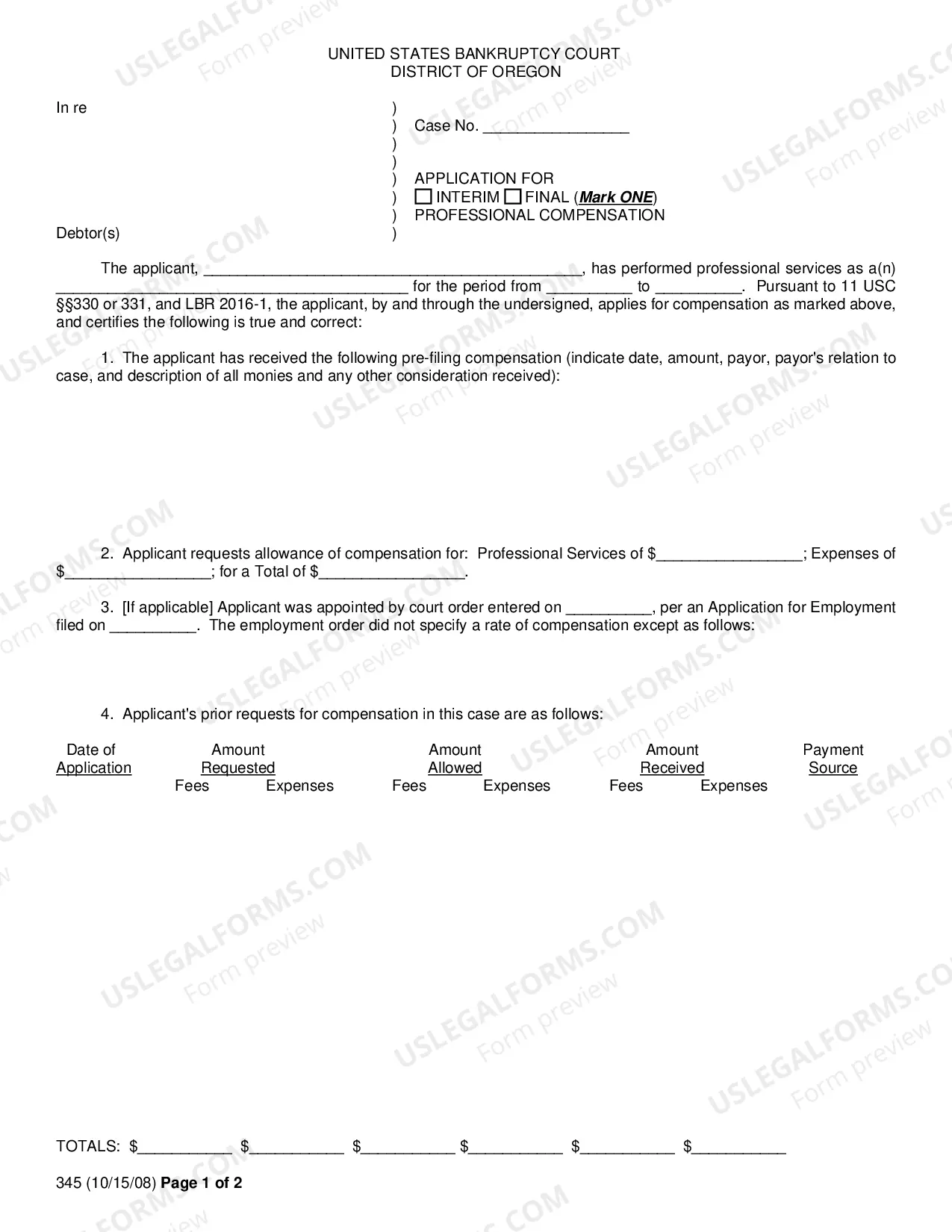
New Jersey Complaint to Discharge Existing Mortgage
What this document covers
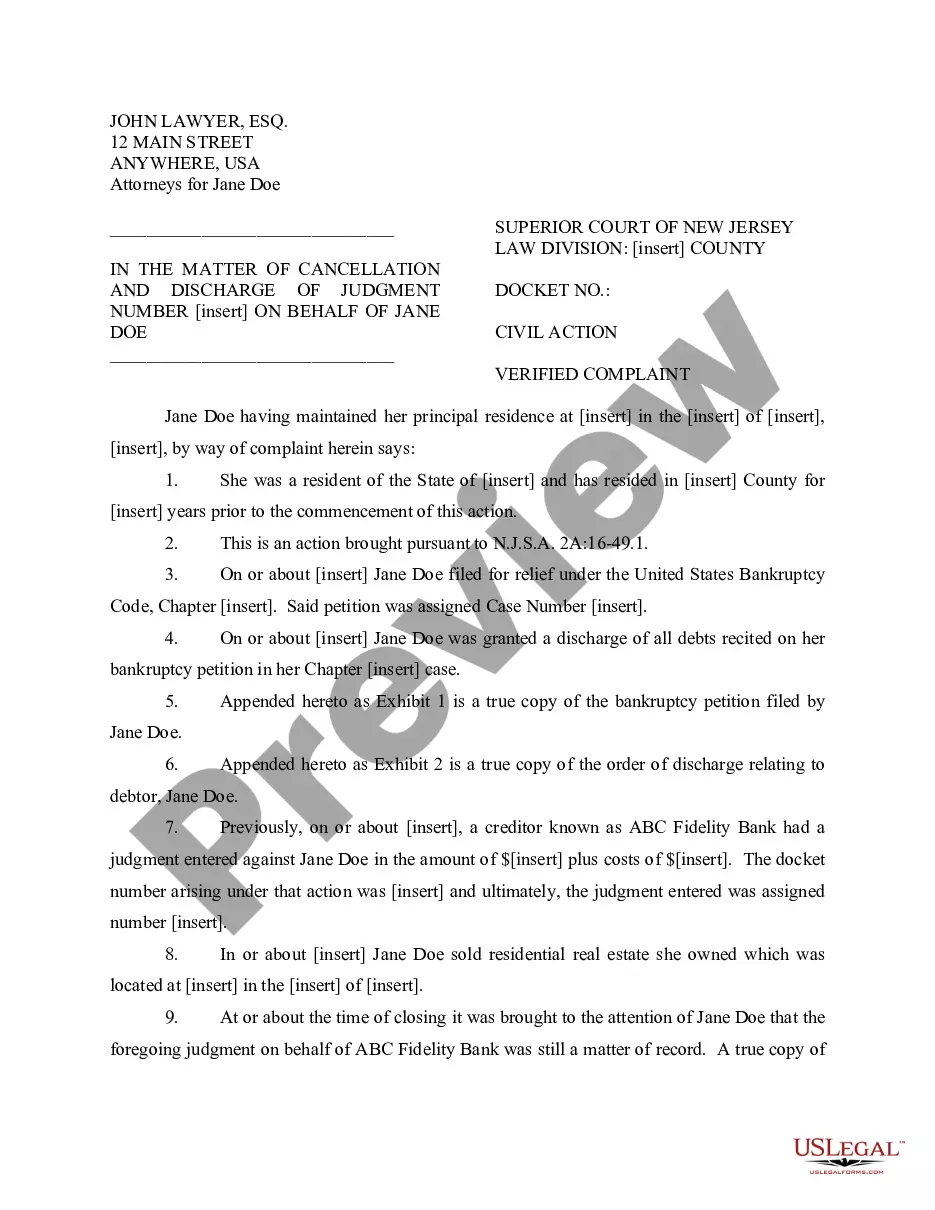
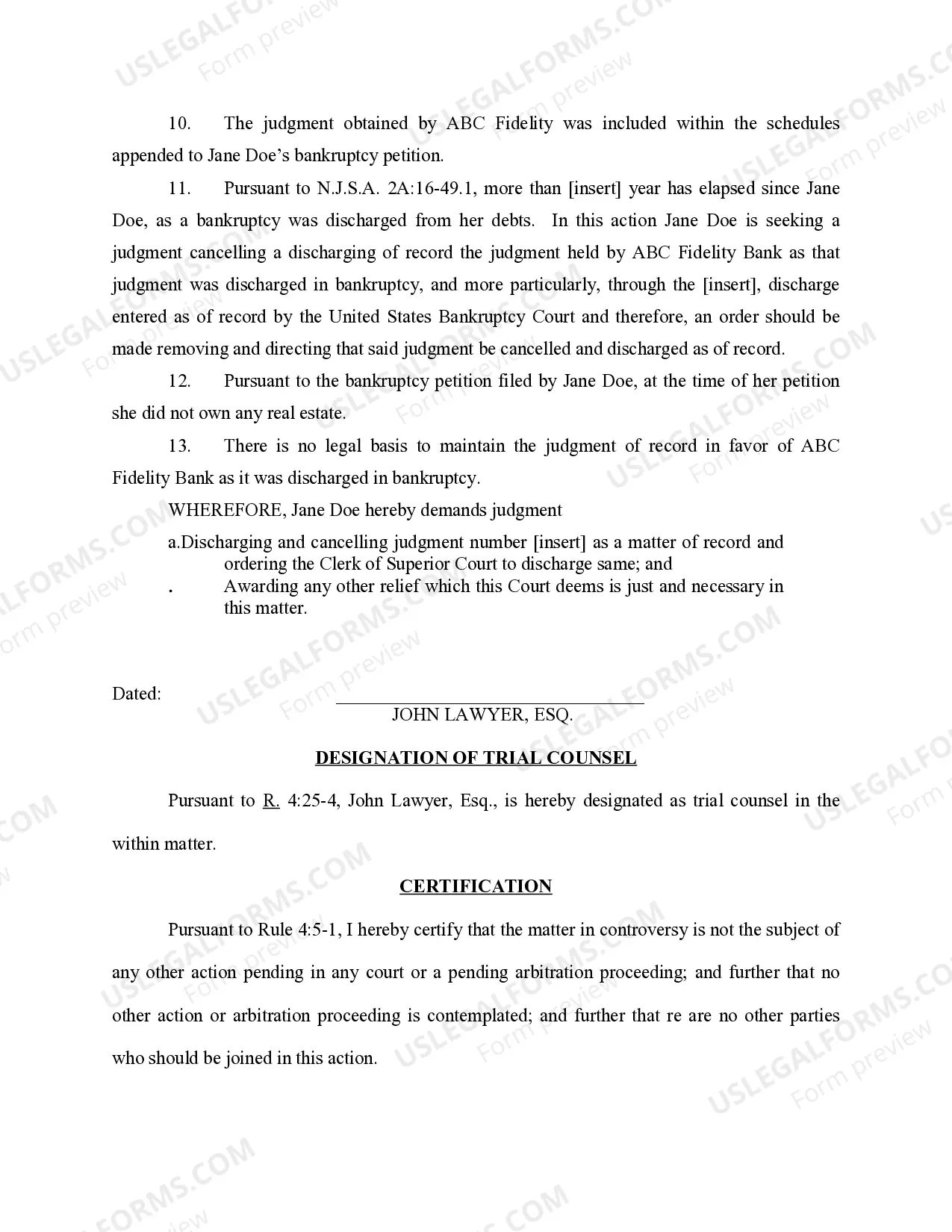
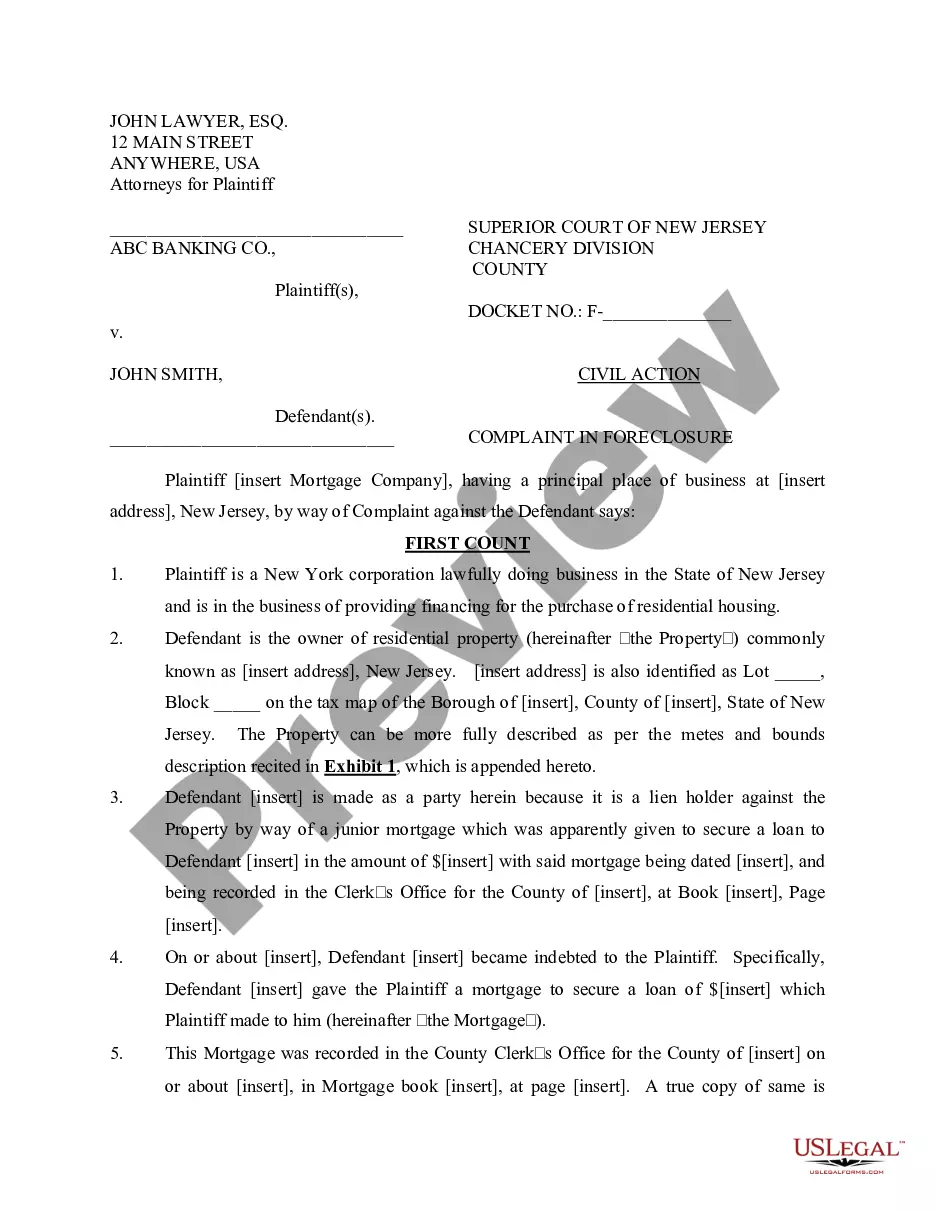
The Complaint to Discharge Existing Mortgage is a legal form used to cancel an existing mortgage in New Jersey. This form is typically filed in civil court to remove a mortgage from the public record after a debtor has been discharged from bankruptcy. It differs from similar forms as it specifically addresses the discharge of a mortgage judgment, ensuring that the debtor is no longer held liable for the debt associated with the mortgage.
Form components explained
- Identification of the parties involved, including the debtor and creditor.
- Details about the bankruptcy case, including the case number and date of discharge.
- Exhibits that include the bankruptcy petition and order of discharge.
- Information about the judgment against the debtor, including amounts and docket numbers.
- A request for the court to issue an order discharging the mortgage judgment.


Common use cases
This form is necessary when a debtor has completed their bankruptcy proceedings and needs to formally discharge a mortgage judgment that was included in their bankruptcy case. It should be used when the mortgage is still a matter of record and affects the debtor's ability to sell or refinance their property.
Who can use this document
- Individuals who have filed for bankruptcy and received a discharge of their debts.
- Debtors seeking to remove a discharged mortgage judgment from the public record.
- Homeowners needing to sell property free of encumbrances related to previous debts.
Completing this form step by step
- Provide the full names and addresses of the debtor and creditor.
- Enter the bankruptcy case information, including the case number and discharge date.
- Attach exhibits, such as the bankruptcy petition and the order of discharge, as evidence.
- Detail the judgment against the debtor, including amounts owed and any related documentation.
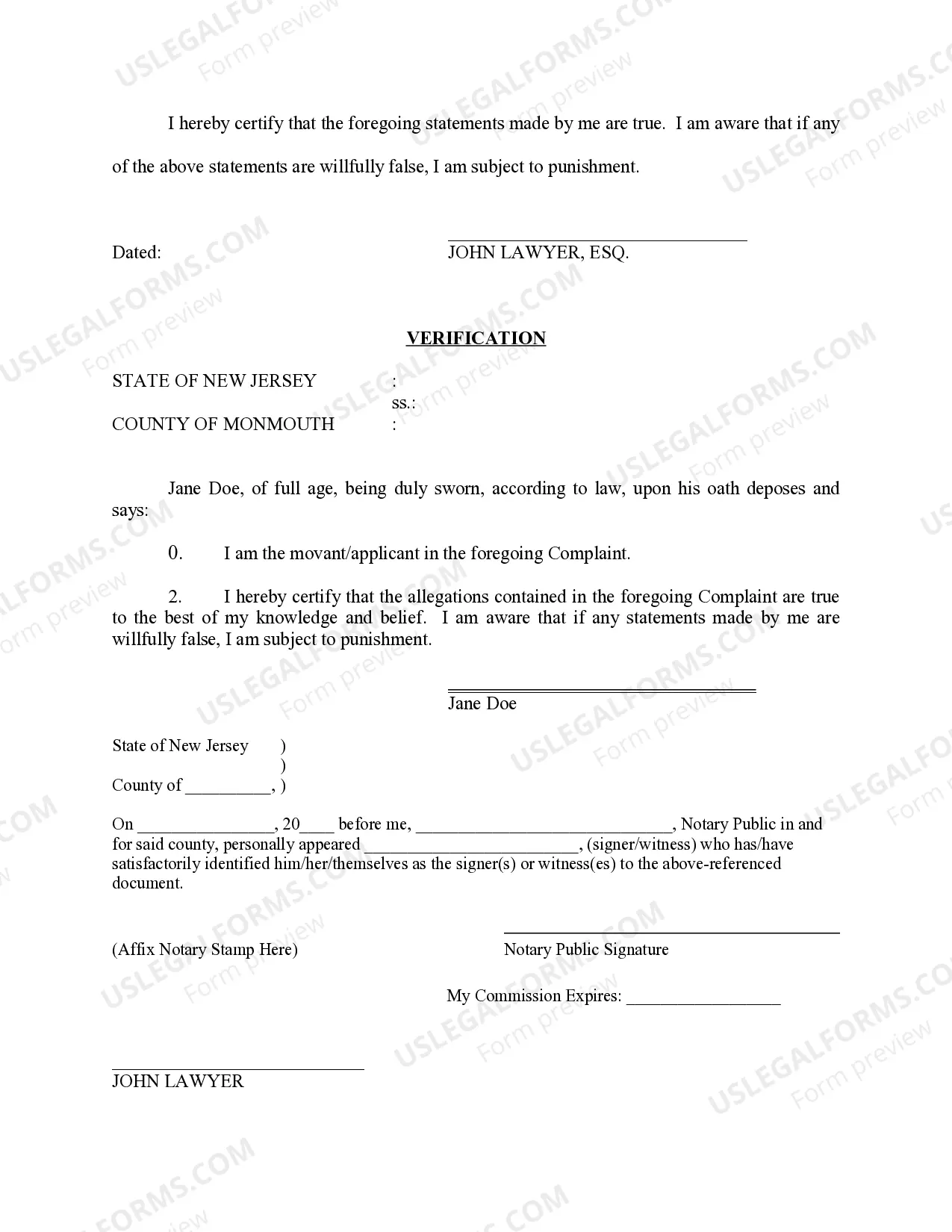
- Sign and date the form in the appropriate sections to validate the complaint.
Is notarization required?
This form does not typically require notarization unless specified by local law. It is important to check with local court requirements before submission to ensure compliance.
Get your form ready online
Our built-in tools help you complete, sign, share, and store your documents in one place.
Make edits, fill in missing information, and update formatting in US Legal Forms—just like you would in MS Word.
Download a copy, print it, send it by email, or mail it via USPS—whatever works best for your next step.
Sign and collect signatures with our SignNow integration. Send to multiple recipients, set reminders, and more. Go Premium to unlock E-Sign.
If this form requires notarization, complete it online through a secure video call—no need to meet a notary in person or wait for an appointment.
We protect your documents and personal data by following strict security and privacy standards.

Make edits, fill in missing information, and update formatting in US Legal Forms—just like you would in MS Word.

Download a copy, print it, send it by email, or mail it via USPS—whatever works best for your next step.

Sign and collect signatures with our SignNow integration. Send to multiple recipients, set reminders, and more. Go Premium to unlock E-Sign.

If this form requires notarization, complete it online through a secure video call—no need to meet a notary in person or wait for an appointment.

We protect your documents and personal data by following strict security and privacy standards.
Common mistakes
- Failing to include all required exhibits with the complaint.
- Incorrectly entering the bankruptcy case details or judgment information.
- Not signing or dating the form properly before submission.
Benefits of completing this form online
- Convenient access to the form, allowing users to complete it at their own pace.
- The ability to easily edit the form to ensure all information is accurate.
- Reliable templates drafted by licensed attorneys, ensuring compliance with state laws.
What to keep in mind
- The Complaint to Discharge Existing Mortgage is crucial for clearing discharged mortgage debts from public records.
- Proper completion and submission of this form can facilitate property sales and remove outdated financial obligations.
- It is important to ensure all relevant bankruptcy documentation is included with the complaint.
Looking for another form?
Form popularity
FAQ
Once you've paid off your outstanding mortgage debt, the lender must prepare and issue a release of mortgage. This document officially discharges you from the debt obligation and removes the lien against the property.
4. What do i need to know? The buyer's representative ensures that the seller's representative has allowed for the Discharge of Mortgage Fee in the adjustments. The Lodgement Fee for the Discharge of Mortgage is paid from the pool of source funds (e.g. loan proceeds or purchaser's equity).
A Satisfaction of Mortgage, also known as a Mortgage Lien Release, is a legal document provided by the mortgagee (financial institution) advising that the mortgage has been paid in full, all terms of the loan have been satisfied and there will no longer be a lien on the property.
Register the discharge of mortgage Once you return the Discharge Authority form, your bank would prepare a Discharge of Mortgage document. This document must be registered at the Land Titles office.
When discharging your mortgage, you are paying your current loan in full. The mortgage we have registered on the title of your property is removed, and we will no longer hold it as security.
How long does it take to discharge a mortgage? Generally it takes between 14-21 business days to complete the discharge process. At one stage it took less time, around 10-14 business days, but these days more people are refinancing their home loan so there are more discharges taking place.
Often, it is filed directly by the bank or a settlement attorney. However, in some cases, the discharge may be transmitted directly to the person who is paying off the mortgage upon making a final mortgage payment, and that person needs to record the discharge so that clear title can be conveyed to someone else.
An affidavit of title is a legal document provided by the seller of a piece of property that explicitly states the status of potential legal issues involving the property or the seller. The affidavit is a sworn statement of fact that specifies the seller of a property holds the title to it.