Oregon Postnuptial Agreements Package
About this form package
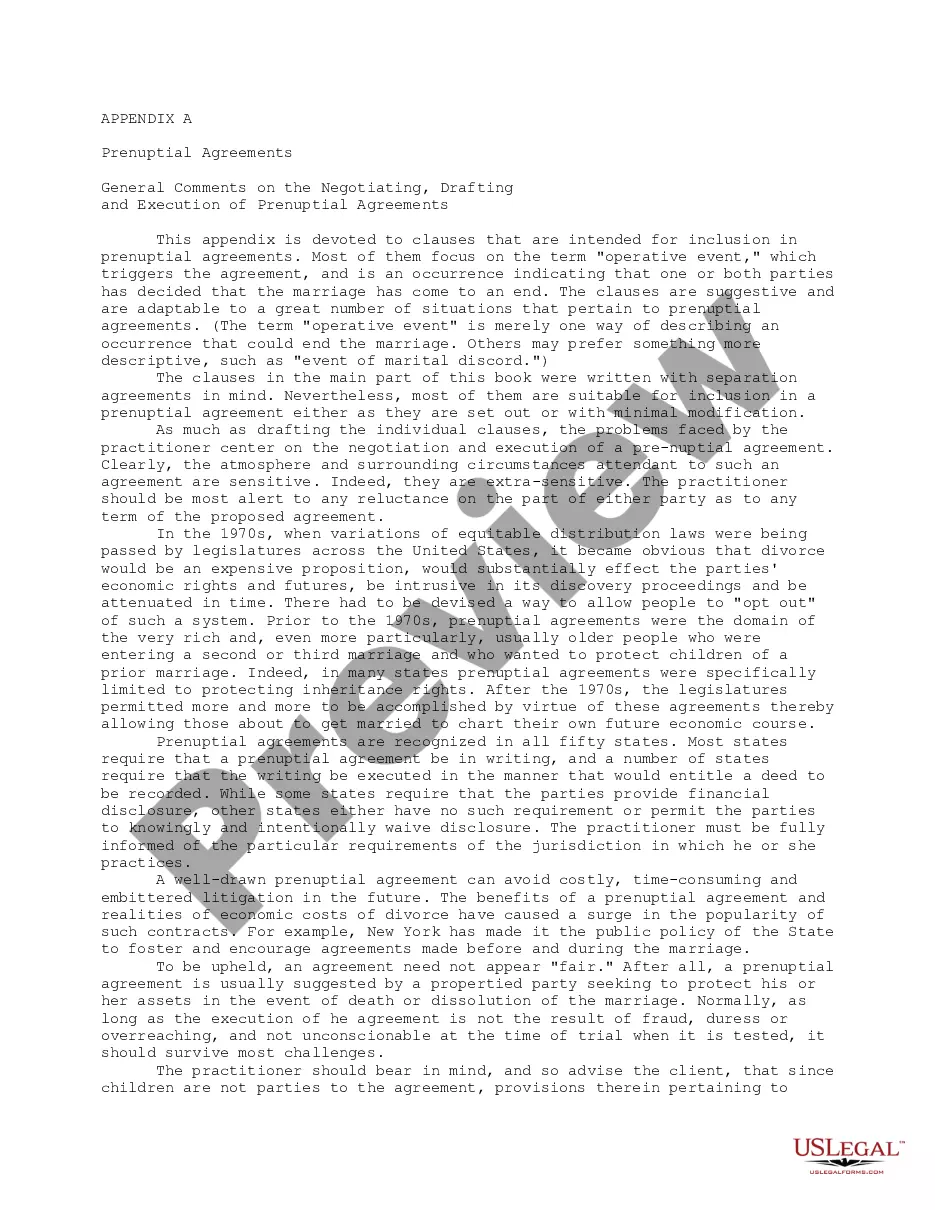
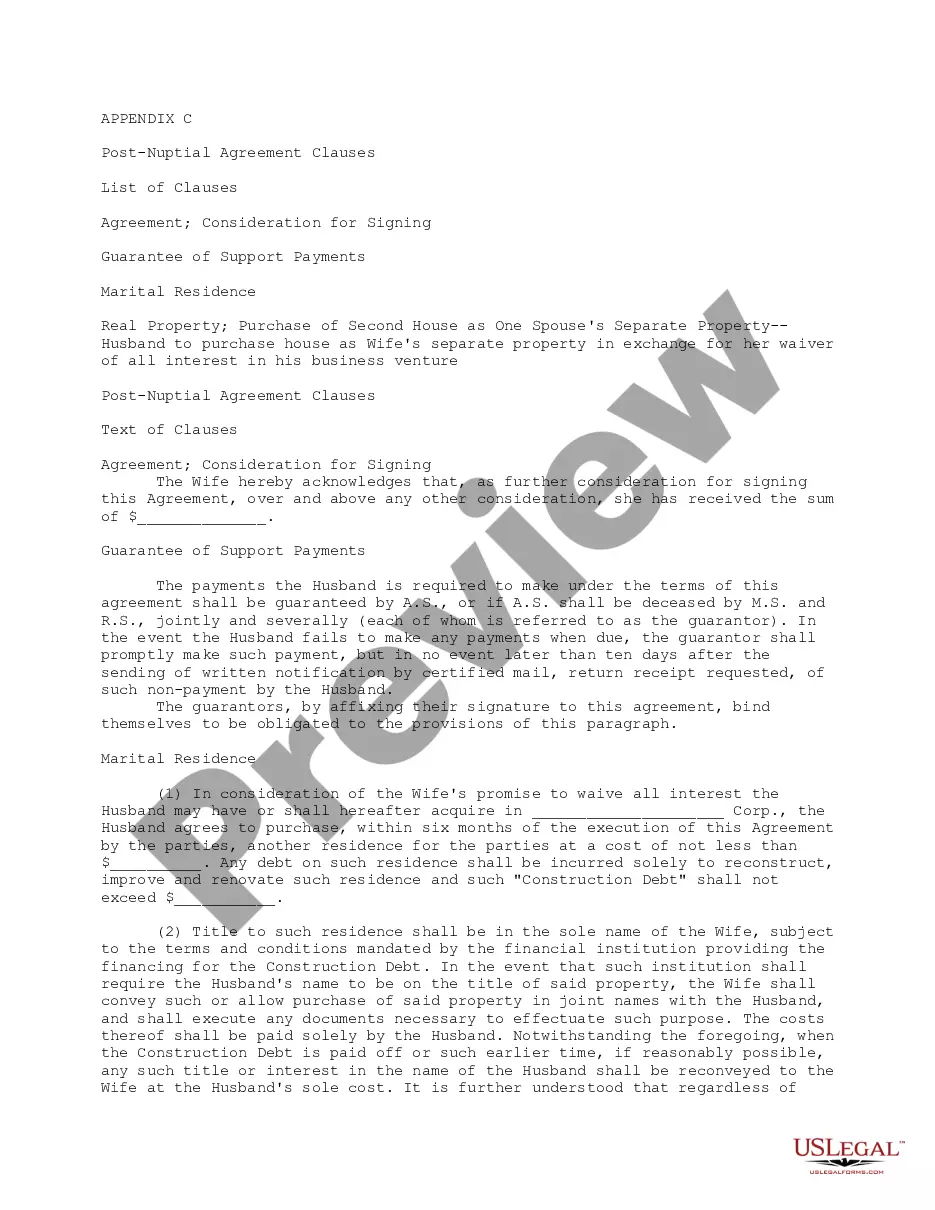
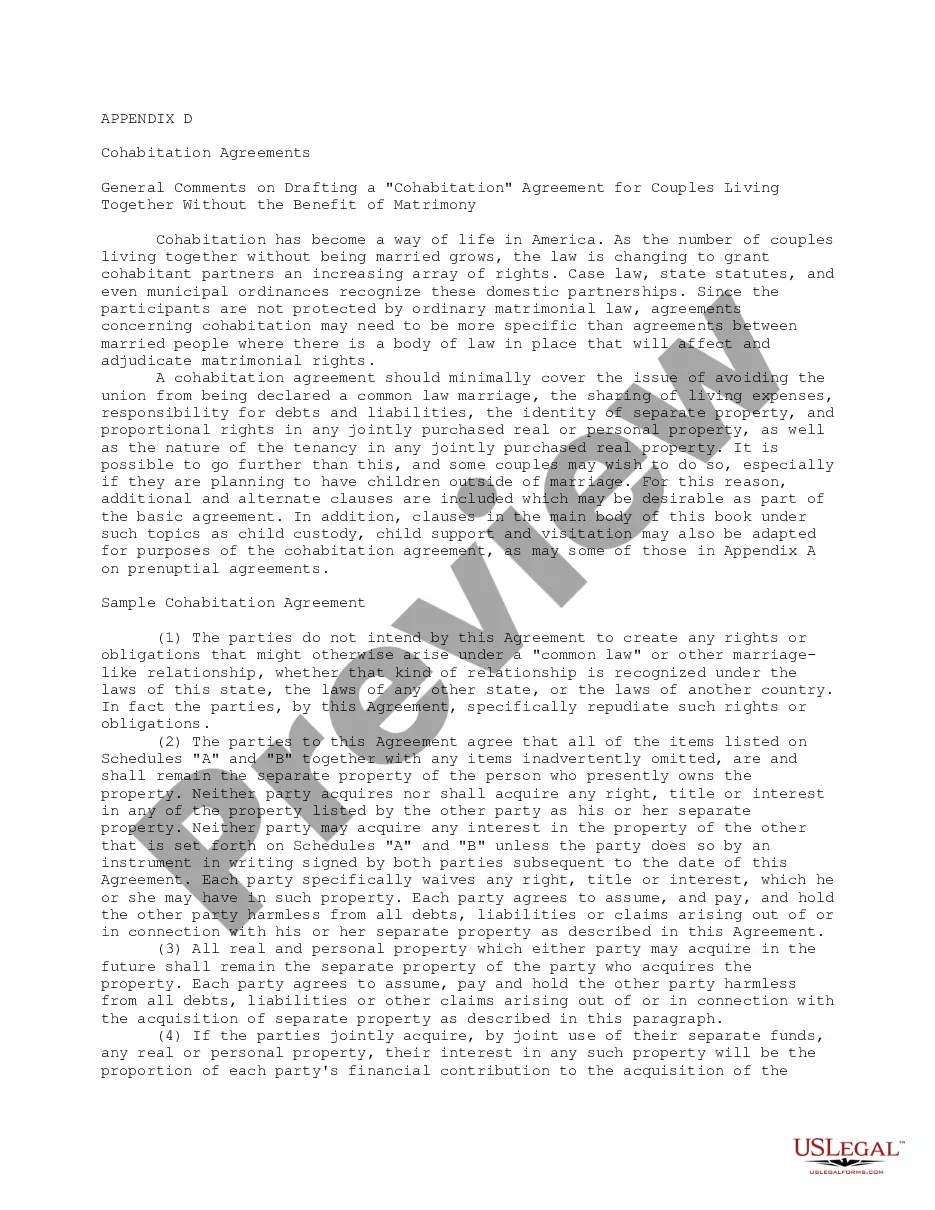
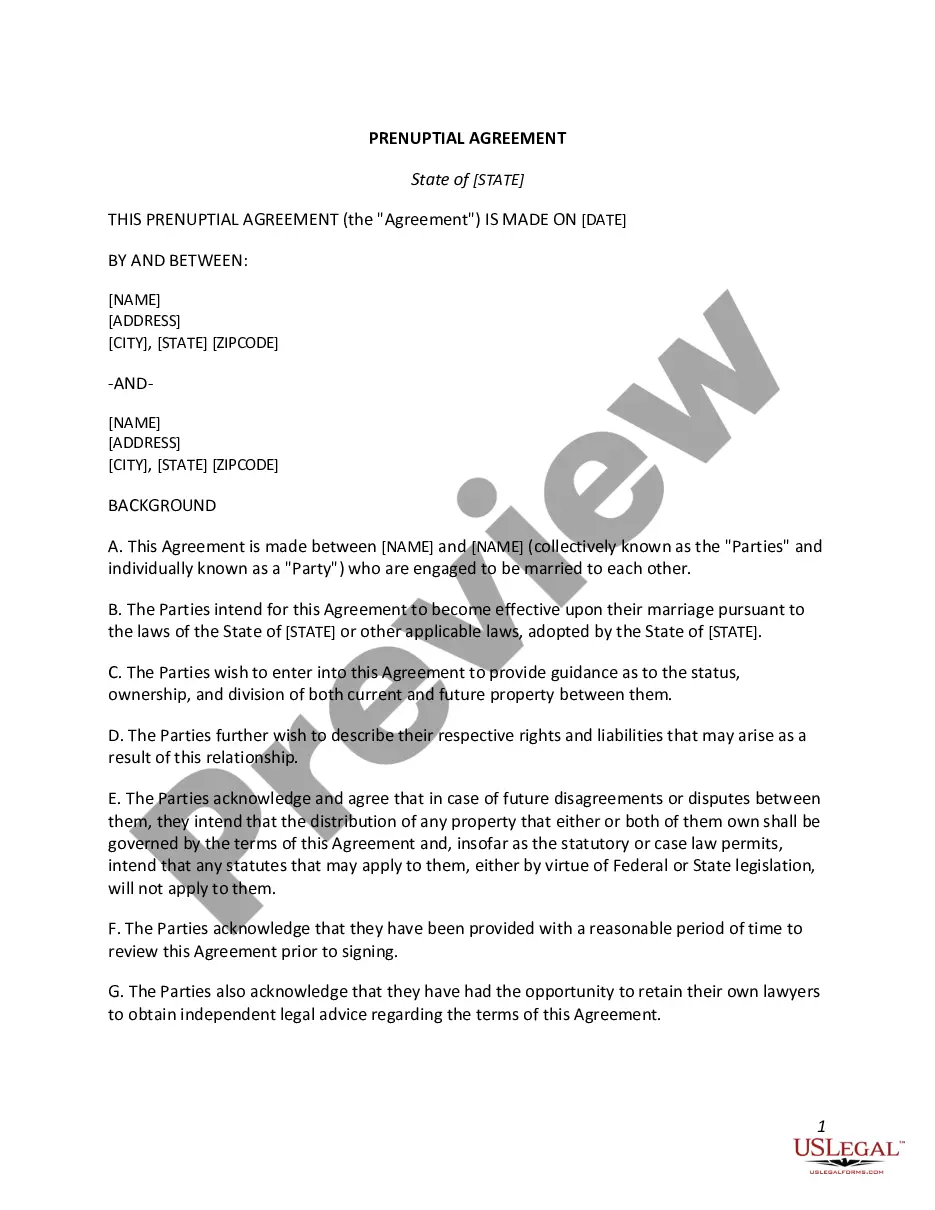
The Oregon Postnuptial Agreements Package includes legally drafted forms designed for married individuals who want to clarify their rights regarding separate and joint property. Unlike prenuptial agreements, which are created before marriage, postnuptial agreements are established after the wedding, providing mutual protection over assets in the event of divorce or death. This package helps couples avoid costly disputes and ensures orderly asset distribution.
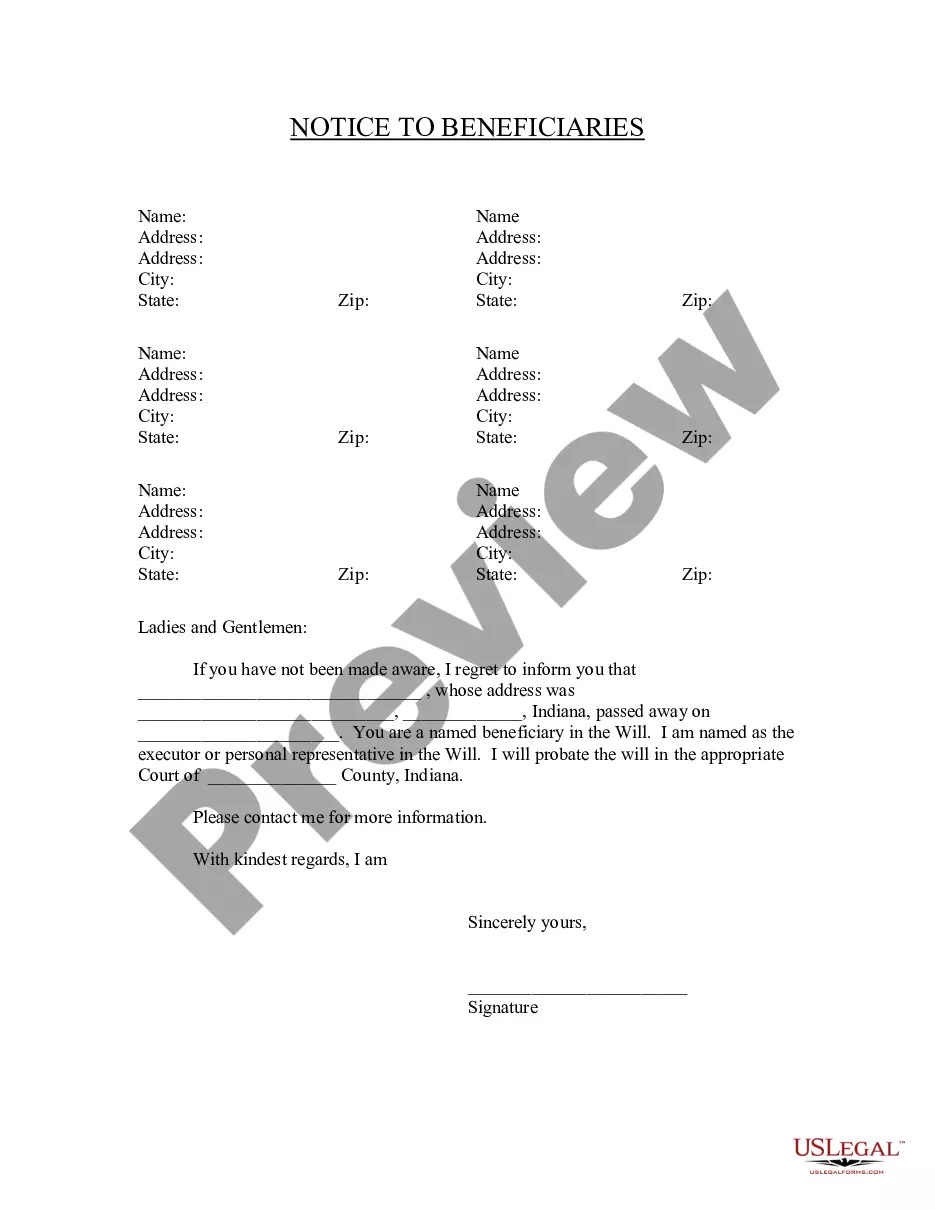
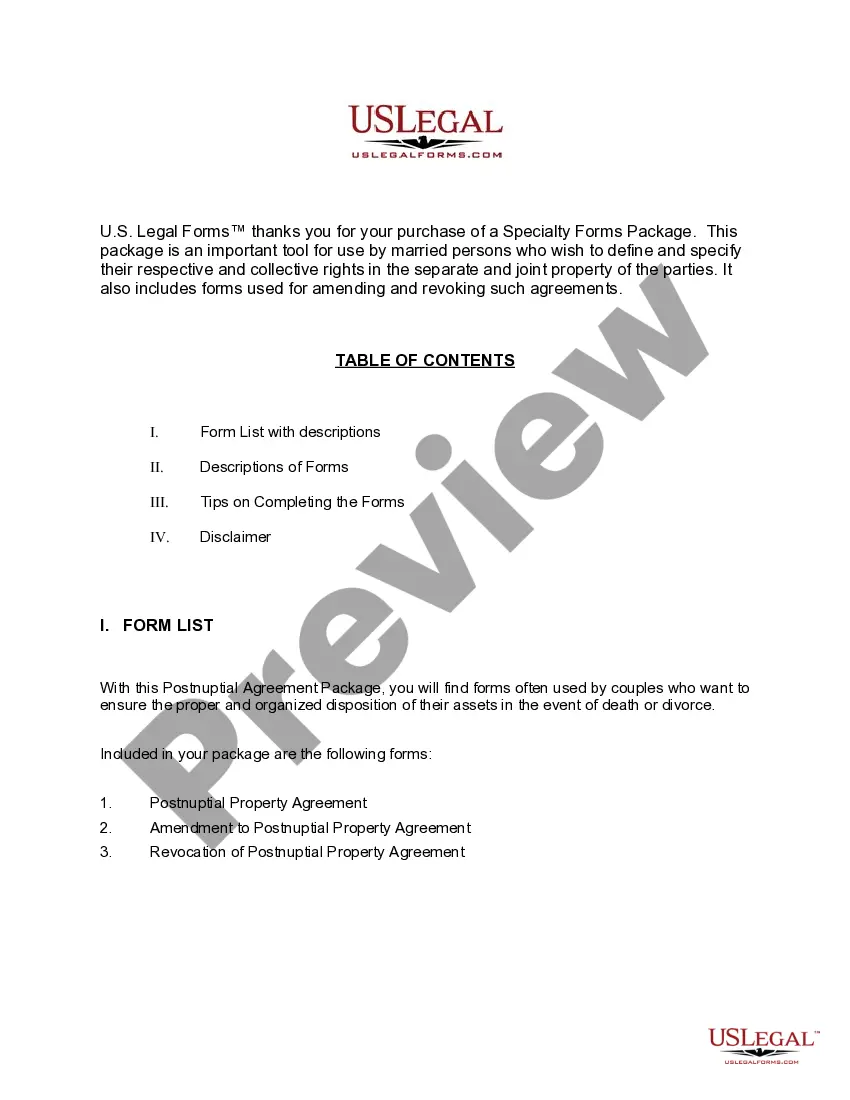
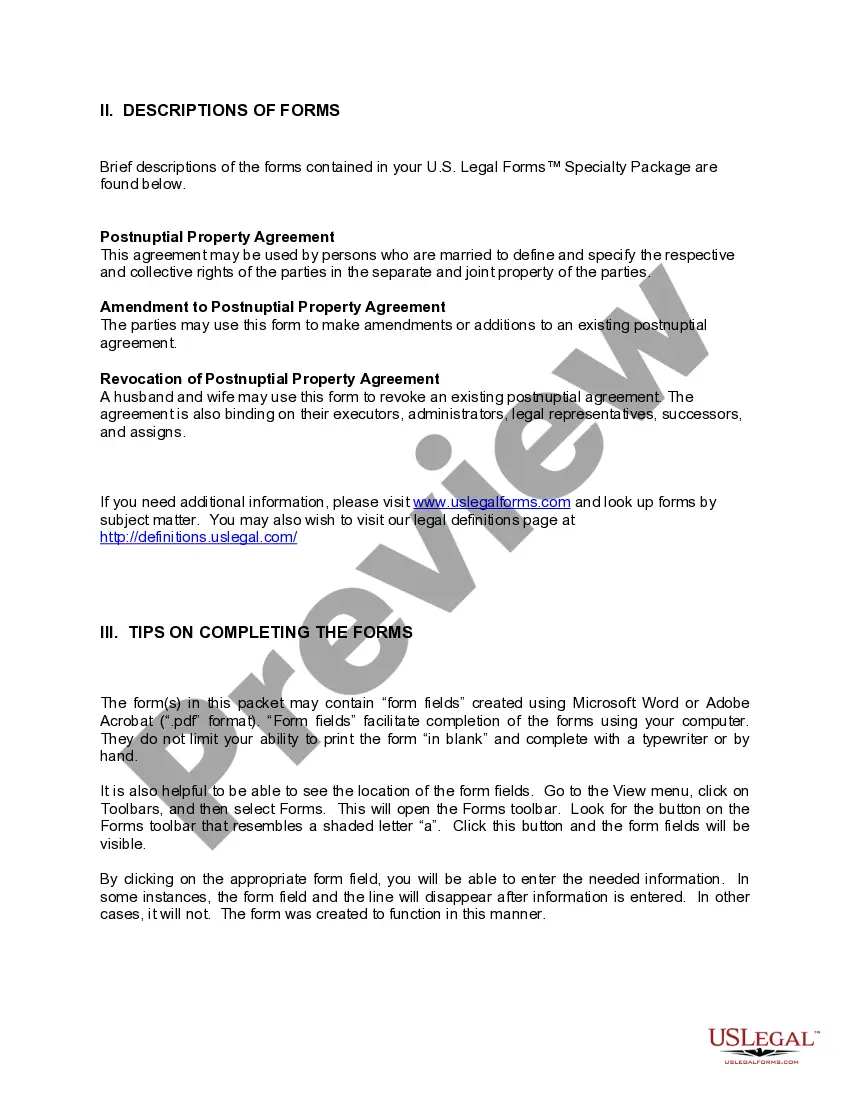
Documents contained in this package

When to use this form package
This package is applicable in various situations, including:
- When couples feel the need to define their financial rights and responsibilities.
- If there has been a change in circumstances, such as the acquisition of significant assets.
- To protect family businesses or personal assets from potential claims.
- When planning for the future, particularly in regard to estate planning and divorce risks.
Who this form package is for
- Married couples looking to outline their property rights.
- Individuals wanting to amend or revoke an existing postnuptial agreement.
- Spouses aiming to ensure clarity and prevent future disputes regarding assets.
- Couples wanting a cost-effective solution for protecting their financial interests.
How to prepare this document
- Review all included forms to understand your options and requirements.
- Identify the parties involved and gather necessary information.
- Enter specific details regarding asset ownership and distribution.
- Check for required signatures and dates for validity.
- Keep a copy of the completed forms for your records.
Do documents in this package require notarization?
Most forms in this package do not require notarization. However, local laws or specific situations may demand it. Our online notarization service, powered by Notarize, lets you complete the process through a verified video call, available anytime.
Get your form ready online
Our built-in tools help you complete, sign, share, and store your documents in one place.
Make edits, fill in missing information, and update formatting in US Legal Forms—just like you would in MS Word.
Download a copy, print it, send it by email, or mail it via USPS—whatever works best for your next step.
Sign and collect signatures with our SignNow integration. Send to multiple recipients, set reminders, and more. Go Premium to unlock E-Sign.
If this form requires notarization, complete it online through a secure video call—no need to meet a notary in person or wait for an appointment.
We protect your documents and personal data by following strict security and privacy standards.

Make edits, fill in missing information, and update formatting in US Legal Forms—just like you would in MS Word.

Download a copy, print it, send it by email, or mail it via USPS—whatever works best for your next step.

Sign and collect signatures with our SignNow integration. Send to multiple recipients, set reminders, and more. Go Premium to unlock E-Sign.

If this form requires notarization, complete it online through a secure video call—no need to meet a notary in person or wait for an appointment.

We protect your documents and personal data by following strict security and privacy standards.
Avoid these common issues
- Failing to clearly identify and disclose all assets.
- Not including adequate provisions for future changes in circumstances.
- Skipping the signing or witnessing process, if necessary.
- Using vague language that can lead to interpretation issues later.
Why complete this package online
- Convenient access to essential legal documents from the comfort of your home.
- Editability allows you to tailor the forms to your specific situation.
- Forms are professionally drafted to meet legal standards.
- No need for in-person visits or appointments, saving you time and hassle.
Quick recap
- The Oregon Postnuptial Agreements Package clarifies property rights for married couples.
- This package can help avoid disputes and provide peace of mind regarding asset distribution.
- Completion of the forms requires careful attention to detail and accurate information.
Looking for another form?
Form popularity
FAQ
The Separate Property Provision. Most marriages mingle the assets and property of each individual together, and they become marital property. Defining What Marital Property Encompasses. Maintenance for Each Spouse. Support for Children. Legal Help with Postnuptial Provisions.
In some cases a couple can put together a post nuptial agreement all by themselves that is a perfectly good legal document, ready to be signed and notarized. Others use it as a first draft to take to a lawyer (or separate lawyers for each) to be reviewed and improved upon, as needed.
It needs to be in writing. An oral contract is often difficult to enforce legally in any case. It needs to be signed and notarized. It needs to be fair and reasonable. There must be full disclosure of assets by both spouses. Both parties agree to the terms of the postnuptial agreement.
How the couple will divide property and other assets in the event their marriage ends. Whether one spouse will pay spousal support and how for long such support payments will be continued.
Attorneys will charge on average $1,000 for a simple postnuptial document and the costs can rise to around $3,000. Postnuptial agreements that are complicated in nature and require ongoing and prolonged negotiations and especially when substantial provisions and assets are involved, costs can start at around $10,000.
Some of the provisions commonly included in postnuptial agreements are as follows: How the couple will divide property and other assets in the event their marriage ends. Whether one spouse will pay spousal support and how for long such support payments will be continued.
Postnuptial agreements are generally enforceable if the parties of the document adhere to all state laws regarding inheritance, child custody, visitation and monetary support if a divorce does occur.This may also come with a will or other legal document.
As long as both parties are in agreement to the terms of the post nuptial contract, and have the ability to put those terms into a legal document, most states don't make it a legal requirement to have an attorney.