Pennsylvania Warranty Deed to Child Reserving a Life Estate in the Parents
What is this form?
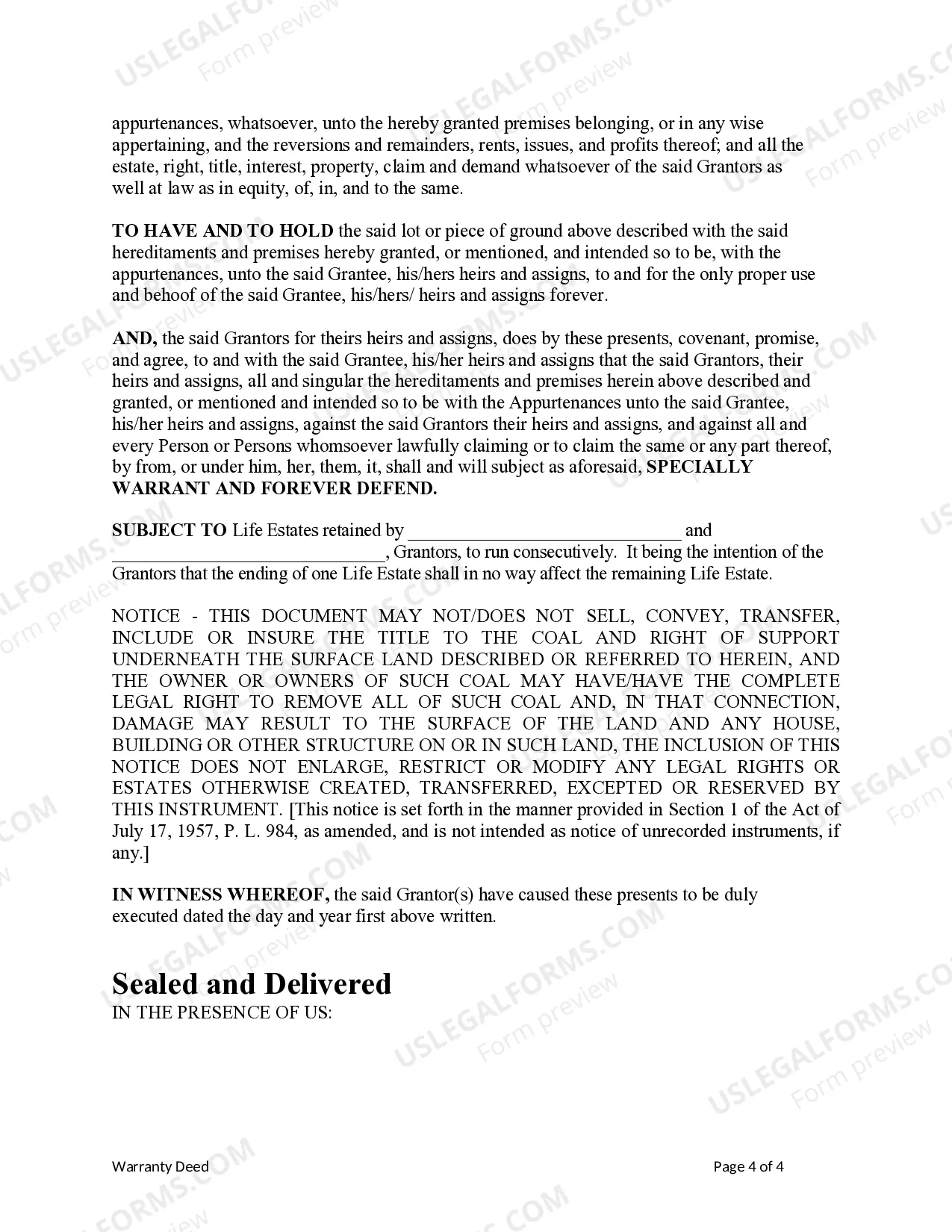
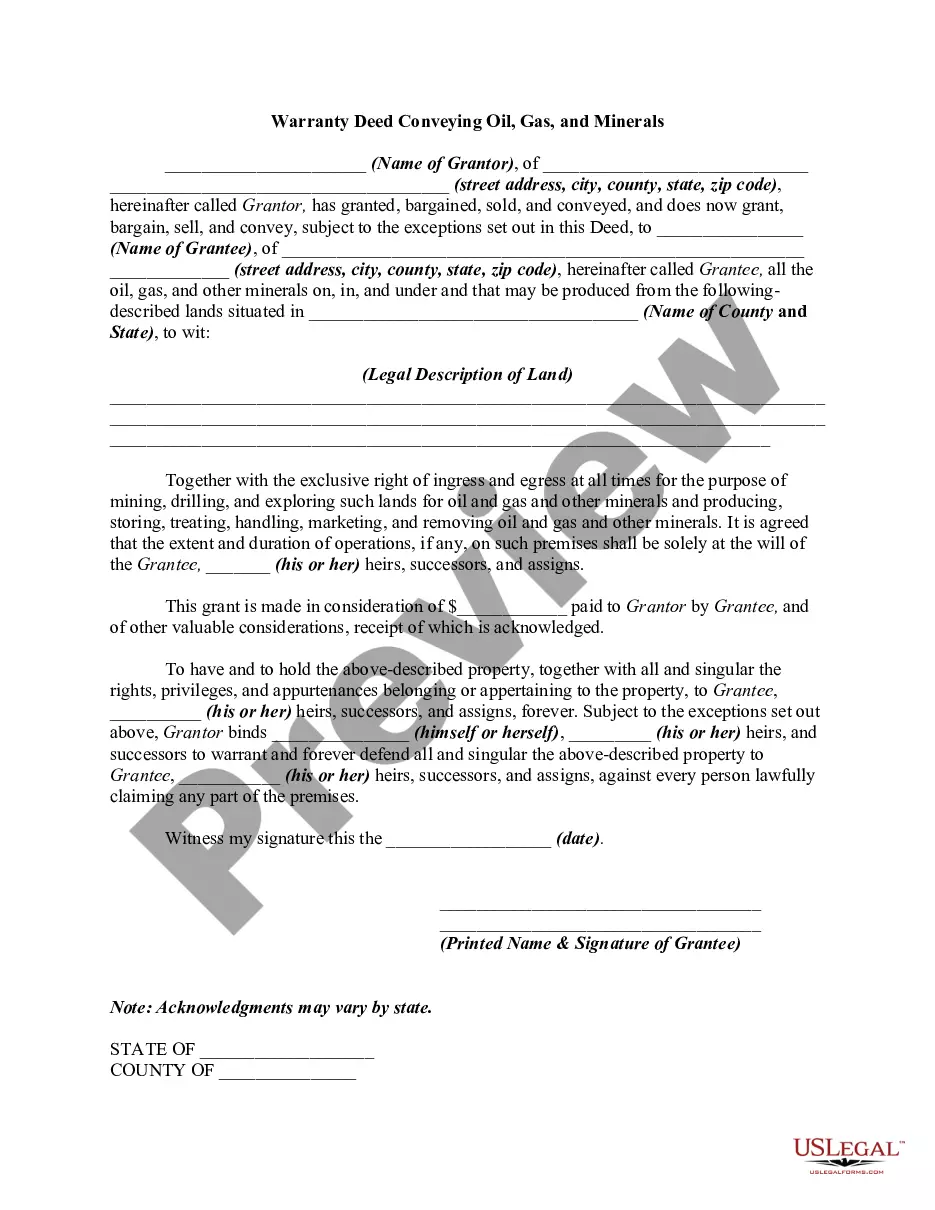
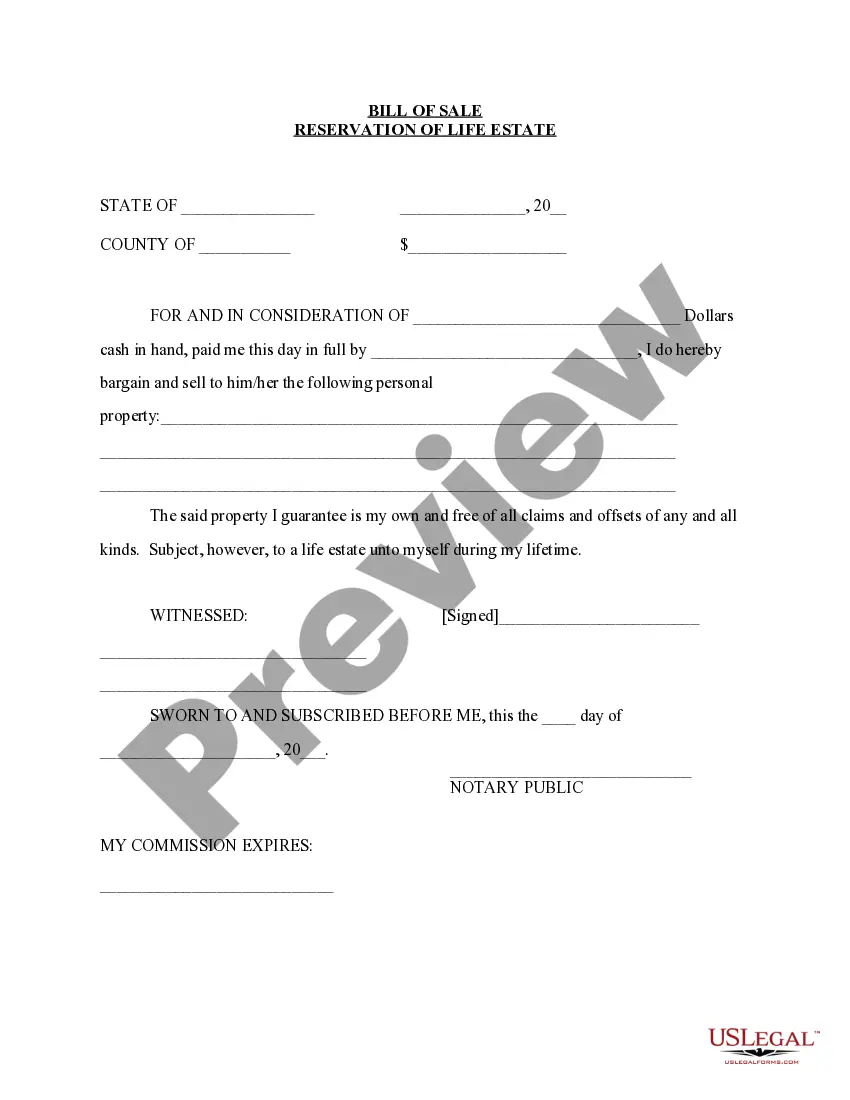
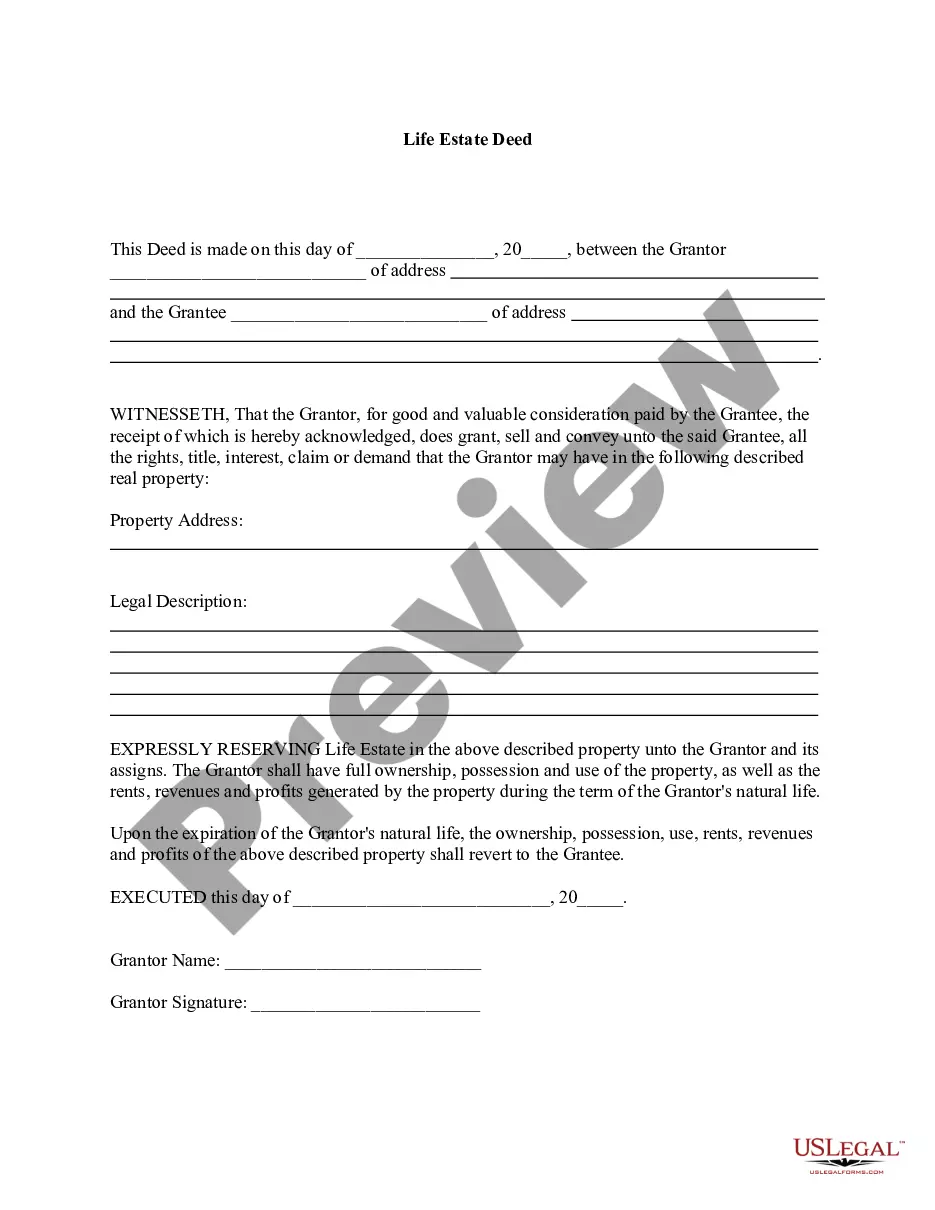
The Warranty Deed to Child Reserving a Life Estate in the Parents is a legal document that allows parents to transfer property ownership to their child while retaining a life estate. This means that the parents can continue to live in or use the property for the rest of their lives, even after the transfer has been made. This form is particularly useful for estate planning, as it helps parents manage their property and ensure that it passes to their child without the need for probate. Unlike other deeds, this warranty deed specifically includes a reservation for a life estate.
Key parts of this document
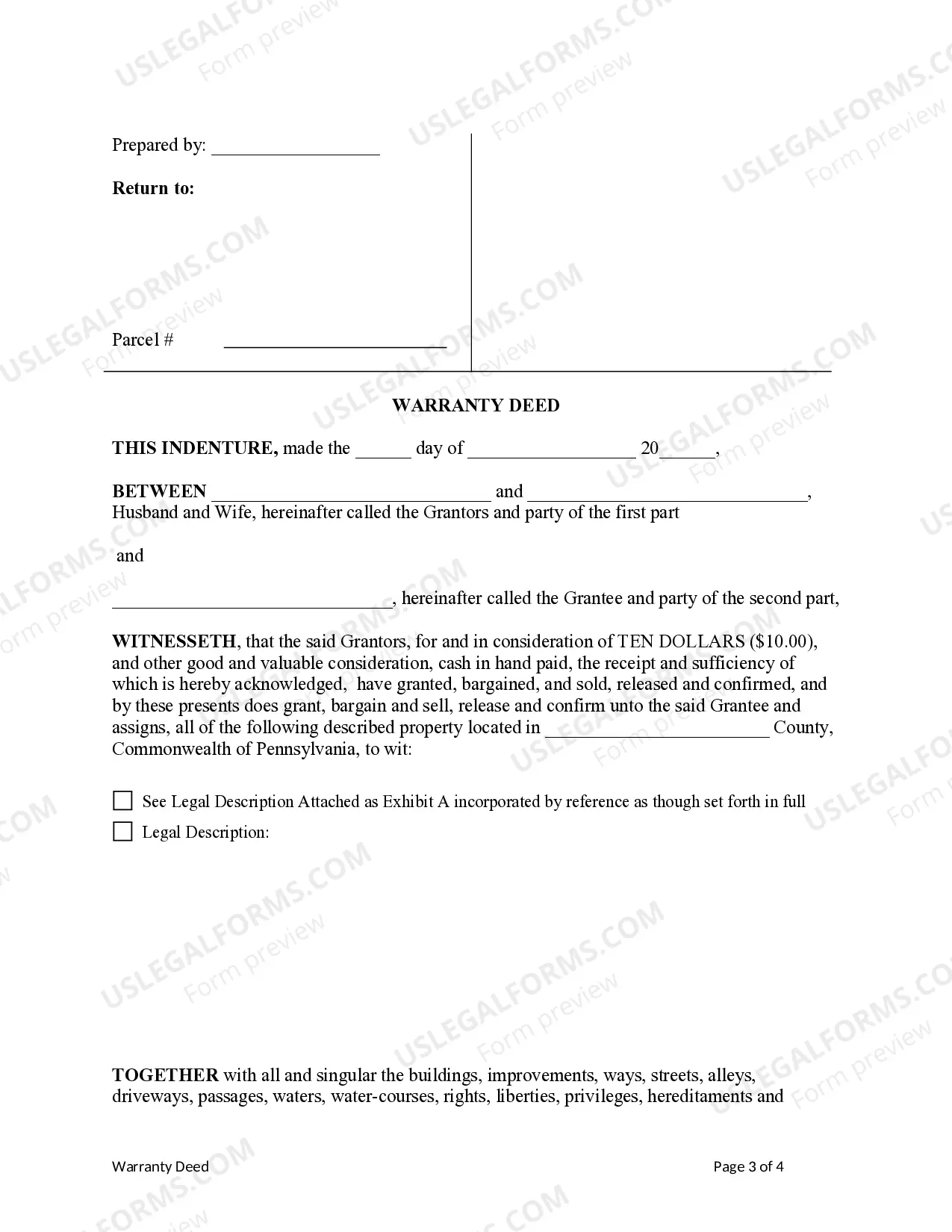
- Identification of grantors (parents) and grantee (child).
- Description of the property being transferred.
- Statement of consideration (typically ten dollars).
- Reservation of life estate for the grantors.
- Statement of warranty and defense against claims on the property.
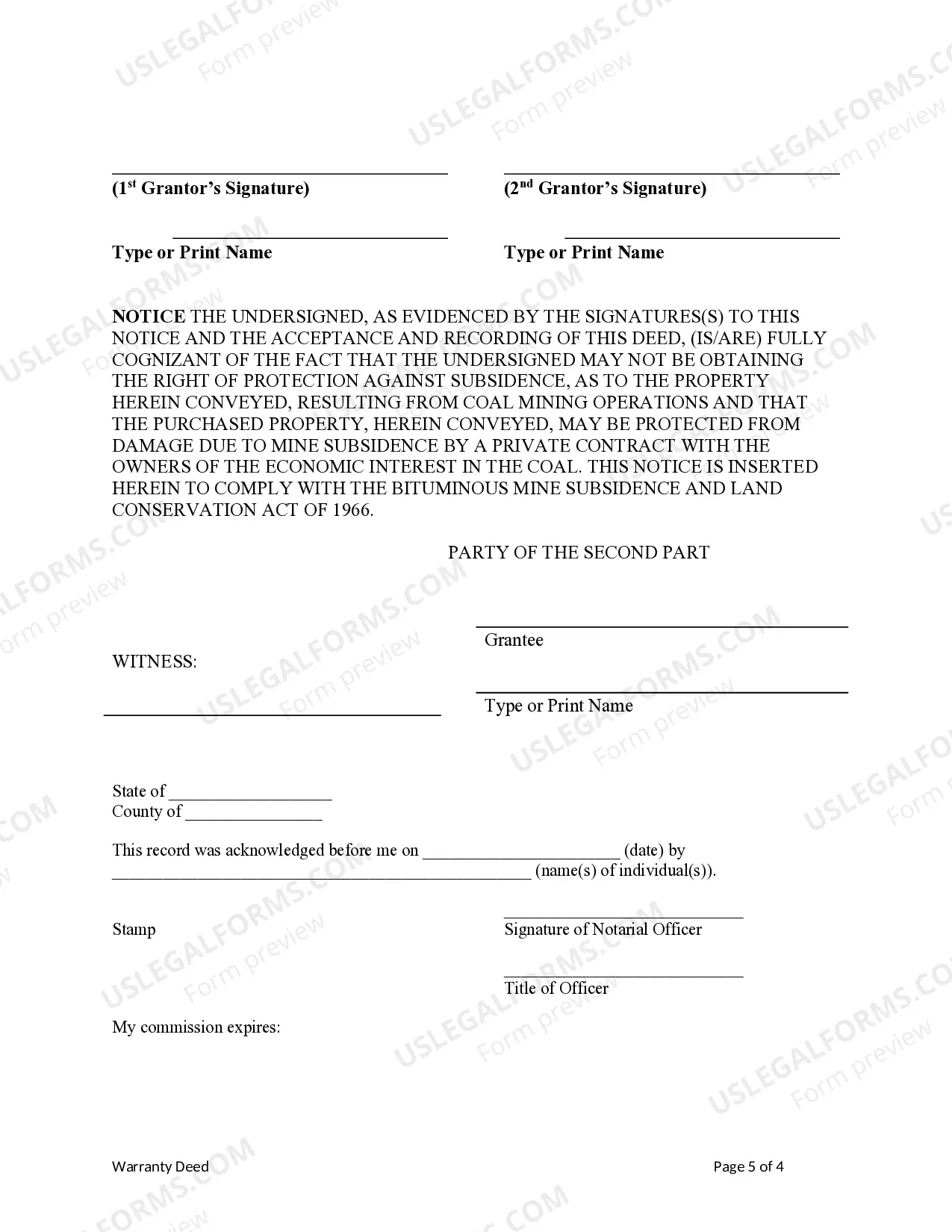
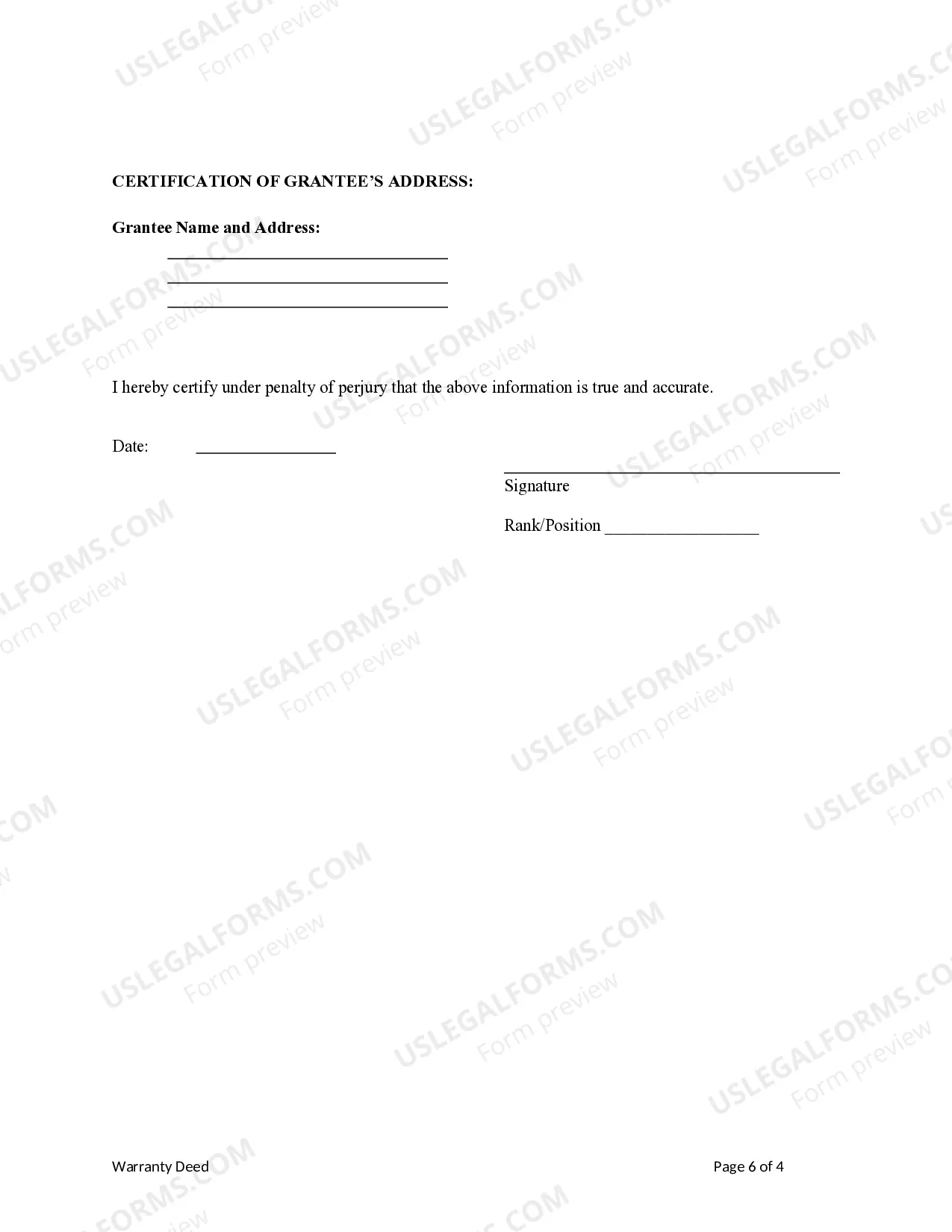
- Signature and acknowledgment requirements.


When to use this form
This form should be used when parents wish to transfer property ownership to their child while still retaining the right to live on or use the property for the remainder of their lives. It is particularly relevant for estate planning purposes, allowing parents to make arrangements for their property without the need for probate, thereby simplifying the inheritance process for their children.
Who this form is for
This form is suitable for:
- Parents who own real property and wish to transfer it to their children.
- Individuals looking to retain rights to their property while ensuring a smooth transition of ownership to their heirs.
- Anyone involved in estate planning, particularly in Pennsylvania.
How to complete this form
- Identify the parties involved: the grantors (parents) and the grantee (child).
- Provide the legal description of the property being transferred.
- Fill in the date of the transaction and the amount of consideration.
- Include a clear statement regarding the reservation of life estate for the grantors.
- Sign the document in the presence of witnesses, as required.
Is notarization required?
This form must be notarized to be legally valid. US Legal Forms provides secure online notarization powered by Notarize, allowing you to complete the process through a verified video call.
Get your form ready online
Our built-in tools help you complete, sign, share, and store your documents in one place.
Make edits, fill in missing information, and update formatting in US Legal Forms—just like you would in MS Word.
Download a copy, print it, send it by email, or mail it via USPS—whatever works best for your next step.
Sign and collect signatures with our SignNow integration. Send to multiple recipients, set reminders, and more. Go Premium to unlock E-Sign.
If this form requires notarization, complete it online through a secure video call—no need to meet a notary in person or wait for an appointment.
We protect your documents and personal data by following strict security and privacy standards.

Make edits, fill in missing information, and update formatting in US Legal Forms—just like you would in MS Word.

Download a copy, print it, send it by email, or mail it via USPS—whatever works best for your next step.

Sign and collect signatures with our SignNow integration. Send to multiple recipients, set reminders, and more. Go Premium to unlock E-Sign.

If this form requires notarization, complete it online through a secure video call—no need to meet a notary in person or wait for an appointment.

We protect your documents and personal data by following strict security and privacy standards.
Typical mistakes to avoid
- Failing to accurately describe the property being transferred, which can lead to legal disputes.
- Not including the reservation of life estate, which negates the purpose of the deed.
- Omitting the necessary signatures and witness requirements, leading to unenforceability.
Why complete this form online
- Convenience: Download and complete the form from the comfort of your home.
- Editability: Easily fill in the required fields digitally or print the form for manual entry.
- Reliability: Forms are drafted by licensed attorneys, ensuring compliance with state laws.
Legal use & context
- The warranty deed establishes a legal transfer of property ownership from parents to a child.
- Retaining a life estate allows grantors to maintain rights to the property during their lifetime.
- Failure to follow the proper procedures may result in disputes over property rights.
Summary of main points
- The form facilitates property transfer while allowing parents to retain use of the property.
- Proper completion of the deed is crucial for legal effectiveness.
- Consulting an attorney can help navigate state-specific requirements and ensure compliance.
Looking for another form?






Form popularity
FAQ
Life Tenant Owner: The Life Tenant can be one individual or there can be joint Life Tenants. The Life Tenant remains responsible for real estate taxes, insurance, and ordinary maintenance costs related to the property and is still eligible for real estate tax abatements & exemptions.
Possible tax breaks for the life tenant. Reduced capital gains taxes for remainderman after death of life tenant. Capital gains taxes for remainderman if property sold while life tenant still alive. Remainderman's financial problems can affect the life tenant.
A life estate deed permits the property owner to have full use of their property until their death, at which point the ownership of the property is automatically transferred to the beneficiary.
The two types of life estates are the conventional and the legal life estate. the grantee, the life tenant. Following the termination of the estate, rights pass to a remainderman or revert to the previous owner.
The life tenant cannot change the remainder beneficiary without their consent. If the life tenant applies for any loans, they cannot use the life estate property as collateral. There's no creditor protection for the remainderman. You can't minimize estate tax.
A person owns property in a life estate only throughout their lifetime. Beneficiaries cannot sell property in a life estate before the beneficiary's death. One benefit of a life estate is that property can pass when the life tenant dies without being part of the tenant's estate.
A life estate is a form of joint ownership that allows one person to remain in a house until his or her death, when it passes to the other owner.
A California Revocable Transfer-On-Death Deed does not take effect until the property owner dies.As long as the original owner is alive, he can revoke the transfer, sell the property, add or remove beneficiaries, and otherwise maintain complete control over the property.