Oregon Revocation of Health Care Directive
What this document covers
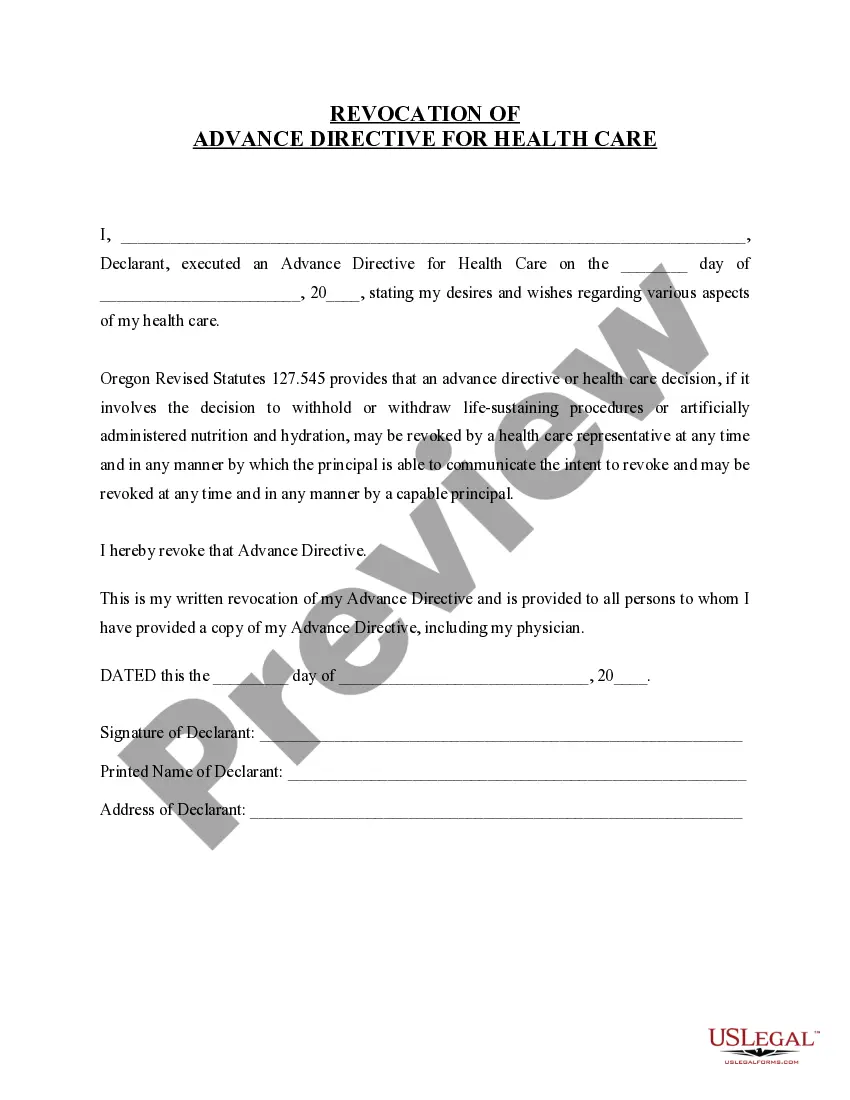
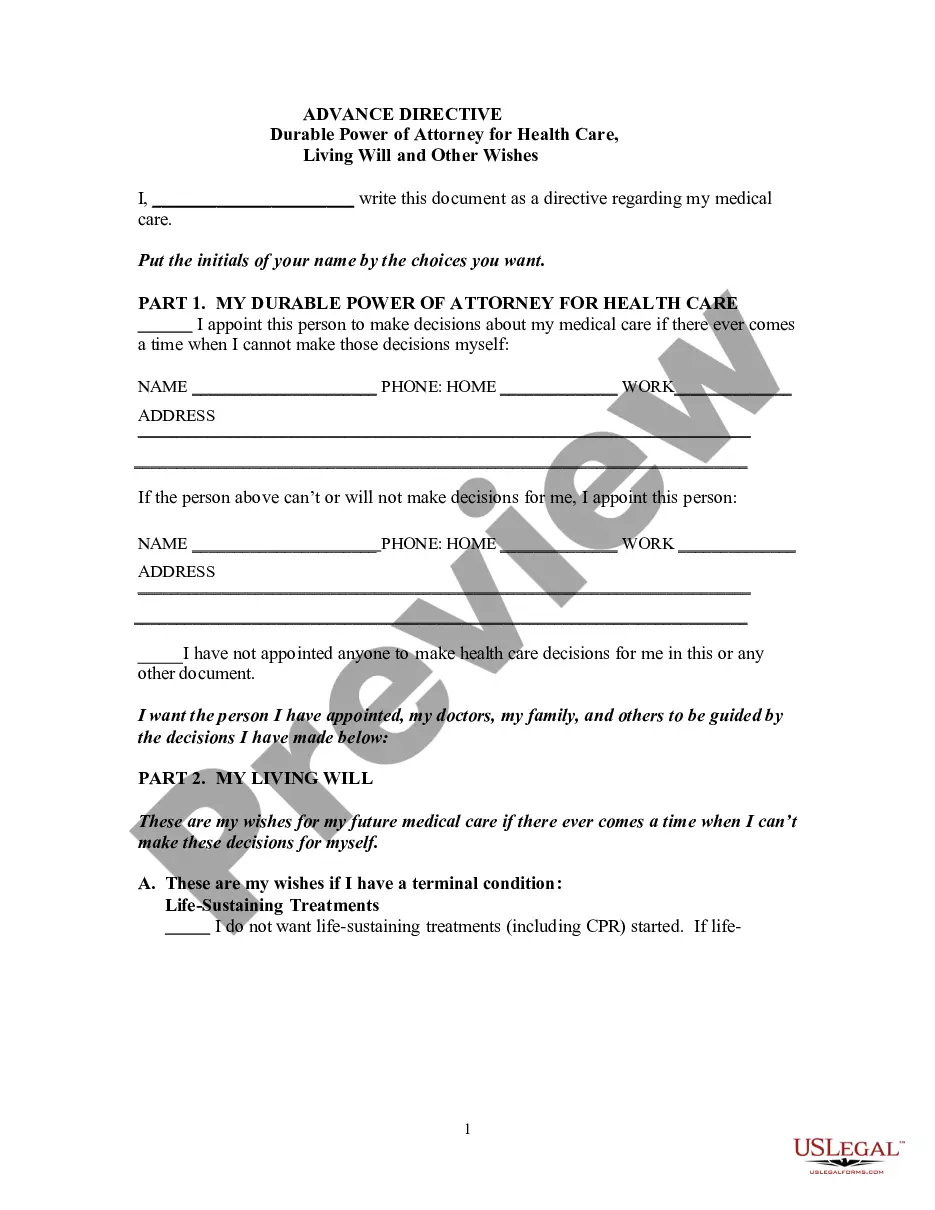
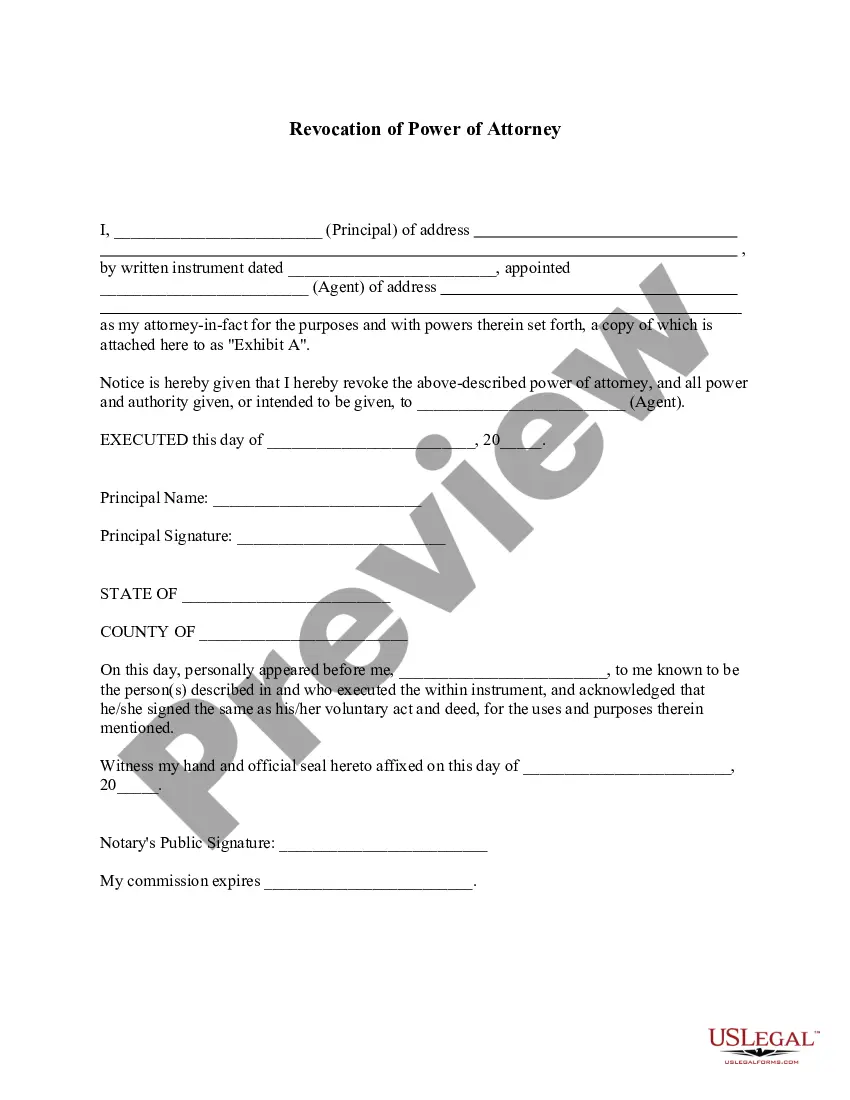
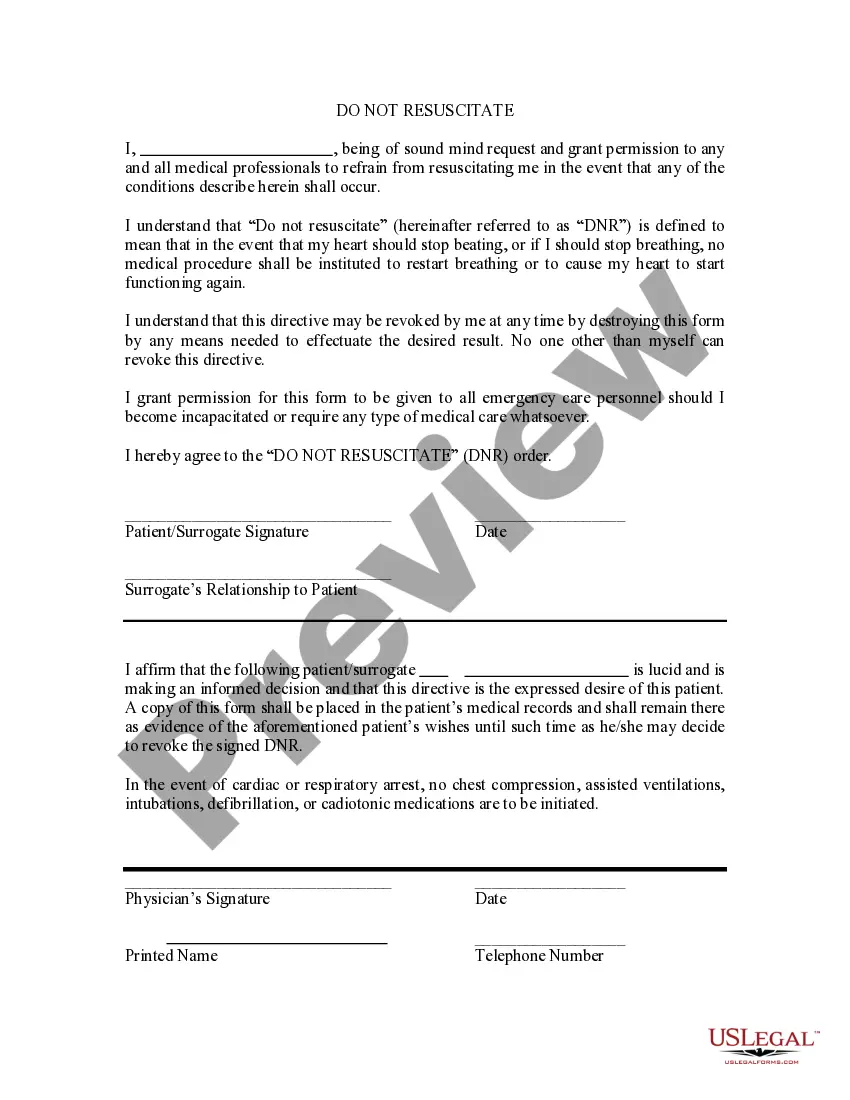
The Revocation of Health Care Directive is a legal document that allows an individual, known as the declarant, to formally cancel a previously executed Advance Directive for Health Care. This directive typically outlines health care preferences, appoints a health care representative, and provides instructions regarding medical decisions. Unlike the original directive, which specifies health care choices, this revocation form communicates the intent to overwrite those choices, particularly related to the withholding or withdrawal of life-sustaining procedures.
Main sections of this form
- Declarant Information: The name and identifying details of the person revoking the Advance Directive.
- Date of Original Directive: The date when the initial Advance Directive was created.
- Revocation Statement: A clear expression that the declarant is revoking the previous Advance Directive.
- Physician Notification: The requirement to provide notice of the revocation to all parties who received the original Advance Directive, including the physician.
- Signature of Declarant: The signature and printed name of the declarant, affirming the revocation.
- Date of Revocation: The date when the revocation takes effect.
When to use this document
This form is used when a person wishes to revoke their previously established Advance Directive for Health Care. Situations that may prompt this action include a change in personal health goals, the resolution of previous medical conditions, or a desire to appoint a different health care representative. It is essential to use this form when a declarant undergoes significant changes in their health care preferences or wishes to ensure their current directives are honored.
Who should use this form
- Individuals who have previously created an Advance Directive for Health Care.
- Those who wish to change their health care preferences or representatives.
- Individuals seeking to ensure that their most recent wishes regarding health care are accurately documented.
- Anyone capable of communicating their intent to revoke prior health care decisions.
How to complete this form
- Identify the declarant: Enter your full name and address in the designated fields.
- Specify the date: Fill in the date when the original Advance Directive was executed.
- Clearly state your intention: Use the revocation statement to clarify that you are revoking your previous directive.
- Provide your signature: Sign the document in the space provided, and print your name below the signature.
- Document the date of revocation: Enter the date when you are completing this revocation form.
- Distribute the document: Provide copies of the revocation to all relevant parties, including your health care representative and physician.
Does this document require notarization?
This form does not typically require notarization unless specified by local law. However, it is advisable to consult with a legal professional to verify if notarization is needed in your specific case.
Get your form ready online
Our built-in tools help you complete, sign, share, and store your documents in one place.
Make edits, fill in missing information, and update formatting in US Legal Forms—just like you would in MS Word.
Download a copy, print it, send it by email, or mail it via USPS—whatever works best for your next step.
Sign and collect signatures with our SignNow integration. Send to multiple recipients, set reminders, and more. Go Premium to unlock E-Sign.
If this form requires notarization, complete it online through a secure video call—no need to meet a notary in person or wait for an appointment.
We protect your documents and personal data by following strict security and privacy standards.

Make edits, fill in missing information, and update formatting in US Legal Forms—just like you would in MS Word.

Download a copy, print it, send it by email, or mail it via USPS—whatever works best for your next step.

Sign and collect signatures with our SignNow integration. Send to multiple recipients, set reminders, and more. Go Premium to unlock E-Sign.

If this form requires notarization, complete it online through a secure video call—no need to meet a notary in person or wait for an appointment.

We protect your documents and personal data by following strict security and privacy standards.
Mistakes to watch out for
- Failing to sign and date the revocation form, which may make it invalid.
- Not notifying all relevant parties, including health care providers, about the revocation.
- Using outdated versions of the form that do not comply with current state laws.
Advantages of online completion
- Convenience: Downloadable forms are readily available, allowing you to complete them at your own pace.
- Editability: Fill out the form electronically, ensuring accuracy before printing and signing.
- Reliability: Forms are crafted by licensed attorneys, ensuring they meet legal standards.
Summary of main points
- The Revocation of Health Care Directive allows you to cancel a previous health care directive at any time.
- It is essential to notify all relevant parties, including your health care provider, about the revocation.
- This form must be completed accurately to ensure that your current health care wishes are legally honored.
Looking for another form?





Form popularity
FAQ
Must be an 'eligible' witness as prescribed by section 5 of the Guardianship Act 1987 (NSW). For example, an Australian legal practitioner or a registrar of the Local Court.
As long as you can still make your own decisions, your advance directive won't be used. You can change or cancel it at any time. Your health care agent will only make choices for you if you can't or don't want to decide for yourself.
Advance Directive Must be signed by two witnesses and notarized. Neither of your witnesses may be: related to you by blood or marriage. your attending physician or mental health treatment provider.
The living will. Durable power of attorney for health care/Medical power of attorney. POLST (Physician Orders for Life-Sustaining Treatment) Do not resuscitate (DNR) orders. Organ and tissue donation.
An advance directive is a direction from the patient, not a medical order. In contrast, a POLST form consists of a set of medical orders that applies to a limited population of patients and addresses a limited number of critical medical decisions.
COMPLETING YOUR OREGON ADVANCE DIRECTIVE How do I make my Oregon Advance Directive legal? The law requires that you sign your document, or direct another to sign it. To be valid, your document must be either witnessed and signed by at least two adults; or notarized by a notary public.
An advance directive is a set of instructions someone prepares in advance of ill health that determines his healthcare wishes. A living will is one type of advance directive that becomes effective when a person is terminally ill.
Advance Directives They must be portable; they can be available wherever you are in the world. They must be available in a timely manner. They must be in a safe place, protected from theft, fire, flood or other natural disasters.
Always remember: an advance directive is only used if you are in danger of dying and need certain emergency or special measures to keep you alive, but you are not able to make those decisions on your own. An advance directive allows you to make your wishes about medical treatment known.