Ohio Revocation of Statutory Equivalent of Living Will or Declaration
What is this form?
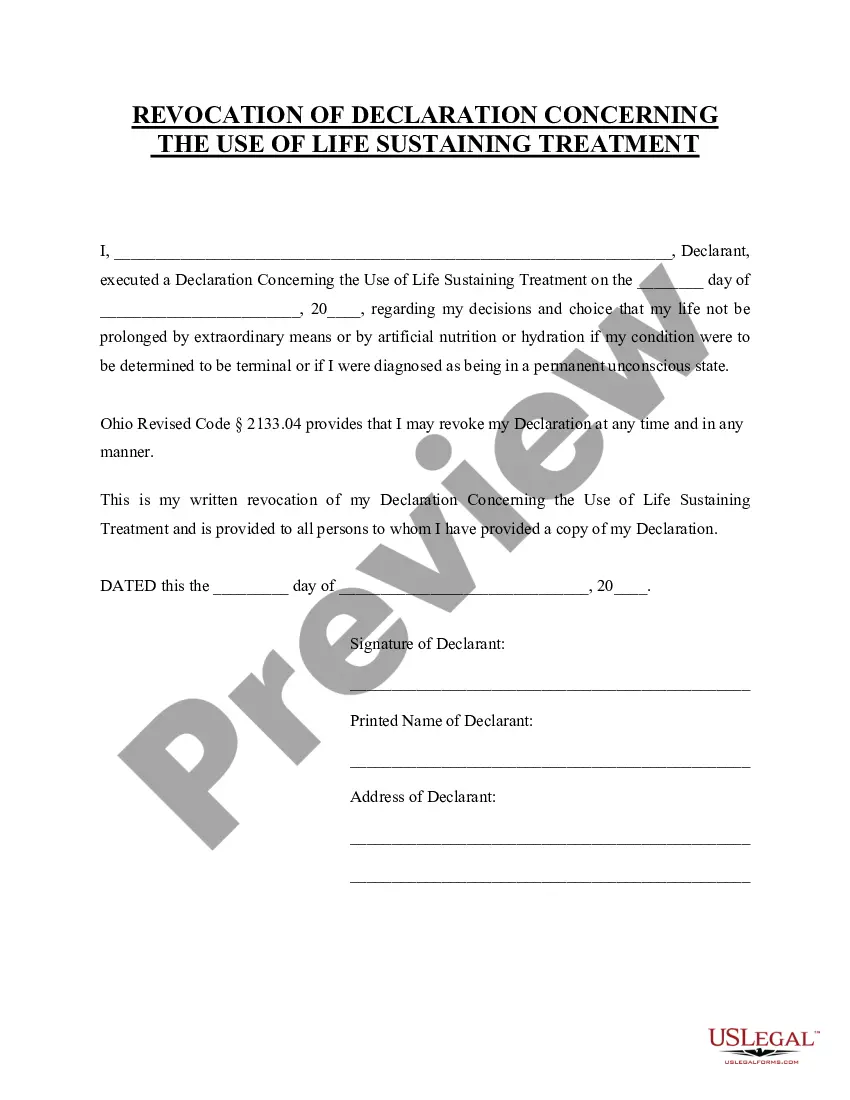
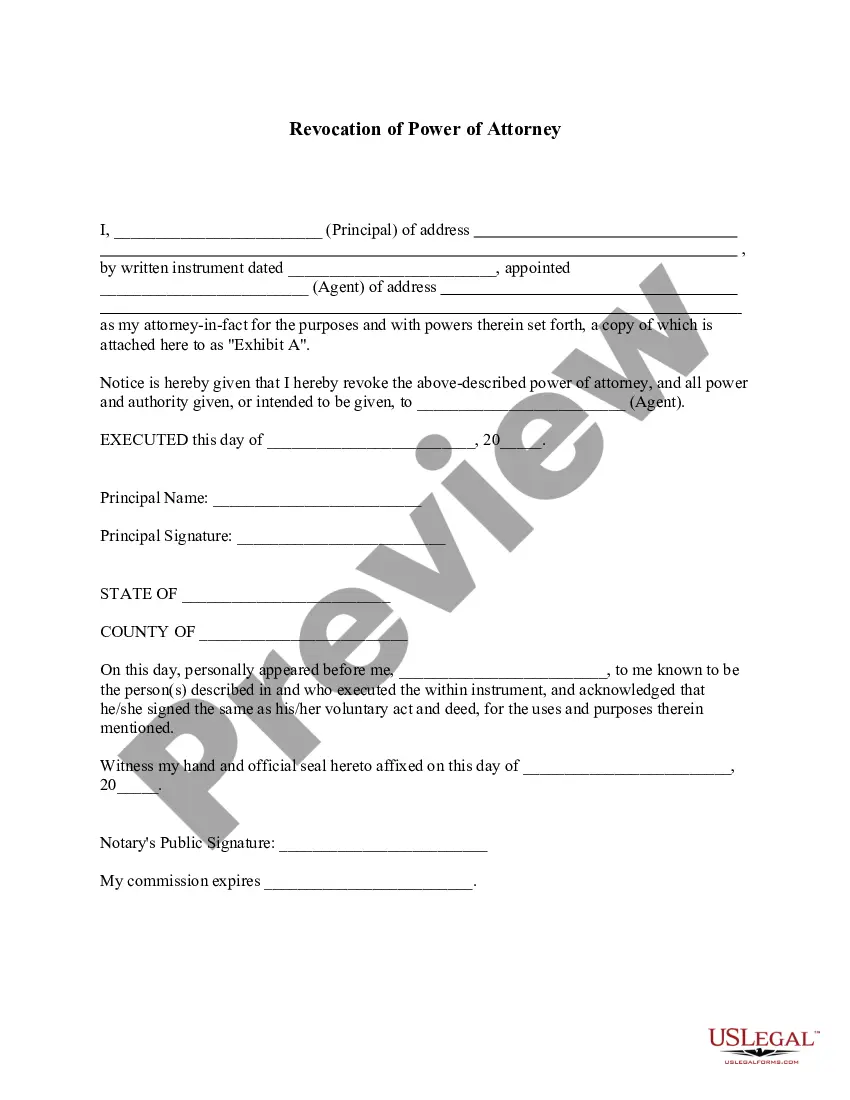
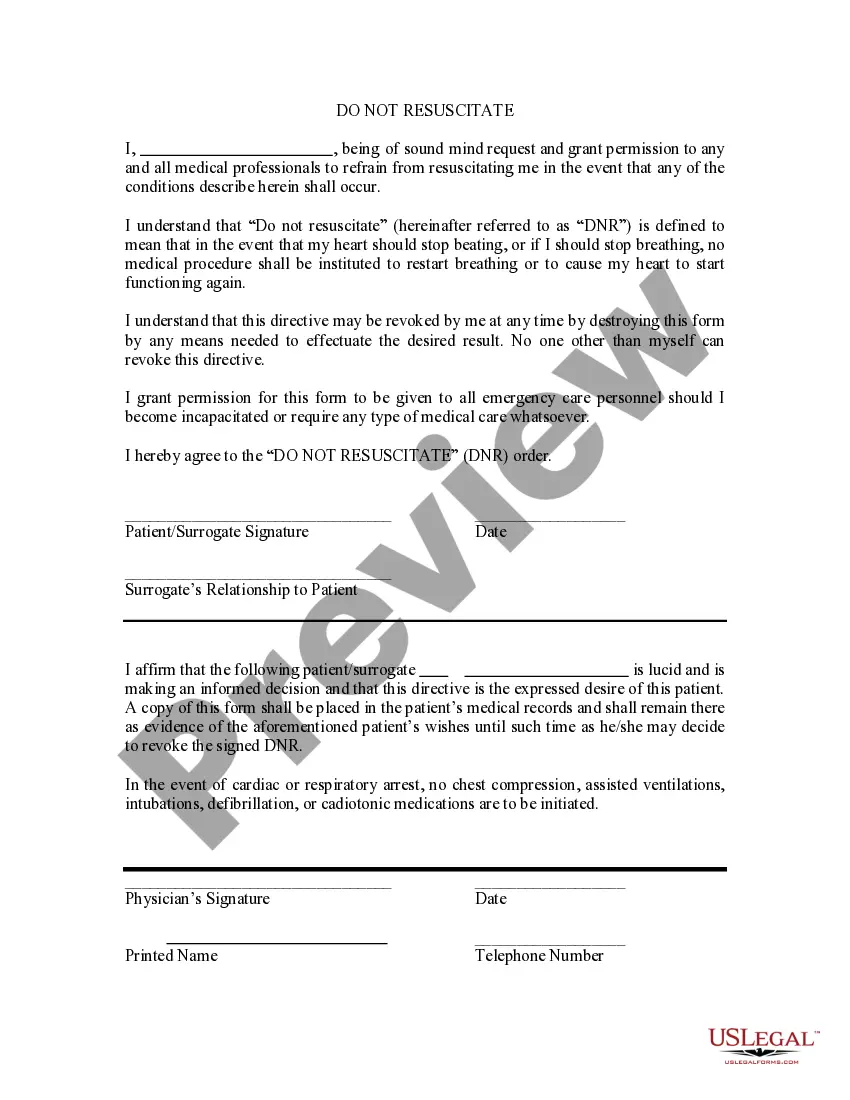
The Revocation of Statutory Equivalent of Living Will or Declaration is a legal document that allows an individual to revoke their previously stated wishes regarding life-sustaining treatment. This form specifically pertains to the revocation of a Declaration Concerning the Use of Life Sustaining Treatment in line with Ohio law. It is important to note that this form differs from a living will, as it primarily confirms the withdrawal of prior directives about medical treatment in critical situations.
What’s included in this form
- Declarant's personal information, including name and address.
- Date of the original Declaration's execution.
- Explicit statement of revocation of the original Declaration.
- Signature of the Declarant to authenticate the revocation.
- Space to indicate the date of the revocation.
Situations where this form applies
This form is essential when an individual decides to change their preferences regarding life-sustaining medical treatment. Situations in which you might consider using this form include recovery from a serious illness, a change in personal beliefs, or the desire to update medical instructions following a significant life event.
Intended users of this form
This form is intended for any adult individual in Ohio who has previously executed a Declaration Concerning the Use of Life Sustaining Treatment but now wishes to revoke their choices regarding medical treatment. It is particularly relevant for those who wish to ensure their medical preferences are current and reflective of their current decisions.
How to prepare this document
- Enter the full name of the Declarant at the beginning of the document.
- Fill in the date when the original Declaration was executed.
- Clearly state that the previous Declaration is being revoked.
- Sign and date the form to validate the revocation.
- Provide a current address for the Declarant.
Does this form need to be notarized?
This form does not typically require notarization unless specified by local law. However, ensuring that the document is properly witnessed or notarized can strengthen its validity in legal situations.
Get your form ready online
Our built-in tools help you complete, sign, share, and store your documents in one place.
Make edits, fill in missing information, and update formatting in US Legal Forms—just like you would in MS Word.
Download a copy, print it, send it by email, or mail it via USPS—whatever works best for your next step.
Sign and collect signatures with our SignNow integration. Send to multiple recipients, set reminders, and more. Go Premium to unlock E-Sign.
If this form requires notarization, complete it online through a secure video call—no need to meet a notary in person or wait for an appointment.
We protect your documents and personal data by following strict security and privacy standards.

Make edits, fill in missing information, and update formatting in US Legal Forms—just like you would in MS Word.

Download a copy, print it, send it by email, or mail it via USPS—whatever works best for your next step.

Sign and collect signatures with our SignNow integration. Send to multiple recipients, set reminders, and more. Go Premium to unlock E-Sign.

If this form requires notarization, complete it online through a secure video call—no need to meet a notary in person or wait for an appointment.

We protect your documents and personal data by following strict security and privacy standards.
Mistakes to watch out for
- Failing to sign and date the revocation form.
- Not providing the original Declaration date.
- Inaccurate personal information that could lead to confusion.
Benefits of using this form online
- Convenient access to legal forms from anywhere.
- Editable templates that can be customized to fit individual needs.
- Instant download options to quickly receive the completed form.
Legal use & context
- This form effectively revokes previous declarations, ensuring your current healthcare preferences are legally recognized.
- It is important to inform any healthcare providers or family members about the revocation to prevent confusion in emergency situations.
Summary of main points
- The form serves to revoke a previously signed Declaration Concerning the Use of Life Sustaining Treatment.
- It is crucial to provide updated copies of the revocation to all relevant parties.
- This form is compliant with Ohio state law regarding living wills and healthcare declarations.
Looking for another form?


Form popularity
FAQ
Age: The testator must be at least 18 years old. Capacity: The testator must be of sound mind and memory and not under restraint. Signature: The will must be signed by the testator or by someone else in the testator's name in his conscious presence, by his express direction.
Living Wills are Binding Legal Documents Your living will needs to be a legal document. Telling someone what you want verbally or even writing it down is not enough.Your living will needs to cover what you wish to happen if you become terminally ill, permanently unconscious, or unable to convey your own wishes.
The Ohio Living Will Declaration is your state's living will. It lets you state your wishes about health care in the event that you become terminally ill or permanently unconscious and can no longer make your own health care decisions.
No, in Ohio, you do not need to notarize your will to make it legal. In many states, you and your witnesses can sign a notarized statement that makes your will "self-proving." However, Ohio does not give you this option.
In Ohio, with very few exceptions, all wills need to be in writing. Ohio does allow holographic wills, which means you can actually handwrite your own will in the state. As long as your handwritten will meets the other requirements, it will be valid.
Most states do accept living wills from other states as long as the document is valid in the state in which it was created, but not all do, so it is important to check when your living will is created.
Two witnesses and a notary are required for a living will. Medical power of attorney for health care also requires two witnesses and a notary. Declaration to physicians (living will) requires two witnesses, but is not valid if pregnant. Power of attorney for health care requires two witnesses.
A living will is a document that explains whether or not you want to be kept on life support if you become terminally ill and will die shortly without life support, or fall into a persistent vegetative state.A living will becomes effective only when you cannot communicate your desires on your own.
A living will is a written, legal document that spells out medical treatments you would and would not want to be used to keep you alive, as well as your preferences for other medical decisions, such as pain management or organ donation. In determining your wishes, think about your values.