Nevada Warranty Deed for Separate or Joint Property to Joint Tenancy
Overview of this form
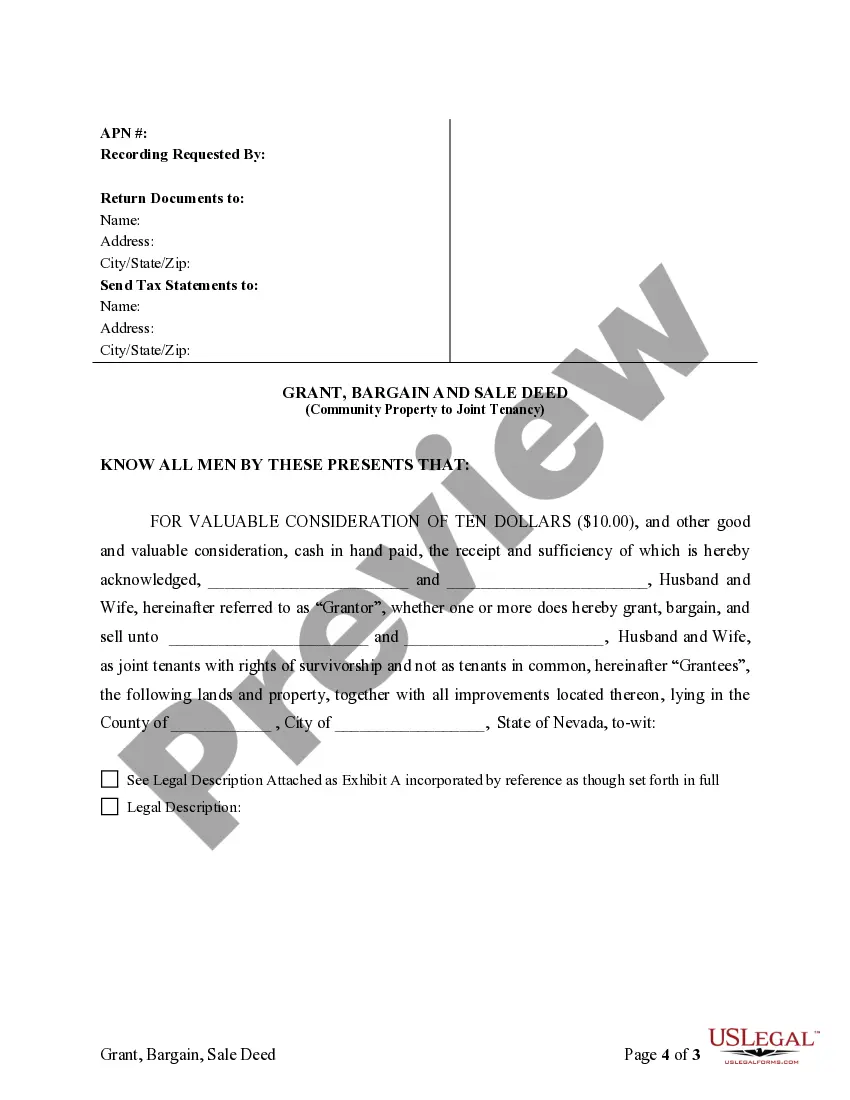
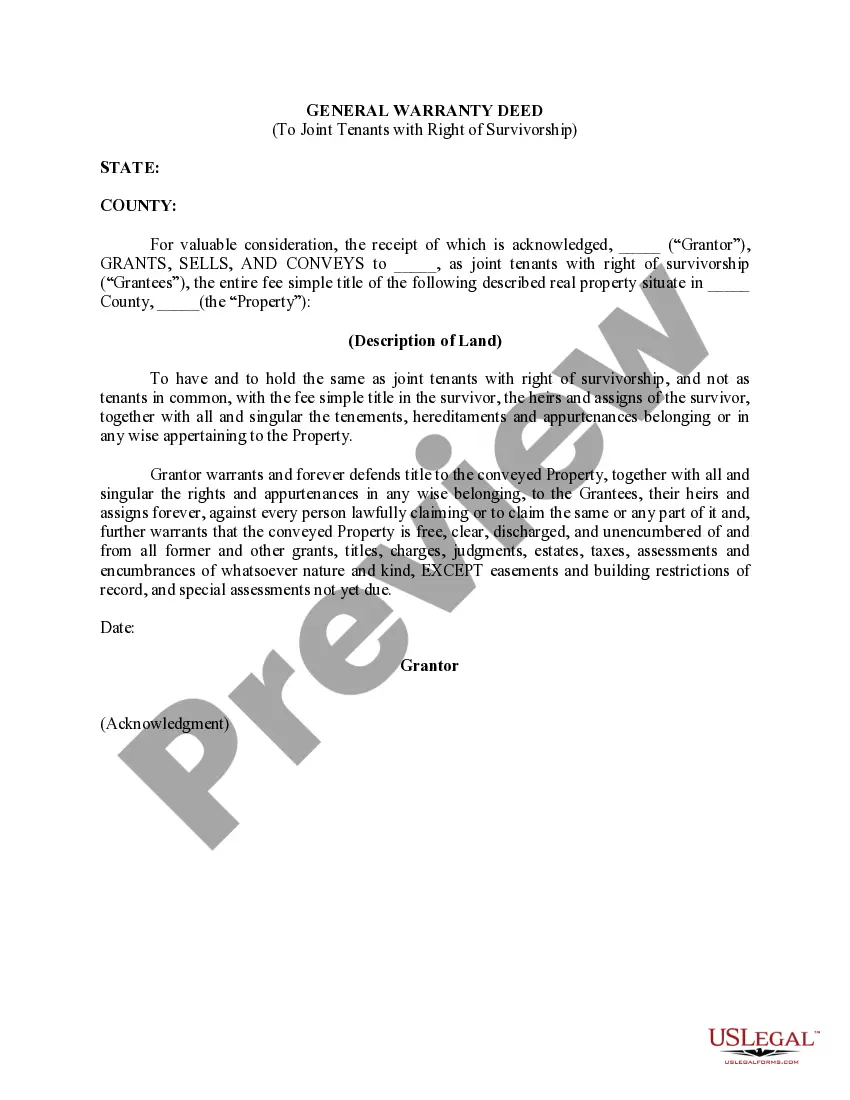
The Warranty Deed for Separate or Joint Property to Joint Tenancy is a legal document that allows owners of separate or joint property to convert their ownership into joint tenancy. This form is particularly important for couples or individuals who wish to establish joint ownership, providing rights of survivorship. Unlike a simple deed, this warranty deed guarantees that the grantor holds clear title to the property being conveyed, ensuring protection against claims from third parties.
Key components of this form
- Identification of the parties involved in the transaction.
- Detailed description of the property being converted to joint tenancy.
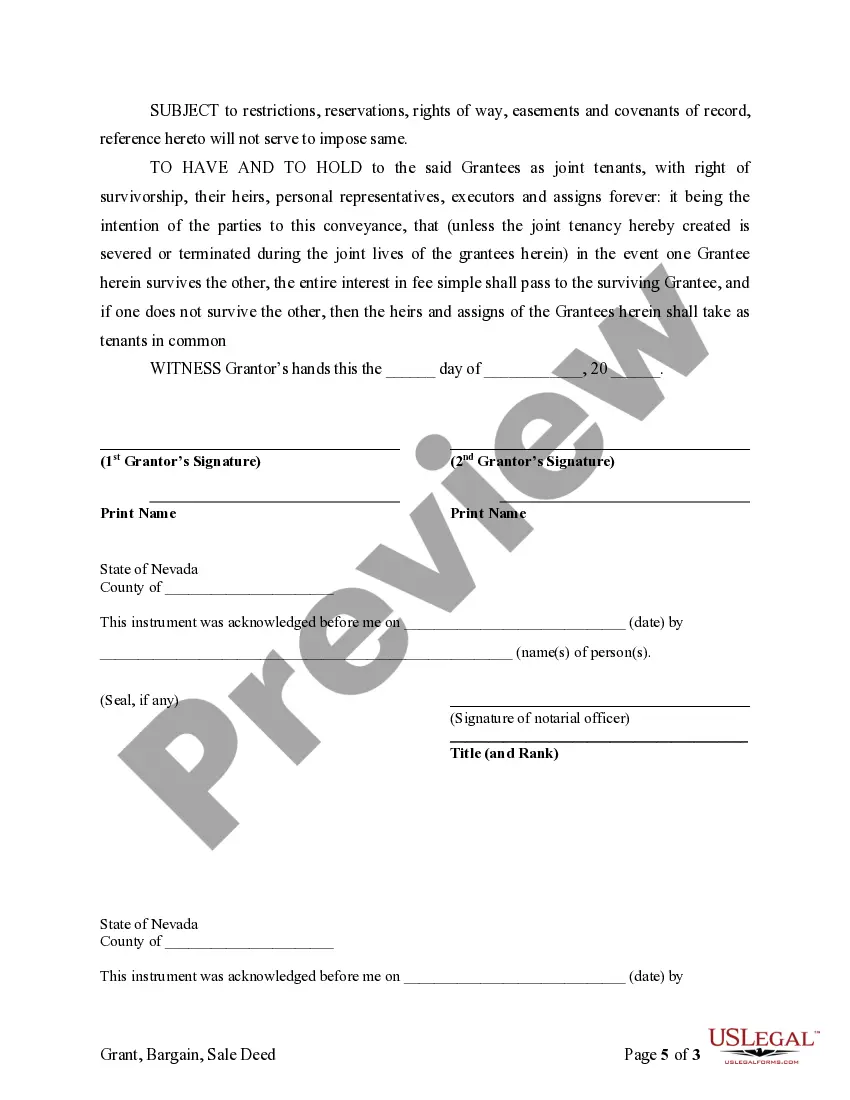
- Clarification of the conversion from separate or joint ownership to joint tenancy.
- Statement of warranty, guaranteeing clear title to the property.
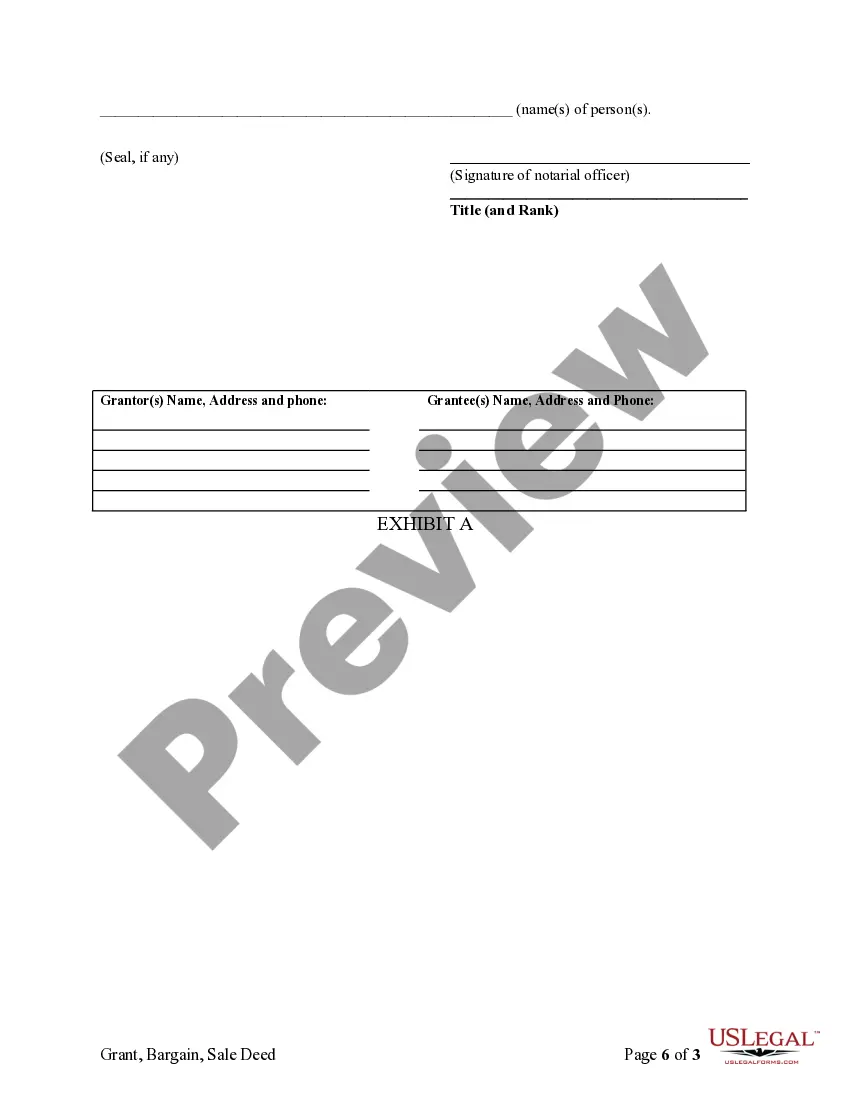
- Space for signatures of the grantor and grantee, along with the date of execution.


When to use this form
This form should be used when property owners wish to change their property ownership status to joint tenancy, which can be crucial for estate planning and ensuring that property automatically passes to the surviving tenant upon death. Scenarios include married couples wanting to hold their home jointly or co-owners of real estate who wish to solidify their rights of survivorship.
Who this form is for
- Married couples looking to establish joint ownership of a home or property.
- Partners who wish to ensure that their interest in a property automatically transfers to the surviving partner.
- Individuals converting property held in a different form of ownership into joint tenancy.
Steps to complete this form
- Identify all parties involved, including the grantor(s) and grantee(s).
- Clearly describe the property being transferred, including its legal description.
- Specify the conversion of ownership to joint tenancy and the intent behind it.
- Complete the warranty statement, affirming the grantor's ownership and ability to convey the property.
- Gather signatures from all relevant parties and fill in the date of execution.
Notarization guidance
This form must be notarized to be legally valid. US Legal Forms provides secure online notarization powered by Notarize, allowing you to complete the process through a verified video call.
Get your form ready online
Our built-in tools help you complete, sign, share, and store your documents in one place.
Make edits, fill in missing information, and update formatting in US Legal Forms—just like you would in MS Word.
Download a copy, print it, send it by email, or mail it via USPS—whatever works best for your next step.
Sign and collect signatures with our SignNow integration. Send to multiple recipients, set reminders, and more. Go Premium to unlock E-Sign.
If this form requires notarization, complete it online through a secure video call—no need to meet a notary in person or wait for an appointment.
We protect your documents and personal data by following strict security and privacy standards.

Make edits, fill in missing information, and update formatting in US Legal Forms—just like you would in MS Word.

Download a copy, print it, send it by email, or mail it via USPS—whatever works best for your next step.

Sign and collect signatures with our SignNow integration. Send to multiple recipients, set reminders, and more. Go Premium to unlock E-Sign.

If this form requires notarization, complete it online through a secure video call—no need to meet a notary in person or wait for an appointment.

We protect your documents and personal data by following strict security and privacy standards.
Mistakes to watch out for
- Failing to accurately describe the property, which can lead to legal disputes later.
- Not including all required signatures, which could invalidate the deed.
- Leaving out the date of execution, making it difficult to determine the effective date of the deed.
Why complete this form online
- Convenience of completing and downloading the form from home.
- Editability allows for customized entries without needing to draft a new document.
- Access to reliable, attorney-drafted documents which reduce the likelihood of errors.
Looking for another form?






Form popularity
FAQ
The answer is yes. Parties to a transaction are always free to prepare their own deeds. If you do so, be sure your deed measures up to your state's legal regulations, to help avert any legal challenge to the deed later.
The name and address of the seller (called the grantor) The name and address of the buyer (called the grantee) A legal description of the property (found on the previous deed) A statement that the grantor is transferring the property to the grantee.
To create a joint tenancy, all you need to do is put the right words on the title document, such as a deed to real estate, a car's title slip, or the signature card establishing a bank account.
To make the form legally binding, you must sign it in front of a notary public. You must then file your signed and notarized deed with the county office that's in charge of recording property documents. Once the grantee signs the warranty deed, he/she legally has ownership and claim to the property.
Serve a written notice of the change (a 'notice of severance') on the other owners - a conveyancer can help you do this. Download and fill in form SEV to register a restriction without the other owners' agreement. Prepare any supporting documents you need to include.
Adding someone to your house deed requires the filing of a legal form known as a quitclaim deed. When executed and notarized, the quitclaim deed legally overrides the current deed to your home. By filing the quitclaim deed, you can add someone to the title of your home, in effect transferring a share of ownership.
Which statement applies to both joint tenancy and tenancy by the entirety? The last survivor becomes a severalty owner. A deed signed by one owner will convey a fractional interest. A deed will not convey any interest unless signed by both spouses.
Under the Grantor section of the deed, write the name of the person transferring title. Under Grantee, write the name of the person receiving title. Describe the parcel of land. Use the street address and include the North Carolina County where the land is located.
The name and address of the seller (called the grantor) The name and address of the buyer (called the grantee) A legal description of the property (found on the previous deed) A statement that the grantor is transferring the property to the grantee.