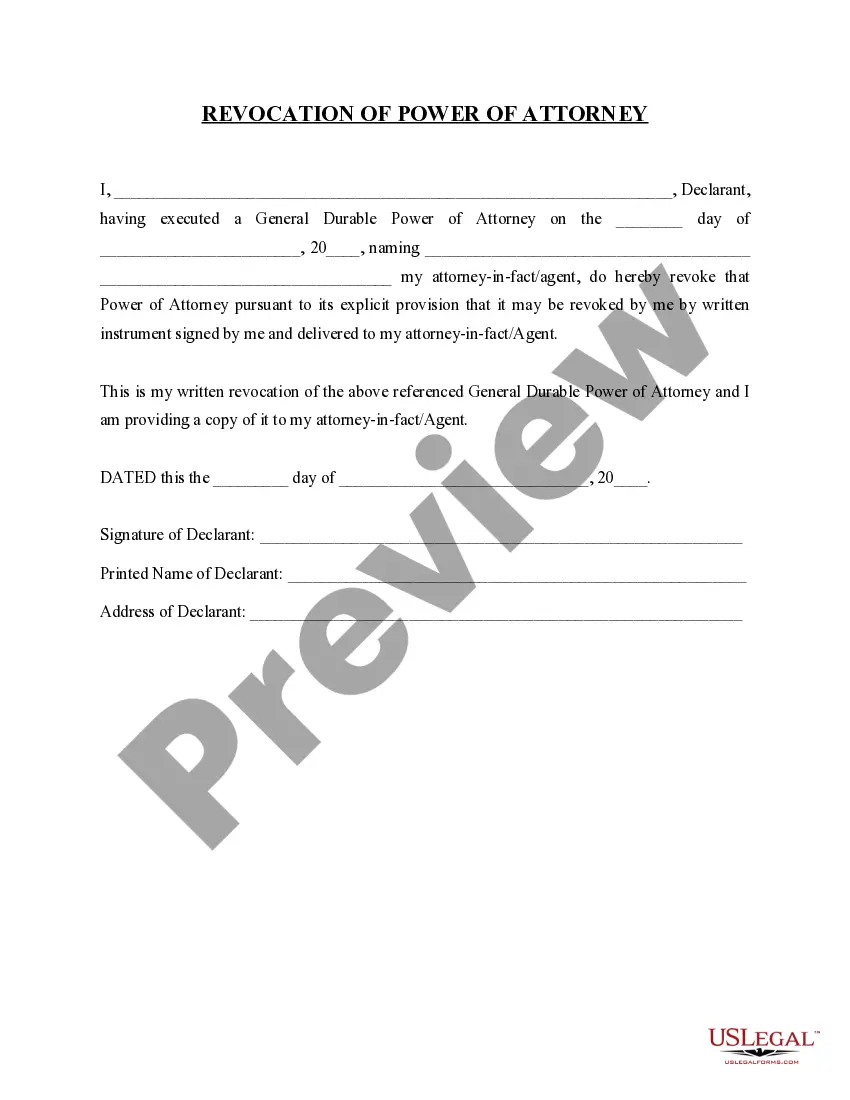
New Jersey Non-Foreign Affidavit Under IRC 1445
What this document covers
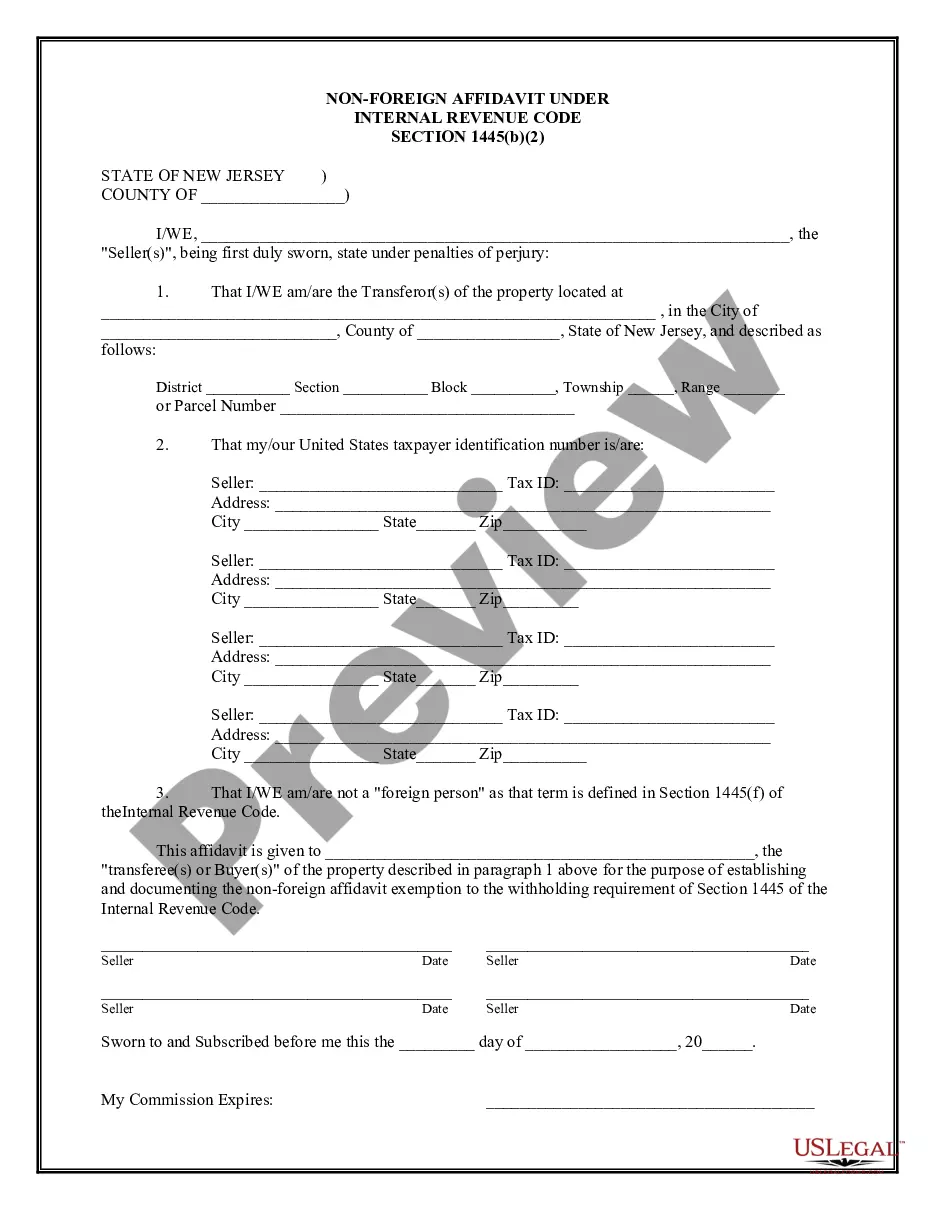
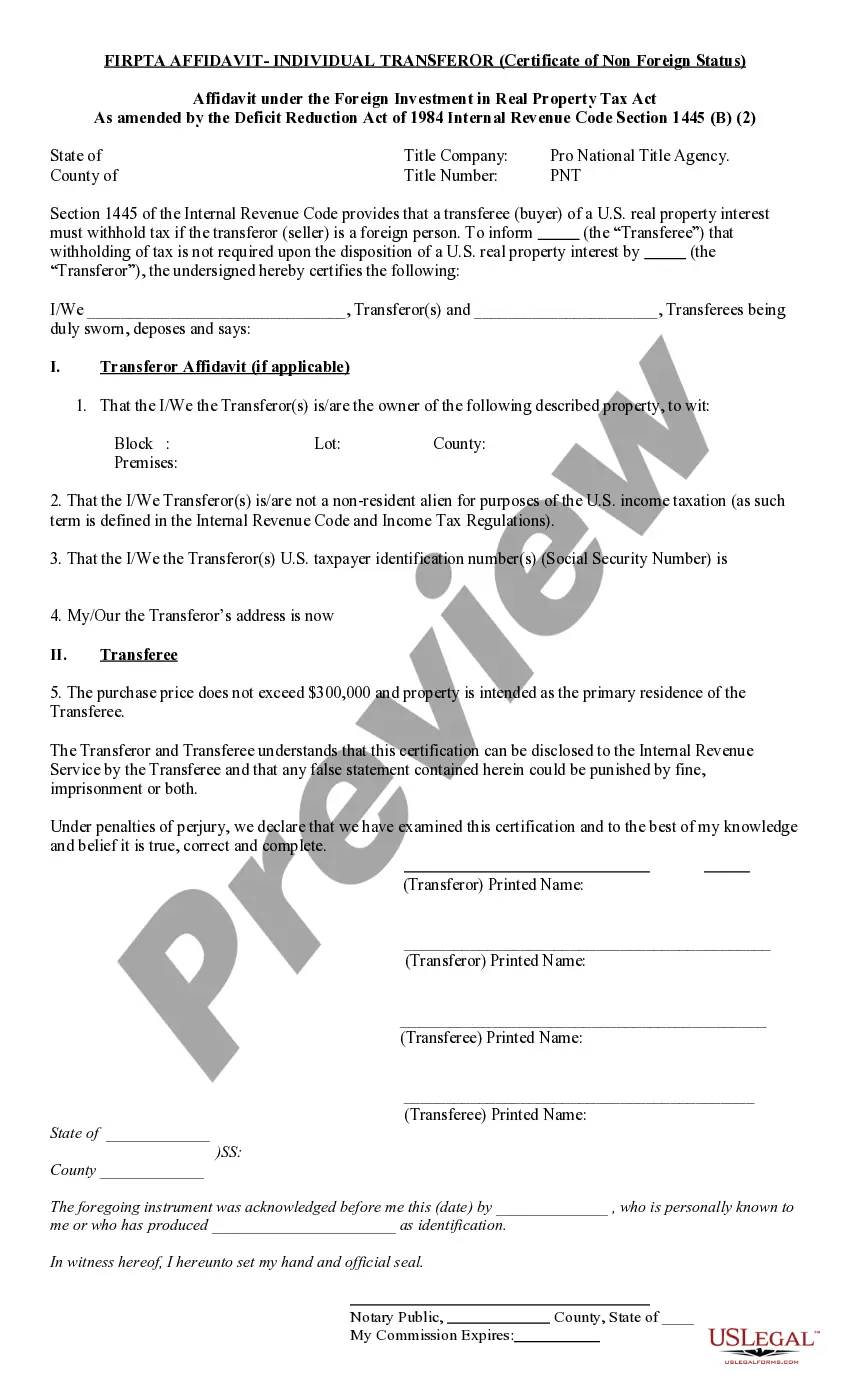
The Non-Foreign Affidavit Under IRC 1445 is a legal document used by sellers of real property to certify that they are not foreign persons as defined by Internal Revenue Code Section 26 USC 1445. This affidavit is essential for real estate transactions involving withholding requirements, distinguishing it from other property-related forms. By signing this document, the seller helps facilitate the sale process and prevents unnecessary tax withholdings on the transaction.
What’s included in this form
- Identification of the seller(s) and their taxpayer identification numbers.
- Details about the property being sold, including location and parcel number.
- A declaration stating that the seller(s) is/are not foreign persons according to IRC 1445(f).
- Signature sections for the seller(s) and date of signing.
- Notary public acknowledgment section for verification.

Situations where this form applies
This affidavit should be used when a seller is selling real property and needs to confirm their non-foreign status to comply with federal tax regulations. It is crucial during the sales process, especially if the buyer or financial institution requires documentation to ensure no withholding tax applies to the sale. Situations such as selling residential or commercial properties would necessitate this form.
Who should use this form
- Real estate sellers who are individual U.S. citizens or permanent residents.
- Corporations or entities not classified as foreign under IRC 1445.
- Buyers or transferees requiring assurance that no foreign seller withholding tax applies.
How to prepare this document
- Identify the seller(s) and enter their names along with taxpayer identification numbers.
- Specify the property being sold, including its address and parcel number.
- Confirm that the seller(s) is/are not a foreign person by checking the appropriate clause.
- Have all seller(s) sign and date the form in the designated areas.
- Have the document notarized by a licensed notary public for legal validity.
Is notarization required?
This form must be notarized to be legally valid. US Legal Forms provides secure online notarization powered by Notarize, allowing you to complete the process through a verified video call.
Get your form ready online
Our built-in tools help you complete, sign, share, and store your documents in one place.
Make edits, fill in missing information, and update formatting in US Legal Forms—just like you would in MS Word.
Download a copy, print it, send it by email, or mail it via USPS—whatever works best for your next step.
Sign and collect signatures with our SignNow integration. Send to multiple recipients, set reminders, and more. Go Premium to unlock E-Sign.
If this form requires notarization, complete it online through a secure video call—no need to meet a notary in person or wait for an appointment.
We protect your documents and personal data by following strict security and privacy standards.

Make edits, fill in missing information, and update formatting in US Legal Forms—just like you would in MS Word.

Download a copy, print it, send it by email, or mail it via USPS—whatever works best for your next step.

Sign and collect signatures with our SignNow integration. Send to multiple recipients, set reminders, and more. Go Premium to unlock E-Sign.

If this form requires notarization, complete it online through a secure video call—no need to meet a notary in person or wait for an appointment.

We protect your documents and personal data by following strict security and privacy standards.
Common mistakes
- Failing to include all seller names and taxpayer identification numbers.
- Omitting the property's complete address or parcel number.
- Not having the affidavit notarized, rendering it invalid.
- Incorrectly stating foreign status, which can lead to penalties.
Legal use & context
- This form serves as proof of a seller's non-foreign status under federal tax law.
- Failure to provide a valid affidavit can result in withholding of sale proceeds, affecting the transaction's completion.
- The formatted structure must follow local legal guidelines to ensure enforceability.
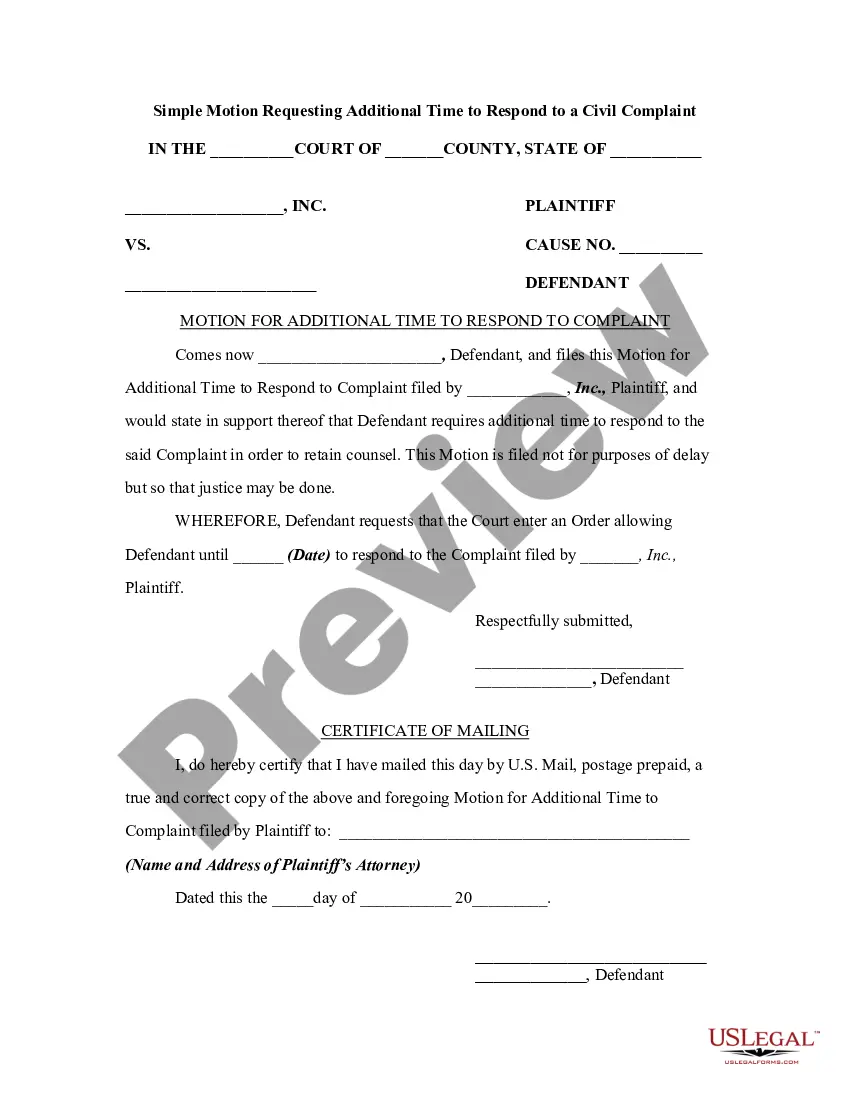
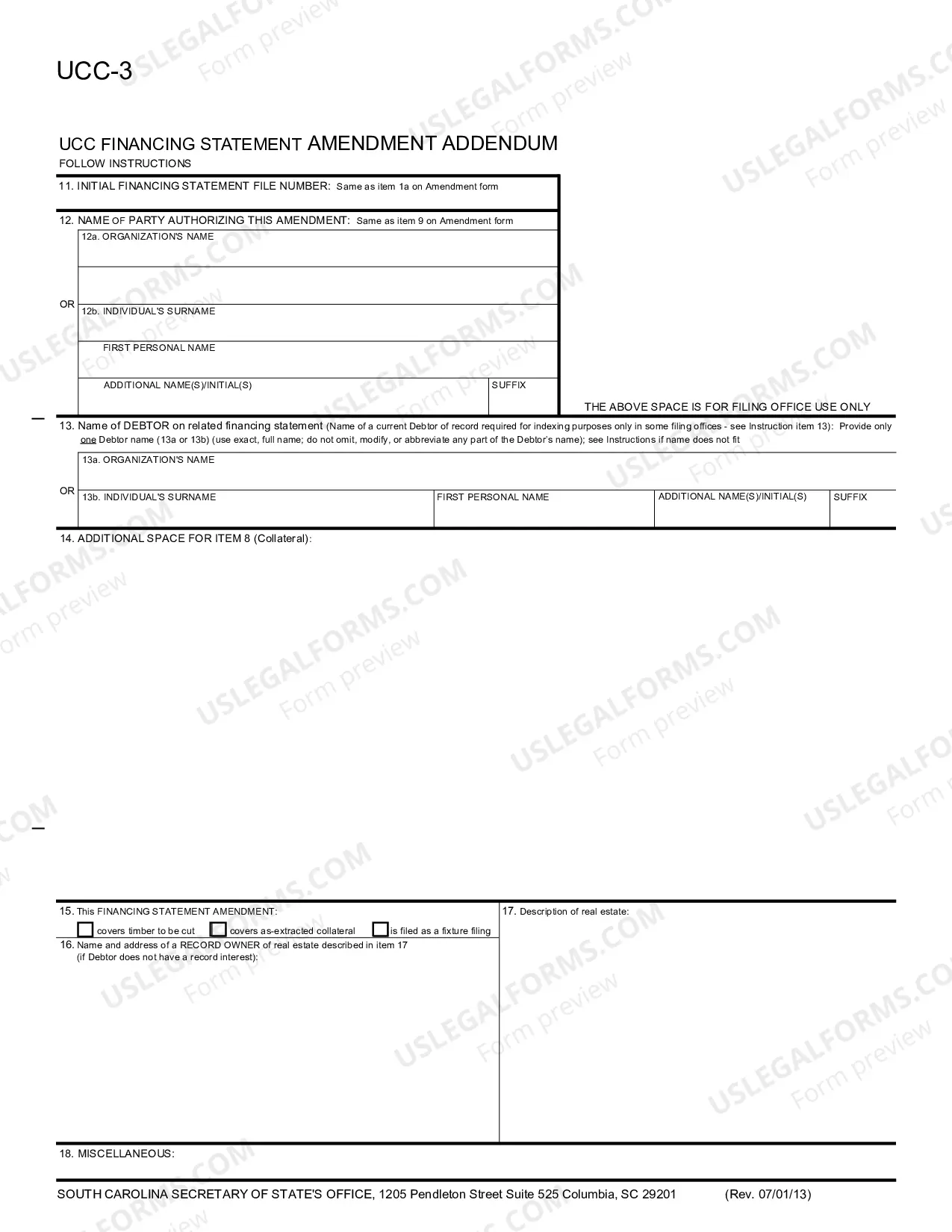
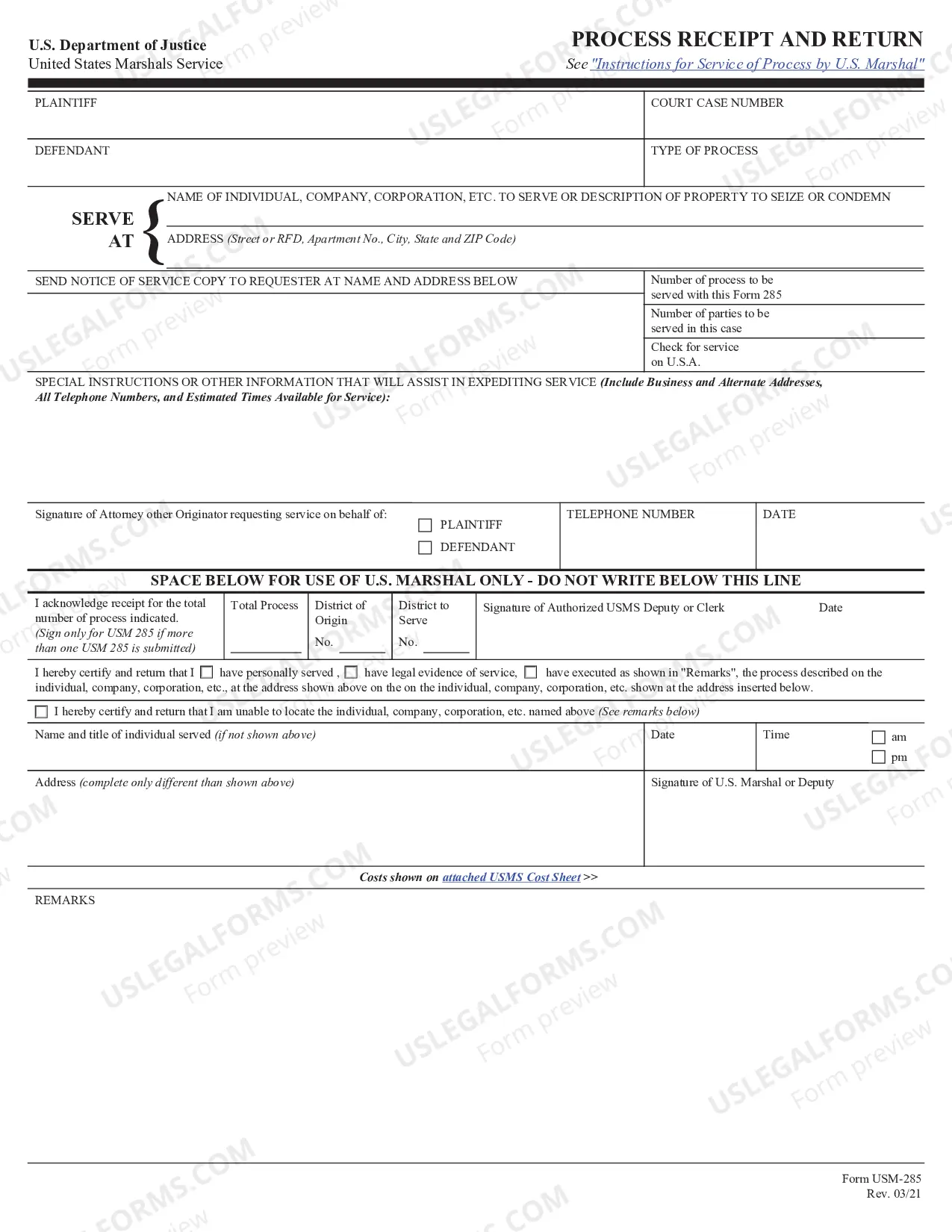
Looking for another form?

Form popularity
FAQ
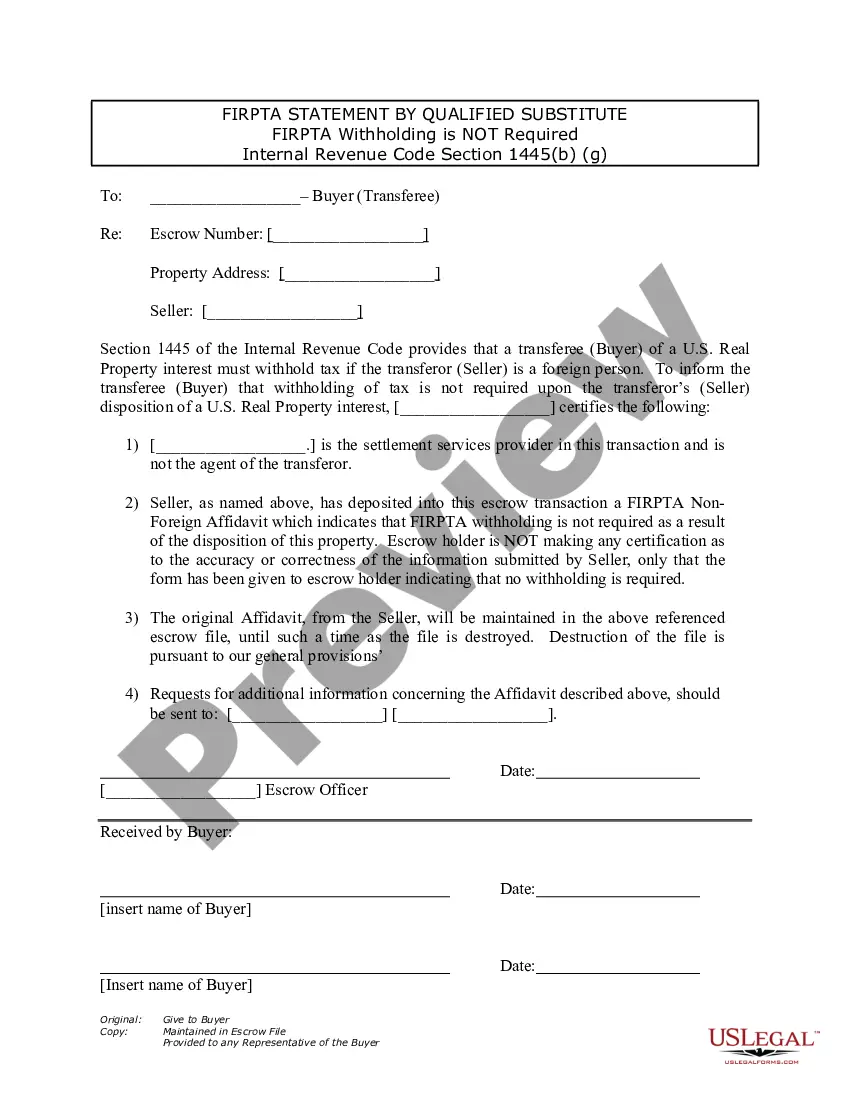
FIRPTA Exemptions The sales price is $300,000 or less, and. The buyer signs affidavit at or before closing stating they intend to use property for personal purposes for at least 50% of time property occupied for the each of the first two 12 month periods immediately after closing.
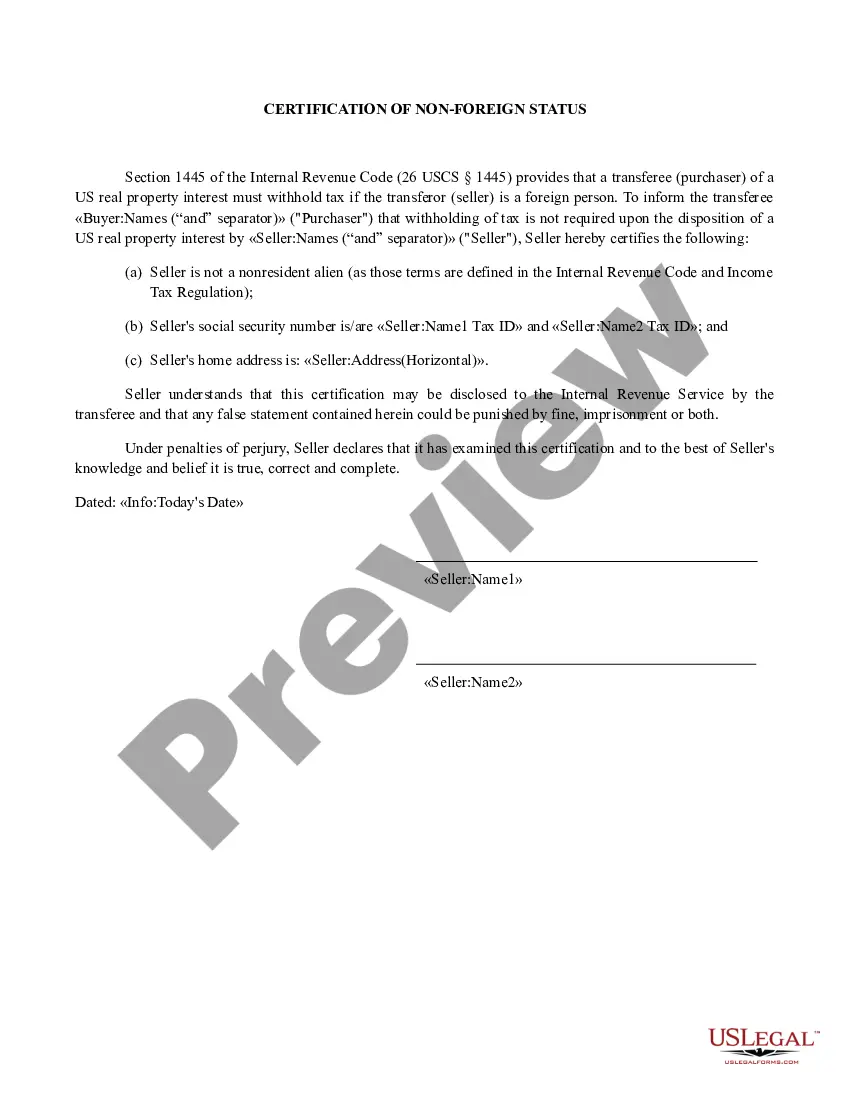
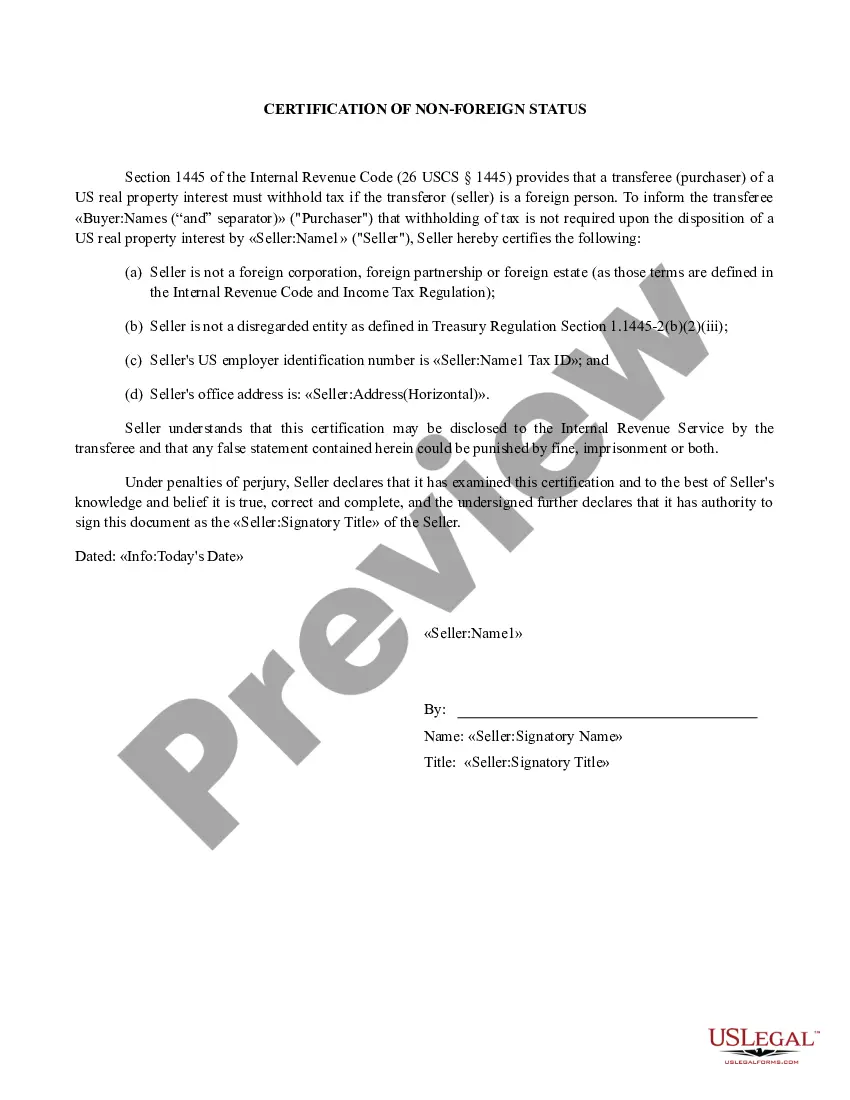
What Is a Certification of Non-Foreign Status? With a Certification of Non-Foreign Status, the seller of real estate is certifying under penalty of perjury, that the seller is not foreign. Therefore, the seller and the transaction will not have the withholding requirements.
This document, included in the seller's opening package, requests that the seller swears under penalty of perjury that they are not a non-resident alien for purposes of United States income taxation. A Seller unable to complete this affidavit may be subject to withholding up to 15%.
A foreign person includes a nonresident alien individual, foreign corporation, foreign partnership, foreign trust, foreign estate, and any other person that is not a U.S. person. It also includes a foreign branch of a U.S. financial institution if the foreign branch is a qualified intermediary.
Persons purchasing U.S. real property interests (transferees) from foreign persons, certain purchasers' agents, and settlement officers are required to withhold 15% (10% for dispositions before February 17, 2016) of the amount realized on the disposition (special rules for foreign corporations).
The disposition of a U.S. real property interest by a foreign person (the transferor) is subject to the Foreign Investment in Real Property Tax Act of 1980 (FIRPTA) income tax withholding. FIRPTA authorized the United States to tax foreign persons on dispositions of U.S. real property interests.
The disposition of a U.S. real property interest by a foreign person (the transferor) is subject to income tax withholding (IRC section 1445). The transferee is the withholding agent.If the transferor is a foreign person and you fail to withhold, you may be held liable for the tax.
You or a member of your family must have definite plans to reside at the property for at least 50% of the number of days the property is used by any person during each of the first two 12-month periods following the date of transfer.