New Hampshire Power of Attorney for Sale of Motor Vehicle
Understanding this form
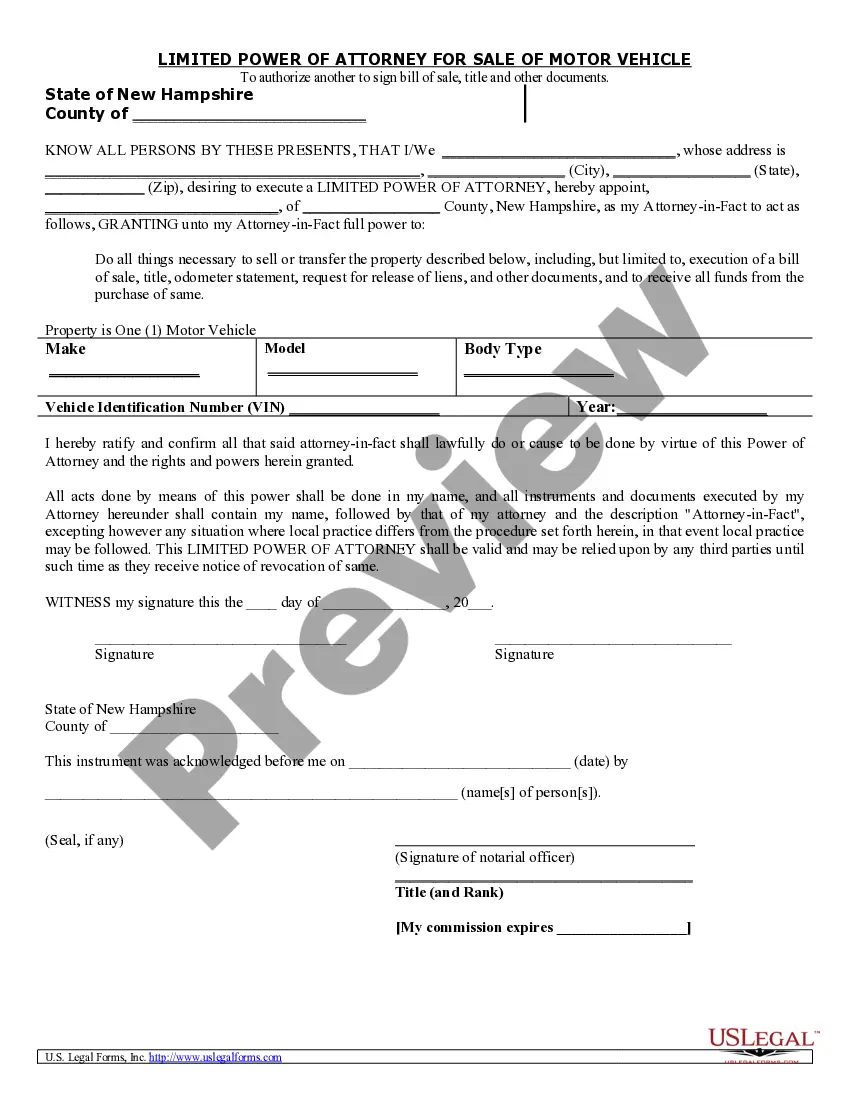
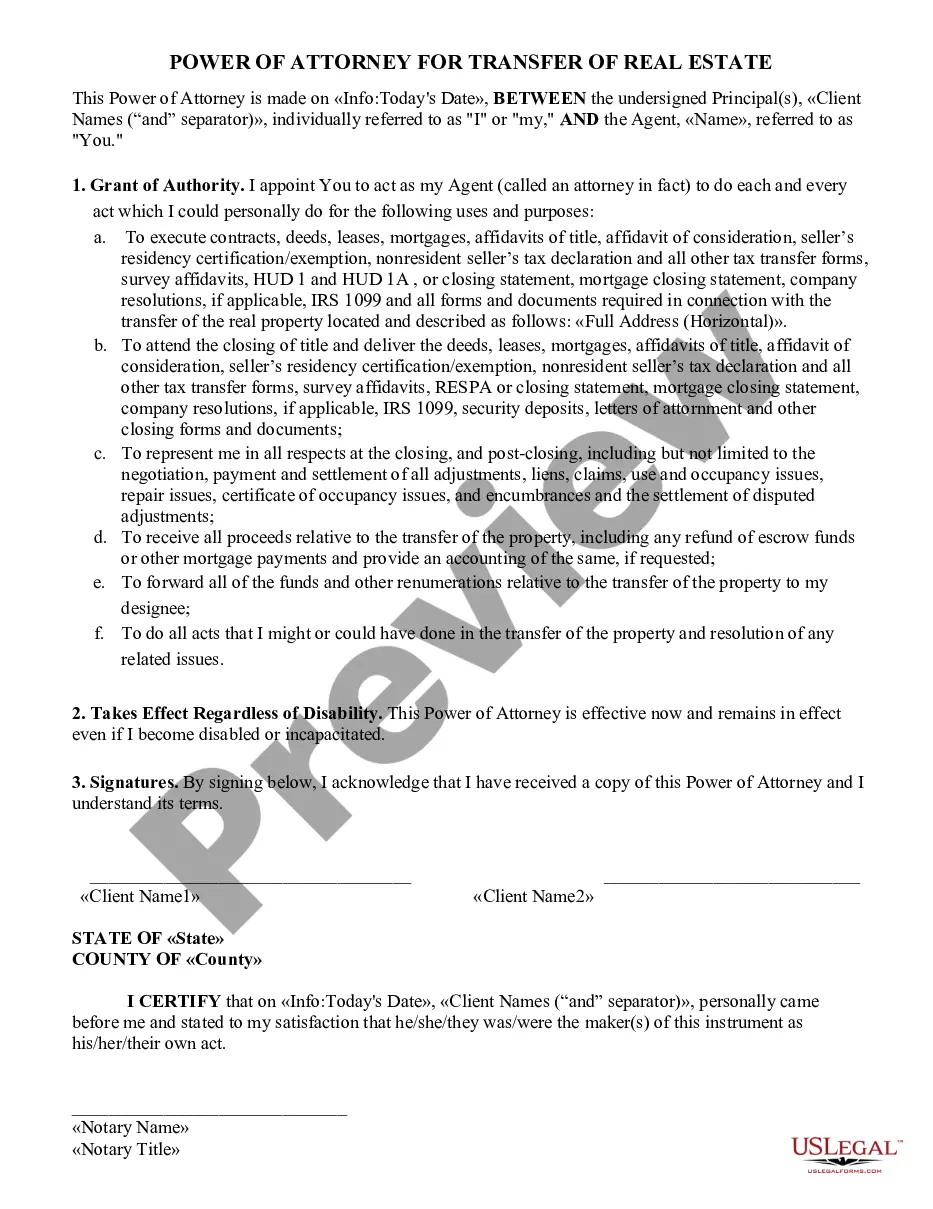
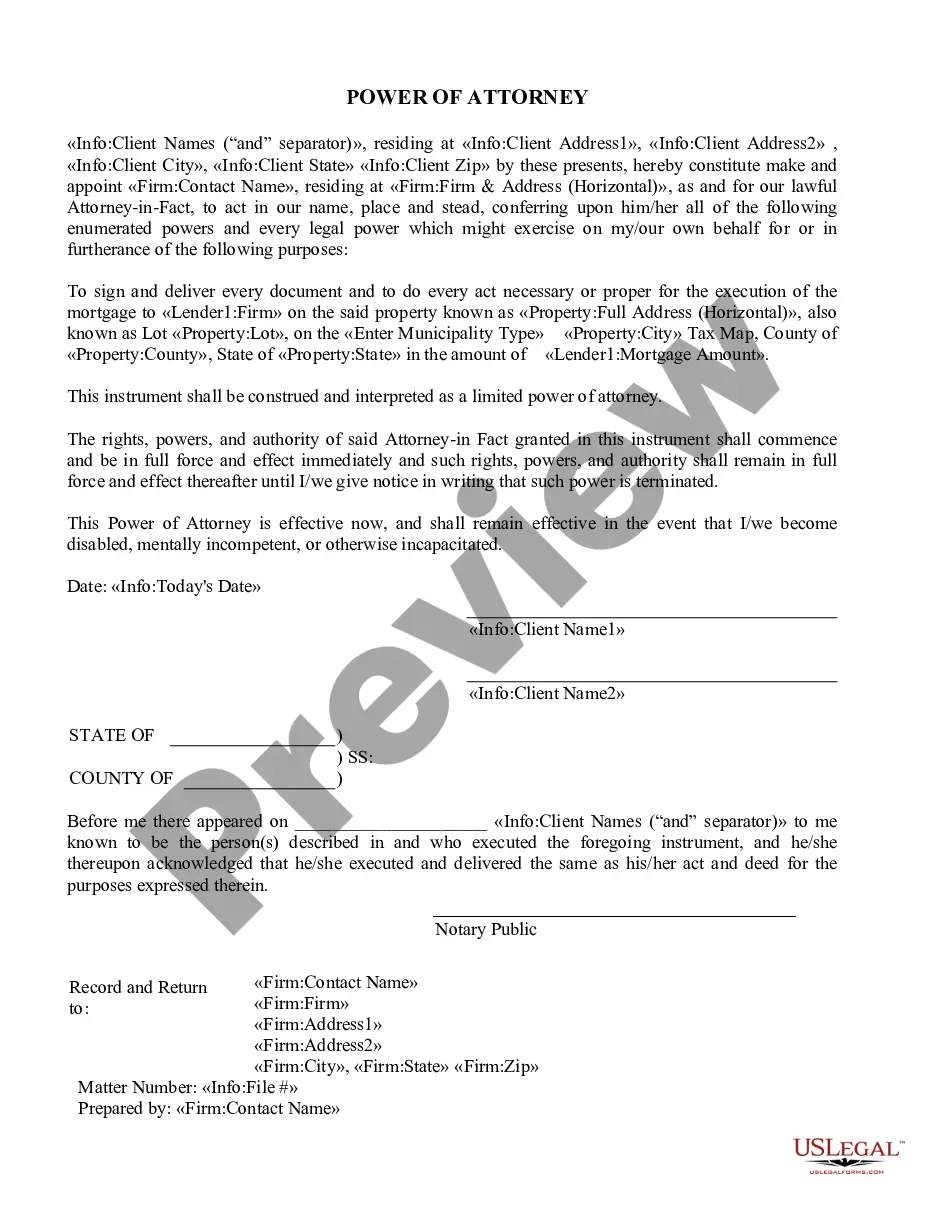
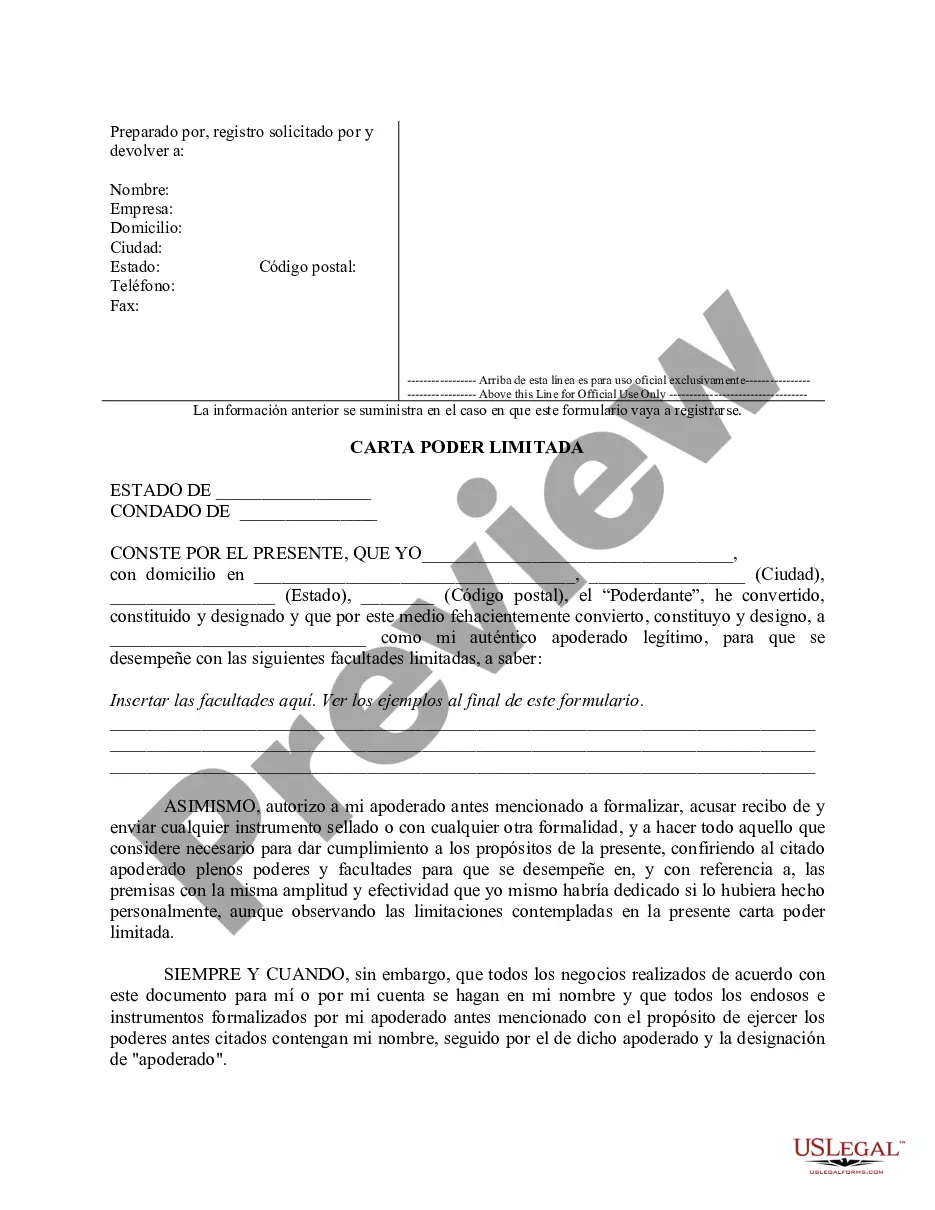
The Power of Attorney for Sale of Motor Vehicle is a legal document that grants authority to an agent to sell or transfer ownership of a motor vehicle on behalf of the owner. This form is specific to motor vehicle sales and differs from general power of attorney forms by its limited scope, focusing solely on the sale process. It allows your chosen agent to handle necessary documentation, including bills of sale and titles, ensuring a smooth transaction.
Main sections of this form
- Identification of the vehicle, including make, model, year, and VIN.
- Appointment of an attorney-in-fact (agent) with specified powers for the sale.
- Explicit authority to execute documents related to the transfer of the vehicle.
- Confirmation of the owner's consent and revocation process.
- State-specific acknowledgment and notary section for validation.
Common use cases
This form should be used when you need to sell a motor vehicle but cannot be present to sign the necessary documents yourself. It is particularly useful in situations where you are out of state, engaged in work that prevents you from handling the sale personally, or if you wish to authorize someone else to handle the sale on your behalf due to convenience or trust.
Who this form is for
This form is intended for:
- Vehicle owners who need to delegate sale authority to a trusted individual.
- Individuals who are unable to be present during the vehicle sale process.
- Anyone wishing to streamline the sale of a motor vehicle through a legal representative.
Steps to complete this form
- Identify the vehicle by entering the make, model, year, and VIN.
- Fill out the owner's full name and address at the top of the document.
- Appoint your attorney-in-fact by writing their name and county.
- Specify the powers granted to the agent regarding the sale of the vehicle.
- Sign and date the form in the presence of a notary public for validation.
Does this document require notarization?
This form needs to be notarized to ensure legal validity. US Legal Forms provides secure online notarization powered by Notarize, allowing you to complete the process through a verified video call, available anytime.
Get your form ready online
Our built-in tools help you complete, sign, share, and store your documents in one place.
Make edits, fill in missing information, and update formatting in US Legal Forms—just like you would in MS Word.
Download a copy, print it, send it by email, or mail it via USPS—whatever works best for your next step.
Sign and collect signatures with our SignNow integration. Send to multiple recipients, set reminders, and more. Go Premium to unlock E-Sign.
If this form requires notarization, complete it online through a secure video call—no need to meet a notary in person or wait for an appointment.
We protect your documents and personal data by following strict security and privacy standards.

Make edits, fill in missing information, and update formatting in US Legal Forms—just like you would in MS Word.

Download a copy, print it, send it by email, or mail it via USPS—whatever works best for your next step.

Sign and collect signatures with our SignNow integration. Send to multiple recipients, set reminders, and more. Go Premium to unlock E-Sign.

If this form requires notarization, complete it online through a secure video call—no need to meet a notary in person or wait for an appointment.

We protect your documents and personal data by following strict security and privacy standards.
Mistakes to watch out for
- Failing to provide complete details about the vehicle being sold.
- Not having the form notarized when required, which can invalidate the document.
- Leaving out the specific powers granted to the attorney-in-fact.
- Not updating the form if there are changes in the vehicle's status or ownership.
Why use this form online
- Convenient access to forms that are easy to download and fill out at your convenience.
- Editability allows you to customize the form to your specific situation.
- Reliability of professionally drafted documents by licensed attorneys tailored for legal compliance.
Summary of main points
- The Power of Attorney for Sale of Motor Vehicle allows you to delegate vehicle sale authority.
- Complete details about the vehicle and your appointed agent are crucial for validity.
- Notarization is required to ensure the document is legally enforceable.
Looking for another form?
Form popularity
FAQ
Acceptable identification. proof of ownership of the new vehicle. proof of valid insurance pink card
Sign the title with the seller. If the vehicle is exempt from having a title, you'll need a bill of sale from the seller. Have the VIN verified. Have proof of insurance. Get a lien release from the seller. Bring all this information, as well as your driver's license, to the county clerk's office.
You only need a New Hampshire bill of sale to register a vehicle if you're registering a title exempt vehicle purchased in a private sale. Otherwise, you need a signed title. You must be prepared to pay the fees associated with registering your vehicle.
The date of the sale. A detailed description of the vehicle, including: Make. Model. Color. Vehicle identification number. Model year. Year of manufacture. Type of body. Name, signature and legal address (no PO Box) of purchaser. Name, signature and legal address (no PO Box) of seller.
You only need a New Hampshire bill of sale to register a vehicle if you're registering a title exempt vehicle purchased in a private sale. Otherwise, you need a signed title. You must be prepared to pay the fees associated with registering your vehicle.
Transfer ownership to the buyer on the reverse side of the title by filling in buyer's name, buyer's address, and current odometer reading. Obtain signatures of seller and buyer. Give the title to the buyer.
Typically, the Purchaser does not need to sign the Bill of Sale. However, some jurisdictions will require the Purchaser to sign the Bill of Sale for some or all forms of transactions. You should check your local laws to verify whether the Purchaser's signature is required for your specific sale.
Transfer ownership to the buyer on the reverse side of the title by filling in buyer's name, buyer's address, and current odometer reading. Obtain signatures of seller and buyer. Give the title to the buyer.
The date of the sale. A detailed description of the vehicle, including: Make. Model. Color. Vehicle identification number. Model year. Year of manufacture. Type of body. Name, signature and legal address (no PO Box) of purchaser. Name, signature and legal address (no PO Box) of seller.