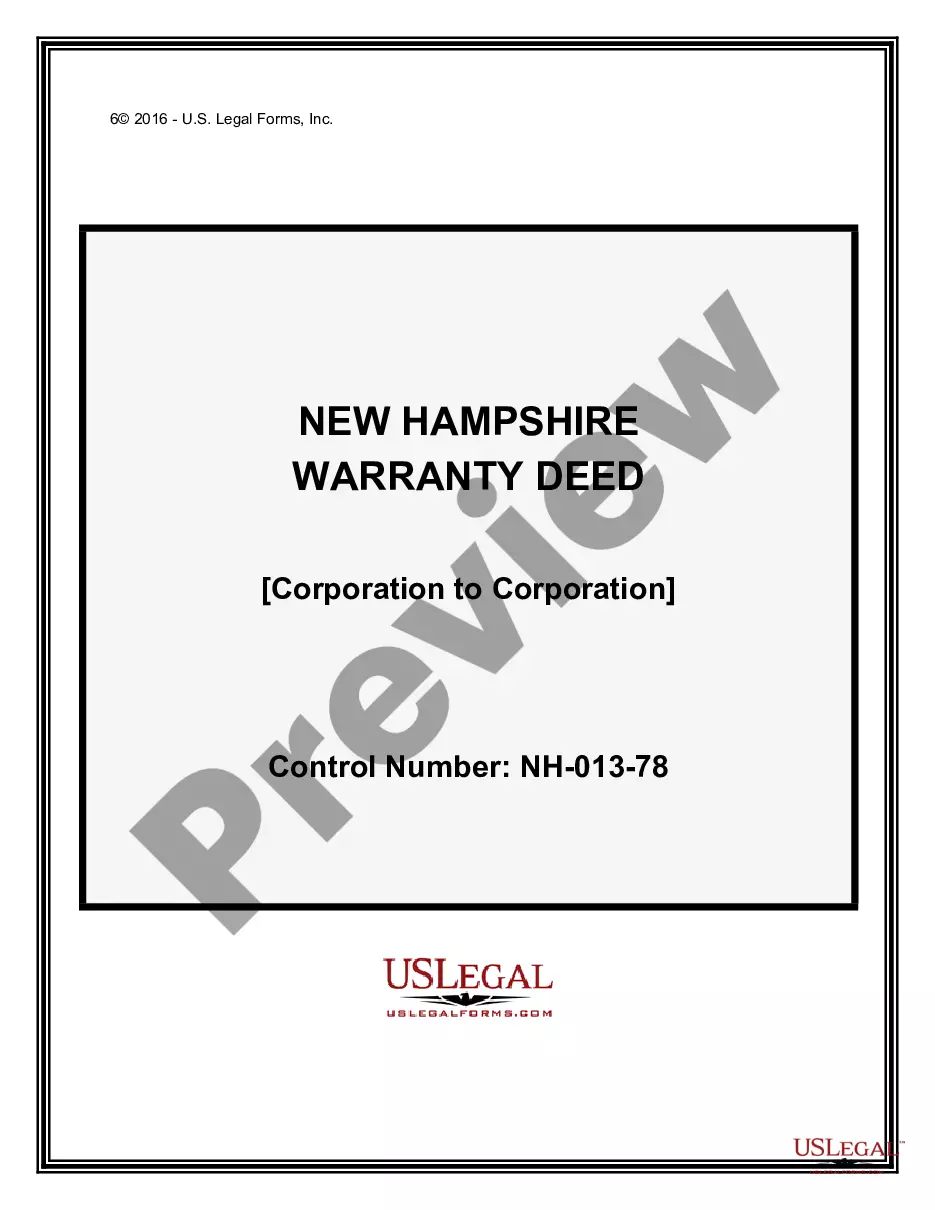
New Hampshire Warranty Deed from Corporation to Corporation
What is this form?
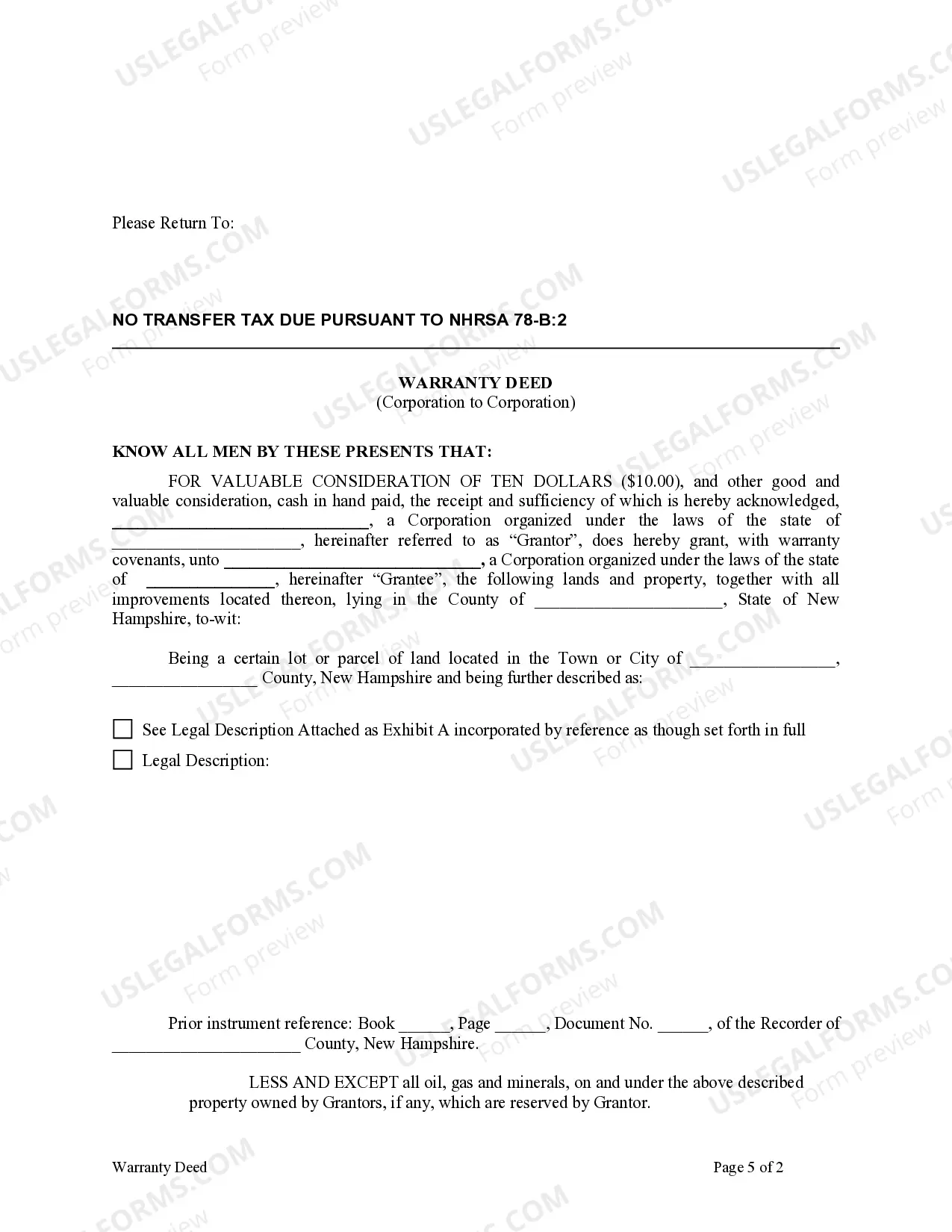
The Warranty Deed from Corporation to Corporation is a legal document in which one corporation (the Grantor) transfers ownership of real property to another corporation (the Grantee). Unlike a standard warranty deed that may involve individuals, this form specifically addresses transactions between businesses. It ensures that the title to the property is conveyed free of any encumbrances, except for specified exceptions like reserved minerals or easements, thereby protecting the interests of the Grantee.
Form components explained
- Parties Involved: Identifies the Grantor (selling corporation) and the Grantee (purchasing corporation).
- Description of Property: Includes a detailed legal description of the property being transferred.
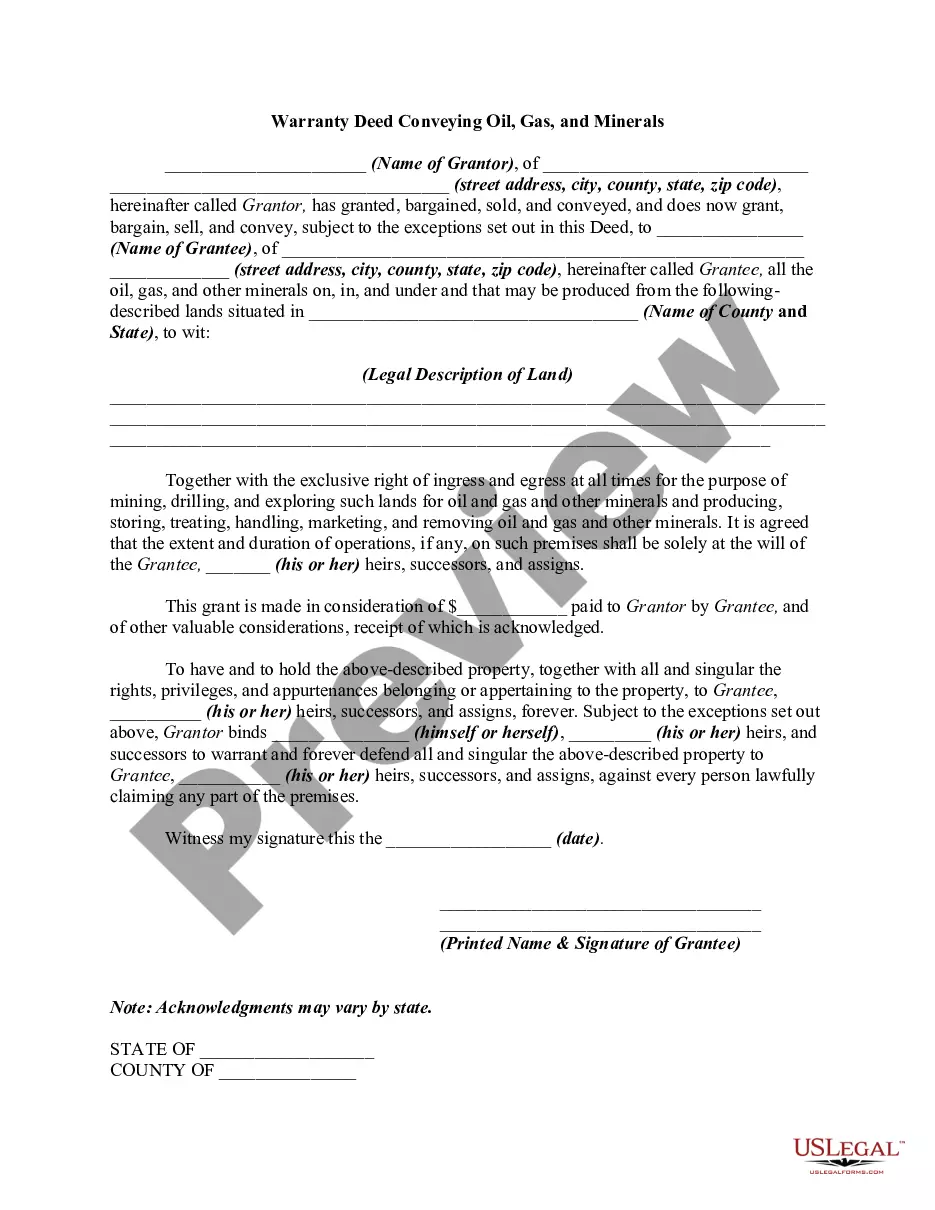
- Reservation Clause: Specifies any reserved rights, such as oil, gas, or mineral rights by the Grantor.
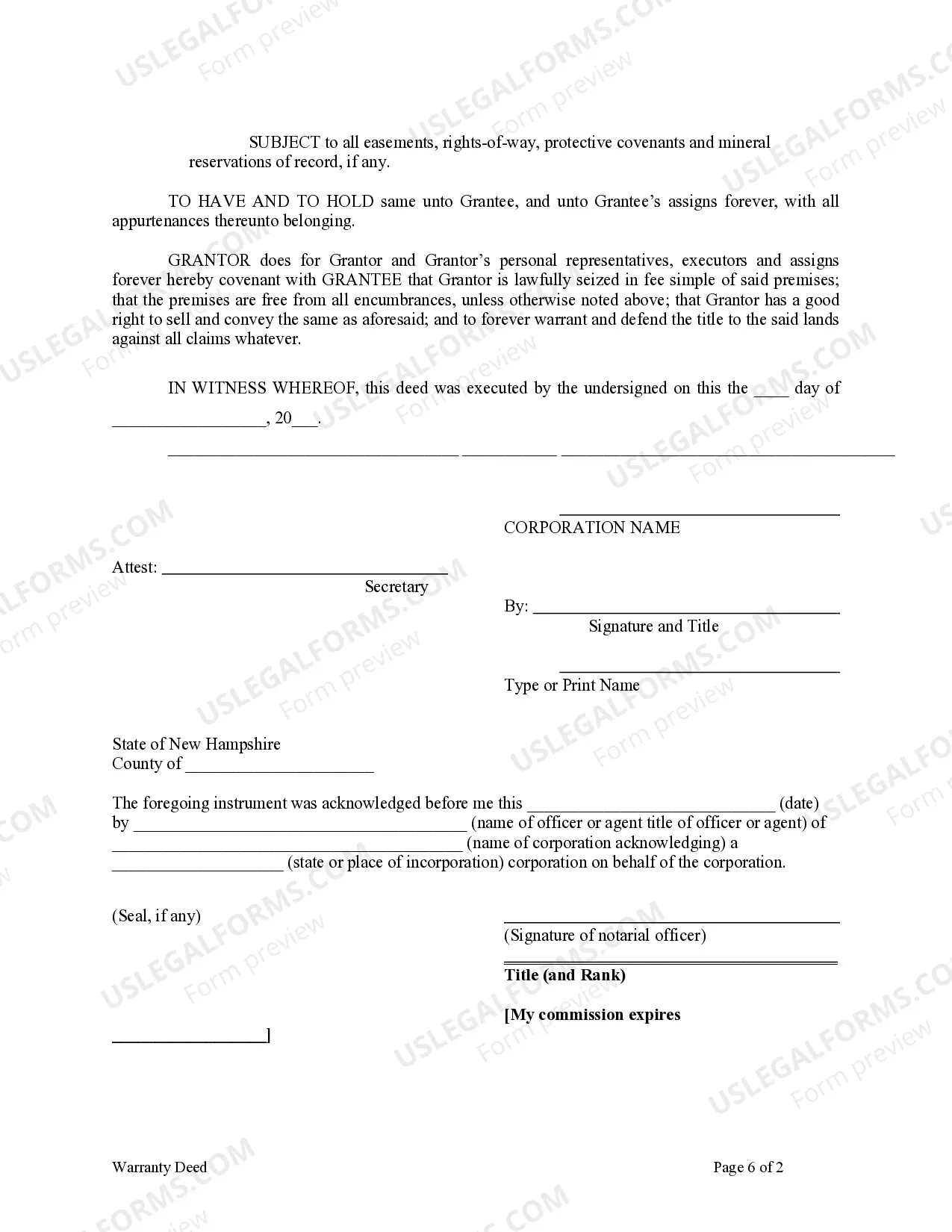
- Covenants: The Grantor agrees to defend the title against claims and affirms lawful ownership.
- Execution: Provides a section for signatures and dates to validate the deed.



When to use this document
This form is necessary when one corporation wishes to transfer ownership of property to another corporation. Typical scenarios include business mergers, acquisitions, or relocations where a corporation needs to change title to its assets, including real estate holdings. It can also be utilized when a corporation divests specific properties to another company as part of its ongoing operations or restructuring efforts.
Intended users of this form
- Corporations engaged in real estate transactions.
- Legal representatives or corporate lawyers facilitating corporate property transfers.
- Accountants or financial advisors advising corporate clients on asset management.
Instructions for completing this form
- Identify the Grantor and Grantee by providing full corporate names.
- Include a detailed legal description of the property being transferred.
- Specify any reservations, such as mineral rights or easements, in the designated section.
- Ensure that both parties sign and date the document in the appropriate areas.
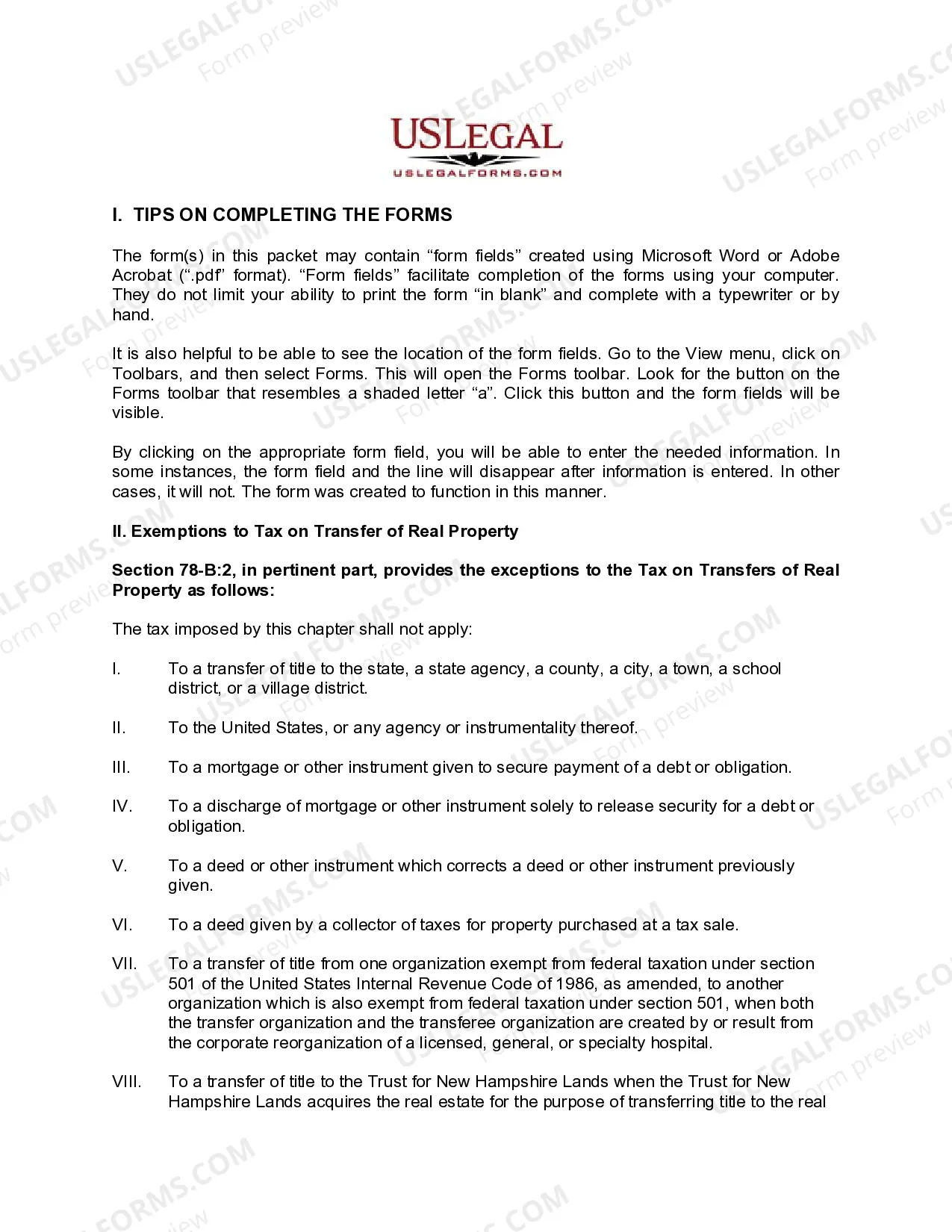
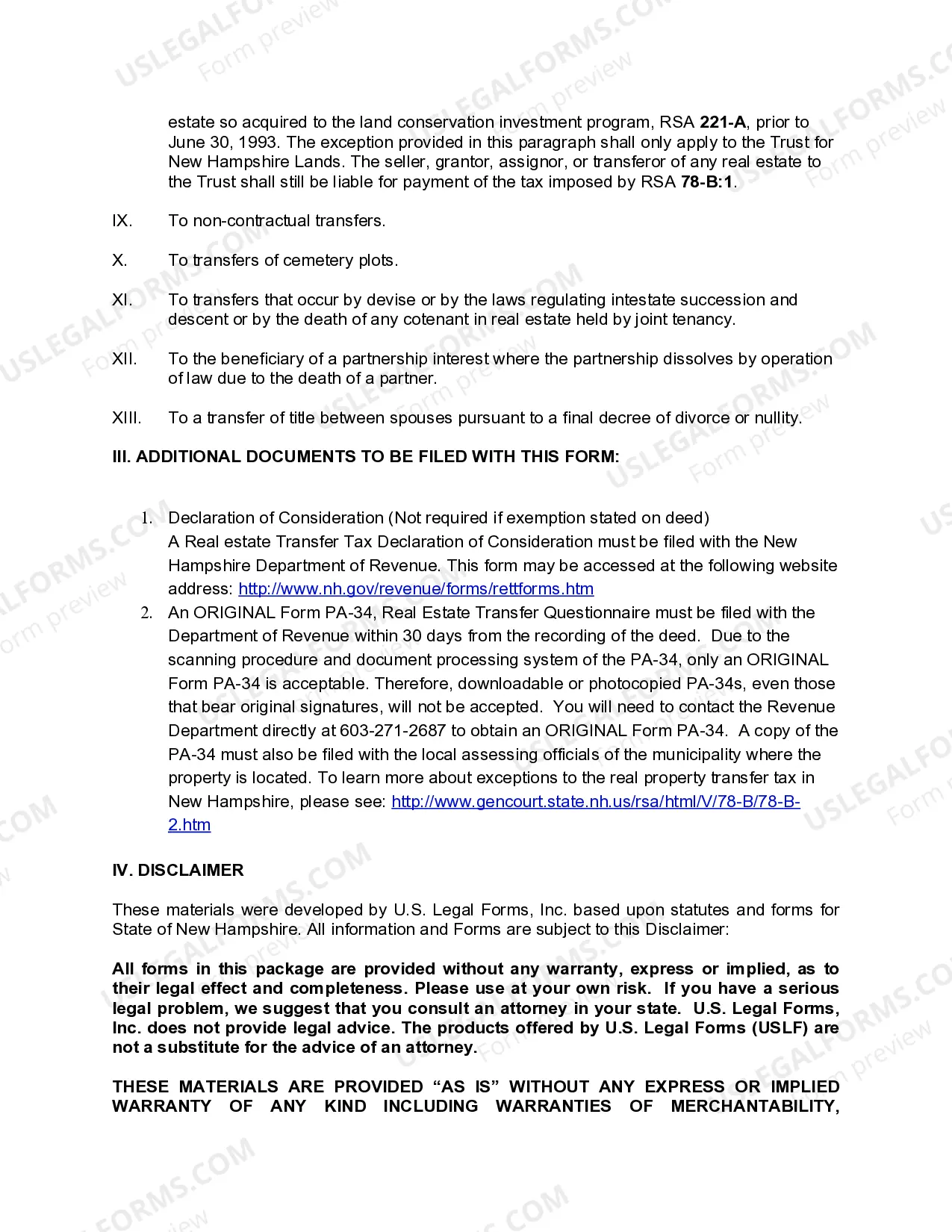
- File any additional required documents, such as the Real Estate Transfer Tax Declaration, with local authorities.
Is notarization required?
This document requires notarization to meet legal standards. US Legal Forms provides secure online notarization powered by Notarize, allowing you to complete the process through a verified video call, available 24/7.
Get your form ready online
Our built-in tools help you complete, sign, share, and store your documents in one place.
Make edits, fill in missing information, and update formatting in US Legal Forms—just like you would in MS Word.
Download a copy, print it, send it by email, or mail it via USPS—whatever works best for your next step.
Sign and collect signatures with our SignNow integration. Send to multiple recipients, set reminders, and more. Go Premium to unlock E-Sign.
If this form requires notarization, complete it online through a secure video call—no need to meet a notary in person or wait for an appointment.
We protect your documents and personal data by following strict security and privacy standards.

Make edits, fill in missing information, and update formatting in US Legal Forms—just like you would in MS Word.

Download a copy, print it, send it by email, or mail it via USPS—whatever works best for your next step.

Sign and collect signatures with our SignNow integration. Send to multiple recipients, set reminders, and more. Go Premium to unlock E-Sign.

If this form requires notarization, complete it online through a secure video call—no need to meet a notary in person or wait for an appointment.

We protect your documents and personal data by following strict security and privacy standards.
Typical mistakes to avoid
- Failing to include a complete legal description of the property, which can render the deed invalid.
- Not specifying reservations or exceptions, leading to potential disputes over property rights.
- Missing signatures or dates, which are crucial for the legality of the deed.
Benefits of completing this form online
- Immediate access to professionally drafted forms tailored to legal standards.
- Easy completion using digital tools for accuracy and efficiency.
- Save time and reduce the need for in-person visits to legal offices.
Looking for another form?
Form popularity
FAQ
Amherst. Antrim. Bedford. Bennington. Brookline. Deering. Francestown. Goffstown.
Apollo Beach. Balm. Bloomingdale. Brandon. Carrollwood. Egypt Lake-Leto CDP. Fish Hawk. Gibsonton. Keystone. Lake Magdalene. Palm River-Clair Mel CDP. Pebble Creek. Plant City Progress Village. Riverview. Tampa Temple Terrace Thonotosassa. Town n Country.
Deeds can be obtained at the Strafford County Registry of Deeds. Their website is www.nhdeeds.com. They can also be contacted at Strafford County Registry of Deeds, 259 County Farm Road, Suite 202, Dover, NH 03820, (603) 742-1741. Most deeds are also available in the Assessing Office.
Signing - According to New Hampshire Law (§ 477:3) the Grantor must sign the quit claim deed in the presence of a Notary Public. Recording - Once notarized, the quit claim deed must be filed with the County Recorder's Office in the city or county where the property is located.
But you might be wondering if an owner can transfer a deed to another person without a real estate lawyer. The answer is yes. Parties to a transaction are always free to prepare their own deeds.A quitclaim deed, for example, is far simpler than a warranty deed.
They are commonly used to add/remove someone to/from real estate title or deed (divorce, name changes, family and trust transfers). The quitclaim deed is a legal document (deed) used to transfer interest in real estate from one person or entity (grantor) to another (grantee).
15 Communities to Call Home. The Granite State is filled with great places to call home. Portsmouth. (pop. Londonderry. (pop. Amherst. (pop. Exeter. (pop. Wolfeboro. (pop. Hanover. (pop. Dover. (pop.
A Quitclaim Deed must be notarized by a notary public or attorney in order to be valid.Consideration in a Quitclaim Deed is what the Grantee will pay to the Grantor for the interest in the property.
Signing - According to New Hampshire Law (§ 477:3) the Grantor must sign the quit claim deed in the presence of a Notary Public. Recording - Once notarized, the quit claim deed must be filed with the County Recorder's Office in the city or county where the property is located.