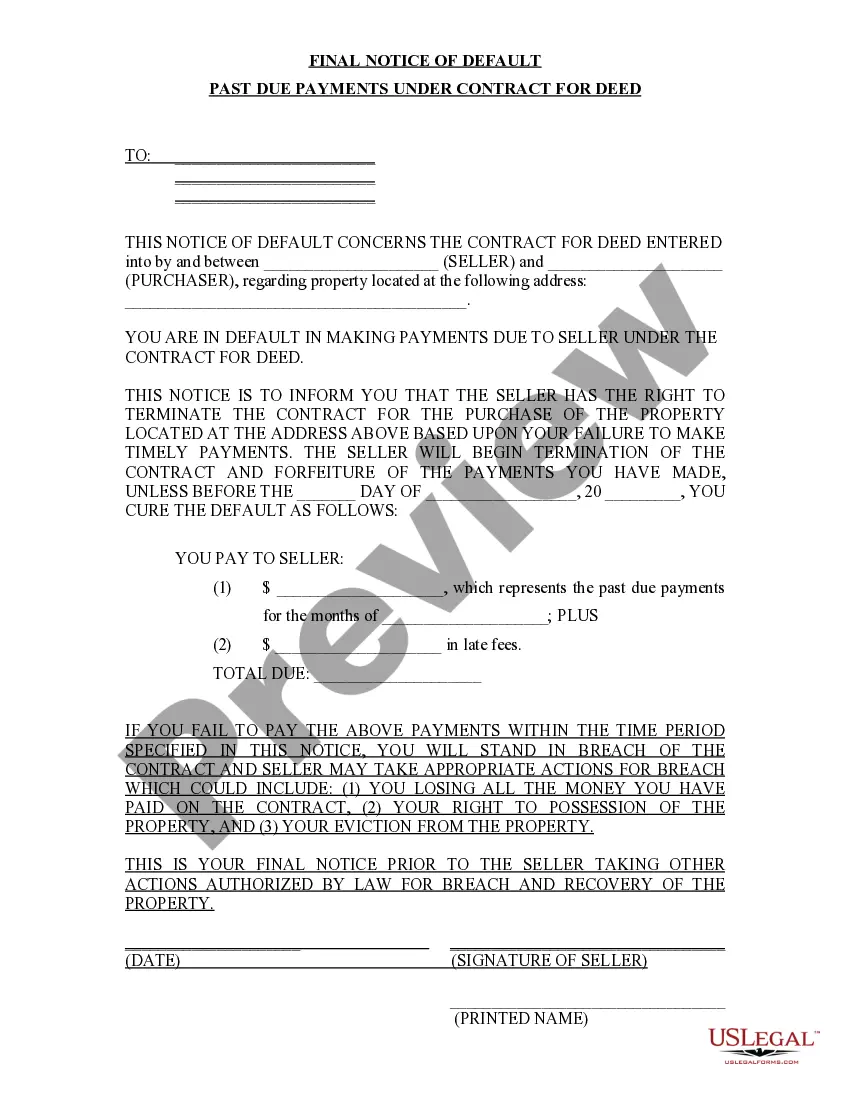
Nebraska Final Notice of Default for Past Due Payments in connection with Contract for Deed
Understanding this form
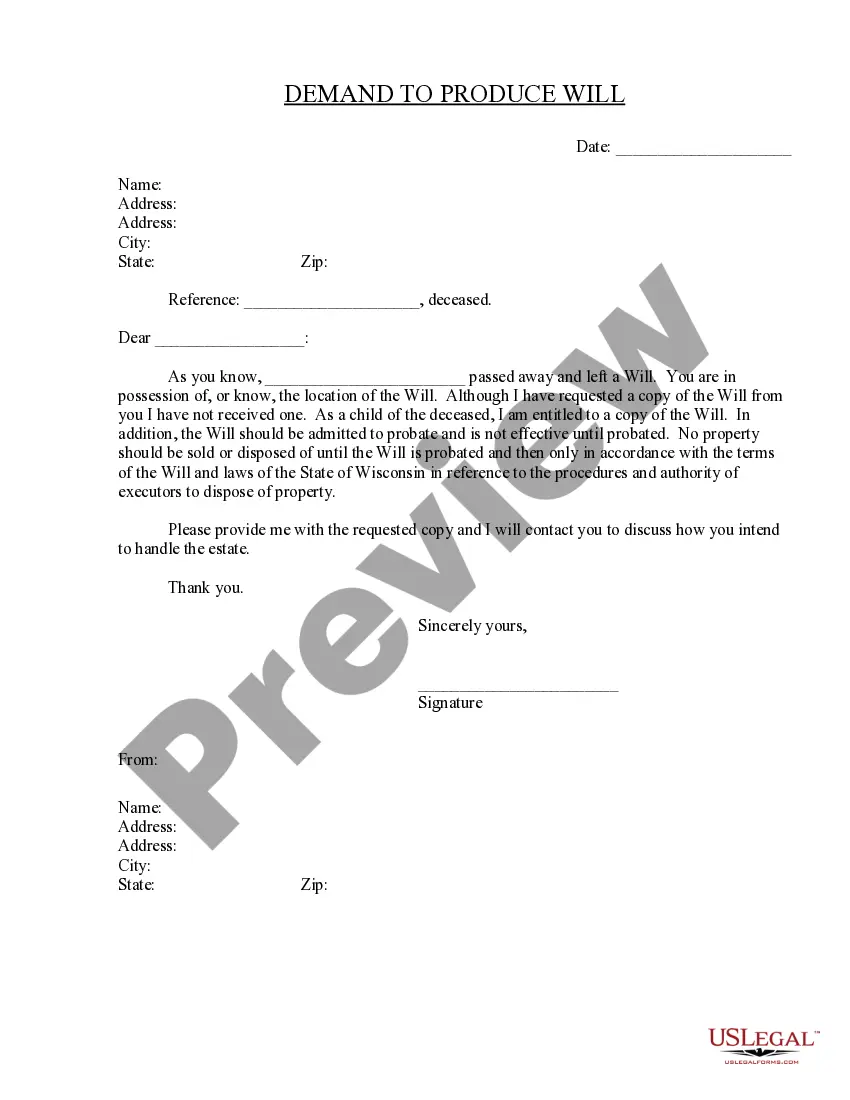
The Final Notice of Default for Past Due Payments in connection with Contract for Deed is a legal document that notifies the purchaser of their failure to make timely payments on a property being purchased through a contract for deed. This notice serves as the last opportunity for the purchaser to rectify the situation before the seller takes further action that could lead to the termination of the contract and forfeiture of any payments made.
Form components explained
- Identification of the seller and purchaser.
- Property address related to the contract for deed.
- Details on the default, including the amount past due and any late fees.
- Deadline by which the purchaser must cure the default to avoid contract termination.
- Consequences of failing to address the default.
- Signature section for the seller to confirm the notice was given.
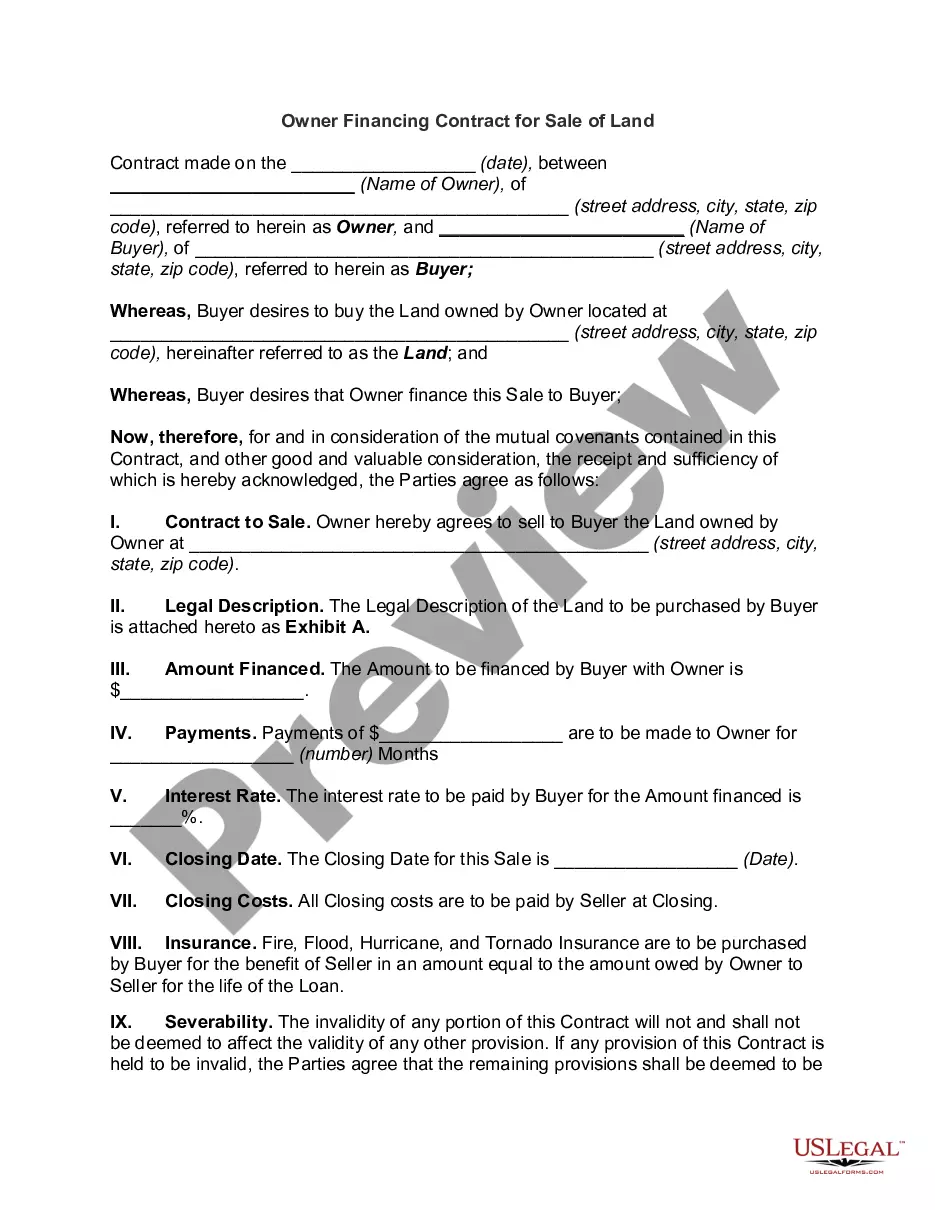
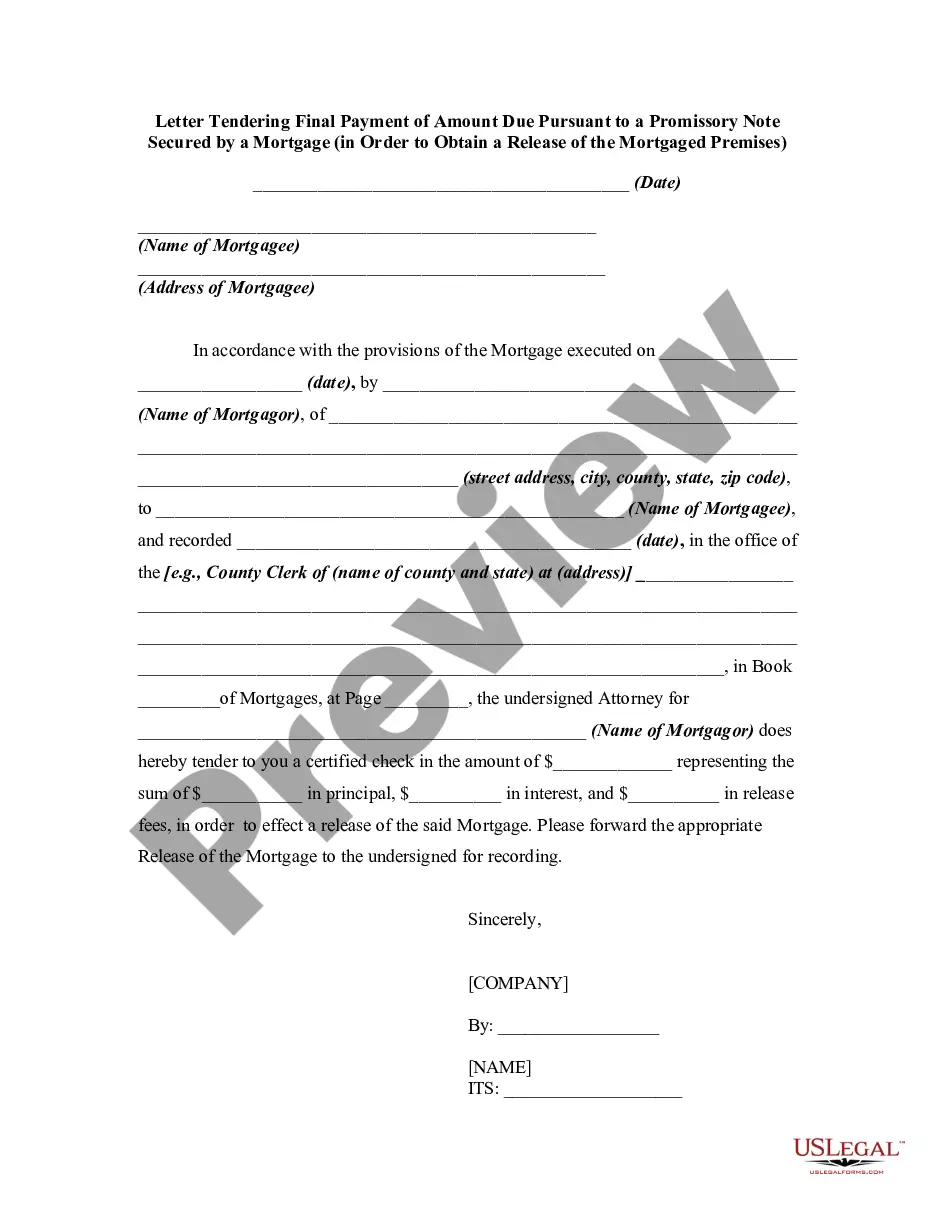
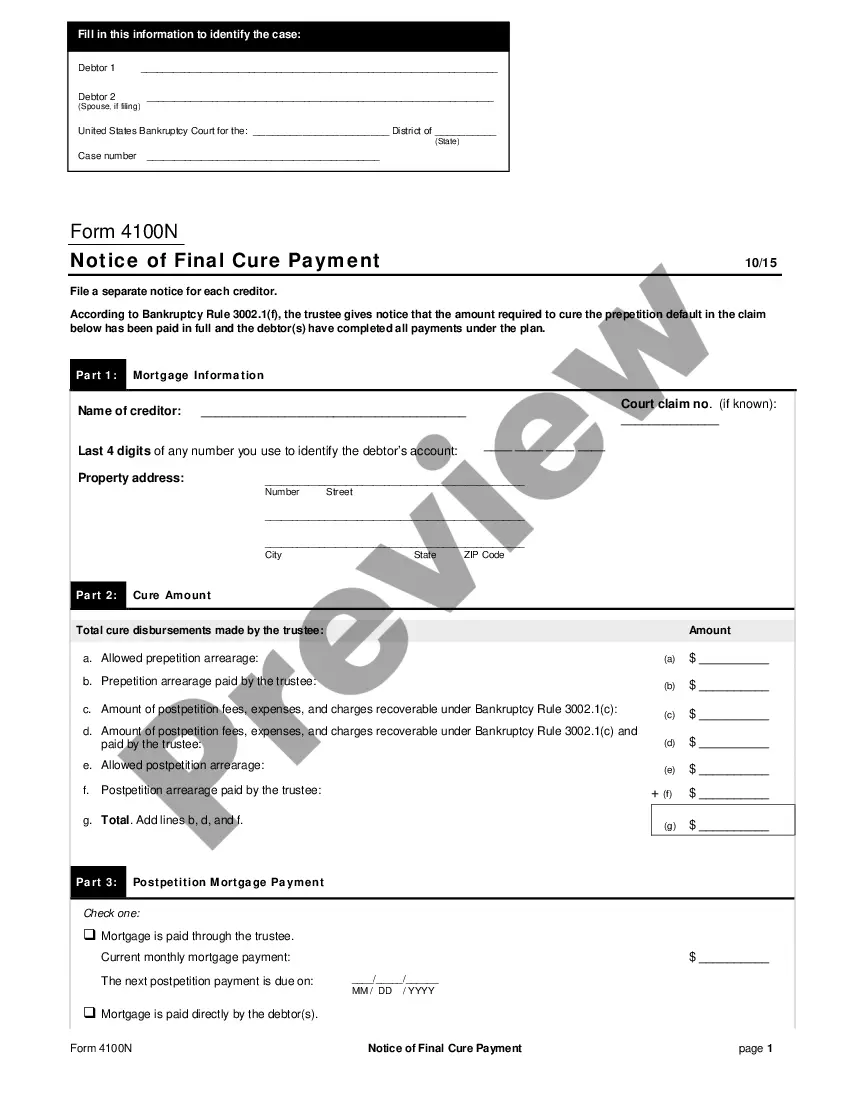
When this form is needed
This form is utilized when a purchaser under a contract for deed has fallen behind on their payments. It is particularly important to use this final notice to formally document the default and provide the purchaser an opportunity to make the necessary payments to avoid losing the contract and possibly the property. This step is crucial before any legal action can be taken by the seller to terminate the contract.
Who needs this form
- Sellers who have entered into a contract for deed.
- Purchasers who have failed to make timely payments as per the contract.
- Property owners who are considering taking legal action regarding unpaid debts under a contract for deed.
Completing this form step by step
- Identify the seller and purchaser by entering their names in the designated fields.
- Specify the property address related to the contract for deed.
- Clearly state the overdue payment amount and any applicable late fees.
- Set a deadline by which the purchaser must rectify the default.
- Include the seller's signature and printed name to validate the notice.
Does this document require notarization?
This form must be notarized to be legally valid. US Legal Forms provides secure online notarization powered by Notarize, allowing you to complete the process through a verified video call.
Get your form ready online
Our built-in tools help you complete, sign, share, and store your documents in one place.
Make edits, fill in missing information, and update formatting in US Legal Forms—just like you would in MS Word.
Download a copy, print it, send it by email, or mail it via USPS—whatever works best for your next step.
Sign and collect signatures with our SignNow integration. Send to multiple recipients, set reminders, and more. Go Premium to unlock E-Sign.
If this form requires notarization, complete it online through a secure video call—no need to meet a notary in person or wait for an appointment.
We protect your documents and personal data by following strict security and privacy standards.

Make edits, fill in missing information, and update formatting in US Legal Forms—just like you would in MS Word.

Download a copy, print it, send it by email, or mail it via USPS—whatever works best for your next step.

Sign and collect signatures with our SignNow integration. Send to multiple recipients, set reminders, and more. Go Premium to unlock E-Sign.

If this form requires notarization, complete it online through a secure video call—no need to meet a notary in person or wait for an appointment.

We protect your documents and personal data by following strict security and privacy standards.
Avoid these common issues
- Failing to provide accurate information regarding the payment amounts due.
- Not setting clear deadlines for payment resolution.
- Omitting the property address or misidentifying the seller and purchaser.
Why use this form online
- Convenience of downloading and completing the form from anywhere.
- Quick access to expert-drafted legal language ensuring compliance.
- Editable format to tailor the notice to specific circumstances.
Legal use & context
- This notice serves as a formal legal document that outlines the seller's intent to take action in case of payment default.
- It is essential to follow local laws governing contracts for deed to ensure enforceability.
- A properly completed Final Notice of Default helps in establishing a legal basis for recovery of the property if the purchaser fails to meet payment obligations.
Main things to remember
- The Final Notice of Default for Past Due Payments is a critical step for sellers managing defaults on contract for deed payments.
- Providing a clear and timely notice allows the purchaser an opportunity to avoid further legal action.
- Always ensure compliance with local laws when issuing such notices.
Looking for another form?
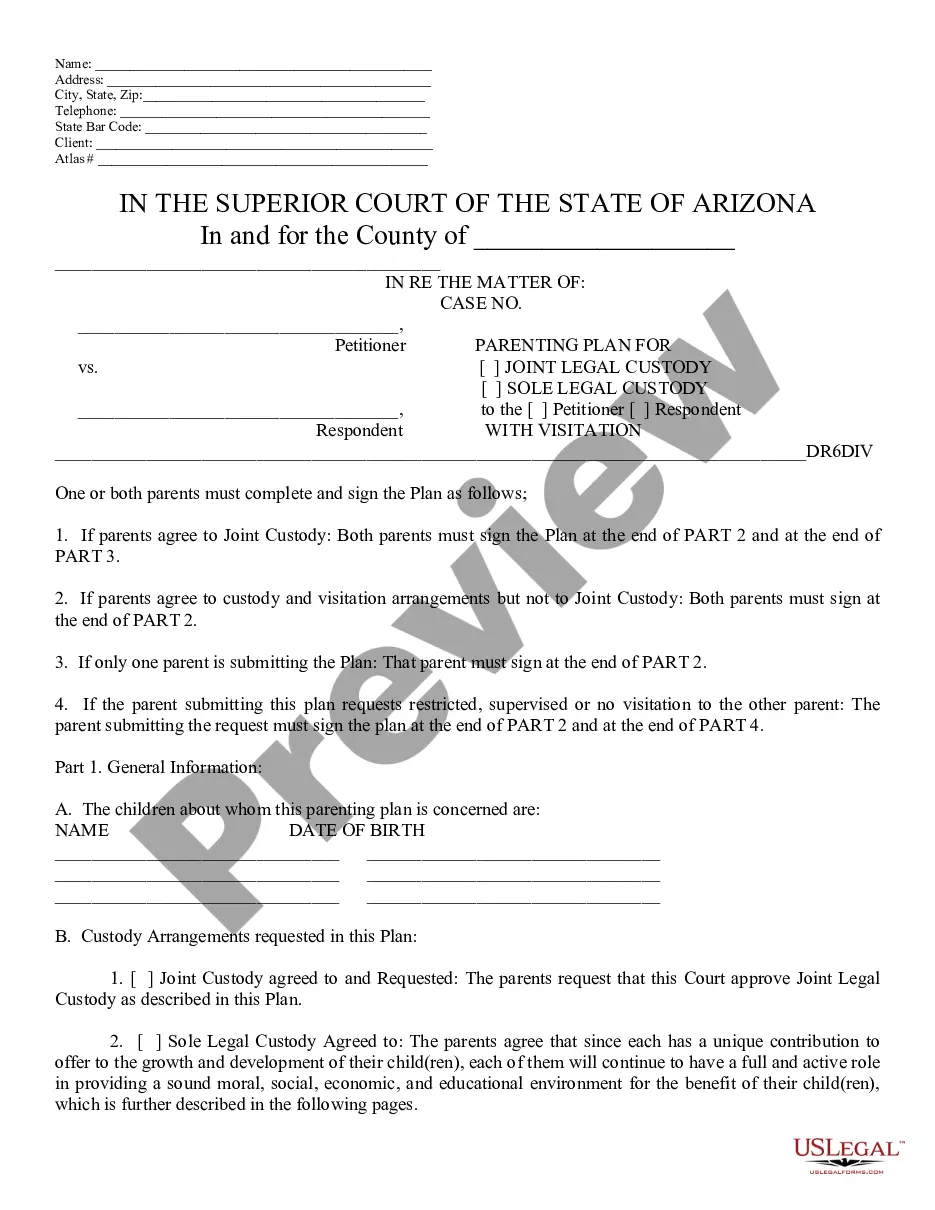
Form popularity
FAQ
When an account is considered past due, that means the minimum required payment was not applied to the account as of the last payment due date. Your account technically becomes past due the moment after you miss the payment. Some credit card issuers immediately apply a late fee to your credit card.
To request payment professionally, it's important to first make sure there was no error or miscommunication about the invoice. Send a polite email to your client explaining that the payment is now past due and ask to make sure they received the initial invoice and there were no problems with it.
Your company name and address. recipient's name and address. today's date. a clear reference and/or any account reference numbers. the amount outstanding. original payment due date. a brief explanation that no payment has been received.
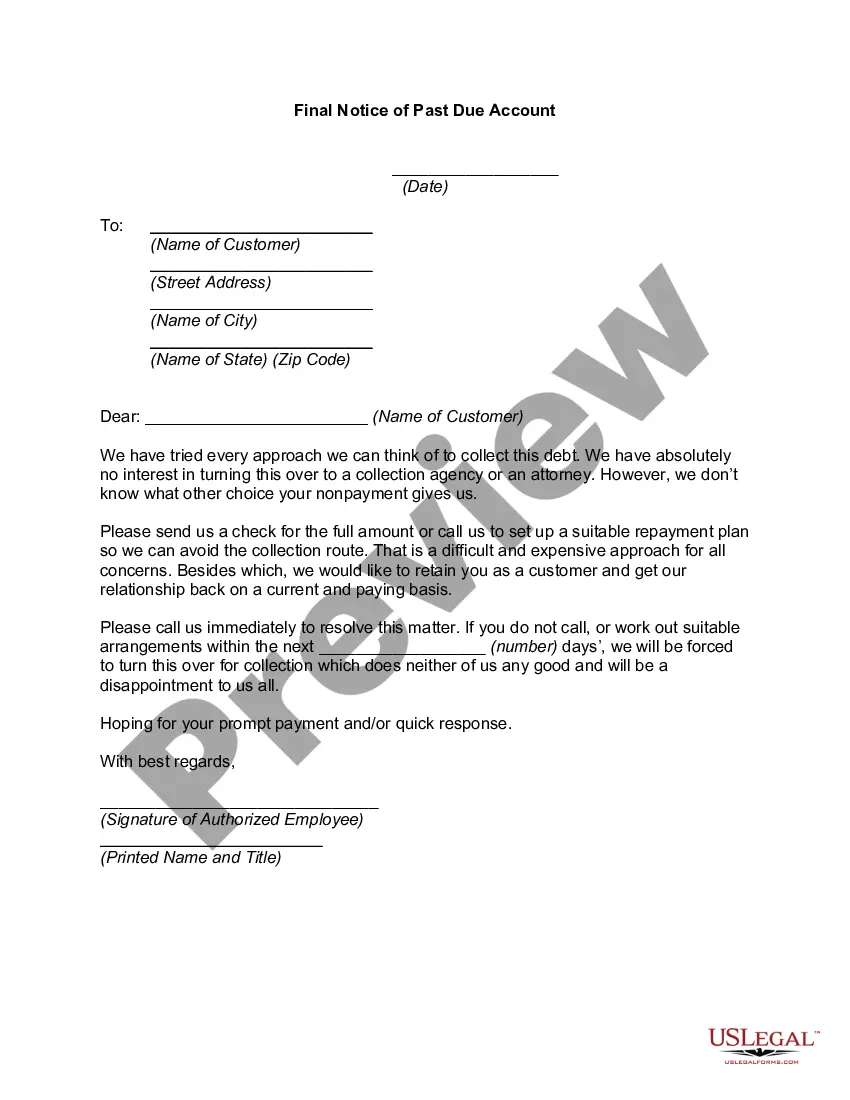
Final Notice Letter should be very formal with all relevant fields like address of the receiver, date, address of the sender, salutation, body of the letter and full signature of the sender written in proper order.