North Dakota Landlord Tenant Eviction / Unlawful Detainer Forms Package
About this form package
The North Dakota Landlord Tenant Eviction / Unlawful Detainer Forms Package provides essential forms specifically designed for landlords looking to evict a tenant. This package includes downloadable legal documents that comply with North Dakota state law, ensuring that the eviction process is conducted correctly. It differs from other packages by focusing on the specific forms required for both residential and commercial properties in the state, making it an invaluable resource for landlords needing to navigate eviction proceedings lawfully.
Forms provided in this package
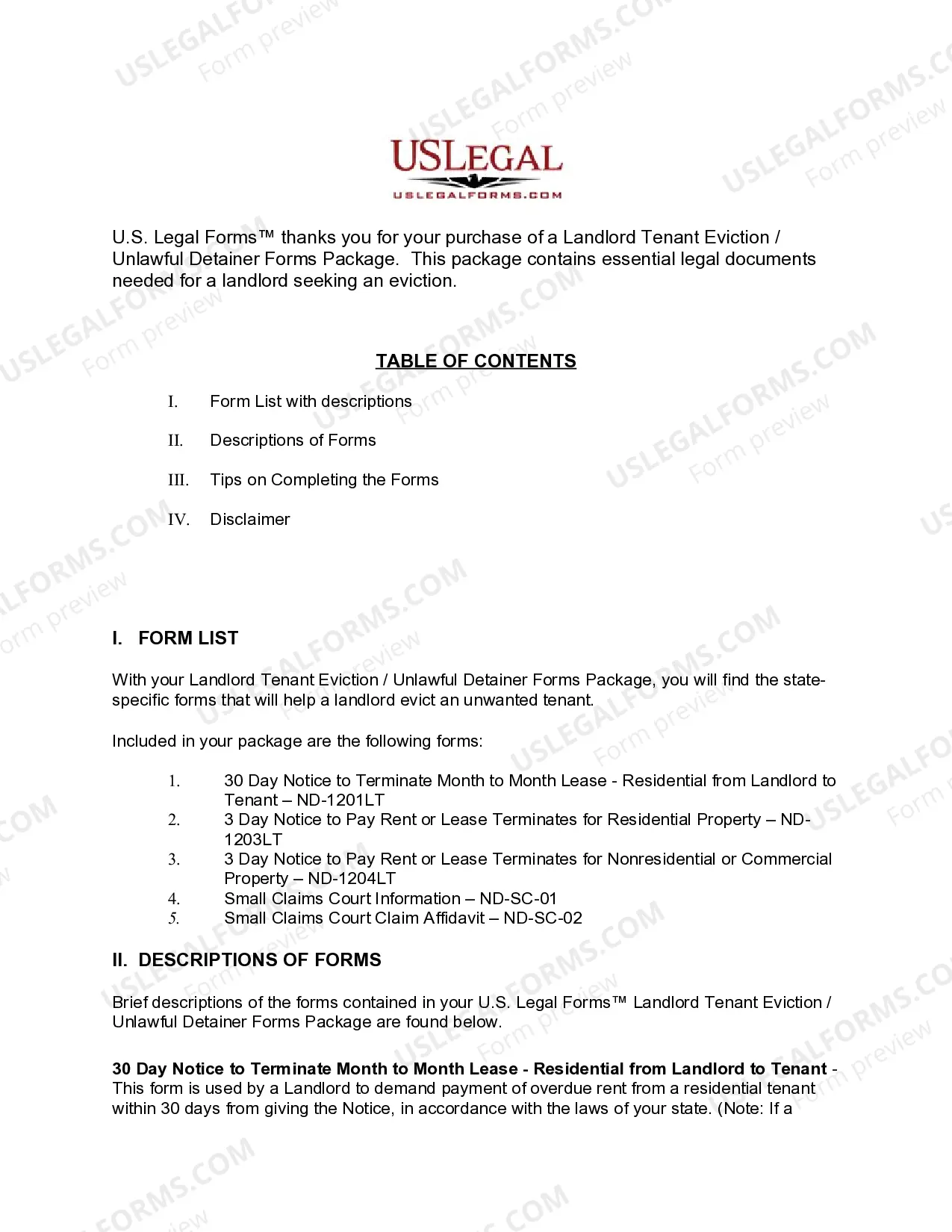
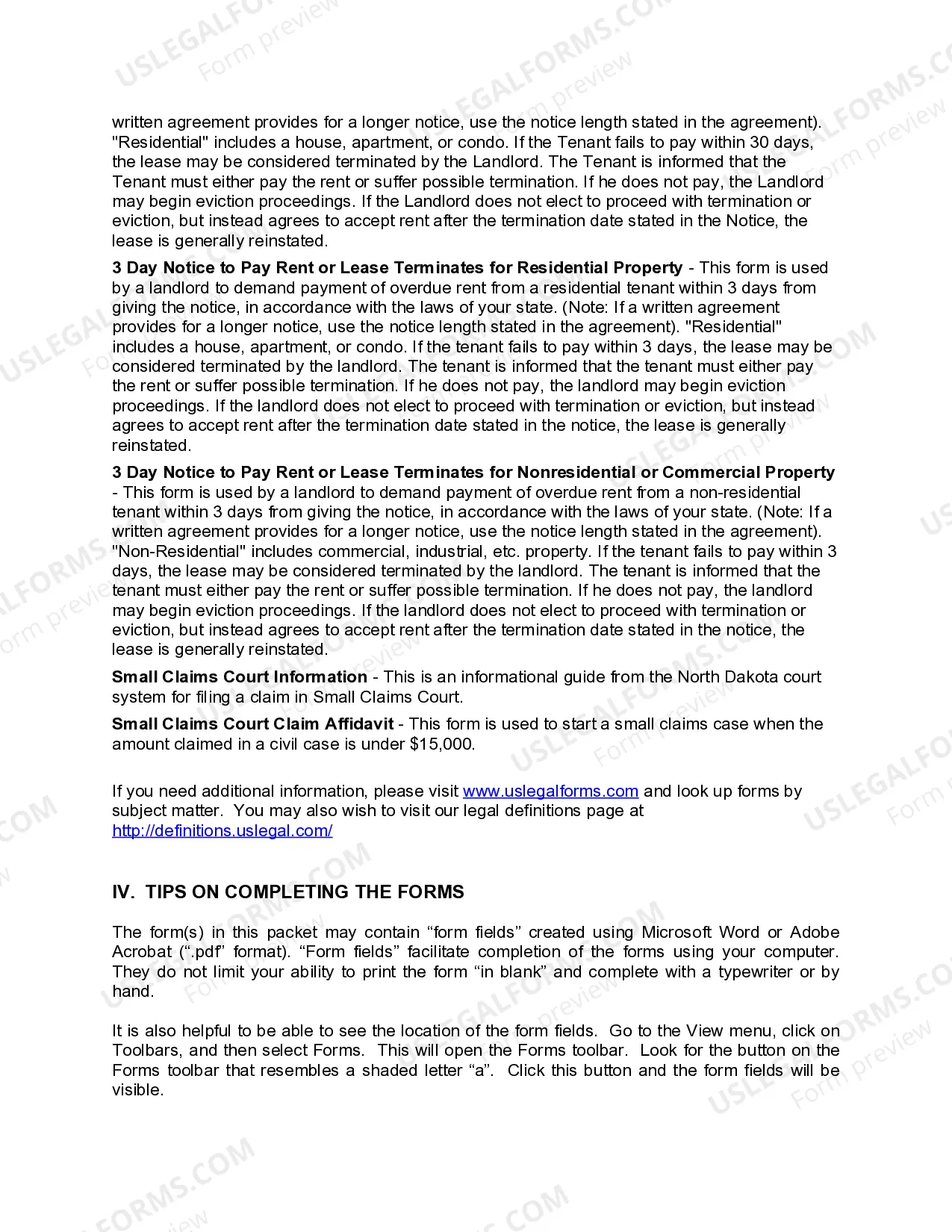
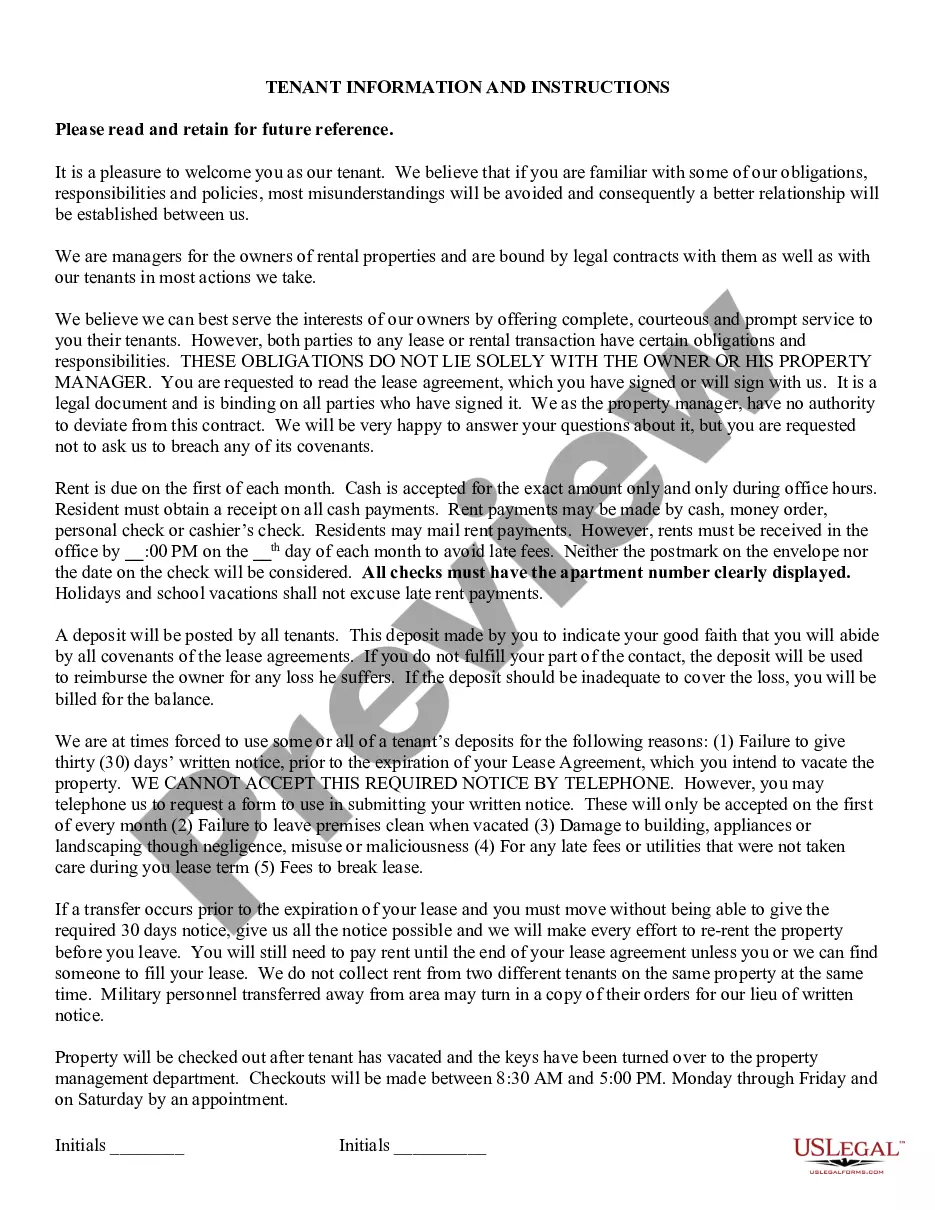
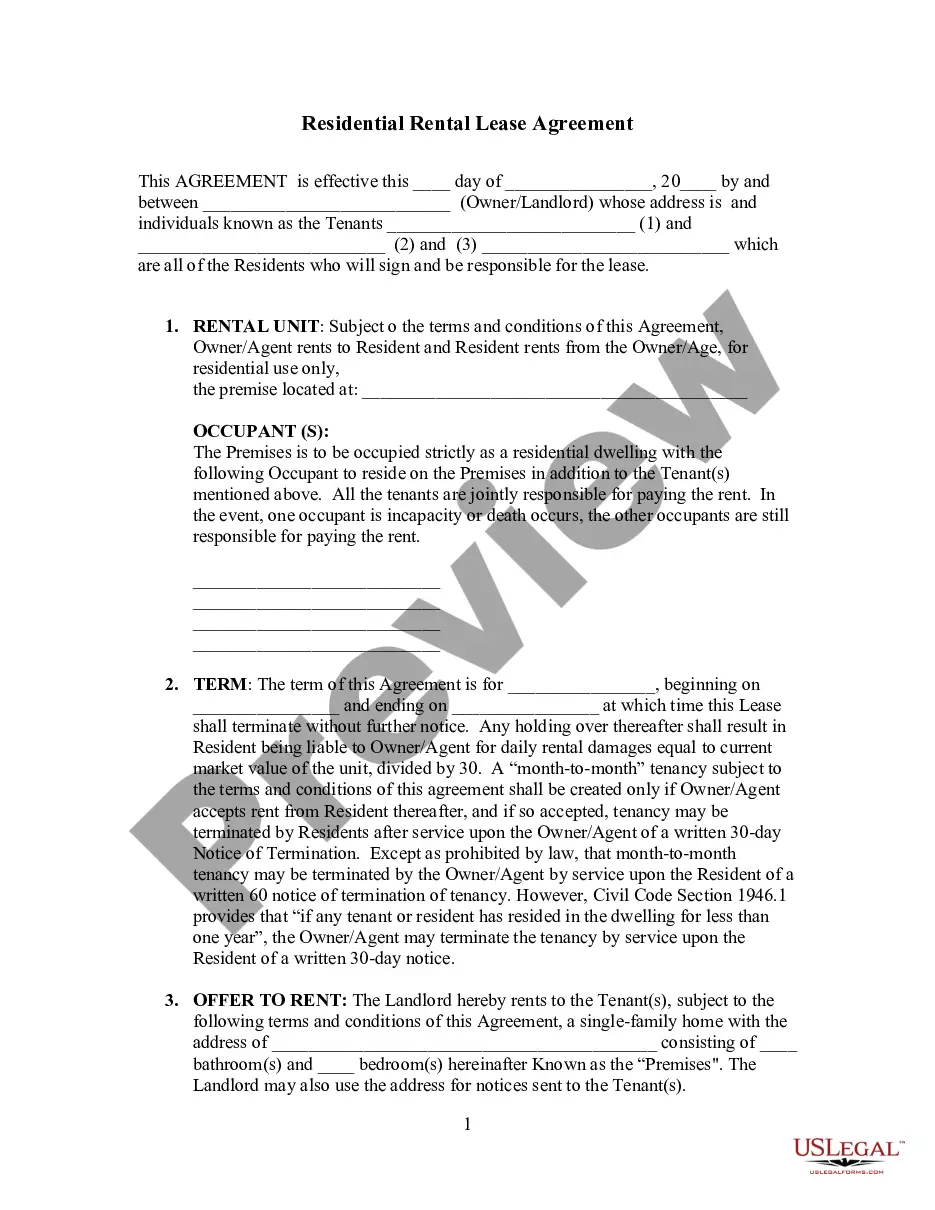
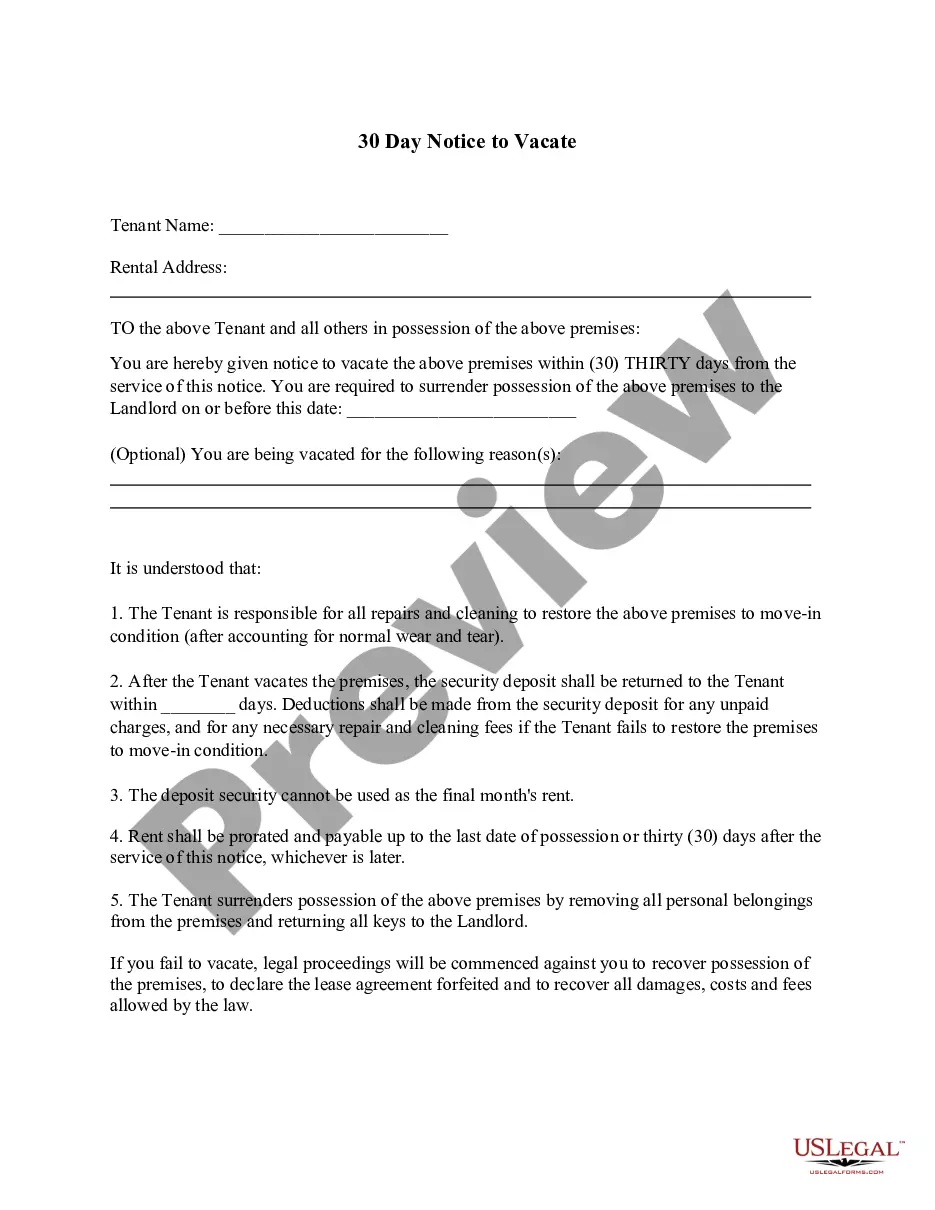
- 30 Day Notice to Terminate Month to Month Lease - Residential from Landlord to Tenant
- 3 Day Notice to Pay Rent or Lease Terminates for Residential Property
- 3 Day Notice to Pay Rent or Lease Terminates for Nonresidential or Commercial Property
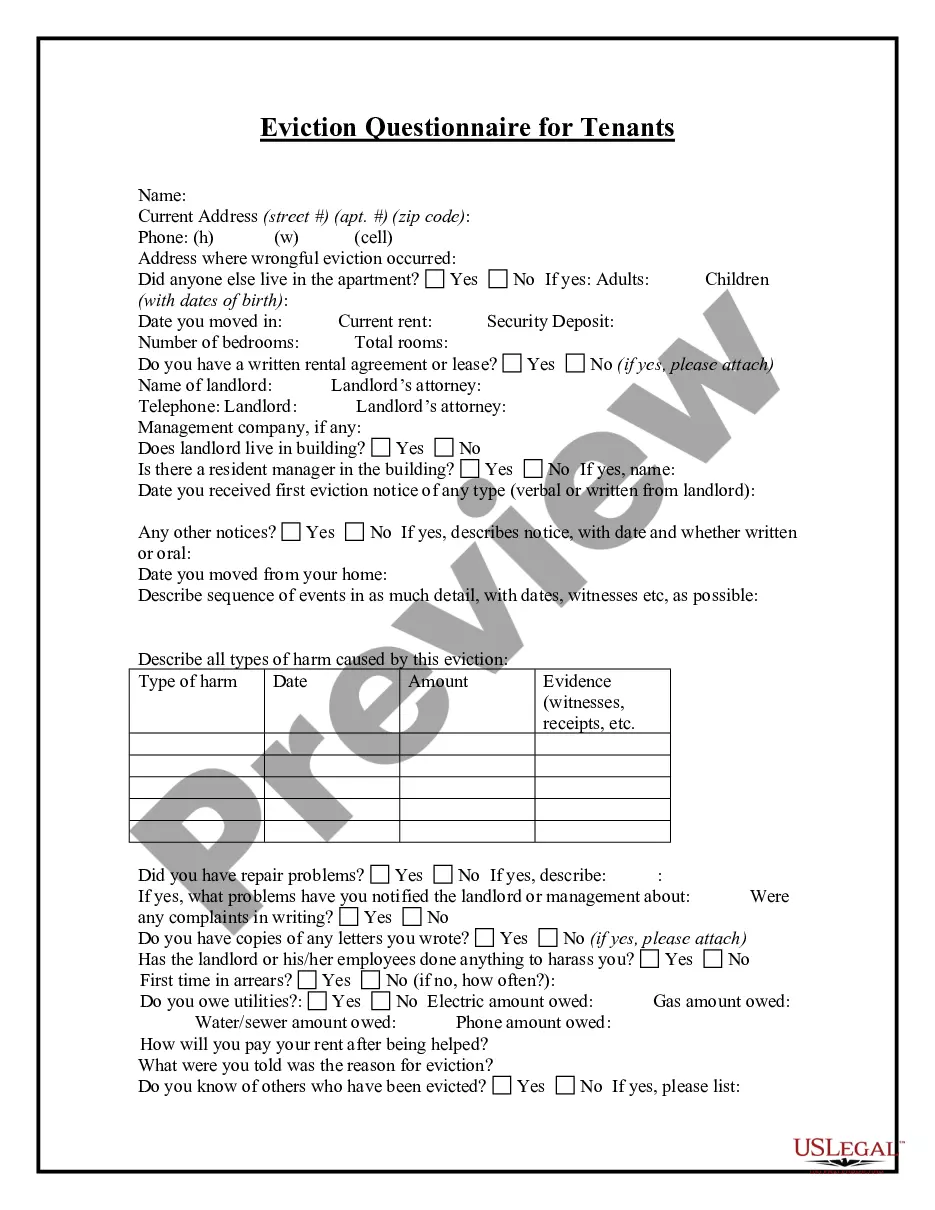
- Small Claims Court Information
- Small Claims Court Claim Affidavit
Situations where these forms applies
This form package is essential when a landlord needs to take action against a tenant for failing to pay rent or violating lease terms. Use this package in scenarios such as:
- When rent is overdue and you need to formally notify the tenant to pay.
- When you wish to terminate a month-to-month lease agreement.
- When preparing for eviction proceedings in response to nonpayment or lease violations.
- When filing a small claims court case to recover unpaid rent.
Who needs this form package
- Landlords of residential property, such as houses, apartments, and condos.
- Landlords of non-residential or commercial properties.
- Property management companies handling multiple rental units.
- Individuals who need to navigate the eviction process in North Dakota.
How to prepare this document
- Review the included forms to understand their purpose.
- Identify the parties involved in the eviction process (landlord and tenant).
- Complete the forms with accurate information, including dates and amounts due.
- Deliver the notices to the tenant via the method specified (e.g., in person or certified mail).
- Keep copies of all filed forms and correspondence for your records.
Do documents in this package require notarization?
Most forms in this package do not require notarization. However, local laws or specific situations may demand it. Our online notarization service, powered by Notarize, lets you complete the process through a verified video call, available anytime.
Get your form ready online
Our built-in tools help you complete, sign, share, and store your documents in one place.
Make edits, fill in missing information, and update formatting in US Legal Forms—just like you would in MS Word.
Download a copy, print it, send it by email, or mail it via USPS—whatever works best for your next step.
Sign and collect signatures with our SignNow integration. Send to multiple recipients, set reminders, and more. Go Premium to unlock E-Sign.
If this form requires notarization, complete it online through a secure video call—no need to meet a notary in person or wait for an appointment.
We protect your documents and personal data by following strict security and privacy standards.

Make edits, fill in missing information, and update formatting in US Legal Forms—just like you would in MS Word.

Download a copy, print it, send it by email, or mail it via USPS—whatever works best for your next step.

Sign and collect signatures with our SignNow integration. Send to multiple recipients, set reminders, and more. Go Premium to unlock E-Sign.

If this form requires notarization, complete it online through a secure video call—no need to meet a notary in person or wait for an appointment.

We protect your documents and personal data by following strict security and privacy standards.
Typical mistakes to avoid
- Failing to provide proper notice periods as required by law.
- Not keeping copies of the notices sent to tenants.
- Ignoring local ordinances that may affect eviction processes.
- Completing forms with inaccurate or incomplete information.
Advantages of online completion
- Convenience of downloading forms anytime and anywhere.
- Editability allows for customization to fit specific situations.
- Access to forms drafted by licensed attorneys to ensure compliance.
- Immediate availability reduces delays in the eviction process.
Key takeaways
- This form package provides essential tools for landlords in North Dakota to conduct evictions appropriately.
- Included forms adhere to state-specific legal requirements and are easy to customize.
- Using this package can help avoid common mistakes associated with the eviction process.
- Landlords can gain peace of mind knowing their eviction actions are legally compliant.
Looking for another form?
Form popularity
FAQ
An unlawful detainer is an eviction lawsuit. This won't be reported to the credit bureaus unless you are actually evicted.Much like losing a lawsuit, unlawful-detainer suits are reported to the credit bureaus.
After the Landlord and Tenant Board makes an order to evict a tenant, a court official called the Sheriff is in charge of enforcing or carrying out the order. If you have not moved out by the date the eviction order says you must move, the Sheriff can make you leave and let your landlord change the locks.
Know Your Rights. It goes without saying, but take some time to know your rights as a tenant. Keep Good Records. Make Sure Notice is Proper. Service of the Unlawful Detainer. Talking to an Attorney. Managing Partner Lipton Legal Group, A PC Beverly Hills, CA.
A landlord cannot legally evict you without a court order, whether or not you have a lease.) How long does it take for a landlord to evict a tenant? A landlord can evict a tenant only by going through a formal eviction proceeding, which can take a few weeks from start to finish.
At the trial, the landlord will put on her case.The landlord will talk about the Notice of Termination that was sent to the tenant and her reasons for wanting to evict the tenant. The landlord may present other witnesses to support her claims against the tenant.
If you do not vacate by the day in the notice, the landlord can then apply to the NSW Civil and Administrative Tribunal (NCAT) for a termination order. A termination order ends the tenancy and specifies the day by which you must give vacant possession.
Courts commonly refer to eviction actions as "forcible entry and detainer" or "unlawful detainer" actions. The legal theory is that the landlord alleges the tenant unlawfully continues to have use and possession of the rental property, and the landlord seeks the assistance of the court to have the tenant removed.
For some grounds (reasons) for eviction, before the landlord can start the eviction process in North Dakota district court, the landlord is required to serve (deliver) a 3-day notice of intention to evict to you. A 3-day notice of intention to evict is a document that gives you notice the landlord intends to evict you.
Short answer: It can take anywhere between 45 to 75 days to evict someone in California, on average.