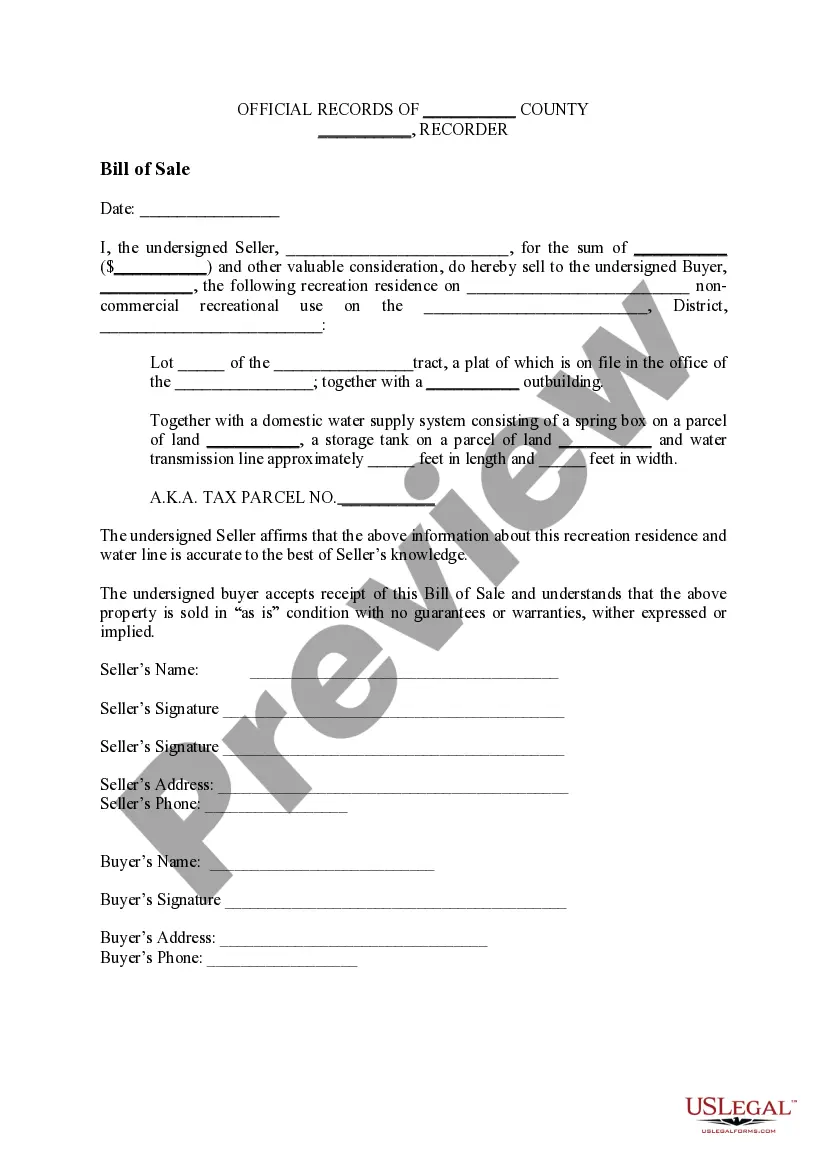
Mississippi Letter from Tenant to Landlord for Failure of Landlord to comply with building codes affecting health and safety or resulting in untenantable condition - demand for remedy
Overview of this form
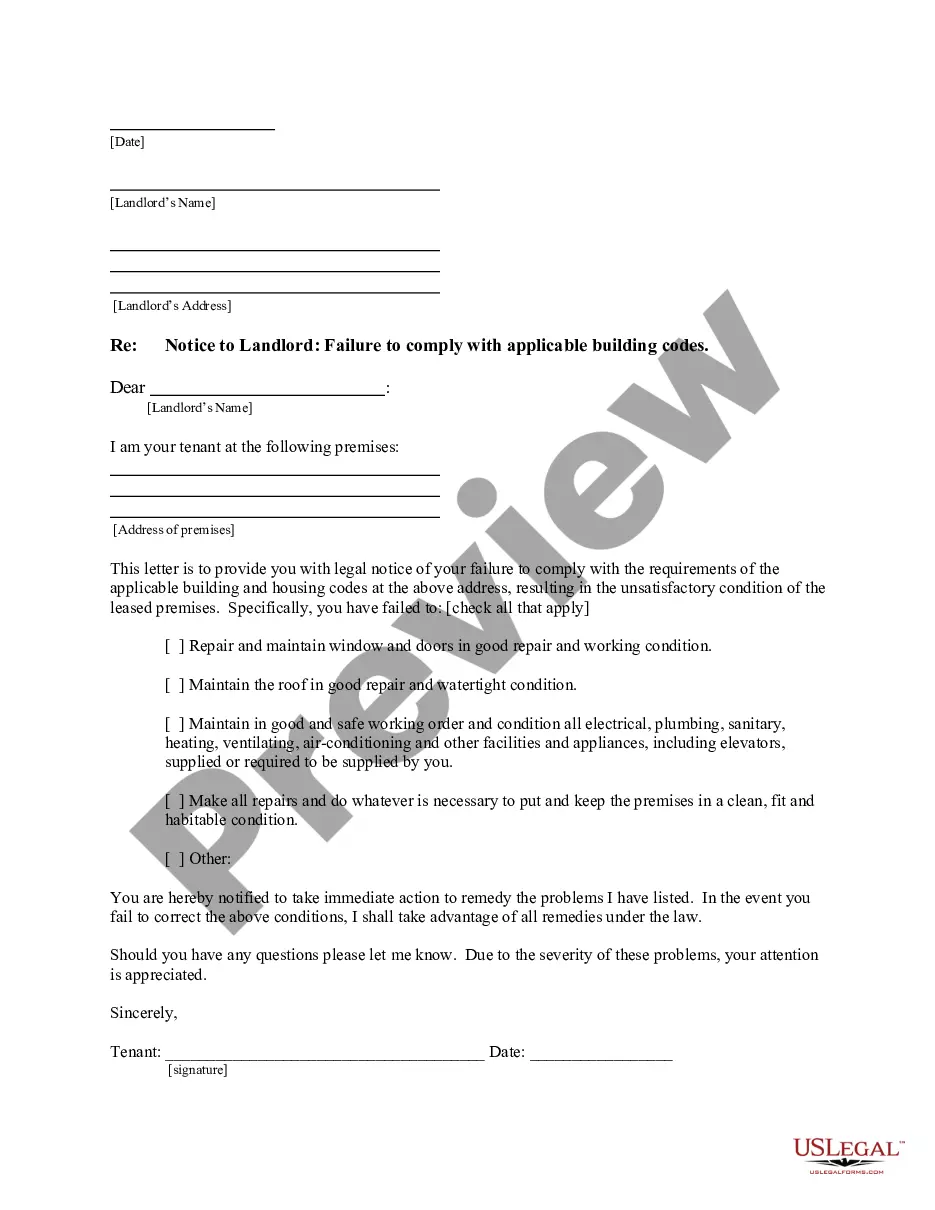
This form is a demand letter from a tenant to a landlord regarding the failure to comply with building codes affecting health and safety, potentially leading to untenantable conditions. Its primary purpose is to formally request necessary repairs within a specified timeframe. Unlike other general complaint letters, this document specifically addresses serious safety concerns and the legal obligations of landlords under local building codes.
What’s included in this form
- Identification of the tenant and landlord.
- Description of the specific building code violations.
- Demand for repairs to be made within ten days.
- Reference to the untenantable condition of the leased premises.
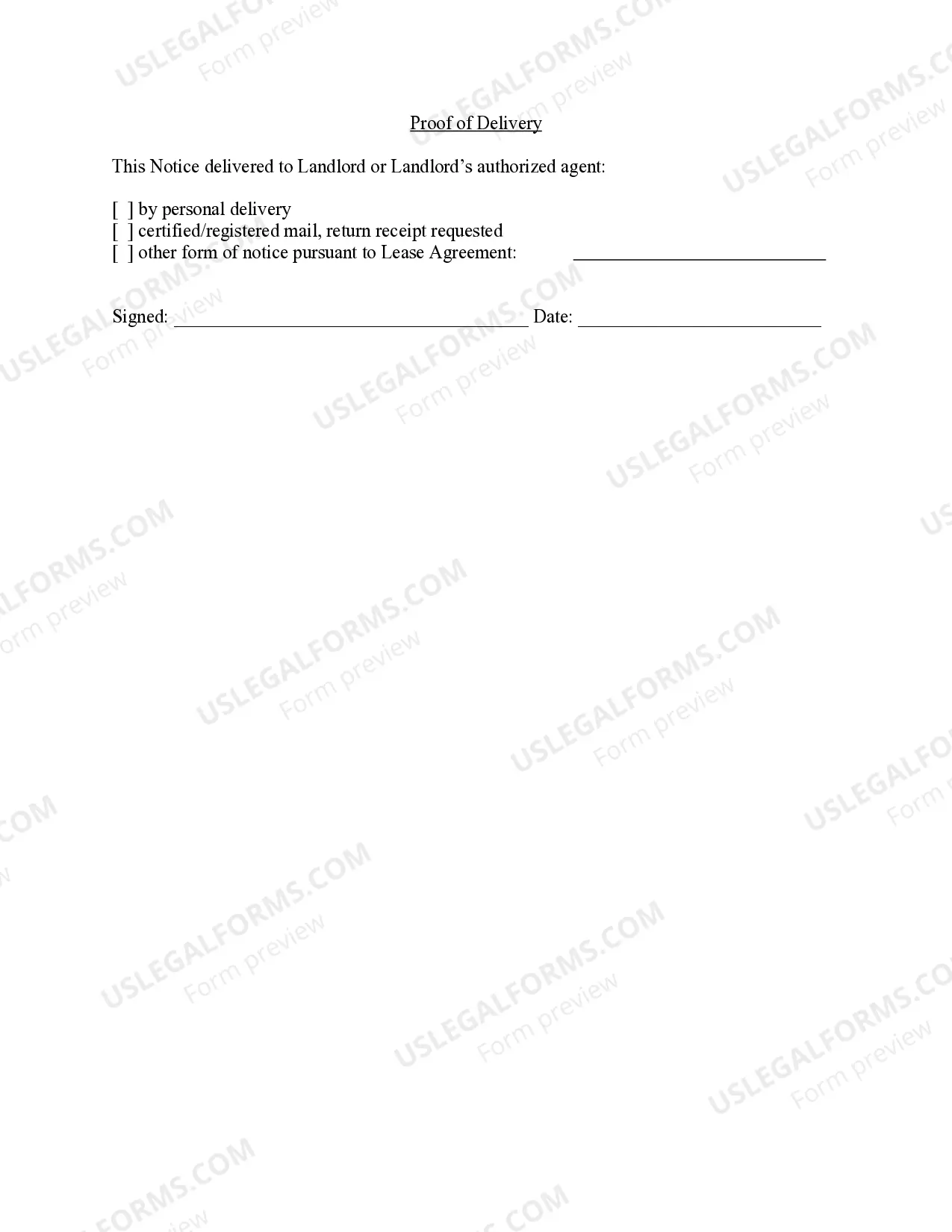
- Proof of delivery options.


Situations where this form applies
This form should be used by tenants when their landlord fails to address critical health and safety issues in a rental unit. It is applicable in situations where the conditions make the property unsafe or unhealthy, thereby violating building codes. Utilizing this letter can help prompt a timely response from the landlord before escalating the issue further.
Who can use this document
- Tenants experiencing unsafe or unhealthy living conditions.
- Individuals who have already notified their landlord about issues but received no response.
- Renters seeking to document their complaints formally for legal purposes.
Steps to complete this form
- Identify the parties involved by entering the tenant's and landlord's names and contact information.
- Specify the property address to accurately denote the location of the lease.
- Detail the specific building code violations and unsafe conditions that need addressing.
- Include a demand for the landlord to remedy the situation within ten days.
- Sign and date the letter after completion.
- Choose a method of delivery for the notice, ensuring proof of delivery is obtained.
Is notarization required?
In most cases, this form does not require notarization. However, some jurisdictions or signing circumstances might. US Legal Forms offers online notarization powered by Notarize, accessible 24/7 for a quick, remote process.
Get your form ready online
Our built-in tools help you complete, sign, share, and store your documents in one place.
Make edits, fill in missing information, and update formatting in US Legal Forms—just like you would in MS Word.
Download a copy, print it, send it by email, or mail it via USPS—whatever works best for your next step.
Sign and collect signatures with our SignNow integration. Send to multiple recipients, set reminders, and more. Go Premium to unlock E-Sign.
If this form requires notarization, complete it online through a secure video call—no need to meet a notary in person or wait for an appointment.
We protect your documents and personal data by following strict security and privacy standards.

Make edits, fill in missing information, and update formatting in US Legal Forms—just like you would in MS Word.

Download a copy, print it, send it by email, or mail it via USPS—whatever works best for your next step.

Sign and collect signatures with our SignNow integration. Send to multiple recipients, set reminders, and more. Go Premium to unlock E-Sign.

If this form requires notarization, complete it online through a secure video call—no need to meet a notary in person or wait for an appointment.

We protect your documents and personal data by following strict security and privacy standards.
Avoid these common issues
- Failing to provide specific details about the violations.
- Not including a deadline for repairs.
- Using vague language instead of clear demands.
- Neglecting to sign the document or failing to date it properly.
Benefits of completing this form online
- Convenient access to a professionally drafted template that ensures legal compliance.
- Editable format that allows you to customize the letter for your specific situation.
- Immediate downloads provide a swift solution to urgent tenant issues.
Legal use & context
- This form serves as a formal notification that can be used as evidence if legal proceedings become necessary.
- It upholds tenant rights under state law related to building safety and conditions.
- Using this form properly can expedite the landlord's responsibility to address lease violations.
Quick recap
- A timely demand letter can prompt landlords to make necessary repairs.
- Documenting issues formally protects tenant rights.
- Each state may have specific rules, so ensure the form complies with local laws.
Looking for another form?
Form popularity
FAQ
In California, habitability includes the following specific warranties: A dwelling also may be considered uninhabitable (unlivable) if it substantially lacks any of the following: Effective waterproofing and weather protection of roof and exterior walls, including unbroken windows and doors.
Uninhabitable conditions can include dangerous ones, such as holes in the floor, unsafe or exposed wiring, or non-working air conditioning in dangerously hot summer months. Gross infestations of roaches, fleas or other pests are also uninhabitable conditions.
Only in an emergency can a landlord enter the residence without consent. Consent to enter may be granted within the terms of the lease.The landlord has 45 days to return the deposit but may deduct rent owed or reasonable costs for cleaning the unit or repairing damage caused by the tenant.
The legal definition of an unsanitary living condition can vary from state-to-state and even county-to-county. However, generally speaking, these definitions might include but are not limited to: excessive dirt or filth in the home. improper building construction or poor maintenance of living quarters.
Indiana. Indiana laws allow landlords to hold on to security deposits for 45 days to give them time to determine any damages caused by tenants. Colorado. Colorado is one of few states that allow landlords to access the rental property without an advance notice requirement. Georgia.
If the tenancy is month to month, without a set ending date to the lease, either the landlord or tenant may terminate the lease by giving 30 days written notice. No reason is required for the termination.
A landlord cannot evict a tenant without an adequately obtained eviction notice and sufficient time. A landlord cannot retaliate against a tenant for a complaint. A landlord cannot forego completing necessary repairs or force a tenant to do their own repairs.A landlord cannot remove a tenant's personal belongings.
Mississippi is another landlord-friendly state, there's no limit for how much a landlord can charge for a security deposit, and landlords have 45 days to return the security deposit at the end of a tenancy.
While the tenant cannot withhold rent payments until repairs are made, he or she can deduct the cost of the repairs from the rent.The landlord has 45 days to return the deposit but may deduct rent owed or reasonable costs for cleaning the unit or repairing damage caused by the tenant.