Minnesota Last Will and Testament for a Single Person with Minor Children
What this document covers
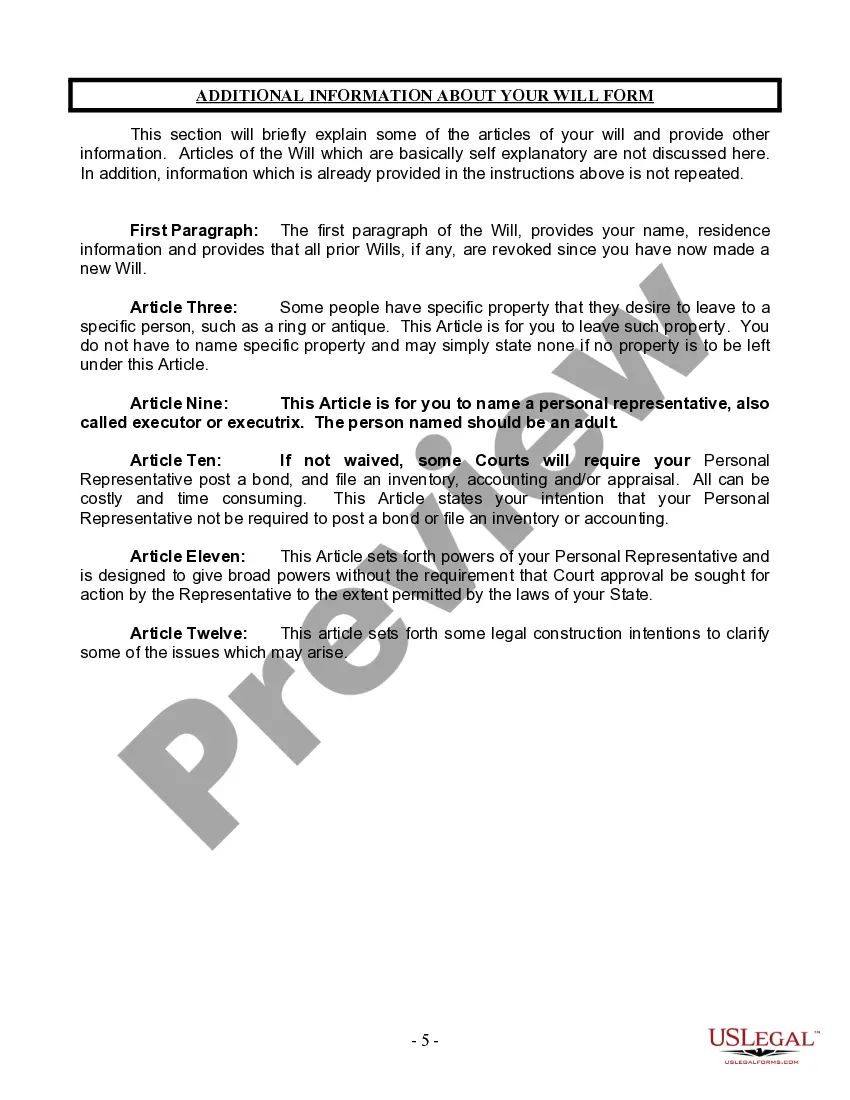
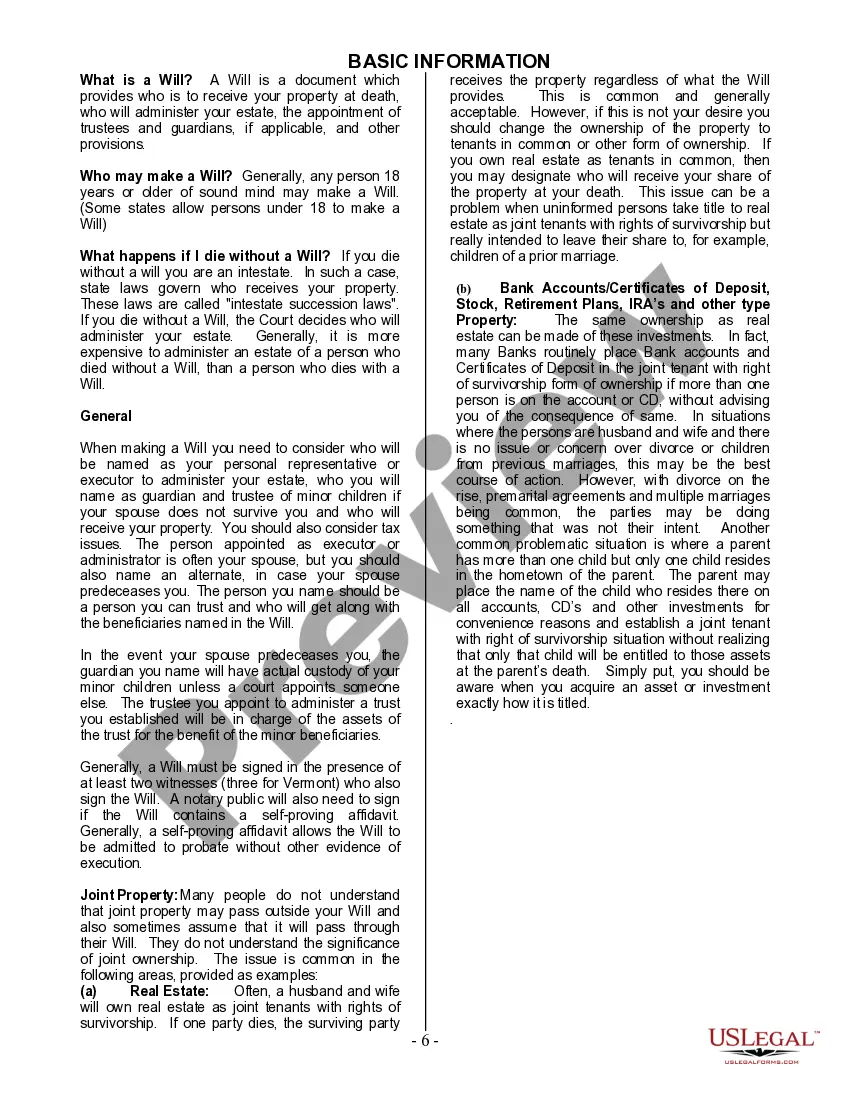
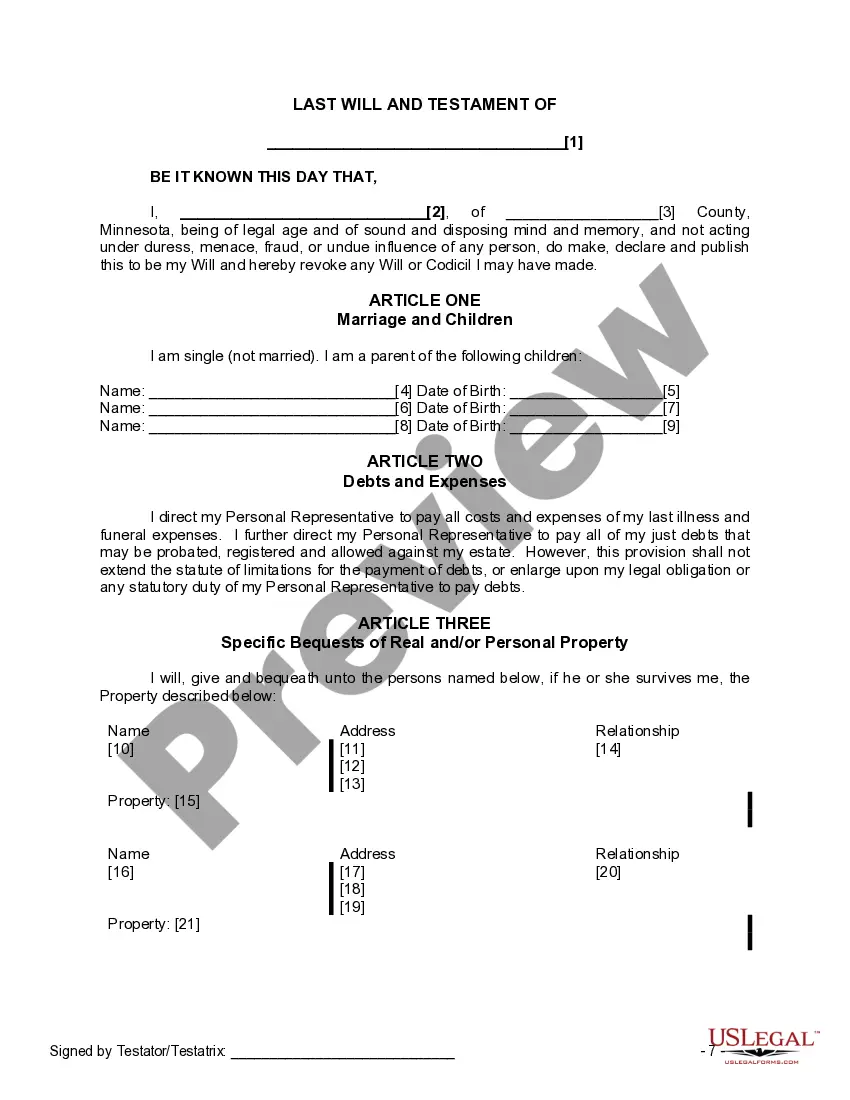
This Last Will and Testament for a Single Person with Minor Children is a legal document that outlines your wishes regarding the distribution of your assets after your death, specifically designed for individuals without a spouse but with minor children. Unlike other wills, this form includes provisions for appointing guardians for your children, designating how your property is divided, and establishing trusts for your minor beneficiaries to ensure their future protection and care.
What’s included in this form
- Personal representative appointment: Designate an executor who will manage your estate.
- Guardian nomination: Specify a guardian for your minor children.
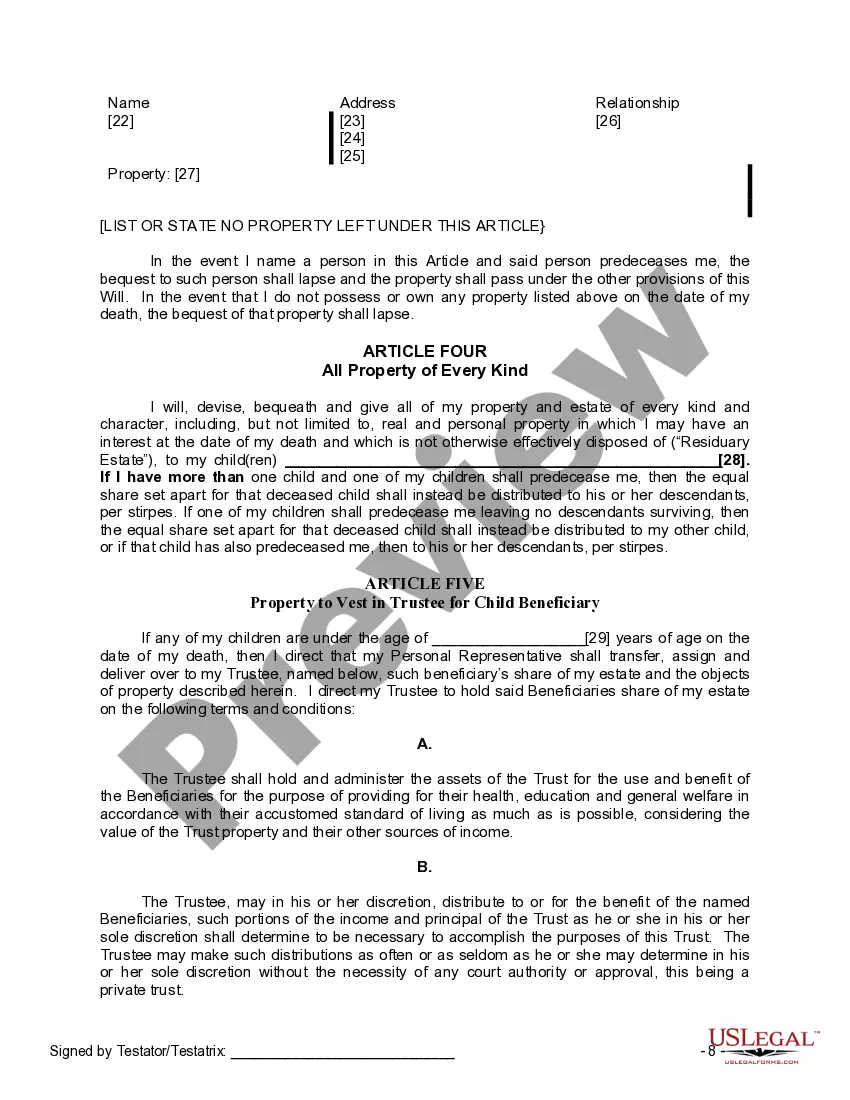
- Property distribution: Outline how your assets will be distributed among your beneficiaries.
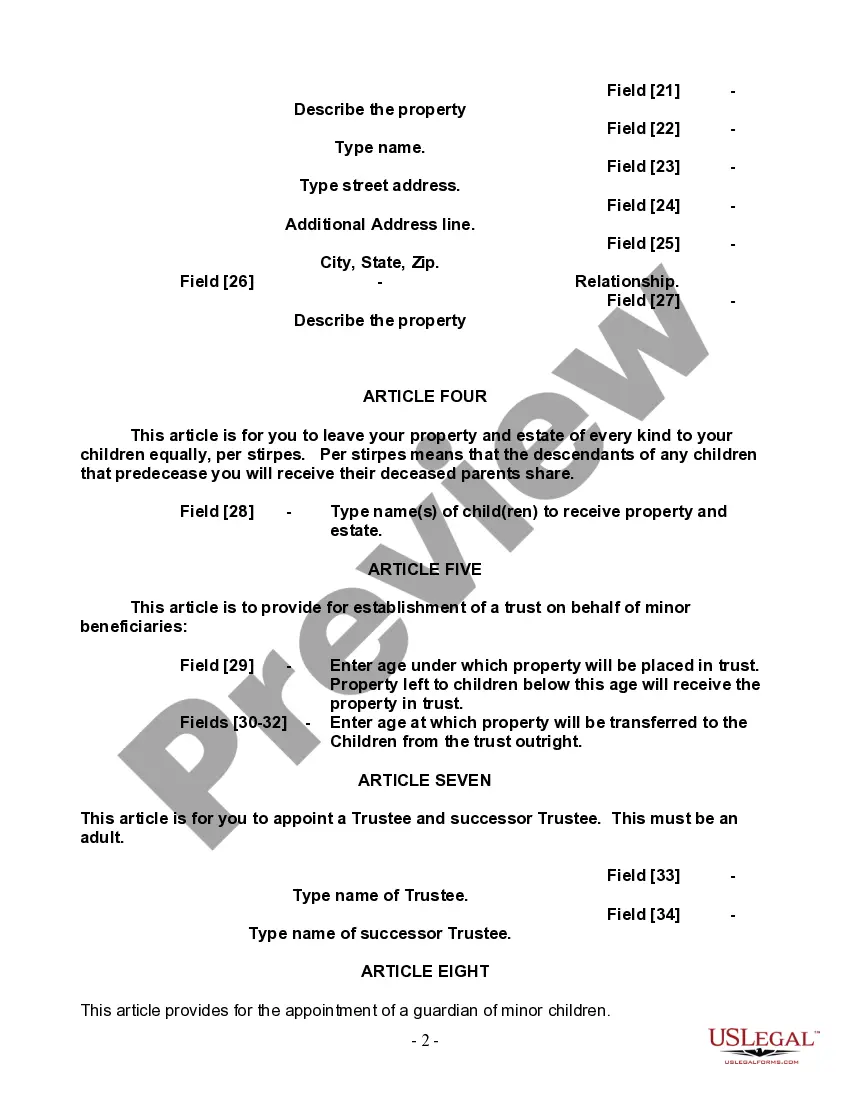
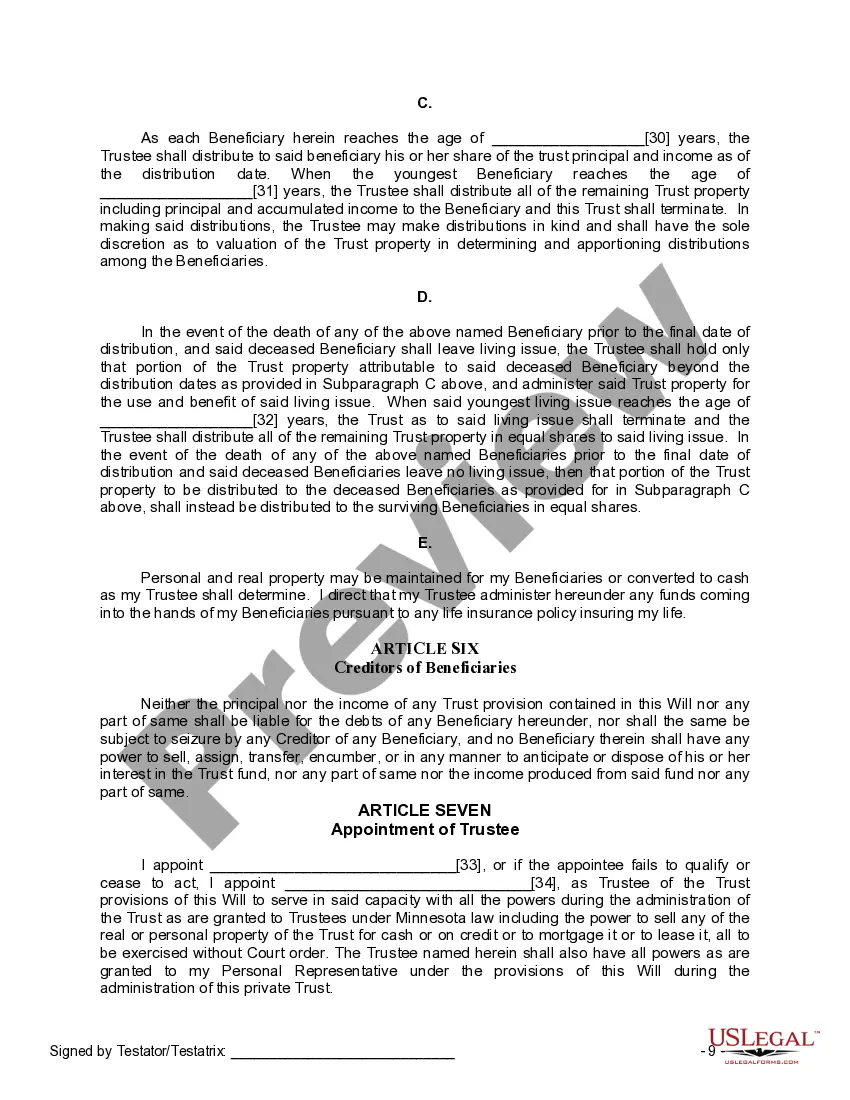
- Establishment of a trust: Create a trust for your minor children's inheritance to be managed until they reach a designated age.
- Witness and notarization requirements: Ensure the will is signed in front of witnesses and may include notarization for validity.





Common use cases
This form is essential for single parents with minor children who want to ensure that their assets are distributed according to their wishes after their passing. Use this will if you need to appoint guardians for your children and establish financial protections for their welfare. It is particularly relevant if you do not have a spouse to make decisions on your behalf.
Who this form is for
- Single parents seeking a clear plan for their estate.
- Individuals with minor children who want to ensure their care and financial support after death.
- People looking to appoint a personal representative to manage their estate affairs.
- Anyone wishing to outline specific gifts or instructions for their property.
How to prepare this document
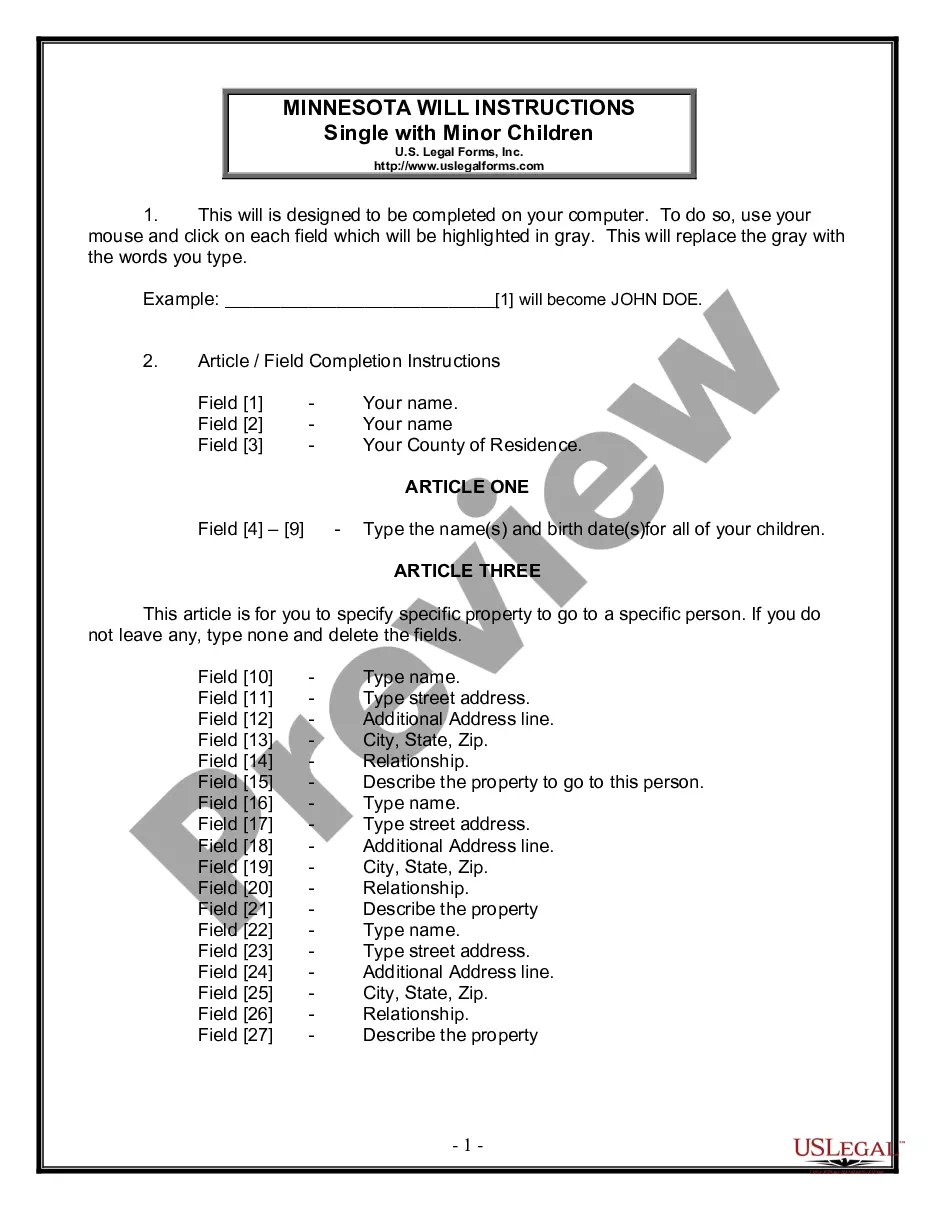
- Enter your name and county of residence.
- List all your minor children, including their names and birth dates.
- Designate specific parties for any specific bequests of your property.
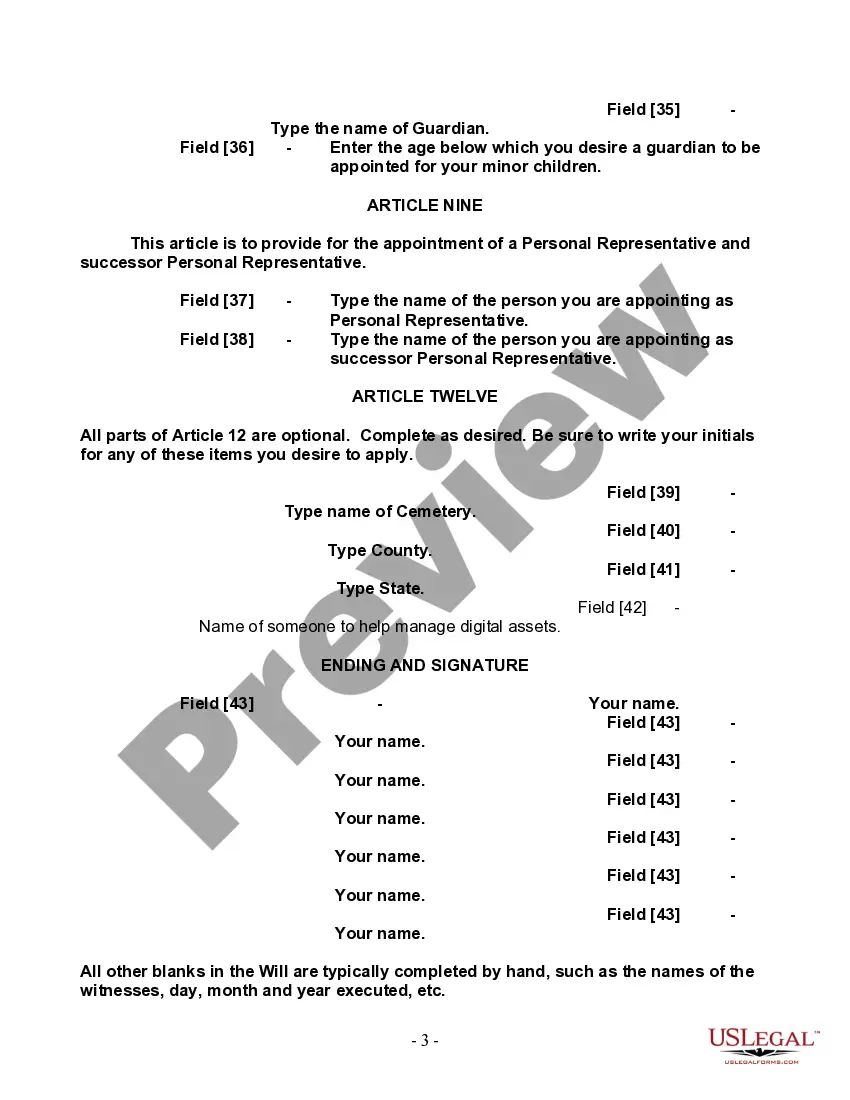
- Appoint a guardian for your minor children and a trustee for their inheritance.
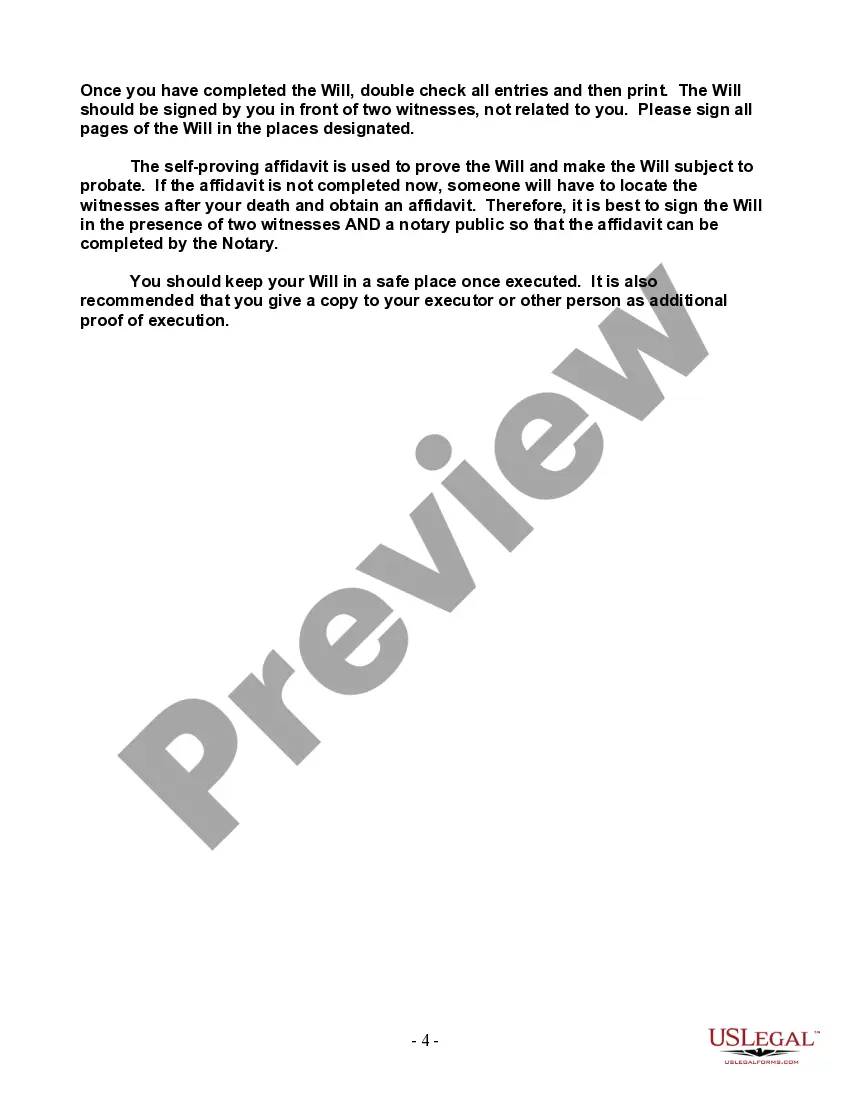
- Ensure the document is signed in the presence of two non-related witnesses.
Notarization guidance
This form needs to be notarized to ensure legal validity. US Legal Forms provides secure online notarization powered by Notarize, allowing you to complete the process through a verified video call, available anytime.
Get your form ready online
Our built-in tools help you complete, sign, share, and store your documents in one place.
Make edits, fill in missing information, and update formatting in US Legal Forms—just like you would in MS Word.
Download a copy, print it, send it by email, or mail it via USPS—whatever works best for your next step.
Sign and collect signatures with our SignNow integration. Send to multiple recipients, set reminders, and more. Go Premium to unlock E-Sign.
If this form requires notarization, complete it online through a secure video call—no need to meet a notary in person or wait for an appointment.
We protect your documents and personal data by following strict security and privacy standards.

Make edits, fill in missing information, and update formatting in US Legal Forms—just like you would in MS Word.

Download a copy, print it, send it by email, or mail it via USPS—whatever works best for your next step.

Sign and collect signatures with our SignNow integration. Send to multiple recipients, set reminders, and more. Go Premium to unlock E-Sign.

If this form requires notarization, complete it online through a secure video call—no need to meet a notary in person or wait for an appointment.

We protect your documents and personal data by following strict security and privacy standards.
Mistakes to watch out for
- Failing to name a guardian for minor children.
- Not having the will signed by the required number of witnesses.
- Neglecting to review and update the will after major life changes.
- Overlooking the need for a self-proving affidavit in some jurisdictions.
Why use this form online
- Convenience: Complete the will from the comfort of your home.
- Editability: Easily modify the document to suit your specific needs.
- Accessibility: Download and print the form for immediate use.
- Legal compliance: Forms drafted by licensed attorneys ensure they meet legal standards.
Legal use & context
- This will is legally binding once signed according to the required formalities.
- It can simplify the probate process and clarify your intentions to the court.
- A properly executed will can help avoid disputes among beneficiaries.
Summary of main points
- This Last Will and Testament is vital for single parents with minor children.
- It allows for the appointment of guardians and trustees, ensuring children's needs are met.
- Comply with witnessing and notarization requirements for the will to be valid.
- Easily complete and customize the form online for your specific situation.
Looking for another form?


Form popularity
FAQ
You can write your own will and have it notarized in Minnesota, but notarization is not required for a valid will. Instead, Minnesota requires two witnesses to sign your will. However, a notarized will can provide additional assurance and help simplify the probate process. If you want to ensure your Minnesota Last Will and Testament for a Single Person with Minor Children is properly prepared, consider using a legal form service that guides you through the process.
Yes, you can write your own Minnesota Last Will and Testament for a Single Person with Minor Children. Minnesota law allows individuals to create their own wills, provided they follow specific guidelines. Your will must be in writing, signed by you, and witnessed by two adults. Using a reliable online platform like US Legal Forms can streamline this process and help you create a valid will that meets all state requirements.
Yes, having a will is important even if you have only one child. A will provides clear instructions on how you want your assets distributed and designates guardianship if necessary. A Minnesota Last Will and Testament for a Single Person with Minor Children can be beneficial in ensuring your child's future is secure. It offers peace of mind knowing that your wishes are documented and legally enforceable.
To write a simple will in Minnesota, start by clearly stating your identity and declaring that the document is your last will. Outline how you wish to distribute your assets, including provisions for your minor children. Consider using a Minnesota Last Will and Testament for a Single Person with Minor Children template to simplify the process. This tool can help ensure that all necessary components are included and legally binding.
In Minnesota, you are not required to include all your children in your will. However, it is advisable to address each child's inheritance to avoid potential disputes in the future. A Minnesota Last Will and Testament for a Single Person with Minor Children can provide a clear framework for how you want to distribute your assets. This clarity can help maintain family harmony after your passing.
To write a will with a minor child, begin by identifying guardians for your child in case of your passing. Clearly state your wishes regarding their care and financial support. Include instructions on how to manage any assets you leave to them. Utilizing a Minnesota Last Will and Testament for a Single Person with Minor Children can help ensure that your intentions are legally documented and understood.
When you have minor children, naming them as beneficiaries in your Minnesota Last Will and Testament for a Single Person with Minor Children can be complex. It's crucial to appoint a responsible guardian who will manage the assets until your children reach adulthood. Additionally, consider setting up a trust to ensure that the funds are used for their benefit. This approach can provide peace of mind, knowing that their future is secure.
Avoiding probate in Minnesota without a will can be challenging, but there are options available. You can consider establishing joint ownership of assets, using beneficiary designations, or setting up a trust. These methods can help manage your assets effectively and allow for a smoother transition without going through probate. For more personalized guidance, exploring resources on uslegalforms can provide valuable insights tailored to your situation.
Even if you're single and have no children, creating a Minnesota Last Will and Testament for a Single Person with Minor Children can still be beneficial. A will allows you to specify how you want your assets distributed, appoint an executor, and name guardians for any minor children you may have in the future. Without a will, the state will decide how your assets are distributed, which may not align with your wishes. Therefore, having a will ensures your preferences are honored.