Maine Letter from Tenant to Landlord containing Notice to landlord to withdraw retaliatory rent increase
What this document covers
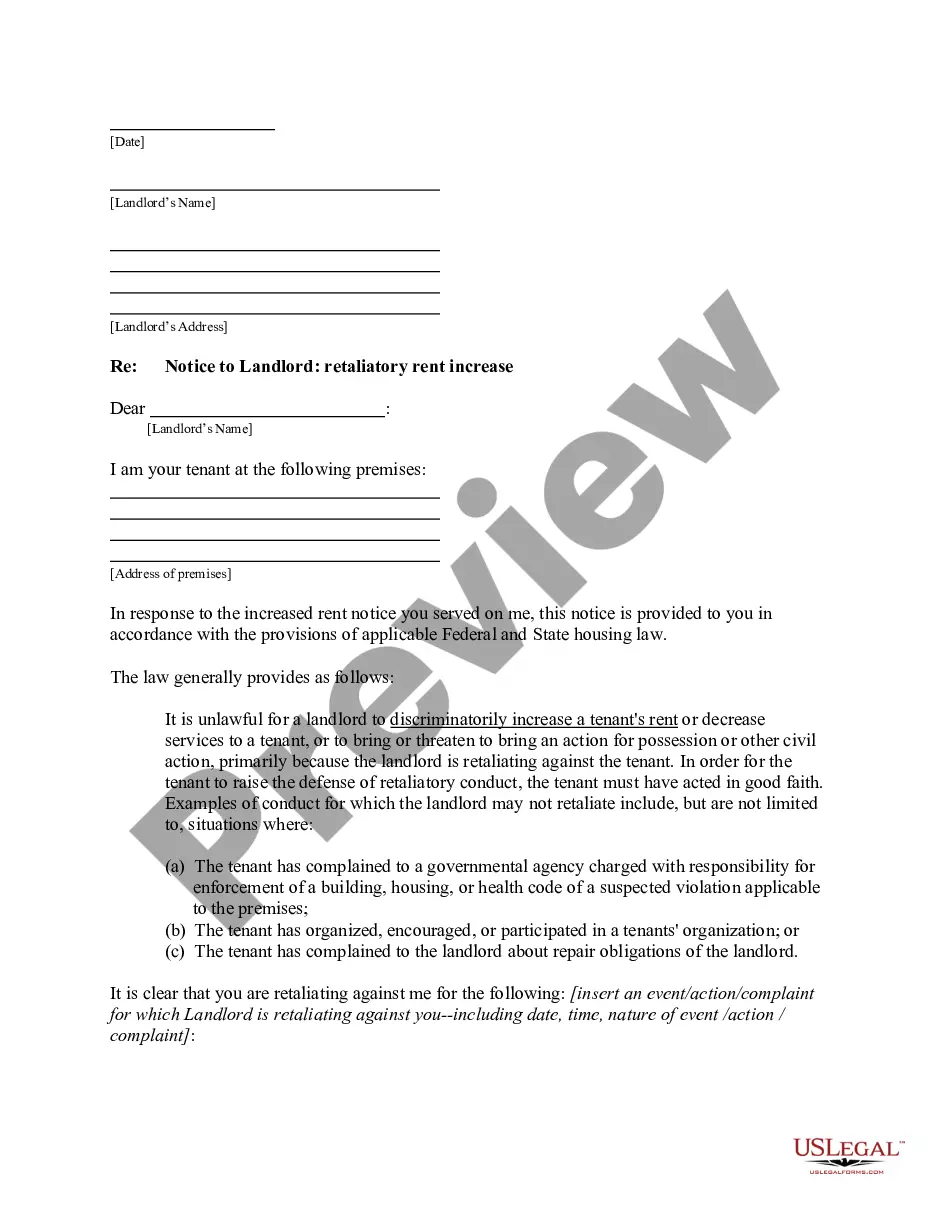
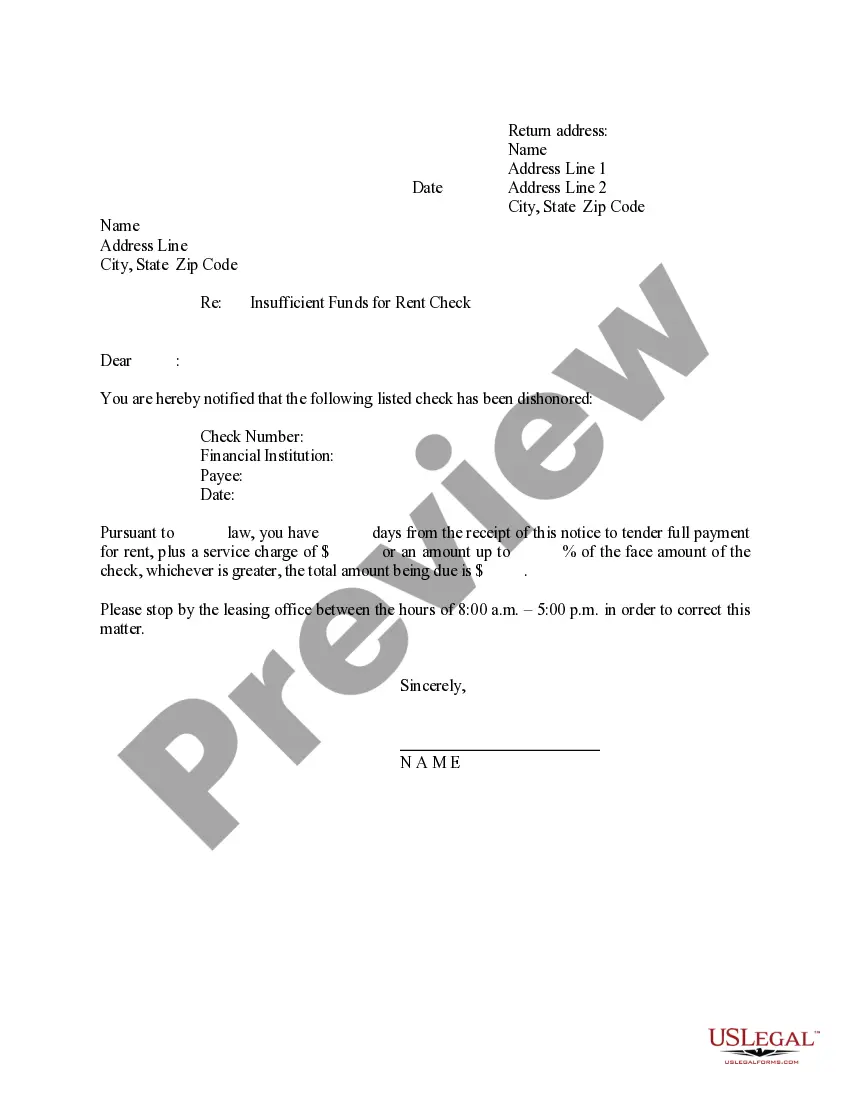
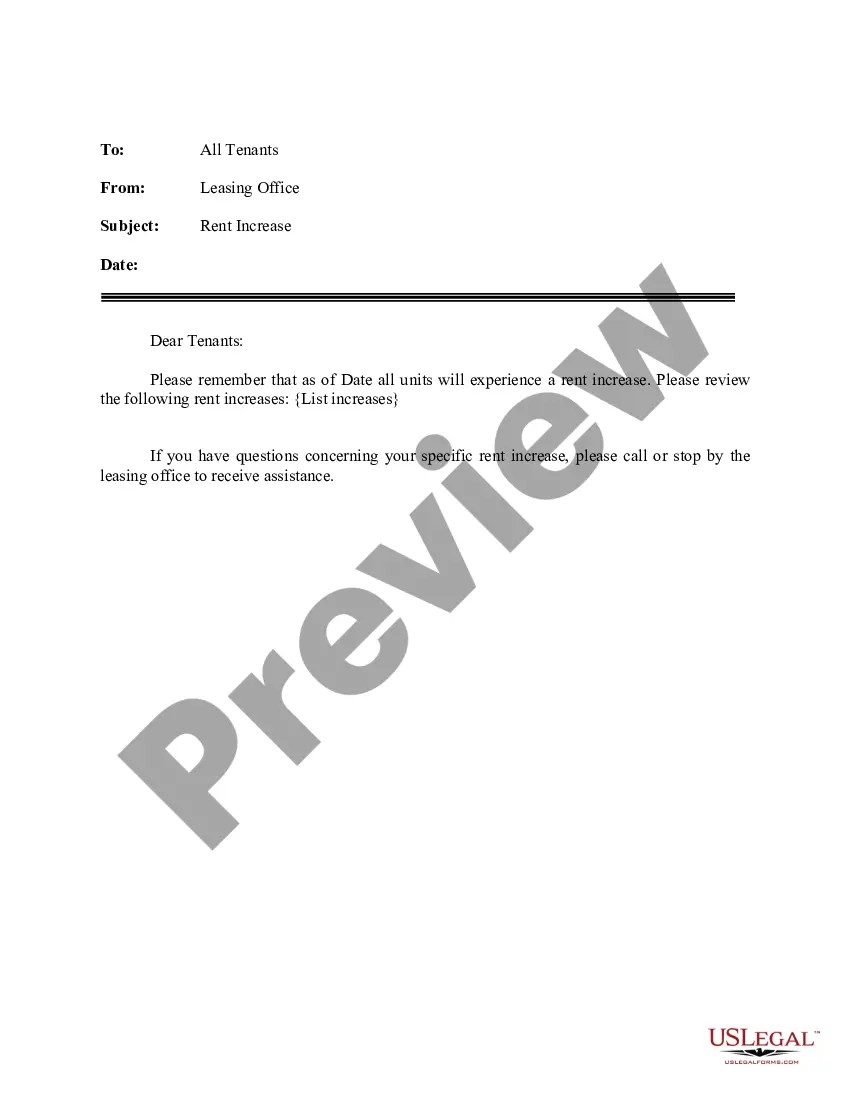
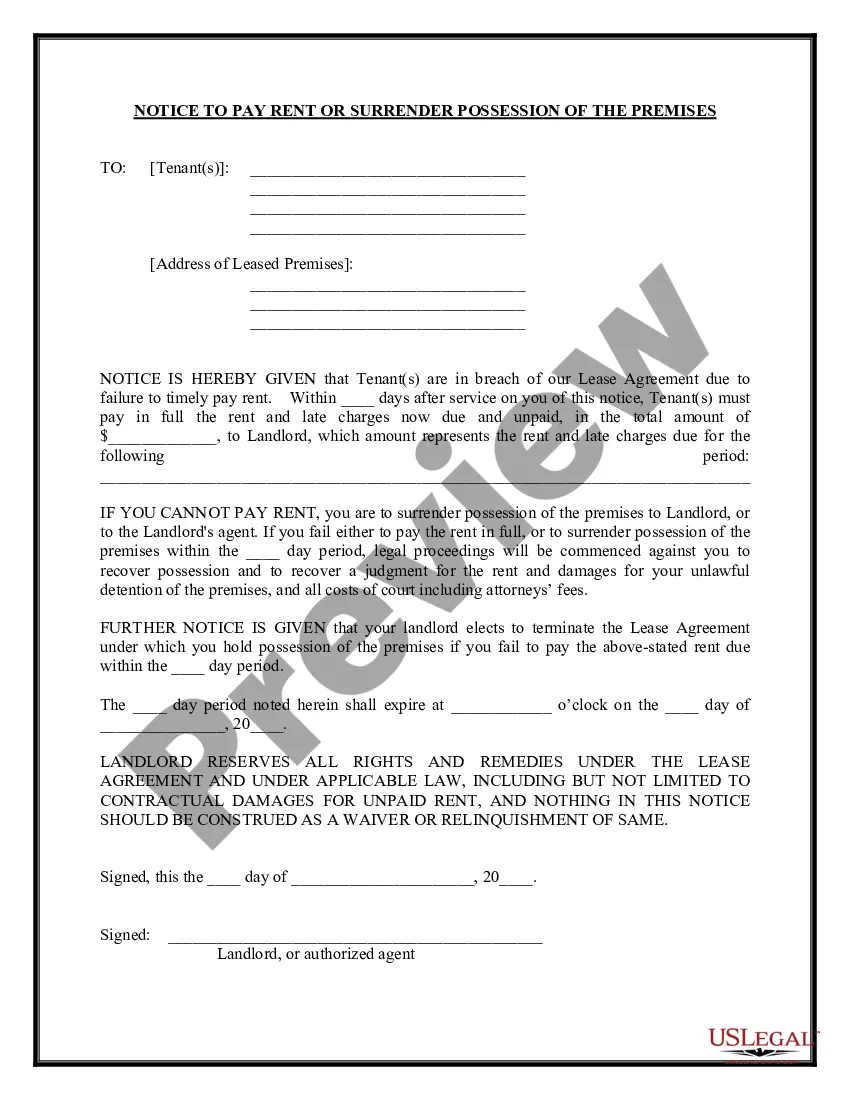
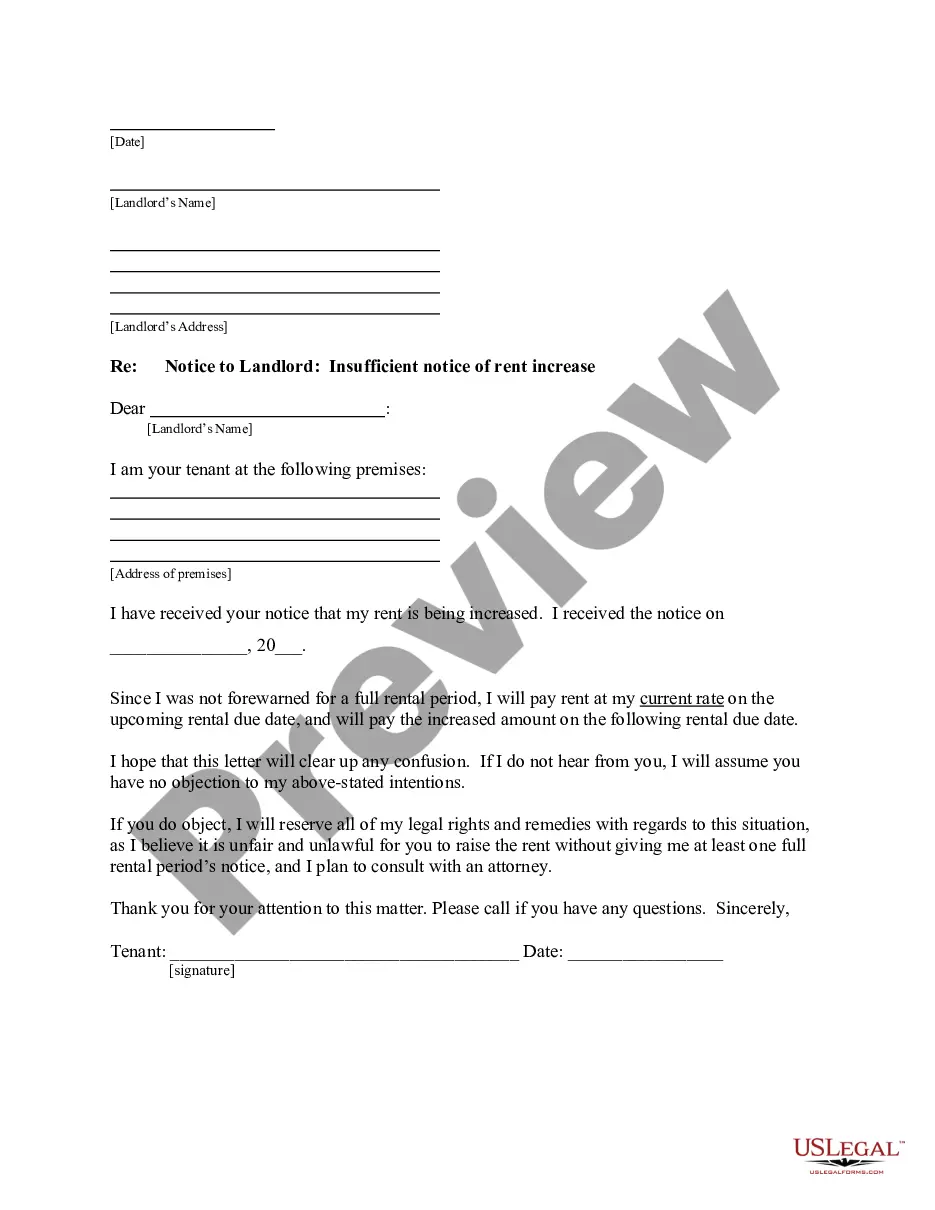
This form is a letter from a tenant to their landlord, serving as a notice to withdraw a retaliatory rent increase. It asserts that such an increase is unlawful under state housing laws. This notice helps protect tenants from discriminatory practices by informing landlords of their legal obligations, thus fostering a fair rental environment.
What’s included in this form
- Tenantâs contact information
- Landlordâs contact information
- Date the notice is issued
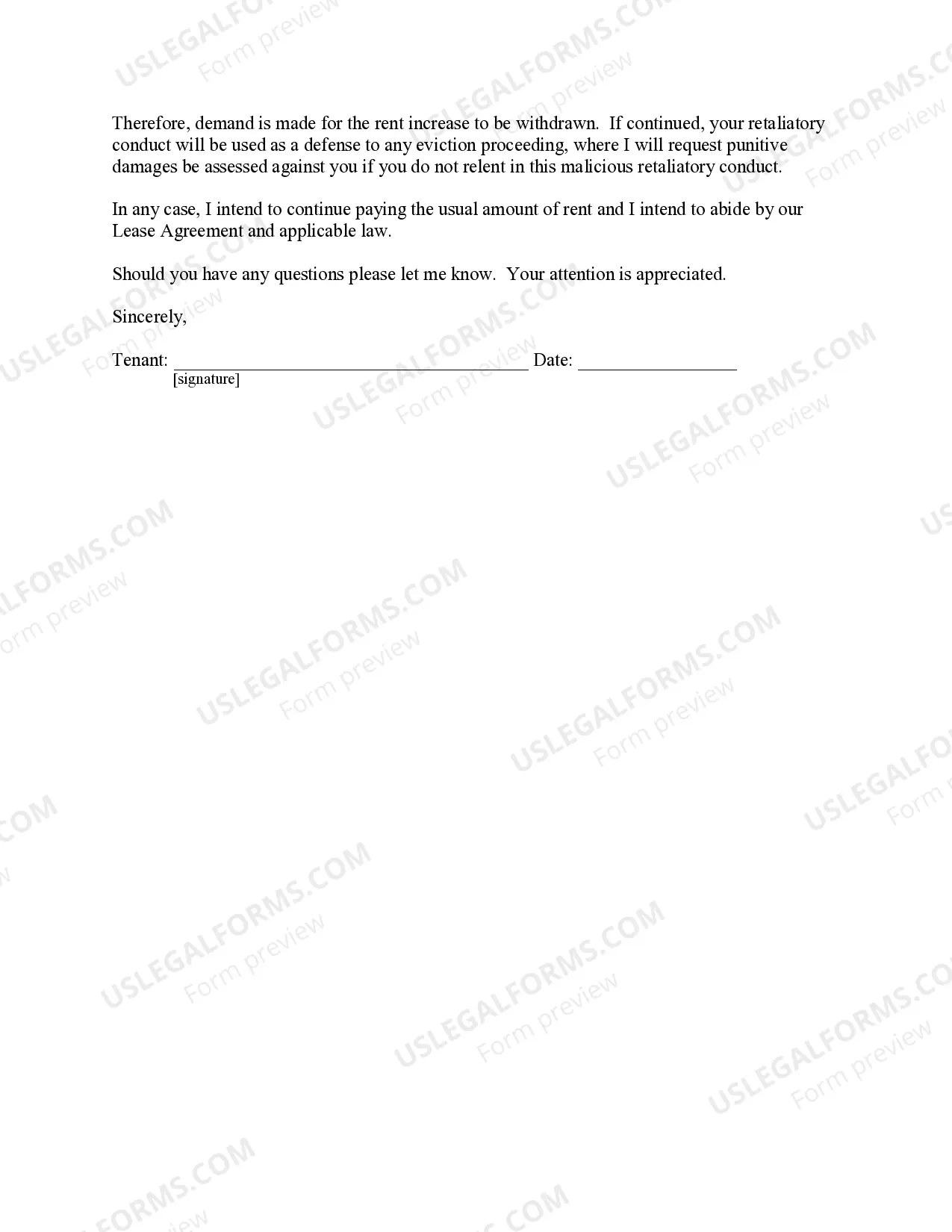
- Statement of intent to continue paying rent
- Reference to the applicable laws against retaliatory actions
- Signature lines for tenant and date

Situations where this form applies
This form should be used when a tenant believes that their landlord has increased rent in retaliation for actions taken by the tenant, such as filing complaints about property conditions or participating in tenant organizations. It serves as a formal notification to the landlord, outlining the tenant's rights and intentions.
Who needs this form
- Tenants who have experienced a rent increase they suspect is retaliatory
- Individuals who have filed complaints regarding their landlord's obligations
- Members of tenant organizations facing discriminatory actions from landlords
How to complete this form
- Identify and enter your name and contact information at the top of the letter.
- Include the landlordâs name and contact information below your details.
- Add the date of issuance for the notice.
- Clearly state your intent to continue paying rent and outline the reasons for the notice.
- Sign the letter and date it; ensure to keep a copy for your records.
Notarization guidance
This form does not typically require notarization unless specified by local law. However, it's advisable to check your stateâs regulations to ensure compliance.
Get your form ready online
Our built-in tools help you complete, sign, share, and store your documents in one place.
Make edits, fill in missing information, and update formatting in US Legal Forms—just like you would in MS Word.
Download a copy, print it, send it by email, or mail it via USPS—whatever works best for your next step.
Sign and collect signatures with our SignNow integration. Send to multiple recipients, set reminders, and more. Go Premium to unlock E-Sign.
If this form requires notarization, complete it online through a secure video call—no need to meet a notary in person or wait for an appointment.
We protect your documents and personal data by following strict security and privacy standards.

Make edits, fill in missing information, and update formatting in US Legal Forms—just like you would in MS Word.

Download a copy, print it, send it by email, or mail it via USPS—whatever works best for your next step.

Sign and collect signatures with our SignNow integration. Send to multiple recipients, set reminders, and more. Go Premium to unlock E-Sign.

If this form requires notarization, complete it online through a secure video call—no need to meet a notary in person or wait for an appointment.

We protect your documents and personal data by following strict security and privacy standards.
Common mistakes to avoid
- Failing to include the date of the notice.
- Not providing clear information regarding the reasons for the retaliatory rent increase.
- Omitting the landlordâs contact information.
- Not signing or dating the notice.
Why complete this form online
- Instant access to a legally compliant template drafted by licensed attorneys.
- Convenience of downloading and customizing the form to meet your specific circumstances.
- The assurance of accuracy and reliability in your tenant correspondence.
Legal use & context
- This letter can serve as a legal record of the tenant's notification to the landlord.
- Using this form can help support a tenant's defense if legal action arises.
- State laws vary on the protections against retaliatory actions, so it is essential to understand local regulations.
Summary of main points
- This form aids tenants in formally addressing retaliatory rent increases.
- Understanding your rights can protect you from unjust actions by landlords.
- Utilizing this form can help facilitate communication and clarify the legal obligations of both parties.
Looking for another form?
Form popularity
FAQ
Report the anti social behaviour If you know your neighbour is renting and who from, talk to their landlord first - this might be a private landlord, housing association or the council. If that doesn't sort out the problem you can go to the council if you haven't already talked to them.
Ask the landlord to reconsider their letter to you. Explain the history of your tenancy to date, which should show that you're a good tenant who has paid rent on time. Include comparisons to rent in the area, if it shows that a rent increase would make your rent too high when compared to similar apartments.
Sample Noise Complaint Letter Dear Landlord/Manager's Name, I am writing to formally request your help in dealing with an ongoing issue with my neighbor. I have lived in your apartment number or address for the last three years and have greatly enjoyed my experience in this building.
Respectfully state that you are making a complaint. Explain the reason behind you making the complaint, making sure to put in the various reasons why you are making the complaint. Relate to the reader what you wish to be done about your complaint. End on a positive tone.
Dear (Name of landlord or manager), This letter constitutes my written (number of days' notice that you need to give based on your lease agreement)-day notice that I will be moving out of my apartment on (date), the end of my current lease. I am leaving because (new job, rent increase, etc.)
State that you will be making a complaint. Explain why you are making a complaint and make sure to add your account of the event and other supporting facts. Let the management know what steps you wish to be made to address your complaint. End on a positive tone.
Explain that you are making a complaint. Relate what the complaint is actually about and make sure to include the specific details about the complaint, especially an account of the event. Inform the management of what you wish to be done regarding the complaint that you are making. End on a positive tone.
If you're seeking damages for emotional distress caused by a landlord's discrimination, or punitive damages for especially blatant and intentional discrimination, a lawsuit may well be your best bet. Understand what's involved in suing your landlord. You may file a lawsuit in either federal or state court.
If your landlord breaches the warranty of habitability or the warranty of quiet enjoyment, you may be able to sue her to recover monetary damages.In some states, such as California and Arizona, you may be able to seek emotional distress damages if the landlord's actions were particularly egregious.