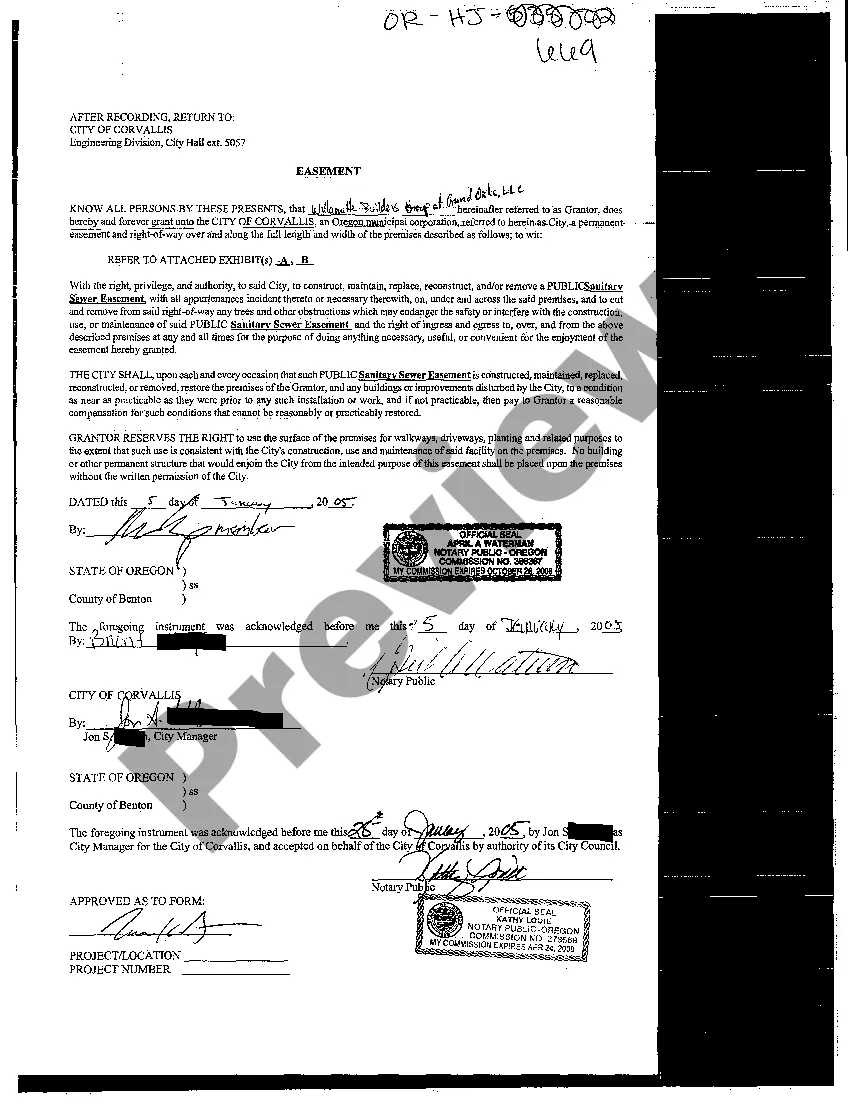
Maine Letter from Tenant to Landlord containing Notice that premises in uninhabitable in violation of law and demand immediate repair
What is this form?
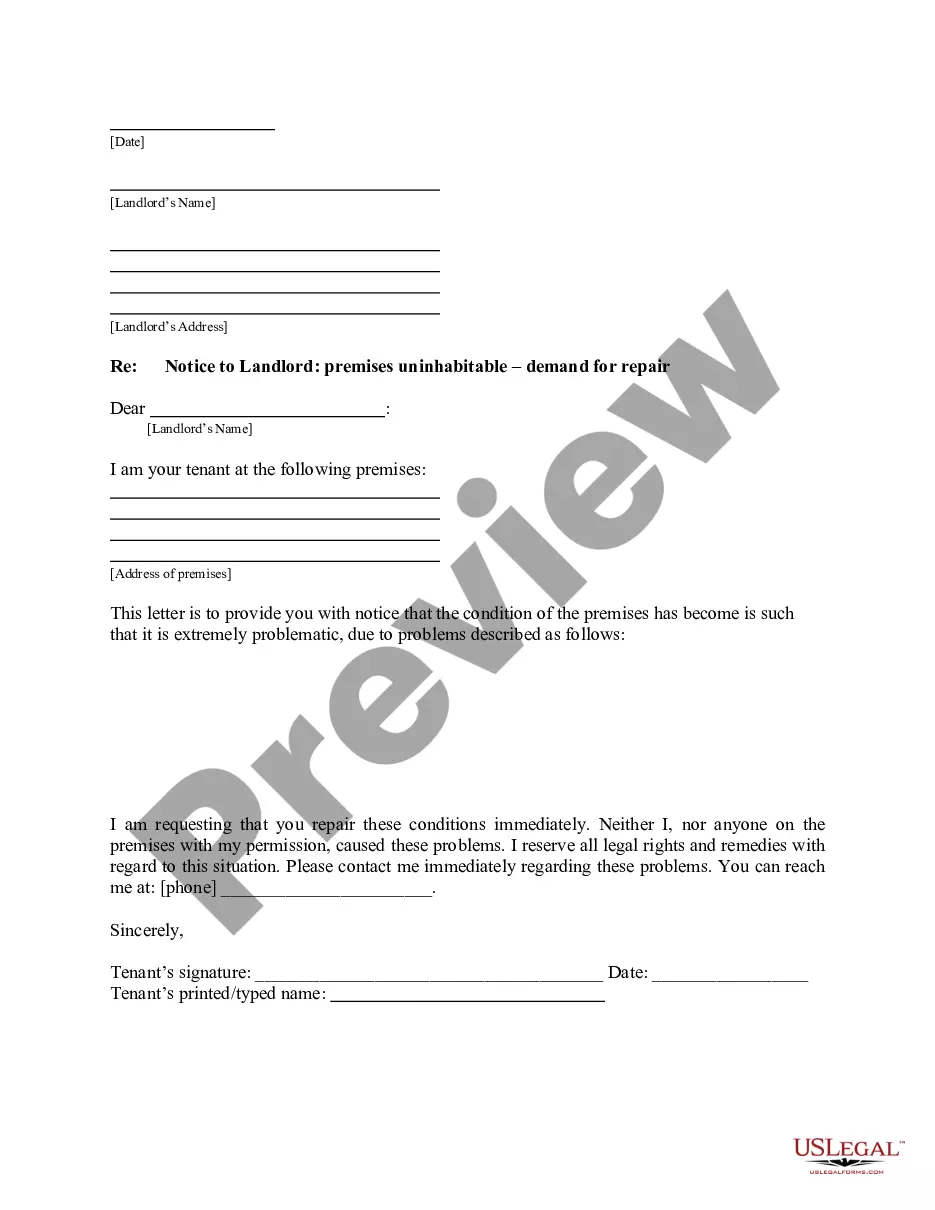
This letter is used by a tenant to formally notify the landlord that the rental premises are uninhabitable, violating local law. It serves as a demand for immediate repairs. If the landlord fails to act, the tenant may have grounds to terminate the lease or withhold rent. This document is crucial for tenants seeking to protect their rights in situations where their living conditions are not safe or adequate.
What’s included in this form
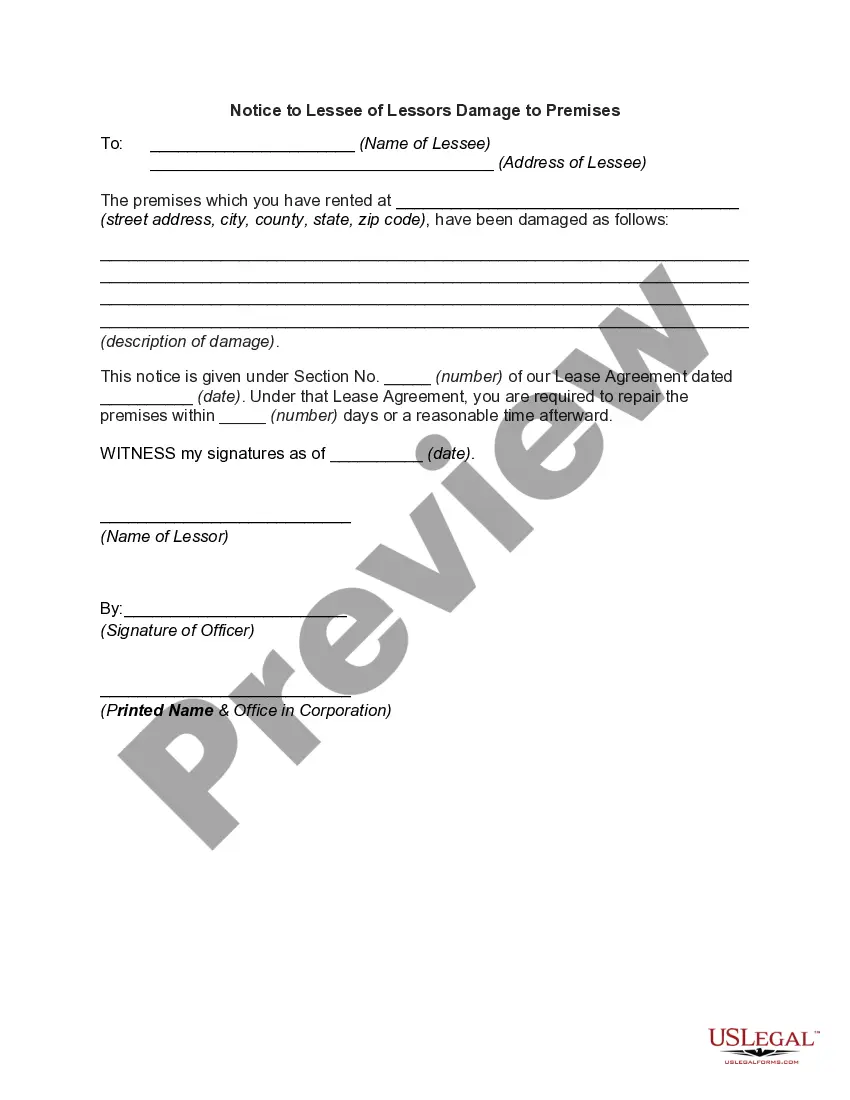
- Tenant identification: Name and contact details of the tenant.
- Property details: Address of the rental premises.
- Notice of uninhabitability: Clear statement outlining the issues that render the property uninhabitable.
- Demand for repair: Specific request for the landlord to make immediate repairs.
- Signature section: Spaces for the tenant's signature and date.



Common use cases
This form is necessary for tenants who experience serious issues within their rental property that affect their ability to live there safely. Examples include significant plumbing problems, electrical hazards, pest infestations, or other conditions violating health and safety codes. Use this form as a first step in addressing these problems with your landlord.
Who needs this form
This letter is intended for:
- Residential tenants experiencing serious maintenance issues.
- Tenants wishing to formally document their complaints and demands for repairs.
- Individuals seeking to protect their rights under landlord-tenant law.
Steps to complete this form
- Identify the parties: Enter your name and contact information as the tenant.
- Specify the property: Clearly write the address of the rental premises.
- Detail the issues: State the specific conditions making the premises uninhabitable.
- Make a demand: Request immediate repairs from the landlord.
- Sign and date: Provide your signature and the date to finalize the letter.
Does this document require notarization?
This form does not typically require notarization unless specified by local law. Always verify your stateâs regulations regarding tenant notifications.
Get your form ready online
Our built-in tools help you complete, sign, share, and store your documents in one place.
Make edits, fill in missing information, and update formatting in US Legal Forms—just like you would in MS Word.
Download a copy, print it, send it by email, or mail it via USPS—whatever works best for your next step.
Sign and collect signatures with our SignNow integration. Send to multiple recipients, set reminders, and more. Go Premium to unlock E-Sign.
If this form requires notarization, complete it online through a secure video call—no need to meet a notary in person or wait for an appointment.
We protect your documents and personal data by following strict security and privacy standards.

Make edits, fill in missing information, and update formatting in US Legal Forms—just like you would in MS Word.

Download a copy, print it, send it by email, or mail it via USPS—whatever works best for your next step.

Sign and collect signatures with our SignNow integration. Send to multiple recipients, set reminders, and more. Go Premium to unlock E-Sign.

If this form requires notarization, complete it online through a secure video call—no need to meet a notary in person or wait for an appointment.

We protect your documents and personal data by following strict security and privacy standards.
Common mistakes to avoid
- Failing to clearly specify the issues with the property.
- Not including a deadline for repairs.
- Omitting the date or signature.
- Not keeping a copy of the letter for personal records.
Advantages of online completion
- Convenient access: Download and complete the form anytime.
- Editability: Customize the form to suit your specific circumstances.
- Reliability: Legal forms are drafted by licensed attorneys ensuring compliance with local laws.
Legal use & context
- This letter serves as a documented formal notice to the landlord about repair needs.
- May be used as evidence in case of disputes regarding lease agreements or tenant rights.
- Understanding local laws about habitability and tenant rights can enhance its effectiveness.
Summary of main points
- The letter effectively communicates serious issues with a rental property.
- It is essential to document landlord-tenant communications regarding repairs.
- Using the proper form can help protect your rights as a tenant.
Looking for another form?








Form popularity
FAQ
If the landlord prevails in the Maine eviction process, then the court will issue a Writ of Possession in 7 days. Once served, the tenant has only 48-hours to vacate the property.
Generally, tenants cannot unilaterally break or terminate their leases in Maine. They must provide their landlords with a written termination notice before termination.A landlord's duty of habitability includes keeping common areas free of debris, vermin and health hazards.
The big take-away is that in most circumstances a landlord cannot enter a property without agreement from the tenant. And If the landlord ignores the law and enters the property without permission, the tenant may be able to claim damages or gain an injunction to prevent the landlord doing it again.
Landlord obligations. Except in the case of emergency or if it is impracticable to do so, the landlord shall give the tenant reasonable notice of his intent to enter and shall enter only at reasonable times. Twenty-four hours is presumed to be a reasonable notice in the absence of evidence to the contrary.
Renter ResponsibilitiesYou will maintain the property in a clean and habitable condition. You will inform the landlord when issues arise that could harm the value of the property. You will pay for any repairs due to your negligence or misuse of the property.
State law regulates several rent-related issues, including late fees, the amount of notice (at least 45 days in Maine) landlords must give tenants to raise the rent, and how much time (seven days in Maine) a tenant has to pay rent or move before a landlord can file for eviction.
A landlord cannot legally evict you without a court order, whether or not you have a lease.) How long does it take for a landlord to evict a tenant? A landlord can evict a tenant only by going through a formal eviction proceeding, which can take a few weeks from start to finish.
The Tenant Doesn't Make Enough Income. The Tenant Smokes. The Tenant Has a Pet. The Tenant's Income Isn't Verified. The Tenant Has Been Convicted of a Crime. The Tenant Does Not Have Rental History. The Tenant Has a History of Damaging Property and Not Paying Rent. The Tenant Provides False Information.
A landlord can only increase a unit's rent once every 12 months, beginning January 1 or the date the unit came on the market (whichever is earlier).