Michigan Construction Contract Cost Plus or Fixed Fee
About this form
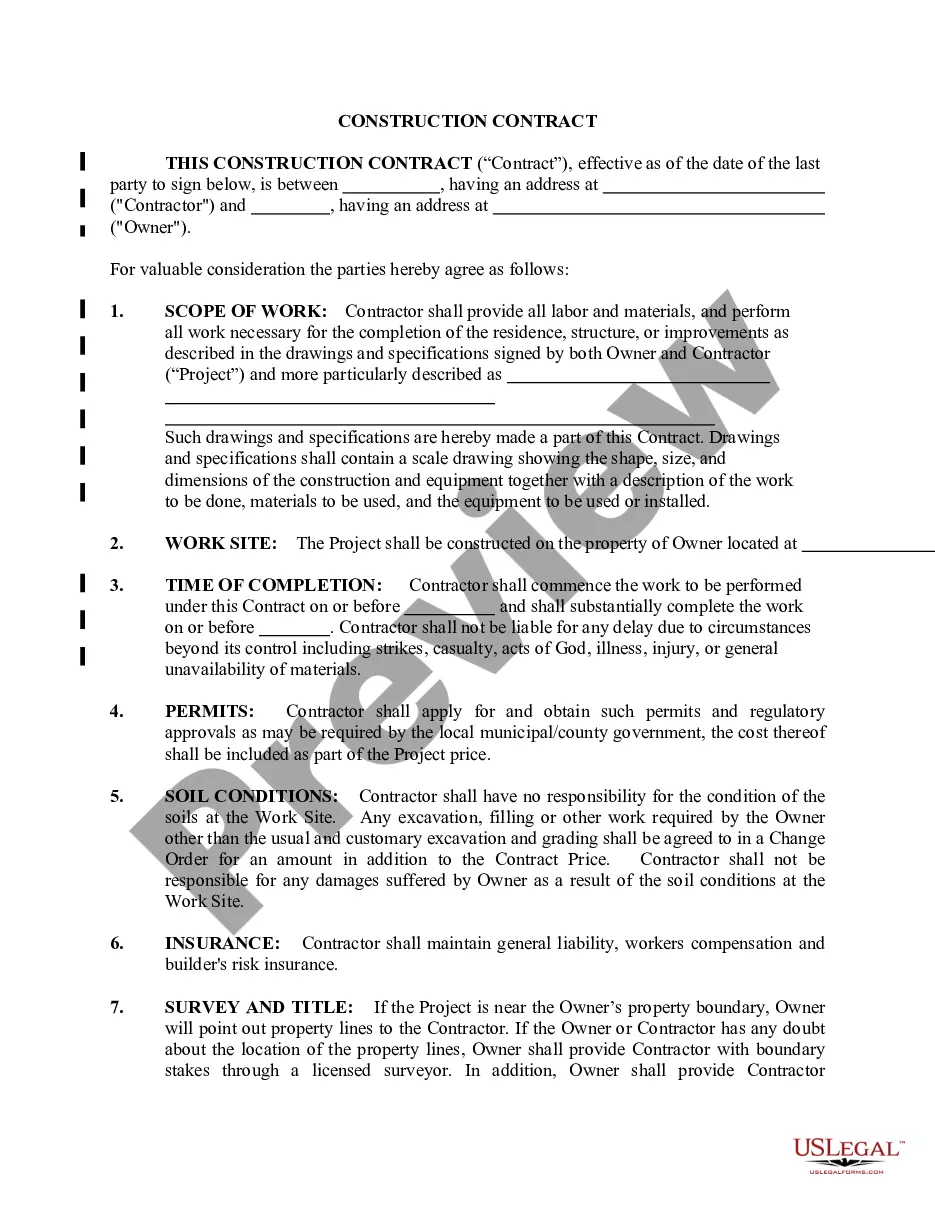
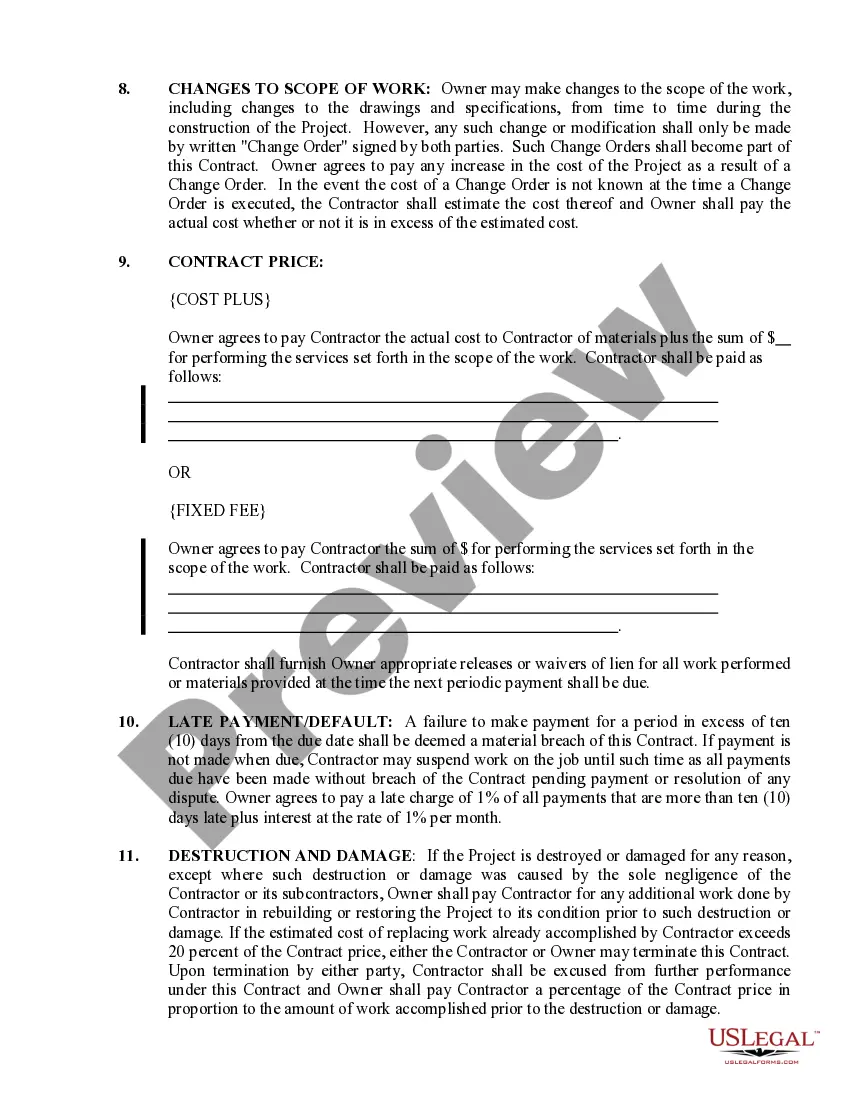
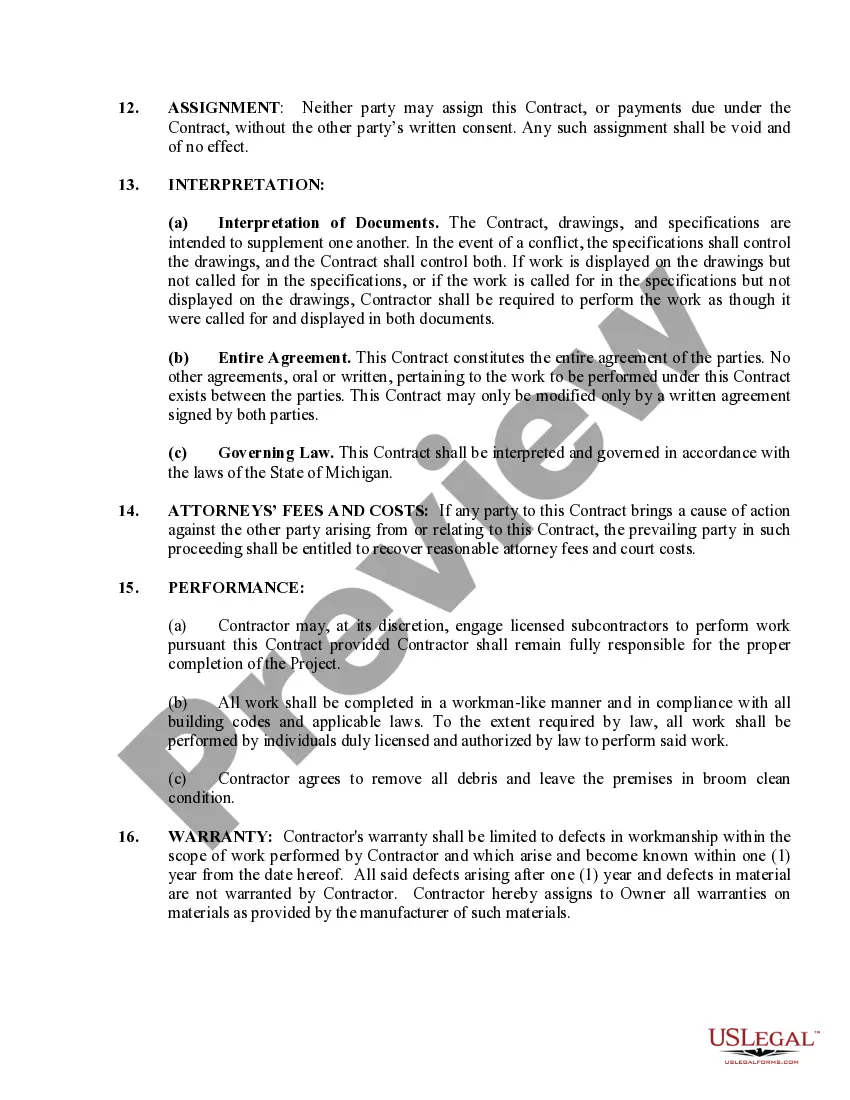
This Construction Contract allows parties to establish a payment structure that can be either cost plus or fixed fee. It is used to outline the specifics of a construction project, ensuring clarity on components such as the scope of work, site location, warranties, and insurance coverage. This form differs from standard contracts by offering flexible financial arrangements suited to different project needs.
What’s included in this form
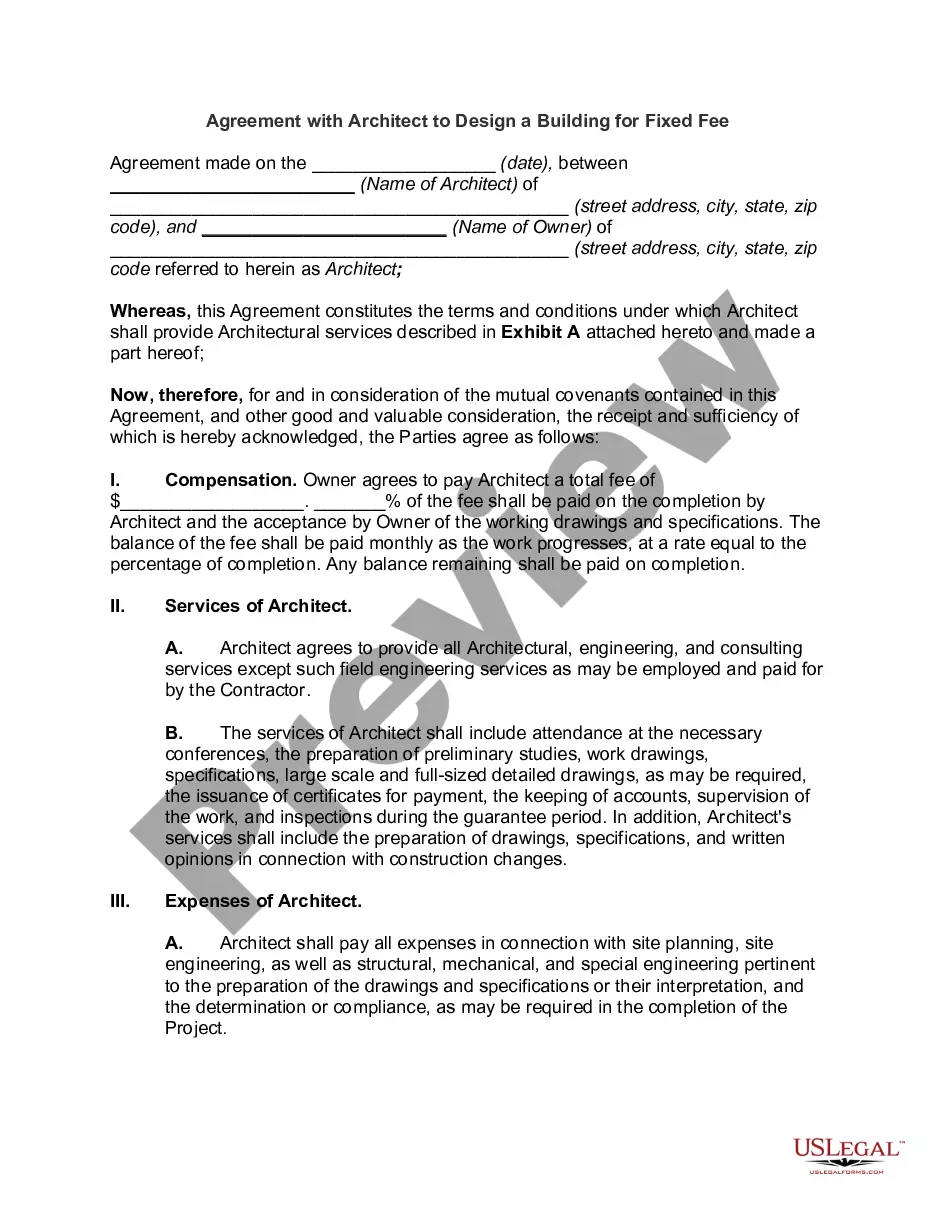
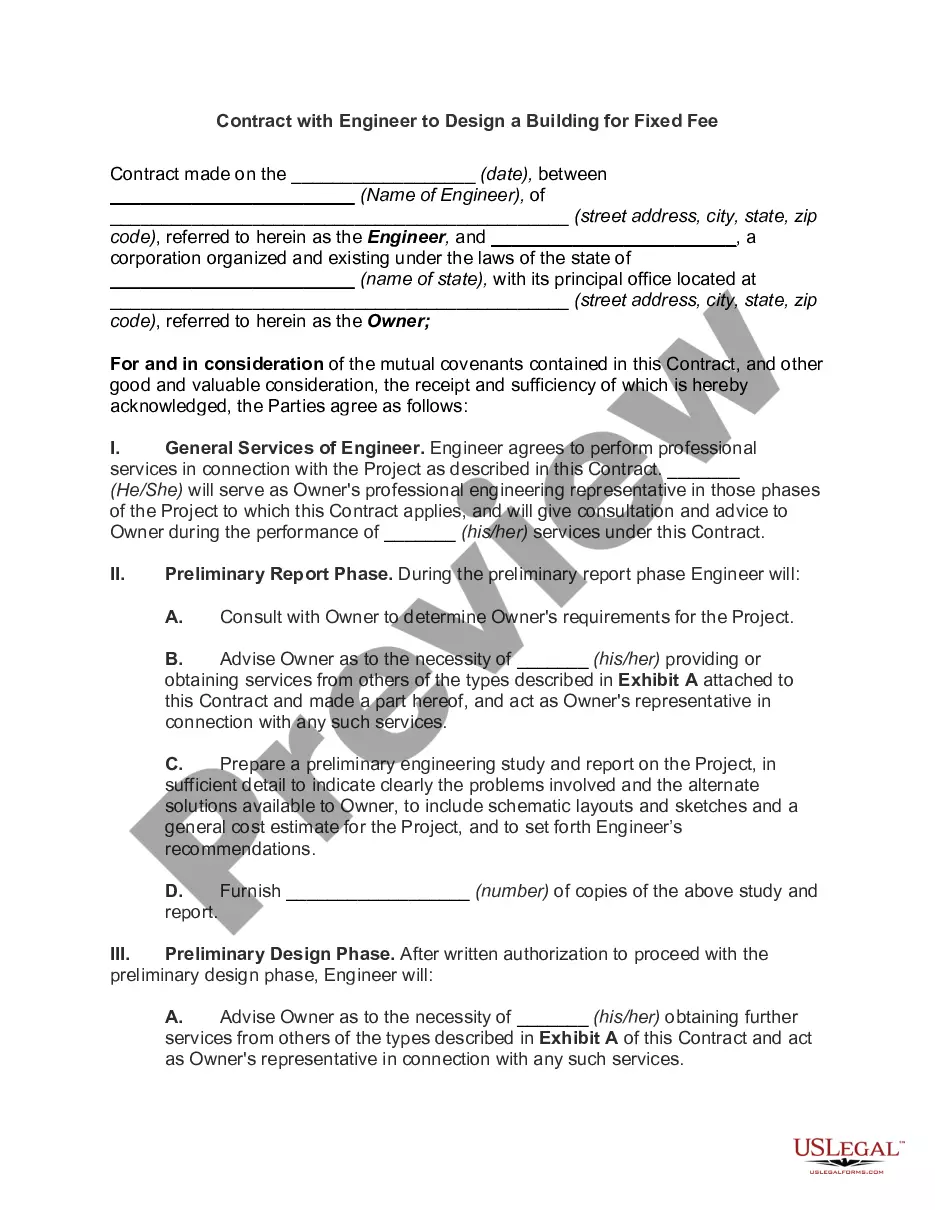
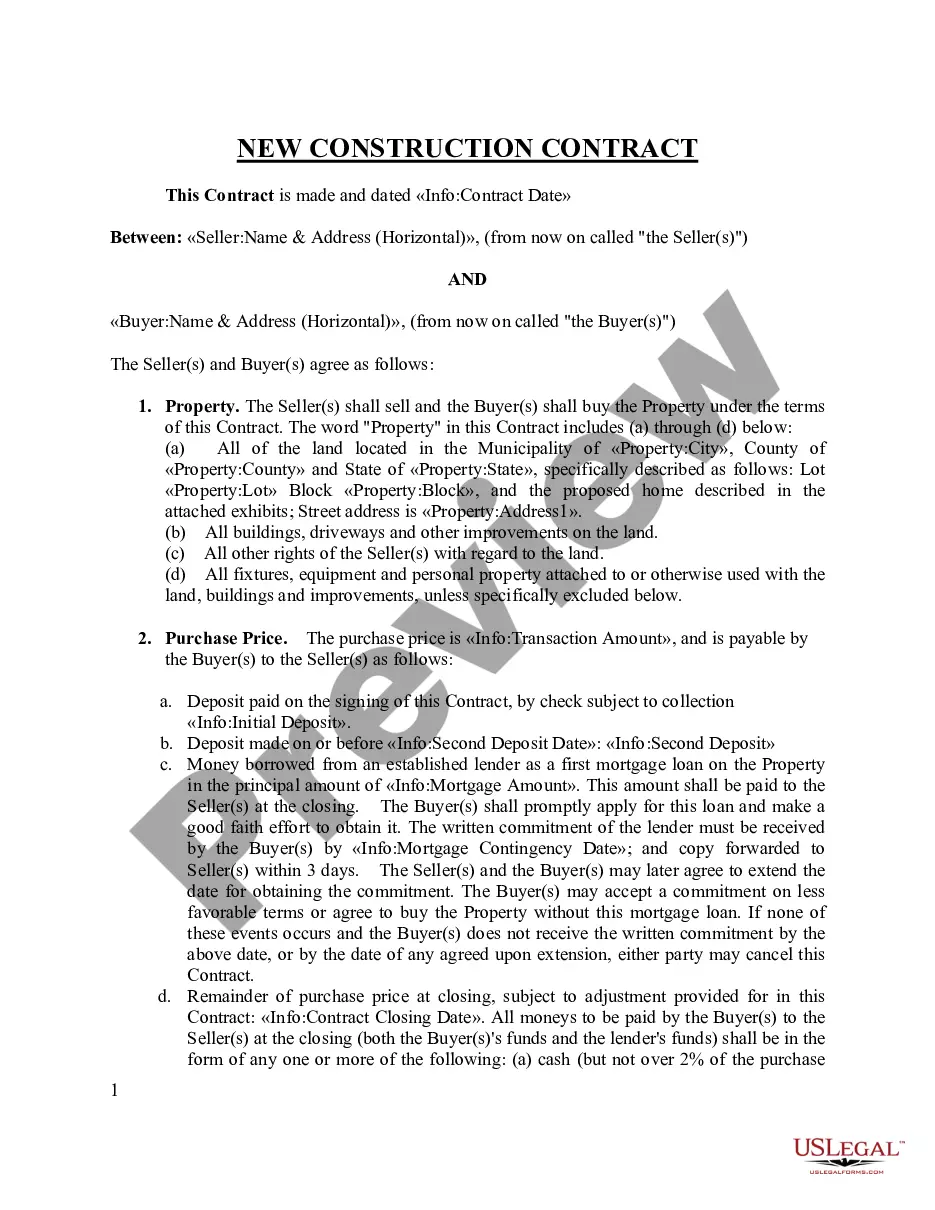
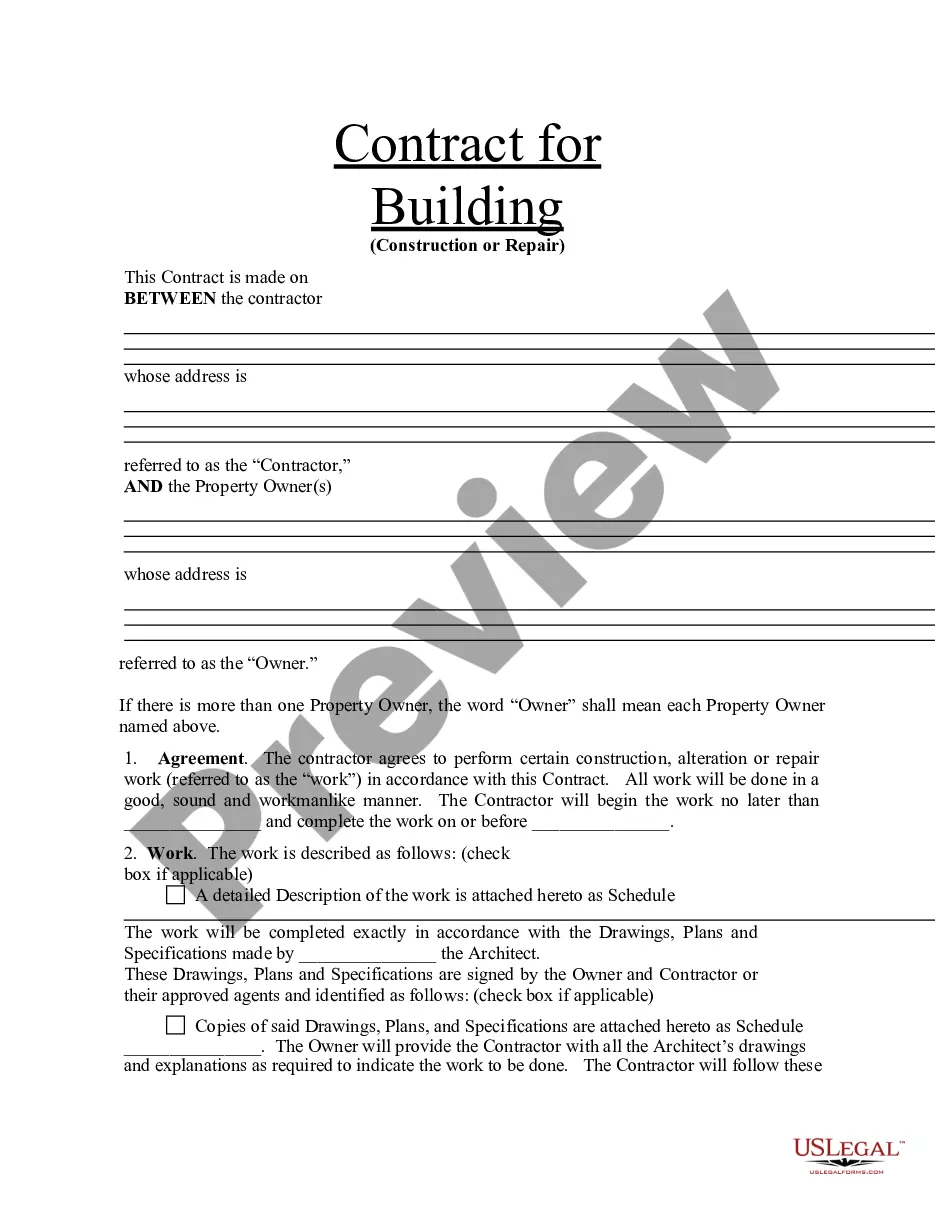
- Work Site: Defines the location where the construction will take place.
- Permits: Specifies the obligation of the contractor to obtain necessary permits.
- Soil Conditions: Clarifies that the contractor is not responsible for site soil conditions.
- Insurance: Requires the contractor to maintain necessary insurance types.
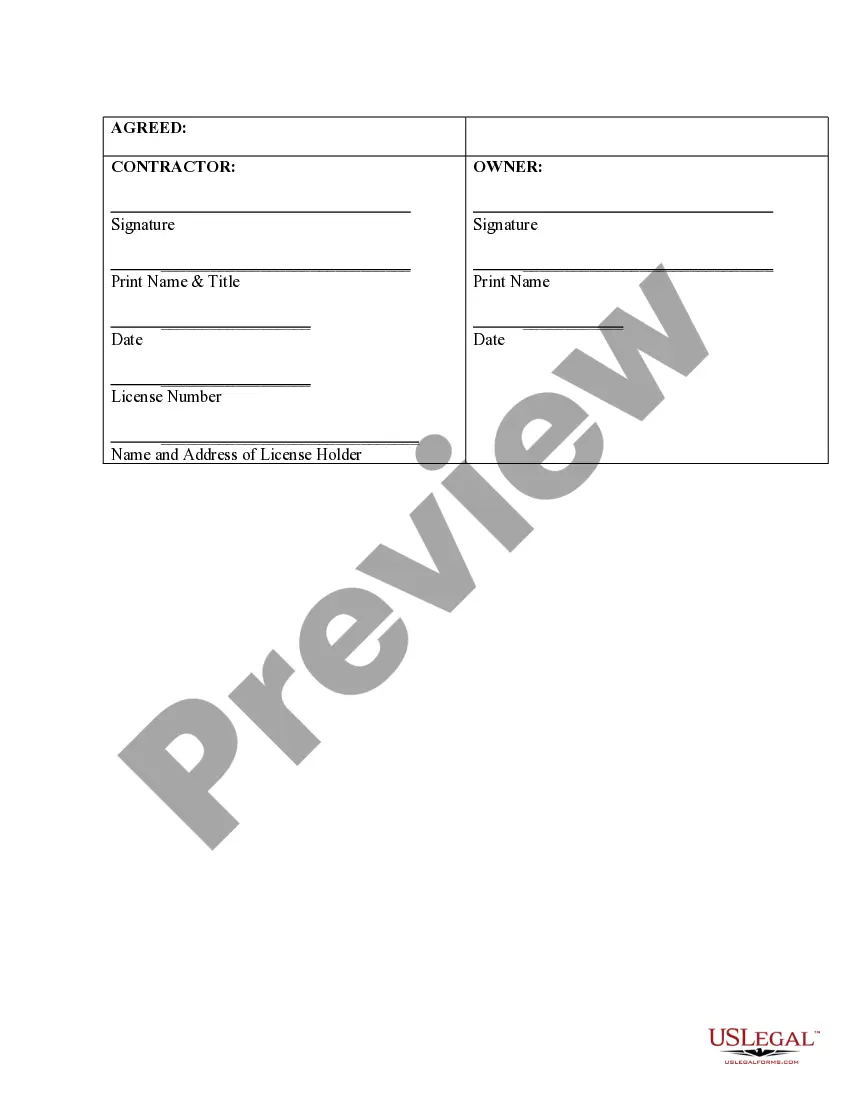
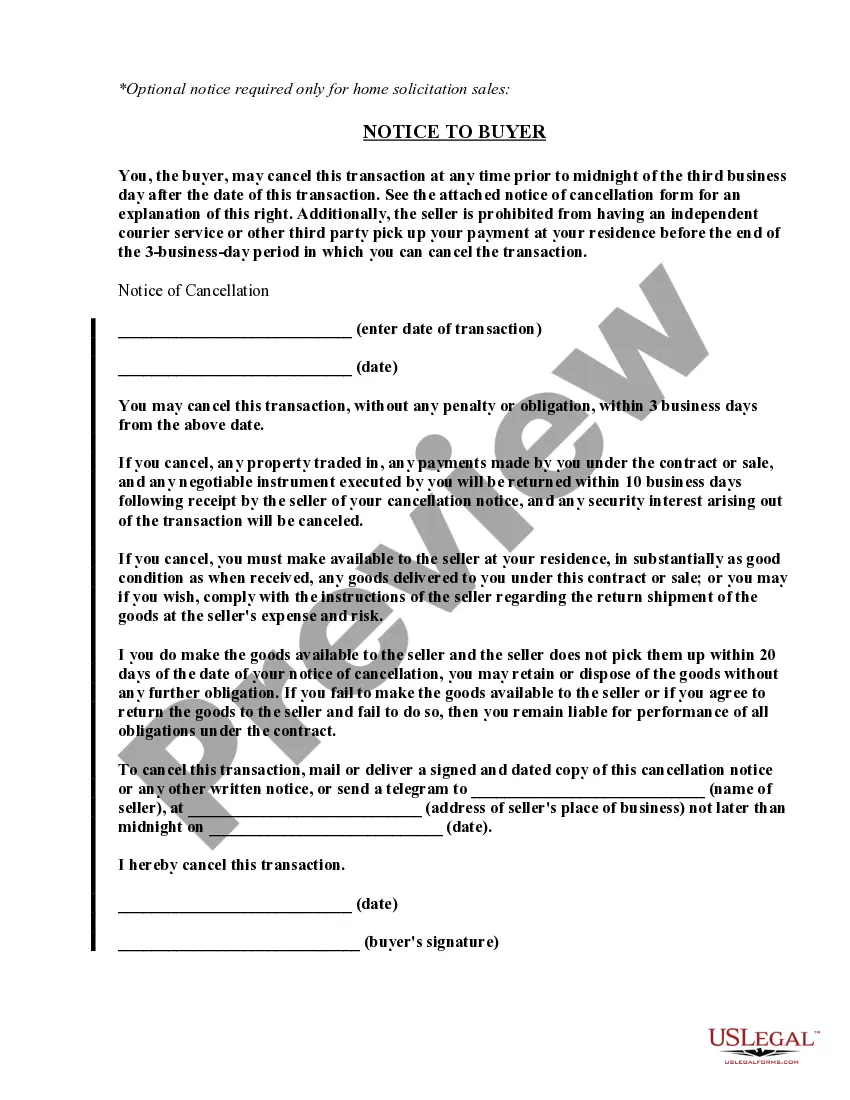
- Change Orders: Details how changes to the project scope must be documented and agreed upon.
- Late Payment: Outlines consequences for late payments, including potential work suspension.

Situations where this form applies
This form is appropriate when you are engaging a contractor for a construction project where the total cost can vary based on actual expenses incurred, or when you prefer to agree on a fixed fee upfront. It provides a clear framework for managing changes during the construction process and addresses essential legal aspects of the construction contract.
Who this form is for
- Property owners seeking to hire contractors for construction projects.
- Contractors looking to set clear terms with property owners for construction work.
- Individuals or businesses involved in large-scale remodels or builds where costs may fluctuate.
How to complete this form
- Identify the parties: Fill in the names and addresses of both the owner and the contractor.
- Specify the property: Provide the address and description of the work site where the project will be executed.
- Outline the scope of work: Clearly define what tasks will be performed as part of the construction project.
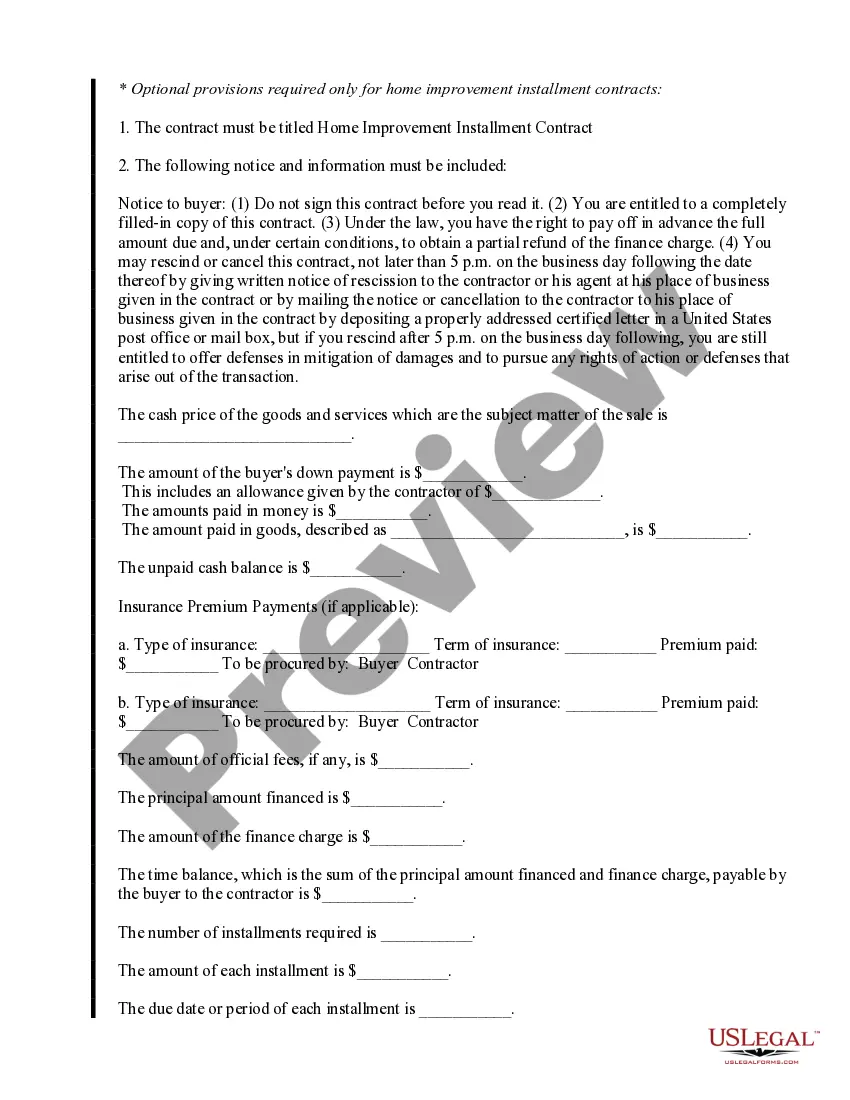
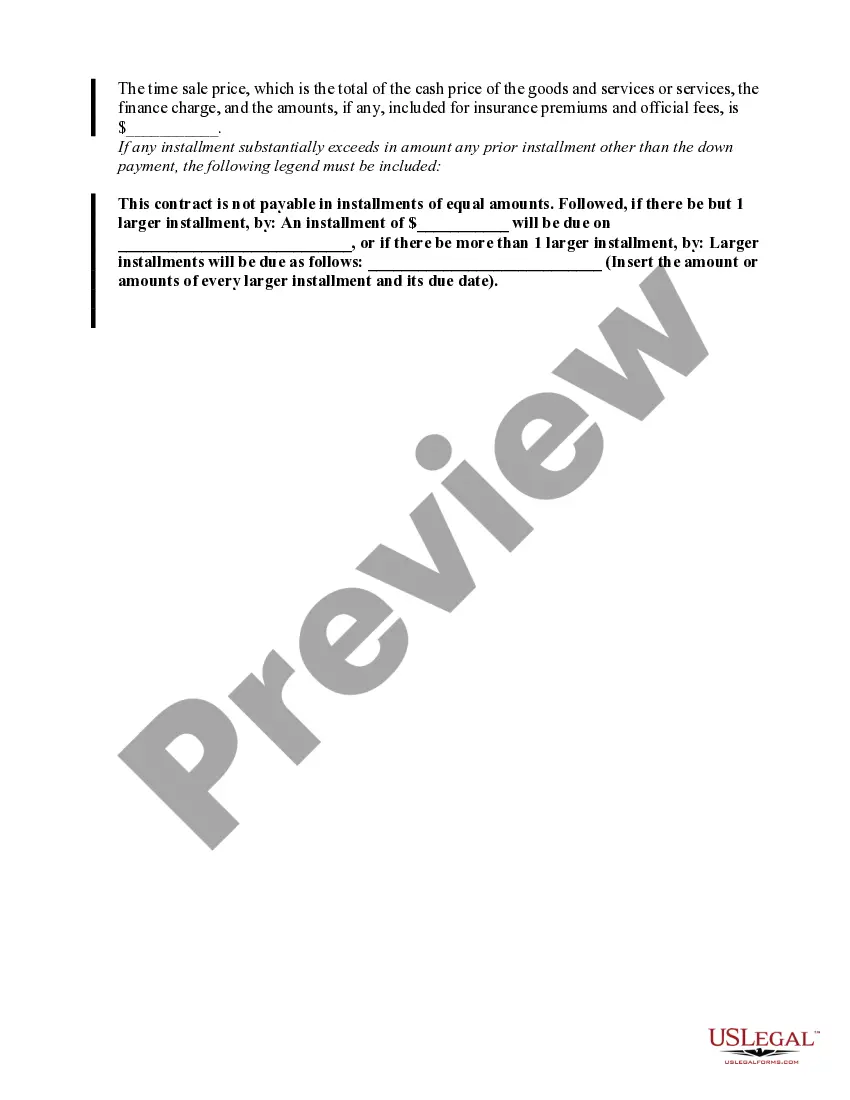
- Enter the payment structure: Select whether the payment is cost plus or a fixed fee and detail any necessary payment terms.
- Obtain signatures: Have both parties sign the contract to confirm agreement to the terms outlined.
Does this document require notarization?
This form does not typically require notarization unless specified by local law.
Get your form ready online
Our built-in tools help you complete, sign, share, and store your documents in one place.
Make edits, fill in missing information, and update formatting in US Legal Forms—just like you would in MS Word.
Download a copy, print it, send it by email, or mail it via USPS—whatever works best for your next step.
Sign and collect signatures with our SignNow integration. Send to multiple recipients, set reminders, and more. Go Premium to unlock E-Sign.
If this form requires notarization, complete it online through a secure video call—no need to meet a notary in person or wait for an appointment.
We protect your documents and personal data by following strict security and privacy standards.

Make edits, fill in missing information, and update formatting in US Legal Forms—just like you would in MS Word.

Download a copy, print it, send it by email, or mail it via USPS—whatever works best for your next step.

Sign and collect signatures with our SignNow integration. Send to multiple recipients, set reminders, and more. Go Premium to unlock E-Sign.

If this form requires notarization, complete it online through a secure video call—no need to meet a notary in person or wait for an appointment.

We protect your documents and personal data by following strict security and privacy standards.
Common mistakes to avoid
- Failing to obtain required permits before starting construction.
- Not clearly defining the scope of work, leading to misunderstandings.
- Omitting necessary insurance coverage provisions.
- Neglecting to document changes in scope via signed Change Orders.
Benefits of completing this form online
- Easy accessibility and instant downloads for immediate use.
- Editability allows for customization to meet the specific needs of the project.
- Reliability comes from forms drafted by licensed attorneys, ensuring legal compliance.
Legal use & context
- This contract serves as a legally binding agreement between the owner and contractor.
- It ensures that both parties are clear on their rights, responsibilities, and remedies related to the project.
- The form is enforceable in Michigan, and compliance with its terms can protect against legal disputes.
What to keep in mind
- This Construction Contract offers flexibility in payment structure: cost plus or fixed fee.
- Clearly outlining the project's scope and conditions can prevent misunderstandings.
- Always comply with local permit and insurance requirements to ensure project legality.
Looking for another form?
Form popularity
FAQ
Use a cost-plus fixed-fee contract when you require a balance between cost transparency and contractor involvement. This approach works well in projects where scope may change or when you prioritize collaboration. By selecting this contract type, you ensure that contractors are motivated to deliver quality work while maintaining budgetary control.
To write a cost-plus construction contract, start by clearly outlining the scope of work and expected costs. Define how the fees will be calculated and what expenses are included. Using platforms like US Legal Forms can simplify this process by providing templates and legal guidance tailored for Michigan construction contracts.
Contractors manage cost-plus projects by keeping detailed records of all expenses incurred during the construction. They then submit these costs for reimbursement, along with their agreed-upon fee. The success of this method hinges on trust and clarity, ensuring everyone understands the terms and conditions of the Michigan Construction Contract Cost Plus or Fixed Fee.
One disadvantage of a cost-plus fee contract is the potential for cost overruns, which can escalate the overall project budget. Additionally, this format may lead to less urgency from contractors to control costs since their fees are not fixed. Thus, careful monitoring and communication are essential to ensure the project stays on track.
You should use a cost-plus contract when you value flexibility and collaboration in your construction project. This type allows for adjustments as the work progresses, making it ideal for clients who want to engage in hands-on decision-making. Additionally, it works best when working with contractors who are experienced and have reliable cost-tracking practices.
You can use a cost-plus contract in situations where project specifications may change or are not fully defined from the start. This is especially beneficial in large-scale projects or unique constructions in Michigan. By using this method, you accommodate changes in scope without renegotiating the entire contract.
The cost-plus method involves paying for the actual costs incurred during a project, along with an additional fee for the contractor's work. This approach is useful when precise budgeting is challenging. It helps both you and the contractor maintain transparency and fosters trust throughout the construction process.
You should consider a cost-plus fixed-fee contract in Michigan when project requirements are unclear, as this contract type provides flexibility. It allows you to adjust costs as necessary while ensuring that the contractor receives a fixed fee for their services. This balance can lead to better project outcomes, especially for complex builds.
Billing a cost-plus contract requires accurate tracking of all project costs incurred. Regularly submit invoices that detail the costs for materials, labor, and overhead, in compliance with the agreed terms. Additionally, include the fixed fee portion, if applicable, as outlined in the contract. Utilize platforms like USLegalForms to help streamline the invoicing process and ensure compliance with Michigan Construction Contract Cost Plus or Fixed Fee guidelines.
To write a cost-plus contract for a Michigan Construction Contract Cost Plus or Fixed Fee, start by clearly defining the scope of work. Include a detailed list of allowable costs such as materials, labor, and overhead. Specify how the contractor will be reimbursed for these costs and outline any fee structure, whether it's a percentage or a fixed amount. Always remember to include clauses for project changes and ensure all parties understand their responsibilities.