Maryland Essential Legal Life Documents for New Parents
Understanding this form package
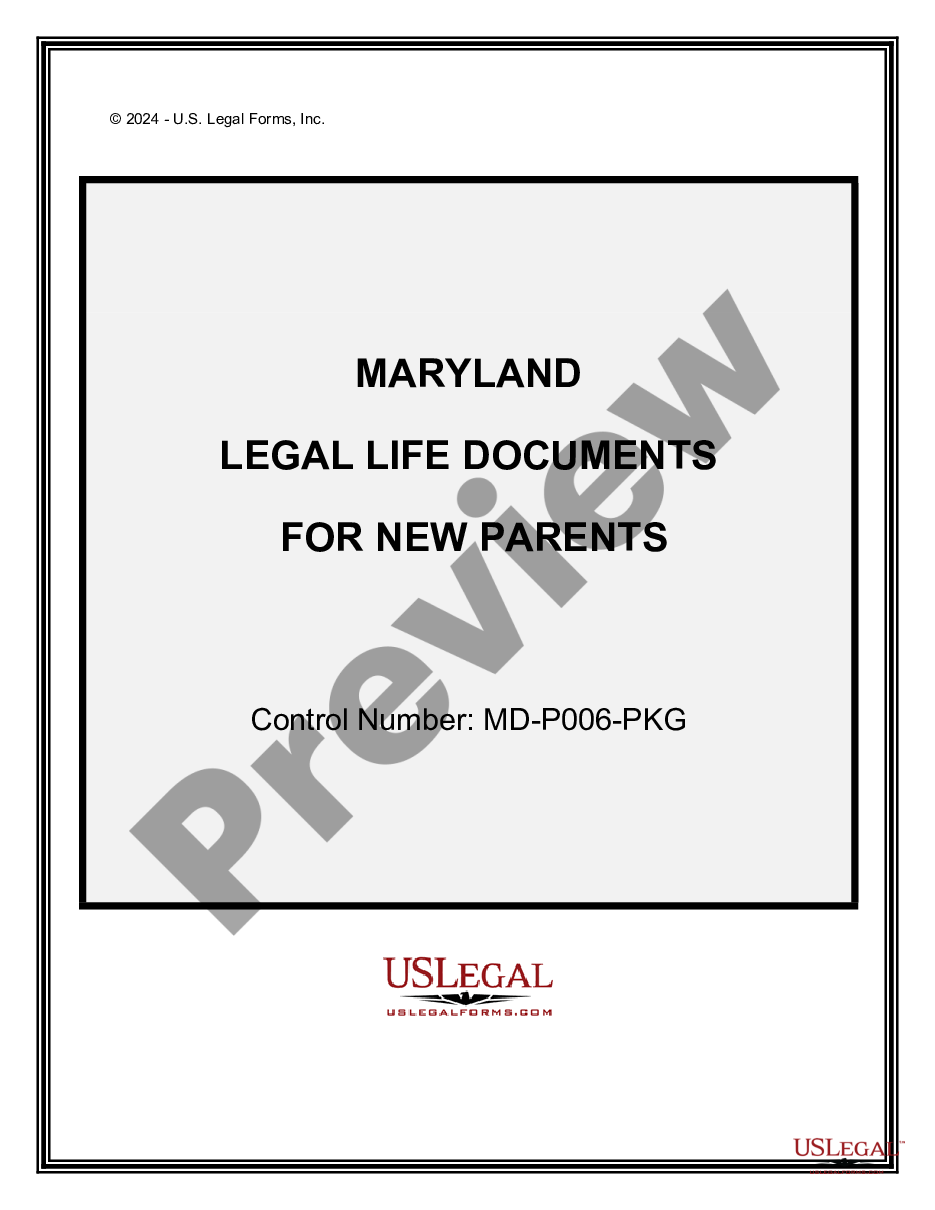
The Maryland Essential Legal Life Documents for New Parents form package is designed to help new parents prepare for significant changes that come with the addition of a child. This package contains essential, state-specific legal documents drafted by licensed attorneys, ensuring they meet your unique needs. By consolidating crucial forms, this package offers a comprehensive solution for new parents to address their legal affairs efficiently.
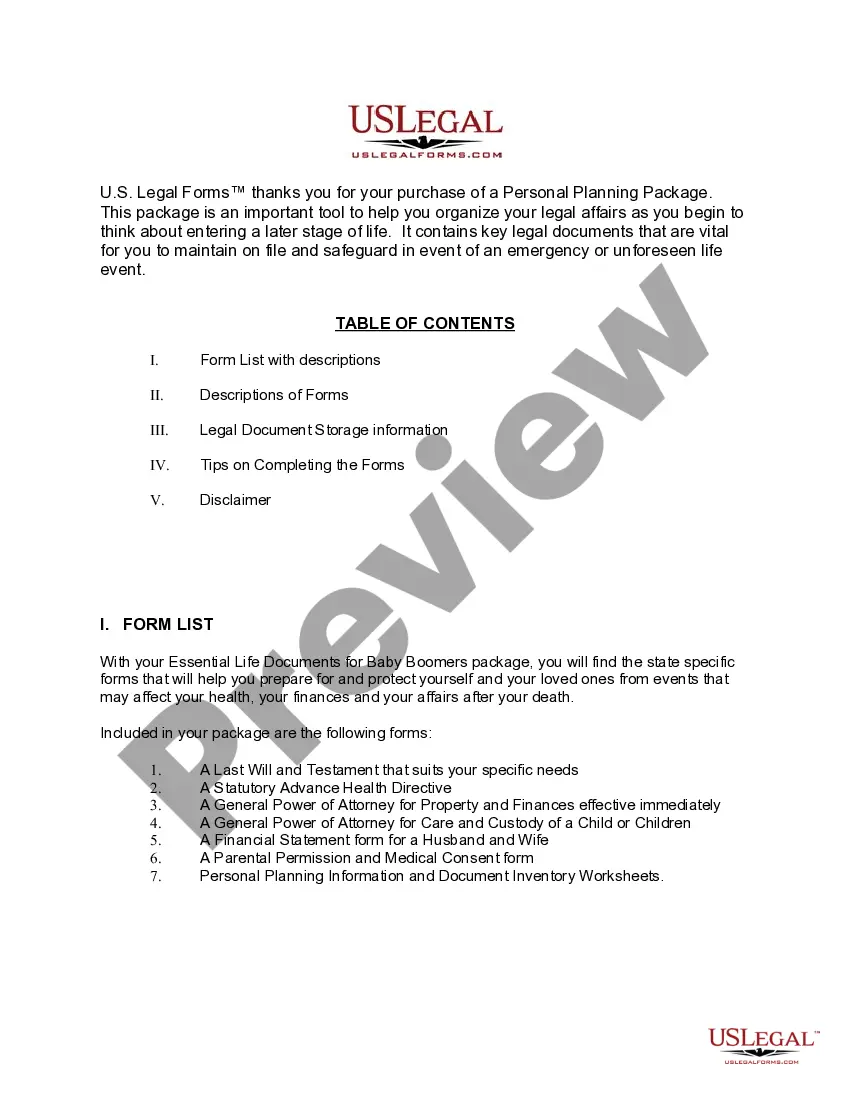
Forms provided in this package
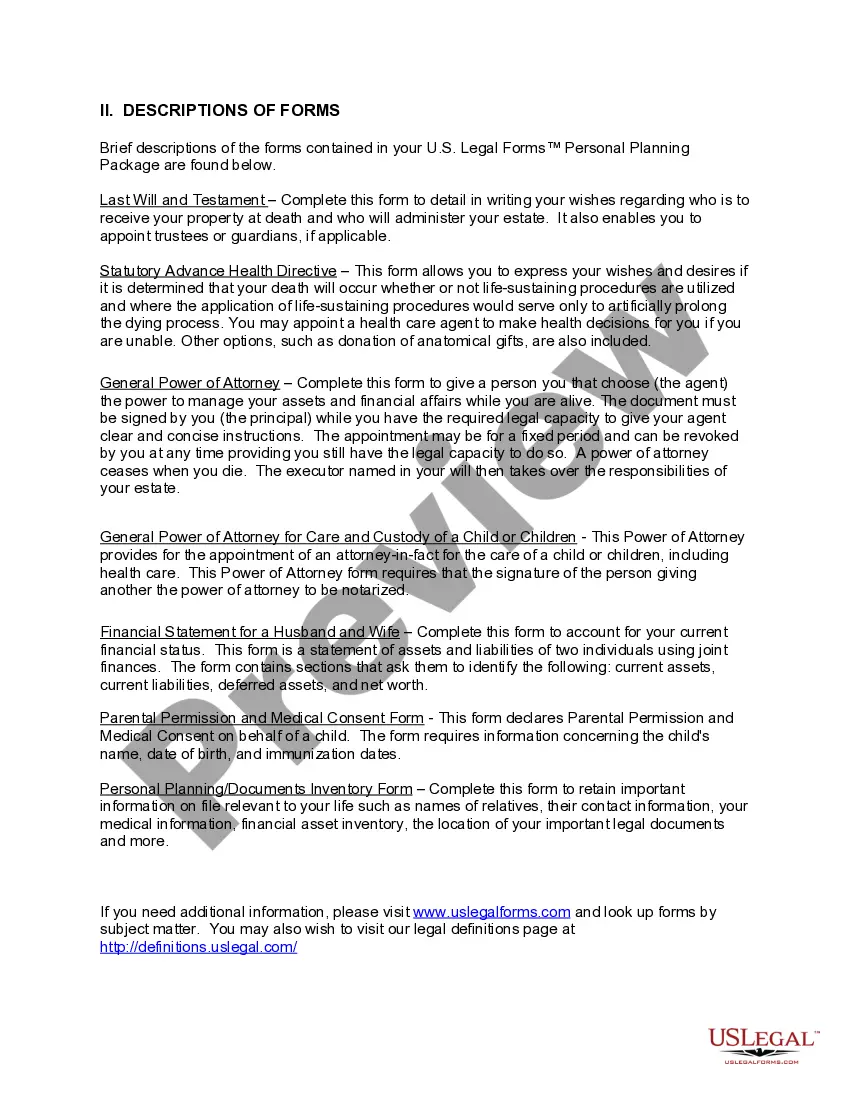
- General Durable Power of Attorney for Property and Finances or Financial Effective Immediately
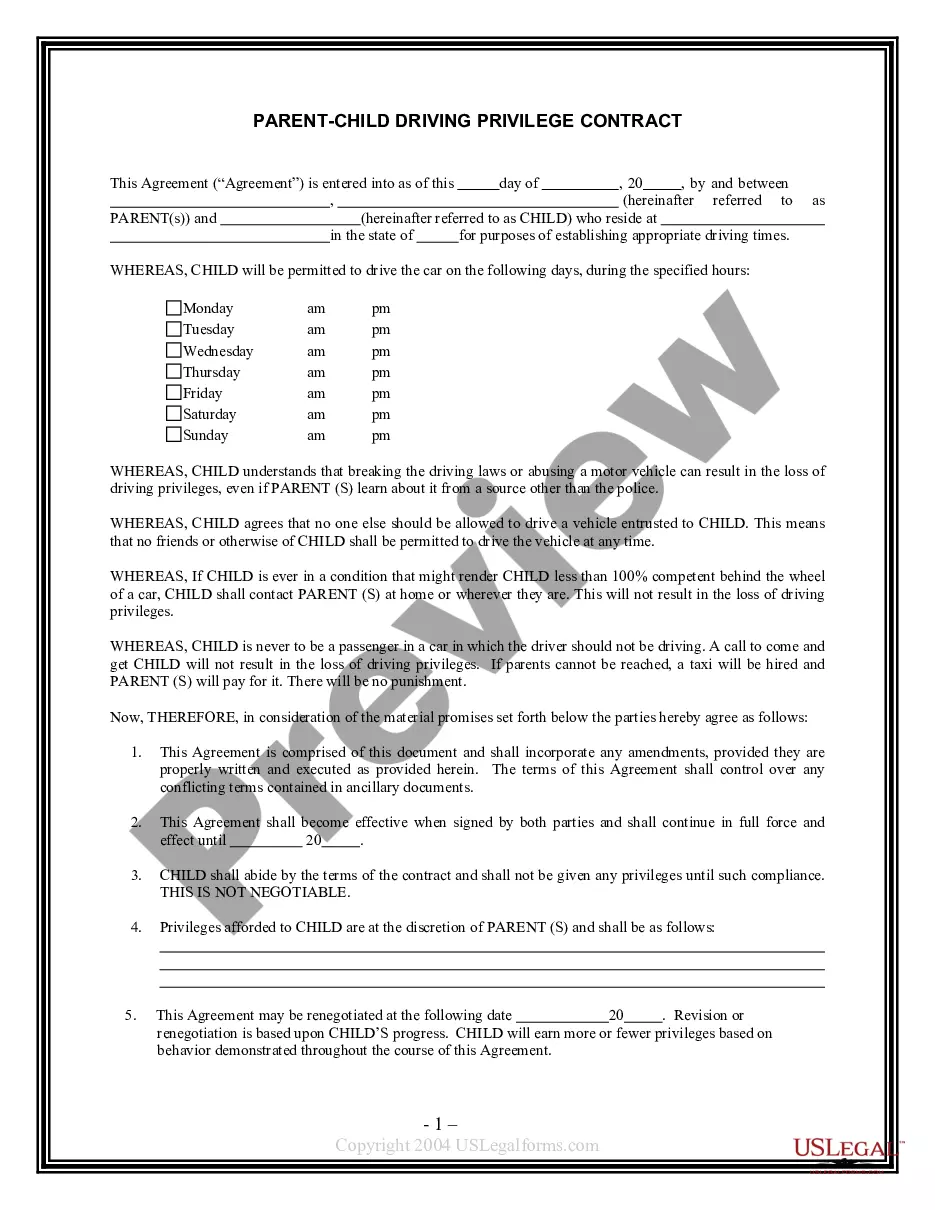
- General Power of Attorney for Care and Custody of Child or Children
- Statutory Advance Health Directive
- Financial Statement Form - Husband and Wife Joint
- Parental Permission and Medical Consent Form
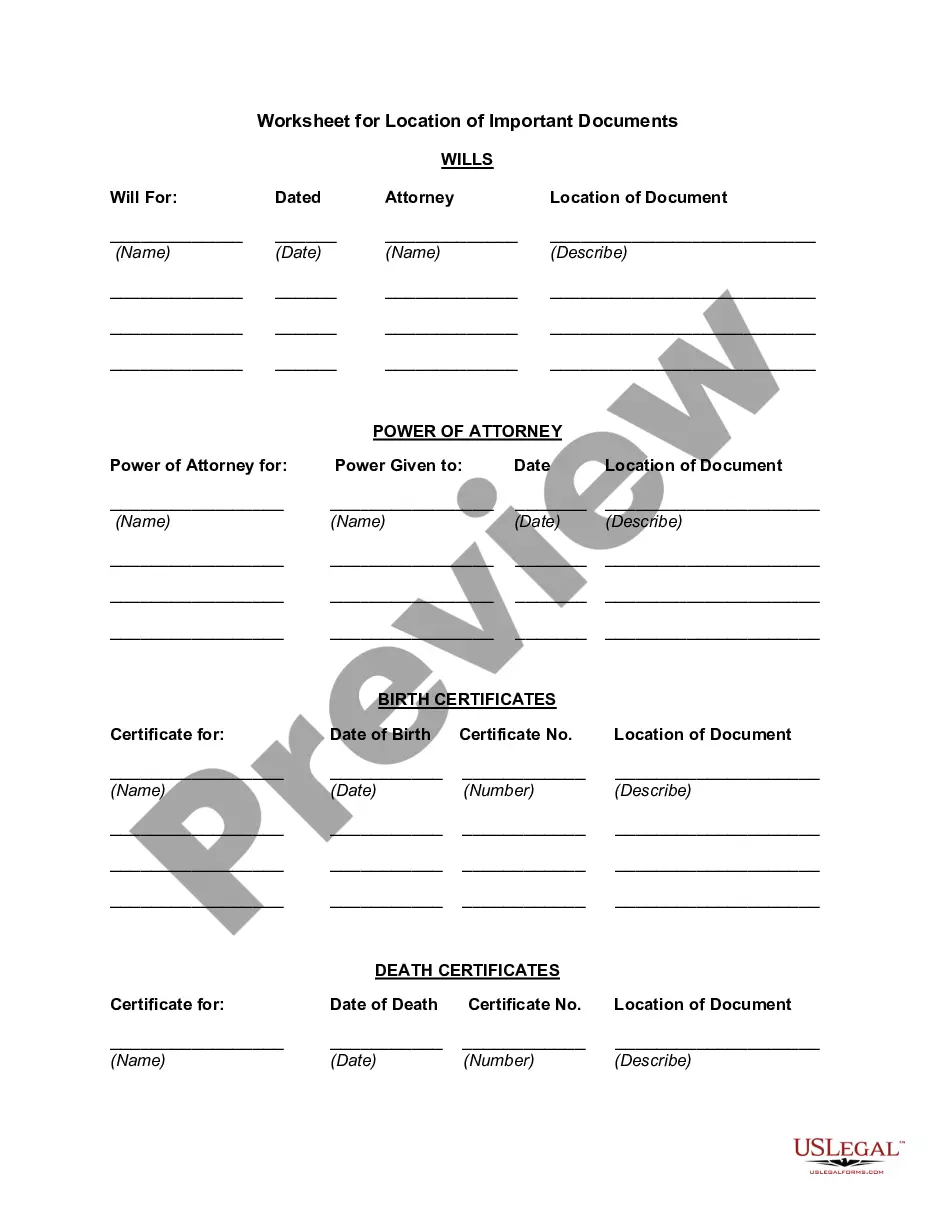
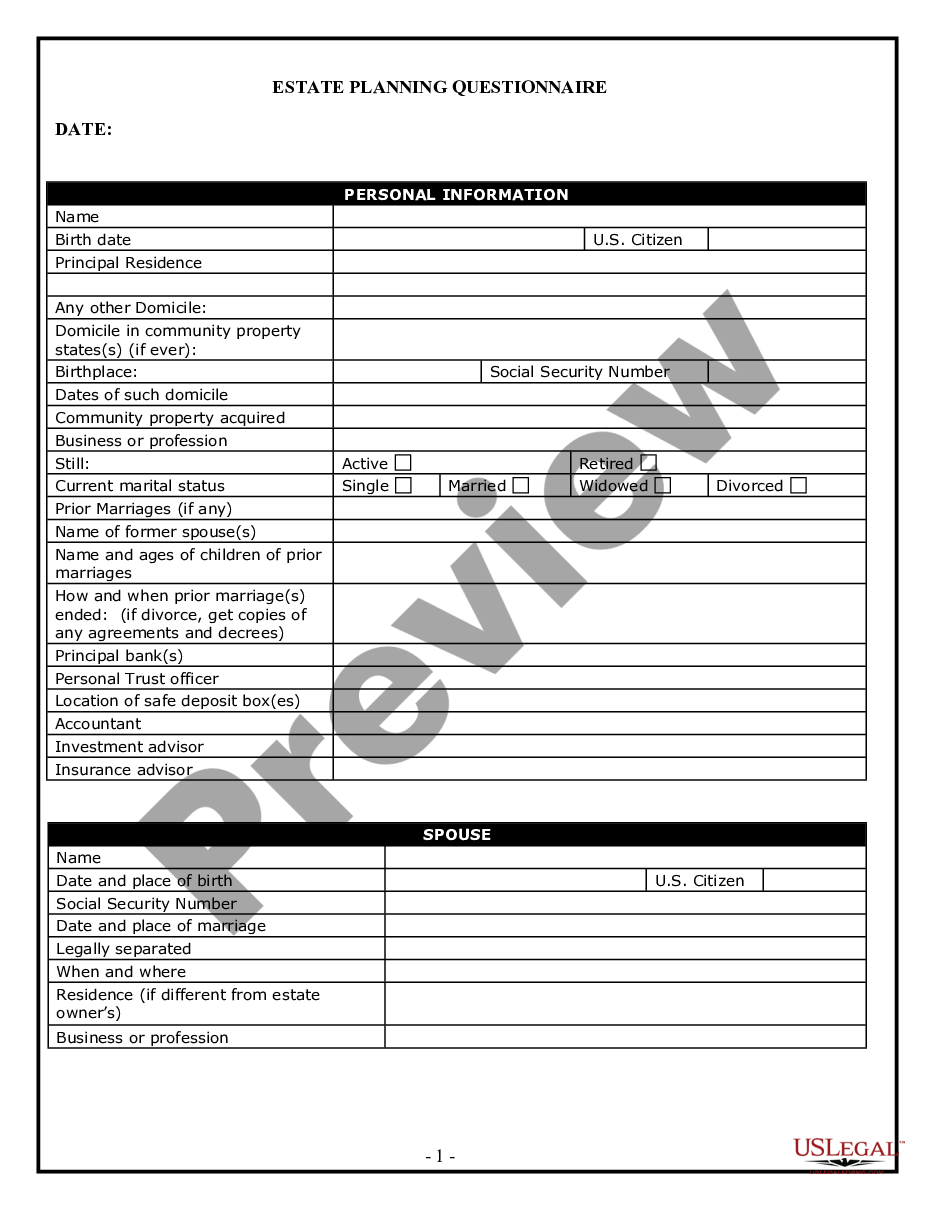
- Personal Planning Information and Document Inventory Worksheets - A Legal Life Document

When this form package is needed
Consider using this form package when:
- You are welcoming a new child into your family and want to ensure their legal and financial security.
- You wish to establish legal directives related to healthcare and custody for your child.
- You need to prepare legal documents to manage your finances in case of unforeseen circumstances.
- You want to set clear wishes for medical treatment in the event of incapacity.
Who should use this form package
- New parents seeking to formalize legal arrangements for their child.
- Parents anticipating changes in legal responsibilities after the birth or adoption of a child.
- Individuals looking to ensure their familial and financial assets are protected.
- Couples wanting to streamline their essential life documents to become more organized.
How to complete these forms
- Review the included forms to understand each document's purpose and requirements.
- Identify the parties involved, including parents and guardians, as necessary.
- Fill out the forms completely, providing accurate information specific to your circumstances.
- Sign the documents in the presence of a notary if required for validity.
- Retain copies of all completed forms in a secure location for future reference.
Notarization details for included forms
Yes, forms in this package must be notarized to be legally valid. Many of the legal documents, such as Power of Attorney forms, require signatures to be notarized to ensure their authenticity. US Legal Forms offers integrated online notarization services, enabling you to notarize documents securely via video call, available 24/7, without the need to travel.
Get your form ready online
Our built-in tools help you complete, sign, share, and store your documents in one place.
Make edits, fill in missing information, and update formatting in US Legal Forms—just like you would in MS Word.
Download a copy, print it, send it by email, or mail it via USPS—whatever works best for your next step.
Sign and collect signatures with our SignNow integration. Send to multiple recipients, set reminders, and more. Go Premium to unlock E-Sign.
If this form requires notarization, complete it online through a secure video call—no need to meet a notary in person or wait for an appointment.
We protect your documents and personal data by following strict security and privacy standards.

Make edits, fill in missing information, and update formatting in US Legal Forms—just like you would in MS Word.

Download a copy, print it, send it by email, or mail it via USPS—whatever works best for your next step.

Sign and collect signatures with our SignNow integration. Send to multiple recipients, set reminders, and more. Go Premium to unlock E-Sign.

If this form requires notarization, complete it online through a secure video call—no need to meet a notary in person or wait for an appointment.

We protect your documents and personal data by following strict security and privacy standards.
Avoid these common issues
- Not reading each form carefully to ensure all sections are completed correctly.
- Failing to update documents as family circumstances change.
- Neglecting to notarize forms when required for legal validity.
- Overlooking the necessity of discussing the contents of these documents with a partner or family member.
Why use this package online
- Convenience of downloading and printing documents at your own pace.
- Editability allows for easy adjustments to forms as circumstances change.
- Reliability, as all forms are drafted by licensed attorneys to comply with legal standards in Maryland.
Key takeaways
- This package provides essential legal documents tailored for new parents in Maryland.
- It equips parents with tools to manage their legal health, finances, and child care effectively.
- Completing and notarizing the documents accurately is crucial for enforceability.
Looking for another form?


Form popularity
FAQ
One of the biggest mistakes in a custody battle is failing to prioritize the child's best interests over personal feelings towards the other parent. This can lead to decisions that hinder your case and adversely affect your child. Staying focused on your child’s needs and having the necessary Maryland Essential Legal Life Documents for New Parents can enhance your position during proceedings.
Generally, when the parents are unmarried, the natural mother is considered the primary caregiver and holds de facto custody. Even if the natural father lives in the same residence as the child, he will need to provide evidence of paternity.
Although the law specifically permits children at least 14-years-old to express an opinion, there is no specific age when a judge will listen to a child's opinion. California statutes also permit a child younger than 14 years old to testify regarding a custodial preference, unless the court decides it's not in the
If the child is 12 or older, the judge may consider the wishes of the child. The judge may consider the wishes of the child as long as the judge determines that the child is "of sufficient age and capacity."
So at what age can a child refuse visitation?. 10 or 12-year-old child is entitled to have their feelings heard and given weight in legal proceedings about custody and visitations. Children who are above the age of 16 are allowed to decide on their rights.
A child does not really get to decide where they want to live until they are 18 and no longer legally a child. In Maryland, at age 16, a child can file a petition to change their custodial situation.
1 attorney answer Although a child's wishes are one factor among many the court must consider in determining the child's best interests, a minor child never gets to "decide" which parent to live with.
To provide your child with food, clothing and a place to live. to financially support your child. to provide safety, supervision and control. to provide medical care.
When children are born to an unmarried couple, either the mother or the father can pursue custody, so long as paternity has been established. In a Maryland child custody case, the court will award both legal and physical custody.