Maryland Landlord Tenant Eviction / Unlawful Detainer Forms Package
What is this form package?
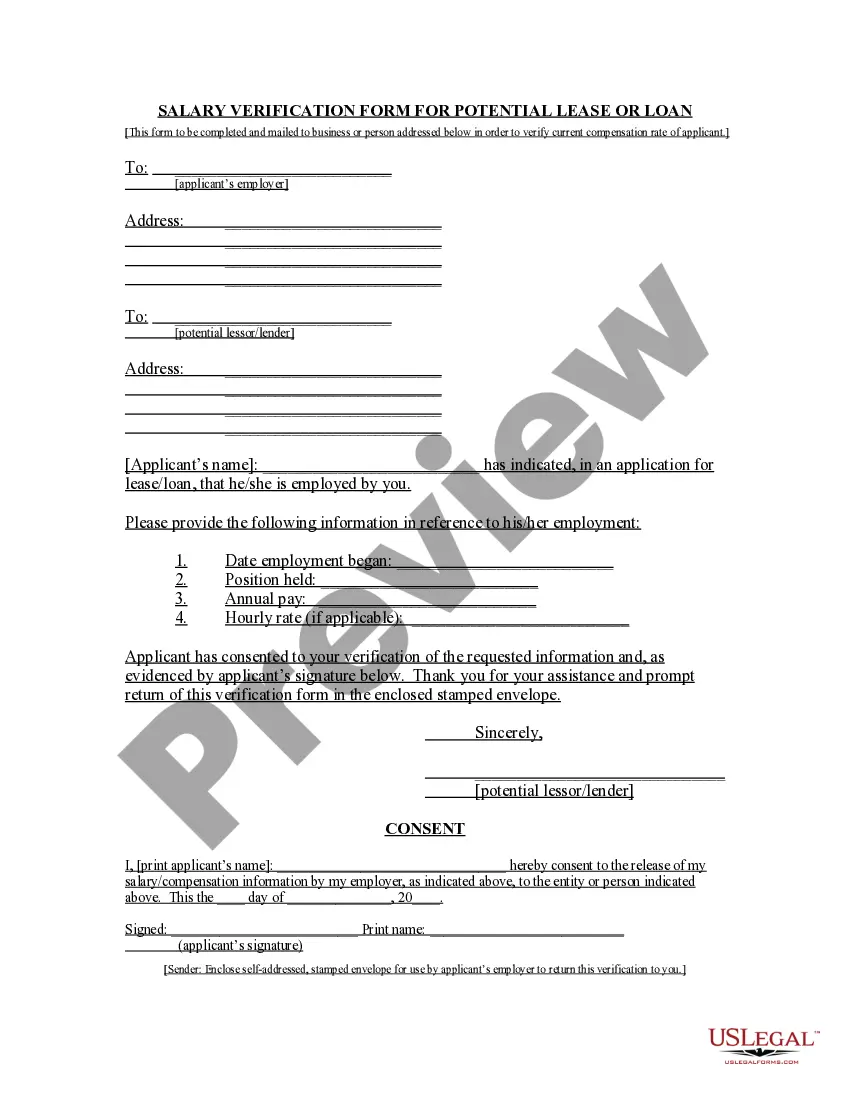
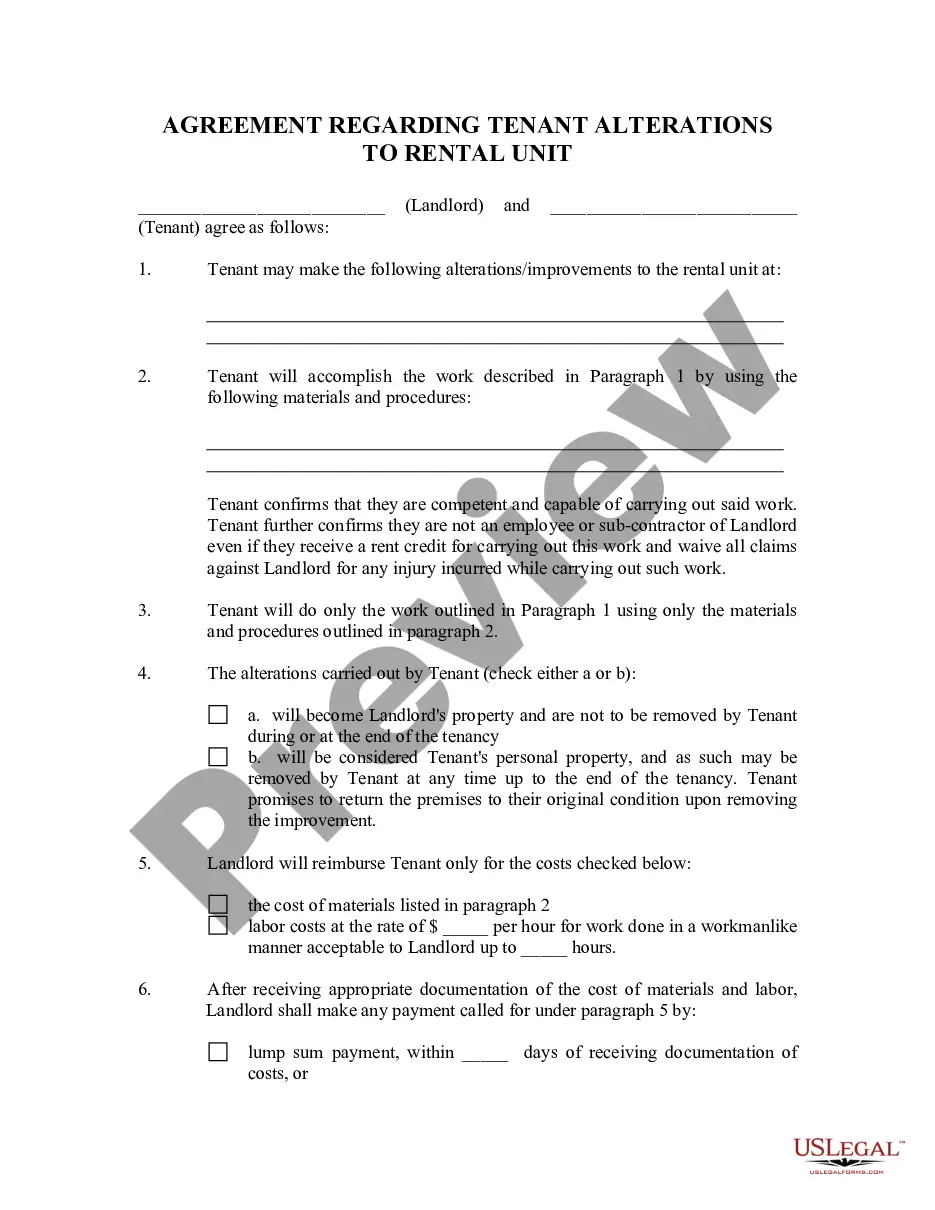
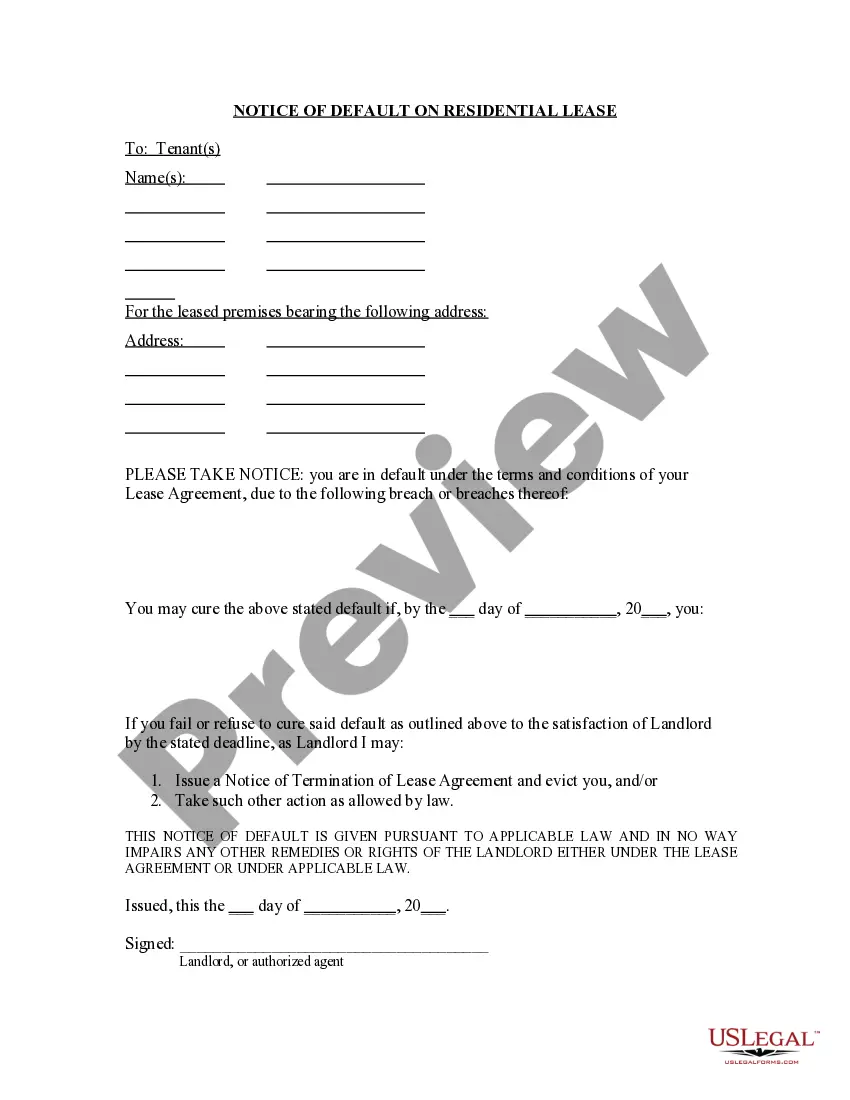
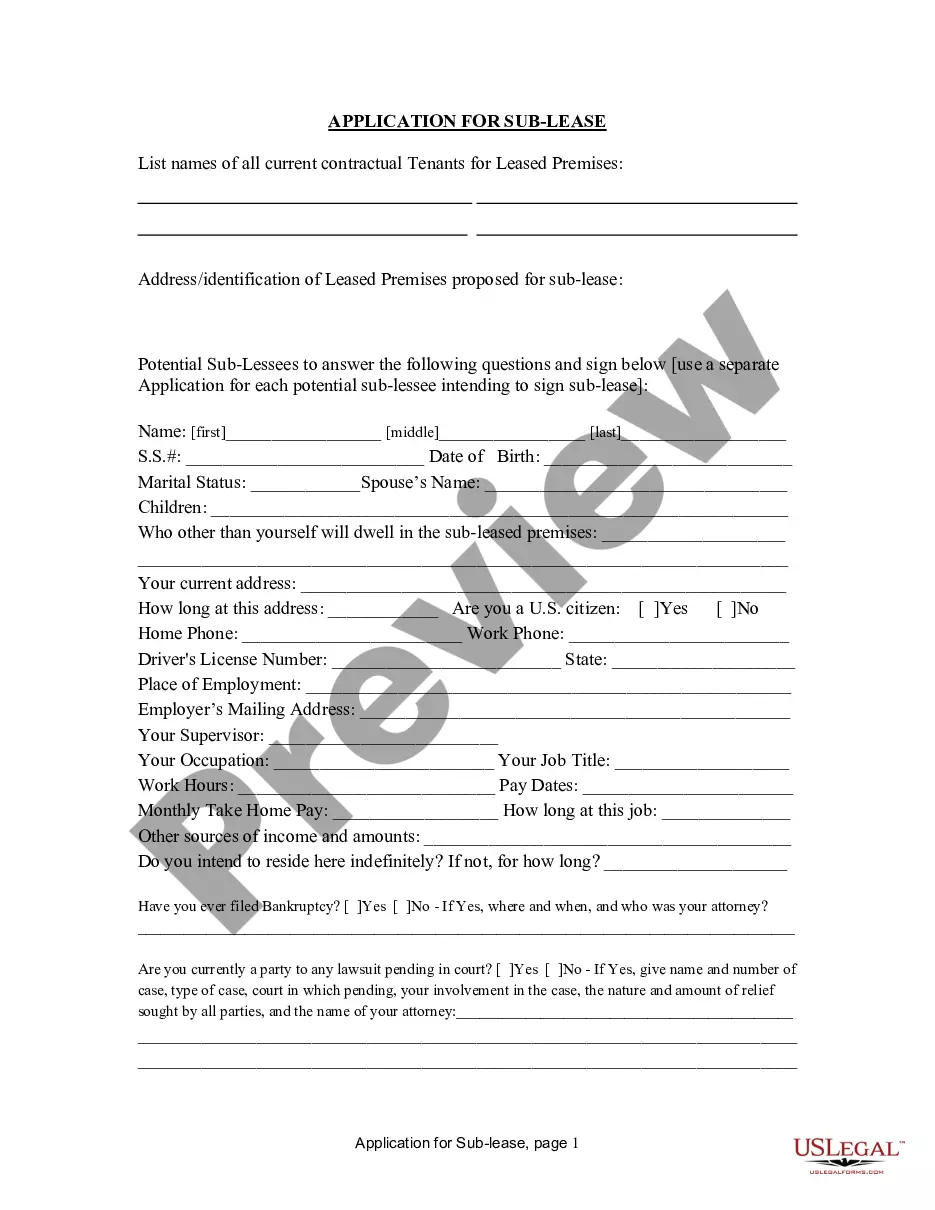
The Maryland Landlord Tenant Eviction / Unlawful Detainer Forms Package provides essential state-specific forms designed to help landlords legally evict tenants. This package ensures compliance with Maryland's eviction laws, offering a streamlined solution to address unwanted tenants while protecting your rights as a landlord. By using these professionally drafted forms, you can navigate the eviction process efficiently and effectively.
Forms you’ll find in this package
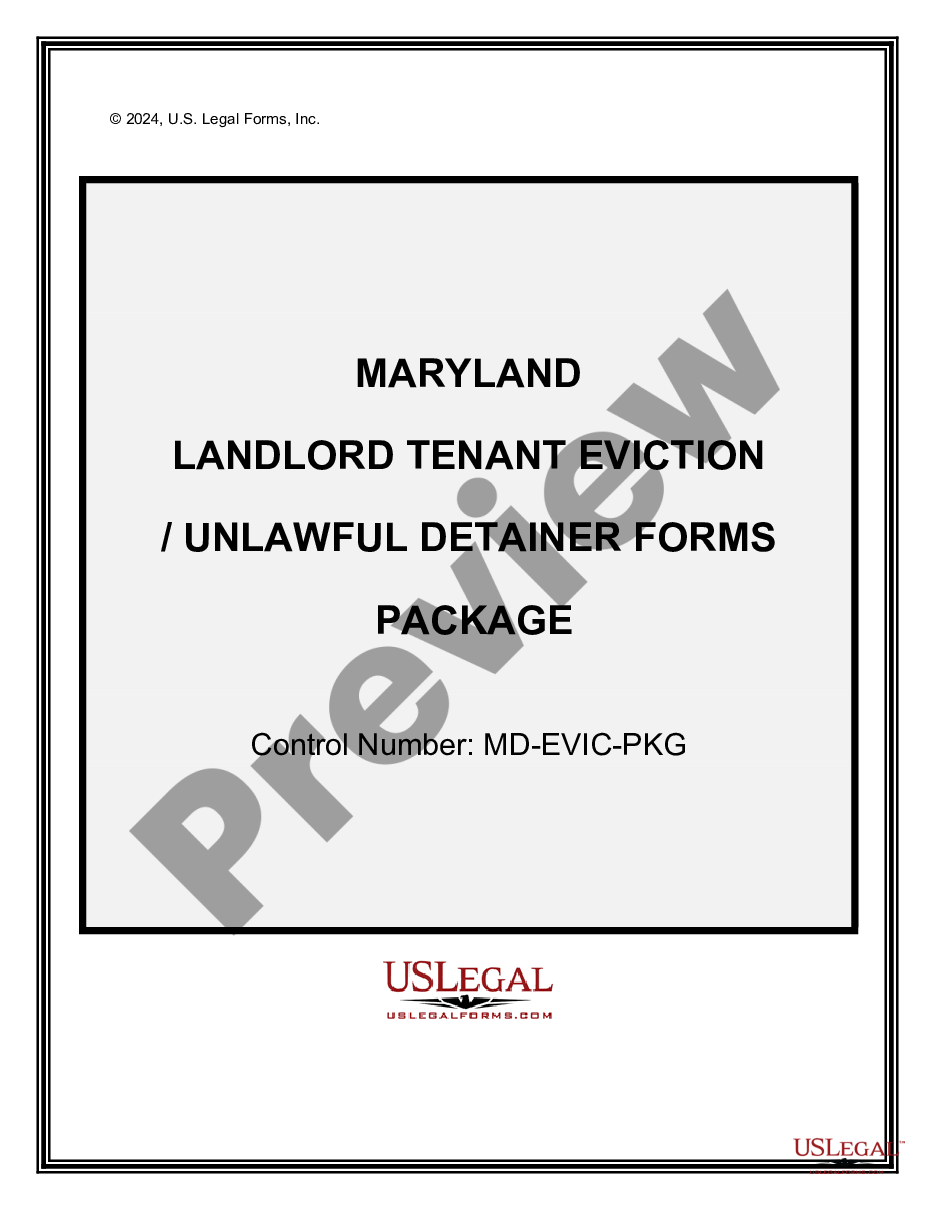
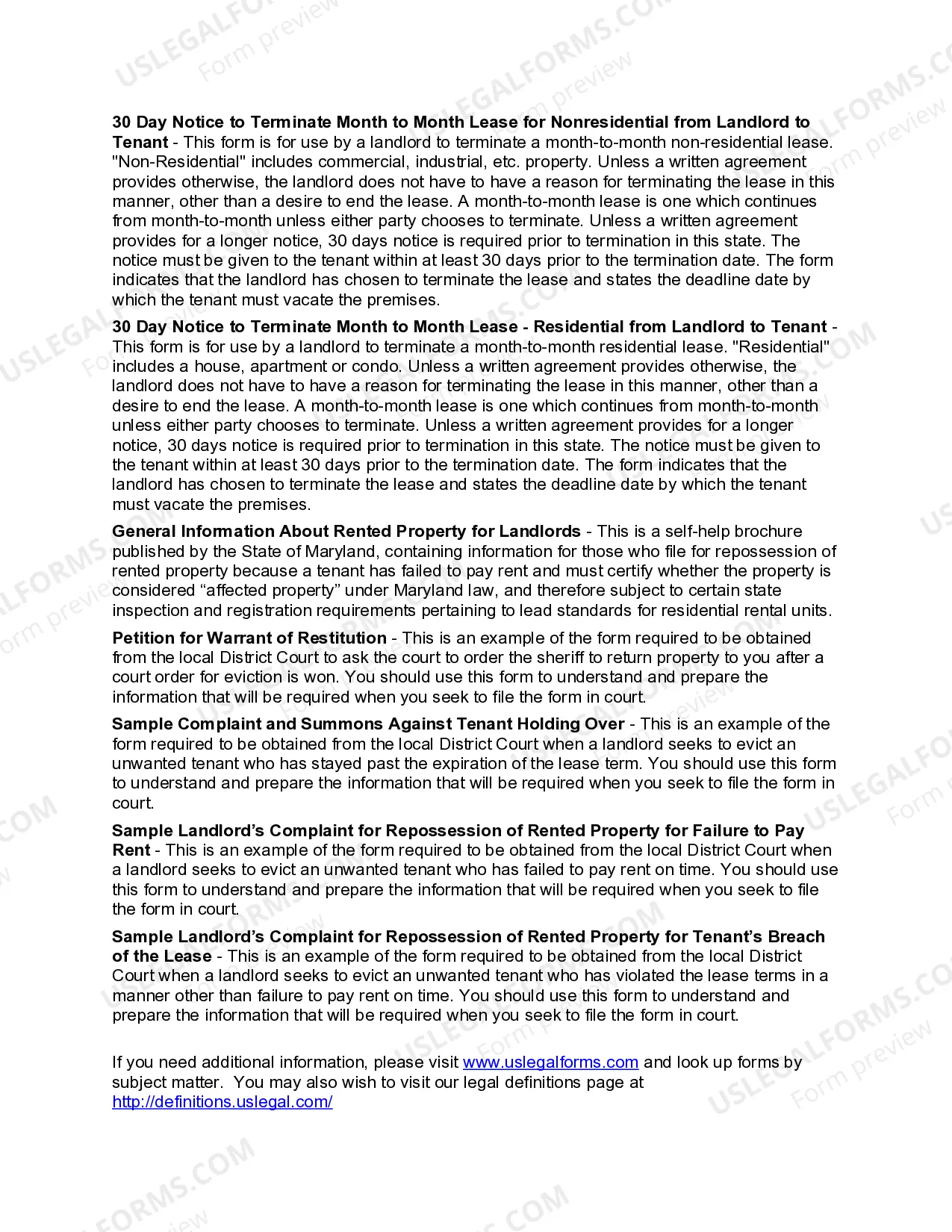
- 30 Day Notice to Terminate Month to Month Lease - Residential from Landlord to Tenant
- 30 Day Notice to Terminate Month to Month Lease for Nonresidential from Landlord to Tenant
- General Information About Rented Property for Landlords
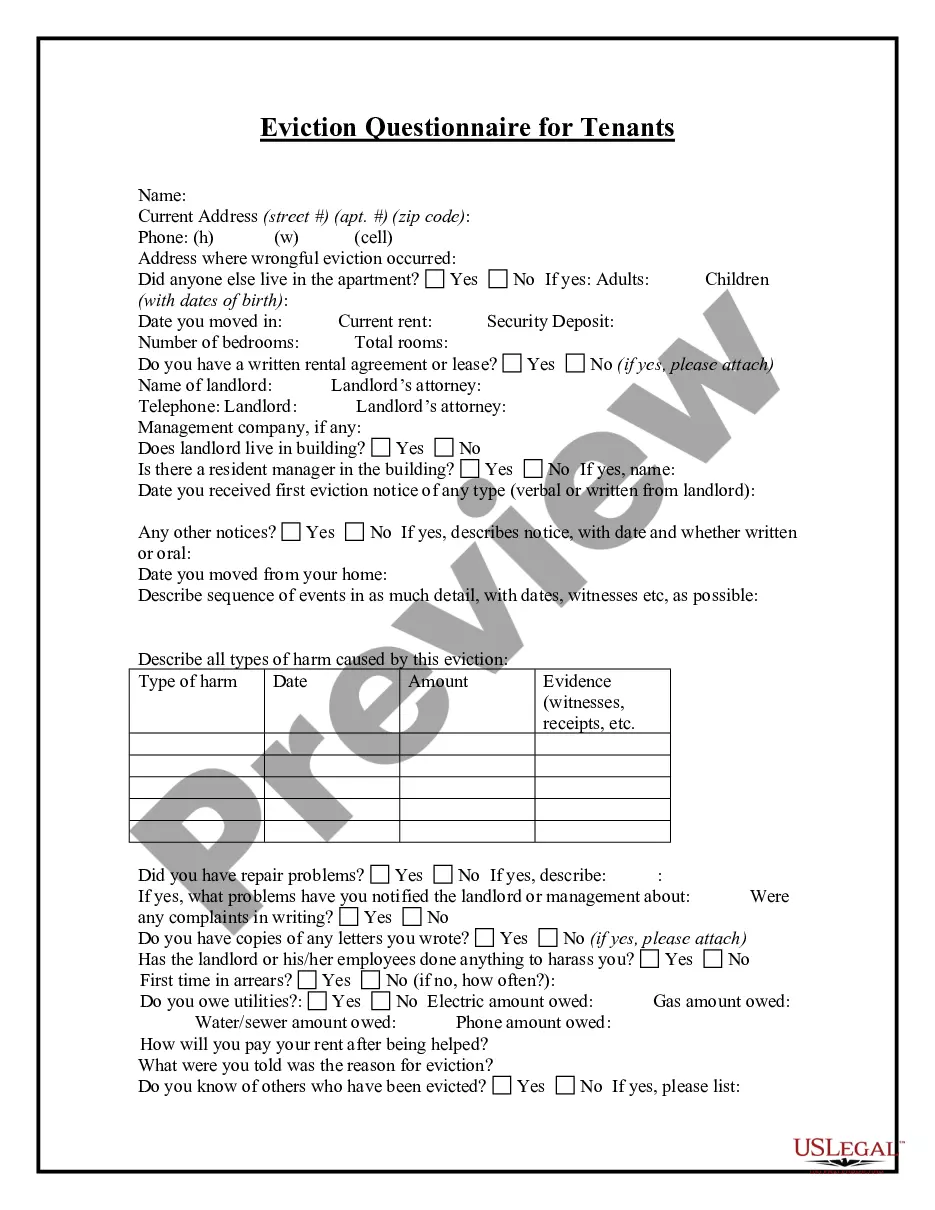
- Sample Petition for Warrant of Restitution
- Sample Complaint and Summons Against Tenant Holding Over
- Sample Landlord's Complaint for Repossession of Rented Property for Failure to Pay Rent
- Sample Landlord's Complaint for Repossession of Rented Property for Breach of Lease
When this form package is needed
This form package is appropriate to use in situations where:
- You need to terminate a month-to-month lease with proper notice.
- A tenant has caused substantial damage to the rental property.
- A tenant has failed to pay rent on time.
- A tenant is holding over after the lease has expired.
Intended users of this form package
- Landlords of residential rental properties in Maryland.
- Property managers looking to handle tenant evictions professionally.
- Individuals who are managing rental properties without legal representation.
Instructions for completing these forms
- Review the included forms carefully to determine which apply to your situation.
- Identify the parties involved, including the landlord and tenant.
- Fill in the required information, such as dates and property details.
- Provide any necessary supporting documentation, such as proof of damages or missed rent payments.
- File the completed forms with the local District Court as instructed.
Do documents in this package require notarization?
Forms in this package typically do not require notarization unless required by local law. However, it's essential to review each form to understand any specific notarization requirements that may apply to your situation.
Get your form ready online
Our built-in tools help you complete, sign, share, and store your documents in one place.
Make edits, fill in missing information, and update formatting in US Legal Forms—just like you would in MS Word.
Download a copy, print it, send it by email, or mail it via USPS—whatever works best for your next step.
Sign and collect signatures with our SignNow integration. Send to multiple recipients, set reminders, and more. Go Premium to unlock E-Sign.
If this form requires notarization, complete it online through a secure video call—no need to meet a notary in person or wait for an appointment.
We protect your documents and personal data by following strict security and privacy standards.

Make edits, fill in missing information, and update formatting in US Legal Forms—just like you would in MS Word.

Download a copy, print it, send it by email, or mail it via USPS—whatever works best for your next step.

Sign and collect signatures with our SignNow integration. Send to multiple recipients, set reminders, and more. Go Premium to unlock E-Sign.

If this form requires notarization, complete it online through a secure video call—no need to meet a notary in person or wait for an appointment.

We protect your documents and personal data by following strict security and privacy standards.
Common mistakes to avoid
- Failing to provide accurate information about the rental property.
- Not adhering to the required notice periods before filing for eviction.
- Using outdated forms that do not reflect current Maryland laws.
Benefits of completing this package online
- Convenience of downloading forms instantly.
- Editability allows for quick customization to your specific situation.
- Forms are created by licensed attorneys, ensuring reliability and legal compliance.
Legal use & context
- Eviction notices must comply with Maryland's legal requirements to be enforceable.
- Proper documentation is essential to establish the landlordâs right to regain possession of the property.
- Failure to follow correct procedures may result in delays or dismissal of eviction actions in court.
Key takeaways
- Understand the purpose and necessity of each form before completion.
- Ensure you comply with state-specific regulations when evicting tenants.
- Utilize this package for a straightforward and legal approach to tenant eviction in Maryland.
Looking for another form?



Form popularity
FAQ
Unlawful detainers are complicated lawsuits that move quickly. Tenants should not handle it themselves. If you have been served an unlawful detainer complaint, you may choose to move out and not resist the eviction, which will force the landlord to dismiss the unlawful detainer against you.
Addresses. Date. Tenant names. Status and date of the lease. Why the eviction notice is served (clear and concise explanation) Date tenant must vacate the property. Proof of service or delivery of notice.
You have to file at your the District Court where your property is located. Go to the landlord-tenant clerks' office and complete the wrongful detainer form. You should ask for a sample completed form to guide you. Bring two checks One to pay for the filing fee and one to pay for the Sheriff's service fee.
Evicting a tenant in Maryland can take around 3 weeks to 5 months, depending on the reason for the eviction. If tenants request a continuance or file an appeal, the process can take longer (read more).
Courts commonly refer to eviction actions as "forcible entry and detainer" or "unlawful detainer" actions. The legal theory is that the landlord alleges the tenant unlawfully continues to have use and possession of the rental property, and the landlord seeks the assistance of the court to have the tenant removed.
To evict you, a landlord must go to District Court to get a judgment against you.A notice to vacate from your landlord is not a court order. This is the written notice that a landlord must give you at least one month before your lease ends, if they want you to move out at the end of the lease.